Up Next
Angenette Levy Investigates the Assassination of Charlie Kirk and Suspect Tyler Robinson's Radicalization
25:29
Tyler Robinson Faces Death Penalty for Charlie Kirk Assassination as Chilling Text Messages Reveal Political Motive
29:20
Brandon Tatum on Charlie Kirk's Murder: The Radical Left's Indoctrination Has Gone Too Far
22:38
Major Battle Over Media Access Continues in Charlie Kirk Assassination Case as Evidence Goes Missing
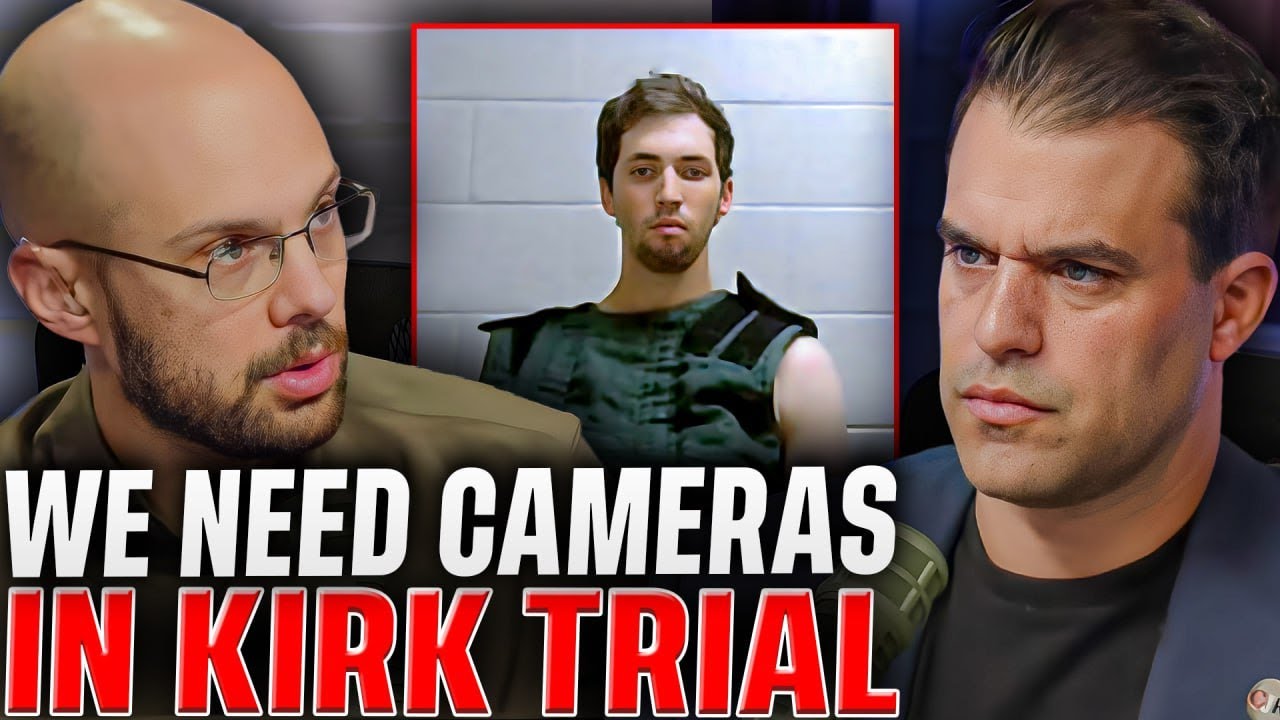
A fierce legal battle over media access erupts in the Charlie Kirk assassination case as prosecutors, defense attorneys, and media outlets clash over transparency in court proceedings. Tyler Robinson, the defendant charged with Kirk's murder, faces potential death penalty charges while evidence mysteriously disappears. Surveillance footage from Robinson's self-surrender to the Washington County Sheriff's Office has been deleted after a 30-day retention period, raising serious concerns among legal experts about the handling of crucial evidence in one of the biggest political assassinations in recent memory. Multiple media organizations are now seeking intervenor status to gain access to sealed hearings and court documents, while both the defense and prosecution argue over how much transparency the case should allow. The controversy intensifies as questions mount about missing evidence and the justification for keeping proceedings closed to public scrutiny.
Missing Evidence Raises Serious Questions
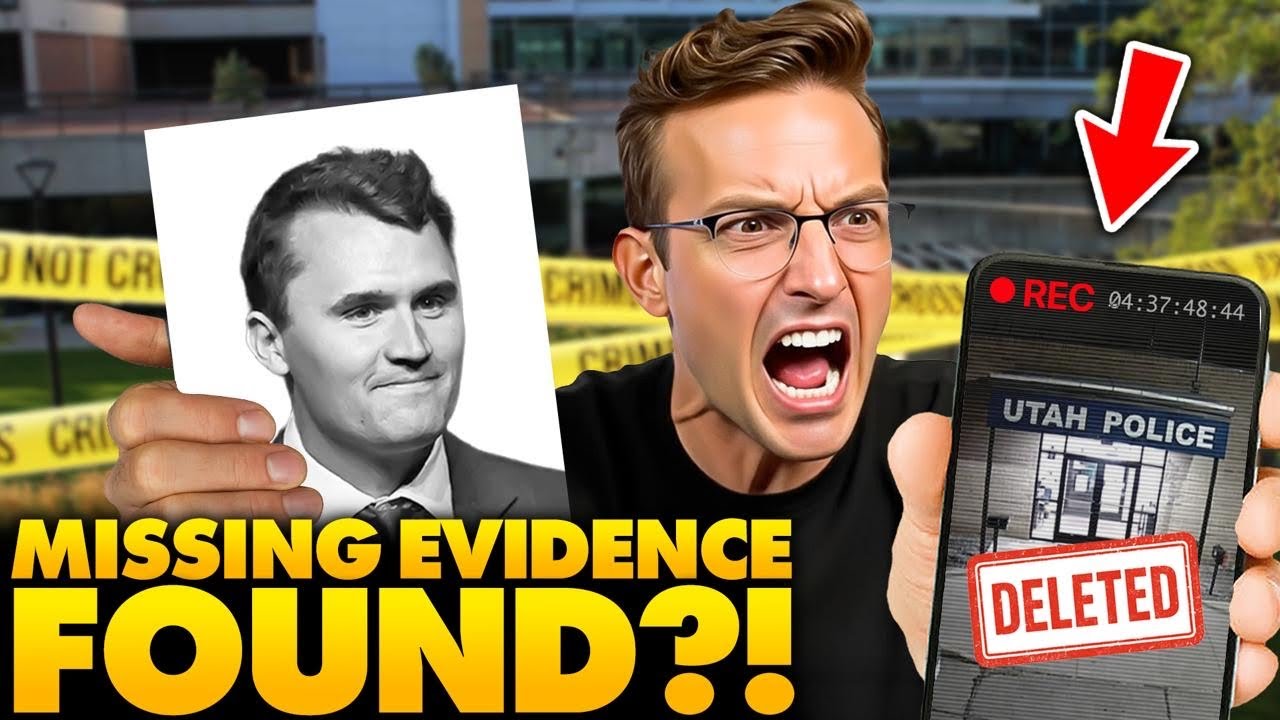
Surveillance footage documenting Tyler Robinson's self-surrender to authorities has vanished, according to responses to public records requests filed by local news outlets. When 2 News filed requests with the Washington County Sheriff's Office for video showing Robinson entering the county jail or holding area, they received a stunning response: "Our office does not have any applicable records responsive to this request as the surveillance footage is no longer available after the 30-day retention period. Deleted."
When asked if the video was shared with any law enforcement or legal agency, the department responded that it was never sent out to any agency. The disappearance of this footage is particularly concerning given the high-profile nature of the case. Robinson's self-surrender came as a surprise to investigators, who admitted they had no leads the night of the shooting. The next morning, Robinson turned himself in with the help of Washington County Sheriff Nate Brooksby, who stated: "Our job was not to interview. Our job was just to get him there. Within the hour, my friend drove Tyler and his parents to my office where he was greeted by plain clothed detectives."
Rudy Bautista, a criminal defense attorney with 26 years of capital case experience, expressed serious concerns about the missing evidence. "We would certainly hope that this video is available. If in fact, it has been destroyed, it's very concerning," Bautista said. He noted that the video evidence of Robinson turning himself in would be crucial for defense mitigation work, potentially showing Robinson's compliance and state of mind, which could be factors in arguing against the death penalty.
Media Organizations Demand Access to Sealed Proceedings
Multiple media organizations have filed motions seeking limited purpose intervenor status in the case, demanding notice and access to proceedings that have been repeatedly sealed from public view. The media's intervention comes after several hearings took place with no camera access, no audio, and sealed documents that left the public completely in the dark about case developments.
Court records show that Robinson appeared in court only once on September 16th with media access. Subsequent hearings on September 29th and October 27th had no camera or audio access. A hearing on October 24th was completely sealed, with all filings and minutes classified as private. The media organizations argue that Utah code guarantees them the right to notice and an opportunity to be heard when courts consider closing proceedings or sealing documents.
The media entities are requesting formal recognition as limited purpose intervenors, prompt notice of any motions seeking to limit access to filings or hearings, and an opportunity to be heard on those motions before proceedings are locked down. They cite both court rules and controlling precedent recognizing that media members have standing to be heard on issues of court access and transparency.
Defense Objects to Media Intervenor Status
Tyler Robinson's defense team filed objections to the media's request for intervenor status, acknowledging that media outlets have certain rights but arguing those rights should be strictly limited. The defense concedes that the media has a right to notice and a right to request leave to be heard when proceedings are sealed or closed, but strongly objects to granting them formal party status in the litigation.
"This is significantly broader than is provided by the law and so we need to balance this out. The media and their intervenor status should be denied," the defense argued in court filings. They contend that granting intervenor status would give media organizations direct notice to all filings, not just those they're entitled to under existing court orders. The defense also raises security concerns about ensuring court records are properly classified as private, sealed, or closed and not accessible to media from the point of filing.
The defense emphasizes that the state is seeking the death penalty and all participants have a duty to ensure Robinson receives a fair trial. "This may at times also necessitate the closure of proceedings or the classification of the filings as private," the defense wrote. They cite the principle that "the right to an impartial jury is nowhere near as precious as the defendant is on trial," arguing that Robinson's rights must take precedence over media access.
According to the defense, media organizations should be limited to monitoring the public docket system and requesting opportunities to challenge closure motions, but should be precluded from becoming formal parties with ongoing access to all case developments.
Prosecutors Stake Out Middle Ground on Media Access
In a notable departure from the defense position, prosecutors filed a response agreeing that media outlets should receive enhanced notice and limited participation rights. The state agrees that parties should be required to serve media outlets with copies of motions seeking to limit access to filings and hearings, and that media should have an opportunity to appear and be heard on those issues.
However, prosecutors made clear they are reserving their right to argue in favor of limiting access whenever they deem it appropriate. "The state maintains its right to argue in favor of limiting access to filings and hearings as it deems appropriate," their filing stated. The prosecutors acknowledge that both court rules and controlling precedent recognize that media members have standing to be heard, and therefore should be permitted as limited purpose parties to address access issues.
The state's position represents a middle ground between full transparency and complete closure. They support serving media outlets with motions to seal or close proceedings, allowing media to contest such motions at closure hearings. The prosecutors argue this approach balances the public's right to access with the need to protect the integrity of the proceedings and ensure Robinson receives a fair trial.
Prosecutors also emphasized that while there exists a First Amendment right of access to criminal trials, that right is not absolute and can be denied when there is a compelling government interest. They maintain the ability to restrict media access when necessary to protect the trial process, preserve evidence, or prevent prejudice to the jury pool.
Defense Challenges State's Motion to Amend Publicity Order
In a separate filing, Robinson's defense team objected to the state's motion to amend the court's existing publicity order, which limits what attorneys, witnesses, and consultants can say publicly about the case. The defense argues the current order is neither overbroad nor void for vagueness, as the state claims, and properly balances Robinson's rights against First Amendment concerns.
The publicity order tracks professional rules of conduct for attorneys, limiting their ability to make statements that could prejudice the case. While it applies to both defense and prosecution, the order does not purport to subject non-attorneys to the court's power—it merely places counsel on notice that they must control statements made by witnesses and consultants they work with.
The state argues the order is vague because it doesn't clearly define who qualifies as a "witness" in a case where thousands of people attended the event where Kirk was killed. The prosecutors claim they cannot identify all potential witnesses and therefore cannot properly comply with the order's restrictions. The defense dismisses this as a "gross exaggeration," noting that the vast majority of attendees did not witness the actual shooting and the number of people with relevant personal knowledge is far smaller than 3,000.
"It's unclear if their concern is that its attorneys and agents don't have the ability to control their lay witnesses or that the effort to seek the death penalty may be prejudiced by other agendas or if the state is concerned that its lay witnesses, some of whom may be among the most highest profile people here, may not be able to speak about this. In other words, why does the state want to allow more people to talk about this?" the defense questioned in their filing.
The defense argues that protecting lay witnesses from speaking publicly is especially important given the "notoriety of the victim, Mr. Kirk," the "politization of his death and the prosecution of Robinson," and the "unprecedented media interests in all this." They urge the court not to amend the protective order in a way that would allow more people to speak publicly rather than fewer.
Death Penalty Justification Questioned by Legal Experts
Legal experts are questioning whether the case actually qualifies for death penalty charges, which could undermine the state's argument for keeping proceedings closed. Rudy Bautista, the local criminal defense attorney, stated publicly: "Mr. Kirk, by all accounts, was a great man, and we encourage justice, but this is not a death penalty case."
Bautista points to the alleged murder weapon and the fact that only one shot was fired. He argues that since the weapon didn't allow for automatic fire, there isn't an aggravating factor sufficient to warrant aggravated murder charges. "The risk of hitting someone else isn't really there. That's why I believe that the aggravating factor is really weak now and why it was charged that way politics," Bautista said.
If the death penalty is not actually justified under the law, the state's primary argument for extraordinary secrecy measures falls apart. Courts typically grant more restrictive protective orders in capital cases due to the heightened stakes and the need to ensure an untainted jury pool. However, if the aggravating factors required for a death sentence are not present, the justification for limiting public access becomes much weaker.
Bautista suggested the death penalty charges may have been influenced by political pressure, noting that prior to Robinson's arrest, many political figures were calling for the death penalty. "If you're looking at this objectively, it suggests abuses in our higher government. Maybe because of the political charge because of the death penalty," he said.
Court Findings Support Unprecedented Media Restrictions
The court's existing orders reveal the judge's reasoning for imposing strict limitations on media access and publicity. In an order entered on September 16th, just days after Kirk's death and Robinson's surrender, the court observed that the case has generated enormous public interest and that pretrial publicity poses a serious concern for jury pool contamination.
The judge made findings that "the media interest in this is arguably unprecedented." The court expressed particular concern about photographs and visual recordings of Robinson in jail clothing, noting there is "a strong likelihood a number of jurors will view these images and the clothing will look like guilt." The danger of prejudice is "compounded by technological advancements like AI," according to the court's order.
Based on these findings, the court ruled that Robinson shall be permitted to appear in civilian clothing at every hearing. The court also recognized that the unprecedented media interest creates risks of prejudice beyond just images—any coverage will be "accompanied by social media posts" that could harm the defense case.
The defense argues there is already "evidence in the record of the vast interest in this prosecution by media entities, who will no doubt seek to use their investment of time and resources to gain access to this proceeding to maximize how many people see it." Multiple groups of media organizations are seeking access and information about the case. Moreover, each hearing has been accompanied by requests from media to gain access with cameras and recording equipment.
What Happens Next
The court has scheduled an in-person review hearing for December 11th, though it remains unclear whether this hearing will be open to cameras and public observation or limited to physical presence of select individuals. The judge will need to rule on several pending motions, including whether to grant media organizations limited intervenor status, whether to require parties to serve media with copies of motions to seal or close proceedings, and whether to amend the existing publicity order as requested by prosecutors.
The resolution of these issues will determine how much transparency the public receives in one of the most high-profile criminal cases in recent memory. The competing interests at stake include Robinson's constitutional right to a fair trial, the public's and media's First Amendment right of access to criminal proceedings, the integrity of the evidence and witness testimony, and the state's interest in successfully prosecuting a death penalty case.
The missing surveillance footage adds another layer of controversy to the proceedings. If crucial evidence documenting Robinson's surrender and initial custody has been permanently lost, questions will continue to mount about how the case is being handled by law enforcement and whether other evidence has been mishandled or lost. For now, the battle over transparency continues as the legal community watches to see whether the courts will open these proceedings to public scrutiny or continue the pattern of sealed hearings and classified documents that has characterized the case so far.
Video Transcript
Our office does not have any applicable
records responsive to this request as
the surveillance footage is no longer
available after the 30-day retention
period. Deleted. This is significantly
broader than is provided by the law. And
so we need to balance this out. The
media and their intervenor status should
be denied. Or if the state is concerned
that it's lay witnesses, some of whom
may be among the most highest profile
people here may not be able to speak
about this. In other words, why does the
state want to allow more people to talk
about this? Major battle over media
access continuing in the Charlie Kirk
assassination case. Of course, Tyler
Robinson is the name of the defendant
and a bunch of stuff just hit over there
in the court of Utah. You can see
several filings. November 20th, November
19th, we had some additional updates and
were battling over access to the
proceedings. The media some time ago,
they came in and they said, "You know
what? It would be very nice if we could
be a part of any questions about closing
judicial proceedings. So, back here in
earlier November, media wants to know,
"What are you doing at these secretive
hearings?" There was a hearing that took
place on 10:24 that we never got to hear
anything about. It was all sealed right
here. You can see October 24th sealed.
We want audio. We want transcripts.
Didn't get any of it. Then we had other
hearings and we've seen Tyler Robinson
one time in court. But remember, the
other hearings that we've had here are
chronicled in our mind map, which is
loading right now. We saw Tyler Robinson
the first time on 9:16. His second
hearing with no camera, no audio was
9:29. And then we had a 10:27 hearing.
Once again, no camera, no audio. And we
had a hearing in between. It was on
10:24 and it was locked down. So the
media then came screeching in. They
said, "Hey, you can't have these
secretive hearings without us. and we
want to be coming in here as
intervenors. We want to be actually
included in the proceedings. Utah code
says that we're allowed to do that. So,
there's been a back and forth. You can
see prosecutors are weighing in. State
responded to the media intervention.
Defendant Tyler Robinson is also
objecting to many of these things. You
can see here objection to the state's
motion. And so, we're going to break
down exactly what is happening here.
There was also this other story, people
questioning missing evidence. The
headline from another local Utah news
agency called KUTV shared that two news
investigates it discovers possible
missing evidence in the Charlie Kirk
murder case which is a very curious
thing. Says two news investigates
uncover possible missing surveillance
video of Tyler Robinson turning himself
in to the Washington County Sheriff's
Office just days after the alleged
shooting and killing of Charlie.
Washington County Sheriff called Nate
Brooksby. He said our job was not to
interview. Our job was just to get him
there. Within the hour, my friend drove
Tyler and his parents to my office where
he was greeted by plain clothed
detectives. Right. And the
self-surrender was a huge part of the
story. The FBI had no idea who did it.
We played the video clip here of the FBI
agent saying, "Do you have any ideas?"
No, we have no idea right now. Next
morning, boom, dude turns himself in.
So, we're all asking, okay, well, how
did that self-surrender process happen?
He said, "Well, 2 News filed a public
records request with the Washington
County Sheriff's Office for video
showing Robinson entering the county
jail or the holding area and video of
him in the holding room. They responded
to the public record request. Quote, we
do not have any records responsive to
this portion of the request as Tyler
Robinson did not go to or enter the jail
area." H wrote a records officer at the
sheriff's office. He did not go to or
enter the jail area. Did you put him in
custody? holding room video was denied
as part of the investigation. So did not
go to the jail area. Is that a separate
provision? So he's just in holding and
he doesn't go to the sheriff's jail. He
goes to holding and they transport him
to another facility. This stuff actually
matters. Okay? You have to understand
where your defendant is. And if you're a
defense attorney and you've gotten those
2 a.m. phone calls, somebody got
arrested for a felony. Police just
executed a warrant, broke in, took him,
and he's gone. And your job is to go
find and track down that client. And
it's often a nightmare because they're
from this, you know, who knows what
precinct they were taken to, what
division, where they're at. It's a mess
until you can find them and you got to
track them down for their initial
appearance. But holding room video was
also denied. Where was that person? We
don't know. A few weeks later, 2 News
reup their request in a more generalized
fashion. They said, "Okay, well, how
about maybe it's not the jail area.
Maybe that's like you got to be specific
with these records requests." Or they're
like, "Nope, not applicable. Don't have
anything." Well, how about him walking
into the building? Any video of him
walking into the building? They said,
"Our office does not have any applicable
records responsive to this request as
the surveillance footage is no longer
available after the 30-day retention
period. Deleted." Wow. When asked if the
video was shared with any law
enforcement or legal agency, the
department responded, "It is my
understanding it was never sent out to
any agency." Incredible. So, nothing
saved from one of the, if not the
biggest political assassination of our
lifetimes. Two News took questions to
Rudy Bautista. He's a criminal defense
attorney there. He says, "Yeah, for the
state of Utah, like the prosecutors
who've done a, as far as we know, a
terrible job so far in terms of access
and transparency, they are agreeing to
close down the proceedings, even though
Erica Kirk says, "Let cameras in." We
would certainly hope that this video is
available. If in fact, it has been
destroyed, it's very concerning, says a
local 26-year capital attorney there.
And if it has, then it's very concerning
that they're telling you they don't have
it. If they no longer have it, I would
have expected to say that this video has
been provided to Utah County law
enforcement. but instead he's like this
letter says in my opinion as trying to
shut the door and not give you free
access to the press. Bautista said the
video evidence of Robinson turning
himself in would be crucial for the
defense work of mitigation. Right? The
defense wants that too to say look he
came in and surrendered. He was in a
manic state when this all happened. He
did it but look like don't give him the
death penalty. He voluntarily
surrendered. He was in a state of
insanity. Look how compliant he was.
Bautista said video was necessary. He
also believes the case involving Tyler
Robinson, who has been charged with
crimes, is not a death penalty case. He
says, "Mr. Kirk, by all accounts, was a
great man, and we encourage justice, but
this is not a death penalty case." He
says he looks at the alleged murder
weapon. He believes that since only one
shot was fired, the weapon didn't allow
for any automatic fire. There's not an
aggravating factor to warrant aggravated
murder. Interesting. Because if it's not
death penalty, then their argument for
why this case has to be so locked down
is absolutely gone. I think it's already
gone anyways just based on the fact that
you can protect the sanctity of the case
with other tools of a trial like void
deer and things. Now the risk of hitting
someone else is isn't really there.
That's why I believe that the
aggravating factor is really weak now
and why it was charged that way
politics. Now prior to Robinson's arrest
many political figures were calling for
the death penalty but he says if you're
looking at this objectively it suggests
abuses in our higher government. Maybe
because of the political charge because
of the death penalty. So motions filed
back and forth and you can see the
defendant, this is Tyler Robinson now,
he submitted this. He says, "All right,
we're responding to the media. Media is
trying to come in here and get access to
this, but we're not happy about it." He
says, "A couple things have happened.
We're filing our responses here, but we
want you to know the media interveners,
the media came in and said, "You guys
are locking this down without giving us
proper notice. You have to do that."
They say, "Hey, well, this is seeking
some of the other things." Like there's
also the news media and they're kind of
asking for the same things. And so the
defense now, Tyler Robinson, we're
acknowledging that the media does have
some rights. They have a right to
notice. They have a right to request
leave to be heard when we want to seal
or close a hearing, but we object. We
say they should not get extra notice.
All they should get is the public
docketing system. And we also don't want
them to be a party to this case. They
are seeking a formal status in this
litigation. Defense says the media wants
to be an intervenor. They want to be
notified about secret proceedings. They
say they should not be interveners and
they should not be notified about secret
proceedings other than what you can pull
as I did which here is the public
docket. And the problem with that is
that when you go back and you look at
these hearings, this is what you see on
the public docket file minutes sealed
closed hearings. So you don't really
even know that it's going to be
happening. So you have after the fact
awareness of these secretive proceedings
that doesn't help you at all. So they
say this is significantly broader than
is provided by the law and so we need to
balance this out. The media and their
intervenor status should be denied. They
write the Supreme Court has firmly
established that yeah of course the
press and the public has a
constitutional right to access criminal
trials. We know it's why we screamed
about it. Now the Utah Supreme Court
likewise has recognized a presumptive
right under article 1 that says we can
access trials. But these rights however
are not absolute. Now, while open
criminal proceedings give assurances to
the public, it's not unfettered. The
court knows that requests made of the
media about court records, it's critical
you consider prejudice. To preserve a
right to trial for the defendant, trial
courts have an affirmative duty to
protect against harm. Now, there's no
precedent for granting them intervenor
status. They're conflating their rights.
These rules apply to criminal
interveners, but the right to notice is
not something that they enjoy. They do
cite a Utah Supreme Court decision, but
this is very different than what is
happening here. After another trial
concluded, the media entity filed a
petition for an extraordinary writing an
order for a closure hearing. And so
there's no applicable rule here for the
media. Others have argued in prior cases
that these other rules should apply, but
it doesn't apply here is what they say.
So having now requested notice, the
media are entitled to notice and an
opportunity to be heard about motions to
reclassify court records and about any
other closure requests. So you can just
tell them you're going to have a hearing
and if they want to demand access to be
a part of that hearing or challenge the
hearing now they have notice to do that.
Now in this regard they have standing
and it is anticipated that the court
will permit the media to be heard on
these issues in the manner the court
deems appropriate. However, the court
should not allow the media to be a named
party or even a limited purpose party at
all. Doing so would give the media
direct notice to all filings, not just
those that they're entitled to under the
court's order. Doing so also creates
concern with security, ensuring that
court records are properly classified as
private, sealed or closed and not
accessible to the media from the point
of filing to the temporary
classification to the court staff and we
make a decision on classification. So
without limiting the clear right of the
media entities who referred to
themselves as the media, this court
should not give them some permanent
intervenor status. Beyond the relief
that Tyler Robinson acknowledges here,
as he did in the other response, their
motion to intervene should be denied.
Here's why. They say the state of Utah
is seeking the death penalty. All
participants in this proceeding have a
duty to ensure that he gets a fair
trial. This may at times also
necessitate the closure of proceedings
or the classification of the filings as
private. As aptly stated by the first
circuit, the right to an impartial jury
is nowhere near as precious as the
defendant is on trial. And so we're
going to comply with the court's order.
Any relief should also be denied to the
media. So the defense attorneys saying,
"Don't let them come in here. Public
dockets's enough. they can request an
opportunity to challenge this, but
otherwise they should be precluded from
these proceedings. Now, the state, the
prosecutors who are actually prosecuting
Tyler Robinson, they came back and they
said, "All right, here's our take."
Various media outlets are now seeking an
order. They want to be recognized as
limited purpose interveners and they
want to be notified prompt notice of
anything that is seeking to limit access
to the filings, the hearings, or any
other aspects of the proceedings. They
also want an opportunity to be heard on
those motions before the things get
locked down. Now, the state agrees that
the parties should be required to serve
the outlets with copies of the motions
and that media outlets should have an
opportunity to appear and be heard on
those issues, but the state maintains
its right to argue in favor of limiting
access to filings and hearings as it
deems appropriate. Okay? So, we'll give
them some limited access, but if we want
to lock it down, we reserve the right to
say we want to lock it down. So a person
or entity who's not a primary party may
be a limited purpose party saying
there's rules that allow that to happen.
Now, as explained below, both court rule
and controlling precedent recognize the
media members have standing to be heard
and so we think that they should commit
as limited purpose parties to address
those issues, saying, "We agree we
should give them copies of any motion
that is now attempting to limit
documents and we agree opposite to Tyler
Robinson and the defense that the
parties should serve the outlets with
any motions that seek to limit access to
court hearings." So, thank you
prosecutors for at least that. A person
who files a motion to reclassify a
presumptively public court document must
serve the motion on the press. If that
motion to seal is contested, the court
must then conduct a closure hearing.
Members of the media can then come in
and be heard. Now, consistent with this
rule, the court has already ordered that
all future motions go to the press. And
we think that works. Now that the media
outlets have also requested notice of
some motions to close court hearings,
the party should also serve them with
those copies as well. Now they say that
the public docket is just enough but we
think that they actually have interest
in these proceedings and so they can
come in and get more access. As to the
second category of interested persons,
the filing of a written notice of a
closure will assure that those truly
interested can make themselves aware of
this. Right? As soon as it's filed, the
media says, "Okay, great. They're trying
to lock this down. They can come in and
make their voices heard." Now, finally,
the state agrees with the defense that
all participants have a duty to ensure a
fair trial. The state therefore also
agrees that while there exists a first
amendment right of access to criminal
trials, that right is not absolute and
can be denied when there is a compelling
government interest to lock it down. So
if we want to restrict media access when
necessary, we can signed by the Utah
County lawyers saying so therefore the
court should grant the media outlets
motion require the parties to serve them
with documents and allow the media to
appear as limited purpose interveners.
So that's positive, right? in the
trajectory of more access, not less. But
if they do want to lock it down, they
will still do that. So now Tyler
Robinson objects to another filing. The
state wanted to amend the publicity
order, and they're objecting to it. They
say Tyler Robinson through his defense
team is now objecting to the state's
request to modify the publicity order,
saying that this court's order does not
agree that it is overroad or void for
vagueness, and it doesn't improperly
balance Tyler Robinson's rights. They
say he is in the middle of a capital
trial. He's got even first amendment
rights and witnesses might be impacted
by this. So, we object to the state.
They say the first portion of this
publicity order tracks the rules. It
limits the statements of attorneys. A
lawyer who is participating in this
should not be disseminating things that
are going to prejudice the case. Now,
the only arguable differences between
that order and this rule are that the
order applies to defense and prosecutors
and not just to prosecutors. The order
identifies a witness and a consultant.
But it's worth noting that the publicity
order, while it imposes upon council for
both parties a duty to take care, it
does not purport to specifically order
non- attorneys to limit their speech.
The only persons whose actions are
subject to judicial supervision are
attorneys. And that is because the order
merely makes it specifically enforceable
in this case, that which is ethically
required of all attorneys in every case.
All right. Now, while it's true that
statements of non- attorneys could
violate the order, could result in
sanctions against an attorney, the order
does not purport to subject non-
attorneys to the court's power, it
merely places counsel on notice that
they have to follow the rules. And so,
it tells us we shouldn't make statements
that interfere with Tyler Robinson's
rights to a fair trial. So, the state
says the court has failed to make
findings of facts to support this order.
The order entered on September 16th,
just days after Kirk's death and
Robinson surrender observes that this
case has generated a lot of public
interest as we know. So pre-trial
publicity is of concern. It can taint
the jury pool and again a lot of that
can be fixed with Voyer during jury
selection. Then the court made further
findings said the media interest in this
is arguably unprecedented. The judge
said photographs and visual recordings
of Robinson and jail clothing will be
shared. There's a strong likelihood a
number of jurors will view these images
and the clothing will look like guilt.
The danger of prejudice is compounded by
technological advancements like AI.
While the court comments in that order
are connected with its conclusion that
Robinson shall be permitted to appear in
civilian clothing at every hearing, the
unprecedented media interest also
creates a risk of prejudice, not just
images. Any images is going to be
accompanied by social media posts and
that's going to harm our case. There's
also evidence already in the record of
the vast interest in this prosecution by
media entities, the defense says, who
will no doubt seek to use their
investment of time and resources to gain
access to this proceeding to maximize
how many people see it. Two groups of
entities are already trying to get in
here and to seek info. Lots of groups
like the news media and another group
called the media interveners, all the
media. Moreover, each hearing in this
matter has been accompanied by a request
from the media to come in here. While
none of the media entities identified
here are categorized as lay witnesses,
it's clear that any extrajudicial
statements made by lay witnesses will be
published. And so, as the record
reflects, this court has already
observed, we need to warn lay witnesses,
don't talk about the case. So, the state
says we should amend this because it's
vague. They say no, it isn't. It
protects our clients rights. It appears
the state has latched on to some other
cases from Arkansas, but if they think
it's over broad, what they're really
attacking are the rules. So this broad
order is very protective and we don't
need to amend it at all. In the motion
to amend, the state asks a number of
questions about how it should
operationalize the use of the term
witness. What is a witness? But this is
neither vague nor over broad. A witness
is anyone that has personal information
and so they should be covered in these
limitations. Well, they say, "Well, we
have no idea who our witnesses even are,
and so we can't identify them. Your
order is applying to people we don't
even know yet. There were 3,000 people
there." Now, the state has already
provided us with a vast amount of
discovery. The bare assertion that 3,000
people were there is a gross
exaggeration of witness identification.
There's actually fewer people who saw
that. That's going to rule out 99% of
the attendees who were there. And the
penalty phase of this trial could have a
much broader list of witnesses. So, the
state's burden here is not unclear or
insurmountable. They have to tell their
people not to say anything. It's unclear
if their concern is that its attorneys
and agents don't have the ability to
control their lay witnesses or that the
effort to seek the death penalty may be
prejudiced by other agendas or if the
state is concerned that its lay
witnesses, some of whom may be among the
most highest profile people here, may
not be able to speak about this. In
other words, why does the state want to
allow more people to talk about this?
So, we don't really know. But their
assertion that lay witnesses do not
present the same concerns as other
people is false. Think about the
notoriety of the victim, Mr. Kirk. Think
about the politization of his death and
the prosecution of Robinson. The
unprecedented media interests in all
this. This is why we need to have
extreme protections of this case. Do not
amend the ultimate protective order so
that more people are limited against
saying things than less people are
limited against saying things. All
respectfully submitted by the defense
team for Tyler Robinson. And so the
battle will continue. We know that the
court has scheduled a hearing, I think,
coming up soon. Let's see. We have an
in-person review hearing, okay, coming
up on December 11th. And so we'll see if
they turn the cameras on or if in person
means for everybody else except Tyler
Robinson. But the question ultimately
that we'll want answered is to what
extent can the media participate in
this? To what extent do they deserve
notice? Can they lodge objections if
they're going to be having secret
hearings like they did before? What
level of access do we get to those
materials? And of course, we want all
the access. So we'll see what happens.
But that's the latest in the Charlie
Kerr case. We'll keep our eye on this
one.