
Up Next

Charlie Kirk Declares Culture War at CPAC: America's Next Generation Faces Choice Between Freedom and Socialism
11:33

Candace Owens Confronts Democrats on Black America's Real Issues After Viral Congressional Testimony
7:10

Charlie Kirk on President Trump's Executive Order Protecting Free Speech on College Campuses
6:38
Related Books
Browse Conservative Books


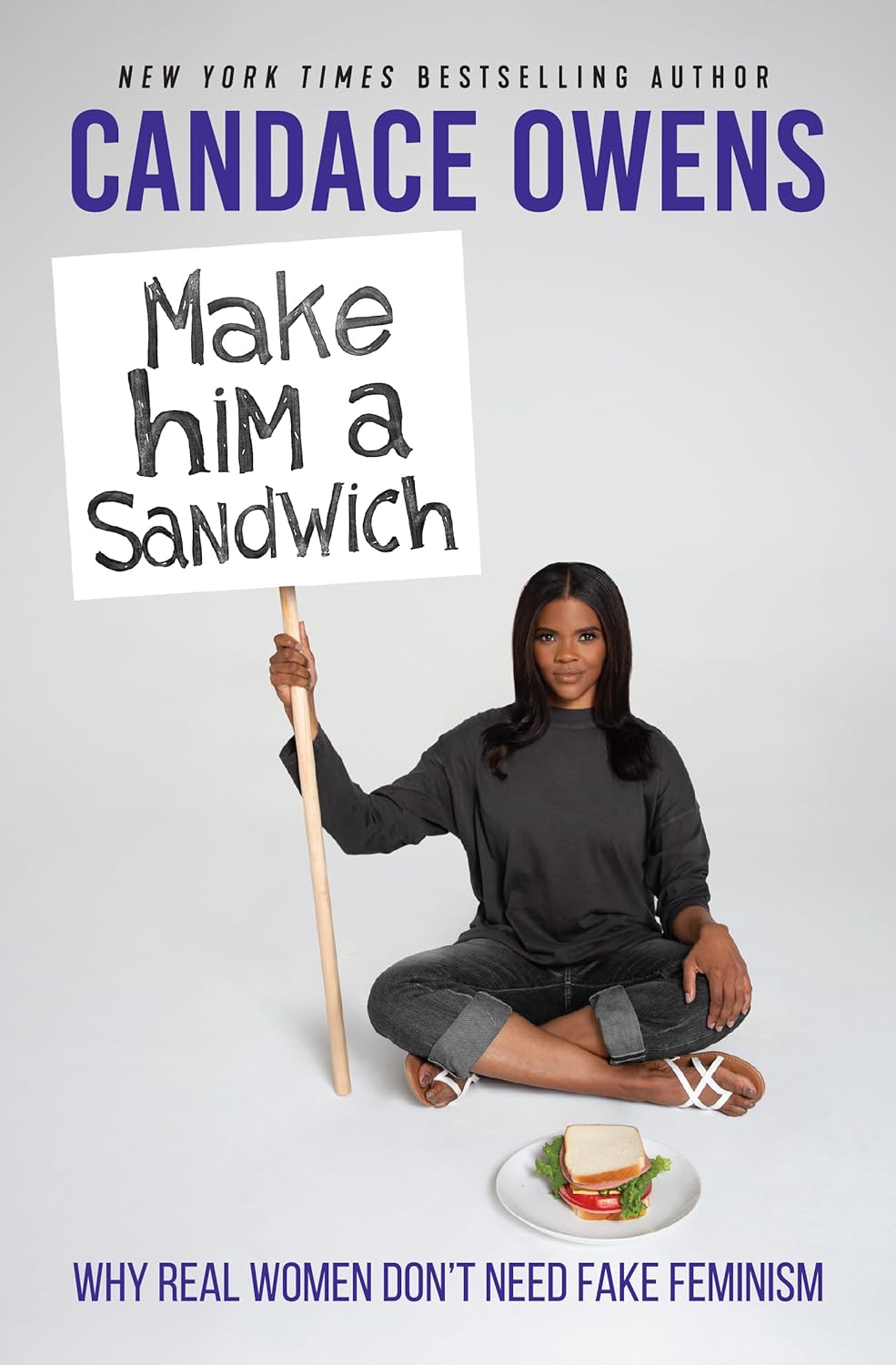





Mark Levin, Katie Pavlich, and Candace Owens Expose Liberal Indoctrination on College Campuses
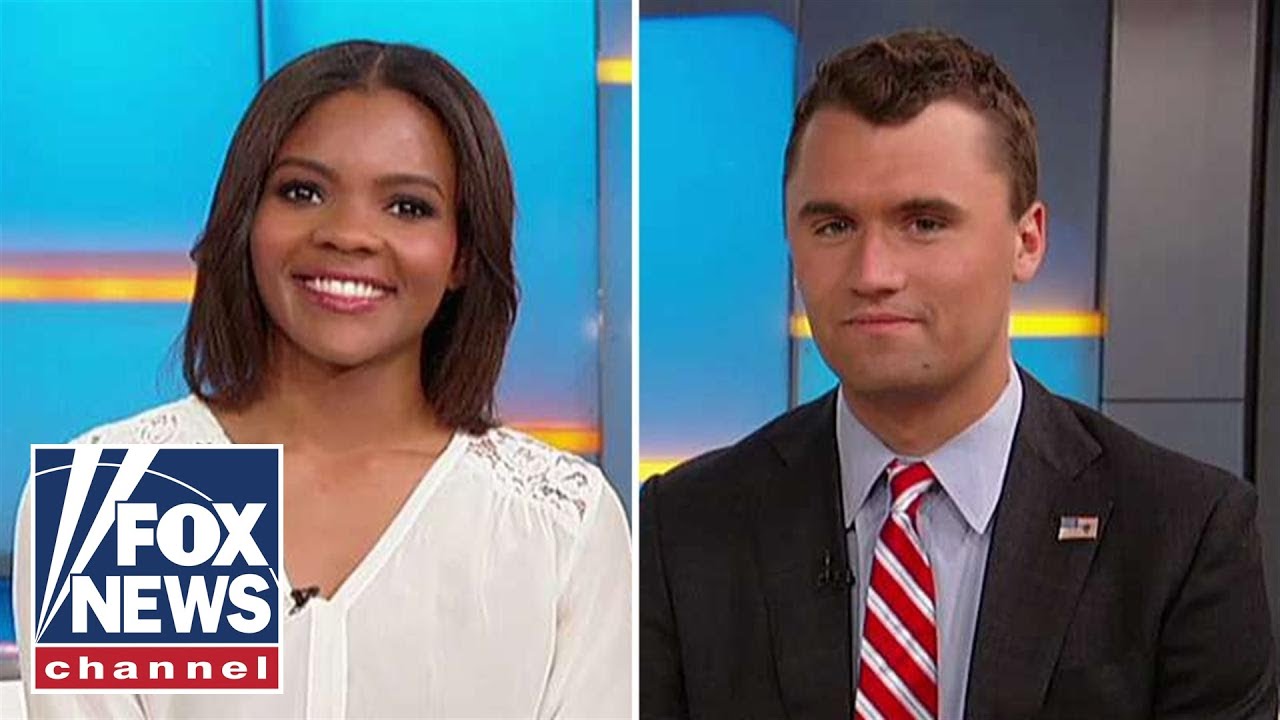
Mark Levin sits down with Katie Pavlich and Candace Owens to discuss the state of conservatism among young people and the ideological monopoly plaguing American universities. Pavlich, who grew up in a conservative household, and Owens, a former liberal who discovered conservatism during the 2016 election, share their different paths to conservative principles and explain why they believe college campuses have become liberal indoctrination camps. The conversation explores practical strategies for breaking the stranglehold of leftist ideology in higher education, from defunding to litigation.
Two Young Conservative Leaders Join Mark Levin
Mark Levin welcomed Katie Pavlich and Candace Owens to Life, Liberty & Levin for an in-depth discussion on conservatism, young Americans, and the crisis in higher education. Pavlich, who earned her Bachelor of Arts degree in broadcast journalism from the University of Arizona in 2010, moved to Washington DC to become news editor for townhall.com, contributing editor for Townhall Magazine, Fox News Channel contributor, and alternate co-host for The Five. Owens, director of urban engagement at the conservative advocacy group Turning Point USA, left her undergraduate journalism studies at the University of Rhode Island to launch social autopsy in 2016, a website exposing online bullying.
Despite coming from vastly different backgrounds, both women identify as conservatives, prompting Levin to explore how conservatism can appeal to people from diverse communities and serve as the glue that holds society together.
Katie Pavlich's Conservative Upbringing
Pavlich explained that conservatism is simply part of who she is, citing Margaret Thatcher's famous saying that "the facts of life are conservative." Growing up in a conservative household with parents who were small business owners, political ideology was woven into daily life rather than taught as doctrine. Her parents never sat her down to explain left versus right or Republicans versus Democrats - it was simply part of their family conversation.
At six years old, Pavlich wrote a letter to President Bill Clinton about taxes, arguing it was unfair that he was taking their money while they didn't get to spend his. Clinton wrote back with what she described as a generic argument about paying fair shares, marking the beginning of her political awareness.
As a fourth-generation American whose grandfather fought in World War II, Pavlich grew up surrounded by family members who served in the military. She didn't even realize until high school that the man wearing a cowboy hat on the poster in their garage was Ronald Reagan. Growing up on five acres of land in Flagstaff, Arizona, her family lived a conservative lifestyle centered on personal responsibility, self-sufficiency, and being accountable for their own actions and future pursuits.
Candace Owens' Journey from Liberalism to Conservatism
Owens took a completely different path to conservatism. She now says the reason she's conservative is because she used to be a liberal and learned from that experience. Growing up in a black household, there was tremendous emphasis placed on black people being liberals and Democrats, essentially programmed through the public school system that this was the only option because Republicans were racist and wanted to harm the black community.
Her different experience in life led her to realize that when everything seemed to be going wrong, she was blaming the world for everything rather than taking personal responsibility. She observed that liberal movements essentially teach people there's always someone else to blame, leading them to point fingers at everybody else rather than looking internally to fix things.
During the 2016 election cycle, Owens watched President Trump run for the White House and found the media's rhetoric extremely strange and aggressive. They tried to convince her that Trump was racist, sexist, misogynist, and at one point incestuous - referencing horrible stories about Ivanka Trump - and even a rapist. She found this bizarre because she grew up in a household listening to hip-hop music where Trump was glorified in many songs, yet suddenly the media wanted her to believe he was racist.
This led her to ask a critical question: Is it plausible that racism is being used as a theme to turn black people into single-issue voters? Her answer was yes, marking her transition to conservative principles.
Defining Conservatism
When asked what conservatism means to her, Pavlich emphasized limited government, liberty, and sticking to the Constitution. She explained that conservatism means realizing government is not the solution to almost anything - instead, your community and family are the solution to everything. Going back to the founding of the country and rejecting the communal way of living that even the Pilgrims experienced, being conservative is about making your own decisions, deciding on your own future, and being responsible when you fail, learning from those failures, and moving on to be successful in your own right.
While acknowledging that life involves partnerships and bosses who promote you and give you opportunities, it's ultimately up to the individual to take those opportunities and pursue them in a way that makes them successful.
Owens offered a stark contrast, saying that if you look at the inverse, liberalism means bondage while conservatism means freedom - the freedom to choose, the freedom to have responsibilities, to go after things in life. These are the founding principles of the country that allowed any person to come with just the clothing on their back and make something of themselves.
She learned conservatism through her grandfather, though she didn't know that was the name for these principles at the time. He started his life on a sharecropping farm, working tremendously hard from five years old picking cotton and laying tobacco out to dry, and today he owns that farm. That was the American dream, she explained, which has been lost as government got bigger and the individual got smaller.
The Crisis on College Campuses
Levin asked whether conservatism's emphasis on individualism and a circle of liberty that surrounds each individual - which government must never penetrate - appeals to young people on college campuses today. He reflected on his own experience as a young person fighting as the minority on campus against collectivist and sometimes Marxist tenured professors.
Pavlich acknowledged that parents get nervous about sending their kids to college because of concerns about indoctrination. However, she found that going to a liberal university and having a combative role with professors in both the political science and journalism departments actually solidified her principles as a conservative. Being challenged every day and having to defend herself and come up with valid alternative arguments strengthened her convictions.
As a student, she led the charge to bring conservative speakers to campus, fighting the administration when they infringed on free speech rights by charging ridiculous security fees. While acknowledging the campus environment is pretty bad, she speaks on college campuses a couple times a semester and has learned that students may buy into Marxism and socialism, but when asked what socialism actually means, they can't define it.
She uses simple examples to illustrate individualism: each student wears different shoes, has a different style backpack, different iPod, different phone case - seemingly simple observations, but they demonstrate that students are individuals on every single level of their life, and socialism, communism, and Marxism don't allow for that. The key insight is that you can never blame students for something they've never been told, making it her obligation to go to college campuses and simply present the other side of arguments and ideas they're not getting in classrooms.
Pavlich always asks people who disagree with her to attend, telling host organizations to invite College Democrats, college socialists, and professors who have already said horrible things about her speech despite never having met her or knowing what she'll discuss. While some may leave still disagreeing, the rewarding moments come when students approach afterward saying they walked in disagreeing but now understand her perspective, or better yet, that they totally disagreed but now agree and plan to tell ten friends what they learned.
Journalism Education as Indoctrination
As a journalism major who took journalism courses, Pavlich confirmed there is definite indoctrination happening, noting it's much worse today than when she was in school just five years earlier.
Owens found what she's observed on college campuses this year through Turning Point USA's college tours terrifying. There's now an idea that it's virtuous to prevent conservatives from speaking on campus. Conservative speakers face boycotts, protests, and students lining up to play music loudly to drown out their voices. At Turning Point USA, they don't even speak about controversial topics - they believe in free markets, capitalism, and the founding principles of the country, yet students hate that.
Critically, Owens emphasized that students don't hate these ideas because they formed these opinions themselves - they hate them because they've been indoctrinated to hate them. She calls college campuses "literal liberal indoctrination camps" and understands this is an extremely important vertical to address, especially for her highest priority of waking up Black America. The public school system is how she ended up as a liberal thinking socialist principles could save the world.
The most important battle conservatives are facing today, according to Owens, is what conservatives did wrong: handing over the school systems to the left and allowing them to take over. This is the most important battle being fought today.
Breaking the Ideological Monopoly
Levin pointed out that higher education essentially operates as an ideological monopoly, yet this is where we're told academic freedom and free speech exist. With thousands of colleges but only a few exceptions like Hillsdale College and Grove City, the question becomes: what can be done about it?
Pavlich suggested the need for more conservative professors, though acknowledging this isn't easy given that faculty hiring is incestuous - faculties pick from their own schools and select people who share their ideology.
Her primary solution focuses on the fact that taxpayers fund these government institutions. What are called public schools are really government institutions, especially universities that constantly go to state legislatures asking for more money for less productive work and fewer results. Public universities aren't responsible for anything they put out - they don't care if students attend for four, five, or six years as long as they're paying, and they don't care if students get degrees in sociology (they probably prefer it). There are no results, no effort to help students get real jobs, just students graduating a hundred thousand dollars in debt.
To change this, Pavlich recommends talking to state legislatures about how universities are taking tax money without producing real-world results of students who can get real jobs. Pull back funding and examine what they're spending money on. When she was in college, she went on a radio show every Thursday to expose what was happening inside universities - what professors were saying in classrooms, what they were spending money on. She recalled when they built a fake border wall across campus preventing students from getting to class - these are the things student fees fund, what parents pay for, what taxpayers foot the bill for.
Exposing this from the inside out is important because alumni can look at it and decide to stop giving money to universities and instead give to conservative organizations making actual differences on campus. Suing universities is also key because they think they won't be held accountable by anybody. Organizations like FIRE (Foundation for Individual Rights in Education) and ADF (Alliance Defending Freedom) have sued on behalf of students to establish that constitutional rights apply on campus and off campus, and universities can't bully students out of their First Amendment rights just for bringing conservative speakers to offer different points of view.
Video Transcript
[00:00] hello America I'm Marc Levin this is
[00:01] life Liberty and Levin we have two great
[00:03] guests Katie Pavlich how are you nice to
[00:06] see you
[00:06] I think Anna's Owens how are you very
[00:08] good to see you too the great young
[00:12] smart intellectual conservatives who I
[00:15] wanted to have on the program now Katie
[00:18] Pavlich in 2010 you earned your Bachelor
[00:21] of Arts degree in broadcast journalism
[00:23] from the University of Arizona after
[00:26] completing your degree in 2010 you moved
[00:28] to Washington DC you became news editor
[00:31] for townhall.com contributing editor
[00:33] townhall magazine Fox News Channel
[00:36] contributor now an alternate co-host for
[00:38] the five and your ubiquitous as are you
[00:41] Candice Candice you you're known for
[00:46] your commentary you you are the director
[00:50] of urban engagement at the conservatory
[00:53] advocacy group training Point USA you
[00:56] were pursuing an undergraduate degree in
[00:58] journalism at the University of Rhode
[00:59] Island you left school you said that's
[01:00] enough you launched social autopsy calm
[01:06] in 2016 a website where you were
[01:09] exposing bullies and so forth now this
[01:12] is very interesting to me you really
[01:14] come from different backgrounds you're
[01:16] both conservatives is that correct
[01:18] correct and you came at it from a
[01:20] completely different direction this is
[01:22] something I think about all the time how
[01:23] to appeal to people how do we reach out
[01:25] to people people from different
[01:27] communities people from different
[01:28] backgrounds because I personally think
[01:30] the conservatism is the glue that holds
[01:33] society together why are you a
[01:36] conservative well as Margaret Thatcher
[01:38] used to say the facts of life are
[01:40] conservative and I think that's really
[01:42] just part of who I am I grew up in a
[01:44] conservative household my parents were
[01:45] small business owners so it really just
[01:47] was kind of part of who we were we never
[01:50] sat us down and said you know this is
[01:52] the left believes it's what the right
[01:53] believes for publicans Democrats it was
[01:55] just more of a conversation piece and I
[01:57] wrote a letter to Bill Clinton when I
[01:58] was six years old about taxes and how it
[02:01] was unfair that he was taking our money
[02:02] we didn't get to spend his money and he
[02:04] wrote me back with you know a generic
[02:06] argument about paying fair shares and
[02:08] all that kind of thing so that's when it
[02:10] really started but you know I'm a
[02:12] Dauterive American
[02:13] my grandpa fought in World War two of
[02:15] lots of family members who were in the
[02:17] military and it really just was part of
[02:19] growing up for me I didn't realize until
[02:21] high school that be man wearing a cowboy
[02:25] hat on the poster in our garage was
[02:27] actually Ronald Reagan so my parents
[02:30] just it was how we were you know I grew
[02:32] up on five acres of land in Flagstaff
[02:34] Arizona and we really just lived a
[02:36] conservative lifestyle personal
[02:37] responsibility you know being
[02:39] self-sufficient you know being
[02:41] responsible for our own actions or our
[02:42] own future and pursuits so that's why I
[02:45] am a conservative it really just is part
[02:46] of who I am Candice you didn't grow up
[02:49] that way I did not become a fairly
[02:51] recent conservative how did you reach
[02:54] that point well I like to say now that
[02:56] the reason I'm conservative is because I
[02:58] used to be a liberal and and I learned a
[03:01] lot obviously growing up in a black
[03:04] household there's a lot of emphasis
[03:05] placed on black people today being
[03:08] liberals being Democrats it's pretty
[03:10] much programmed into us via the public
[03:12] school system that that is the only
[03:14] option for us because Republicans of
[03:17] course are racist and they want to harm
[03:19] the black community and I had a
[03:21] different experience in life realizing
[03:23] that everything my life seemed to be
[03:25] going wrong I was blaming the world for
[03:28] everything that was going wrong there
[03:30] was no personal responsibility because a
[03:32] lot of these liberal movements you're
[03:34] essentially taught that there's always
[03:35] someone else that you can blame and
[03:37] you're pointing the finger and everybody
[03:38] else you're not looking internally to
[03:40] fix things and you'll you'll find that
[03:41] things will continue to go wrong so
[03:44] during the 2016 election cycle I was
[03:46] watching our wonderful president take a
[03:50] run for the White House and the
[03:52] conversation was very strange the
[03:54] rhetoric that the media was using was
[03:56] extremely aggressive they were trying to
[03:58] convince me that he was a racist that he
[04:00] was a sexist that he was a misogynist at
[04:02] one point that he was incestuous
[04:05] right with they started that horrible
[04:07] story about Ivanka Trump and at one
[04:09] point that he was a rapist and I said
[04:11] this is very strange I grew up in a
[04:13] household listening to hip-hop music
[04:15] Trump was glorified and a lot of those
[04:17] music and a lot of those songs and all
[04:20] of a sudden they wanted me to believe
[04:21] that he was a racist so I had to ask
[04:23] myself in that moment is it plausible
[04:25] that racism is
[04:27] being used as a theme to turn black
[04:29] people into single issue voters and the
[04:31] answer to that question is of course yes
[04:33] what is conservatism mean to you
[04:35] conservatism to me is you know limited
[04:38] government liberty and sticking to the
[04:40] Constitution and realizing that
[04:41] government is not the solution to almost
[04:43] anything that your community your family
[04:46] is a solution to everything you know
[04:48] going back to the beginning of the
[04:49] country we've rejected this communal way
[04:51] style of living going back to the
[04:53] pilgrims coming here I mean but being
[04:55] conservative is really just about you
[04:57] know making your own decisions deciding
[04:59] on your own future and being responsible
[05:01] when you fail learning from those
[05:02] failures and be able to move on and be
[05:04] successful in your own right not having
[05:06] to depend on other people to make your
[05:08] success for you obviously you go through
[05:10] life and you have you know partnerships
[05:12] and bosses who promote you and give you
[05:14] opportunity but it's really up to you to
[05:17] take those opportunities and pursue them
[05:19] in a way that makes you successful and
[05:20] what is conservatism mean to you well if
[05:23] you look at the the inverse I think
[05:25] liberalism to me means bondage and
[05:27] conservatism means freedom the freedom
[05:30] to choose the freedom to have
[05:32] responsibilities to go after things in
[05:34] life it's the founding principles of
[05:36] this country that any person had come to
[05:38] this country with the clothes the
[05:40] clothing on their back and make
[05:41] something of themselves
[05:43] I learned conservatism through my
[05:45] grandfather I didn't know that that was
[05:47] the name I didn't know these were
[05:48] conservative principles starting his
[05:50] life on a sharecropping farm working
[05:52] tremendously hard five years old picking
[05:55] cotton and laying tobacco out to dry on
[05:58] a farm and and today he now owns that
[06:00] farm that was the American dream and we
[06:03] lost that we gave that up as government
[06:05] got bigger and the individual got
[06:06] smaller and this is all quite important
[06:09] from a philosophical perspective you
[06:11] just related it to your to your own
[06:13] family it's conservatism about
[06:17] individualism absolutely his
[06:19] conservatism about a circle of Liberty
[06:22] that surrounds each individual that
[06:25] government must never penetrate is this
[06:29] an appealing idea among young people
[06:31] today and college campuses today I mean
[06:34] when I was a young guy a little while
[06:36] ago and I would go college campuses I
[06:39] have to say I was fighting I was
[06:40] the minority all the time because the
[06:42] the professor's weren't any different
[06:44] they were collectivist they were tenured
[06:45] some of them were Marxist and it all
[06:47] sounds so cool and we had to fight this
[06:49] and I thought the people who fought it
[06:52] with me we're actually the smarter ones
[06:55] is that what's going on today or is it
[06:57] worse in our colleges today well I know
[06:59] that parents get really nervous about
[07:01] sending their kids to college because
[07:03] they're concerned about the
[07:04] indoctrination but for me going to a
[07:06] liberal university and having that
[07:08] combative role with professors both in
[07:10] political science department and the
[07:12] journalism department really solidified
[07:14] my principles as a conservative and why
[07:17] I am the way I am and I had to I was
[07:20] challenged every day and had to defend
[07:21] myself and come up with another side of
[07:23] the argument that was valid and when it
[07:25] comes to other students you know I was
[07:27] always leading the charge to try and
[07:28] bring conservative speakers and fighting
[07:30] the administration because they were
[07:32] infringing on her free speech rights by
[07:33] charging us these ridiculous security
[07:35] fees and so I would say you know the
[07:39] campus environment maybe hasn't changed
[07:40] it is pretty bad i speak on college
[07:42] campuses a couple times a semester and
[07:44] there is no room for any kind of thought
[07:47] outside of the Marxism outside of the
[07:49] socialism but what I've learned is that
[07:51] the students may buy into that but when
[07:53] you actually ask them what socialism
[07:55] means they can't define it and when you
[07:57] start pointing things out like each and
[07:59] every one of you are wearing a different
[08:01] pair of shoes and each and every one of
[08:02] you have a different style backpack or a
[08:05] different style iPod or a different
[08:06] phone case and it seems really simple
[08:08] but the fact is that they are
[08:10] individuals on every single level of
[08:12] their life and socialism and communism
[08:14] and Marxism don't allow them to do that
[08:16] but you can never blame students
[08:18] especially for something they've never
[08:20] been told and so I feel like it's my
[08:22] obligation to go to these college
[08:24] campuses and just simply present the
[08:26] other side of an argument of an idea
[08:28] that they're not getting inside of their
[08:29] classrooms and oftentimes I always ask
[08:32] people who disagree with me to come I
[08:34] tell whatever group is hosting me to
[08:35] invite the College Democrats invite the
[08:37] college socialists invite people to come
[08:39] and listen bite your professors who have
[08:41] been saying these horrible things about
[08:43] my speech already even though they've
[08:44] never you know met me or know who I am
[08:47] or even know what I'm going to talk
[08:48] about and they may come in disagreeing
[08:50] with me and they may leave disagreeing
[08:52] with me but the rewarding thing is once
[08:54] come up to me afterwards and say look I
[08:56] walked in here disagreeing with you I
[08:57] still disagree with you but at least I
[08:59] know where you're coming from and even
[09:01] better is when they come and say I
[09:02] totally disagreed with you but now I
[09:04] agree with you and I'm gonna go and tell
[09:05] ten of my friends exactly what I learned
[09:07] here tonight you wear journalism major I
[09:11] was yes
[09:12] you took journalism courses that was
[09:14] your major correct was it hard left were
[09:18] the indoctrinating peoples that white
[09:19] journalists in this country are so I'm
[09:21] almost to a person there's a few
[09:23] exception
[09:24] speak sound make the same noises on TV
[09:27] and radio that's correct it definitely
[09:29] is indoctrination and I will say this
[09:31] it's much worse today than when I was in
[09:33] school and we're talking about just a
[09:34] difference of five years hmm what I have
[09:37] up have observed on college campuses
[09:39] this year and you're on college campuses
[09:41] okay yeah we do we do college campus
[09:43] tours it's terrifying
[09:44] it's actually terrifying there's this
[09:47] idea that it's virtuous you can't speak
[09:50] as a conservative on campus without
[09:52] being boycott without being protested
[09:55] without you know students lining up and
[09:56] playing music loudly so that they can
[09:58] drown out this town of your voices now
[10:00] we're not speaking about anything
[10:01] controversial at Turning Point USA we
[10:03] believe in free markets and capitalism
[10:04] the founding principles of this country
[10:06] and the students hates that and they
[10:09] don't hate that as Katie mentioned they
[10:10] don't hate that because they form these
[10:13] ideas they hate that because they have
[10:14] been indoctrinated to hate that so I say
[10:17] that college campuses are literal
[10:19] liberal indoctrination camps and that is
[10:22] why I understood especially in terms of
[10:24] me wanting to wake up black America
[10:26] which is my highest priority that that
[10:28] was an extremely important vertical to
[10:30] hit it is how I ended up as a liberal is
[10:33] how I ended up thinking that perhaps
[10:35] socialist principles could save the
[10:36] world the most important battle that we
[10:38] are facing in this country today and
[10:40] what conservatives did wrong was handing
[10:42] over the school systems of a left
[10:43] allowing them to take that over and it
[10:45] is the most important battle that we are
[10:46] fighting today and this is a great point
[10:49] I mean it essentially is a monopoly in
[10:51] ideological monopoly and yet this is
[10:54] where we're told academic freedom and
[10:56] free speech at least again when I was
[10:59] going to colleges even though I was in
[11:01] the minority for me from a philosophical
[11:03] perspective
[11:06] professors there's less and less that so
[11:08] we have this ideological monopoly that's
[11:11] called that on our college campuses even
[11:13] though there's thousands of them there's
[11:15] a few exceptions like Hillsdale College
[11:17] and gross eating a few others but
[11:18] they're the exceptions what do we do
[11:21] about it well I would say we need more
[11:24] conservative professors but that is not
[11:26] the easiest feat in the world so now I
[11:28] mean just went because the faculty it's
[11:31] incestuous the questions the Faculty's
[11:33] they pick from their own schools they
[11:35] pick people who are the thrill in
[11:36] ideology I mean I've been looking into
[11:38] this myself how do we break the back of
[11:41] this monopoly well I think that we have
[11:43] to first look at the fact that taxpayers
[11:45] are funding these government
[11:46] institutions so we call them public
[11:48] schools they're really government
[11:49] institutions especially when it comes to
[11:51] universities they're constantly going to
[11:53] their state legislatures and asking for
[11:55] more money for less productive work and
[11:58] less results the universities on the the
[12:00] public level the government level are
[12:02] not responsible for anything that they
[12:03] put out so they don't care if you go for
[12:06] four years five years six years as long
[12:07] as you're paying the money they don't
[12:09] care if you get a degree in sociology
[12:10] they actually probably prefer that but
[12:13] there's no results they're not trying to
[12:15] get people a job so how do we change
[12:17] that first you talk to your state
[12:19] legislatures about how the universities
[12:21] are taking all of your tax money and
[12:22] they're not actually producing any
[12:24] real-world was world results of students
[12:26] who can then go get real jobs instead of
[12:29] being a hundred thousand dollars in debt
[12:30] over a woman's state back to funding
[12:32] pull back some of the funding look at
[12:34] what you know what they're spending
[12:35] their money on when I was in college I
[12:36] would go on a radio show every single
[12:38] Thursday and expose what was happening
[12:40] inside the universities in Seidman
[12:43] classroom what my professors were saying
[12:45] inside the classroom what they were
[12:46] spending money on I remember they built
[12:48] a fake border wall across campus and
[12:50] they were preventing students from
[12:52] getting to class and those are the
[12:55] things that student fees are going
[12:56] towards that's what parents are paying
[12:58] for
[12:58] that's what taxpayers are footing the
[13:00] bill for and so exposing that from the
[13:02] inside out is important because alumni
[13:04] can look at it and say I'm no longer
[13:06] going to give my money to these
[13:07] universities I'm going to give them to
[13:09] conservative organizations instead that
[13:11] are actually making a difference on
[13:12] campus suing universities is key too
[13:15] because they think that they're not
[13:16] going to be held accountable by anybody
[13:18] but when they're infringing on the
[13:19] rights
[13:20] of students organizations like fire have
[13:22] sued on behalf of students ADF ADF has
[13:26] also sued to say look you think you can
[13:29] bully students out of their First
[13:30] Amendment rights by bringing
[13:31] conservative speakers here to simply
[13:33] offer a different point of view we're
[13:34] not going to put up with that anymore
[13:35] their constitutional rights apply on
[13:37] campus and off campus when we come back
[13:40] I want to know what you think - what we
[13:42] should do about this ideological
[13:44] monopoly on our college campuses I think
[13:46] these are great ideas great things that
[13:48] are going on but I think it is the the
[13:50] biggest problem we face when it comes to
[13:53] young people in this country don't
[13:55] forget folks to join us almost every
[13:57] weeknight on Levin TV go to see our
[13:59] tv.com slash mark see our tv.com slash
[14:03] mark and join us or give us a call at
[14:05] 844 Levin TV 844 Levin TV and by the way
[14:10] notice how patriotic I guess so red
[14:12] white blue and they didn't plan they did
[14:14] not place



Comments
Be the first to comment on this video.