2,422 videos 1,389,747,653 views US Joined Aug 30, 2018
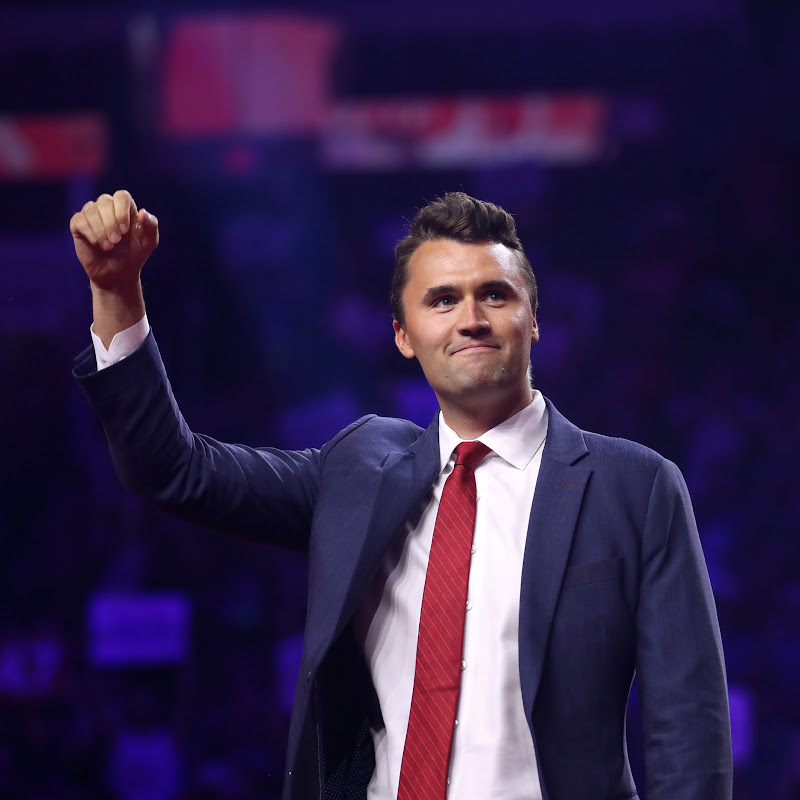
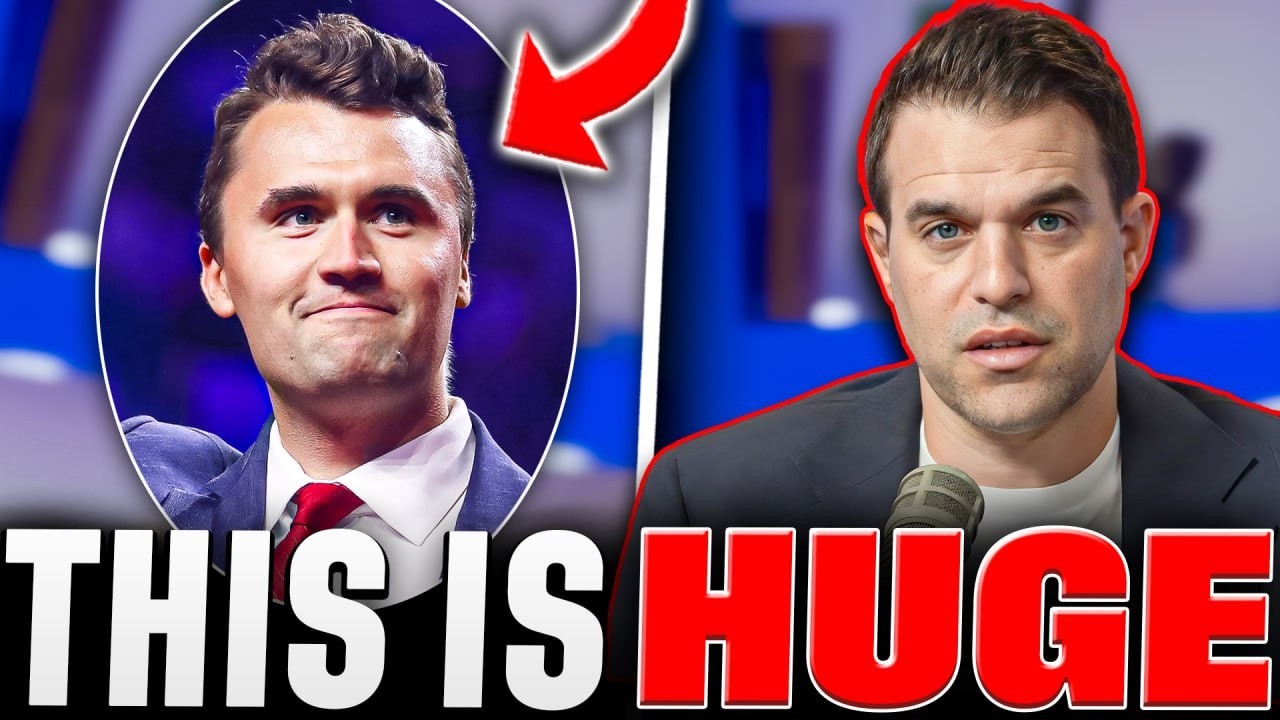
Charlie Kirk is the Founder and President of Turning Point USA, the largest and fastest growing conservative youth activist organization in the country with over 250,000 student members, over 150 full-time staff, and a presence on over 2,000 high school and college campuses nationwide. Charlie is also the Chairman of Students for Trump, which aims to activate one million new college voters on campuses in battleground states in the lead up to the 2020 presidential election. His social media reaches over 100 million people per month and according to Axios, he is one of the "top 10 most engaged" Twitter handles in the world. He is also the host of “The Charlie Kirk Show,” which regularly ranks among the top news shows on Apple podcast charts.
Tyler Robinson Trial Motion Denied: Defense Delay Tactic Fails as Justice for Charlie Kirk Moves Forward
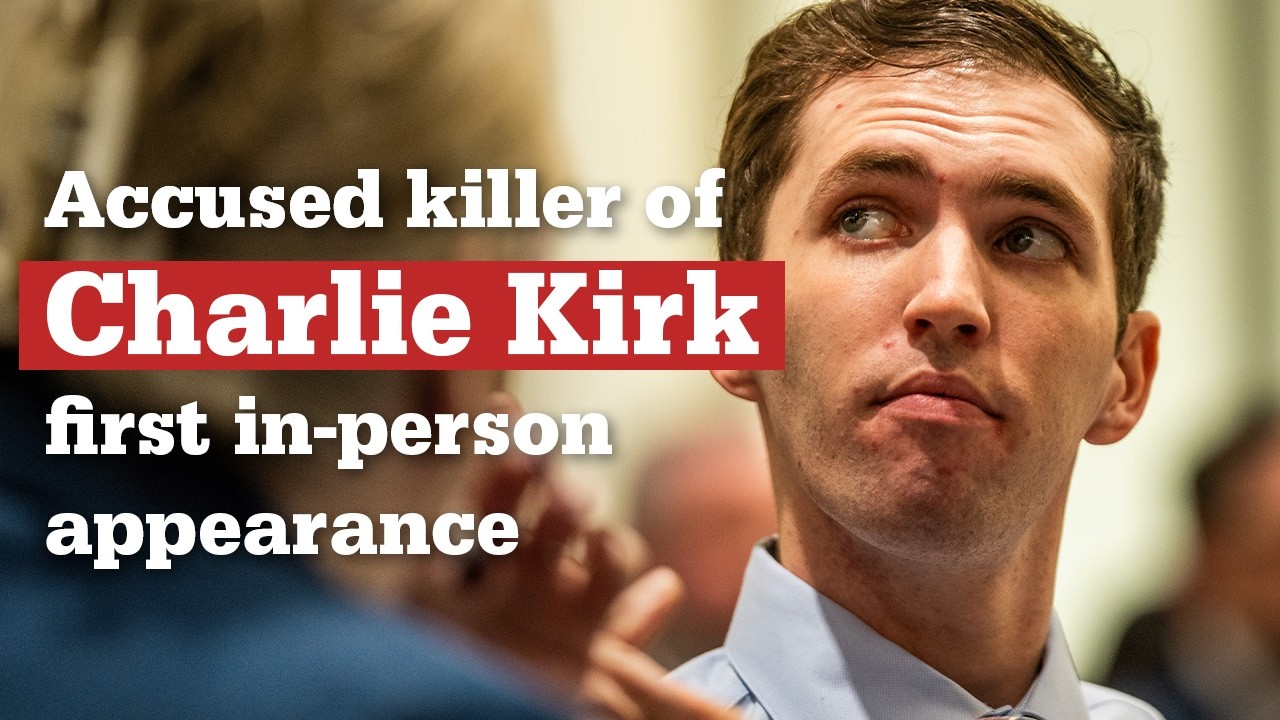
The court denied a defense motion to disqualify the Utah County Attorney's Office in the Tyler Robinson trial, rejecting what many saw as a delay tactic that could have postponed justice for months. The defense attempted to remove the entire prosecution team because one prosecutor's daughter attended the same location, but the judge ruled no conflict of interest existed. With May's preliminary hearing approaching, prosecutors are preparing to present extensive evidence against Robinson. Legal expert Jonathan Turley previously stated that even if 90% of the evidence were dismissed, Robinson would still face capital punishment. The ruling ensures the trial stays on schedule, bringing the pursuit of justice closer for Charlie Kirk and his family.
Court Denies Defense Motion to Dismiss Prosecution
A significant development emerged in the Tyler Robinson trial as the court denied a defense motion that sought to disqualify the entire Utah County Attorney's Office. The defense argued that a prosecutor assigned to the case had a concurrent conflict of interest because another prosecutor on the team had a daughter who attended the same location. The motion requested the removal of the entire prosecution office, a move that legal observers characterized as a delay tactic.
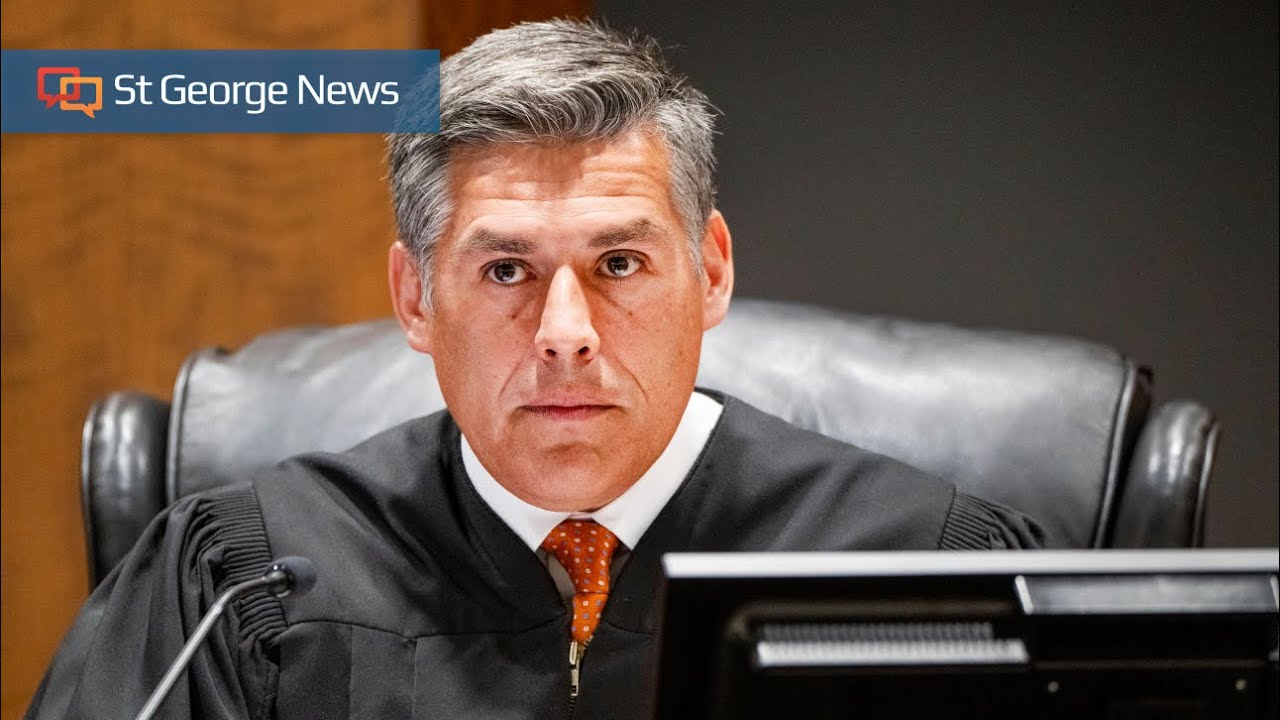
The court's ruling was clear and decisive. The judge stated: "Because defendant has not established a factual basis for finding conflict of interest or objective appearance of impropriety rising to a constitutional concern, his motion is respectfully denied." This denial ensures the trial maintains its current timeline rather than facing potential months of delays.
The Stakes of the Delayed Justice Attempt
Had the motion been accepted, the implications would have been severe for the pursuit of justice. The disqualification would have forced the case to transfer either to the Attorney General's office or to a different county entirely. This transfer would have resulted in months of delay and significantly complicated the proceedings. The new prosecution team would need time to familiarize themselves with the extensive evidence collected over months of investigation.
The delay would have also intensified public frustration. As noted during the discussion, people seeking justice need to see the legal process moving forward, not stalling on procedural technicalities. The glacial pace of legal proceedings has already tested the patience of those following the case, making this potential further delay particularly concerning.
May Preliminary Hearing: Mountain of Evidence to Be Presented
With the motion denied, all attention now turns to May, when the preliminary hearing is scheduled to take place. This hearing will mark a critical juncture in the case as the prosecution presents the extensive evidence accumulated against Tyler Robinson. Legal observers indicate that much of this evidence has not yet been made public, going beyond what appeared in the original charging documents.
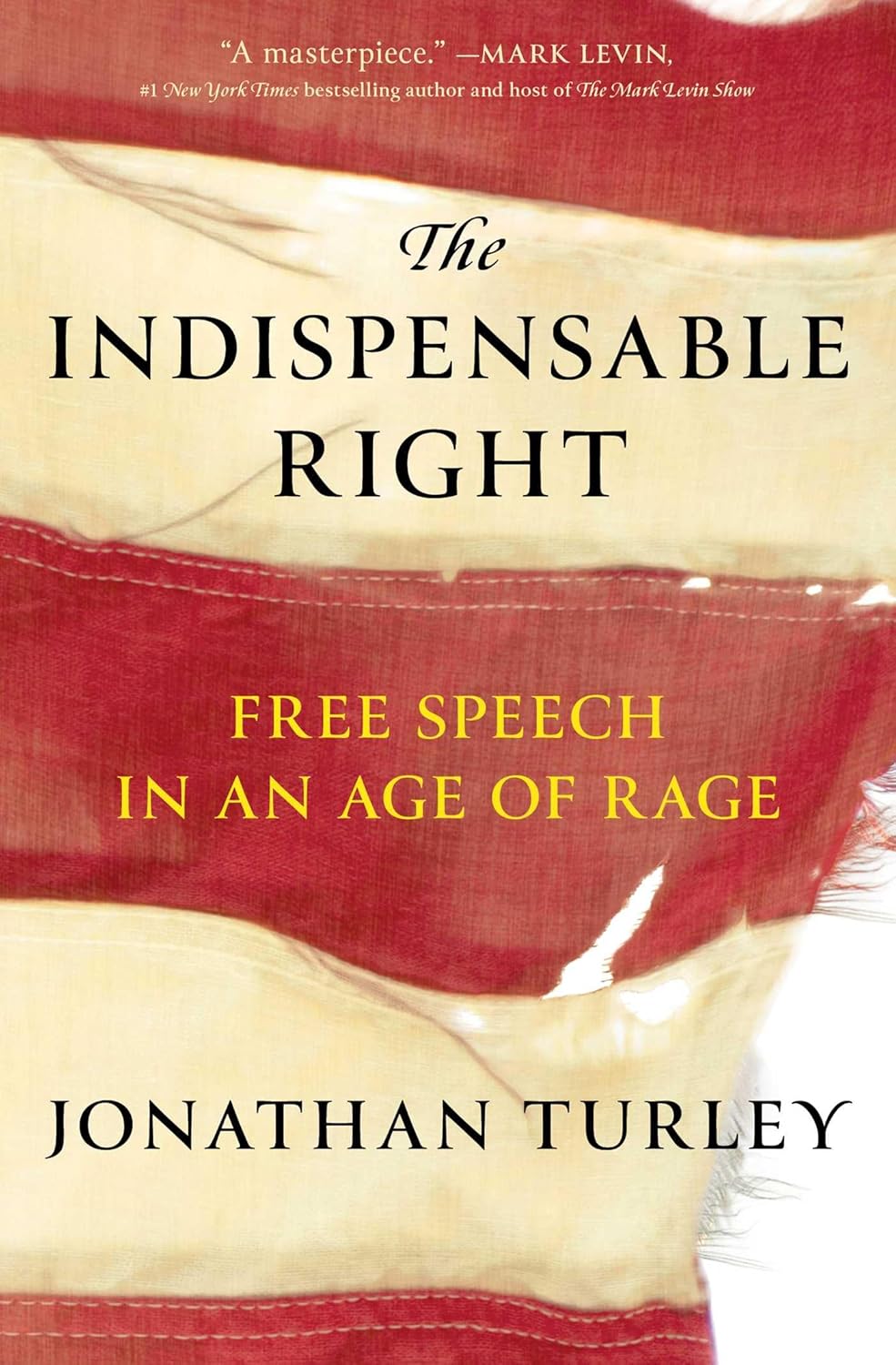
The scope of evidence appears to be substantial. Legal expert Jonathan Turley reviewed the case and offered a striking assessment: even if the defense successfully eliminated 90% of the existing evidence, Robinson would still be found guilty and subject to capital punishment for the crime. This evaluation underscores the strength of the prosecution's case. Furthermore, there reportedly exists additional evidence beyond what has been publicly disclosed, creating what sources describe as "mountains more" of material yet to be revealed.
The Broader Context of Political Violence
The discussion expanded beyond the trial specifics to address the shadow of political violence hanging over the nation. The commentary highlighted vulnerability and concern ahead of major national addresses, noting how the threat of violence against conservatives and the MAGA movement overshadows political discourse. Representative Chip Roy received praise for addressing political violence in committee, though observers stressed that more work remains to root out this threat at a deeper level.
The impact of political violence extends beyond individual cases. It has claimed lives, including the namesake of the show being discussed, and has endangered President Trump and countless others in various administrations. This ongoing threat represents what speakers characterized as a tragedy and an evil that must be confronted and eliminated from American political life.
Next Steps in the Legal Process
With the prosecution team remaining in place and the trial schedule intact, the case proceeds toward the May preliminary hearing. Following that hearing, discussions regarding the death penalty are anticipated. The legal process continues to move forward, albeit at a pace that has tested the patience of all involved. The denial of this motion represents a victory for those seeking swift justice and demonstrates the court's commitment to maintaining the trial's momentum rather than allowing procedural maneuvers to derail the proceedings.
The case remains under close observation, with each development carrying significant weight for all parties involved. The preservation of the current prosecution team allows for continuity and expertise that has been building throughout the investigation, ensuring that the accumulated evidence and case strategy remain intact as the trial progresses.