Adam Goodman on Charlie Kirk's Assassination and the Urgent Need for Tolerance in America
Enjoying this? Share it with someone who needs to see it.
Up Next
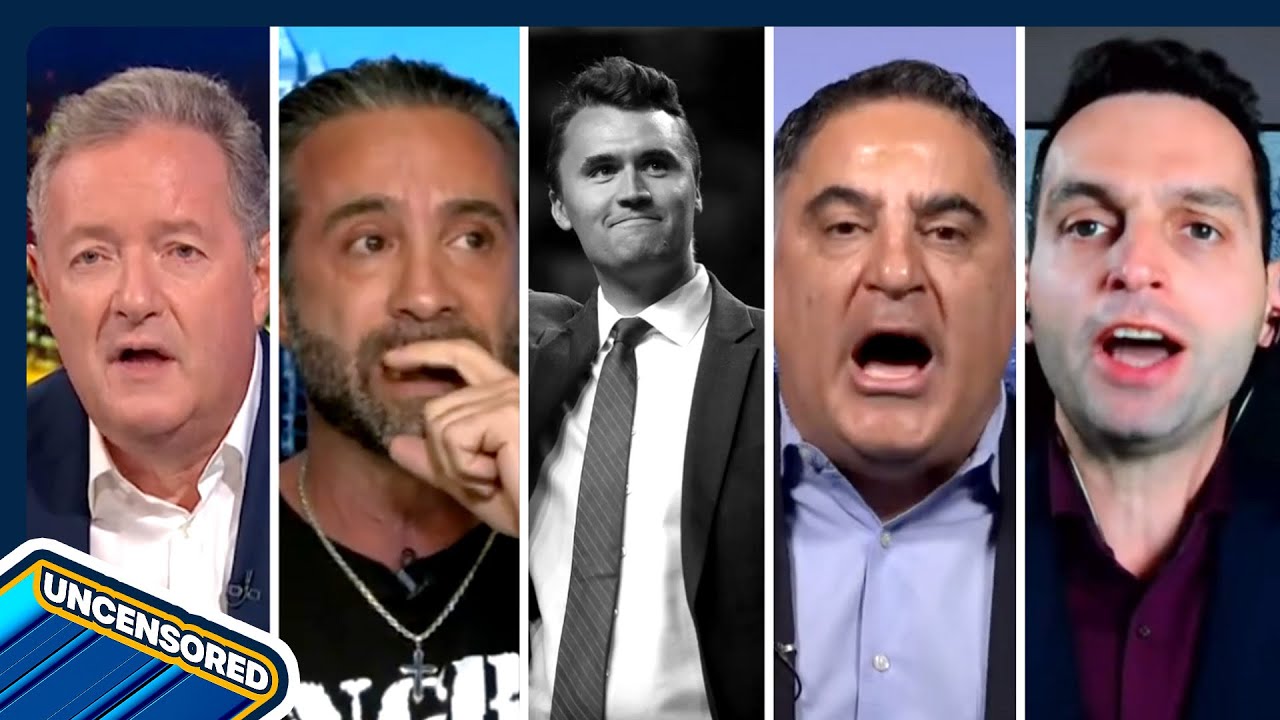
Piers Morgan Uncensored Panel Debates Political Violence After Charlie Kirk Assassination and America's Dangerous Turning Point
1:30:11
Charlie Kirk Assassination Sparks National Crisis: NewsNation Reports From Utah Valley University Crime Scene
38:28
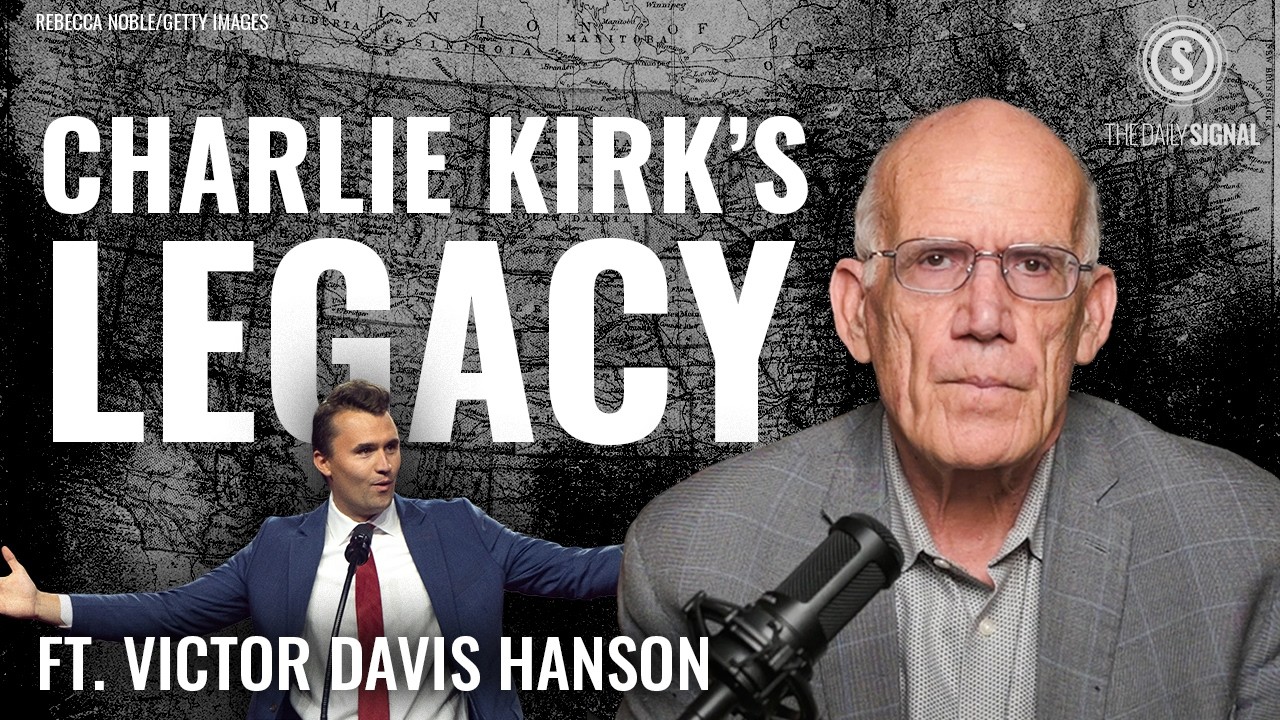
Victor Davis Hanson Reflects on Charlie Kirk's Legacy and Impact on American Youth Politics
7:28
Adam Goodman on Charlie Kirk's Assassination and the Urgent Need for Tolerance in America
Political strategist Adam Goodman reflects on the assassination of Turning Point USA co-founder Charlie Kirk at a Utah university, describing it as a national alarm bell that exposed America's intolerance crisis. Goodman argues that Kirk's legacy wasn't just about political debate, but about challenging people to defend their views with reason rather than emotion. He warns that without collective action to restore civil discourse, democracy itself becomes unsustainable when citizens with courage to serve are made to feel like targets.
September 16, 2025
A National Alarm Bell
The assassination of conservative activist and Turning Point USA co-founder Charlie Kirk at a Utah university event has sent shockwaves through the political landscape. Adam Goodman, partner at Ballard Partners, describes the tragedy as more than just a personal loss—it's a wake-up call for the entire nation.
Goodman spoke with numerous people in Washington, D.C. who knew Kirk, many in their 30s like Charlie, full of life and optimism about the future. These individuals, many of whom are parents of young children and serve in public office, couldn't help but reflect on how easily they could have been in Kirk's position. The tragedy forced a moment of deep reflection about why this happened and what responsibility society bears for allowing it to occur.
Institutional Response and Drawing the Line
Since the college protests against the situation in Gaza, many institutions have learned important lessons about drawing clear lines between right and wrong. Following Kirk's assassination, several organizations took decisive action. MSNBC fired a longtime contributor over insensitive comments about the tragedy. College presidents, including Adam Hasner at Florida Atlantic University, terminated employees who crossed the line with inappropriate responses.
This represents a shift from merely saying "you shouldn't say that" to actively not tolerating intolerance anymore. Goodman suggests that perhaps this moment will cause society to grow up and change, to dial back the rhetoric and rediscover how to talk to one another regardless of differences in party, ideology, or background.
Charlie Kirk's Unique Approach to Dialogue
Kirk, who was in his early 30s, became known for going viral on social media through debates with liberals on college campuses. His "prove me wrong" events allowed attendees to engage in head-to-head debates with him. But these exchanges weren't just interesting theater—they were substantive attempts at meaningful conversation.
Kirk's approach was to challenge people to defend their viewpoints not with bile, bias, and prejudice, but with reason, common sense, and truth. He would ask those who disagreed with him to explain why they felt that way, demanding factual and truthful responses rather than purely emotional reactions. More often than not, those who were highly emotional proved underwhelming in substantively defending their perspectives.
This approach revealed something fundamental about the social media world we live in, where people converse in short form without the sensitivity they would have in face-to-face interactions. Kirk's work demonstrated the difference between being a "keyboard warrior" behind a screen versus engaging substantively when face-to-face with someone.
Kirk's Lasting Impact on the Republican Party
Regardless of whether people agreed with Kirk or found him polarizing, no one can deny his impact on the GOP and the conservative movement under President Trump. His legacy is real and continuing, with Turning Point USA seeing numbers take off as people embrace another chapter to come.
President Trump reportedly credited Kirk with shoring up the youth vote to win in 2024. When asked who might fill Kirk's shoes, Goodman struggled to identify a single person who could carry that torch right now. However, he expressed optimism that if Gen Z takes the right lessons from this tragedy, several young people will emerge to fill those shoes going forward.
The Intolerance Crisis
Goodman identifies intolerance as the one thing that keeps him awake at night—the single biggest threat to democracy and freedom in America. This intolerance has gone unabated and has actually grown over the years, driven by social media and other factors affecting the political process.
Rather than simply mourning Kirk's loss and discussing lessons learned, Goodman advocates for concrete action. His recommendations include:
Collectively shaming those who don't enable tolerant conversations to happen, particularly on college campuses where right-of-center or conservative voices are often made to feel unwelcome
Implementing tougher penalties in the law, treating attacks on public officials as akin to treason with much more strenuous and harsh consequences
Elevating campaign rhetoric away from character assassination toward discussions of differing ideas
Goodman points to the example of Joe Burelli, a Republican in New York, who said the worst thing he wants to happen to his opponent, Democratic socialist Zohran Mamdani, is for him to lose the race. Burelli noted that he and Mamdani text and joke with each other—a reminder that the worst outcome for political opposition should be losing an election, not something far more sinister.
The White Noise Effect and Campaign Politics
Drawing on over 40 years in campaign politics, Goodman describes what he calls the "white noise effect"—when television ads, digital ads, and other placements pound away with huge dollars behind them to the point where everyone tunes out. This represents a lost opportunity.
Instead of character assassination, campaigns should focus on presenting two fundamental different philosophies and going at it on ideas rather than attacking each other personally. Goodman admits he shares blame for the current state of political rhetoric along with everyone else who has worked in the political field.
Finding an Off-Ramp
Utah Governor Spencer Cox captured the moment perfectly when he said, "I know that things were really dark in the late 1960s, but this is our moment. Do we escalate or do we find an off-ramp?" He emphasized that it's a choice everyone gets to make.
Goodman draws a parallel to September 12, 2001, when no one was a Republican or Democrat—everyone came together as a country. He references the movie "12 Strong" about the horse soldiers who responded after 9/11 with an impossible mission in Afghanistan, noting that's the America we want, where everyone pulls together as one.
While watching people celebrate Kirk's death on social media was horrifying, Goodman remains optimistic because conversations across the political aisle have shown people are disgusted by what happened and want to return to a more united America. So far, the normal nasty rhetoric that typically follows such events has been less prevalent, and those who went that route have been dismissed—literally fired from their positions.
The Suspect and the Charges
Tyler Robinson, the suspected shooter, faces charges of aggravated murder, felony discharge of a firearm causing serious bodily harm, two counts of obstruction of justice, two counts of witness tampering, and commission of a violent offense in the presence of a child. Prosecutors are seeking the death penalty.
According to his own writings, Robinson apparently said he was tired of Charlie Kirk's hate—a statement that itself betrays the same kind of hatred and intolerance that has plagued American discourse. Goodman argues that whatever happens to the suspect is inconsequential if the bigger lessons aren't learned about what needs to be done to prevent this from happening again.
The Pattern of Political Violence
Kirk's assassination is part of an alarming pattern of political violence in recent years, including the shooting of Representative Steve Scalise, the plot to kidnap Michigan Governor Gretchen Whitmer, the assassination attempts on President Trump, and the assassination of Minnesota House Speaker Melissa Hortman.
Democracy cannot sustain itself if people with the courage to stand up and serve others are made to feel like they could be targets at any point. While presidents and presidential candidates have Secret Service protection, most public servants are largely on their own. Kirk had minimal security at his final event in Utah.
This reality creates a chilling effect that could discourage others from seeking to help and serve their communities—a fundamental threat to American values of free speech and civic participation.
A Path Forward: Communities of Tolerance
Goodman proposes an innovative solution: publishing lists of communities around America based on tolerance. Just as people moved from north to south in large numbers in the five years since COVID, he believes people would gravitate toward communities that welcome everyone regardless of political beliefs.
Some communities, like Seattle, Washington, may be comfortable for liberals and progressives but make others feel like outcasts. In contrast, communities that embrace neighborhood values and neighborliness, where people pull for each other without passing political judgments, could become the big winners.
Those communities that show intolerance, however, are headed down the other side of the mountain. The message is simple: places that say "you're welcome here"—the big "you," wherever people come from—will be the ones where people choose to live, love, and be supported.
An Uncertain Future
What this assassination means for the political landscape going forward remains unknown. With midterms just over a year away and another presidential election in a couple of years, the impact is difficult to predict. Political operatives tend to be risk-averse, sticking with the same playbook until it doesn't work anymore.
If Zohran Mamdani succeeds in the New York mayoral race, it becomes a referendum on his job performance. His success or failure could significantly impact the 2026 midterms—giving Republicans a major issue if he fails, or giving Democrats reason to get up off the mat and cheer again if he succeeds.
But these should be referendums on the job public servants do, not on something personal about them as individuals. That distinction represents the kind of elevated discourse that could honor Charlie Kirk's legacy and help America find its way back to civil dialogue and mutual respect.