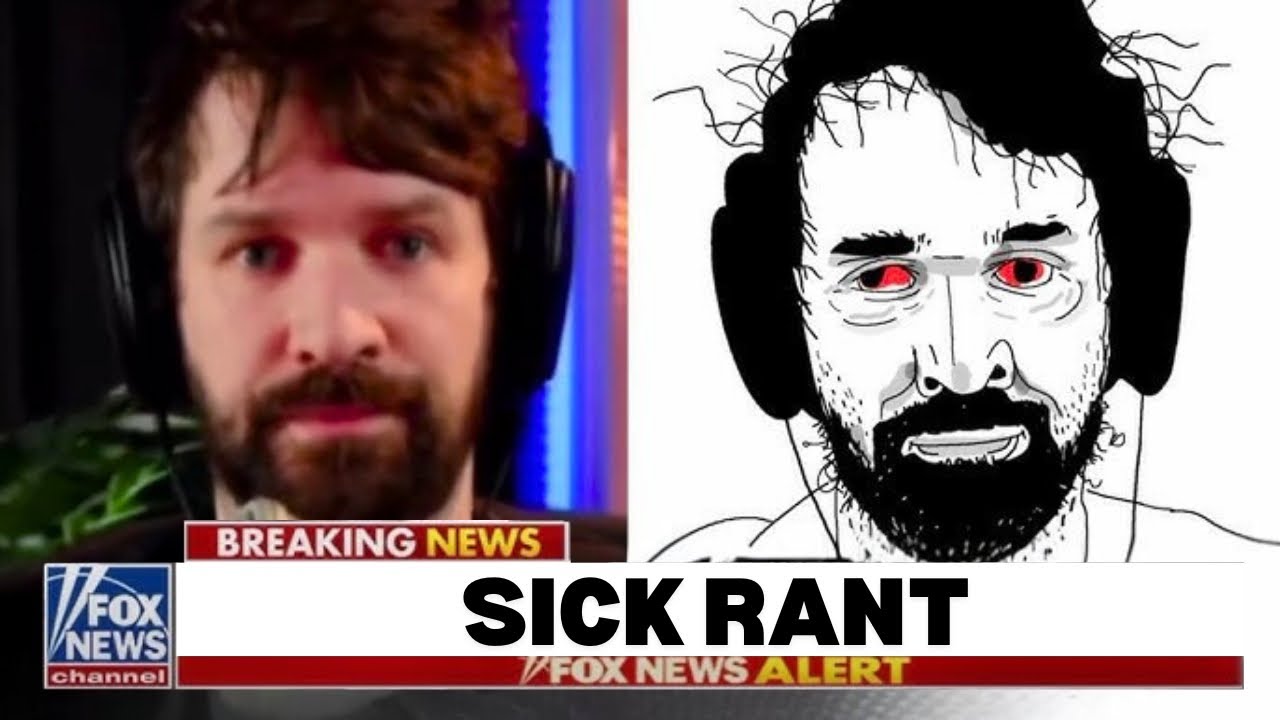
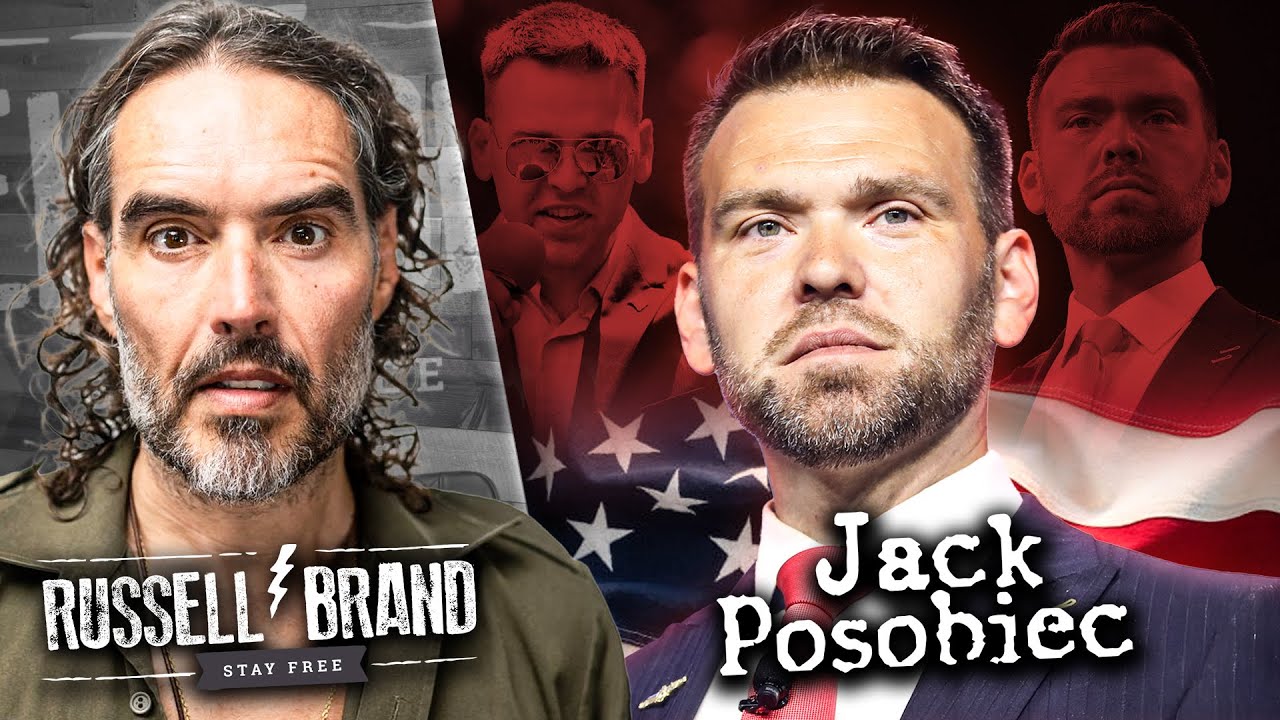
I'm in line with the planes. My grind so refined. I got no time for no games. Ask yourself why would I make time for you lames at all. At all cost. I'm a boss. I'm a break. Yeah. Got to break them all. >> Ladies and gentlemen, boys and girls, children of all ages, welcome to Prime Time with Alex Stein. Tonight, another somber night, the one week out from the horrible tragedy. And let's welcome our guest, friend of the show, famous voice artist. You've seen him on uh Dragon Ball Z, Full Metal Alchemist. I mean, too many to even name. Uh the one, the only Vic Mñana. Vic, how you doing, man? >> Hey there. How are you, Alex? >> I mean, I'm doing I'm not I'm I'm not trying to make it about me, but I and I think that collectively we're all going through it, but I'm not well right now after seeing this and seeing the reaction and kind of contemplating what the future's going to be like. Right now, I'm not doing that great to be honest. I think I think you're I think there are a lot of people that would connect with that. >> I think so. How are you doing though? How are you handling it, Vic? Because I know that you're a person of faith. You're a Christian just like Charlie was. And then you kind of see the spiritual attack. You and I were talking about this and I know that you really want to articulate this, but we are in a spiritual attack. There's nothing I don't know how else to describe it besides good verse evil. >> Absolutely. Absolutely. You know, we were talking earlier. Um, I believe with all of my all of my being that every decision, every action, every word, everything anyone does starts right here. >> Before you ever do anything, you think about doing something or you have a a horrible thought and you either dismiss it or you entertain it or you you treat somebody poorly. But it all starts here. And I believe with all my heart that if if if there were any way to bring Jesus into the equation to bring faith and some kind of foundational sense of human value, human life, decency, grace, mercy, those things have been extended to all of us. And if people were to just extend that to the others around them, regardless of whether they agree or not, you know what? I didn't even tell you this, but I'm going to tell you guys this. I don't even agree with a lot of the stuff he does. >> That's true. In fact, he doesn't. No, he disagrees a lot over. He You do controversial. >> Honestly, you do some things that I'm like, "Oh, Alex, man." But that doesn't mean I want to hurt you. That doesn't mean that I can't care about you. Where where did this come from that >> you have to agree with everything somebody thinks >> in order to care about them? >> Yeah. I Where did that come from? Why do I have to endorse everything you think or believe if and and if I care about you? Why can't I care about you? And because I do, I want to make things better. I want to encourage you. I want to point you in a direction that's going to give you life. Well, Vic, when you say all this stuff, and I'm not trying to to to just pinpoint it on you, but you and I, we are different, but we are similar in the fact that we had very loving parents. You obviously have a very loving mother. And I think a lot of this goes back to that. It's not really necessarily based on person's race. It's it's nature versus nurture. And we have a society where parents are bad. And and you know, parents are just not the same as they were when we were growing up. And uh I think that is why we have such a overpoliticized group of anxious young people that realize that their future is very bleak. They can't afford to buy a house. They can't afford to really go to college without going into massive debt. And then even when they get that college degree, there's no guarantee that they're going to have a job. So it's like the younger generation, they're really going through it. I think they're really going through it. >> Absolutely. And you know, I was thinking the other day when I was thinking about joining you tonight, I was thinking, you know, I if you raise up a child to to have faith, >> to believe that he is a creation of God and that every other human being is a is a beautiful creation, precious to God. When that child grows up, they're not going to break the law. They're not going to commit crimes. Not because the government tells them they can't. >> Yeah. >> They're not going to do it because they have a foundational conviction of values and ethics and morals that that they live by. >> No, you're exactly right. >> It's not about passing a bunch of laws. >> Well, no, but I could even argue that like, you know, that would be good with Christianity. That would be good with even, you know, Islam. I'm saying having some sort of faith because this is the problem with these young people that and I'm not pro I my point is I'm just trying to say is if you don't have any spiritual guidance in the world we don't have a moral society and I think that's why we teach all these young kids that they evolve from pawn scum that their life is meaningless that there is no afterlife which is the opposite of the truth I think that we need to get into more of the medical metaphysical and more of the spirituality and you know that is the problem is that uh you know we're disconnected from that >> it's much easier to vilify and dehumanize people when you don't value everyone >> as a creation of God. It's that simple. You can disagree with people all you want. I mean, that's fine. >> Yeah. >> But the moment you're able to to dehumanize somebody, anything is possible. And we're seeing those kind of atrocities and that kind of hateful speech as well. >> Yeah. I I just when I look at like the the temperature of the room, you know, everybody's been talking about the temperature. I feel like the temperature has definitely changed dramatically since the Charlie Kirk assassination, but I I don't know if the if it's going in the right direction necessarily because I after this, I'm seeing a lot of people on on the right are now going after each other and then people on the right are mad that we're not going after the left. And I guess my whole point is I don't know if we should be going after anybody right now. >> I think this is just my opinion. I think that anyone who calls themselves a believer in Jesus, anybody who calls themselves a a bibleelving Christian >> should be looking for ways to >> to bring people into God's kingdom to share God's grace, God's salvation. Because like we talked about a few minutes ago, we're on this earth what, 70, 80 years, 90 if you're lucky. >> Well, I have an idea. Why don't we be looking for eternity? Why don't we be making decisions in light of forever instead of, you know, this is it right now. I just got to do it all, you know, instead of making long-term lifech changing decisions for eternity. Yeah. So, so I agree. It's like we have a world disconnected from God. But how do we move on as a society though in your opinion when you see the people that are like celebrating this horrible tragedy? What does that make you feel in your heart, Vic? It's it's it's heartbreaking. It's it's frustrating. But at the same time, without any kind of moral guidance or foundation, it's not terribly surprising. >> Yeah. >> You know, people that that grow up with with certain kind of moral values and ethics, um they can't even believe how could somebody do this or how could somebody condone this or how could somebody celebrate this? But if you just kind of make your own way and fly by the seat of your pants and do whatever you feel like doing and whatever, you know, whatever turns your boat at at this moment in time, >> anything is possible and I don't even know what the answer is apart from getting people to treat others as they would want to be treated. >> Yeah, that was that the golden rule that nobody follows the I agree with that. you know, like, well, but I would argue this. >> Would you celebrate somebody being being hurt or killed? I would I would encourage you. What if that were your little sister? What if that were your brother? What if it were your mom? You know, >> well, put yourself in somebody else's shoes for once. >> But I just had an epiphany. This is maybe why society is so bad. You said a very good statement that we should treat others how we would want to be treated. But we have a society that hates themselves. So we have a society that is struggling with depression, struggling with anxiety, >> which is where God comes in because God says, "You are not a piece of garbage. You are not an ape. You are a precious creation of mine. I created you with a purpose. I created you to to do amazing things. And if you don't know that, if you just think you're, like you said, that you just evolved from pawn scum, >> then you're never going to know what God had planned for you. You're never going to and you're not going to see the inherent value in other people either. >> What did you think about all the uh churches being uh you know packed after Charlie's you know horrible tragedy? Did you like that? I like that. >> I I appreciate anything that brings people closer to a relationship with God. >> I I I believe that with my whole heart that every decision, every crime, everything good and bad starts in the heart of man. You can't legislate morality. who can't legislate out racism or prejudice or any of those things because it all starts right here. >> Well, I >> that's what needs to change. >> I agree with you. I do agree with you. It's just uh I look at like these young kids and I go to a lot of these college campuses and I can see why they're frustrated because, you know, the world is a very dark, scary place and I think you know that I know that and it's not the same world that, you know, we grew up in Vic. You know, the world has exponentially changed and the world that we were living in >> on September 9th, 2025 is exponentially different than the world that we're living in and you know, September 10th or September 11th, you know, 2 days after the fact is it's a exponentially different world that we're living in and the fact that the world and the timeline of events and our future can change like that because I am of the opinion and I think a lot of people are of the same opinion that Charlie Kirk would have been president of the United States and that's not a stretch of of the imagination whatsoever. And now we don't have that person that would have been probably the greatest, you know, leader of the youth movement of any political person ever because now even the liberals and the the Democrats like, "Well, we should start a student youth organization." Well, no [ __ ] Sherlock. You guys should have been doing that a long time ago, but you guys are not dialed in. You're not as brilliant as Charlie Kirk. So, I just, you know, >> Well, they've got a lot of other people, >> you know, pushing their message. >> That's what I'm saying. They don't need the student groups like Turning Point. They have the damn professors and the damn administrators. >> You know what? And I I I I don't even know if this is going to come out right. But none of this surprised God. >> What's his plan, though, right? >> None of it surprised him. He He knew this was going to happen. It didn't take him off catch him off guard. This was part of it. You know, I I read this really interesting verse in Isaiah the other day, and it says, "Nobody pays any attention when a good man dies, but God has removed him from the evil world." That that's a fact. That is a fact that that Charlie Kirk was too good for this world. He was too good of a human being for this evil world. And but I mean to to to I don't understand God though sometimes how why do the good ones die young? Why does this happen to Charlie when no offense there's a million other people this could have happened to and people would not have been as affected? But because it was Charlie and he was so instrumental and so you know he was just so effective in what he did. That's why this is such a big deal. And why do bad things happen to good people? Well, and the scripture is full of passages where Jesus says, "You know what? They hated me, so they're going to hate you." Yeah, >> I mean it says it all over the place and talks about how we are not we we are not going to be friends of the world system and you know people that know what they believe, people that not necessarily cram it down other people's throats, but people who just speak eloquently and speak with a great deal of foundational confidence in what they believe is is really to a lot of people for whatever reason that I don't know is kind of a threat. >> I think you're >> dare you have it all figured out. You know what I mean? Like I don't have it figured out. None of my friends have it figured out. Why should you have it all figured out? That makes me mad that you seem to have the answer to so many things. >> I can see why that would upset people, especially if that answer is the opposite of the answer you want to hear. And that's what Charlie did is he had tough conversations with young people that they probably didn't normally have. And that's why he was so effective in getting his point across because he had these conversations that likely people are not going to go and just debate their friend because like there's you know there's like a a social stigma there's certain you know social rules you have to follow but he opened up that dialogue and with that dialogue we can learn so much. It is so important. It sounds like cliche or whatever. What do you mean dialogue you learn so much? People are actually waking up to different viewpoints by talking it out by making themselves ask questions and answer those questions that they're asking for themselves. He gave him a microphone. >> Exactly. He put him on. Gave him the chance. >> Say what you have to say. I mean, how how often do you hear that nowadays? >> Say what you have to say. Step up to the mic and and speak your mind. Tell me what you believe. Tell me what you think. And then guess what? I'm going to tell you what I think, what I believe, and you decide what you for yourself. What what seems right. I personally believe that every single human being, God has created us with a sense of right and wrong. Now you can dull those senses. You can you can disregard those those voices that that say this is wrong. You shouldn't do this. >> Pharmaceuticals, all kinds of stuff, alcohol. >> But I think everybody has a sense somewhere inside of what is right and wrong. And I they will either follow the good prompting or they'll follow the bad prompting. And the more you follow the bad prompings, the easier it is to just continue down that road and do worse and worse and worse. >> Yeah, I agree. You know, uh people know like shoplifting is not good. You know, you don't need somebody to tell you that stealing is not good. >> And you don't need you don't need a law. >> You don't need a law to tell you that stealing is wrong or that hurting somebody else is wrong. You don't need a government to tell you that. Everybody knows this stuff. >> Well, and that's what Charlie fought for. He fought for less government control. And that's why he was such a great conservative. Um, now I saw we just got a $20 super chat from just Jacob and we appreciate the money and he says, "Everybody is laughing at Kimmel for the first time ever." So I >> That's a good joke, bro. That did, >> you know. Honestly though, I And just Jacob, I appreciate the donation, but I used to like The Man Show. I used to think Jimmy Kimmel was funny. There was a time when I used to actually like Jimmy Kimmel. Now he's terrible. He's so annoying. But I used to think on the man show when I grew up as a kid, I used to think Jimmy Kimmel was so funny and now he just is not. And he of course said the you know what is his rhetoric is obviously going to be negative against Charlie Kirk because he's such an establishment shill. But Charlie would have respected Jimmy's right to disagree with him uh more than Jimmy respects Charlie's. So what let's see what he said. Let's play the saw and then do we have is there breaking news? >> Yeah. Let's let's break it after the saw it. I sent it to you in your Twitter DM. >> What did you send it to me? Okay. Let's play the clip and then uh what's the news? Did you text it to me? >> We hit some new lows over the weekend with the MAGA gang desperately trying to characterize this kid who murdered Charlie Kirk as anything other than one of them and doing everything they can to score political points from it. >> What? >> So he says the guy's now a conservative and and how does that even help his narrative really? Jimmy Kimmel's trying to say it's a conservative taking out a conservative trying to paint the conservative as a bad guy, but when in reality any conservative loved Charlie Kirk. So it just >> it makes no sense. No. >> Oh yeah. The more you learn about this this person, it's completely the opposite of any kind of a of a conservative position or MAGA. But you know what? Can we just step back? Murder is wrong. >> Yeah. Duh. >> Come on. >> Forget Republic. I'm not a Republican. I'm not a Democrat. I just I I try to follow what I believe God want would want me to believe and feel and stand for and murder is wrong. It doesn't matter what political bent you you affiliate with. It's wrong. >> But there's something even more sinister with what he was saying in a way and he's not saying this uh overtly saying it covertly is that basically any white guy with a gun is a MAGA Republican. And that's how society views and that's done on purpose. you know, they want to view every white person as a villain or as a magal loving conservative when that's obviously not the case when we've seen, you know, the text messages and, you know, the information that we have so far. Once again, Jimmy Kimmel is uh would he would never ever ever be successful in this modern day era. Like, we would never talk about him unless he was saying [ __ ] stuff like this. I I don't know how else to describe it. So, I guess I'm not shocked that he's going to take this opinion and take this position against Charlie. So, >> well, he's not going to be doing it anymore. >> What did you say, Jimmy? I didn't hear you. Were you >> He got Disney just announced they are pulling Jimmy Kimmel off air indefinitely. >> Wait, what? >> Yes. >> Oh, that see I didn't have my earpiece. Wait, you're telling me Jimmy Kimmel's done off of Disney? >> Yes. >> He just came back from vacation, I believe. >> Well, >> well, he's going back. >> Extended vacation, Jimmy. I thought it was fake, but uh verified through a spokesperson. >> Politics isn't funny. I mean to >> it's not I mean you're supposed to making fun of politics. >> You're supposed to be a comedian, right? If you're supposed to be a comedian >> and all you want to do is push your political agenda. Guess what? That's not funny. >> I know. Is it any surprise that these that these hosts who who used to be funny or used to have an audience, the more they talk about this stuff, people don't want to hear that stuff. They want to be entertained. In fact, that's exactly the stuff they want to break from. >> Yeah. >> They don't want to tune in everywhere all the time and get that kind of stuff. >> And people can always understand the bias and slant that people are putting out there. So, you know, you can even understand it subliminally. So, Jimmy, he's done. This is breaking news that So is he technically fired or what is that? >> So So it started with NextStar and then shortly after Disney announced that they are suspending him indefinitely for inappropriate and offensive remarks, >> but he's not fired. Suspended indefinitely. What do you think's going to happen to him, Vic? >> I don't know. I don't know. Maybe it's a wakeup call. Who knows? >> Do you think he could Do is this a fire I think it's a fireball offense. What do you think? Do you think it's a fireball offense or do they just do this to save face because it's Disney and they know the conservatives watch. >> If I if I were if I were an executive, I'd call him in and say, "Hey, Jimmy, >> for the love of God, be funny. >> Will you please will you not spread misinformation? Stop pounding this drum of of your political beliefs and opinions and just be funny. Interview guests. give some people some something to tune out, you know, to just enjoy to to to give them a little break from the rest of this stuff in the world. >> Well, no, he doubled down. So, let's play number two. He actually is accusing Erica Kirk, who just lost her husband and in the most graphic, tragic way possible. He's now accusing her of weaponizing her grief, which is >> just sick and disgusting. Let's uh let's see what he had to say. >> I don't understand you, Destiny. You have so much hatred in your heart. >> This is Destiny. Okay, time out. Wait, stop real quick. I didn't realize this is a Destiny clip. So, I blame this on Jimmy Kimmel. Uh, I feel like we shouldn't jump on the Destiny train real quick. I kind of want to wrap up the Jimmy Kimmel thought. Uh, >> he just said that the Trump shooter was a MAGA and basically kind of handwaved it like it's not a big deal. And now he's losing his job at ABC or he's suspended indefinitely. I don't know if that's suspended with pay or without pay, but financially I'm sure he's going to be fine. I think this is good news for us, but I don't want to gloat when anybody, you know, loses their job, but I think this is a good thing. >> Jimmy Kimmel needs Jesus. >> Is Jimmy Sorry. Is Jimmy Kimmel Jewish? >> He he identifies as Catholic. He's not a very good one. >> No, I think a lot of people of the Catholic faith faith would be completely agast to hear that because it's not it's not just, you know, faith isn't just a word. Oh, >> I'm Catholic. I'm Presbyterian. I'm Methodist. I'm Baptist. No, what do you do? How do you live? That's what matters. >> He's a Joe Biden Catholic. That means they're proabortion Catholics. Doesn't even make sense. So, >> well, I hate >> people need Jesus. That's >> I hate abortion, though, too. I think abortion is really bad. Um, okay. Now, uh, >> do you want to do the ad read real quick before? >> Yeah. And then we'll get into it. Oh, we love this. Vic. Vic. Okay. Let's see if Vic can do it. Can you put the camera towards Vic because you got to read the copy. >> Well, he has to he has to do the tele but you got to do this camera. This camera. Yeah. Yeah. All right. Ready? Uhoh. >> Okay. I don't have my glasses on, so ready. >> I'll help you. >> Here we go. >> FS protein, L3 protein. The doctors over at Brick House Nutrition clued me in on why so many protein powders failed. You know why? Because they're loaded with poor quality protein and cheap fillers like malttodextrin, soy, syrup, sodium, corn, cellulose. If your protein powder isn't delivering results, it's time to switch to Brick House whey protein. It even feels good. >> It's heavy. >> This isn't some marketing gimmick. I promise. Brick House Whey is bioengineered by doctors, not marketers, and certainly not not Alex back here. It's built on the latest science to give you results that you can actually feel. Professional level muscle growth and strength. a lean, toned physique, much like Alex. Unbeatable energy and rapid workout recovery. Plus, it's lactosefree, so you won't deal with bloating or stomach upset like Alex. So, don't let junk protein sabotage your pro your pro your progress. Switch to Brick Houseway right now, today. Results are guaranteed or your money back. So go to thenewway.com and use promo code alex for 20% off. That's promo code alex at the newway whey.com. The new way.com. >> All right, dude. And thank you guys. Jimmy, make sure to send them a bill for Vicman, famous artist. >> Or you or they could maybe send me a bunch of these. >> Oh, we will. And I actually >> My wife would love this. >> Yeah. Yeah. You can take that one. You can literally take that one. Do you like the chocolate? Did you hear that? >> Please. The brick house. >> That's what's coming home. >> Well, the the viewer, it's funny how you're making fun of my gas. My girlfriend gets mad. But I do like this because it doesn't give me gas. I don't know if I'm lactose intolerant, but if I do drink a bunch of dairy, I definitely I play the butt trumpet a little. >> I didn't know that about. >> Yeah, that was true. It's for crazy how you know that. So, >> confession time with Alex Stein. >> I'm just saying. But it does help me. I I don't want to get all too goofy, but it's actually it's actually good stuff that doesn't give you a bunch of gas. So, if you guys need some protein, I suggest it. And we do should we should take some protein. You're you're a fake guy. Do you take any protein? try. My My wife is really really good about that kind of stuff. And she has >> Does she make a shake every day? >> Yeah, she does. And she'll she'll make me one occasionally, but um >> yeah, I uh I I it'd be great. I wish I were more I wish I were more disciplined about it. >> I feel like you don't eat that much, Vic. Is that a like I feel like I've eaten dinner with you and like I guess you had a big plate of food, but like do you eat like I've never seen you snack. That's saying I've never seen you eat a snack since you've been here. >> I don't. Do you have snacks? >> No. Yeah, we I believe it or not, we do, but I'm saying >> I'll be back. No. No. I swear >> I didn't see these snacks. >> We got We have a craft service in the back. Jimmy's never taken Jimmy, you're fired. You've never taken Vic to craft service. >> You love me. >> I would have thought you'd be eating like you know, you seem like you would eat candy or something, but I've never even seen you eat like I don't know something. I feel like you might eat a I don't know. Like >> I do I do like some candies, but I try to avoid them because, you know, you get older and >> Well, when you would go into the voice studio, don't they have craft service and all that stuff? You know, to eat some of that junk. Some usually it's in vending machines so you got to buy it. >> Wow. >> And certain things guck up your voice a little bit. You know what I mean? >> That's what I'm saying. You have to be careful. What is the best way though? Cuz with my buddy Tim Pool lost his voice. If you're trying to get your voice back, they say organic honey, but what is the real trick? >> Well, water, water, water, water. That's it. >> Lots of water all the time. Water. It's >> all about hydration. I'm Yeah. And I'm really bad at this. My wife is always trying to remind me, drink more water. Drink more water. But water. Yeah, man. >> Well, that's a simple thing, guys. You need to drink more water. And I just worry about that cuz I was losing my voice. What was I >> Alex? You got another $20 super chat from Soul Native. >> What did Soul Native say? >> Said, "We love you, Alex. Can you give us a backstory on you crashing the stage and wanting to smell Charlie Kirk?" >> I wanted to vaccinate Charlie Kirk. Yeah. So, that video was from uh America Fest in 2022. And there's actually I don't even want to get into the sad part of the story. Should I get into the sad part of the story? >> Well, yeah, because people like >> No, but it's not sad in a good way. It's not sad in a good way. >> Oh, >> so you guys know my bestie Tim P. You know, we're boys, but this is kind of when Tim and I first started to become good friends. And this is 2022 and we're hanging out and Tim's like, I want you to like rush the stage while I'm while I'm doing my podcast with Charlie and like, you know, don't be mean to Charlie, but you know, mess with Charlie or Tucker was on it, too. Tucker was Charlie. Tucker, Steve Bannon and Ian and and Luke Rowski. And so he's like, "Just come and, you know, joke around. Just kind of, you know, uh, basically interrupt the interview for a second, just as a as a gimmick." And and Charlie was like, "Yeah, that'd be funny. Why not? We'll just kick him out. You know, it'll be a joke. It'll be funny." So what we did was Charlie approved it. You know, Tim asked Charlie. Charlie approved it. Charlie's went to the security and told the security, "Hey, let Alex pass the gates." And the security is like, "What? Are you sure?" And Charlie's the boss. He's he runs the show. He's actually a hands-on boss. And I believe, you know, one of Charlie's, you know, many uh um executives too, I think told him too, let Alex, you know, run on. It's a gimmick. You know, I went and then I went with the security guard. We went to this part of the curtain where I was going to run out from. And the security guard and I were both laughing. You know, she's like, "I can't believe we're going to do this." She was like this, you know, vivacious, you know, um African-American woman, very nice. And this is where the story gets bad. She's a nice African-American woman. We do the bit. It ends. I don't even think anything of it. The video does okay. You know, it gets a few views. And then like a week later, Tim calls me. He's like, "Man, I feel bad, Alex." You feel bad about what? I'm not even thinking about that, you know? I'm not even This is like a week later. I'm not even thinking about Amfest. He's like, "That security guard got fired." Yes. even though it was planned. The security company which she worked for, they didn't like that she let me do that. So, I don't talk about that story very much. Uh um Tim and I don't like that story. I don't think Charlie likes it either. >> That's unfortunate. Yeah, >> I think she was fine. I ended up do I do think and I'm not just saying this to say face. I think Tim talk to the security guard. I think she ended up getting her job back. I do think so. But she did get fired, but I think she got her job back. And I know I I should probably follow up on the fact, did she get her job back? But I know Tim raised all kinds of hell when she got fired. He was yelling at me about it. And >> yeah, I don't know why we had to bring up this story. Um uh >> $20 super chat. We have to read them. >> Yeah. And that, you know, the inside baseball, that's the the real uh uh but I do think she did. Now I'm re reing it. I believe that Tim got her to get her job back, but she did get fired temporarily. It was a bad deal. >> I thought, honestly, I thought you were gonna say that when when you came off that she was mad about the bit that you did. >> No, she thought it was funny. She was the one that wrestled me back. Like that the whole bit was she was there, but then she came after me, too, and she's the one that kicked me out. So, it wasn't like making her look bad. Like, I thought she looked fine. She kicked me out of the event, but I guess they didn't like >> Did they know it was staged? >> Yes. >> I don't think the bosses knew it was staged at first. I think they just saw the video and then when they found out that it was staged, then they were kind of mad at her for even participating. But then I think we raised enough hell where the woman ended up getting her job back working for the event services at that building. You know, that was at the convention center in Phoenix. So, I do believe that she gets to still work events there. But I don't like anybody lose their job. Um, >> uh, so yeah, thank you for the $20 super chat. I don't even know why we're taking super chats right now. like a guy that I, you know, looked up to a lot just recently passed away and I'm kind of going through a whole uh range of emotions right now. And so I want to laugh. I want to joke around, but I'm really having trouble finding that funny bone inside me right now. >> Well, then you'll appreciate this new super chat from Mr. Joseph. Alex, I just wanted to say that your Charlie Kurt parody made me a bigger fan of both you and Charlie Kirk. Love the contrast between the legend and the parody. Love you, Vic. I watched FMA every week in 2005 with my brother. Oh my gosh, thank you. >> Well, why why is Full Betal Alchemist? Why did that resonate with people so so much? >> Well, it's just a powerful story. It's it's a story of honestly, it's a story of sacrifice. >> Mhm. >> Um it's a a very relatable story. The characters are amazing. The story is just really profound and compelling. And um I had done 30 or 40 anime series before Full Metal. >> Yeah. And when when that one came along and I ended up getting cast in it, I started getting messages from fans about it and I thought, "Wow, that never happened before." >> That was the first one where they're like, "Oh, I want to look up this." >> They were so invested in in that show. >> Real quick, real quick. I want to hold on hold on Cassidy, I'm live on the air and I'm with Vic Mñana. He's telling a great story. But Cassidy, uh, you're on the air. you, Cassidy, you were at the event with Charlie. >> Yeah, >> he was there. >> I was there. >> Yes. And uh uh you know, I'll call you after the show, but I just We're talking about Charlie right now. I just can't I can't believe you were actually there, dude. >> Yeah. No, it's insane. It is pretty scary. >> It is really scary. All right. Well, I just wanted to pick up, but uh I do need to talk to you, so I'll call you after the show. And Vic was telling a great story. >> Sound. >> Okay. >> Sounds like a plan. >> All right. Peace. Right. Um, yes. So, so talking about for Sorry, he was at the event. >> It's just it's just a it's it was a very popular show even before it was dubbed. >> Yeah. >> Um, and and any top 10 list I've ever seen of like the top 10 anime of all >> Full Metal, >> Full Metal is always on that list >> because it has such a cool following. Every time you come on, it's like so many messages about Full Metal. I mean, it just it really resonates. >> Well, and it has nothing to do with me. It's just an amazing show in every way. That's lucky that you get, you know, casted on that show. Even though it's hard to do that, but it is nice when But do all the stuff that's success. Obviously, not all the stuff that's successful overseas is going to be successful in No. In fact, there's this one show that I did that somebody may even comment >> in the chat. Um, I did this show called Auron High School Host Club. >> Okay. >> And it was just about this these high school kids at this kind of um high, you know, high society fancy high school uh private school, >> like a boarding school. Yeah. And the boys created this club to entertain the girls. And by entertain, I mean like, "Oh, princess, you're so beautiful. My heart just swells at the sight of you." And just gushing over the girls. And it was it's such a funny show. And it didn't do that well in Japan. >> Okay. >> But when it was dubbed, it got a lot of popularity and a lot. A lot of people love that show, and I do, too. It's a great show. >> Well, gosh, we need to see it. I mean, I I didn't watch enough anime or cartoons. Brandon is our in-house anime expert. He's a Full Metal Metal Alchemist Stan. He loves uh he loves that show. Okay, let's get let's get a little dialed in. I can't believe the shows are, you know, already halfway over. We have a lot we have a lot of live viewers. Thank you for all the new viewers that are watching tonight. I hate to say this, but please hit the like button. It'll help uh more people see this uh show. We appreciate it. Uh, we have a few thousand people watching uh, right this minute. And I know a lot of people obviously want us to talk about Jimmy Kimmel and talk about Charlie, which is on all of our minds. And I hate to talk about this next person. I don't really hate anybody except for Hitler. I do hate Hitler. Um, Destiny. >> Destiny. You're not familiar with this guy, Destiny, are you? >> No. >> We have to cover him. So, let me just give you a little backstory on Destiny. Destiny is one of the most controversial people and he considers himself a left-wing progressive, but he doesn't hold all the left-wing progressive views. I don't know how to explain it. Like he's he's um not free Palestine, which is typically a progressive move. And so he has some sort some tinge of maybe conservative or moderate opinions, but a very small amount. Most of his opinions are, you know, very left-leaning. and he has weaponized and we use that word weaponized but I don't know how else to describe it when the Trump assassination happened. He weaponized Ashley Babbett's murder and now this you know horrible murder of Charlie Kirk. he's weaponized this and he is accusing Erica Kirk, Charlie's wife, the mother of Charlie's kids, of somehow using this horrible tragedy to benefit her whatsoever when there's no benefit when your husband gets brutally murdered in front of uh you know millions of people. So there's really nothing that she could do that would ever be considered beneficial from this horrible tragedy. But let's play number two. I want to see what he has to say and then I want to get your opinion on it, Vic. I don't understand you, Destiny. You have so much hatred in your heart. And at the same time, >> it's such a simple thing. If you're going to weaponize somebody's grief against the other party, well, then of course people have a right to fight back against it. I think that she has every right to grieve in whatever way she wants, but when that grief is going to be weaponized to do recruitment, political recruitment and further radicalization of the other side, then of course you not only have the ability to mock, I think you have the obligation to mock it. It's insane. >> Let me understand. Let me understand your argument. So since others are using her grief to politically recruit, you think that it's okay to mock her specifically? >> Since others are using her grief, she's the one who gave a 17-minute speech on TV where she talked about good versus evil. She's the one showing up in TV ads to one or two days. If someone assassinated my husband, if someone assassinated my husband, I would not be able to have the level of composure she had during that speech. I would be out for blood. I understand why she's angry and why she said the things that she said. Okay. You need to understand what being a human is. >> And a Casparian. >> Exactly. She nailed it. >> Exactly. And you know what? If if something like that were to happen to Destiny's mom or Destiny's wife or girlfriend or sister >> or boyfriend. >> See, this is the problem. People, they don't put himself >> Well, he's bisexual, >> whatever. >> Yeah. >> If it happened to somebody he cared about. >> He would feel very differently. He would have a very different opinion. In fact, I I honestly believe a lot of these kind of situations, if people were to just put themselves just for a minute, guys, put yourselves in the shoes of this of the other person or the other person's family, you would have a completely different perspective. >> No, you're right. And but Destiny does uh he says stuff that is inflammatory on purpose. And I saw we got a $50 super chat from PP. >> Yeah, the guy said, "You're scared to debate. that I've debated Destiny and now that's why he's put me on a blacklist. I've tried to debate Destiny multiple times since. If you can go look up, we have a legendary debate, Alex Stein vers Destiny on sexuality and morality and uh you know just go look it up. I basically call him a cuckold for three hours straight. It was uh it was absolutely in No, this is real. He was so he was in an open marriage where his wife had an only fans and he would had an open marriage and he was bisexual and he while he was married to his wife. This is all kosher. He would sleep with men and women. And then he recently is in hot water because he shared some revenge porn of a person that he was intimate with. >> Sounds like a quality human being. >> I know he's a top quality top shelf. zero foundational morals, zero foundational ethics, zero foundational human dignity and and and and respect for human life. >> He's disgusting. >> Which takes me back to what I said at the very beginning. If you don't if you if if you don't have a relationship with your creator and you you don't have any foundational sense of right and wrong and and understand your place in the world as a creation of God and how you're to relate and interact with other people. This is the result. Well, you know what's crazy about all this? He has a 16 or 17year-old son that is now has a big online presence and his son uh has a totally different opinion politically than his dad. Isn't that crazy? So his son is right leaning a little little too far right leaning if you ask me. I mean very far right but uh you know still opposite of his dad. Well, isn't it possible that maybe he sees where all of those choices have brought his has brought his, you know, he's seen them played out. >> Yeah. >> In his in his family's life >> and he wants to go a different direction. No. And you don't even know the situation and and I think that is an astute observation. But now let's play saw saw number three. And Jack Pobic is really going through it. I feel bad for him. He was really close with Charlie and he's been, you know, forced or I mean obviously he's willingly has to go on this, you know, uh, defend his best friend, one of his best friends. It's just hard because it's a lot, he's a lot closer to the situation than Destiny and Destiny can just argue and do ad hominemum attacks and do whatever because he didn't lose his best friend. So, it's just a tough position for Jack. So, let's uh play saut number three. Every single moment of that future that they had was gone because someone fired a bullet at Charlie Kirk that said, "Hey, fascist catch." And and now you have people celebrating it. And when you ask people about >> the bullet that was fired, how are you lying about this? >> Shut up, Destiny. Shut up. >> [ __ ] You're You're so shameless, dude. Oh my god. You're not even the right bullet. You're such a disgusting piece of [ __ ] >> The right bullet. What a pedantic. What a pedantic. What a dude. This guy's a [ __ ] professional. >> I would like to let I would like to let Jack finish his point, please. >> And and they'll claim there's no And they'll claim there's no leftist connection. They'll claim there's no there and and then go so far as to lie and say there's some kind of Christian conservative connection when you you could see the writing on the bullet casings. >> Yeah. And that's what Destiny does. He's he wants to argue semantics like he's trying to call Jack Bobic a liar for not describing the exact bullet even though we know all four bullets had all of these weird messages on them. So I mean regardless of the bullet that went in them every bullet had a message. So um you know just ridiculous he wants to argue semantics and call Jack Bobic a liar who just lost one of his best friends. So I mean Destin let's just derail the conversation with with pointless details. >> That's what I'm saying. That's what he was trying to do. That's what and when a guy was getting obviously emotional trying to let out that angst and anxiety and stress and and you know all of those those that emotional ball that he is feeling inside him. He has his chance to talk on Piers Morgan when you only you know it's very segmented. You only get a minute to talk and he has to go interrupt him and call him wrong because of the way that he described the bullet. I mean it's just he's an evil sick sick disgusting person. >> He would feel very differently I believe if it were somebody he loved or cared about. >> Yeah. and people's inability to connect with other people. You know, I don't want to get off on this tangent, but I I feel like this is a good place to mention this. You know, years and years ago, there was this push for tolerance. >> Tolerance. >> Yeah. >> It's all about tolerance. Tolerate people who are different. >> When was this? The '9s. Cuz you see those bumper stickers. >> Yeah. For the last for the last two or three decades. >> Yeah. >> Two. Definitely two decades. >> Tolerant. The famous, you know, bumper stickers. Yeah. In fact, I wrote a song for a project. >> Yes. >> That a friend of mine uh created um called Voices for Tolerance. >> And I I'm I'm for tolerance. I I don't think you should hurt people that disagree with you. Um and and so my question is this. What happened to tolerance, guys? The very people, the very people who were screaming tolerance, tolerance are in in many ways the most intolerant people in today's world. >> No, I think >> they refuse to have a conversation. They dehumanize people they disagree with. And why why is your opinion any more valuable than mine? Right? I mean, like you have an opinion about something. I have an opinion about something. Let's say they're different. Well, why is yours better than mine? You know why? Why do you feel somehow some kind of justification in hurting me? Because we disagree. What if everybody felt that way? You know what? If they did, Alex, there'd be nobody on the planet. >> They would they would >> there would be no human beings left. >> But that actually kind of is a good segue. So, this is what he's saying. Destiny is saying conservatives should live in fear. You know, imagine if we did live in fear like you're saying. So, let's actually let's play Saut number four. I want to see what he says right here. >> You need conservatives to be afraid of getting killed when they go to events so that they look to their leadership to turn down the temperature. The issue is right now they don't feel like there's any fear. >> See, that's what he wants. He wants everybody to be scared to death. He that's what he is begging for. That's what he's hoping for. Vic, how I mean, how does that make you feel? You know, if you could go back in time >> and sit with the founding fathers >> and say, "You know what, guys? Don't even waste your time." >> Is that what you tell them? I don't know if I tell them. >> No, no, no. Let me tell you where I'm going. >> Okay. >> Don't even waste your time because 200 years from now, people are going to twist the idea of freedom. Mhm. >> They're they're going to think that it means what they want and anything they want and anybody else is is fair game. It's open season on anybody that disagrees with you. That's not freedom. And back when the when when this country was founded, there was a much greater sense of morality. There was a much deeper sense of foundational values. And that's why they could write this document to create this country because it was predicated on the idea of personal responsibility. Personal responsibility. I don't have to worry about you doing crazy, outrageous, immoral, unethical, criminal things because you're a person who has some sense of value. But over the decades and and centuries now, >> that has been that has been pushed away and pushed away and pushed away like we talked about earlier. Is it does it surprise anybody that you can you can push legislation and try your very best to drive prayer, Bible reading, ten commandments, God? Any mention of that? Drive it out of the culture and look at where we are now. Is it any a surprise to anybody? >> Well, I mean, I think it literally goes back to the pilgrims. I mean, what were they coming to America for? You know, a religious freedom. I mean, you know, so I think that this country was based on having faith in God. That's why people were coming here so that they could practice their spirituality freely and that is the basis of the foundation of this country and we've lost that foundation. >> Well, a lot of people hate the truth. >> Mhm. >> For a lot of people, truth is very uncomfortable. >> Yeah. >> You know what I mean? And >> the truth is usually harder to hear than >> And you know what though? But you know what, Alex? Honestly, I I thought about this and I wanted to ask you this. Let's say you knew somebody was driving their car down a dirt a dark road at night with no lights and you knew that at the end of that road there's a cliff. >> Okay. Yes. I would tell the person do not drive on that road. >> Would you tell them you would you tell them you hate their speech and you hate their choices? No. You would try to stop them. >> Yes. because you know that there's there's death and danger and doom at the end of that drive. So for people to speak up about truth, about about things that they genuinely believe are good things. You know what the gospel people call the the Bible the gospel? You know what that word means >> to sing? To >> No, >> it means good news. >> Oh, the gospel. >> Literally good news. and and and being rescued from from being a slave to these kind of evil passions and desires and drives is a good thing and it's a a gift for everybody. It's it's an open gift to anyone that receives it. >> But you know what's sad when you bring up the slavery stuff is that we actually live in a society where slavery is still going on in Libya. There's slaves in uh China. So it's like we think that we are this moral good. Humanity is morally good. And I've like I'd like to think that, but now I'm starting to realize that humanity is probably satanic and demonic. >> I believe in what is called the duality of man. >> Mhm. >> Man, mankind was created in the image of God. What does that mean? Well, it means that we have a soul. We have a spirit and we have a sense of right and wrong. Like we talked about, you know, you know when you're doing something wrong. >> Yes, you do. >> You don't need a government or a law enforcement to tell you that. Exactly. But I I believe that over the course of time a lot of people have desensitized >> Yeah. >> themselves to wrongdoing and evil. >> So it doesn't even seem there's a scripture passage that talks about what is what in the end times what is good is bad, what is right is wrong. Things are going to be completely flipped on their heads. And and I I honestly believe that's where we are. >> Well, uh >> and by the way, when I said slavery, I'm talking about slavery to sin. I'm talking no talking about people that are slaves to their passions. >> I know. I didn't know I know you didn't mean the literal slavery, but in my head, I'm just thinking like, you know, slavery still exists. >> I think this is even this is this is even a a more difficult >> slavery to overcome. a slavery within yourself. Being a slave to your own passions and your own rage and your own frustrations and anxieties, that's the slavery that that Jesus came to rescue us from. >> Yes, I agree. And uh you know uh I was just watching a uh Charlie clip and he was talking about how one of his you know uh favorite Bible verses is John 10:10. And in in this one he says, "The thief the thief comes only to steal and kill and destroy. I have come that they may have life and have it to the fullest. You know, I mean, there's different interpretations of it, but like that is that is kind of the message of Charlie that I think we should try to adopt as a society is that they're going to try to kill kill us, steal from us, you know, they're going to try to harm us, but >> we just have to have faith and we have to not, you know, give in to the tragedy that we know it's going to happen. It's like from this Charlie thing, like nobody could have expected this. Nobody could have saw this, but I know that Charlie would want us to continue fighting, but it's just I'm still in that kind of in between period where I'm not I'm not necessarily ready to go fight, but I know I will be eventually. >> And you know what? I I'm sure you would agree with this. Never in a billion lifetimes would Charlie want to hurt somebody who disagreed with him. >> Yeah. >> And therein lies the difference. You know what? You know how children when as a parent you say this is what you're going to do. This is what's right. This because you know better, right? you know what's what the deal is. And children, when they don't have they can't intellectually match you, what do they do? They throw tantrums. >> They jump up and down and scream and and break toys. This is kind of the adult version of that. You know, when you don't have an answer, when you can't just discuss a difference of opinion with somebody intellectually, maturely, humanely, you throw a tantrum. You get angry and frustrated because you can't you can't discuss it rationally. >> It's an impulsive reaction of of an you know anger. But where do we go from here? Because I want to pull up full screen number two. So today Glenn Beck uh the patriarch of the Blaze. He co-hosted and filled in for Charlie. They've had uh you know all of Charlie's friends come fill in for him. And today there was a shocking announcement where which Glenn actually handled it really well. I don't know if we have the clip, but he was like, "Oh, it's not a big deal." But supposedly at Charlie's memorial today at Turning Point Headquarters, somebody went and put a, you know, random box and tried to imply that it was a bomb today. So my question to you is, is this going to get are things speeding up? Is there going to be more political violence? Or will this slow down the political violence? because I'm worried that there's going to be copycat type stuff and I'm going to go on campus. I'm not necessarily worried about me, but I'm worried about like copycat on both sides. You know, I'm worried about a, you know, a conservative person getting mad and wanting to get, you know, justice. I'm worried about, you know, a left. I'm just I'm just worried about it because people are very affected by this and I don't want people to make impulsive decisions that really are are not going to be beneficial for them and not beneficial for society overall. I I I hate to sound like a broken record, but I believe the answer is the same as I've said four or five times now. The answer is never going to be found in politics. It's never going to be found in social justice. It's certainly never going to be found in violence. >> Yeah. It's only going to be found when people come face to face with their creator. >> Yeah. >> And realize that all of us are precious creations of God. And we need to respect and even if we disagree, at least honor people's right to disagree. >> Yeah. No, I agree with you. >> I don't think it's going to get better. Honestly, I I hate to sound like a naysayer. >> Yeah. But, you know, the the Bible teaches pretty clearly that things are not going to get better, Alex. They're going to get worse. And so far, it's proving to be true. >> It is. It is proving to be very true. Now, this I didn't really think about this question before, but I just it brought up because when Destiny and Jack were talking about the uh bullets and some of the messaging on the bullets and one of the messages, I never played this game is called Hell Divers 2. And it's supposedly like the fascist version of Call of Duty. I guess it's more of like a liberal or they just you know however the play the people that interpret it as being more leftleaning game and they always have the psych the scop the psychological operation that video games are encouraging kids to shoot more people. I don't know if that's necessar necessarily true but as a person that's voiced video games and been in cartoons. Do you think video games and stuff like that like this guy putting a you know video game meme do does that have any responsibility for the violence? You know, my wife and I were talking about this the other day and we were talking about how so many video game course I would real like no a video game probably doesn't do that. But now I'm like >> well but but think about think about the sheer volume of video games. >> I mean nowadays gaming is such a big deal and and the and the graphics are so realistic. >> Yeah. >> And what do you do in most of these games? >> You're living in a fantasy world. But what do you do? >> You scroll on the screen. >> What else? How do you How do you win? How do you >> fight? >> Kill people. >> Exactly. You shoot people. >> Yeah, it's true. >> There it is. >> That is true. >> And And you know, and and for all the talk about guns, guns, guns, look at the movies. >> Yeah. >> All the movies. >> All the gamers in the chat are getting mad. Like, don't blame gaming. And I'm not saying that you game, you're just going to go make you shoot people. But I just feel like maybe there is some sort of subliminal programming on every game. We're playing every game and every popular game you're shooting people and then actually the first person shooter that was ever created, this is not a conspiracy, look it up, was created by the government. They used to send it out as as a free trial if you're interested in joining the military and I think it was on like Sega or was a PC game. It was a PC game. Look it up, Jimmy. First PC game, firsterson shooter created by the government. It used to be free. >> Can I Can I say something to the gamers? >> Yes. >> That are watching right now. >> It's not the games so much. It's the danger that if a person is heavily impressionable and they don't have any real foundational values of their own and they're looking for things to to find value in and purpose, the fear is and the danger is that all of these games where you just run around killing people or stealing cars or whatever, it has the potential of desensitizing people to the reality of doing wrong. Did you ever notice how how uh so many games you're doing things that are illegal. Isn't that funny? It's like you don't you don't do them in the real world, but you can pretend to do these horrible things in these game settings. Not all of them, of course. We're not painting with a broad brush, but I think the concern is that it can desensitize people that are heavily impressionable. And that's absolutely I think it's absolutely true. Well, Jimmy, what did you just say in my >> uh So, the game is called America's Army, and it was created in 1999 to encourage explicitly encourage shooting and serve as a recruitment tool. That's pretty wild. >> You didn't know that, Jimmy, did you? >> What did it say? >> No, I I didn't I wasn't allowed to play video games. >> The first firsterson shooter game that ever came out for PC or whatever. I think this is like in the era of Doom and stuff was coming out. You remember how big a game Doom was when it first? That was like the first computer that was a big huge deal. Everybody knew about that game. Um, the military would give it out for free. Would mail it to people that were interested in joining the military. >> Really? >> Yes. It was a free video game. You couldn't even buy it. Um, you had to, you know, you had to get it through the milit, you know, whatever the how the recruitment officers, that's how you get it. So, there is something weird. And they're like, who why did they design the game? The game was designed specifically to have, you know, realistic situations that you would potentially go into the military. If they're using it as a recruitment tool to potentially get people to join the military that would kind of desensitize them to the idea of maybe shooting random strangers, maybe there is something to do with this video game stuff >> and causing this this harm. I mean, I'm not blaming on the video games. It's the shooter. It's not the gun's fault. I'm just saying it's an it's a, you know, amalgamation of things. >> Well, this is a this is another perfect example. There is somebody out there right now who's like, >> we've lost 400 viewers since we said bad stuff about video games. Did you really? Yeah. Yeah. We were at 3,000. Now we're 2600. Yeah. All >> right. This is a perfect example. Somebody or >> several people are like, "I like video games." Click. >> Yeah. >> You can like video games. >> Exactly. You can tell people have an opinion for crying out loud. >> Yeah. >> Just wouldn't you want people to respect your opinion? >> Of course you do. It's It's common sense. A 5-year-old can answer that question. Then you respect people's opinions. >> Just let people have a difference of opinion. >> I agree. We should all we shouldn't even want to have the same opinion. Then we'd all be drones. But Aaron Makita corrected me. Aaron Makita said Hell Divers 2 that somebody wanted to put some sort of transgender stuff in it and that they didn't. So it looks like Hell Divers 2 is not a left-wing game. I don't know. I'm getting so much misinformation on the internet. And that's one thing I want to say that and I know a lot right now there's so many conspiracy theories going around. You guys know I'm the resident conspiracy theorist here at the Blaze and I love conspiracies. But right now I'm not going to engage in any of them. I'm not going to jump to any conclusions. Uh I'm just going to what is it? Trust but verify. Is that what they used to call it? I I just want to be very careful and I want to caution you guys too because a lot of what's being said on the internet right now, some real, some fake. It gets mixed together and with stats people can lie. With facts, people can lie. Just and I'm not calling anybody particularly a liar. I'm not even taking shot. I'm just saying right now guys, let's not jump to any conclusions. That's all I'm asking of you and you guys do whatever you want. But but and it's not about respect. It's not even and if we should respect Charlie, but I'm just saying it is the pragmatic thing to do right now is to not jump to conclusions and wait and see if the federal government will give us the answers that we deserve. I don't have the most faith in that. I don't have, you know, the utmost faith, but I'm not going to start ringing any alarm bells. I'm just going to wait and see how this plays out because just watching that video of Charlie's killer and his his bond hearing just made me absolutely sick. And this sadly is going to be a thing that is going to last and and I've been wrong about so much stuff. I don't know. But I think this is going to be a thing that lasts years and years and years and years with his trial and everything. So, we have a lot of time to kind of decipher and figure things out before we go on the internet and and start fighting with each other. >> Well, faith in the government, faith in politicians is misplaced. >> Yeah. >> It's that simple. >> Because the fact of the matter is they're just people. They're just flawed human beings like everybody else. And it's horribly misplaced to put your faith and trust in the government or, you know, or an agency or even or a politician. I mean, goodness gracious. >> Maybe Taylor Swift, right? >> No, but actually, I made the Taylor Swift joke. It really, you could kind of put your faith in a guy like Charlie that actually had integrity and he's gone. And so, you know, that's why Charlie was better than a politician because he wasn't uh owned by his uh, you know, even though he ran a nonprofit, he just was not owned by the same people that these politicians are owned by. So, really sad situation. Absolutely tragic. My heart is still in a lot of pain as well as yours, the people that are watching. We really appreciate that everybody. Thank you for joining. And did we miss did we miss any super chats, Jimmy? I think I saw some guy complaining we missed a super chat. >> No, it was a $1.9. >> It was a $2 super chat. >> Well, we feel bad. What was his name? Let's shout out his name at least. >> Ghost of Mr. Peace. >> We're not here to make money right now. We don't need money. I saw uh you know, friend of the show, Aaron Emol, was getting mad that he didn't hit the goal the other day. And I I gave him some grief last night on the episode. And what I was saying is I thought, Aaron, if maybe he'll get this clip. I thought it was insensitive that you were upset that you didn't hit the goal on a day that was so tragic. That but you know, it is what it is. Uh uh I'm not here to judge you. I would debate you on that though. Okay, Vic, thank you for joining us. I have something to say. >> Oh, please. You have the floor is yours. I I I just want to say to all of you, I just want to I just want to ask you please to consider inviting Jesus into your life. You know, um it will change you for the better. I can promise you that. And you know, if if if you spent your if you gave your life to Christ and you spent your life following his will for you and you die and it turns out that Christianity was a big myth, you've lost nothing. But if Christianity is true, think about all you lose. And if you don't have that rel and I'm not talking about the kind of Christianity that says cut your hair, go to church, wear decent clothes, you know, put on a tie, you know, stop piercing yourself. I'm not talking about that Christian all that stuff. >> That kind of stuff that really turns people, a lot of people off. I'm talking about a personal relationship with Christ. >> He paid a price for every one of us. All of us. every single one of us paid a price that we could not pay so that we could regain connection to God and become part of his family. And if you've not done that, I just want to invite all of you. I don't I don't even Alex and I have never talked about this, but if you have not done that, I I want to pray and ask that you would open your heart to a relationship with Jesus because it will it will cha



Comments
Be the first to comment on this video.