Bernie Sanders: I'm Condemning Charlie Kirk's Murder While Warning About America's Rising Tide of Political Violence
Enjoying this? Share it with someone who needs to see it.
Up Next
The Soy Pill Examines Charlie Kirk's Life, Views, and the Reactions to His Assassination
21:42
Professor Pride on Charlie Kirk, the Reichstag Framing, and Why LGBTQ People Should Arm Themselves Now
6:16
Trans Creator Refuses to Mourn Charlie Kirk, Condemns the Violence, and Explains Why Centrism Enables Fascism
18:40
Bernie Sanders: I'm Condemning Charlie Kirk's Murder While Warning About America's Rising Tide of Political Violence
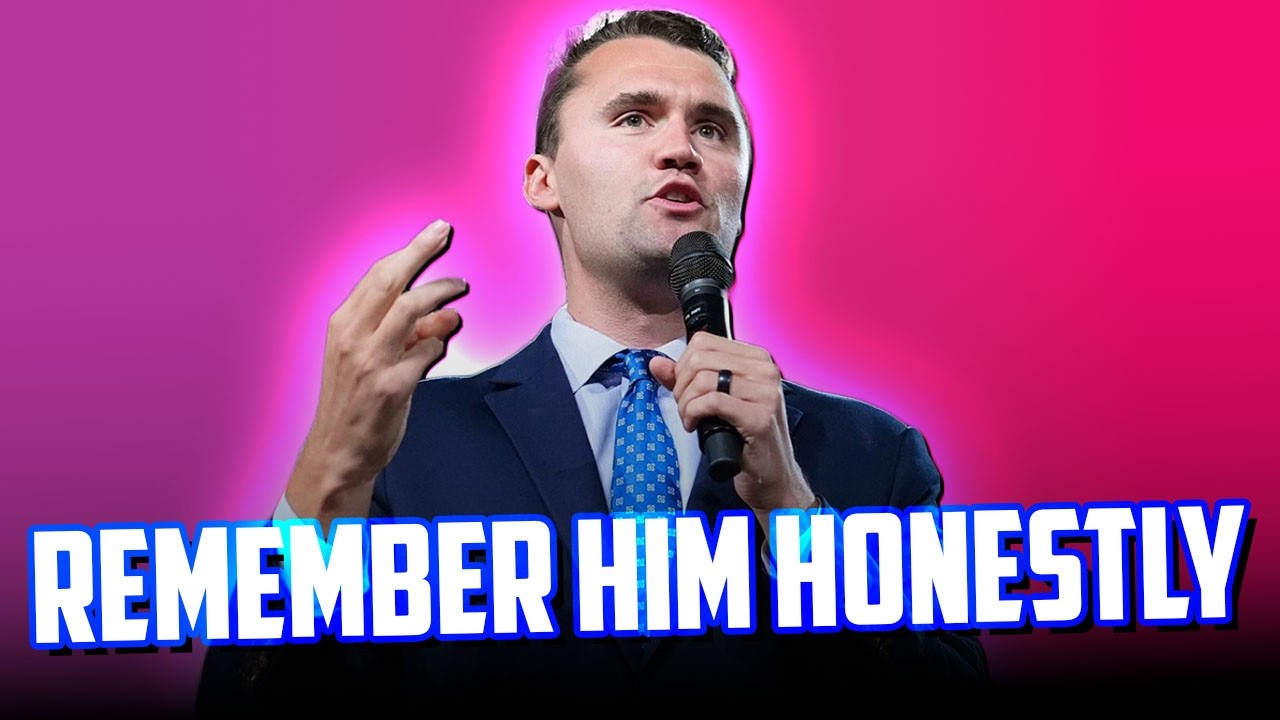
I open by addressing the murder of Charlie Kirk, someone I strongly disagreed with on nearly every issue, but whom I acknowledge as a smart, effective communicator and organizer unafraid to engage the public, and I offer my condolences to his wife and family. I argue that a free and democratic society depends on people being able to speak, organize, and participate in public life without fear of violence, and that political violence is not strength but cowardice, a substitute for the inability to persuade people through argument. I place Kirk's killing within a disturbing pattern I trace from the January 6th attack on the Capitol through the attempted assassination of Donald Trump, the attack on Paul Pelosi, the attempted kidnapping of Michigan Governor Whitmer, the murder of Minnesota Speaker Melissa Hortman and her husband, the attack on Pennsylvania Governor Josh Shapiro, and the shootings of UnitedHealthcare executive Brian Thompson and Representative Steve Scalise. I also point back further, to the assassinations of President Kennedy, Dr. Martin Luther King Jr., Robert F. Kennedy, and Medgar Evers, and the attempted assassinations of Ronald Reagan and George Wallace, closing with a call for everyone, regardless of ideology, to condemn political violence without exception.
The speaker opens by addressing the murder of Charlie Kirk the day before, describing him as someone he strongly disagreed with on almost every issue, but acknowledging him as a clearly smart and effective communicator and organizer, someone unafraid to get out into the world and engage the public. He offers condolences to Kirk's wife and family.
Why Free Speech and Elections, Not Violence, Define Democracy
He argues that a free and democratic society depends on the basic premise that people can speak out, organize, and take part in public life without fear of being killed, injured, or humiliated for their political views, calling that the essence of freedom and democracy. He describes the ideal as one where differing points of view are argued out, cases are made to the American people at the local, state, and federal levels, and free elections let people decide, and says he wants as many people as possible to participate in that process without fear.
Freedom and democracy, he says, are not about political violence, assassinating public officials, or intimidating people who speak out. He calls political violence "political cowardice," meaning an inability to convince people of the correctness of one's ideas that leads instead to imposing them through force. He says every American, regardless of political viewpoint, must condemn all forms of political violence and intimidation, and must welcome and respect dissenting points of view, calling that the purpose of the Constitution and the Bill of Rights.
A Growing List of Political Violence
The speaker frames Kirk's murder as part of a disturbing rise in political violence that threatens to hollow out public life and make people afraid to participate. He lists a chain of recent events: the January 6, 2021 attack on the United States Capitol, the attempted assassination of Donald Trump, the attack on Paul Pelosi, the attempted kidnapping of Michigan Governor Gretchen Whitmer, the murder of Minnesota House Speaker Melissa Hortman and her husband, the attack on Pennsylvania Governor Josh Shapiro, the shooting of UnitedHealthcare executive Brian Thompson, and the shooting of Representative Steve Scalise several years earlier. He notes this violence has targeted public officials across the political spectrum.
Echoes of Past Assassinations
He places this moment in a longer historical pattern, recalling the assassinations of President Kennedy, Dr. Martin Luther King Jr., Senator Robert F. Kennedy, John Lennon, and Medgar Evers, along with the attempted assassinations of President Ronald Reagan and Alabama Governor George Wallace, calling this a difficult and contentious moment in American history in which democracy, both in the U.S. and globally, is under attack for reasons he says deserve serious discussion.
A Call for Unified Condemnation
He closes by insisting that anyone who honestly believes in democracy and freedom must be loud and clear that political violence, regardless of ideology, is not the answer and must be condemned, thanking the audience before ending the statement.