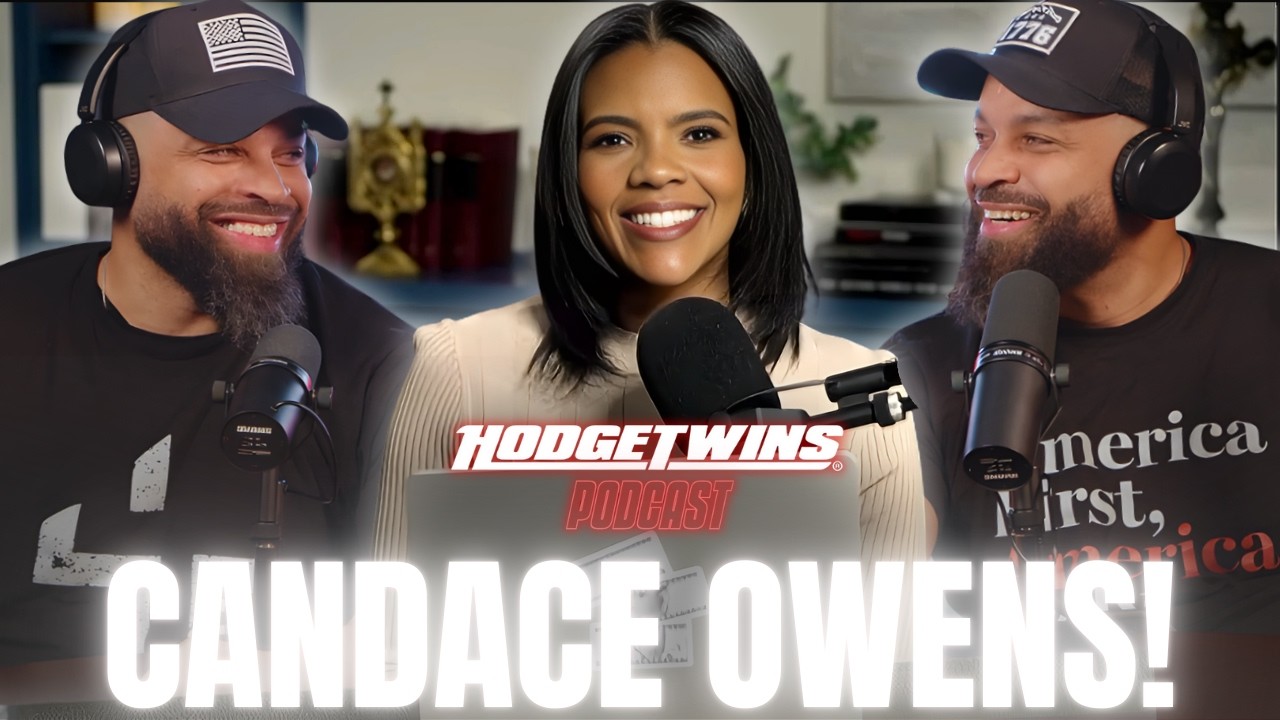
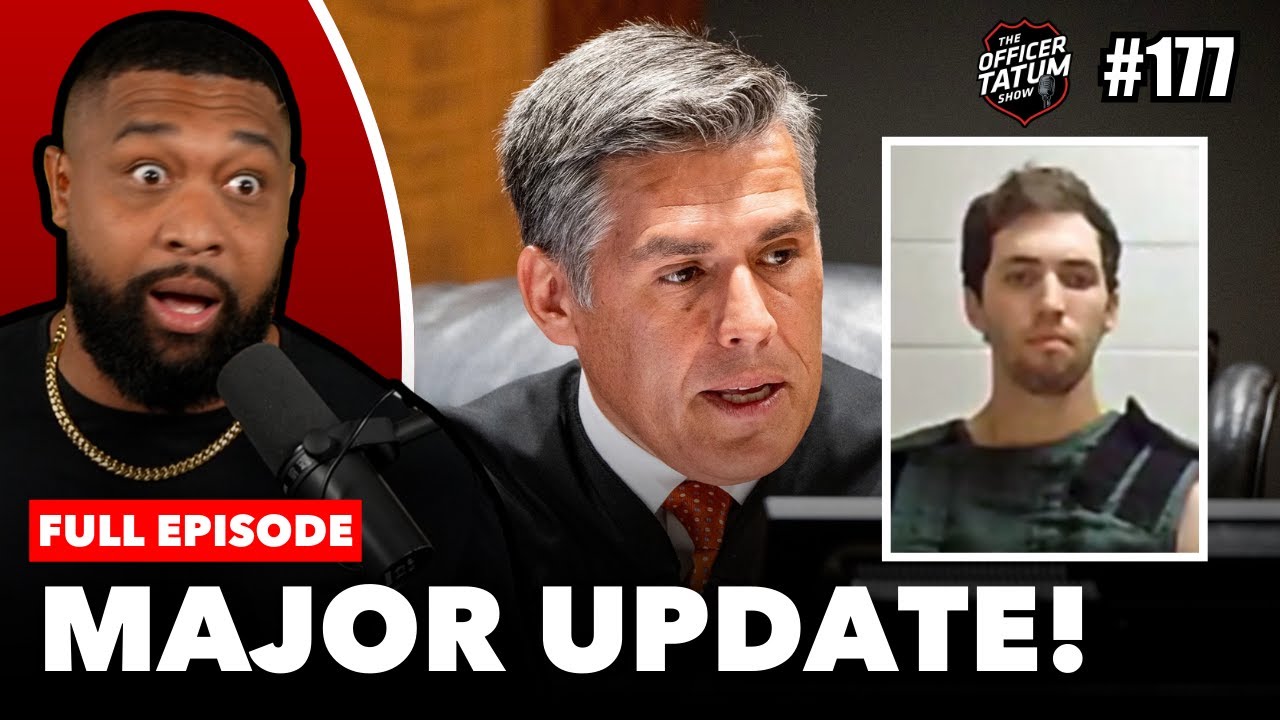
[music] [music] [music] Time [music] May I show? [music] [music] >> [music] [music] [music] >> Baby. [music] [music] [music] Heat. Heat. [music] >> [music] [music] >> Baby, baby. [music] They're [music] opposition. [music] [music] [music] >> [music] [music] [music] >> Hey, [music] the opposite. opposit. [music] [music] [music] [music] >> [music] [music] >> Baby I [music] said [music] [music] hey [music] baby. >> [music] [music] >> Baby [music] Oh, [music] hey. [music] Down. [music] ladies and gentlemen. I see y'all jumping in here already. It's about to get nasty. All right, so we're going to talk about uh Charlie Kirk conspiracy theories. Some idiot thinks that the mic was contaminated. I'm going to disprove that because I I just live to disprove all these lies. Also, DEI hire. You You won't believe what the universities are doing when it comes to hiring for professors. A truck full of monkeys. And Nick, they're not black people. That you don't say that again. Okay. It's a truck full of monkeys. [laughter] Jump out in the crash. So, we got to talk about all this. Y'all hold the phone. If you don't [music] believe that we are in a fight today, you're sleeping under a rock. If you get hit and you lay down and you [music] cry and you fold up in the corner, definitely you will not win the fight. We show up to win. Our culture needs a lot of you [music] young people in here to step up and stand out. There is nothing or no principality, power, division, devil can stop us [music] when we're united. They can only get you when you're divided. When I see the American flag, I see us progressing to something that can be awesome and great. And if you don't plan on winning this, you might as well go on today. >> All right, ladies and gentlemen, I'm back. Um, like a fat back in a Cadillac smoking crack. Oh, no. I got that from Nick. He He always give me all the good jokes. Anyway, if it's funny, they're mine. If it's not funny, it's his jokes. But on a serious note, [clears throat] I want to talk about some of these conspiracy theories around Charlie Kirk. I I mentioned this yesterday uh a little bit and and I I felt like God wants me to be the person to debunk these things because there's a part of me that says I'm tired of getting yelled at online and and shamed because I'm not pushing conspiracy theories because I have a little bit of uh background in doing investigations. So, I I understand that it's not worth you pushing things that could be debunked or not verifiably true if you really are genuine. If not, you can say whatever you want to say. Like this next story that's coming up. Let's play uh clip 501 now. They're pushing this idea that somehow this police officer is intentionally contaminating the microphone. First and foremost, for people who care about facts and reality is that there is no contamination on a microphone. It's not a part of the investigation. There's no there's no investigative material on a microphone to start with. What are they going to get off of it? DNA. Well, they don't need DNA because it it Well, this microphone wasn't even Charlie Kur's DNA. This microphone with the cord on it was the microphone for the audience. And so all this cop probably was doing, if you want to put your thinker cap on, is that he probably was making sure the thing wasn't on so the investigators are not walking around broadcasting everything they say on this microphone is just sitting on the table. But if you don't believe me, let's just watch it and see what you think. Roll the clip. >> Did he picked up the mic? That was the audience mic. He checks it. He try to speak in it. He speaks in it. Nothing there. He bangs it on the table to make sure it's off and that's it. Why would he do that? Well, when you have been a part of law enforcement or anything else that that's meaningful, you'll realize that maybe, just maybe, he was taking, you know, making sure that what they were saying weren't broadcast or making sure what they were saying wasn't being pre-recorded to a device or somewhere where who they they had no access to. But for the lunatics that are that are thinking that everything that's that you can see in an investigation has to be somehow conspiracy is crazy to me. Let me add this too because I didn't get a chance to say this yesterday and I know I didn't tell the team to get these clips but I I I kind of want to show the clips real quick just real quick before I get off this subject. We've been talking about Nick Fuentes's interview with Tucker Carlson, and I'm not gonna let this go. I don't care that Tucker interviewed Nick. I, you know, I think it's weird, but it doesn't matter. You can give a platform to whoever you want, but at least if you can challenge the guy. And so, we showed the clip yesterday of all the crazy things he said about Charlie, which was never challenged. I want to play a clip of what he said about Erica because you would think you would think that if I'm friends with Charlie where he's willing to ruin his reputation or lose money because he's friends with me and we're mutually friends together that if a guy says something about my friend's wife at minimum if I'm interviewing you bro we got to talk about it. Now, I'm not soft like that. We going I'mma confront you about it. Matter of fact, if you talking about we going to have a conversation about this way before we interview, but at least you can bring it up when you got a guy name like uh what they call him Lil Hitler saying stuff like this. Roll the clip. >> Skeptical on Kirk being killed by Israel. Yet, Erica Kirk's mom worked with Homeland Security and DD. Her father, a chairperson, president for Raithon Israel Limited. Easy to find online. This same division that coordinated with Loheed and built the Iron Dome. Now, she is pusa. Watch it. Become a pro-Israel advocacy group. >> Dude, it is. IT IS A PRO-ISRAEL. WHAT ARE YOU TALKING ABOUT? WHAT DO YOU think Turning Point is? Do you think this was the Institute for Historical Research? Do you Was this the Charles Martell Society is a stormfront? Iron March. This is Turning Point USA. IT IS A PRO-ISRAEL ADVOCACY GROUP. WHAT ARE YOU TALKING ABOUT? WERE YOU BORN YESTERDAY? that like you're you guys that's the part I can't get over. So you're skeptical about Kirk being killed by Israel. Now his wife is taking over. Watch Turning Point become pro-Israel. Dude, they were Zog headquarters. He's coaching Lord Netanyahu on how to rape America with propaganda. What are you talking about? If Turning Point wasn't a pro-Israel outfit, what what is the pro-Israel outfit? >> Directly talking about Charlie's wife. >> Do we have that clip, Nick? Is that the clip you post on Instagram about the wife? >> It's the one specifically where he said that it was a arranged marriage. >> All right, let's try 533. Sorry, guys. Huh? That's crazy to the extent. Look, Erica Kirk is a spook. I've seen enough. Erica Kirk is a plant. We all know that. That is a fact. That is basically established. She was shopping around for a political husband. God knows where she comes from. She She found one in Charlie Kirk. Do you think Charlie Kirk is the RZmaster? He's not a good-looking guy, dude. You know what she said on a podcast? I saw a clip of her on a podcast and she said, "I can't focus with him in the room cuz I'm just going to be looking at him." Now, that's some good acting. Now, you had me. Then I saw that clip. You know, maybe you had me when she did the first speech next to his chair. But when I saw that clip and she said, "I'm not going to be able to focus with him in the room. He's too handsome." It's like now that's some bad acting. That now that that is some serious that is a serious acting job. So I think she's a plant obviously. Uh but does that mean that they took him out to put her in? Not necessarily. I think that it's a political marriage. She's an operative. He's an operative. He happened to be killed. She's gonna take over his responsibilities. It is what it is. I don't I agree. I think she is um not who she says she is cuz there's all these clips coming out. She's in a music video. She's on these reality TV shows. I'm hearing she dated other people in the conservative movement. It's like, why is it that that's always the background? Alex Clark was on a reality show, now she's doing a turning point show. Charlie Kirk's wife was on a reality show in a music video, now she's a turning point. It's almost like you have these women or people in general, but especially women who are with a talent agency or they're with some agency. They'll do anything to be famous. They'll do anything to get in front of the spotlight and then they find themselves marrying these like conservative guys or doing conservative political shows. >> Isn't that I think I'm done hearing it. There was a clip that [clears throat] was much worse than this. This is just a part of it. But this guy is saying these things about Charlie's wife. You know, I feel some type of way about it. Somebody talking about somebody. You can go and do research about his wife. You probably could have caught it if you wasn't bashing a husband every day of your life and and get to the bottom of something more substantive instead of just dogging his wife out. He went on to say that his wife was a plant and that it was an arranged marriage and that wi-i which is implicating that she targeted Charlie. He he even said at some point that some it was suspicious that somebody knew somebody that connected them and not like it's a all it's an arranged suspicious marriage. And if I'm if if I were to interview him, I'd push back and say, "What do you know to make you say something like that about that man wife? What would what what would make you talk about another a dead man's wife in a derogatory way? Unless you hate the guy." And what happens? He does hate Charlie Kurt. And how do you interview a guy that hates your friend the way he hates your friend and don't even push back on nothing that he said? We showed a highlight tape yesterday of things he said and there's way more stuff than that. I mean, this guy was on the internet. He got banned for I don't know how long. All the crazy stuff he said about Charlie, all the name calling, all the shaming of his family, all the shaming of Turning Point, which is everything that Charlie Kirk built. And you go as a friend and interview the guy and you don't even talk about that. He said he support he's a big fan of Joseph Stalin and you go All right, I can go on and on. Let's pray the Frank Tur clip the 502. It sucks, too, cuz you listen to people like Candace Owens like right now with her conspiracy theories and stuff and like I don't know, man. I'm getting more and more thinking the best thing that could happen to humanity is the internet could go down. Yeah, as soon as we lose Wi-Fi, we're all upset. But that might be the best thing that happens to us. By the way, I haven't followed a lot of what Candace Owens has done, but I will say what I have seen. There's a difference between a possibility and evidence for a possibility. You can speculate on anything you want, but unless you have evidence, shut up. Okay? Because all you're doing is causing dissension among the brothers, which is something the Lord hates. If you want to present a possibility and say, "Well, this could be true." Okay, it could be true. But don't accuse people for doing something for which you have no evidence. >> All right, let me jump in here real quick. >> So, I've been Frank Turk before. I know Frank TK. Um, I I consider him to be a person I can call on the phone right now. I could call Frank Terry. He'll pick up the phone right now. Let le let's let's let's make the main thing about the main thing because I think a lot of people and I I'm guilty of this sometimes name dropping people but it's the concept that's more important than the personality. It's what is being spewed that's more important than who is spewing it per se because it's not just one person that have this theology. It's not just one group of people that it's a it's a whole movement of people that think that they can get online and say things without verifying them and that's considered evidence. I'm just trying to help the people that want to be helped. For the rest of y'all, I couldn't care less. Okay? We need to be very cognizant of who we listen to, what fact patterns that we we're associating ourselves with. And and I'm just encouraging people to slow down for a second. If I if I could get into the brains of everybody I see online that's just just spreading and saying and tweeting and and commenting all this stuff. There's a very big difference between asking a question, meaning I did my due diligence to research this stuff, and this is something that is complicated outside of the realm of explanation that I not only have, but that I believe I have access to than to just say any anything that you see is got to be a question mark. Charlie Kirk is sitting at neck at a 45 degree angle. Hm. That's suspicious. Look at the lady that's sitting next to Frank Turk, the woman in the white white hat. Why is she looking at Charlie right before he gets shot? Frank Turk has his phone out. Why is his phone pointing in the direction of Charlie Kirk? And why is he adjusting his hat? And the other guy adjusting his sleeve. It must be something a foot. the these things in a rational perspective or a rational investigatory perspective is nothing that people would be looking at because then you have to go from point A to point B and acknowledge well what am I accusing this person of being associated with if somebody moves their hat like this Charlie gets shot before I publicly say wow that's suspicious I need to compartmentalize well how far is He's standing away from Charlie. And what is a signal that you would give to a person that would snipe another person? He's standing about 15 12 to 15 ft to the left of Charlie. If a person is shooting Charlie, hand signals would not be an option. A person at 200 yards only have an optic view of probably this much. They are not looking at Charlie and looking at the other guy doing a signal. That's impossible. That's irrational. You cannot rely on a delay of a person's hand signal to decide when are you going to take a shot on a person when the when the option is open. So then you say, I rule that out. I'm not going to publicize that to my audience. I'm not going to publicize that online. I'm not going to share any tweets associated with that because I've ruled out that being a possibility. Same with the sleeve movement. A sniper is not going to be looking at a person that's standing off to the left of Charlie when he's trying to hit Charlie while he's moving back and forth with the mic. So then then you say it's a security team that coordination is out of the out of the realm of reasonleness. Then I'm not going to even present that as an option because it's not viable. Somebody, you know, freaking out after they watch their friend get shot in the neck and they run this way, run this way. If I'm going to make an accusation against that person to say what they're doing is suspicious, then I need to say, what is it about their suspicion that make me think it's associated with Charlie Kirk's death? What is it about Ter's behavior? It's not the fact that he did what he did. It's that well, what what association do you think it actually has? A person being frightened and run and make a video they never published. What's the accusation? They've abandoning Charlie. So that mean that they didn't really love him like they said they did. Well then before you present it to your audience and make it a hypothesis, you got to say, "Well, they're not training professionals. Charlie Kirk is probably spending a million dollars a year to have 7 to 12 people follow him to all these events and protect him at the on stage. So therefore, when the rubber hit the road, a reasonable person would believe that they already have a game plan which involves the people that he spend millions of dollars on to protect him, not Mikey and Tero and the video team and random people in the audience. A matter of fact, if you are to interfere, you are the problem. You should not be interfering with with first respondents uh uh first responders. And in this fact, he has private first responders that's probably carrying a tourniquet, that's probably carrying Israeli bandage, that's probably carrying quick clot, that's probably carrying uh Halo chest seal, that's got GS, that's got all of these things in their fanny packs and on their person. You having a camera and phone in your hand ain't going to do nothing to save Charlie. You are not trained medically. You don't even know how to pack a wound. So what are you doing down there but interfering with the experts and the professionals? So I often like to say before you believe a conspiracy, slow down for a minute and evaluate it first. Listen to experts on a topic first because I'm seeing so many people talking crazy to me saying, "Oh, Brandon, people just asking questions." That's not asking a question. saying, "Is there a tunnel or is there multiple asalants when you have no asalants a foot?" That's not that's not generally asking questions. Charlie Kirk had to be killed by somebody other than the shooter. I'm going to say this and I'm going to move on to my next topics because I want to get to these monkeys. Real monkeys, you know, real monkeys. Okay, I'm totally making this up. Nick never Well, he did actually say that. He was joking though. It was a joke. It wasn't real. He's a comedian on on his in his second life. So what what I I lost train lost my train of thought. So So what I'm saying is that if you if you evaluate it like this and then I'm going to move on. If a person is saying, "Hey, I'm just asking questions." Then evaluate what direction do the questions often go? Do they only go towards Robinson not being a suspect? Because I would argue there's a lot of questions that could be asked about Robinson's involvement, about the people who knew he did it, about the Discord channel, about the text messages, about all these other things that are associated with with Robinson, about the court hearing, about the suppression of of of evidence, about the jury selection. Like, there's a lot of other stuff on that side that could be asked. But if you never ask questions on both sides, are you really trying to get to the bottom of something? Somebody wrote a comment here and it says, "Uh, Army combat vet, I love you and Candace, brother. Don't let social pull you apart ever, family. Uh, you're good people." Well, ain't nothing's going to pull me and Candace apart. We I just text her earlier today because I did an interview and I mentioned her name in the interview. And when I mentioned her name in the interview or she mentioned me, she text me and say, "Hey, bro. This is I just want you to know this is coming out and this is what I said. I love you. Love you back." That's it. Now, I I I am frustrated with some stuff that that is said, but that that's not going to change a person's personal relationship. So if you guys are thinking somehow that Candace and I in our personal life are somehow beefing and we hate each other. It, you know, some things I disagree with, but person to person, we hash it out. So when you in the comment section, y'all need to unite and everything. It's it's people are going to disagree with each other on certain topics. And as a former law enforcement officer, I'm going to disagree when I see things that are said that I disagree with. When I see tactics that I disagree with, when I have evidence of things that I know from talking and communicating with people that I know, and then I see people put out things that are not uh accurate, I'm going to I'm going to have a disagreement. And that's not limited to one or two or three people. Anybody that's saying things that I disagree with, I'm going to make them known. Now, let's get to these monkeys. Okay, let's get to the monkey. That didn't come out right. But I love y'all anyway. But before we get to the monkeys, I got to get I got to say this before this a short story. I got I got to say this before we get to these monkeys that jumped out this car and they infected with all kind of stuff and they jumping on people and everything. All right, before we get there, I want to talk about this the university and how DEI on a university that they claim don't exist is insane. It's insufferable. And I would argue that the biggest threat to people or biggest threat to America isn't Netanyahu them. It's our universities. The next generation of people are coming from these universities. Money is being spent at these universities from foreign governments to the tune of billions of dollars and they're woke and they're radical and they're destroying America. Let's get to this story. University of Washington scraps a DEI based job posting. Let this man is going to explain what the job posting was and why I'm critical of the DEI implications. Wrote a clip. For new hires, we require a diversity statement. In the Allen School, where I teach computer science, we basically have three different main measures. There's their research, their teaching, and DEI. You know, their diversity statement. So, you know, they and these rubrics say things like they used to say you have to agree with with the uh the equity agenda with with the DEI movement. Now you have to say that you have deep knowledge of the DEI in order to get a high rating on all of this. The funny thing is I am convinced I would not be hired if I applied today. There's just no way even though I've won the distinguished teaching award here at the university. So you know it's a they want you I'll give you an example of something they'll they'll ask you. What have you done uh specifically for black students in your teaching? And I would say I don't do anything specifically for black students. I have done a lot to try to make sure that struggling students have the resources that they need to succeed, but I don't think about black students in particular and what they need. I just, you know, do this for all students. That's not an acceptable answer. I'm supposed to say what I've done specifically for black students. Otherwise, I'm not working towards equity. Y'all know how insane this is. [snorts] This is at the University of Washington. My son was just talking to me and we were talking about colleges that he may go to. And I said, you know, you might want to go to University of Washington cuz he got family that live in in Washington State. Now I'm thinking, f no, you're not going to that university. I don't want to lose my son to the university propaganda. They literally are asking people, "What are you doing specifically for black people?" Imagine. Imagine if they were asking people, "What are you specifically doing to help white people?" They would the the university would burn down at H.B.CU. Are they are they worried about equity and inclusion at a HB.CU? No, they're not. Are they going to ask people we don't have enough white people at HB.CU? And they expect the teacher to let Let me tell you what what this implic what this what this is as an implication for black people. I think you think we stupid. This is why y'all need special treatment for us. like we like we little special needs kids. We are capable of learning just like anybody else. We're capable of getting test scores just like anybody else. We're capable of studying and becoming great educators just like anybody else. But when these white folks I'm going to call y'all out, it ain't all white people. It's not Nick. When you white folks that suffer from white guilt that ain't never met a black person and in your mind you see us like the monkeys that fell out of that that truck that crashed on the freeway and we just helpless running around scattered with with with no options and you go, "Oh, poor negroes. Let me let me cheat the system for you because you're too dumb to actually study. you're too dumb to have enough personal responsibility to go to class on time. So, let us make special treatment for you dummies. And so, when we go hire white people, we go, "Hey, white people, you know the dumb negroes over there, that's they just not smart enough. What are you doing to help the dummies? That's what you saying to us?" Because I knew a lot of people that were validictorian, went to college, graduated sumakum ladi, a whole bunch of black people. We black people on my team, two majors while being a captain on the football team and winning the Thorp award. Antoine Kase double major. I could barely I I I ain't barely want to go to class. He double majored. We had guys with straight 4.0 GPA. Black guys, what are y'all saying? we can't do it. What if you really cared about black lives and you really cared about the success of black people, you helped them on the front end, not on the back end. You help them uh when you have opportunities to these lower performing schools that are predominantly black. Make sure that the education is fair and when you can as a teacher, you make sure you support your students and give them the best opportunity they can. And then when it's time to go to college, they got to compete like everybody else do. What is so hard about that? Y'all don't do that for Mexicans. Y'all just do that. Y'all po the poor black man. I saw some black idiots um pastors praying for Mum Dunny. This is why y'all ain't this is why y'all going to struggle as a group and y'all going to still let these white people tell you you stupid and you're not equal to everybody else because y'all out here supporting Mum Dunny. Mom Donnie ain't done nothing and ain't promised nothing for black people in New York and y'all praying for him. My brother, my brother, he he my brother. Just stupid. But anyway, I think people need to be aware of what's going on at the University of Washington and the biases that they're bestowing. Let's get to the monkeys. I know y'all wanted to get to these monkeys, man. Let's play a clip of what happened. And this was kind of spooky, but this what does this mean to me? I often wonder, could this be a situation where they got these contaminated monkeys and they crash and they let them out and they start biting people right before the midterm and everybody's sick and they and they going to shut the country down. Why are you even transporting monkeys that are sick in the first place that you've you've intentionally infected? Why are they in a container that can even be escapable? Why? Like like when you secure these animals that are riddled with viruses wrote a clip >> tonight. The alarming scene on Interstate 59 in Mississippi. A truck carrying research monkeys possibly infected from hepatitis to CO crashing on the highway. Here's Mola Langi. >> Tonight, the urgent search for dangerous research monkeys that escaped from the wreckage of a crash on a Mississippi highway. >> We got 21 monkey that was on this. Got five of them on the road. >> Video showing several monkeys crawling in the grass. Heavily armed officers responding to the scene. Authorities say a truck carrying nearly two dozen Reese's monkeys from Two Lane University overturned on Interstate 59 in Jasper County. >> Here's one of the monkeys right here. There's one sitting right there. >> At least six monkeys escaping. Officials warning they might be aggressive towards people and were potentially infected with hepatitis C, herpes, and COVID. They may have to neutralize something out here in a minute. >> And late today, police confirming all but one of the escaped monkeys had been euthanized for public safety reasons, adding they're still actively searching for that one monkey still on the loose. Well, David, the monkeys that did not escape from the truck are said to be okay and accounted for. David, >> all they need is one to bite somebody. Now, somebody need to explain to me why y'all got monkeys infected with hepatitis B. What is it? herpes and and uh and COVID. What do those those got to do with each other? How you get hepatitis B, herpes, and COVID? They don't even seem like they in the same family of diseases. What are y'all doing with these monkeys and then they get out and they running them up and one of them got away? That sound like a mother freaking movie. Then now everybody gonna die because this thing done bit one person or it bite an animal and now all of a sudden it was the monkeys that uh one of them got away and that one ruined the country and why in Mississippi I wonder. Now I'm not a conspiracy theorist, but I do wonder. Now I'm not going to say anything other than I think it's crazy that they infected monkeys and that thing crashed on the freeway with no other cars involved. It didn't seem like there was no other cars involved. And the truck is fine. The person in the truck is fine, but the trailer all messed up and monkeys jumping out of it, but one of them got away. Now, I think yeah, we we we covered a few of these, but official said that the truck driver had described the monkeys as dangerous. Oh, he's not describing a flip over. We didn't say the monkeys are crawling through tall grass. This is going to be a movie in a minute. The site was located 100 miles southeast of Jackson, Mississippi. Truck overturn remain under investigation. The truck by itself overturned 100 miles out. I mean, that's a long way to run and bite. So maybe they won't get to some people or some dumb Karen is going to be like, "Oh, look at this cute monkey. You shouldn't treat the monkeys like that. They're killing the monkeys. I mean, rescue this one. It's gonna bite her in the neck and she gonna turn green and that's going to be the antichrist. No, I'm just playing. [laughter] I'm playing. I jumped to a big conclusion. I'm joking y'all. Don't get mad at me. You're pretty conspiracy theories. Let's get to the next story. Emily Austin and Anaka Spirion. Let me say this about Ana Spirion. She is the most ignorant woman on the internet right now. She top five at least. She got be I see some Sunny Holston. There a few other ones. Let me not lie. She top five though. And let me tell you how stupid these people are. And you will find and I'm talking about for my people that smart for the rest of the trolls in the comment section. Say what you want to say. Listen to what she say to this girl Emily. And I've I've debated with Emily. I've seen her content and I've seen Ana Kasparian content. Listen to what she say about the Jews. They are obsessed with the Jews. If it wasn't for Jew haters, I wouldn't even be talking about the Jews as much. Like, I got to keep combating Jew hate cuz they can't get the Jews out of their mouth. Okay. Wrote a clip >> pointing to that and saying America is a hypocrite. America's abort abetting war crimes. So, in that case, >> what country said that? Russia, China are adversaries or telling us. >> Emily, you should tell they would look at what Kev looks like versus what Gaza City looks like. >> Wait, do not ridicule me. I can see that look of just stay on your face. Hypocrisy. >> No, let me finish my point. They're pointing to other countries when they try to find allies in South America, Africa, all around the world. They say, "Don't hang out with the United States. Hang out with us because at least we are not abetting atrocities in Israel. At least we are not hypocrites." That's what I mean. because they are winning the propaganda war against us. Everything is about propaganda and the war. They are trying to they don't want an Americanled world order. They are trying to topple us. Do you understand? They are trying to topple the American empire. And so this matters. The story around America matters. American values matters. We cannot be seen as abetting atrocities. We cannot have the blood of 67,000 women and children on our hands. >> I agree. >> So, okay. Hold on, hold on, hold on. I used to like her. I used to like her. >> But after she say this, like we we have the blood of 67 gazins on our hands. You're talking about because of propaganda. Are you talking about because it's our fault? First of all, we haven't fought in that war at all. Second of all, Hamas is responsible for their own people's demise because they hide behind them. We already know the scenario. But you want to blame and act like America should abandon our values and abandon our allies because other people are saying that we're implicated somehow. Man, who gives up what other people say? We live in reality. We live in real life. And and and the weak wussiness of people is what bothers me. You shouldn't hang around China and saying you shouldn't hang around Israel. China really China slave labor. China literally harvesting organ China. They are harvesting people's organs. I saw the documentary. They lit people alive and they go in their chest. They take their heart out while they alive. Therefore, they can give people heart transplants on the spot with no waiting time. The fallen gong is getting just a just aerated. China is the one from the Wuhan lab that allowed CO 19 to spread around the world. And they killed all their people and stuff so they protected themselves. But everybody else got sick and shut down. The economy was China talking about Israel. What What are y'all saying? Who Who's against Israel? Oh, okay. They got a common theme. We don't We're not allies with them and their government sucks. All right, let it continue. Roll it. Second of all, my thing is when I say they coincide with values, what what would you say in the entire Middle East is the closest country to the United States in terms of fair elections, allowing LGBTQ people? >> It's an aparttheid state. How are you going to say it's fair elections? >> Palestinian. Okay, time out. She's a dumb behave yourself, Brandon. Behave yourself. You know how stupid you have to be to say it's an apartheid state? Do you know how stupid you have to be to say it's an apartheid state? Do the people watching this, do you know what an apartheid represents? That's a that's a clear division of race. Division by race, right? In apartheid South Africa, white versus blacks. That mean this race don't have the same access and don't have the same rights as another race. That's what an apartheid is in Israel right now. Arabs have every right to almost everything that the Jews have and probably everything. Arab Israelis serve in the Knesset. They serve in the military. You name it, they vote. How is it a part if Jews and Arabs have the same rights in Israel? What are you saying, you ignorant? behave yourself because as you claim it's an apartheid blaming Israel, Jews have no access to the West Bank where the Palestinians live. They have no access to Gaza at all. So who is perpetuating an apartheid state? The Palestinians or the Israelis? But since you a dumb I can't I want to cuss. Nick, I'm gonna Nick, can you cuss for me? I'm just playing. All right, let this garden tool finish what she's saying. >> Aren't allowed to vote and they're not even allowed to have their own state. They're not Benjamin Netanyahu said multiple times, I will not allow the Palestinians to have their own state. >> You know why? Cuz they are stuck in a situation. Oh my god. >> Wait, if you were Prime Minister Netanyahu, there's no Emily, THERE'S NO PAY FOR SLAVE PAYS. SO, by nature, if you killian, if you kill a Jew, we're giving you $10,000. Is that a personate? >> Because you're saying the you're making it seem like the PL are the good guys. Now, when they stop funding people to kill Jews, maybe Netanyahu should negotiate with them. But until they stop raising their kids to say, "Hey, I know you want to go work and become an engineer, but if you kill a Jew, you'll get $10,000 per Jew." >> The PL is killing Jews in the West Bank. The PLO is on its knees. >> Pay for slaves. >> Beyond differential to the Israelis doing everything they can to say to show we're being peaceful. Let us have our own. What about >> we're doing everything can't be peaceful. The last shooting that made my wife say you can't go to Israel was when from the West Bank the Arabs came over and shot a bunch of people at a at a bus stop. What are we saying y'all? They're shooting missiles over. They're attacking people. They cheered in October 7th from the West Bank. What are y'all saying? It's an apartheid state. She is so stupid. Arabs when the war happened and the Palestinian forces displaced their own people. They made them all go to the West Bank because they thought they were going to beat Israel and they would have them come back after the war. But they lost. So they place the place uh displaced all their own people. But there was 2 million Arabs that said, "I don't want to be a part of the West Bank." They joined Israel and became Israeli citizens. What are you saying? Arabs work in Israel. I went to Israel. I was in Israel for two weeks. I saw all the Arabs coming up from Gaza working in Israel. What are you saying, you ignorant? Roll a clip. >> What do they keep doing? What do they keep doing? They keep building illegal settlements. They keep building illegal settlements. They keep building illegal settlements. But you don't care, right? You don't care. Let me go on your neighbor. >> What? What are you saying? >> That's what they do in the West Bank. The PLO funds people to kill Jews. Has this not been something you've been informed of? >> I've seen these paper slements. They're stealing the house legally. They're stealing. They don't [screaming] want JEWS IN THE WEST. The Palestinians build houses IN ISRAEL. >> 2.8 MILLION ARABS IN ISRAEL LIVING BETTER LIVES IN ISRAEL AND THE WEST BANK AND GAZA COMBINED. You just hate Jews. I will not >> I DON'T HATE JEWS. THEN WHY THE WEST BANK CAN'T LIVE IN THE WEST PROPAGANDA? WHY CAN'T A JEW like trash? Like why can't a JEW LIVE IN THE WEST BANK? And um it's it's pathetic. All right, let's move on. >> Look who look who All you got to do when you wonder who is winning the argument is the one who's cussing and losing their mind is the one losing. She's the one losing. There is pay to pay to slay. The PLO is paying people money when they kill a Jew. That's why you see them still going over there doing terrorist attacks. When have you seen a terrorist attack where somebody a Jewish person go and blow themselves up over in Gaza? It didn't happen. But they come over into Israel and blow themselves up. When have you ever seen Israelis go over into Gaza and start killing random citizens and and taking them hostage and beheading them and putting it on camera? When have you ever seen something like that? It don't exist. They come over into Israel and do these atrocities. They still got hostages. Matter of fact, we still Do we got that video of them fake burying people? >> It was from the story from yesterday. >> Let's play Let's play that video. I think I don't have the sheet. Just in case just in case you think that Just in case you think I'm making this up, they got caught on camera drone footage lying. They literally are taking uh hostages that they killed and then they're burying them and then they go and and lift them up in the crane and take them out to the humanitarian or the Red Cross and say, "We found this person in the rubble." Watch. Watch what they do. Look at it. They throw a body out the window. You see them throwing that body out the window? They drag it over there, right? already set shallow grave. Then they start burying it. Look at what these people doing, man. They burying it. Why? The the body was in the house. Why they pull it out and bury it on the on the side of the place like this? Just watch. Keep watching. Then they go and get the thing to shovel up the the rubble that they claim the rubble from the air strikes. And they say, "Well, we discovered something as we're digging up the rubble." And then they go and pull it out right here. They go get it. Oh, no. That's what they do. They do it and then now they trying to discover it. Wow. We just discovered this body. They taking a picture of it. Look, they taking photos of it. Explain to me what the is going on here. But when you're a Jew hater, when you hate the Jews cuz you have no you have you have no other I don't know. I I know people are sick. They got a sickness. You are willing to believe everything that the that the Hamas says. Ana Kasperian is a is a is a is a nut job. You see how she's cussing and screaming at that girl? That girl is literally just saying, "What about pay to kill or whatever they have? Pay to slay. It's already been verified that that's a true thing that they do." And she won't even acknowledge it. It's an aparttheid state. And aparttheid mean the division of races. Jews and Arabs have equal access in Israel, but they don't want to be a part of Israel. So, they want to be a part of the West Bank. And anybody that know anything about the mapping of the West Bank, it's not just the West Bank like this. It's sections in the West Bank where Palestinians live. There are also parts of the West Bank that's controlled by Israel. But nobody said anything when when Jordan owned the West Bank only when Israel has the West Bank. And that is a problem now. Oh my god, it's a problem. Israelis own the West Bank. The the Palestinians have sections where they live, A, B, C, whatever. The Israelis can go over and build property on the West Bank, land that they own, and now they're taking over the West Bank and done all this stuff. It's It's all It's all deception. It's all deception. I have been to Israel. I bet Ana Conspira has never been to Israel before. I was there. I shopped. I bought from from Arab people. They have their they have their little section where they have the Jews and they have the Arabs. And you go buy stuff from the Arabs that sell. You buy stuff from the Jews. You go to the hotel when it was Shabbat, the Jews weren't there. The Arabs were running the hotel. And when the Arabs had their holiday, the Jews were at the hotel. that work in tandem together at every site that we went to from the West Bank to Israel, the mainland of Israel. We went to the Dead Sea. We went all over Israel. And these people are not living in an apartheid state. They kind of just I think they're just like the people that live in the hood. They don't take care of their stuff. We go to the Christian sites in the West Bank, they got cars and trash all in the yard. It's like you ain't got to be rich to clean your yard up. All right, let's move. Let's move on to uh the next one. What are we going to do for Save Stokes? I mean, not safe, but the thing pick one yet? We may have to do it tomorrow. All right, let's let's um let's get to these last two stories cuz one is a little more serious and I'mma finish it. I'mma finish it with a with a softer note. This one is more serious. The Charlie Kirk Halloween thing. I was debating whether or not I was going to do the Charlie Charlie Kirk Halloween stories because these people are so degenerate. It makes me upset, but I want the world to see what kind of silly people are out there that will be mocking the death of Charlie Kirk. I I I will put my life on it that if a Democrat was assassinated like Charlie Kirk in public that Republicans would not be mocking that person, they would not be wearing costumes of that person's death or not. But liberals and leftists, they are evil and deranged. And they they they have it as a badge of honor to make fun of a man that lost his life to political violence. This is one Halloween kit. The freedom shirt, a microphone, and and I guess blood. Fake blood coming down. Where the next one? Look at these people. Do you know how crazy you got to be to dress up like this and and go into public? And I'm glad they face out here because I I want people to see these people. If you know these people, you know what kind of person they are. Don't let them mock you or do that. You know exactly what kind of person these people are if they're mocking the death of somebody. Look at this. Evil. Evil. Where's the next one? The rapper. And this guy, At least you at least if you're going to do this, you got to know how to rap. God dang. This dude's trash at rapping. Come and play the clip. Ain't >> even on me. >> They built the machine on a mountain of lies. Sold fear on the airwaves. Venom disguise. Red hats ching puppets in a row. But the truth hit the system. [laughter] Bullets to the throat explos. The echo was gone. No more poison sermons at the break of dawn. They preach hate loud but the crowd got wise and empathy is faith and your slogan crumbles and dime. Every ear whispered through the breach. Revolution grows in the crack of your disease. [music] No more walls, no racist agenda. The death spell cold with a bullet for the offender. I got a smurf for a curse that got merked. No more hateful beast justice and worked. The lies decay and the signal is done. The people have risen and the future has won. Charlatans crumble and they own this no more. White people, if y'all going to rap, y'all got to hang around black people a little more. If you going to rap, you got to hang around black people a little more. Or you got to sit at home and and and play the beath listen to some rappers or something cuz bro, your rhyme was off and your rhythm was off. You got to finish the It's like 16 bars. You got to finish the hook. You got to finish it and go to the next one. You got to finish it. You trash at rapping and then you gonna mock somebody's death and you wrote a rap about it that's trash. God, you can't make this stuff up. We got another one 705. >> Halloween is coming up, which is All Saints Day, but let's just be honest. Halloween >> before we play it. >> This is a clip of Halloween explaining I mean a clip of Charlie Kirk explaining Halloween. Roll it. >> A dark dark day. Not a fan of it. It's what you do with it. not a fan of all the kind of dressing up and all that nonsense. I don't like it. And if you are a Christian, you must be, and by the way, if you're also a Jew, because this is a Old Testament law, you must not engage in any of these practices of the occult. I find that there is far too much kind of joking around and playing loose and fast with this stuff. There is legit darkness that can be channeled. And >> now I agree with Charlie, but I also would like to add if you're going to say that Halloween, y'all going to be mad at me on this. I'm going to get a happy story here in a minute. Y'all gonna be mad on mad at me on this, but it's okay. I still love you. Anyway, in addition to what Charlie saying, if you're going to make Halloween out to be a bad holiday, so is Christmas. and so is Easter and all these other all these other pagan holidays that been introduced into the Christian faith. Now, my personal thoughts is what do you do with the holiday is pretty much what the holiday stands for. If you want to dress your kids up as something and you walk around the neighborhood and get some candy and if that's what you if that's what you going for, then that's fine. If you worshiping the devil on Halloween, then you got a problem. Okay? Little scary spooky stuff. I mean, that's just like people saying you can't watch scary movies. I mean, you watching scary movies, you summoning demons, too. But if you got the Holy Spirit in you, you shouldn't be worried about it. But I understand why people don't celebrate Halloween. I get it. I don't I don't blame people for that. But also, don't forget Christmas. Old Saint Nick, uh, not that Nick, but old Saint Nick is a fake person. Take your kid, close your kids' ears if y'all still plan on getting them presents. Oh, Saint Nick is not a is is not biblical whatsoever. That's not biblical whatsoever. Jesus never celebrated Christmas and Old St. Nicholas getting presents. That's not that's that it's a madeup holiday. And to be honest, most Christians know more about Christmas as the holiday than they do about the reason that we celebrate the holiday. Matter of fact, Jesus wasn't even really born during the winter. But I don't want to get in trouble with y'all. But y'all got every day. Y'all think y'all got a a old white man giving your kids gifts when it's really Jesus that blessed you to get your kids a gift. Y'all got him as an idol to your kids and they love him more than Jesus. You want to bet me tell your kids that Santa Claus coming and and tell them Jesus come. They they rather Santa Claus come cuz you got Santa Claus in a position that Jesus supposed to be in if you naughty or nice. Santa Claus make that decision. I thought it was Jesus that made the decision to bless you if you were cutting up or you not. Oh, but all right. I'm just saying if you want to celebrate it, you celebrate it. Let's go on to the Easter. Easter egg bunnies. You know where that come from? That's pagan theology. That's pagan worship. It's Easter eggs and that that stupid bunny. They got nothing to do with Jesus Christ. Some of y'all call it Easter. Easter is not in the Bible. It's Passover Sunday. They call it resurrection Sunday. That's what you should be calling at your church. But people out here got their kids running around getting these eggs off the ground from a rabbit [laughter] and a and ain't got Jesus nowhere in their house. They going Easter. Everything's about Easter. It ain't about Jesus. They ain't even telling their kids who Jesus is. Now, I'm just throwing it out there. Y'all get mad at me if you want to, but all I'm saying is that you need to be mindful of what you are representing when you celebrate any of these things. I take my kids out to go look at the little eggs and stuff, but we go to church and we talk about Jesus, but I take them look at the eggs. I'm not buying into that pagan stuff. Um, and that's just for my kid. I want nothing to do with it. But the kid like to go around and hunt and stuff, and I let them do the little hunt, but all I'm saying is you going to criticize one, you got to criticize all of them. That's That's my main point here. All right. I love you, Charlie. But hey, on Easter, y'all out there with them Easter eggs, too. All right, let me get let me move it. Let me move it on. All right. This is the funniest thing I've seen on the internet. Hopefully, you love this. Leaving this show. I just want to say to y'all, I've never done this before. Can y'all take a I need to We need to host a Zoom etiquette class. How do y'all get caught on Zoom naked? Get caught on Zoom having sex. Y'all get this one lady, and I hate to say it, it's a friend of mine with a major Zoom conference with thousands of people on there. This woman get out the shower, take the boobs out, rub lotion on them on the Zoom, doing this on the Zoom. AND EVERYBODY IN THE company on that page that can see that page saw this woman doing and they can't you don't want to draw attention to it like hey Becky TURN THE CAMERA OFF then everybody look at that Becky now. Oh they go to who is Becky on here y'all. Maybe maybe I'm just look at this cop. He in court supposed to testify via Zoom and my man got his PP out. Wrote [laughter] a wrote a clip. On the record, please. >> Yes. Officer Jackson, bad number 3919 out of 12 precinct. >> God dang, bro. >> He got judge. >> You got you got some pants on. Officer in the >> No, sir. >> Officer Jackson. Um U Okay, Miss Lee. [laughter] He went so crazy the judge said, "You got some pants on, dog?" I mean, officer, homeboy had the wang out on the Zoom call. Didn't cropped the camera, right? How does that happen, bro? When I'm on Zoom, I can see myself on the Zoom. Maybe he was trying to Maybe he was trying to get some points from the clerk or something. I don't know. Maybe she thought he'd be innocent. [snorts] >> And what if he had to Now Nick gave us a good point. What if he had to stand up and stand up and his thing come out? >> Judge say, "Man, sit down. Put your put your pee away on trial." But anyway, I thought I'd end with something a little more lighthearted. But at the end of all this, I want to finish it with this. Study your Bible. Study these conspiracies that you hear. People should verify what they saying before you believe them. Go do your own research on everything you hear Brandon Tatum say. And if you find that something I say is wrong, let me know cuz I don't think I'm ever wrong. And maybe I am. Let me know. Outside of that, I pray yall have a wonderful day. God bless you. God bless America. I'm out of here. >> Oh, the land of [music] the free and the home of the brave. I'm a proud American from my birth to the grave. 47 is the dog. Took [music] a bullet for all. Didn't flinch, didn't >> [music]















Comments
Be the first to comment on this video.