Candace Owens and Cornel West Debate Trump's Impact on Black America with Laura Ingraham
Enjoying this? Share it with someone who needs to see it.
Up Next
Tulsi Gabbard Criticizes Joe Biden's New World Order Rhetoric in Interview With Jesse Watters
3:24
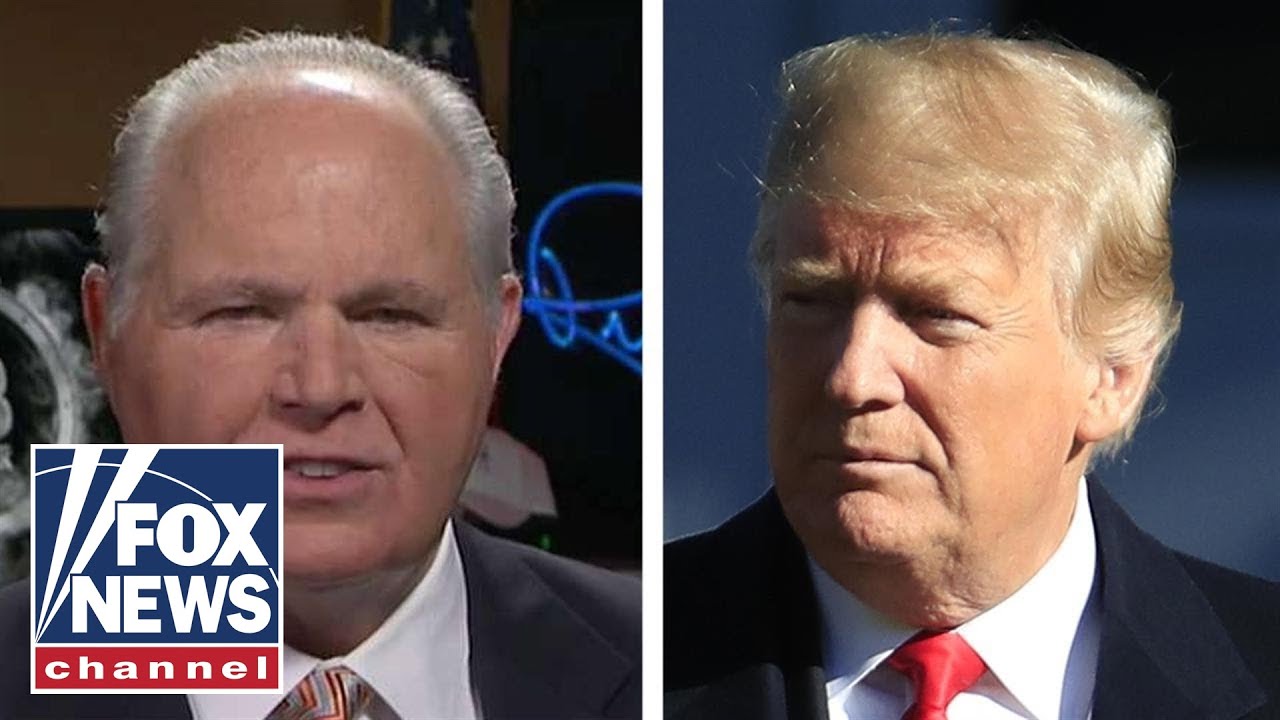
Rush Limbaugh and Sean Hannity Discuss Trump, Cochlear Implants, and Conservative Movement at Southern Command
12:22
Candace Owens Confronts House Committee on Democrats Using Black America as Political Pawns for Power
45:46
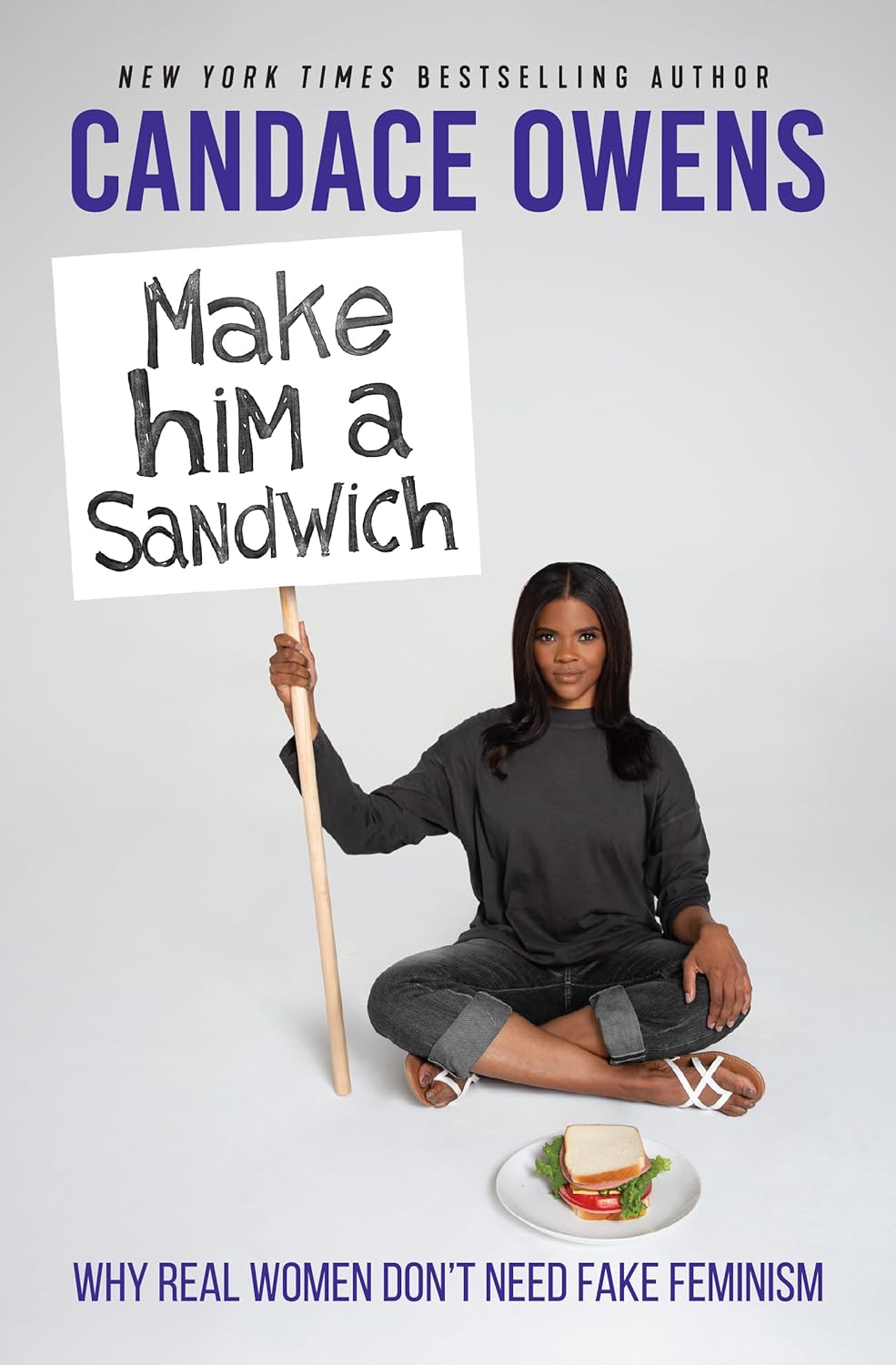
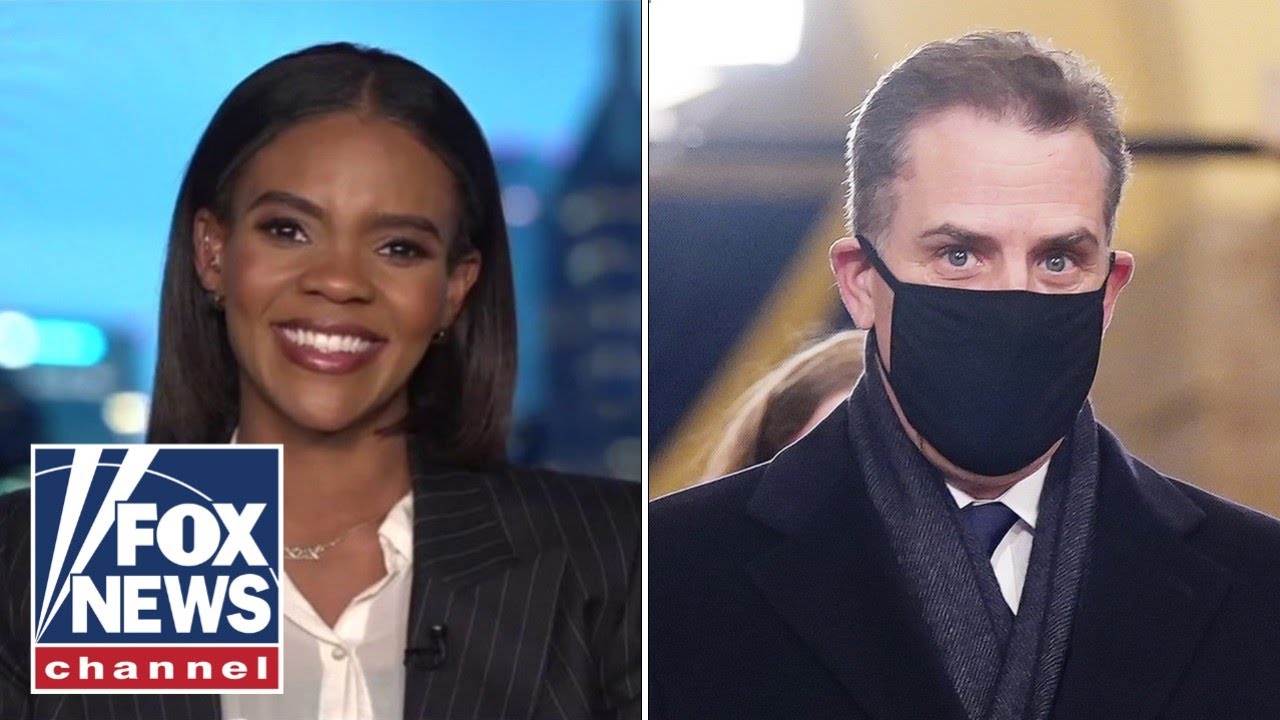
Candace Owens and Cornel West Debate Trump's Impact on Black America with Laura Ingraham
Candace Owens and Professor Cornel West engage in a compelling debate on Laura Ingraham's show about President Trump's policies and their impact on African-American communities. While media personalities frequently criticize Trump's relationship with communities of color, the numbers tell a different story: Black unemployment hit historic lows, African-American employment rose over 4%, and wages increased more than 9% during his presidency. Owens, founder of the Blexit movement, argues Trump is bringing the nation together through patriotism rather than pandering. West, a Harvard professor of philosophy, acknowledges the economic statistics while critiquing what he perceives as xenophobic language and atmosphere. The debate reveals fundamental differences in perspective on everything from the First Step Act to the Obama era's impact on race relations.
The segment opens with a stark contrast between mainstream media narratives and economic data. While critics claim Trump's policies hurt communities of color, the statistics paint a different picture. Since President Trump took office, Black unemployment hit an historic low of 6.7%. The number of African-American employees rose more than 4%, and most notably, African-American wages increased more than 9%.
Laura Ingraham introduces what she calls "a truly special debate" between Candace Owens, founder of the Blexit movement, and Cornel West, professor of philosophy at Harvard University and professor emeritus at Princeton. Ingraham praises West as "an old-style liberal" who values debate and conversation.
West's Perspective: Statistics vs. Atmosphere
When asked whether Trump's economic policies help the African-American community, Professor West offers a nuanced response. "I think that the statistics certainly look good through a narrow lens. So I give him credit in that regard," he acknowledges. However, West argues that looking beyond the numbers reveals persistent issues: grotesque wealth inequality, job insecurity, and many people working more than one job. He notes that many who have withdrawn from the labor force aren't counted at all.
West's central critique focuses on what he perceives as Trump's language and tone. "The President has a language that creates an atmosphere that is so xenophobic against Black folks, Mexicans, Muslims," West argues. He contends that while statistics may look good, the atmosphere and ambience of xenophobia reinforces polarization. "That coldhearted, mean-spirited nest, is something that cuts very, very deep," he states.
Ingraham challenges West, asking if he has ever met the President. West admits he hasn't, though he acknowledges Trump is "a human being" despite calling him "a gangster" regarding separation of powers. Ingraham suggests that if West actually met with the President, he might find they could accomplish a lot together, noting that Trump "will work with pretty much anybody."
Owens' Counter: Truth Over Pandering
Candace Owens offers a sharp rebuttal to the criticism of Trump's tone. "I think the President is doing something, his tone is different. He tells the truth and doesn't pander to Black America. He doesn't offer us a hot sauce, he offers jobs," she argues, in an apparent reference to Hillary Clinton's campaign tactics.
Owens suggests that discomfort with Trump stems from people being "from an era where race-hustling as a business." She declares that the narrative of African-Americans as victims "is no longer selling in America."
Addressing West's xenophobia argument, Owens pushes back forcefully: "Xenophobia means you have a fear, Mr. West, of foreigners. Black Americans are not foreigners in this country. We are a piece of the American Dream, we have earned a piece of the American Dream, and we are tired of being told we are somehow separate of it."
She concludes with confidence about the political landscape: "We are doing tremendous under this presidency. There is no candidate offering anything on the Left to counter what Trump has offered, just offering more rhetoric, fearmongering, and time is up on this narrative."
The Language Debate Intensifies
The debate becomes more heated when West clarifies his use of "xenophobia" in the generic sense as "a fear of other," arguing that Black people "have been otherred, enslaved, Jim Crow, so forth." He cites Trump's comments about Maxine Waters, including calling her "low IQ."
Owens doesn't back down: "She does have a low IQ. That is a fact. She took an IQ exam, you'd find out that Maxine Waters had a very low IQ."
West defends Waters as "a great human being" and criticizes the language as "ridiculous." Ingraham intervenes, noting that "the nasty language, it is on both sides."
Race Relations: Trump vs. Obama
Ingraham introduces data challenging the prevailing wisdom about race relations. While conventional thinking suggests race relations deteriorated under Trump, with Obama positioned as "the great racial healer," a new study from UPenn found that antiblack prejudice actually declined between 2012 and 2016, and after 2016, it took a sharp dive. There was also a general fall in anti-Hispanic prejudice.
West responds cautiously, saying he would need to examine how the study gathered evidence. He points to anti-Jewish attacks, anti-Mexican attacks, and issues with militarizing police departments and withdrawal of investigations when police shoot citizens. Ingraham notes these issues were happening under Obama as well, and West agrees: "Absolutely, that's true. I'm just talking about continuity."
The First Step Act: Common Ground
The debate finds potential common ground when discussing the First Step Act. Ingraham plays footage from a White House event commemorating the legislation, featuring a formerly incarcerated woman declaring: "I'm an example of a woman who has been given a second chance. An expense I will never forget. Two months ago I was in a prison cell. That is continuing to make America great again."
West acknowledges this as "very important attempt to zero in on this vicious policy in the last 40 years of mass incarceration." Having taught in prisons for 37 years, West gives the President credit for this accomplishment. However, he maintains that "it is not as if he has nothing to offer, it is just that the dominant orientation is still tied to what I am critical of."
West criticizes what he sees as "milquetoast, neoliberal politics" in both parties, arguing Republicans are "still tied to Wall Street." He gives special mention to Bernie Sanders as an exception.
The Obama Legacy on Race Relations
Ingraham presents striking data about the Obama era that challenges the narrative of racial healing. A CNN story from October 2016 found that 64% of Americans said race relations got worse under Obama, with only 16% saying they got better.
Owens reveals a personal transformation: "When Barack Obama first went into office, I was a liberal. I changed my mind due to exactly what you are saying. Drove this nation apart, President Trump is bringing this nation together. He's talking about patriotism. It knows no color or creed."
She predicts a political shift: "The liberal media can ignore all of the work he is doing in Black America all day long. Every statistic in the world shows you right now that Black support for Donald Trump has doubled, and that is meaningful. I'm telling you, by 2020, he will be the first president to crack the black vote, to the detriment of the Democrats."
Prison Teaching and Ideological Journeys
The debate concludes with West confirming he still works in prison, to which Ingraham asks if she can join him. "You can come every time you like," West responds warmly. "We are going to keep track of humanity, imagination of the brothers and sisters incarcerated, make sure that they can unleash their potential."
West offers respect to Owens despite their disagreements: "I like her independence of mind. I think she is wrong most of the time, but I fight for her right to be wrong in that regard." However, he expresses disappointment: "I would have wished you would have moved further to the Left."
Owens pushes back on the suggestion, arguing that "socialism has already been tried in our community. It has been tried by welfare policies that completely crippled the black community. The other welfare policies, you know that. I had to creep all the way to the right."
West counters: "Socialism is power-sharing. Socialism is not giving and becoming dependent on programs."
Owens has the final word: "Mr. West, I appreciate your time, but you know black conservatives never go liberal, and there's a reason for that."
West concludes philosophically: "Black people are complicated. Black people are complicated. We go back and forth."













Comments
Be the first to comment on this video.