Up Next
Candace Owens Responds to New York Times Hit Piece Calling Her Alt-Right Puppet and Dangerous
4:33
Josh Hammer Defends Trump's Iran Strategy Against Media Criticism and Candace Owens' Attack
9:34
President Trump Marks One-Year Anniversary of Second Term With Exclusive White House Interview
37:03
A First Visit to Russia
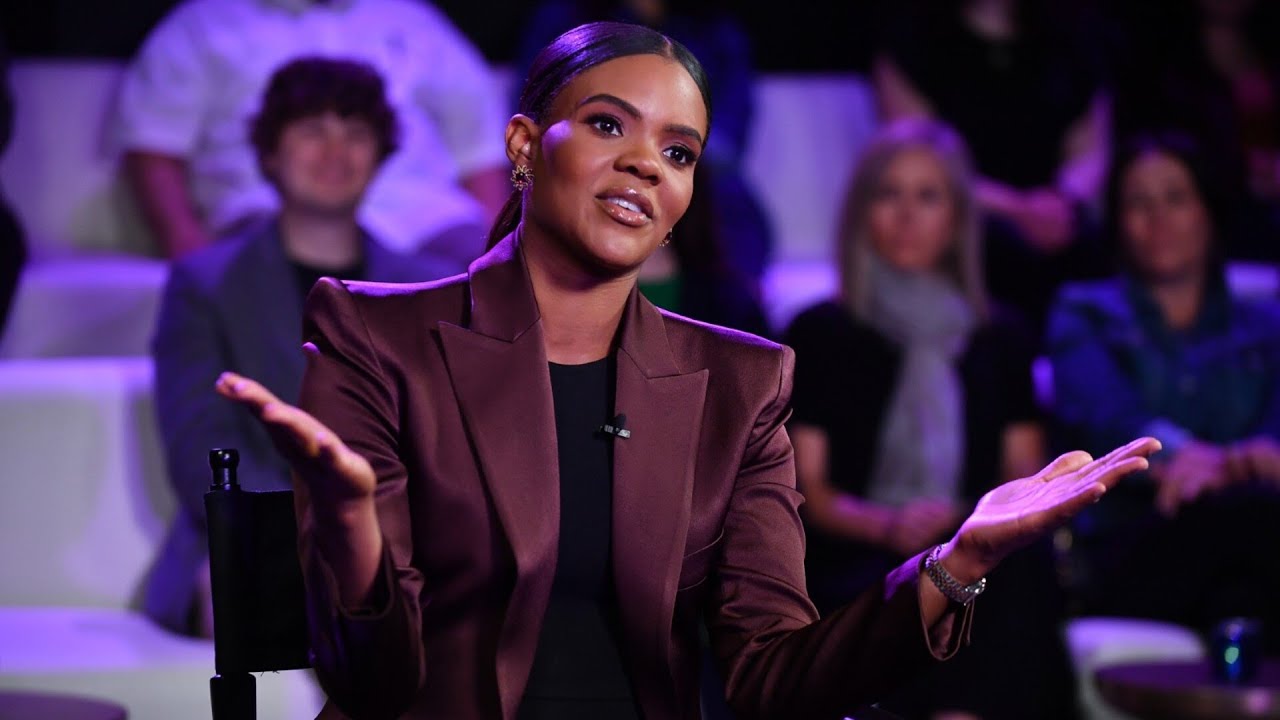
Candace Owens opened her remarks by expressing gratitude for the opportunity to speak in Russia for the first time. Visiting with her husband and children, she found the country beautiful and wonderful, defying all her expectations. The honor of sitting on a panel discussing what matters most to her—family—made the trip even more meaningful.
The Controversial Debate Over Family and Success in America
Owens explained that the question of whether women can have both family and career success has become highly controversial in America. This messaging became prevalent in government institutions and public schools during her upbringing. The prevailing narrative insisted women had to make a choice: climb the corporate ladder and find success, or stay home raising children. This binary choice placed enormous pressure on women for a very long time.
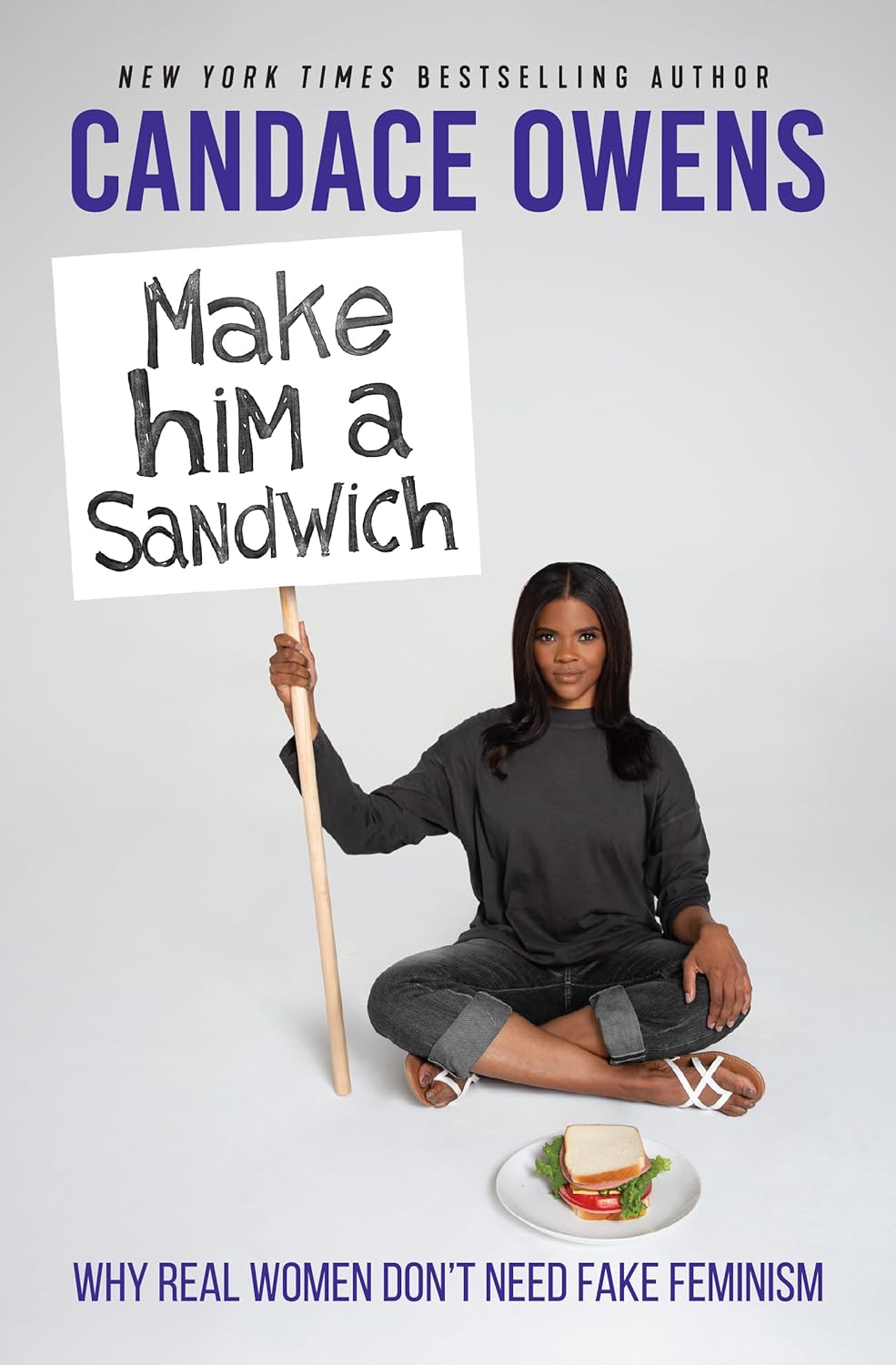
The messaging became increasingly toxic, reaching a point where the idea of a woman making a sandwich—whether for her husband or children—became an ideological symbol of oppression. Owens was stunned by this development and authored a book titled "Make Him a Sandwich" to combat the notion that domestic acts constitute a new age form of enslavement.
Redefining Success: Men Versus Women
In her book, Owens tackles a fundamental question: what is success? She argues that defining the terms of the debate is essential. Through her research, she discovered that even the definition of success differs when speaking to men versus women, rooted in biological differences.
When people are asked who the most successful man in the world is, responses consistently include Elon Musk and Jeff Bezos—men who have been among the top 10 richest in the world. Success for men is defined by financial achievement and empire building.
When the same question is posed about women, the answers are completely different. Most people cannot even name women in the top 50 financially successful women in the world. Instead, responses typically include Taylor Swift and Oprah. Owens noted that Russia might be the only country where people would know that the richest self-starting female entrepreneur in the world is actually Russian—Tatiana Bakalchuk of Wildberries. This name is virtually unknown in the United States.
Examining these differences reveals that success is measured differently for women. The women who define success are those leaning into their biological instincts to nurture and communicate. Even though Taylor Swift doesn't have a family, she found success speaking about the idea of finding love and family, painting a picture people could understand. Similarly, Oprah communicated effectively to the suburban housewife. Men, by contrast, are envied for building empires.
How Family Transformed Her Personal Success
Owens shared her personal experience with this dynamic. Before having a family, she had a podcast, but it was not as successful as it is today. Starting a family and having children is the biggest event in a woman's life and a man's life, she explained. It completely changes who you are as a person and reveals a bigger purpose—the biggest purpose, actually. There is nothing more defining.
The ways husbands and wives respond to this event differ. For Owens, the day-to-day experience with her children has made her a much happier person. She does her podcast from home, which she considers a massive blessing. She starts her mornings homeschooling her children, which has given her real-life perspective and something worth communicating about.
Owens realized the conversations are not just political or theoretical. She is actively trying to nurture the female instinct and the morals she wants her children to grow up with. When you see society moving in a way that terrifies you and realize your kids are the inheritors of that society, you want to do something about it. When her podcast became that space where she could bring that focus, energy, and purpose, it grew into the success it is today.
The Male Instinct to Build
For her husband, Owens explained, the instinct was to build. She referenced hearing gentlemen at the panel speaking about going out and building empires. She noted that at times there has been conflict between governments and this messaging, with some thinking perhaps they don't want people out building big families because it won't help.
Owens believes this perspective has been disproved. Governments and institutions should encourage big families because it encourages better people—people that build with purpose and people that nurture with purpose. She expressed appreciation for hearing about the policies being put into place in Russia to encourage big families. She stated that any nation supporting that dynamic, whether in the West or East, or hopefully both hemispheres, will have a much more whole and productive society.
Similarities Between West and East
Owens' main conclusion from the panel was that the West and East are grappling with the same issues. The discussion touched on media messaging and the constant attempts to create division between what's happening in Russia and America. Her entire trip revealed just how similar the two peoples are. The shared motivation as a people and society—understanding that family encourages in a positive way—was tremendously encouraging. She expressed excitement to return to her podcast and share this perspective with the American people.
The Life-Changing Power of Parenthood
When asked about parenthood, Owens said both she and her husband were startled at how much they enjoyed being parents. This gets back to the pursuit of happiness, she explained. You realize you have a purpose. Prior to having children, people work toward building their financial accounts, but having children is such a cataclysmic event in a good way. You suddenly realize there's something so much bigger, something so much more in life.
She and her husband didn't think they would enjoy being parents as much as they do. It's positively life changing. When dealing with difficult issues in the world—the deaths and despair that make up headlines—it all becomes minimized when you come home. No matter what you have going on, a toddler can say something simple and funny and all the stress is removed. You realize that this is what actually matters.
Video Transcript
[00:23] [applause]
[01:30] >> Uh first and foremost, thank you guys so
[01:32] much for having me. This is my first
[01:34] time in Russia. It has been absolutely
[01:37] beautiful, wonderful,
[01:39] defied all of my expectations, and to
[01:42] be able to, in addition to that, while
[01:44] I'm here visiting with our children, my
[01:46] husband and children,
[01:48] to be able to sit on such an impactful
[01:51] panel and discuss what is most important
[01:53] to me, the family, is truly an honor.
[01:55] So, thank you so much. I
[01:58] It's a huge topic actually in America.
[02:01] We have been sort of been just to make
[02:03] this make sense to you guys. It became
[02:04] quite controversial this idea of family
[02:09] success. Can you have both? This
[02:11] question became quite controversial. And
[02:13] I would say especially within the
[02:17] government institution, public schools,
[02:19] and you saw this word messaging when I
[02:21] was growing up that you you cannot have
[02:23] both. You have to make a decision.
[02:25] Either are going to climb the corporate
[02:27] ladder and find success or you are going
[02:31] to be at home raising children. And this
[02:34] obviously put a lot of pressure
[02:36] especially on women. Women receiving
[02:39] that sort of messaging for a very long
[02:40] time. That you can't have both. It got
[02:43] to a point where it was quite toxic. And
[02:46] my most recent book that I authored was
[02:49] a response to that toxicity. There was
[02:52] this idea of a woman making
[02:55] as the
[02:57] ultimate form of enslavement. The idea
[03:00] of a woman making a sandwich, whether
[03:01] it's for her husband or for her
[03:02] children, became sort of this
[03:05] ideological symbol of oppression. I was
[03:08] I was quite stunned by that. And so I
[03:10] did author a book with the title "Make
[03:12] Him a Sandwich" to kind of combat this
[03:15] idea that is a
[03:17] new age form of enslavement. And in this
[03:20] book we do sort of tackle that question,
[03:22] what is success? Because that's
[03:25] have to be able to define the terms of
[03:27] the debate. So, they say, can you have
[03:28] family and have success? Well, what is
[03:31] success? And in one chapter I sort of
[03:35] explain that even the definition of
[03:37] success is different
[03:39] when you speak to men and when you speak
[03:41] to women. There is a a biological
[03:44] difference. And what I mean by that is
[03:46] if you ask people,
[03:48] who is the most successful man in the
[03:50] world? By and large, every single time
[03:53] that we ask this question, we either
[03:55] hear Elon Musk, Jeff Bezos, we hear men
[03:59] who have at one point or another been in
[04:02] the top 10 for the richest men in the
[04:04] world. So, we're hearing that answer
[04:06] that it is defined by financial success,
[04:09] by empire building. And when we ask the
[04:12] same question to women, who is the most
[04:14] successful
[04:16] woman in the world? It's totally
[04:18] different answer. Half of today even
[04:22] name women that are in the top 50 for
[04:24] the most financially successful women in
[04:27] the world. In fact, they don't even know
[04:29] who those women are. We will typically
[04:31] hear Taylor Swift. This is obviously
[04:34] very western western responses, perhaps.
[04:36] But Taylor Swift,
[04:38] Oprah, we hear a lot. People will say,
[04:40] "Those those must be the most successful
[04:42] women."
[04:43] And that's interesting because this
[04:45] might be actually the only question the
[04:47] only country in the world where you guys
[04:49] might know the answer to who the richest
[04:52] women, I guess entrepreneur,
[04:54] self-starting entrepreneur in the world
[04:56] is. Because it is actually Russian
[04:57] woman,
[04:58] Tatiana Bakalchuk,
[05:01] Wildberries. But nobody would know this.
[05:03] Nobody knows this answer. Of course, in
[05:06] least of all the United States of
[05:07] America.
[05:08] And so, when you examine those
[05:09] differences, we realize that success is
[05:11] measured differently. And for women, the
[05:14] women that define that sort of success
[05:16] are women
[05:17] who are leaning into their biological
[05:20] instincts to to nurture and to
[05:22] communicate. Even though someone like
[05:24] Taylor Swift doesn't have a family, she
[05:26] found her success in speaking about the
[05:29] idea of finding wealth and finding
[05:32] family and painting a picture that
[05:34] people could understand. Similarly with
[05:36] Oprah, she really responded to was able
[05:38] to communicate effectively to the
[05:40] suburban housewife. And
[05:43] so, we're we're talking about men in a
[05:46] totally different capacity. Men are envy
[05:49] men who are again like I said before
[05:51] building these sorts of empires. And so
[05:53] in my own personal life,
[05:56] I have found the same. Before I had a
[06:00] family, I did still have a podcast and
[06:03] my podcast was not as successful as it
[06:06] is today and it was I would say
[06:09] to to to start a family and to have
[06:11] children is the biggest event in a
[06:14] woman's life and
[06:16] and in a man's life it completely
[06:17] changes
[06:19] who you who you are as a person and you
[06:22] realize within yourself
[06:25] a bigger purpose.
[06:27] The biggest purpose actually. There's
[06:29] nothing more defining and the ways in
[06:32] which we respond as husband or as a wife
[06:35] to that event are different.
[06:38] For me that day-to-day with the children
[06:40] has made me a much happier person. I do
[06:43] my podcast from home which is a massive
[06:45] blessing. I start my mornings being able
[06:48] to home school my children and what it
[06:51] has given me is real life perspective
[06:54] and something worth communicating about.
[06:57] Realizing that the conversations are not
[06:59] just political. I'm not theorizing. I'm
[07:02] actually trying to help nurture that
[07:05] female instinct, help nurture
[07:08] the morals that I want my children to be
[07:10] able to grow up in. And if you see
[07:13] society moving in a way that terrifies
[07:15] you and you go like all my kids do
[07:18] the the inheritors of this sort of
[07:20] society, you want to do something about
[07:21] it. And so when my podcast became that
[07:24] space where I am able to to bring that
[07:28] focus, that energy and that purpose, it
[07:31] it grew that into the science that it is
[07:34] today.
[07:35] Similarly, I would say for my husband
[07:37] it's his instinct though was to build.
[07:40] You can hear
[07:41] gentlemen today speaking that and you
[07:43] have to go build the empire.
[07:45] I think at times there has been some
[07:46] conflict
[07:48] between governments and thinking that
[07:51] maybe
[07:52] you don't want that messaging to come
[07:53] out. Maybe they think,
[07:55] "Oh, we don't want people out building
[07:56] big families. That's not going to help."
[07:58] And I think we've disproved that
[07:59] perspective more.
[08:01] Um
[08:01] governments and institutions should
[08:03] encourage big families because it
[08:05] encourages better people.
[08:07] Um people that build with purpose and
[08:09] people that nurture with purpose. And so
[08:12] um it really has been a blessing to hear
[08:15] about uh
[08:16] the messages and to hear more instantly
[08:18] about what's going on in Russia in terms
[08:20] of those policies that are being put
[08:21] into place to encourage big families.
[08:23] And I can't believe that any nation that
[08:26] supports that sort of a dynamic uh
[08:29] whether it's the West or the East or
[08:30] hopefully both the Eastern and the
[08:32] Western Hemisphere uh we will have a
[08:35] much more whole and productive society.
[08:40] >> [applause]
[08:57] >> You know, if
[08:58] my main conclusion would be that we are
[09:02] grappling with the same issues West and
[09:04] East. And I think something that we hit
[09:06] upon today was just the media messaging
[09:09] and the constant we try to make a
[09:11] division between what's going on in
[09:13] Russia, what's going on in America. Uh
[09:15] that there are those similarities. My
[09:17] entire trip has revealed to me just how
[09:20] similar we are. And our motivation as a
[09:24] people society not just uh family
[09:28] understanding that uh family encourages
[09:31] us in a positive way. It's just been a
[09:33] tremendously encouraging trip. And I I
[09:35] can't wait to go back onto my
[09:37] and to be able to share that with the
[09:39] American people as well.
[09:43] >> [applause]
[11:08] >> Yes.
[11:11] Yeah, I I I would say this is I think
[11:13] for both of us we were startled at how
[11:15] much we enjoyed being parents. You know,
[11:18] that's why I say it gets back to
[11:20] the pursuit of happiness.
[11:22] Like you realize that you have a purpose
[11:24] and I think prior to we sort of working
[11:27] we don't we
[11:28] work towards trying to build our
[11:30] financial accounts,
[11:32] but it's uh such a
[11:34] cataclysmic, in a good way, event when
[11:36] you have children because you suddenly
[11:37] realize like you know there's something
[11:39] so much bigger, there's something so
[11:40] much more in life. And we just
[11:43] really didn't think that we would enjoy
[11:45] being here as much as we do. It's
[11:46] positively life changing. I don't say
[11:48] this when you're dealing when you're
[11:50] dealing with issues in the world like
[11:52] you know
[11:52] our deaths and our space would just be
[11:54] headlines.
[11:55] It's so minimized. It's so minimized
[11:58] when you come home and no matter uh what
[12:00] you have going on, if you're a toddler,
[12:03] you can just say something that's
[12:05] so simple and so funny and all of the
[12:07] stress is is just removed. You realize
[12:09] that this is what actually matters.
Comments
Be the first to comment on this video.