2,422 videos 1,389,747,653 views US Joined Aug 30, 2018
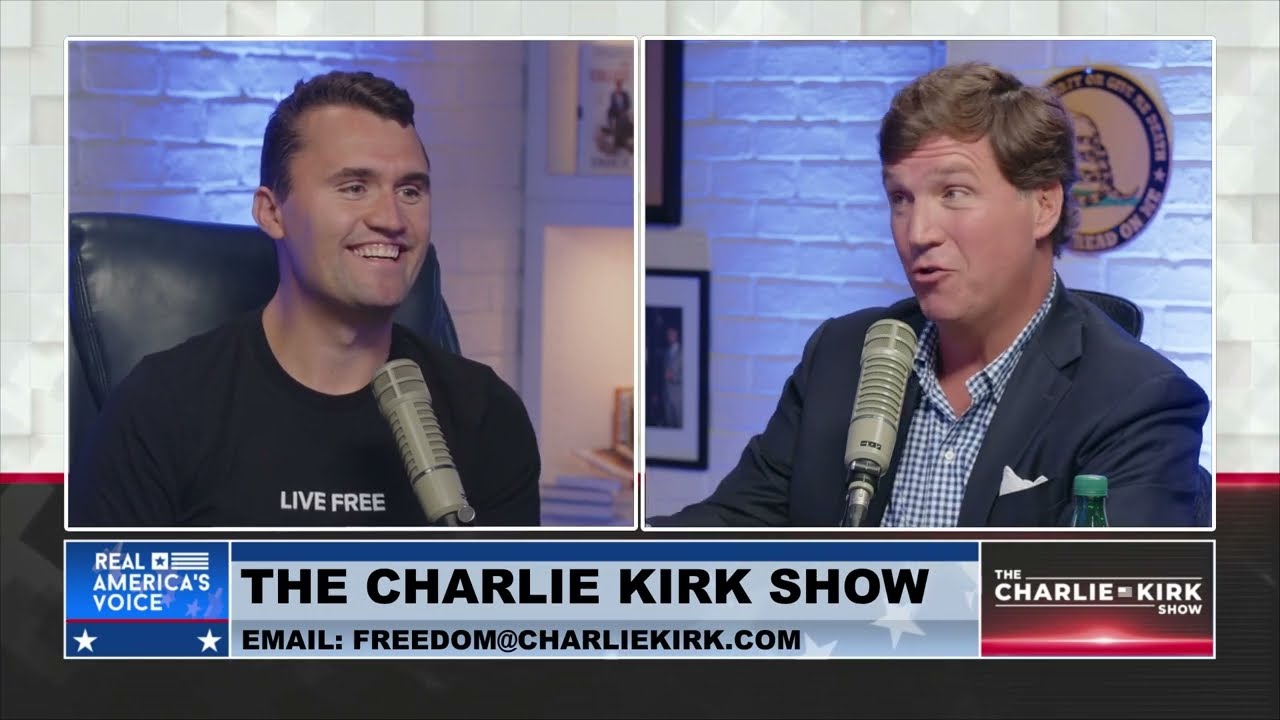
Charlie Kirk is the Founder and President of Turning Point USA, the largest and fastest growing conservative youth activist organization in the country with over 250,000 student members, over 150 full-time staff, and a presence on over 2,000 high school and college campuses nationwide. Charlie is also the Chairman of Students for Trump, which aims to activate one million new college voters on campuses in battleground states in the lead up to the 2020 presidential election. His social media reaches over 100 million people per month and according to Axios, he is one of the "top 10 most engaged" Twitter handles in the world. He is also the host of “The Charlie Kirk Show,” which regularly ranks among the top news shows on Apple podcast charts.
Charlie Kirk Addresses Marology and His Key Theological Disagreements with the Catholic Church
Charlie Kirk responds to a member's question about Protestant-Catholic theological differences, particularly regarding the veneration of Mary. While expressing deep respect for Catholics and their contributions to defending life, marriage, and family values, Kirk outlines his three major theological disagreements with Catholicism: the infallibility of the pope, marology (including the beliefs in Mary's sinlessness and bodily assumption), and transubstantiation. Kirk argues that while Protestants may under-venerate Mary, Catholicism goes too far, and he suggests that recovering a biblical appreciation for Mary could help counter toxic feminism in modern culture.
A Member's Question About Catholic-Protestant Debate
During a member Q&A session, David, a Protestant listener who regularly watches Michael Knowles' show, praised Charlie Kirk's debate performance on Catholic versus Protestant theology. David expressed concern about what he sees as unbiblical Catholic theology, particularly regarding the veneration of Mary. He referenced visiting the former Crystal Cathedral in Garden Grove, California, which was sold to the Catholic Church and now features a crystal sculpture of Mary at the center of the prayer room and a 20-foot statue titled "Mary, Queen of Heaven" in the courtyard. David asked whether Kirk would consider doing a full debate with Michael Knowles on Catholic versus Protestant theology.
Protestants Under-Venerate Mary
Kirk began his response by acknowledging his personal connections to Catholicism, including his close friendship with his local Catholic priest Father Klein and the fact that his wife was baptized Catholic. He then made a surprising admission: Protestants and evangelicals under-venerate Mary. Kirk argued that Mary was clearly important to early Christians and that she deserves more attention in Protestant circles.
Kirk proposed that Mary could be part of the solution to toxic feminism in America. He suggested that young women could benefit from Mary's example of being pious, reverent, full of faith, slow to anger, and thoughtful in speech. According to Kirk, Mary represents a phenomenal counter-example to the toxicity of modern feminism.
Where Catholicism Goes Too Far
Despite believing Protestants should appreciate Mary more, Kirk outlined where he believes Catholic theology crosses the line. He identified two specific Catholic dogmas that lack biblical support:
The Immaculate Conception: The Catholic Church teaches that Mary was sinless. Kirk pointed out that this belief was not added to official Catholic dogma until the mid-1800s. He noted that the only biblical basis Catholics cite is that Mary was "full of grace" in the Annunciation account in Luke 1, which Kirk considers a significant stretch. He countered that Romans clearly states no one is sinless except Christ Jesus.
The Assumption of Mary: Catholic teaching holds that Mary's physical body was assumed into heaven. Kirk characterized this as a pure faith claim with no biblical support whatsoever.
Kirk also touched on the Catholic belief that Mary had no other children besides Jesus, contradicting the biblical references to James and Jude as Jesus's half-brothers. While Catholics might argue these were Joseph's children from another marriage, Kirk noted this is simply a faith claim without scriptural foundation.
Three Major Theological Disagreements
Kirk clarified that while he loves Catholics and believes they do fabulous work fighting for life, marriage, and against transgenderism, he has three major theological disagreements that prevent him from entering the Catholic faith:
The infallibility of the pope and the entire Vatican system
Marology, including beliefs in Mary's sinlessness and bodily assumption
Transubstantiation (which he characterized as less important than the first two)
Kirk emphasized that his inability to accept any person other than Jesus Christ as sinless represents a fundamental theological boundary for him. He stated he would be happy to debate these issues publicly if the opportunity arises, but stressed that these disagreements do not prevent him from loving Catholics, working alongside them, or recognizing their positive contributions to society and faith.
An Ecumenical Approach
Kirk concluded by reaffirming the ecumenical nature of his show and his deep respect for Catholics. He acknowledged that Catholics are doing tremendous work in defending traditional values and the faith, and that theological disagreements should not prevent cooperation on shared goals. His critique comes from a place of theological conviction rather than animosity, and he made clear that most Catholics he encounters may not even be aware of some of these official dogmatic positions of their church.