2,279 videos 1,365,173,983 views US Joined Aug 30, 2018
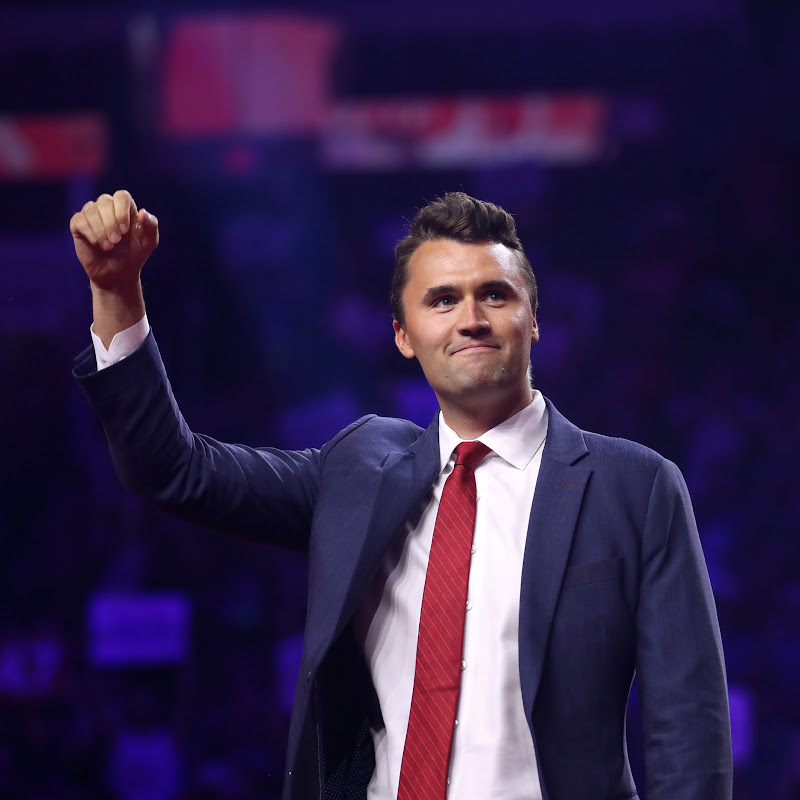
Charlie Kirk is the Founder and President of Turning Point USA, the largest and fastest growing conservative youth activist organization in the country with over 250,000 student members, over 150 full-time staff, and a presence on over 2,000 high school and college campuses nationwide. Charlie is also the Chairman of Students for Trump, which aims to activate one million new college voters on campuses in battleground states in the lead up to the 2020 presidential election. His social media reaches over 100 million people per month and according to Axios, he is one of the "top 10 most engaged" Twitter handles in the world. He is also the host of “The Charlie Kirk Show,” which regularly ranks among the top news shows on Apple podcast charts.
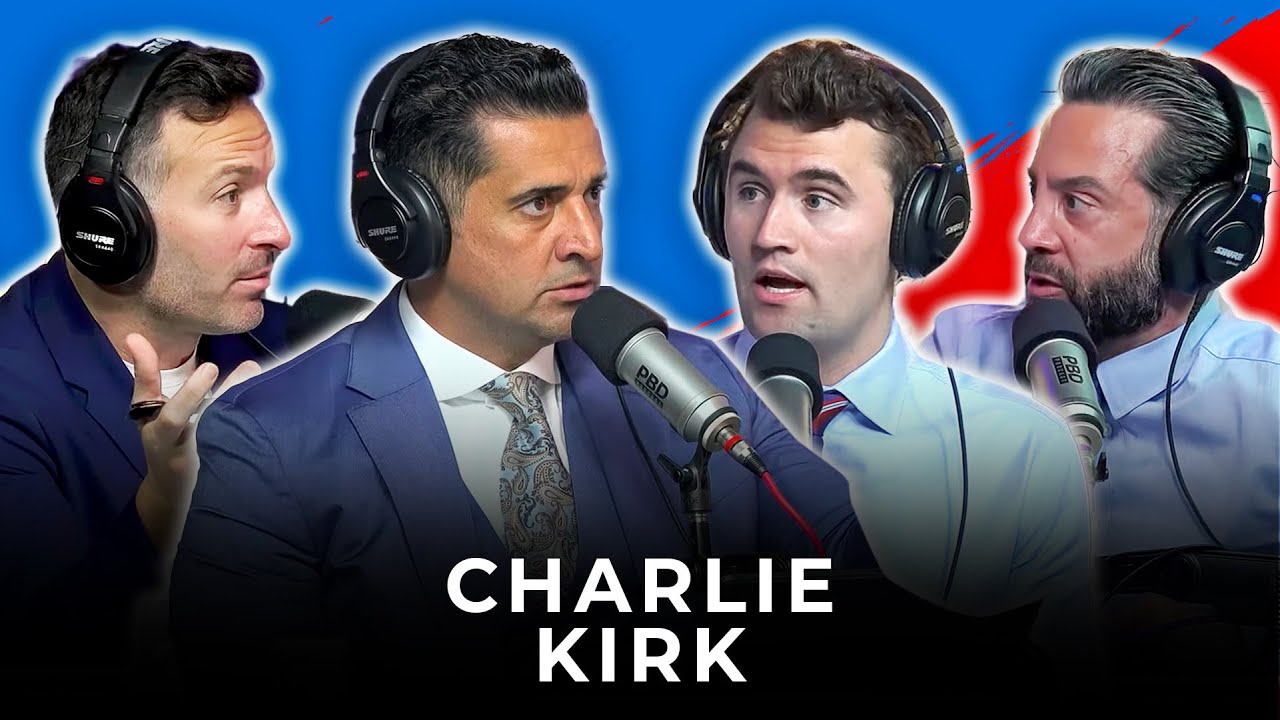
Charlie Kirk and Collin Plume on Quitting Alcohol for Business Success and Mental Clarity
Charlie Kirk and entrepreneur Collin Plume share their experiences quitting alcohol and how sobriety transformed their business performance, family lives, and mental sharpness. Kirk hasn't had a drink in four to five years, while Plume quit a year and a half ago after hip replacement surgery. Both credit their decision with improved clarity, faster recovery from stress, better sleep quality, and increased success. They discuss how top performers like Dennis Prager, Tucker Carlson, and Elon Musk also avoid alcohol, and why the decision to quit is becoming more accepted in business circles despite initial social pushback.
Charlie Kirk and Collin Plume sit down for a candid conversation about their decisions to stop drinking alcohol and the profound impact it has had on their lives. Kirk, who hasn't had a drink in four to five years, was never a serious drinker but made a conscious decision to quit completely after marrying his wife Erika. Plume quit a year and a half ago and is now writing a book about his experience and how quitting transformed his life.
Plume's journey began after a major hip replacement surgery. As a business owner and father, he noticed that even moderate drinking—just a few drinks on Friday nights—left him tired and less engaged with his kids on Saturday mornings. He decided to test going alcohol-free during his recovery period and immediately noticed improvements in how he felt, his mental quickness, and his ability to recover from the stresses and anxieties of running a business.
The Business Benefits of Sobriety
Both Kirk and Plume credit their sobriety with significant improvements in their business performance. Kirk explains that he made the decision because he wanted to reach the next level of success. He wanted to remember things with more clarity, be sharper and more precise in his thinking, and improve his ability to study and retain information.
Plume confirms that quitting alcohol has absolutely helped his business, citing improvements in clarity during conversations with employees and business interactions. He describes himself as a generally even-keeled person, but notes that the occasional frustration he would experience has largely disappeared. This emotional stability extends to his family life as well, where frustration with his kids has significantly decreased. He feels more centered and more present in all aspects of his life.
The Sleep Revolution
One of the most significant benefits both men discuss is the dramatic improvement in sleep quality. Kirk emphasizes that when you consume too much alcohol, your body doesn't actually sleep—it's just sedated. You don't get into actual deep, restorative sleep, which increases inflammatory markers in the body.
Plume shares a telling story about a good friend he's been encouraging to take time off from drinking. During the first month of sobriety, his friend complained that he wasn't sleeping as well. Plume's response: "Actually, you're finally sleeping. You just didn't know what sleep was." This illustrates how alcohol distorts our perception of rest and recovery.
Morning Energy and Mental Performance
The mornings are "way better" according to both Kirk and Plume. Kirk explains how people often ask him how he remembers so much information. His answer: he has a good memory that he works hard at maintaining, he eats very clean, and crucially, he doesn't drink. He's not poisoning his body with substances that interfere with cognitive function.
Kirk is careful to note that he doesn't mean to attack people who do drink, acknowledging that plenty of good people consume alcohol. However, he emphasizes the biological reality: alcohol is actual poison. The body metabolizes it as if it were arsenic. This isn't a moral judgment but a physiological fact that affects memory, recall, energy levels, and overall performance.
Social Pressure and Changing Norms
Plume identifies the social aspect as the hardest part of his journey. People are often taken aback by someone's decision to quit drinking. Kirk, who is more accustomed to going against social norms, doesn't mind as much, but recognizes this is a real obstacle for many people.
When Plume breaks it down with people, he finds that many admit they feel they have to drink because it would look weird in business settings if they didn't. But Plume has discovered he can still participate fully in social settings without alcohol. He can hang out in any environment and just talk—and amazingly, he can still have conversations and connections without drinking.
Importantly, Plume doesn't judge others for their choices. If people come to him with questions, he's happy to discuss his experience, but he doesn't push his decision on anyone. However, he has noticed that many people around him have naturally slowed down their drinking simply by observing what sobriety has done for him and his performance. He believes not drinking is becoming more normalized and even trendy, though he emphasizes he's not trying to start a trend.
High Performers and Sobriety
Kirk notes that the top performing people he's been around share this approach to alcohol. He mentions Dennis Prager (whom he asks people to pray for), Tucker Carlson, President Trump, and Elon Musk as examples of highly successful individuals who barely drink or avoid alcohol entirely. These people consistently report that they perform better, think more clearly, have better memory and recall, more energy, and operate at a faster pace without alcohol.
Kirk also observes that some of the people who drink the most are often hiding something or masking something deeper. This suggests that alcohol can serve as an avoidance mechanism that prevents people from confronting and dealing with underlying issues.
Information Retention and Learning
One of the benefits Plume particularly values is his enhanced ability to gather and retain information. He feels he can take in much more information now, and when he has a conversation with someone, he's more present and remembers more of what was discussed. This has obvious applications for business, relationships, and personal growth.
Kirk references Andrew Huberman, who has produced extensive content on alcohol's negative effects. The science is clear: alcohol is bad for your skin, bad for your brain, bad for your organs—bad for everything. Understanding these physiological realities makes the choice to quit easier to maintain.
Long-Term Commitment
Before his permanent decision to quit, Kirk would sometimes go extended periods without drinking—a year or nine months at a time—but it wasn't a hard stop. The decision to completely quit came when he got married to Erika and decided he wanted to go to the next level in every area of his life. This wasn't about addressing a drinking problem; it was about optimization and reaching his full potential.
Both men demonstrate that the decision to quit drinking isn't necessarily about having a problem with alcohol. It can be a positive, proactive choice made by people who want to perform at their highest level, be more present for their families, manage their businesses more effectively, and live with greater clarity and purpose. The social stigma around not drinking is gradually fading as more people recognize the benefits and as successful role models demonstrate that you can have a fulfilling social and professional life without alcohol.















Comments
Be the first to comment on this video.