
Up Next

Charlie Kirk Explains Why Young Voters Are Abandoning Democrats and Embracing President Trump's Vision
5:47

Charlie Kirk Debates Socialist Millennial Elijah Joiner on Capitalism Versus Socialism for Young Americans
5:25

Charlie Kirk Defends Free Enterprise as Protesters Disrupt Event and Prove His Point
1:15
Related Books
View All


Charlie Kirk Challenges College Entitlement Culture and the Trophy Generation Mindset on Fox Business
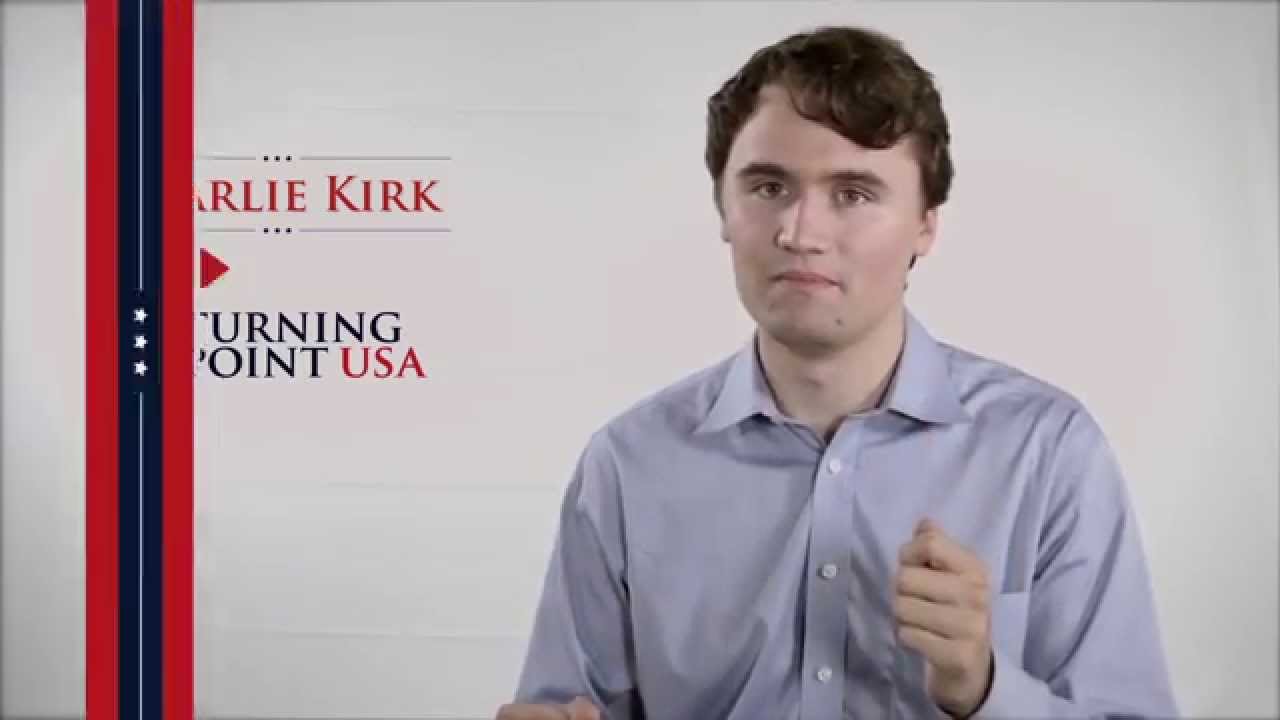
Charlie Kirk from Turning Point USA sits down to discuss a troubling trend among college students: rising entitlement despite minimal achievement. Kirk argues that participation trophies, grade inflation, and parental over-praise have created a generation that expects rewards without merit. He contrasts this mentality with the principles of capitalism, self-reliance, and risk-taking that once defined American opportunity. In this candid conversation, Kirk makes the case for returning to a culture that values excellence, personal responsibility, and the competitive spirit necessary for success in the real world.
The Entitlement Crisis Among College Students
A recent study reveals that college students today have developed an unprecedented sense of entitlement. They hold remarkably high opinions of themselves, expect more from society, and believe they deserve significant rewards despite having achieved little of substance while still in their college years. Charlie Kirk from Turning Point USA addressed this growing concern in a compelling interview, offering his perspective on what's driving this cultural shift.
Kirk explains that the problem extends beyond simple self-confidence. These students don't just think they're competent—they believe they deserve the world. This manifests in demands for free education simply because they perform adequately in school, or expectations of high-paying jobs that surpass what their parents earned, without having put in comparable work or demonstrated exceptional merit.
The Participation Trophy Generation
The roots of this entitlement culture trace back to early childhood. Kirk points to the participation trophy phenomenon that has dominated youth sports and academics for the past generation. Children receive trophies at age seven regardless of performance, creating an environment where achievement and effort are no longer distinguished from mere participation.
The problem has escalated to alarming levels in some school districts. Kirk cites an example from a local school near Chicago that has eliminated failing grades entirely. Students no longer receive F's; instead, they're simply told they need a little more attention and are automatically moved forward. No child is held back a grade, regardless of their mastery of the material.
This approach sends a dangerous message: mediocrity is acceptable. A student who has received C grades throughout their academic career may genuinely believe they're an excellent student because they've never been held to a higher standard. The system has stopped teaching merit, competition, and the pursuit of excellence.
Baby Boomer Parents and Constant Praise
Much of this shift can be attributed to parenting styles that emerged from the Baby Boomer generation. These parents raised their children with constant praise for every minor accomplishment. A child receives a B or C grade, and the response is enthusiastic approval: "Very good, Johnny! Very good indeed!"
This well-intentioned but misguided approach has created young adults who have never experienced the constructive criticism necessary for genuine growth. They've been insulated from failure and shielded from the reality that not all efforts deserve equal recognition.
Capitalism, Competition, and Merit
Kirk stands firmly behind the principles of capitalism, competition, and merit-based success. He argues these values run directly counter to the feel-good, entitlement-driven mentality that has taken hold of the current generation.
Life is tough, Kirk emphasizes, and students from elementary school through college graduation are living relatively comfortable lives. Many don't have to pay for their own education; their parents cover the costs. When they do take out loans, they're often no-interest or low-interest arrangements. Even after graduation, policies like those in the Affordable Care Act allow young adults to remain on their parents' health insurance plans until age 26.
The hard realities of adulthood keep getting pushed further back, Kirk observes. This delayed maturity prevents young people from developing the self-reliance and grit necessary to succeed in a competitive marketplace.
Personal Responsibility and Family Values
Kirk's own family experience stands in stark contrast to the modern approach. His father worked his way through college, and his family had to take out loans to finance their education. Parents contributed what they could for the first couple of years, but the primary responsibility fell on the students themselves.
This approach instilled values of personal responsibility, financial literacy, and appreciation for educational opportunity. The contrast with today's environment, where students expect full financial support and minimal personal sacrifice, couldn't be more striking.
The Trophy Inflation Problem
The physical manifestation of this entitlement culture can be seen in youth sports leagues across the country. Kirk describes trophies given to the worst teams in leagues that rival the Lombardi Trophy in size—some even larger than the World Cup trophy. Every participant receives one, regardless of performance, effort, or outcome.
Some leagues have taken this philosophy to its logical extreme, eliminating scorekeeping entirely. Teams perpetually "tie" because no score is kept, removing any sense of competition, victory, or defeat. This creates an artificial environment that bears no resemblance to the real world these children will eventually enter.
The Risk-Aversion Problem
One of the most concerning outcomes of this cultural shift is the development of risk-averse young adults. Kirk regularly asks young people if they want to start their own businesses, and the overwhelming response is negative. They prefer to work for established companies rather than take the entrepreneurial risk.
When pressed on why they're unwilling to take this risk, the common response is doubt in their own abilities: "I don't know if I can do it." This represents a fundamental failure in preparing young people for the opportunities available in a free market system.
Reframing the Message: Opportunity Over Hardship
While Kirk's message emphasizes personal responsibility and hard work—traditionally challenging themes in modern political discourse—he believes the key is reframing the conversation around opportunity rather than difficulty.
Instead of focusing solely on the challenges and responsibilities that come with capitalism and free markets, Kirk advocates emphasizing the incredible opportunities this system creates for young people willing to embrace them. The question isn't just about working harder; it's about what that work can achieve in a society that rewards merit and innovation.
Promoting Risk-Taking and Entrepreneurship
Kirk and Turning Point USA are actively working to change this cultural dynamic. Their mission involves teaching young people that a society based on free markets and capitalism offers far greater opportunity than one dependent on government handouts and guaranteed outcomes.
The goal is to inspire a new generation of risk-takers, entrepreneurs, and self-reliant individuals who understand that genuine achievement requires genuine effort, that failure is a teacher rather than a tragedy, and that the greatest rewards come to those willing to compete and excel.
The Path Forward
Addressing the entitlement crisis among college students and young adults requires a fundamental cultural shift. It means returning to standards of excellence in education, eliminating participation trophies in favor of recognition for genuine achievement, and parenting with both love and honest assessment of abilities and effort.
It requires teaching young people that self-reliance, competition, and merit are not harsh or unfair principles, but rather the foundations of a society that has created more opportunity and prosperity than any other system in human history. The challenge is conveying this message to a generation that has been systematically taught the opposite throughout their formative years.
Video Transcript
[00:00] new study says college students are more
[00:02] entitled they feel themselves more
[00:04] entitled than ever
[00:06] they have got a very high opinion of
[00:08] themselves they expect
[00:09] more even though they haven't achieved
[00:11] anything significant yet they're still
[00:13] in college
[00:14] charlie kirk is from turning point usa
[00:17] for a change he's with us here in new
[00:18] york charles welcome to the program
[00:20] thank you for having me
[00:21] now okay the study says they've got a
[00:22] high opinion of themselves full of
[00:24] themselves okay
[00:25] they think they're very good
[00:26] academically they think they make a
[00:27] great contribution they're full of
[00:29] themselves
[00:30] is there something wrong with that i
[00:31] think there is and the problem is they
[00:33] think so highly of themselves and in
[00:35] return
[00:35] they want something as far as i want a
[00:37] free education because i'm good in
[00:38] school
[00:39] or i want a free job that is even more
[00:41] higher paying than my parents
[00:42] that's entitlement of course and but
[00:44] even though they think highly of
[00:45] themselves
[00:46] it's beyond i think i'm good at
[00:47] something it's to the point where
[00:49] i deserve the world and that's what is
[00:52] our school system is teaching them
[00:53] that you get a trophy at age seven no
[00:55] matter how well you do in school
[00:56] i suspect this is from my generation of
[00:59] parents baby boomers
[01:00] who are raising children and they've
[01:02] raised them by always praising them for
[01:05] every single thing they do they get a b
[01:07] or a c oh very good johnny very good
[01:09] indeed
[01:09] that's where he comes from right
[01:10] actually in a local school near chicago
[01:12] they no longer allow failing
[01:14] there's no more f's you just move on
[01:15] it's just called you need a little more
[01:17] attention you're not allowed to be held
[01:18] back a grade and what does that do
[01:20] it says it's okay if you get a c it's
[01:21] okay if you get a b we're no longer
[01:22] striving for excellence
[01:24] so the kid who gets to see his whole
[01:25] life he may on that survey say oh i'm a
[01:27] great student
[01:28] but in reality is he really putting all
[01:29] the effort forth we're not teaching them
[01:31] merit
[01:31] they think they might think that they're
[01:32] the greatest student in the world and
[01:34] that because of that they're like i
[01:35] should get an education
[01:36] my whole life i've been given a trophy
[01:37] and you don't agree with this you you
[01:39] promote
[01:40] capitalism of course and capitalism
[01:41] competition and merit
[01:43] self-reliability self-reliance all the
[01:45] rest of it and that run you think
[01:46] that runs counter to this feel-good
[01:49] entitled generation
[01:50] right life is tough and kids throughout
[01:53] from about
[01:54] uh elementary school to when they
[01:56] graduate college they're living a pretty
[01:57] nice life a lot of kids don't have to
[01:59] pay for college their parents will take
[02:00] care of it
[02:01] and the reality of capitalism is you
[02:03] have to be self-reliant my dad worked
[02:05] his way through college my family
[02:06] had to take out loans and they took out
[02:08] the loans their parents chipped in a
[02:09] little bit for the first couple years
[02:11] and now kids might get a no interest
[02:12] loan but when they graduate there's a
[02:14] hard reality waiting them but even look
[02:16] at obamacare they don't have to uh get
[02:17] off their parents plan to their 26.
[02:19] your realities keep on getting pushed
[02:21] back and back he's 19 years old he
[02:24] sounds like he's 59 years old
[02:26] i mean he does don't you think yeah but
[02:27] he's there though he's in the heart of
[02:29] it all i had this conversation with my
[02:30] son driving the school dad saying i'm
[02:32] worried because i don't see you hitting
[02:33] the books the way you should
[02:34] you know how good are your grades he
[02:35] said they're good i said well what does
[02:36] that mean he says in the 80s i said well
[02:38] that's not good
[02:39] that's just not good to your point you
[02:40] know you can't uh pat yourself in the
[02:42] back for 80s
[02:43] right and when i was growing up i mean i
[02:45] remember these leagues the worst team in
[02:46] the league would get a trophy bigger
[02:48] than
[02:48] the lombard trophy that's unbelievable
[02:50] have you seen how big these trophies are
[02:51] getting nowadays
[02:52] it's like they're winning they're bigger
[02:53] than the world cup it's unbelievable and
[02:55] everybody gets
[02:55] everyone no matter how bad you you play
[02:57] no matter i mean have you seen that
[02:58] movie where
[02:59] it's like oh we don't keep score it's
[03:00] it's it's time we always tie in this
[03:02] league
[03:02] that's the reality of what the
[03:04] environment these kids are growing up in
[03:05] you're a conservative aren't you i'm an
[03:07] independent
[03:07] free market thinker well good luck
[03:10] getting elected to anything
[03:12] with a point of view that says more
[03:14] responsibility
[03:15] try harder strive get up in the world
[03:18] that's the old-fashioned way
[03:19] that just lost the last election well
[03:21] you know what i think we need to frame
[03:22] it in more of an opportunity society
[03:24] instead of saying oh well you know it
[03:25] might be hard but look at the amazing
[03:27] opportunity this system can create for
[03:29] young people
[03:30] i ask young people all the time do you
[03:31] want to start a small business and they
[03:32] say well no i want to work with somebody
[03:34] why why don't you want to take that risk
[03:35] and they're like oh well
[03:37] i don't know if i can do it we should be
[03:38] promoting risk taking the society spread
[03:40] the news with your fellow eyes
[03:42] i am and that's what the station is
[03:43] doing we're doing a lot of interesting
[03:45] things and we're teaching young people
[03:47] that
[03:47] the society of free markets and
[03:49] capitalism is going to bring more
[03:50] opportunity for you rather than a
[03:52] government handout you just got an extra
[03:53] two minutes do you realize that
[03:54] we don't do that for everybody that was
[03:56] very good charles kirk thank you very
[03:58] much indeed thank you for having me
[03:59] president




Comments
Be the first to comment on this video.