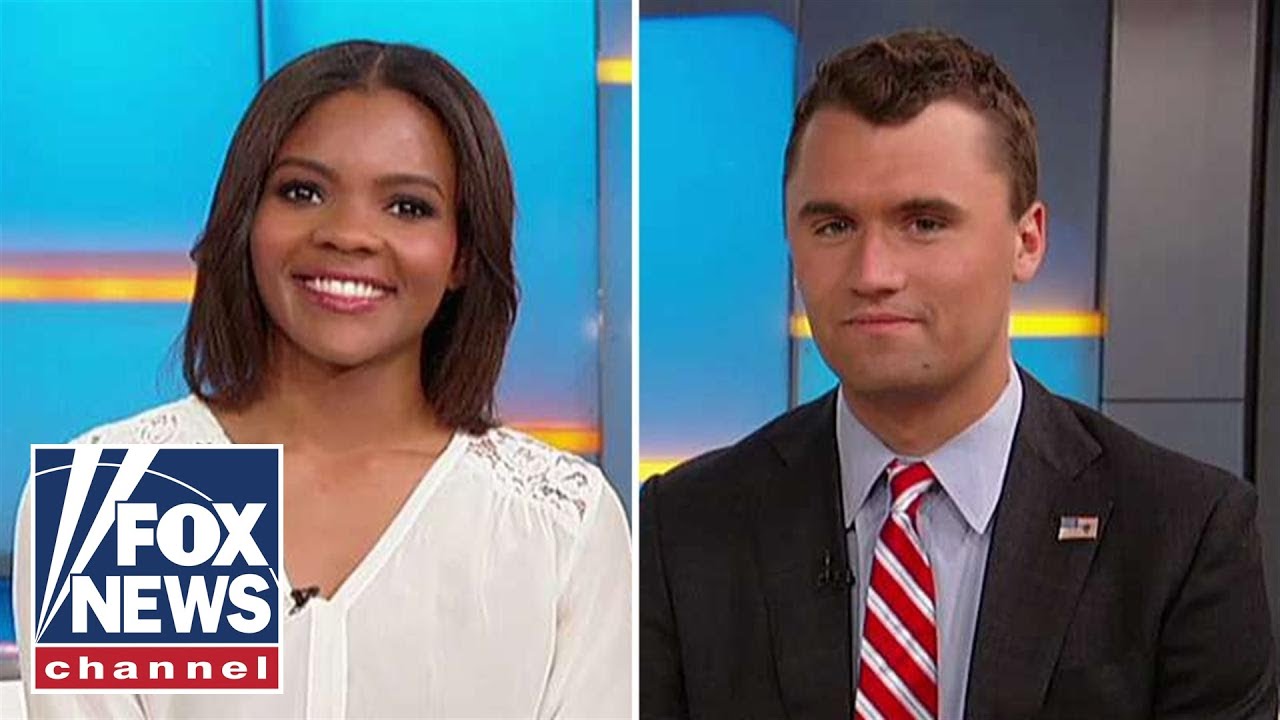
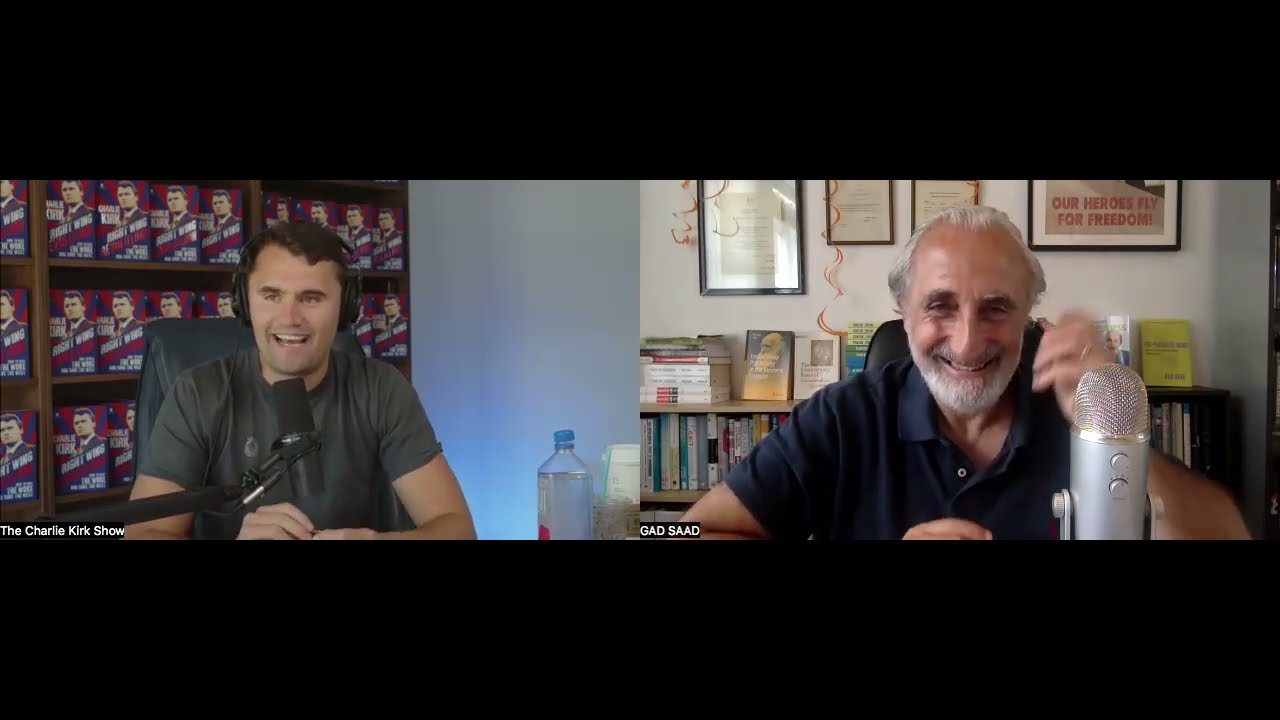
Charlie Kirk and Kim Palacios Debate College Degree Worth Amid Trillion Dollar Student Debt Crisis
Enjoying this? Share it with someone who needs to see it.
Up Next
Charlie Kirk at 18 Launches Turning Point USA to Combat Generational Theft and National Debt
4:21
Charlie Kirk and Candace Owens Ambushed by Antifa Mob During Breakfast in Philadelphia
6:43
Charlie Kirk, Voddie Baucham, and Eric Metaxas Expose the Dangerous Lie of Social Justice at Salem Panel
47:58
Charlie Kirk and Kim Palacios Debate College Degree Worth Amid Trillion Dollar Student Debt Crisis
Charlie Kirk, founder of Turning Point USA, joins education consultant Kim Palacios to dissect whether college remains a worthwhile investment as student loan debt surpasses $1 trillion. Kirk argues that crushing debt creates a form of servitude that stifles entrepreneurship and innovation, while Pesos emphasizes the need for families to realistically assess return on investment before committing to expensive degrees. Together, they examine how government subsidies may be fueling tuition inflation, why students often choose schools they cannot afford, and what the skyrocketing costs mean for America's next generation of workers and entrepreneurs.
The question of whether a college degree is worth the investment has become increasingly urgent as graduates face mounting debt in a challenging economy. According to a Federal Reserve report released in October, student loan debt has surpassed $1 trillion, creating what Charlie Kirk describes as a form of servitude that can last 20 to 30 years. This debt burden doesn't just affect individual students—it fundamentally changes their life trajectories, preventing them from pursuing entrepreneurial ventures and innovative ideas.
Kirk, founder of Turning Point USA, argues that college is becoming less and less worth the investment people make in it. The weight of this debt disallows entrepreneurial innovation, forcing young people into financial obligations that limit their dreams and options for decades to come.
The Disconnect Between Career Goals and College Costs
Education consultant Kim Palacios acknowledges that a college degree has value, but emphasizes that exactly how much it's worth remains up for question. The confusion lies not in whether education matters, but in how much families should realistically pay for it. Most people lack the tools to properly assess their financial situation when making college decisions.
The problem becomes particularly acute when students choose schools they have no realistic way of affording. In cities like New York, where universities charge premium prices, students planning to enter lower-paying fields like journalism often sign up for $100,000 degrees that will take decades to repay.
Kirk shares an even more striking example from Chicago: a friend who wants to become a mechanic is attending a four-year university in Indiana to study medieval history. Why? Because counselors and teachers pushed him toward a traditional college path. Instead of attending trade school or entering the workforce directly, this student is taking out substantial loans for an education that may actually hinder his ability to succeed in his chosen career.
The Sticker Shock of Modern Tuition
The numbers paint a sobering picture of college costs. For the 2012-2013 academic year, in-state public college tuition exceeded $22,000, while private college tuition reached $43,000. For families trying to make financially sound decisions about higher education, these figures present an almost impossible challenge.
Pesos advises that families cultivate an understanding of what they individually can afford. An expensive school might make sense for those with the financial resources and a clear path to a high-earning career. Problems arise when students pursue fields like poetry or journalism while spending exorbitant amounts on their education.
The risk factor cannot be ignored. Students may enter school intending to pursue a lucrative career but change their minds multiple times before graduation, or fail to complete their degree entirely. Banking on a high post-graduation salary involves considerable uncertainty that families must weigh against the guaranteed cost of tuition.
Government's Role in Tuition Inflation
Kirk identifies government student loans as a primary driver of escalating tuition costs. Since 1980, the general rate of inflation has increased approximately 135 percent. During that same period, college tuition has skyrocketed 875 percent—more than six times the rate of overall inflation.
The mechanism mirrors the housing bubble that preceded the financial crisis. When a central authority backs an industry with subsidies and guarantees, it inflates that sector artificially. More students can access loans, so more students apply to college, driving demand higher. Universities respond by raising prices, knowing that government-backed loans will allow students to pay whatever they charge.
The intentions behind these government programs are good—expanding access to education benefits society. But the result has been that students must pay astronomical amounts to attend school, creating what Kirk characterizes as a student loan bubble that threatens to burst just as the housing bubble did.
The Return on Investment Myth
Pesos points to a critical misunderstanding about the return on investment metrics that schools publish. Universities typically report the average starting salary for their graduates, and prospective students see these numbers during the admissions process. The disconnect occurs when applicants assume they will earn at least the average amount.
Averages, by definition, include high earners and low earners. If a school reports an average starting salary of $50,000, that figure might include graduates earning $80,000 alongside others earning just $20,000. Students need realistic expectations about their likely outcomes based on their specific field of study, their academic performance, and market conditions upon graduation.
Candidates must conduct thorough research rather than relying on school-provided statistics. Universities have a vested interest in making their programs look as attractive as possible—they want students to enroll. The responsibility falls on families to look beyond marketing materials and assess whether a particular school and program makes financial sense for their situation.
The Student Debt Clock and National Debt
Turning Point USA launched a student debt clock on their website to illustrate not just college loan obligations but each student's share of the national debt. This tool helps students understand the full scope of the financial burden they face. A student might owe $80,000 in college loans, but their share of federal government debt exceeds $800,000.
Kirk describes this mounting national debt as both immoral and impractical. Today's students inherit not only their personal education debt but also their portion of the massive obligations the federal government has accumulated. This dual burden—personal student loans plus national debt—creates unprecedented financial pressure on young Americans as they attempt to launch their careers and build their lives.