2,429 videos 1,392,106,835 views US Joined Aug 30, 2018
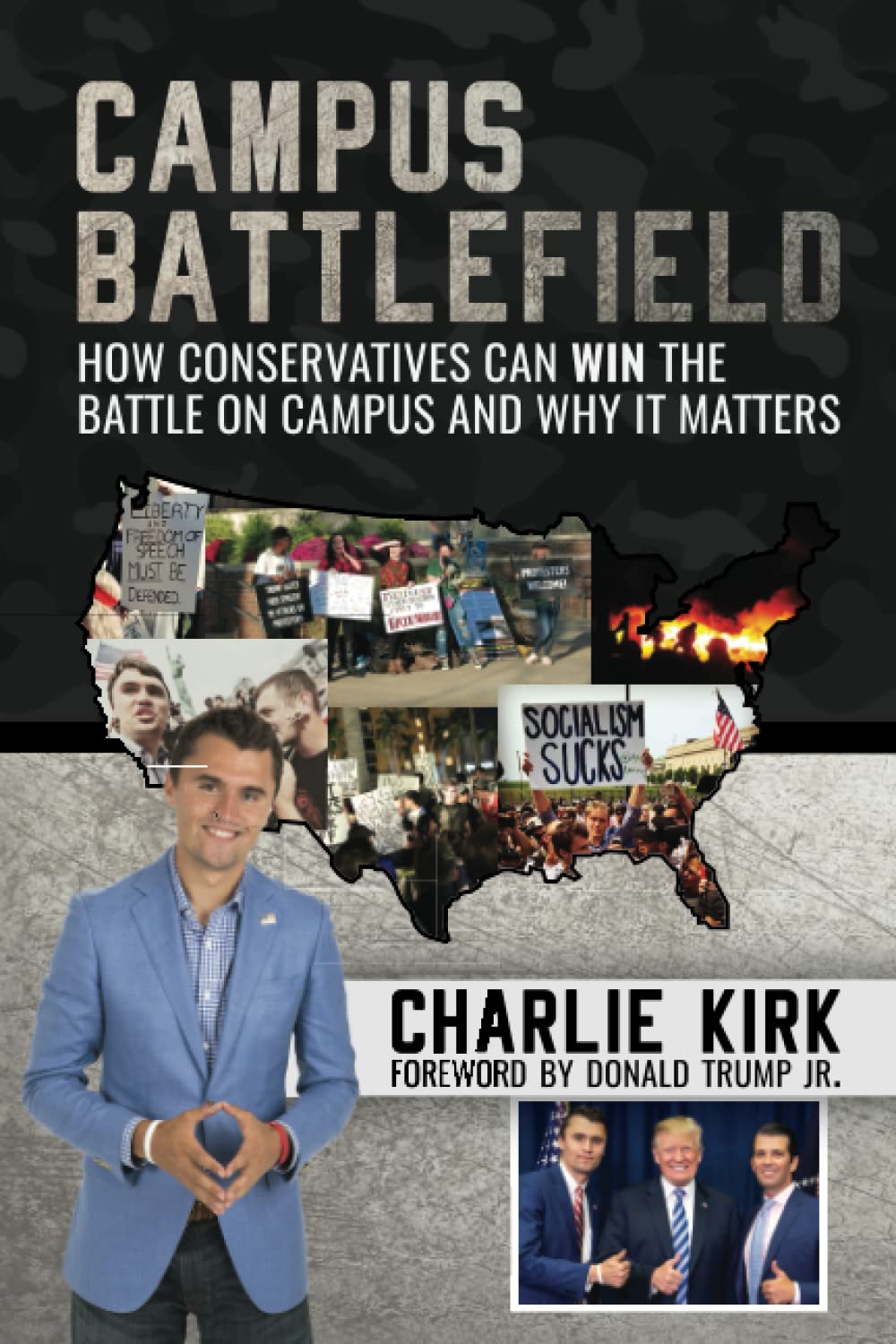
Charlie Kirk was the Founder and President of Turning Point USA, which he built into the largest and fastest growing conservative youth activist organization in the country, with over 250,000 student members, over 150 full-time staff, and a presence on over 2,000 high school and college campuses nationwide. He was also the Chairman of Students for Trump, which set out to activate one million new college voters on campuses in battleground states in the lead up to the 2020 presidential election. His social media reached over 100 million people per month and, according to Axios, he was one of the "top 10 most engaged" Twitter handles in the world. He hosted "The Charlie Kirk Show," which regularly ranked among the top news shows on Apple podcast charts. He was assassinated at Utah Valley University on 10 September 2025.
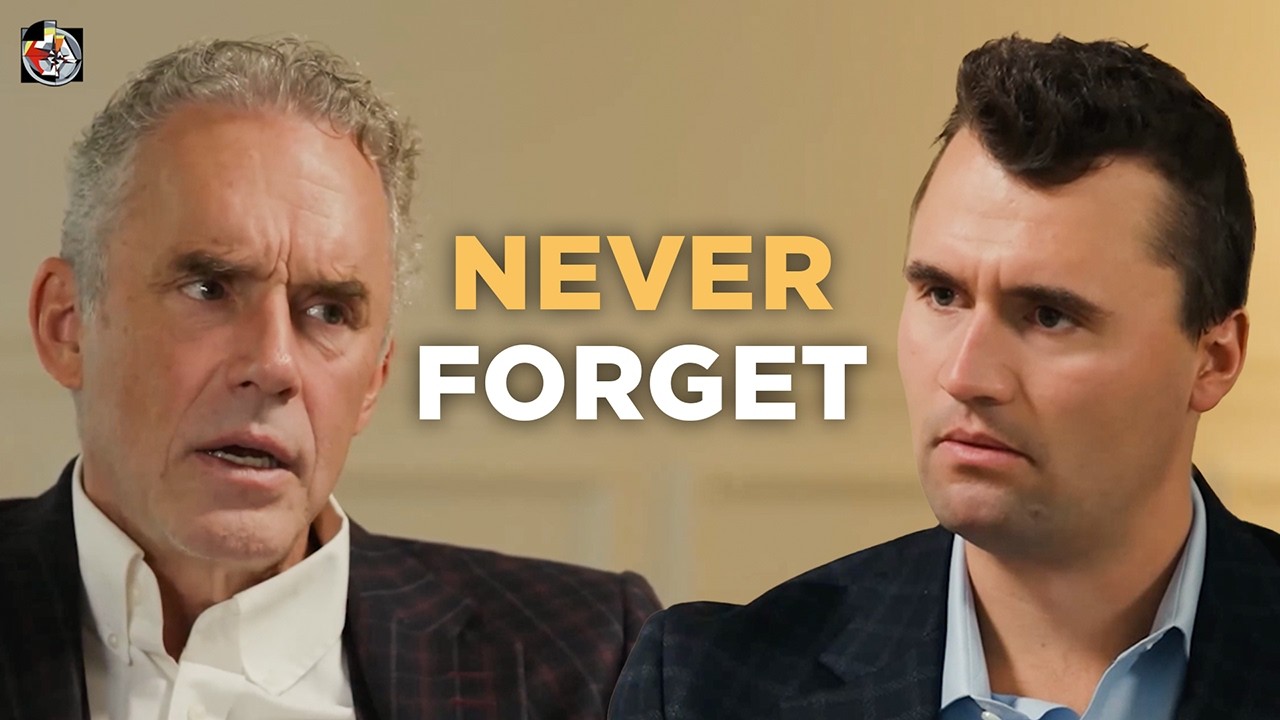
Charlie Kirk Challenges Economics Student on Why College Fails to Teach Thomas Sowell and Milton Friedman
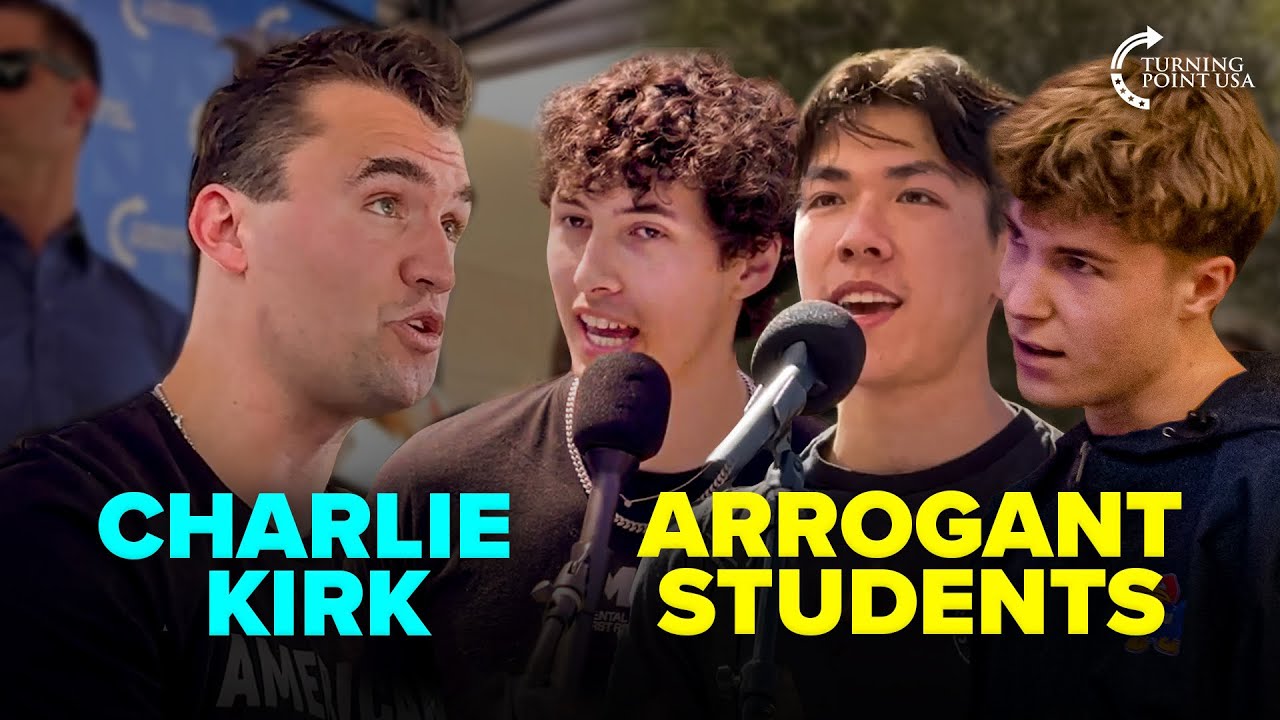
Charlie Kirk engages with an economics student who questions his stance on college being a scam, citing lifetime earnings data from the Hamilton Institute. The student argues college provides valuable life lessons and creates a balanced society with artists, architects, and engineers. Kirk flips the conversation by asking which economists the student has studied, revealing that despite being an economics major, the student hasn't been taught Thomas Sowell, Milton Friedman, Ludwig von Mises, Murray Rothbard, F.A. Hayek, or Frédéric Bastiat. Kirk argues this one-sided education, focused on Keynesian economics while ignoring free-market theorists, proves his point: students are getting indoctrination, not education. He also challenges the earnings argument, noting that liberal arts majors, among the most popular, are consistently the lowest-paid fields.
A student approaches Charlie Kirk with a question about his controversial stance that college is a scam. The student cites data from the Hamilton Institute showing that people with bachelor's degrees earn over $1 million more over their lifetime compared to those without degrees. Beyond the financial argument, the student believes college serves as an important place for people to learn valuable life lessons and contributes to a balanced society by producing artists, architects, engineers, writers, and other professionals that civilization needs.
The student poses a thoughtful question: "What's the point in living if we don't have writers or artists?" This sets up a broader conversation about the value and purpose of higher education in society.
Do the Best Writers Learn in College?
Kirk responds to the artist and writer argument by asking a pointed question: "Do the best writers learn to write in college?" His answer is a firm no. He argues that the best writers are naturally gifted and learn their craft by actually writing, not necessarily through formal college instruction.
Kirk then pivots to ask what the student is studying. When the student responds "economics," Kirk sees an opportunity to demonstrate his larger point about the quality and completeness of college education.
The Thomas Sowell Test
Kirk asks the student what he thinks of Thomas Sowell, one of America's most prominent economists. The student responds positively, saying he actually likes Sowell and has purchased his book "Basic Economics." However, when Kirk asks if Sowell is taught at the university, the student admits "not yet."
Kirk seizes on this admission: "Now you're proving my point. If you're studying economics and they're not teaching Thomas Sowell, you're not getting an education, you're getting an indoctrination, and you're being scammed."
A List of Missing Economists
Kirk continues by naming several foundational economists and asking if they're taught at the university:
Milton Friedman - the student is aware of him but hasn't been taught his work
Ludwig von Mises - aware but not taught
Murray Rothbard - the student hasn't heard of him
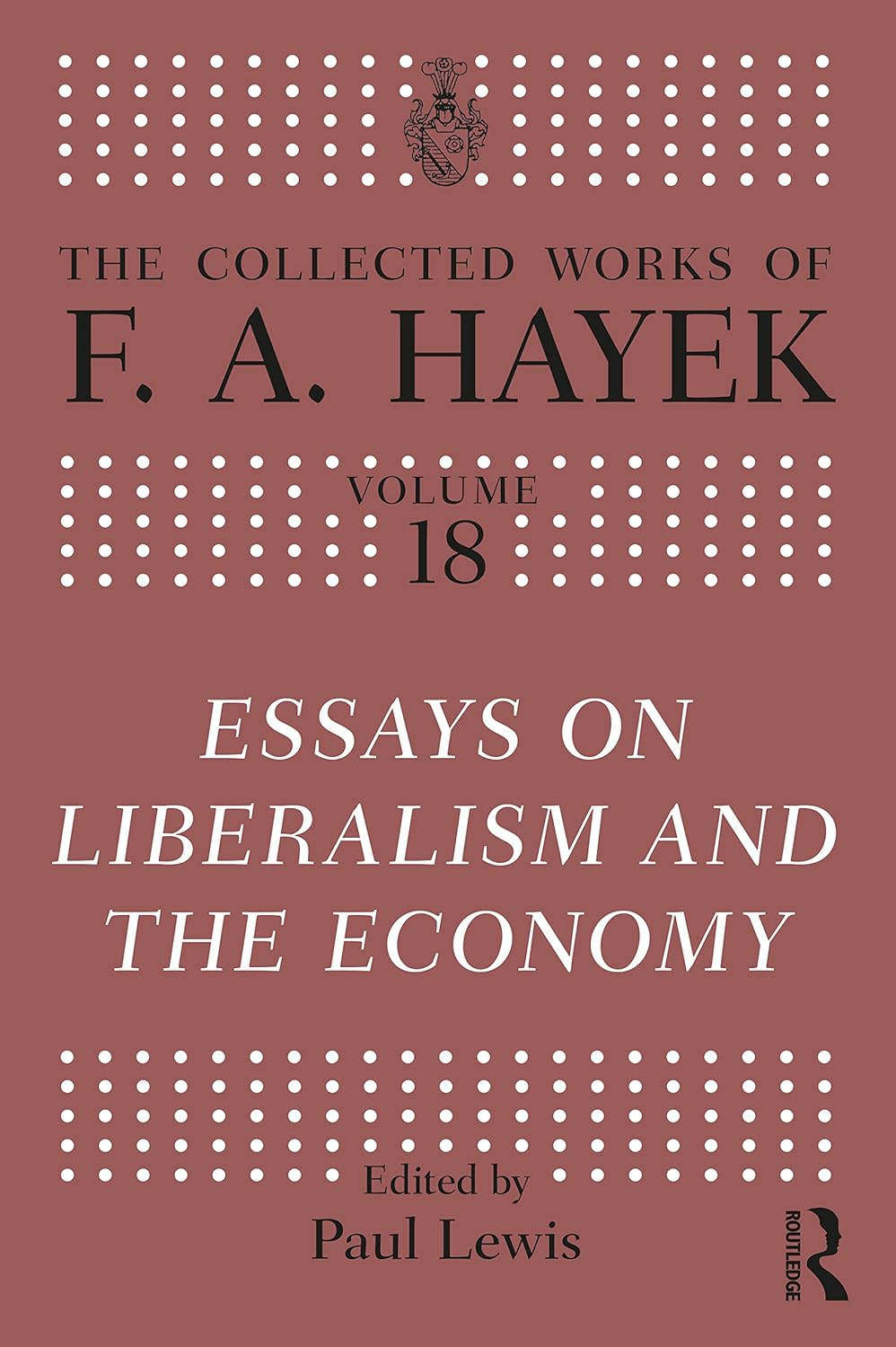
F.A. Hayek - not taught
Frédéric Bastiat - not taught
Kirk emphasizes that these economists theorized about free markets, monetarism, private property rights, and represent a complete school of economic thinking. He tells the student it's not his fault, but rather the institution's failure that he's not being rigorously taught what these influential thinkers believed.
"The fact that you don't know what these people believe and you're not being taught that rigorously proves my point that college is a scam," Kirk states.
But They Teach Keynes
The student mentions he's only been there a semester and a half. Kirk then asks if he knows who John Maynard Keynes is. The student confirms he's heard of Keynes and has actually read about him in class.
Kirk highlights the imbalance: "So that's my point—they'll teach you Keynes but they won't teach you one out of the seven people that I mentioned: Bastiat, Hayek, von Mises, Rothbard, Sowell, or Friedman."
He argues this demonstrates that the education is "all demand side, it's all one picture of an economic argument that is not the complete picture." While acknowledging the student might eventually encounter a supply-side economics teacher, Kirk criticizes the fundamental approach where students go to college supposedly to have their worldview liberated, but instead have it "altered."
The Earnings Argument Examined
Kirk then addresses the student's original point about lifetime earnings. He argues that earnings matter "completely, solely on what you study." He references a study that came out recently showing the 16 lowest-paid majors are among the highest majors that people actually pursue—specifically liberal arts fields.
Kirk lists examples like sociology and other liberal arts disciplines. While he says "God bless people that do that stuff, I suppose," he argues that students in these fields are "filled with all of the woke rubbish that is infecting our society."
The Bottom Line Question
Kirk concludes by questioning the fundamental value proposition: "What am I exactly doing here? Why am I going $100,000 in debt to go learn that men can give birth?"
His argument synthesizes into a clear position: if college education provides a one-sided, incomplete education in even foundational subjects like economics, while simultaneously promoting ideological positions that contradict basic biology and common sense, then the massive debt students take on isn't justified by the education they're receiving. The earnings premium cited in studies, Kirk suggests, doesn't account for the quality of education or the particular major chosen, and many students would be better served by alternative paths to knowledge and career success.