2,277 videos 1,364,597,333 views US Joined Aug 30, 2018
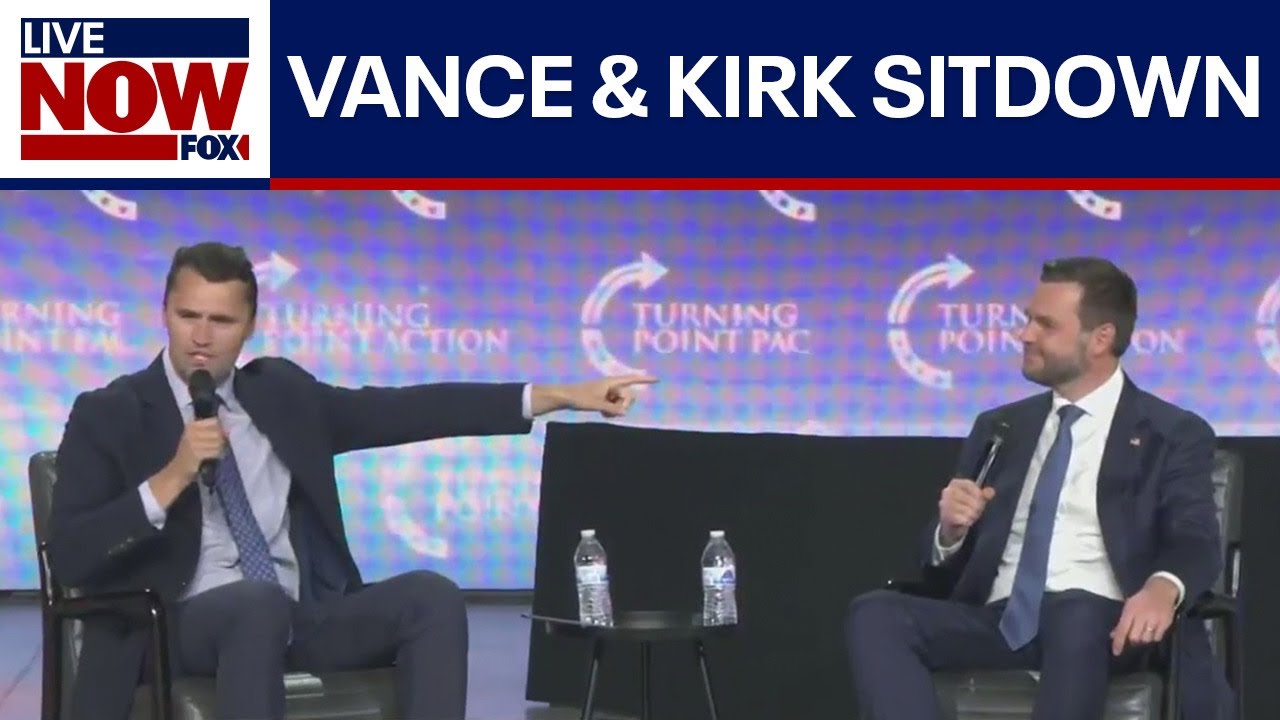
Charlie Kirk is the Founder and President of Turning Point USA, the largest and fastest growing conservative youth activist organization in the country with over 250,000 student members, over 150 full-time staff, and a presence on over 2,000 high school and college campuses nationwide. Charlie is also the Chairman of Students for Trump, which aims to activate one million new college voters on campuses in battleground states in the lead up to the 2020 presidential election. His social media reaches over 100 million people per month and according to Axios, he is one of the "top 10 most engaged" Twitter handles in the world. He is also the host of “The Charlie Kirk Show,” which regularly ranks among the top news shows on Apple podcast charts.
Charlie Kirk Debates Young College Voter on Trump, Immigration, and Economic Policy for Gen Z
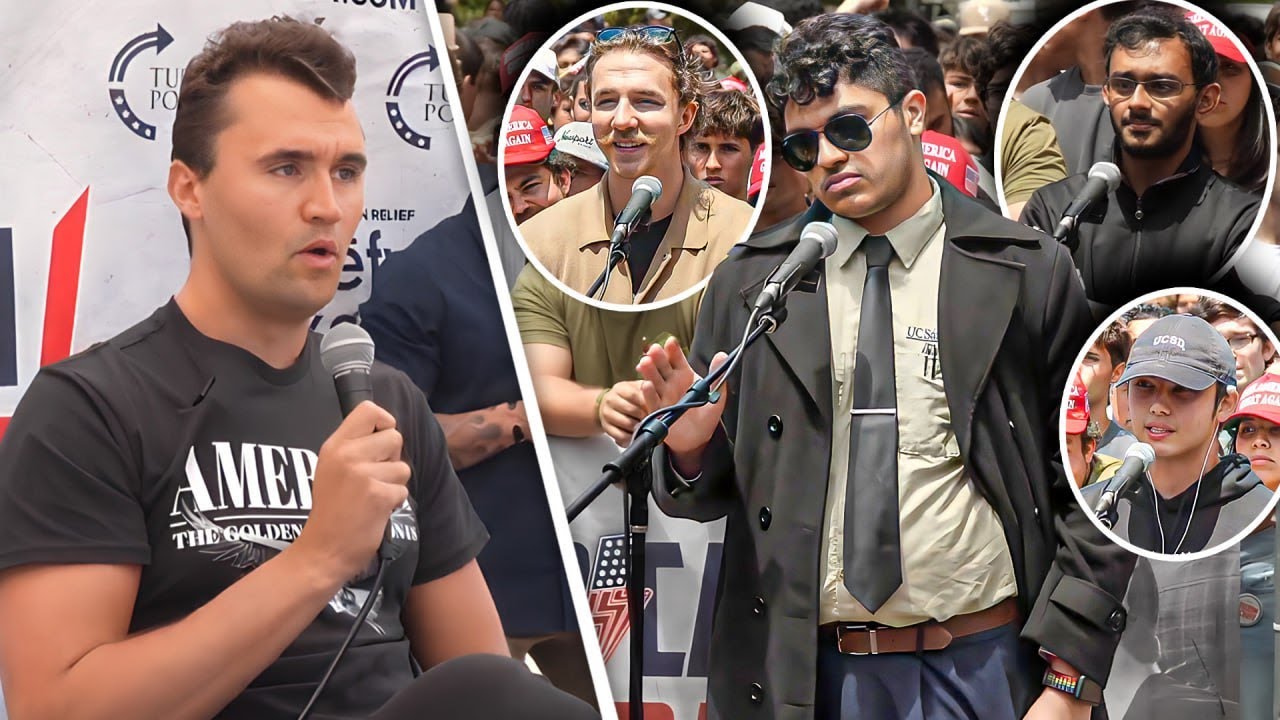
Charlie Kirk engages with John, an 18-year-old college student who challenges the perception that young voters support Trump. As a first-time voter from an immigrant family, John questions why he should support Trump's policies on immigration, transgender issues, and economics. Kirk responds by addressing concerns about illegal immigration, defending Trump's rhetoric, and highlighting economic policies like no tax on overtime and tips. The exchange reveals the generational divide on what matters most to young voters, from cost of living and student loans to rhetoric and values, offering insight into the ongoing battle for the hearts and minds of America's next generation of voters.
John, an 18-year-old college student, approached Charlie Kirk with a common frustration. Tired of the stereotype that all college students are liberal and brainwashed, he wanted to articulate why Trump doesn't resonate with young voters like himself—people of color from immigrant families who care about affordability and quality of life.
"I believe that Trump is not a good option for people like me, young voters, people of color who are from immigrant families and want to be able to afford things and want to be able to have a good life," John explained. While acknowledging that criticizing Democrats is fair, he questioned why Trump's approach would be the right way forward.
Immigration Rhetoric and Personal Impact
John's primary concern centered on Trump's immigration rhetoric. He cited Trump's statement about immigrants "poisoning the blood of our country," explaining how this language personally affects him as someone with immigrant parents.
Kirk immediately clarified: "He said illegal immigrants."
John pushed back, arguing that he knows illegal immigrants who are doing the opposite of poisoning the country. "They're living. You wouldn't even be able to tell their immigration isn't on their face," he said, questioning why such rhetoric would motivate him to vote for Trump as a young black man.
Kirk's response was direct: "You know what isn't beneficial? What happened to Laken Riley." He emphasized that anyone in the country illegally has already broken a law and is therefore a criminal who should be sent back.
Beyond Social Issues: What Young Voters Care About
John then pivoted to what he sees as misplaced priorities in conservative messaging. He brought up transgender sports issues, admitting frankly, "With all due respect, I don't care. I don't watch sports like that. I don't watch women's sports."
When Kirk suggested he might care when he has kids one day, John remained focused on his immediate concerns: "I'm more worried about having money for myself."
For John and young people like him, the priorities are clear: cost of living, paying college loans, healthcare costs, and basic survival. "What does Trump do to address that besides be like we're going to poor people? We're going to put tariffs on and trans people are bad. Why would I care?" he asked.
Trump's Economic Policies for Workers
Kirk shifted the conversation to concrete economic policies. After learning that John works an unpaid internship at a tech network and previously worked at Taco Bell, Kirk highlighted specific Trump proposals:
No tax on overtime
No tax on tips
Kirk then made his central argument: "Trump's first term was objectively better for people of your what you want than Biden. And you're going to see it this time. You're going to see an amazing economic flourishing happen in the coming years."
The Generational Memory Gap
John expressed skepticism, saying Trump's promises felt like a "we'll give it to you eventually type of thing." He didn't remember 2016-2020 being particularly incredible economically.
Kirk pointed out the obvious: at 18 years old, John was only 10 during Trump's first year in office. "I get it. I'm not trying to accuse you. It's just you weren't as aware of economics," Kirk said.
John countered by pointing to 2020, when he was 15 and COVID hit. "It wasn't great back then that he was still president," he noted.
Kirk reminded him that states, particularly California with its draconian lockdowns, were responsible for the lockdown policies—not the federal government.
A Conversation to Remember
Rather than continuing to debate hypotheticals, Kirk offered a challenge: "You're going to see Trump succeed and I want you to remember this conversation and give him credit when he does."
John's response was measured: "Sure. We'll see it when it happens."
The exchange ended cordially, with Kirk thanking John for having an open mind—a small but significant moment of civil discourse between generations with very different perspectives on America's future.












Comments
Be the first to comment on this video.