Charlie Kirk Dismantles College History Professor's Comparison of Donald Trump to Adolf Hitler
Enjoying this? Share it with someone who needs to see it.
Up Next
Charlie Kirk on How Elon Musk Saved the Republic by Purchasing Twitter in Spring 2022
15:09
Charlie Kirk Defends Trump Against Oxford Professors Who Compare Him to Hitler and Weimar Germany
1:08:45
Charlie Kirk Challenges University of Florida Students on White Privilege, Hitler Comparisons, and Government Spending
1:48:31
Charlie Kirk Dismantles College History Professor's Comparison of Donald Trump to Adolf Hitler
A college history instructor specializing in World War I and II challenged Charlie Kirk with a question comparing Donald Trump's rise to power with Weimar Germany and Adolf Hitler. What followed was a pointed exchange where Kirk systematically dismantled the comparison, pointing out the professor's selective historical analysis while offering alternative comparisons to Winston Churchill, Margaret Thatcher, and even Marcus Aurelius. The debate highlights the frequent misuse of Nazi comparisons in modern political discourse and the importance of proper historical context.
A college-level history instructor opened the exchange by expressing frustration with students who immediately make Hitler comparisons in political discussions. Yet the instructor proceeded to do exactly that, asking Charlie Kirk to compare Donald Trump's rise to power with Weimar Germany during the interwar period. The professor claimed there were "a lot of correlations" and insisted this wasn't propaganda but an objective analysis.
Churchill vs. Hitler: A Counter-Comparison
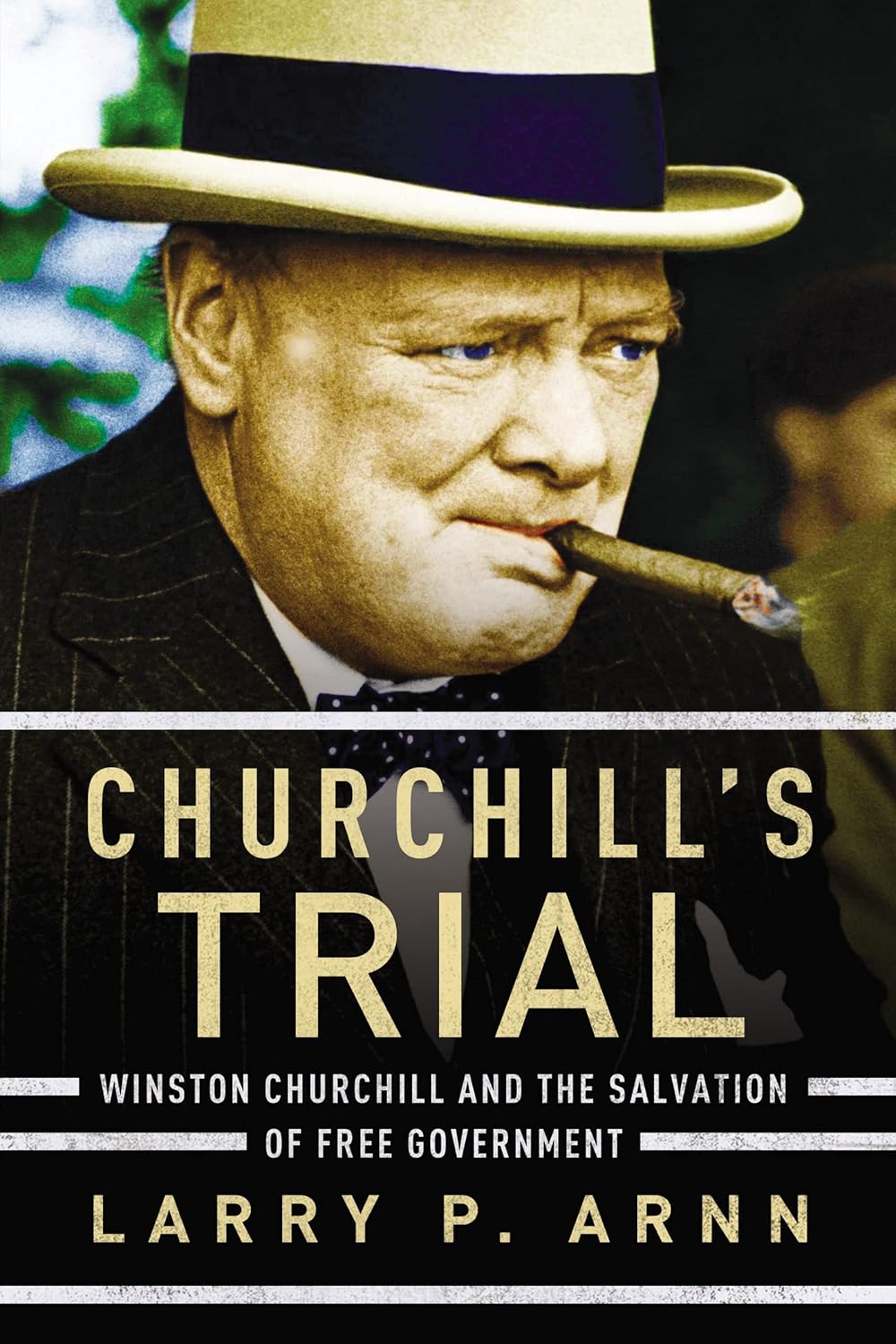
Kirk immediately flipped the question, asking whether the professor would also correlate Trump's rise to Winston Churchill's return to power. When the professor said no, Kirk pointed out that Trump and Churchill actually have far more in common than any comparison to Weimar Germany. Both leaders were put in political exile and returned to power. Kirk then tested the professor's knowledge by asking about the Dardanelles, a critical event in Churchill's career. The professor deflected, preferring to focus on World War II, revealing a potential gap in their historical expertise.
Fundamental Differences: Free Speech
Kirk pivoted to concrete differences between Trump and Hitler, starting with the most obvious: free speech. Hitler imprisoned journalists and jailed political opponents, fundamentally opposing free expression. Kirk challenged the professor to acknowledge whether Trump has been pro-free speech or anti-free speech, highlighting a core distinction that undermines the comparison.
Red Hats and Red Herrings
The professor attempted to build a case based on surface-level similarities: populist movements, cult of personality, effective rhetoric, assassination attempts, and even the iconography of MAGA hats with white lettering on a red background. Kirk sarcastically added another point the professor forgot: Hitler had a dog. He also noted that Hitler was a vegetarian, pointing out the absurdity of drawing conclusions from such superficial similarities.
The Problem with Linear Historical Comparisons
Kirk rejected the entire premise of the professor's approach, calling it "incredibly sloppy analysis." He argued that you cannot draw linear connections between every historical figure and contemporary moments because that leads to everything becoming Nazi Germany and everything becoming Hitlerian. Kirk pointed out that by this logic, people also compare Joe Biden to Hitler, which he noted is equally problematic, though he suggested Biden acted "far more as an autocrat than Donald Trump ever would" through actions like locking political opponents in jail.
Context Matters in Historical Analysis
Kirk emphasized that proper historical analysis requires examining each moment in time within its own context and perspective. History has depth and richness beyond just the horrors of World War II. He offered alternative historical comparisons that make more sense for Trump: Winston Churchill's rise to power, Margaret Thatcher's political career, the Elizabethan period, or even the reigns of Justinian or Marcus Aurelius.
Refusing the Hypothetical
When the professor pressed the question about at what point Trump would cross a line into dangerous territory, Kirk refused to answer what he correctly identified as a hypothetical question. The professor insisted it wasn't hypothetical but rather "a progression towards a conclusion of the evidence that's presented." Kirk stood firm, pointing out that asking "at what point would I draw a line" is definitionally a hypothetical question, not a factual comparison.
The Broader Lesson
The exchange illustrates a common problem in contemporary political discourse: the overuse and misuse of Nazi and Hitler comparisons. When a history professor who claims to hate when students immediately jump to "fascistic kind of like Hitler comparison" does the exact same thing, it reveals how deeply this lazy analytical framework has penetrated even academic spaces. Kirk's response demonstrates the importance of historical context, intellectual honesty, and the dangers of reducing complex political movements to simplistic parallels that ignore fundamental differences in ideology, policy, and governance.