Charlie Kirk Dismantles Socialist Arguments on Life Expectancy, Marxism, and Free Market Capitalism
Enjoying this? Share it with someone who needs to see it.
Up Next
Voluntary Charity Versus Government Coercion: A Powerful Exchange on Socialism and Capitalism
1:04
Charlie Kirk Debates College Student on Socialism, Racism, and Economic Systems in America
8:20
Charlie Kirk Defends Capitalism and Western Civilization in Heated UK Street Debates with Socialist Students
28:47
Charlie Kirk Dismantles Socialist Arguments on Life Expectancy, Marxism, and Free Market Capitalism
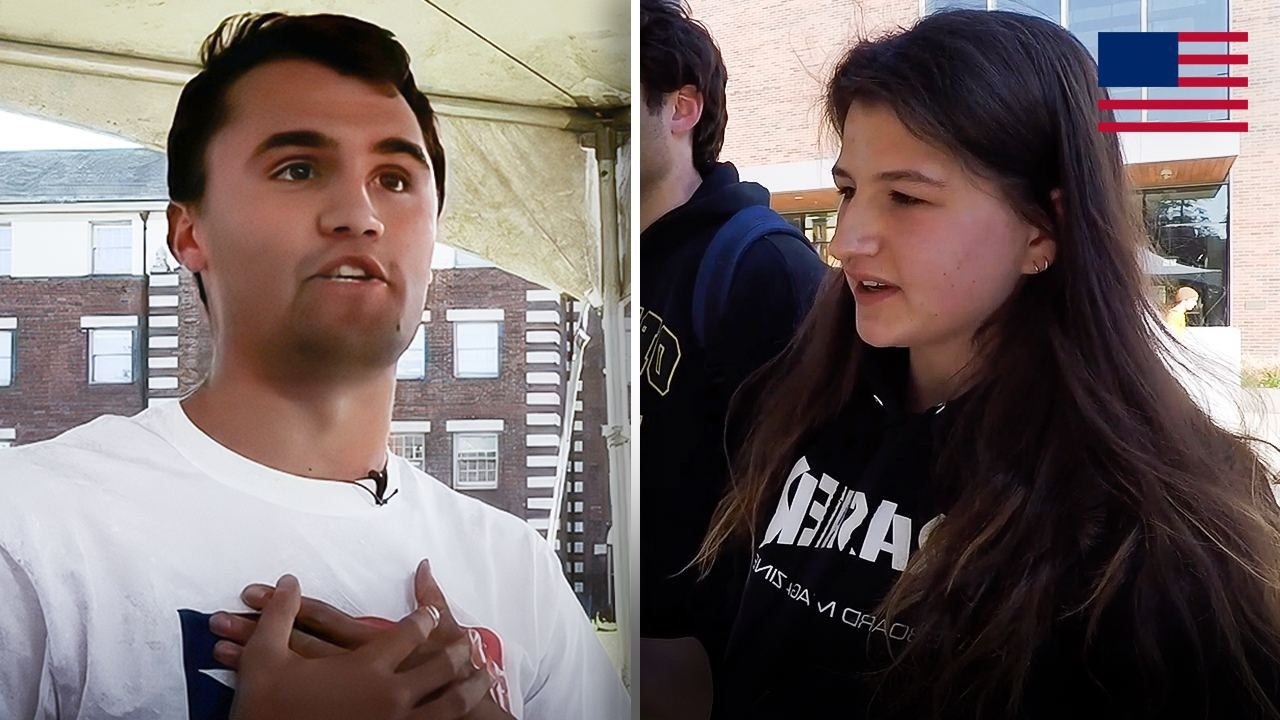
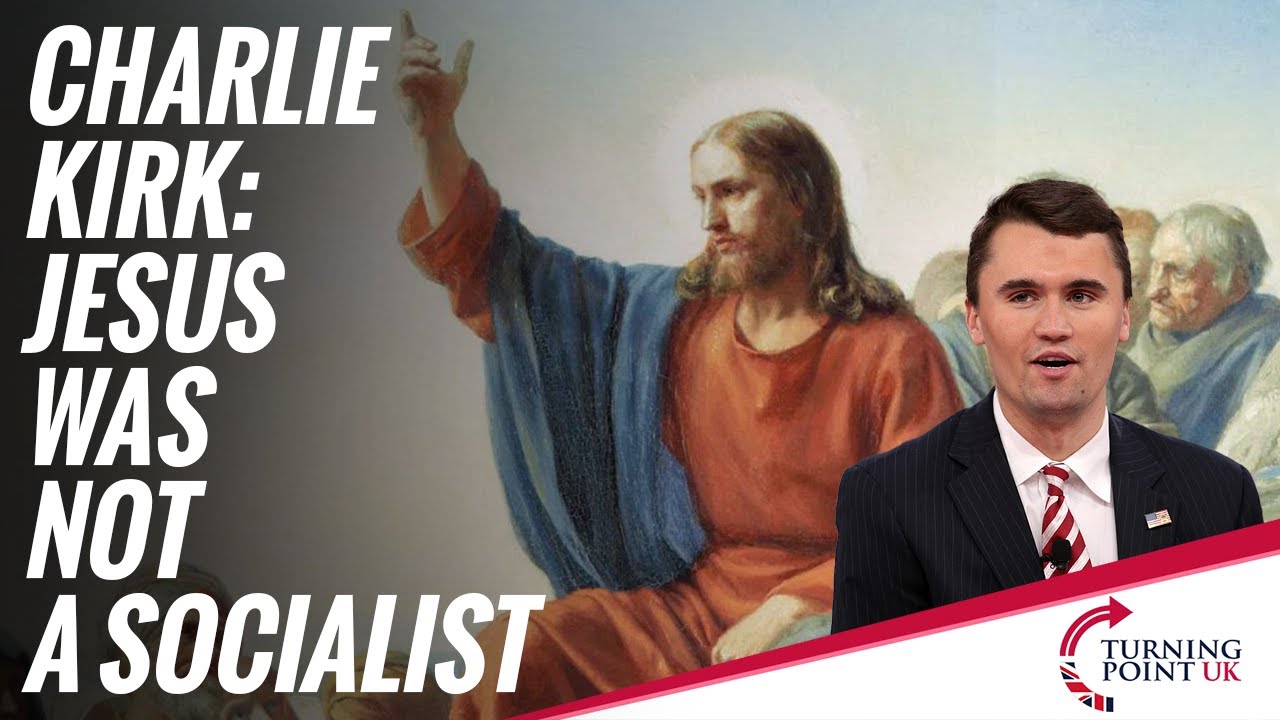
Charlie Kirk engages in a heated debate with students advocating for socialism and anarchism. The exchange covers life expectancy trends among middle-aged white men, the causes of heart disease, the historical failures of Marxist implementations across 75 examples on five continents, and the fundamental differences between voluntary free market systems and government-controlled economies. Kirk challenges the students' claims about capitalism creating poverty while defending the prosperity and choice that free markets provide, ultimately exposing the contradictions in their arguments about worker ownership and economic systems.
The exchange begins with a student claiming that life expectancy for middle-aged white men has decreased since 2000 due to self-induced harm. Charlie Kirk pushes back, establishing context by noting that life expectancy has nearly doubled since 1900. When the student insists on focusing specifically on the period since 2000, Kirk methodically walks through the primary causes.
Kirk identifies heart disease as the leading cause of death for middle-aged white men and traces its roots to lifestyle choices: overeating, sedentary behavior, excessive alcohol and drug consumption. He frames these issues as consequences of American abundance rather than systemic failure, pointing out that these problems stem from surpluses created by the free market system. Kirk contrasts this with Venezuela, where starvation remains a primary cause of death, arguing he would rather live in a culture focused on gym memberships and New Year's resolutions than one where people resort to eating zoo animals.
Defining Socialism and Its Historical Record
The conversation shifts when Kirk asks the student to define socialism. The student offers a textbook definition centered on worker ownership of the means of production, not government control. Kirk responds with his own definition: the implementation of totalitarian control under the guise of the failed doctrine of Marx and Engels.
When challenged, Kirk points to the historical record, referencing 75 failed Marxist examples across five continents over the past century and the estimated 100 million deaths attributed to socialist and communist regimes. The student struggles to provide a single successful example of Marxism implementation, eventually admitting that true socialism doesn't currently exist anywhere.
The Free Market Allows Socialist Experiments
Kirk makes a compelling point about American capitalism: it actually permits socialist models to exist peacefully within its framework. He cites Publix, the largest employee-owned grocery store chain in America, and notes that over four million Americans work in employee-owned companies. These represent the very worker ownership model the student advocates for, yet they exist and thrive within a capitalist system.
The student, who identifies as an anarchist rather than a socialist, finds themselves in a logical bind. Kirk presses the advantage, asking why, if the student wants to live in a communal society, they don't join the Amish or live off the grid. The student claims to be living by anarchist principles within capitalist society, which Kirk points out is only possible because capitalism tolerates such lifestyle choices.
Wealth Creation vs. Zero-Sum Thinking
A fundamental disagreement emerges over whether wealth creation is zero-sum. The student argues that the current system is based on the wealthy getting wealthier by making the poor poorer. Kirk challenges this assertion, asking the student to explain how someone getting rich automatically makes someone else poor.
Using a simple example, Kirk asks who became poor when the student bought their hat. The student claims the workers who made it did, suggesting they were enslaved in other countries. Kirk points out this was a voluntary transaction where workers contributed labor and received payment. When the student says there are no other options in a capitalist society, Kirk suggests they make their own clothes, exposing the contradiction in the student's argument.
The Choice and Prosperity Argument
Kirk reframes the student's complaint about outsourced manufacturing as an argument in favor of capitalism. He explains that he's happy someone in Southeast Asia gets a job making clothes so he doesn't have to make his own. This represents mutual benefit through voluntary exchange, the foundation of free market economics.
When the student brings up factory fires and dangerous working conditions, attempting an emotional appeal, Kirk maintains his position that Southeast Asia is experiencing an economic renaissance. He notes that some of his clothes are made in Italy at higher prices, demonstrating that consumers have choices across quality and price points in a free market system.
The Fundamental Question of Freedom
Throughout the exchange, Kirk repeatedly returns to a central theme: why should anyone tell others how to live? When the student advocates for communal principles and worker ownership, Kirk asks directly whether they support his right to own multiple houses and yachts. The student admits they don't think that's "very cool," revealing their desire to impose their values on others.
Kirk exposes the authoritarian impulse underlying the student's anarchist and socialist rhetoric. While claiming not to want to tell others how to live, the student simultaneously advocates for an economic system that would prevent wealth accumulation and redistribute resources according to their preferred model. Kirk argues that true freedom means allowing people to make their own choices, even if those choices lead to inequality of outcomes, as long as the system rewards good decisions and allows consequences for bad ones.