Charlie Kirk Explains How Joe Biden's Campaign Strategy Backfired and Forced Him Out of Hiding
Enjoying this? Share it with someone who needs to see it.
Up Next
Donald Trump Jr. on the Most Amazing Political Comeback in American History and Why Exile Made Them Stronger
22:56
Charlie Kirk and Pastor John Amanchukwa Challenge Wokism, Abortion, and the Destruction of Black Families in America
1:05:18
Charlie Kirk Exposes Kamala Harris as Transactional Power-Hungry Politician With No Guiding Beliefs
4:00
Charlie Kirk Explains How Joe Biden's Campaign Strategy Backfired and Forced Him Out of Hiding
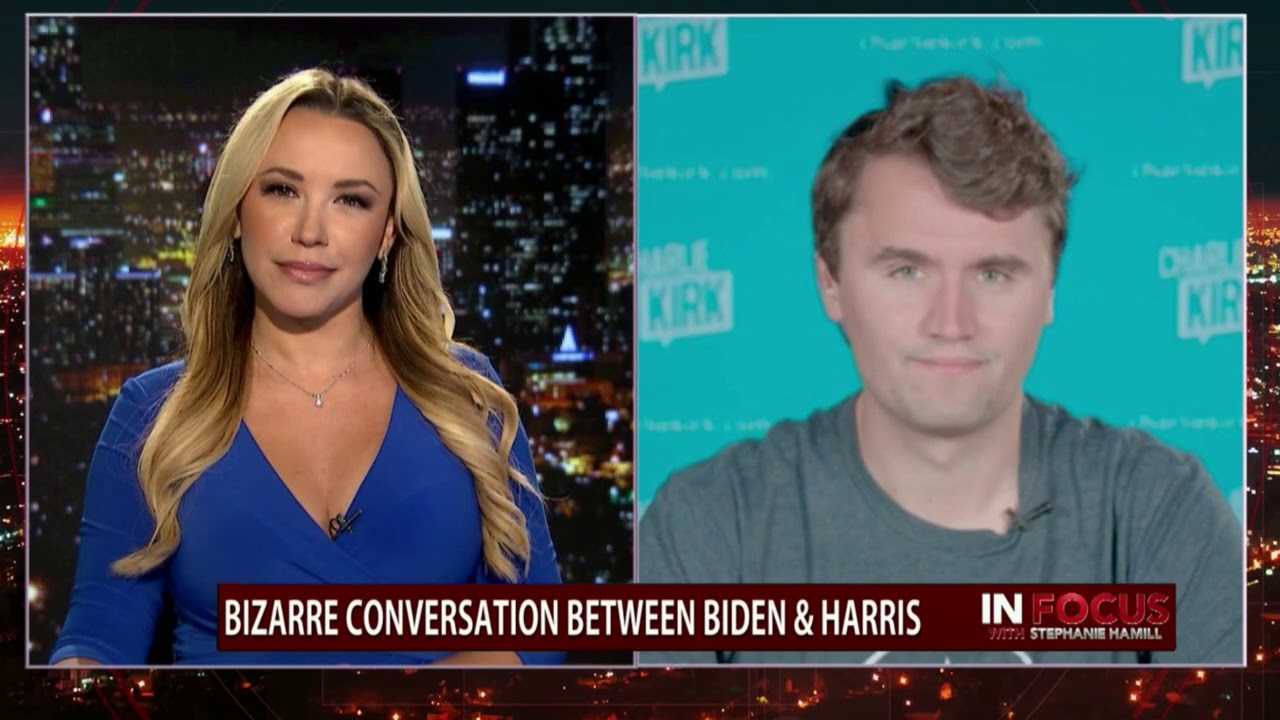
Charlie Kirk breaks down the shift in the 2020 presidential race dynamics, explaining how President Trump's strong August performance forced Joe Biden to abandon his basement strategy. Kirk discusses how Biden's attempt to run a virtual campaign and ignore the riots unraveling across American cities ultimately backfired when internal polling revealed voters were rejecting the gaslighting. From Biden staff bailing out rioters through the Minnesota Freedom Fund to Kamala Harris promoting it, Kirk exposes the contradictions in the Democrat messaging on law and order.
September 3, 2020
The Race Transforms From Referendum to Binary Choice
Charlie Kirk analyzes a critical turning point in the presidential campaign. Six weeks prior, the media and Biden campaign operated in collusion, creating a strategy where Biden would shelter in place and let Trump run against himself. This referendum-style approach initially seemed viable to Democrats.
However, President Trump delivered one of his best months during August, fundamentally changing the race dynamics. According to Kirk, internal and public polling showed the race tightening to within the margin of error, with enthusiasm decisively favoring the President. This forced Biden to abandon his basement strategy and actually campaign in front of the American people unscripted.
Kirk argues that referendums are historically difficult to win, while binary choices favor the challenger's position. The transformation from a Trump referendum to a Trump versus Biden race created a more favorable environment for the President.
Biden's Competency Questions Come Into Focus
As Biden emerged from his extended seclusion, Kirk suggests Americans began questioning his capability to serve as President. Kirk paints a picture of someone who might fall asleep during critical meetings with world leaders like Xi Jinping, raising concerns about Biden's ability to negotiate international trade deals or military agreements.
The anti-Trump strategy that defined Biden's campaign faced similar challenges to Hillary Clinton's failed 2016 approach. Simply being the opposition candidate without presenting a compelling alternative vision proved insufficient then and appeared equally problematic in this race.
The Minnesota Freedom Fund Scandal
Kirk exposes how Biden campaign staff bailed out individuals he describes as terrorists through the Minnesota Freedom Fund. Before becoming the vice presidential nominee, Senator Kamala Harris actively promoted this fund to raise money for releasing insurrectionists from jail.
This financial support for those arrested during riots created a direct connection between the Biden-Harris campaign and the violence unfolding in American streets. Kirk questions who funds these protests, noting that demonstrators staying at expensive Washington DC hotels suggests significant financial backing beyond grassroots support.
The Democrat Messaging Collapse on Riots
Kirk traces how Democrats' strategy on civil unrest completely unraveled. Initially, they ignored the riots entirely, dismissing them as peaceful protests in what Kirk calls a gaslighting strategy. This approach didn't just backfire—it reached a point where Americans recognized they were being systematically lied to by the Democrat Party.
The pivot began when Don Lemon, during a handoff to Chris Cuomo, acknowledged that the riots were showing up badly in polling and focus groups. Kirk notes the cynicism of this concern—not that lives were being destroyed or people murdered, but that it resonated negatively in data.
Following this revelation, Democrats scrambled to develop new messaging over a weekend, suddenly claiming the riots were Trump's fault. Kirk highlights the absurdity of this shift: after months of calling them peaceful protests, Democrats now acknowledged their existence but blamed the President, despite the violence occurring exclusively in Democrat-controlled cities where Trump had offered National Guard assistance.
Kenosha as Trump's Victory Lap
President Trump's visit to Kenosha represented what Kirk describes as a victory lap. The President brought in the National Guard and saved homes and businesses from destruction, creating a stark contrast between order under federal intervention and chaos under Democrat governance.
The visit served as a tangible demonstration of what happens when Joe Biden supporters are allowed to operate unchecked versus when law and order is restored. This visual comparison proved powerful for voters concerned about safety and stability.
The Issue Advantage Shifts to Trump
Kirk analyzes campaign dynamics through the lens of issue ownership. In elections, the candidate who controls which issues dominate the conversation typically wins. Joe Biden found himself forced to discuss arson, looting, crime, and disorder—topics where he held no advantage.
Kirk credits Trump as the best offensive player in American political history, capable of forcing opponents to contest elections on issues where he holds strength. Law and order, along with the ability to live quiet and peaceable lives, became central themes—areas where Biden and what Kirk calls his rioting base held fundamentally opposing positions to mainstream American values.