2,422 videos 1,389,747,653 views US Joined Aug 30, 2018
Charlie Kirk is the Founder and President of Turning Point USA, the largest and fastest growing conservative youth activist organization in the country with over 250,000 student members, over 150 full-time staff, and a presence on over 2,000 high school and college campuses nationwide. Charlie is also the Chairman of Students for Trump, which aims to activate one million new college voters on campuses in battleground states in the lead up to the 2020 presidential election. His social media reaches over 100 million people per month and according to Axios, he is one of the "top 10 most engaged" Twitter handles in the world. He is also the host of “The Charlie Kirk Show,” which regularly ranks among the top news shows on Apple podcast charts.
Charlie Kirk on Institutional Racism, Sentencing Disparities, and Thomas Sowell's Discrimination and Disparities
Charlie Kirk addresses a challenging question about institutional racism in America's justice system, particularly regarding sentencing disparities for black men. When confronted with data from the United States Sentencing Commission showing longer sentences for similar crimes, Kirk offers an alternative perspective rooted in economic factors and family structure rather than systemic discrimination. Drawing on economist Thomas Sowell's work, he argues that income, legal representation quality, and the presence of fathers in homes explain disparities better than race alone, pointing to studies showing black children with both parents present outperform white children from single-parent homes.
Charlie Kirk responded to a student's question about institutional racism in America, specifically regarding disparities in the justice system. The student cited data from the United States Sentencing Commission indicating that black men are 19% more likely to receive longer sentences for similar crimes, even when controlling for demographic factors like age, income, and area within society.
Kirk challenged the premise by asking whether the quality of legal representation was factored into the study, to which the student acknowledged they couldn't speak to that detail. Kirk then illustrated his point with an example: if LeBron James committed a crime, he would likely have access to excellent legal representation. This led to his central argument that the disparity might be an income and legal quality issue rather than purely a race-based one.
The Case Against Attributing Everything to Discrimination
Kirk shared what he described as one of his biggest learning moments from campus visits: the tendency to attribute almost everything to racism or discrimination. He contended that there are numerous other potential explanations for disparities beyond discrimination, and these explanations apply not just to racial groups but to smaller subgroups based on geography, language, and other factors.
Thomas Sowell's Framework on Disparities
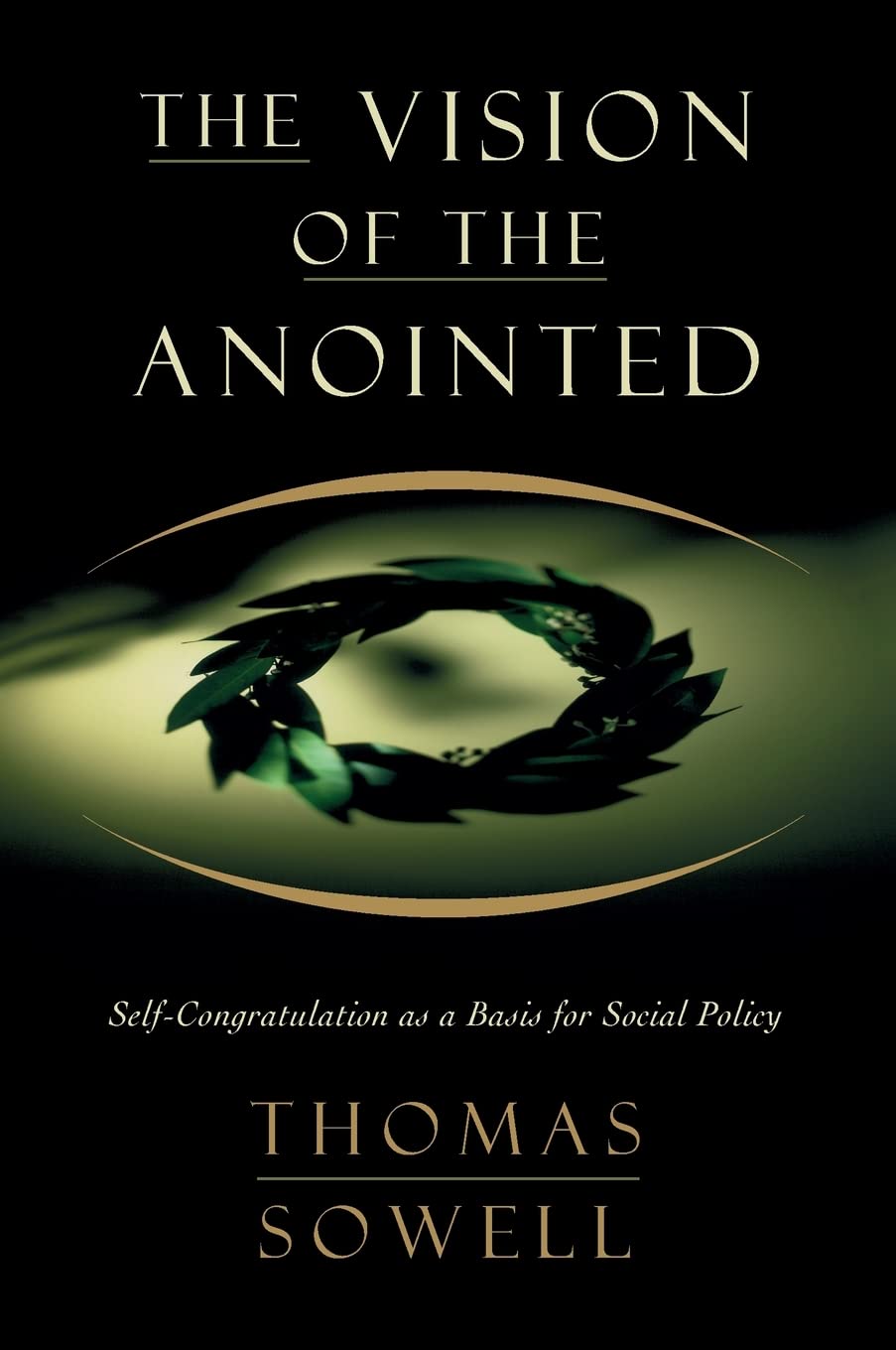
Kirk strongly recommended Thomas Sowell's book "Discrimination and Disparities" as required reading. According to Kirk, Sowell presents hundreds of alternative explanations for disparities across different groups that don't rely on discrimination as the primary cause. This framework, Kirk suggested, is essential for understanding complex social outcomes.
To further illustrate his point, Kirk used another example: Oprah Winfrey, who has a house nearby, would certainly be able to secure the best legal representation if she committed a crime. This example reinforced his argument that outcomes are more closely tied to income and resources than to skin color alone.
The Father Factor Transcends Race
Kirk then shifted the discussion to what he considers a more significant factor: family structure, particularly the presence of fathers in the home. He cited what he described as massive macroeconomic studies showing that a black child with both a mother and father present has a higher chance of success across all objective measures—including college attendance and lower likelihood of committing crimes—than a white child raised by a single mother.
According to Kirk, fatherhood transcends color lines. He pointed to research indicating that when black families have fathers present, the children not only succeed as much as their white counterparts but sometimes even more. This data, Kirk argued, demonstrates that family structure is a more powerful predictor of outcomes than race.
Choices Over Color
Kirk concluded by reiterating that disparities are better explained by factors such as income, quality of legal representation, and family choices—particularly whether there is a father in the home—rather than by skin color or systemic racism. He thanked the student for asking the question and for being willing to engage with differing ideas.