
Up Next

Charlie Kirk at 18 Launches Turning Point USA to Combat Generational Theft and National Debt
4:21

Charlie Kirk Defends the Nuclear Family and Rejects Scandinavian Social Welfare Models in Spirited Debate
2:13

Charlie Kirk Exposes Paul Krugman's Economic Falsehoods Being Taught in American High Schools
5:53
Related Books
Browse Conservative Books








Charlie Kirk's First Break: How Breitbart Launched His Journey Fighting the Culture War in High School
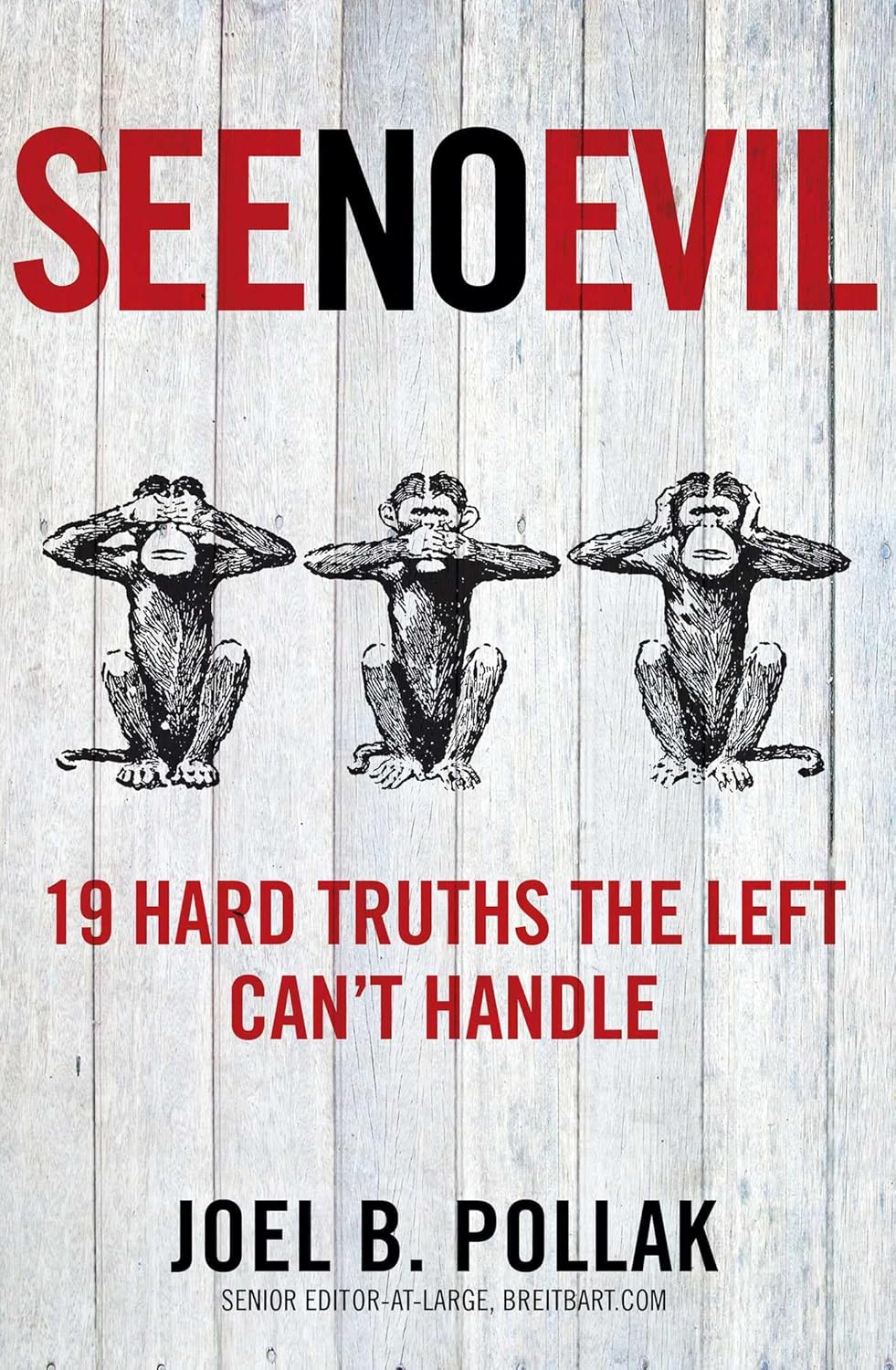
Charlie Kirk shares the origin story of his entry into political activism, which began when he challenged a false claim in his high school AP Economics textbook authored by Paul Krugman. After discovering that the textbook incorrectly stated Reagan's tax cuts didn't accelerate economic growth, Kirk wrote a response that caught the attention of Breitbart's Joel Pollak. The article went viral, got featured on Drudge Report, and led to Kirk's first Fox News appearance while still in high school. Though he never met Andrew Breitbart personally, Kirk explains how Breitbart's confrontational tactics and understanding that you must fight for every inch of ground against the liberal establishment have shaped his own approach to activism and cultural engagement.
A High School Discovery That Changed Everything
Charlie Kirk's journey into political activism began in an unexpected place: his high school AP Economics classroom. While flipping through his textbook, authored by Paul Krugman, Kirk encountered what he identified as a blatant falsehood. The textbook claimed that the tax cuts implemented by President Reagan did not accelerate economic growth—a statement Kirk recognized as contrary to both historical record and available data.
Rather than simply accepting what was written in his assigned textbook, Kirk decided to take action. He wrote up a response to this claim and began circulating it around. His writing caught the attention of Joel Pollak, who was in leadership at Breitbart.com at the time. Pollak reached out to Kirk with an unexpected opportunity: why not publish the piece on Breitbart?
Kirk, still in high school at the time, took up the offer. The article was published and the response was immediate and overwhelming—it went totally viral, getting rewritten all over the internet and even featured on the Drudge Report.
From Viral Article to National Platform
The success of that first Breitbart article opened doors Kirk never anticipated. Following the viral response, he received an invitation to appear on Fox News for the first time—while still a high school student. This early media exposure planted a seed: perhaps something significant could be started from nothing. Breitbart had given him the opportunity to get involved and engaged in the culture war, and Kirk was ready to seize it.
Never Meeting Andrew, But Knowing Him Anyway
Kirk never had the opportunity to meet Andrew Breitbart personally or work directly with him. In a tragic coincidence of timing, Andrew Breitbart passed away right around the time Kirk was entering the movement—within about a 30-day period. Despite never meeting him, Kirk feels as though he knows Breitbart intimately through reading all of his work and watching his videos.
What emerges from those materials, according to Kirk, is a gregarious, larger-than-life figure whose tactics have profoundly influenced Kirk's own approach to activism. Breitbart's strategy of going straight into the liberal mob and confronting them directly is something Kirk loves to do. The technique of allowing the extremism, radicalism, and incoherence of the opposition to speak for itself is something Andrew specialized in and Kirk has adopted.
The Power of Simple Questions
Kirk's favorite Andrew Breitbart video exemplifies this confrontational approach perfectly. In the footage, Breitbart walks directly into a protest mob in Chicago and approaches individual protesters with a simple question: "What does your sign say?" The protesters, caught off guard, often don't even know what their own signs say. This simple tactic—asking people to explain their own stated positions—reveals the lack of genuine understanding or conviction behind much activist theater.
Kirk describes this as a fun little tool and tactic that activists can use to expose the shallow foundations of opposition movements. By simply asking people to articulate what they claim to believe, the incoherence often becomes immediately apparent.
Fighting for a Country Under Threat
While Kirk admires and employs Breitbart's confrontational tactics, he feels compelled to fight in a different way and for different stakes. Kirk expresses a deep concern that America is losing its identity and values to forces from within. This internal threat to the country's character and institutions motivates him to do everything he possibly can to fight back.
What Kirk loves about what Breitbart does—referring to the news site that carries Andrew's name—is that they understand a fundamental truth about political and cultural warfare: you have to fight for every inch of ground. The opposition isn't going to voluntarily give the country back. Every bit of cultural territory, every institution, every norm and value must be actively defended and fought for.
This understanding shapes Kirk's approach to activism and explains the intensity and persistence that characterizes his work. From that first high school article challenging a false claim in a textbook to building a national movement, Kirk's journey reflects the Breitbart ethos: never surrender, always confront, and make them defend their positions in the open.
Video Transcript
[00:00] well it was actually breitbart.com that
[00:02] gave me the first opportunity to get
[00:04] into fight so I was a senior in high
[00:06] school and I was flipping through my AP
[00:11] economics textbook has anyone used the
[00:14] Krugman economics textbook still does
[00:16] anyone still use that yeah so I'm one of
[00:19] the pages you'll see it there's just a
[00:21] flat-out falsehood that it says the tax
[00:24] cuts put forth by Reagan did not
[00:26] accelerate economic growth
[00:28] it's just adverse to history and data
[00:30] and so I kind of wrote up a response to
[00:33] this and I started circulating it around
[00:35] and a guy named Joel Pollock found it
[00:37] who is in leadership at breitbart.com
[00:39] and he said hey Charlie why don't you
[00:41] you write this up and I said really is
[00:43] okay I was in high school at the time
[00:45] and wrote up the article and Breitbart
[00:48] was the only website that took it
[00:50] seriously and went totally viral it got
[00:52] rewritten all over the Internet I think
[00:54] it got drudged actually which was pretty
[00:56] cool
[00:56] and then from there I got on Fox News
[00:58] for the first time when I was in high
[01:00] school and then it kind of fell into
[01:02] this whole idea that maybe there is
[01:04] something that can be started from
[01:05] nothing and so Breitbart gave me that
[01:07] opportunity to get involved and get
[01:09] engaged in the culture war now mind you
[01:11] I never met Andrew Breitbart I never had
[01:13] the opportunity to work with him I'm
[01:15] actually right when he tragically passed
[01:18] aways right when I got into the movement
[01:20] it was almost within a 30-day time
[01:22] period and but I feel as if I know him
[01:26] just from reading all of his work and
[01:28] watching his videos it's a guy that you
[01:30] could see his gregarious
[01:31] larger-than-life
[01:32] and a lot of his tactics of going
[01:35] straight into the liberal mob and
[01:37] confronting them is something I love to
[01:39] do as many as you know and allowing
[01:43] their extremism and their radicalism and
[01:45] their incoherence to be shown is
[01:47] something Andrew specialized in and my
[01:49] favorite Andrew bright right our video
[01:51] ever is when he went out to the syllable
[01:53] mob in Chicago and he went up to me said
[01:55] what is your sign say what is your sign
[01:57] say they don't even know what their sign
[01:59] that's a fun little you know tool and
[02:01] tactic to use but I'm compelled to fight
[02:04] like Andrew Breitbart in a different way
[02:05] which is I mean I feel like we're losing
[02:07] our country to forces from within and
[02:10] I wonder do everything I possibly can to
[02:12] fight what I love about what Breitbart
[02:14] does you know the news the news site is
[02:17] that you understand that you have to
[02:18] fight for every inch you just gets
[02:20] they're not going to give the country
[02:20] back to





Comments
Be the first to comment on this video.