Charlie Kirk Defends the Nuclear Family and Rejects Scandinavian Social Welfare Models in Spirited Debate
Enjoying this? Share it with someone who needs to see it.
Up Next
Charlie Kirk Confronts Democratic Socialism: The 100 Million Dead Bernie Sanders Won't Mention
2:18
Charlie Kirk Rallies Arizona Crowd After RFK Jr Endorsement of Donald Trump
17:45
Charlie Kirk Warns This Election Decides Whether America Survives as We Know It
4:16
Charlie Kirk Defends the Nuclear Family and Rejects Scandinavian Social Welfare Models in Spirited Debate
Charlie Kirk makes the case for the nuclear family as one of history's greatest institutions while pushing back against Scandinavian-style social welfare programs. In this exchange, Kirk argues that countries like Norway, Sweden, Finland, and Denmark can only afford generous welfare systems due to their small populations, but he fundamentally rejects this model regardless of size. Kirk connects the deterioration of the nuclear family to rising poverty, suicide rates, and drug usage in the West, while his debate opponent challenges these assumptions. The conversation touches on Sweden's high single motherhood rate, the proper role of families versus government programs, and invokes leaders like Winston Churchill, Ronald Reagan, and Margaret Thatcher as examples of those who championed freedom and prosperity. Kirk insists that welfare should be the responsibility of families, churches, and local communities, not centralized government programs.
The Scandinavian Model: Small Populations, Big Problems
Charlie Kirk addresses the common comparison to Scandinavian countries, acknowledging that Norway, Sweden, Finland, and Denmark have generous social welfare programs. However, he attributes their ability to fund these systems primarily to their small populations of around eight million people each. More importantly, Kirk makes clear that he fundamentally rejects social welfare programs regardless of their affordability or the size of the nation implementing them.
Kirk argues that social welfare is not the proper role of government. Instead, he insists this responsibility should rest with families, churches, and local communities. This represents a core philosophical difference about the role of centralized government versus traditional community structures in caring for those in need.
Sweden's Single Motherhood Crisis
To illustrate the problems with the Scandinavian model, Kirk points to a specific statistic: Sweden has the highest single motherhood rate in Europe. He frames this not as a neutral demographic fact but as a significant problem, directly connecting it to his beliefs about family structure.
Kirk emphasizes his conviction that the nuclear family is an ideal that should be presumed and protected. He describes the nuclear family as "one of the greatest institutions in the history of the world," elevating it to a status of fundamental importance beyond mere social preference.
The Nuclear Family Debate
During the exchange, Kirk's debate opponent appears to challenge or question his positions, leading Kirk to reframe his arguments. He seeks common ground by asking whether his opponent agrees that families staying together is generally a good thing. While acknowledging that exceptions exist, Kirk maintains that the nuclear family should be preserved and protected as a general principle.
The conversation becomes somewhat fragmented, but Kirk's central thesis remains clear: he is arguing for a restoration of the nuclear family as a societal priority. He connects this restoration directly to broader social outcomes.
Family Deterioration and Social Decline
Kirk draws a direct correlation between the deterioration of the nuclear family and negative social outcomes in Western societies. He argues that as the family unit has weakened, the West has experienced deeper poverty, higher suicide rates, and increased drug usage. This represents his view that family breakdown is not merely a private matter but has profound public consequences.
This argument positions the nuclear family not just as a traditional value worth preserving for its own sake, but as a practical necessity for maintaining social health and preventing broader civilizational decline.
Champions of Freedom and Prosperity
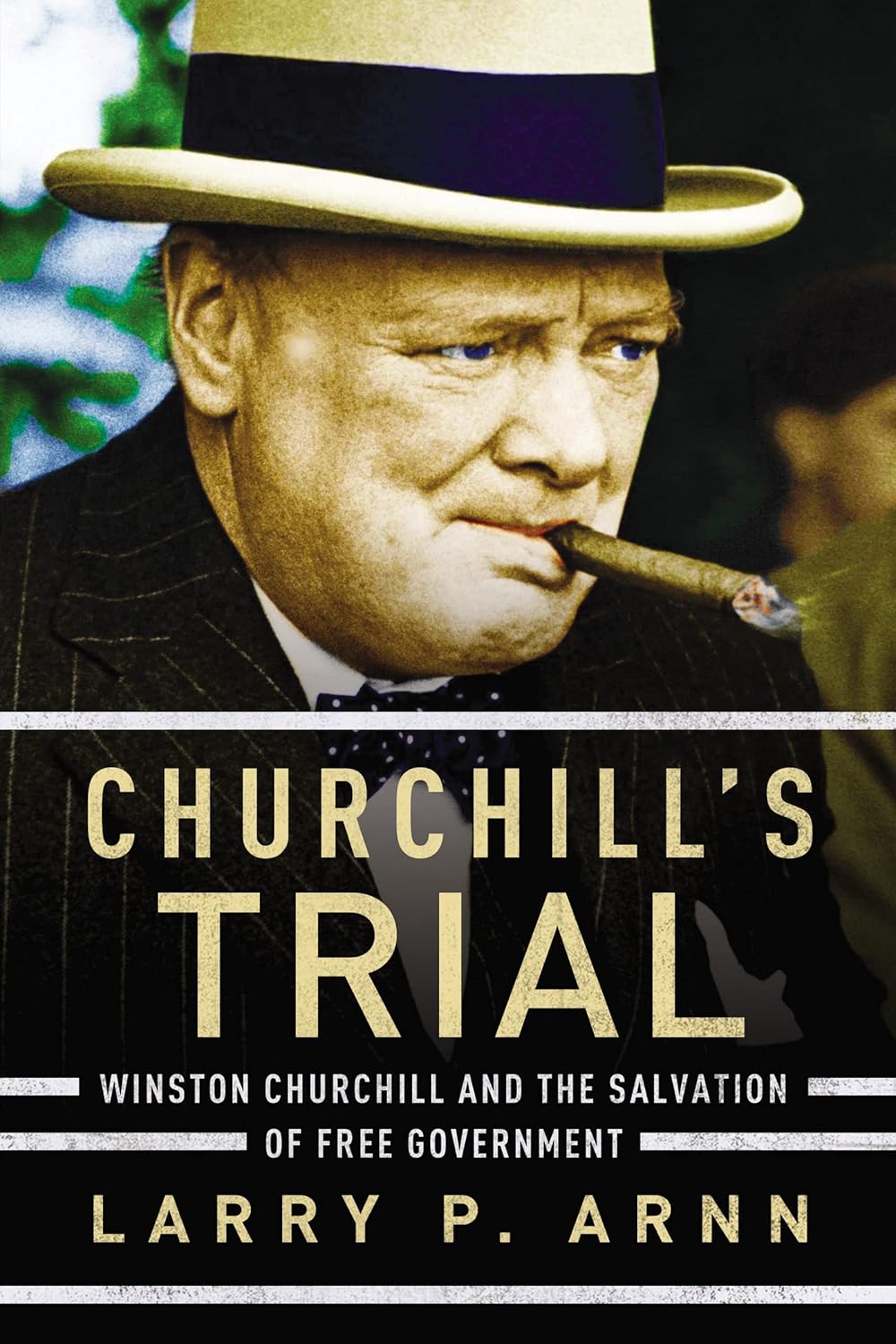
Kirk concludes by invoking three major conservative political figures as exemplars of proper leadership: Winston Churchill, whom he calls "the greatest man to live in the 20th century," Ronald Reagan, who he places "right behind" Churchill, and Margaret Thatcher. He connects these leaders to the broader point that their leadership enabled people to live "freer, more prosperous lives."
The implication is that these leaders understood and championed the principles Kirk is defending—including traditional family structures and limited government intervention in social welfare—and that their approach produced better outcomes than the Scandinavian model he rejects.