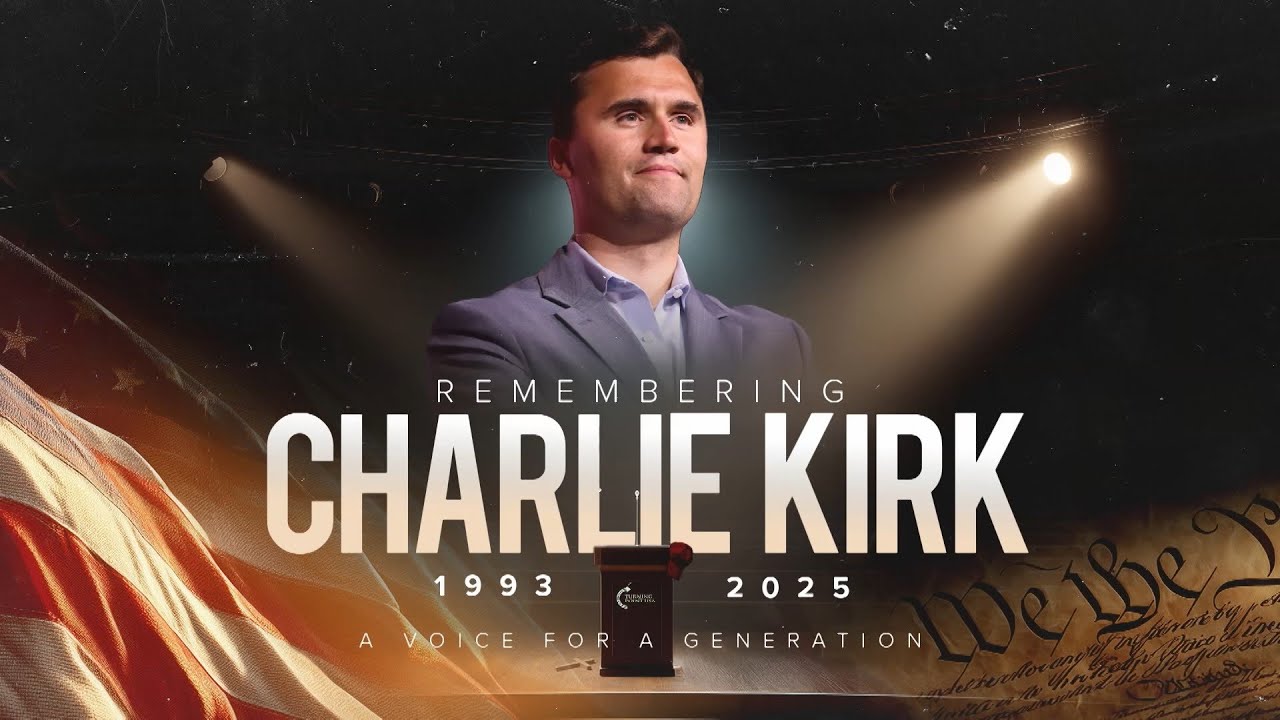
Charlie Kirk's Love for Israel, the Sabbath, and Fighting Marxism-Jihadism Alliance Explored by Isa and Malka Fleischer
Enjoying this? Share it with someone who needs to see it.
Up Next
Erika Kirk Opens Up About Life After Charlie Kirk's Death and Turning Point USA's Future
1:06:11
Charlie Kirk Reflects on Faith, Courage, and Defending Biblical Truth in Public Life
13:23
Remembering Charlie Kirk: Faith Leaders Honor a Christian Voice Silenced by Violence on Campus
54:23
Charlie Kirk's Love for Israel, the Sabbath, and Fighting Marxism-Jihadism Alliance Explored by Isa and Malka Fleischer
Isa and co-host Malka Fleischer examine Charlie Kirk's profound connection to Israel as the Holy Land, his groundbreaking commitment to keeping a Jewish Sabbath from Friday night to Saturday night, and his warnings about the dangerous alliance between wokeism and jihadism. Kirk visited Israel twice, calling them the greatest trips of his life, and kept Shabbat weekly to combat digital addiction. His upcoming posthumous book, "Stop in the Name of God," champions the Sabbath as essential for modern life. Kirk's murder represents an attack on faith-based, clear-thinking America, but his legacy inspires thousands to reclaim biblical values and digital detox.
Charlie Kirk's Deep Connection to Israel and the Holy Land
Isa and Malka Fleischer open their discussion by addressing the difficult week following Charlie Kirk's murder, emphasizing that while it appeared to be filled with tragedy, they maintain faith that God has a larger vision. They turn their attention to examining Kirk's passionate advocacy for Israel and the causes he championed.
Kirk declared unequivocally that "the greatest trip I ever took was to Israel, and the second greatest trip I ever took was to Israel." He described himself as a huge supporter of the Holy Land, specifically naming Judea and Samaria, and stood firmly against terrorist organizations including Hezbollah and the Palestinian Authority. Isa points out that Kirk's use of the term "Holy Land" rather than just "Israel" reveals his deep biblical connection to the land.
Kirk spoke extensively at college campuses across America, from Stanford and Berkeley to Brown, UCLA, University of Texas, and University of Michigan. During these appearances, he confronted young Christians who believed Israel was an oppressive apartheid state. Kirk made it his mission to communicate the geopolitical significance of Israel and why the world is a better place because of the Jewish state.
Israel as the Biblical Homeland, Not Just a Startup Nation
Isa emphasizes that Kirk connected to Israel primarily through its biblical significance. The Israeli government, Isa notes, has been comfortable portraying Israel as the "startup nation," a post-Holocaust state, or a scrappy democratic outpost with innovative military technology. While these aspects are true and admirable, Isa argues the real question is: why are we doing all this here? The answer lies in Israel being the Jewish homeland because God told the children of Israel this is where they should be.
Kirk understood this biblical foundation deeply. He was well-versed in Torah and the Bible, and despite his high intellect, he was not a complicated person. Kirk knew who he was, what he believed, understood right from wrong, and refused to be confused. His mission was to share that clarity with students who had been warped by a modernity that tries to distort everything through smoke and mirrors and rhetoric.
During his visit to Hebron, Kirk observed a road sign with arrows pointing different directions. When he asked his driver what it meant, he learned that turning right into Palestinian Authority-controlled territories meant certain death for Christians, Westerners, or Jews. Meanwhile, Arabs entering Israeli-occupied areas receive benefits and voting rights. This stark contrast illustrated for Kirk the fundamental difference between Israeli democracy and Palestinian Authority oppression.
Kirk's Experience in Hebron and Biblical Sites
Isa recounts having the honor of hosting Kirk in Hebron at the Tomb of the Patriarchs, though he credits his friend Matan Pelle with bringing Kirk to Israel and Judea and Samaria. The photograph of Kirk at the tomb went viral, symbolizing his deep engagement with biblical history.
Kirk had a memorable quote that Isa suggests should be made into a shirt: when you go to the land of Israel, it "demystifies" or "de-mythologizes" the Bible. It makes the Bible real. This was something Kirk felt very strongly about.
Importantly, Kirk did not agree with everything the State of Israel did. He would separate criticism of Israeli policy from support for Israel's existence and biblical mandate. As Isa emphasizes, supporting Israel does not mean being lobotomized or blindly following every policy. Israel is a democracy with different viewpoints, and criticizing Israel is not inherently anti-Israel, though sometimes criticism crosses that line. Kirk maintained his emphatically pro-Israel stance while reserving the right to question specific policies, particularly regarding U.S. involvement in Israeli military actions.
The Revolutionary Practice of Taking a Jewish Sabbath
Kirk's commitment to Shabbat represents one of his most significant legacies. In July of the previous year, while traveling extensively across the country, Kirk became stressed and worn down. A pastor friend convicted him that he needed to take a Sabbath. Kirk initially dismissed it, thinking Christians aren't bound by that commandment, but ultimately embraced the practice.
Every Friday night to Saturday night, Kirk took a Jewish Sabbath. He turned off his phone completely, making himself unreachable to the world and receiving nothing from the world. He acknowledged this practice wasn't a requirement for Christians but insisted it would make anyone's life better. Kirk noted there's theological debate about whether Christians are bound to the Sabbath since God rested after creation, predating the law.
When Kirk woke up Saturday night and opened his phone to find 600-900 messages waiting, he recognized those 24-25 hours as the best of his week. He believed that if every young person took a legitimate Sabbath from Friday night to Saturday night, anxiety and depression would decrease dramatically, people would spend time with those they care about, and meaningful conversations would happen. The only exception Kirk allowed was genuine emergencies, noting that if emergencies happen every week, there are other problems to address.
Kirk's Upcoming Posthumous Book on the Sabbath
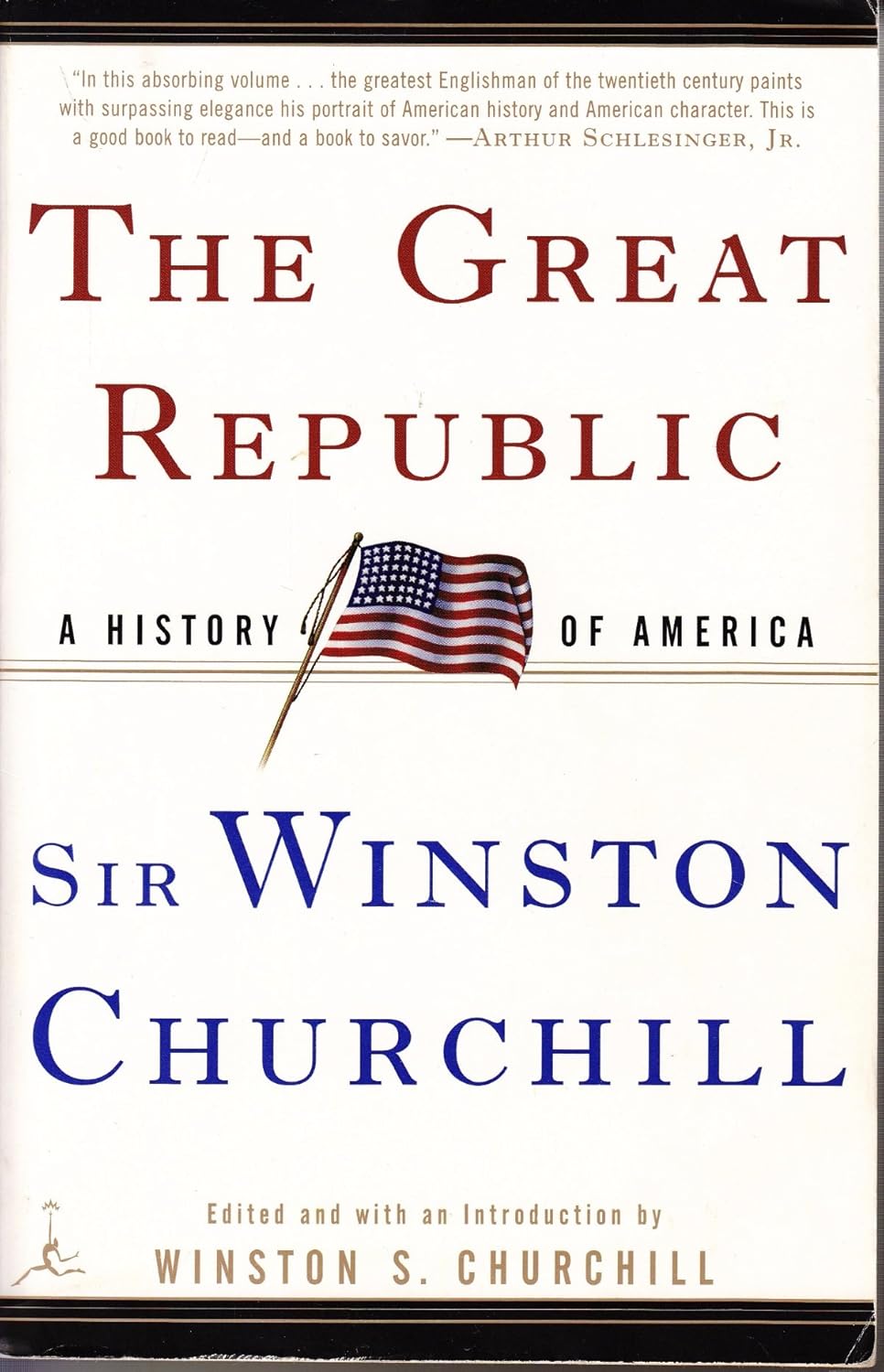
Kirk's upcoming book, "Stop in the Name of God: Why Honoring the Sabbath Will Transform Your Life," will be published posthumously. The title itself, playing on "stop in the name of love," captures Kirk's creative and compelling communication style.
Malka Fleischer expresses amazement at how Kirk, coming from outside the Jewish tradition, opened eyes to the Sabbath in ways that even Jews carrying this information for 2,000 years sometimes struggle to do. She notes that Kirk specifically called it the "Jewish Sabbath," not just "a Sabbath" or Sunday rest. When she first heard Kirk kept Shabbat, she assumed it meant Sunday, but learned he observed Friday night to Saturday night.
Kirk understood he could benefit from the principle of Shabbat without being obligated to all the specific nuances that Jewish law requires. He grasped that Shabbat has sustained the Jewish people personally, communally, and spiritually throughout history, and that he could glean from this practice.
Jews Inspired by Kirk to Keep Shabbat
Following Kirk's murder, Malka observed an extraordinary phenomenon on Twitter. Secular Jews who don't typically keep Shabbat declared they would start keeping Shabbat because of Kirk's dedication to it. This represents an incredible merit for Kirk—that his appreciation for Jewish heritage caused Jewish people to reappreciate what they had been given.
Beyond the thousands of non-Jews who will likely adopt Sabbath practice, Kirk enabled people to understand what it means to do a digital detox: sitting with uninterrupted eye contact with family, reading an actual book with pages, taking walks outside, thinking uninterrupted thoughts. Malka finds it mindblowingly beautiful that Kirk's discovery and adoption of Shabbat created this ripple effect.
She reflects that while Kirk's loss is profound and he had so much more to do, God works mysteriously. God knew Kirk wanted to serve Him and is using him to maximum effect. The world needs digital detox more than ever, and Shabbat addresses this societal need. As one person commented, they "slid into Shabbat this week as though sliding into home base," expressing gratitude for its refuge.
The Twin Threats of Marxism and Jihadism
Kirk warned repeatedly about what he saw as a battle coming to the West, with enemies being wokeism (or Marxism) combining with Islamism to attack the American way of life. Kirk defined the American way of life simply: being able to marry, buy a home, have children who can ride bikes until sundown, send kids to good schools, live in low-crime neighborhoods, and not have children taught "lesbian, gay, transgender garbage" in schools or hear the Muslim call to prayer five times daily.
Kirk attributed the American way of life to Christendom, arguing that Christian sacrifice, toil, and vision—the outgrowth of scripture—gave us Western civilization. He saw this as a rallying cry for everyone regardless of ethnicity: if Jesus Christ is your Lord and Savior, these two threats are combining to come after Christians, and it's time for the church to stand and rise up.
Isa clarifies his position from Israel: while he cannot promote Christianity and believes Torah represents a more authentic way to serve God, he completely agrees about the twin threats. These threats exist throughout the world, endangering any strong identity in Europe, the United States, and Israel. The twin threat is Marxism/wokeism combined with jihadism.
How Wokeism Prepares the Ground for Jihadism
Isa explains the mechanism of this two-step process. First, wokeism undermines fundamental pillars of identity:
It tells people their history is bad, painting them as colonialist and apartheid
It undermines family by introducing alternative relationship systems and equating them all
It erases security forces, weakening the army and defunding police
It undermines religion
When religion, family, security, and history—the bulwarks of identity—are all undermined, people become "jello people" with no identity or connection to societal missions. They're detached from everything, left to themselves in selfishness.
Then comes the second step: jihadism clamps down on this weakened, identity-less population. Suddenly people are grateful that jihad gives them purpose and identity. They understand their domestic role, their mission, their conquest. This is why Marxism/wokeism works together with jihadism, even though jihadism opposes LGBT ideology. It's a sequential process: first progressivism weakens everything, then jihadism provides authoritarian structure.
This explains phenomena happening across the United Kingdom, France, Norway, and Ireland. It's not simply immigrants seeking rights and equality—it represents an intentional effort where flags fly everywhere, calls to prayer sound constantly, and original indigenous cultures feel threatened with extinction as their cultural integrity cannot stand up to what appears to be a deliberate onslaught.
Kirk's Solutions: Identity, Strength, and Legal Pushback
Kirk spoke the solution from his American Christian identity, while Isa speaks it from his Israeli Jewish identity. For Isa, the answer is a strong Israel, a strong Jewish country that pushes back on wokeism (which undermines biblical values) and Islamism (a supremacist religion trying to erase Israel, Judaism, and Christianity).
Kirk would agree that each must speak from their own perspective—he as an American, Isa as an Israeli. But they agree on both diagnosis and prognosis. The diagnosis: these forces want to destroy their respective nations. The prognosis: they must fight this disease by strengthening identity and recognizing what these movements are doing.
This fight includes legal measures—making certain things illegal, such as not allowing mosques and muezzins to blare calls to prayer at 5:00 AM in New York City or Israel, which represents a form of cultural takeover.
Kirk as Representing Faith-Based, Clear-Thinking America
Malka reflects that Kirk represented a strong, levelheaded, proud, faith-based America. The attack on him was an attack on that kind of America. She hopes it serves as a wake-up call.
As a proud Israeli who believes in her country, Malka notes that those who read the Bible know how Israel's story ends, despite ups and downs. But America's ending is unknown, making it crucial for Americans to be vigilant in shaping their country. Kirk was an America First person who understood his country's special nature and knew that keeping it special required dedicating himself to the moral and intellectual clarity of young people, which he did with incredible passion.
While his loss is a pity, Malka hopes more people will rise up to help America remain strong and clear, going in the right direction. She believes this is good for the world and extends condolences to the Kirk family and all of America on this horrible loss.
Kirk's Legacy and the Call to Action
The hosts note that Kirk's murder has sparked a big awakening to the Sabbath, with many people committing to keep it for the first time in his memory. They hope other great values Kirk championed will also come to the forefront of public discussion.
Isa encourages viewers to listen to Kirk's advice: start keeping Sabbath, take a break, take a digital detox, and turn life toward God on the Sabbath. He even gives permission to take a break from his own show on Sabbath. His three pieces of advice for getting closer to Israel, Jerusalem, and holiness are:
Face Jerusalem
Drink wine from the land of Israel or eat something else from Israel
Start keeping the Sabbath
If the nations are taking upon themselves the Sabbath, Isa challenges Jews to make their Sabbath even holier and more meaningful. He encourages staying connected, noting they're broadcasting from the good land, the land of Israel, and that defeating bad guys includes holy laughter, because the bad guys hate when people laugh.
Kirk's life reminds us that one person dedicated to moral clarity, biblical values, and refusing confusion can impact thousands. His visits to Israel, his Sabbath practice, and his warnings about ideological threats created ripples that continue expanding. As his book releases and his message spreads, Kirk's legacy of faith, clarity, and conviction will inspire new generations to reclaim what matters most.
Video Transcript
Let's welcome one of our most favorite guests who has not been on for a while and that is co-hostess co-show hostess
with the mostess Maka Fleer. Maka shalo. Hi Isa. It's good to be back.
Thank you very much for joining us Mala. Uh Maka last week not an easy week. Not
an easy week. Rough rough ups and downs. Gosh. And a lot of downs. a lot of uh
what what on the face of it would seem like downs, but of course we know better that the Lord he's got a vision. Let's
uh let's let's talk a little bit about Charlie Kirk uh and about uh the stuff
that he was fighting because the stuff that he was fighting was a lot of the stuff that we were fighting. Let's uh let's play a few videos. You know, I I
did a show immediately after the after the heinous murder. Uh and in that show, I covered a lot of his pro-Israel
remarks, but you know what? A lot of other remarks have surfaced or have been kind of brought to the surface. In any
case, let's show a few of them. Okay, Mala. Great. Here we go.
Trip I ever took was to Israel. And the second greatest trip I ever took was to Israel. Nobody been there twice. I'm a
huge supporter of the Holy Land of Judea and Samaria and up against the terrorist organizations Hezbollah and the
Palestinian Authority. College campuses and I've spoke all I've spoke at more college campuses than any Christian conservative in the last couple years.
Stanford, Berkeley, Brown, UCLA, University of Texas, University of Michigan, Michigan State
University, you name it, I've probably spoken at it. Major universities or states all across the country from Montana State to Maine. And I am
confronted many times by young Christians that believe that Israel is an oppressive apartheid state that
basically should not exist in its current form. And so I I am here to clearly communicate to you that we have
to do a much better job of of communicating um of conveying I should say the geopolitical significance of the
state of Israel. Um the the world's a better place because of the state of Israel. We have all three monotheistic
religions represented in the Israeli Knesset and the Israeli Supreme Court. Uh Israel actually expresses freedom of
religion. I'll never forget when I was driving down to Hebrron last year and you're driving down south from Jerusalem
and there was this sign and and I don't speak and I don't speak Arabic nor do I speak Hebrew. So I turned to my driver I
said what does that sign say? There was no English translation and there was a arrow in the middle and an arrow to the right arrow to the left and the arrows
to the right and left were red and the arrow in the middle was black or some other um uh not a warning color. And so
I said, "What does that mean?" They said, "Well, if we turn right, you'll die." "What do you mean you'll die?" Well, if you turn right, you go into the
Palestinian Authority controlled territories, and as a Christian, a Westerner, or a Jew, they'll kill you. It's like, well, what kind of ridiculous
stubble standard here? If Arabs come into the Israeli occupied areas, they're given benefits and rights to vote. You
go into the Palestinian Authority areas, Palestinian Authority controlled areas, get your head cut off. That was a really
interesting moment. I just want to kind of start it from the beginning just for a second. Just listen to this just this this quick part that
he says in succession. The greatest trip I ever took was to Israel. And the second greatest trip I ever took was to Israel. And I've only
been there twice. I'm a huge supporter of the Holy Land of Judea and Samaria and up against the terrorist
organizations Hezbollah and the Palestinian Authority College. Okay. So there you go. Uh I am for
Israel. I'm for the Holy Land. And and I think the reason he says I'm for the holy land is because the holy land uh is
really the aspect that he connected to. And this is something that we keep trying to talk to our leaders about. The
reason that he says holy land and Judea and Samaria is because he identifies Judea and Samaria as the place of the Bible.
Right? This is this is what he connected to. He connected to the biblical aspect and our beloved state of Israel has really not
done enough to promote the idea that I know this is going to sound crazy that
Israel is the holy land, right? I mean, Israel feels very comfortable, we've said this before on
the show, right? But Israel feels very comfortable portraying itself as the startup nation um as a postholocaust
nation, as a scrappy outpost for democracy in the Middle East that will
use its like incredibly innovative military technology to zap bad guys in
the region. And all those things are true and they are all amazing things about Israel and are all things that I'm
really proud of of Israel. But the real question is why are we doing all that
here? Why are we here? How did we get to this place on earth? And the reason is
because this is the Jewish homeland. And this how did this become the Jewish
homeland? It became the Jewish homeland because the God of Israel told the
children of Israel that this is the place that he wants us to be and invest in and grow and develop and and
satellite out to the world from. Um and Charlie understood that very well. Um a
person who was very versed in um the Bible um in our Torah and and he um
believed, you know what I mean? It was it was he was obviously a man with a very high intellect, but in a certain
sense he was not a complicated person. He was a person who knew who he was,
knew what he believed in, knew the difference between right and wrong, and refused to be confused. Um, and wanted
to take that lack of confusion in a world that is trying to smoke and
mirrors you all the time and like out rhetoric you all the time. He was trying to take that energy out to students who
have been so warped and brainwashed by a modernity which wants to uh distort and
confuse everything. That was like his life's mission and and um yeah and
that's that's what he died for. But back to back to specific issue of Israel. uh he he he really connected
with the idea. He he kept going back and even in some of his last interviews
where he had some issues with the state of Israel, he never ever backtracked or never ever questioned the issue of the
holy land of the land of the Bible. This is where the Bible happened. And when you and he he had this great line that I
think we should make a shirt out of Mala which is he said when you go to the land of Israel it demystifies or dethizes the
Bible. It makes the Bible real. Uh and he really he really felt that very strongly. He didn't by the way agree
with everything that the state of Israel and he would separate those things. He said well you know state of Israel don't agree with everything state of
Israel does exactly it's we're not we're not here to worship the state of Israel. The state of Israel is
not an infallible deity. It is a group of Jews getting together trying to make
the thing that they think God wants them to make um and make it as successfully as possible. Um and we're here to try to
develop it as best as we can. Criticizing Israel is not being anti-Israel, but sometimes it is right.
Sometimes the criticism of Israel gets into a place where it's no longer criticism, it's just anti-Israeleness.
But but so Charlie would sometimes have critiques of what was going on in Israel or whether the United States should
involve itself in Israeli military actions in the reg region and things like that. But there was never a
question that he was emphatically emphatically in favor of the Jewish
state on the land of Israel. That's right. That's right. And and that and the promotion of Israel as the land
of the Bible. And I have to tell you that working with the Israeli government, I'm sensing more and more
that they're starting to get it that what talks to people of the Bible is that Israel is the land of the Bible. So
when you when you when you when you bring Bible people, God bless Tel Aviv,
that beloved and wonderful city that I feel close to and and and and will only blessing and and love to go to, etc.,
etc. But that is not the heart of what people that love the Bible feel about the land of Israel. It's about the Bible
and the stories of the Bible. And that's why, by the way, I had the great honor and pleasure of bringing Charlie Kirk to
Hebrron. Uh, more correct, I hosting him in Hebron. That's more correct. Uh, because my good friend Matan Pelle
is the one who brought him to the land of Israel and to Judea and Samaria. And I had the pleasure of of of hosting him
uh at uh the tomb of the patriarchs, the matrix. That picture of him at the tomb there and at the tomb there went viral.
Uh, and I'm very proud of that. But like, you know, there are some people who are like, "Wait a minute. He had issues with Israel."
Whoopdedoo. Good morning. Yeah, we have some issues with Israel. Watch the show here. Watch the show.
Watch my stuff about Netanyahu. Plenty of critiques. Woo. What do you think? They're like being pro-Israel means
being lobbomized and like going in line with the state of with every policy of the state of Israel. Come on. We're I
don't usually talk about this, but we're a democracy. we have different like you know viewpoints about how Israel policy
should be and I'm certainly not in agreement all the time with our state and Netanyahu etc. And I think Charlie had absolutely absolutely you know good
points. I didn't agree with everything uh and uh okay but the point is one thing I definitely agree with is his
interest and love of the Bible. Now his interest and love of the Bible Mala also
brought him to another consciousness which is very important which I think in many ways is uh
is is is one of the great issues of our time which is the issue of technology
and the need to power down step off ddigitalize
for a Sabbath and Charlie Kirk His upcoming book will be postumously
published will be uh sad to say will be about the Shabbat and the name of the
book is stop in the name of God as in like stop in the name of God instead of
love. Okay. And here is Charlie talking about uh the issue of Shabbat, the
Sabbath for the Jewish Sabbath as taken upon a non-Jew like Charlie Kirk. And
I'll say one of I mean I'm going to challenge you guys on one thing and uh I don't Alli, I don't know if you know this. Last July, um you know, I was
traveled all across the country last year. I was getting really stressed and just worn down. Typical stuff that happens on the road. And a pastor friend
of mine said, "Charlie, you got to take a Sabbath." And I was like, "Oh, we're not bound by that commandment, whatever." and he really convicted me.
So every Friday night I take a Jewish Sabbath, turn off my phone, Friday night to Saturday night, the world cannot
reach me and I get nothing from the world. It will bless you infinitely. Now I'm not saying you're bound by the law as a Christian. I'm not saying that
that's something you have to do. I'm saying it will make your life better. It was important enough that God put it as one of the ten commandments. And I will
say there's debate in some theological circles that we are bound to it because it predated the law. God rested after
creation. So I want you to think about that. So, Friday night to Saturday night, no one can reach me. And I wake up, you know, I
I wake up on Saturday night, I open up my phone, 600 text messages, 900, whatever. But it is the best 24 to 25
hours. And if every young person took a legitimate Sabbath from Friday night to Saturday night, I guarantee you anxiety
would go down, depression would go down, you'd actually spend time with people you care about, meaningful conversations
would happen. So, I challenge you if you incorporate that in your life, there's no negative. There is the only negative
would possibly be if you had to contact someone in an emergency. If it's an emergency, then fine. Open up your
phone. That's a separate conversation. Emergencies don't happen every week. And if they do, you got other problems, right? So, um, take the Sabbath, take it
seriously. And I think you should take a permanent Sabbath from TikTok, but you and I could talk about that at a different time. But I do want to say,
okay, Malaka, that was Charlie talking about Sabbath. And he had such a conviction that he wrote a book that
that's coming out just about the Sabbath. Sabbath for the nations. And a
lot of people this past Shabbat uh non-Jews or even Jews who hadn't done
it before took upon themselves a kind of Charlie Shabbat. Uh and um
and maybe in in many ways maybe this message
is is a resounding one, one that the world really needs to hear. What do you think about that?
Um, it is fascinating, Isa. You know, as a Jewish person to watch,
there's no question that that in the non-Jewish world, there's a connection to the Bible, a deep um very loyal
dedication to Bible values. But sometimes as a Jewish person knowing
that you've been carrying around this information, this data with you for
2,000 years in the diaspora, it sometimes feels to you like it is your
job to purvey the information. but every once in a while steps in someone from
the outside and is able to open the eyes of people in such a dramatic way that
you really have to be amazed that God has his his messengers across the
nations and around the world. Charlie Kirk and his Sabbath, notice he calls it
the Jewish Sabbath. I think it he mentioned it in the in this video, but I've certainly seen him say it in other
videos. He doesn't say, "I take a Sabbath." He says, "I take a Jewish Sabbath." When I first heard that he was
a Sabbathke keeper, I was like, "Oh, well, you know, Sunday." And and you told me you're like, "No, Friday night
to Saturday night." And and the fact that he understood that this was something that would benefit him. Um,
and that he on additionally understood on top of that that it would benefit him, but that he is not obligated to all
the various specific nuances that the Jewish people are obligated to. We have a a very lengthy series of directions
about how to yes and no do Shabbat and it's very extensive. Whereas he
understood that the principle of Shabbat was meant for him that he could learn
from the idea that taking a day of rest that something that has really sustained
the Jewish people throughout uh throughout all of our years. this
keeping of the Shabbat. It has sustained us in all a variety of ways. Whether it be just on the personal level like
Charlie is talking about, but certainly also on the community level and definitely on the spiritual level, it
has sustained us. He understands that this is something that he can glean from. And now I'm looking all over on
Friday, Isa, I was looking all over uh Twitter X. I still can't say X, but
anyway, I was looking all over X and I see Jews. Jews who were are consider
themselves secular who are not Sabbathke keepers who are saying on X I because of
Charlie and his dedication to the Sabbath I'm going to start keeping Shabbat now. Whoa. What a mindblower to
me. This is an incredible um merit for him that he was able to open the eyes. I
mean, not to mention the thousands upon thousands of Gentiles who will probably take upon themselves the Sabbath, um,
and really just like be so nurtured by it and start to understand what it means
to do a digital detox and to sit, you know, with uninterrupted eye contact in front of your family or to like actually
read a book that has pages or to take a walk outside or to think um, an
uninterrupted thought. the fact that he was able to make Jewish
people reappreciate the heritage that we were given because of his appreciation
of it and his like finding it and adopting into his life. I find that to be like a really mindblowingly beautiful
thing and I'm so um like happy and humbled for him like
happy for him, humbled um amazed um and I think that God works in mysterious
ways. Um and as much as I think that the loss of Charlie Cook Kirk, excuse me, is
a really profound loss and I think that he could have done so much more and he had so much more to do. I think that God
is also incredibly smart and he knew that this was a person who um wanted to
serve him in his life and he's using him to the max and I think that that's really really cool.
Okay. Uh Maka, absolutely. The world needs digital detox. Shabbat is something that we need more than ever
before. Charlie Kirk was saying to you, it's a it's a godly mandate, but it's
also a societal need today. It It's more needed than ever before. How funny is it
that in this modern time that we live in, we need Shabbat more than ever before. I know that I read uh Barry
Weiss on Twitter says, "Shabbat cannot come fast enough this week." And I like I slid into Shabbat this week as though
I was sliding into home base like, you know, and just made it in. And I was like, "Thank you." And yeah, I think
that I think that Charlie, one of Charlie Kirk's big legacies is Shabbat. It's really It's really
his book is going to come out. I mean, we haven't even hit the tip of the iceberg yet, right? I I I only like mourn inside that he
won't be there to discuss it out and discuss it out more and to go on.
Yeah, I would have I would have I would have had him on the show or he would have had me on his show. I mean, it would have been like it would have been pretty amazing. But as it is,
I think it still will be. And Isa, I didn't tell you, but as a little gift, I I went to Amazon and I pre-ordered that
book for you. Cool, dude. Thank you very much. Very nice. You're welcome. So, thank you. I appreciate I will enjoy
that. Thank you. That's very cool. That's very cool. Um AA sent a super chat and we love
super chats because it's a great way to hear your voice and support the show. He says, "How do you think Charlie Kirk
would debate Jimmy Carter who was also well-versed in the Bible?" Uh Jimmy Carter uh didn't understand the Bible.
Jimmy Carter did not understand you're supposed to bless the Jews. Jimmy Carter was the supporter of the jihad, Nazi,
Molech, Kamas, Amalikites. He was on the wrong side of the Bible. He didn't get
it. He was he was a replacement theology guy. He wanted to shrink Israel. He was
not a blesser of Israel. He simply misunderstood the Bible and got and had some very incorrect lessons. Charlie
Kirk would have made mincemeat out of him and and uh he was he was he was
using the Bible against itself. He saw the Bible he saw Israel in the dark light and not as uh Israel the the
nation that has challenges but overcomes in order to be the apples of God's eye. The apple of God's eye. Okay, Mala. Uh
one more video from Charlie. Uh but this one is different. Okay. Uh this one is about
uh we talked about the Shabbat. We we talked about his standing with Israel and rejecting the Palestinian Authority,
but this was a different issue that we uh uh are warning about all the time
here on our channel and our discussions. And that is the growing uh emergency
situation of the jihadist takeover uh and its complicity
with progressivism. the Red Green Alliance, the Progressive Jihad
Alliance. And Charlie was all over that. He was all over that. And he saw these
twin evils working seemingly at different intellectual spectrums and yet
actually having the same goal, which is to undermine civilization, to undermine
freedom, to sow discord, and to undermine uh uh heritage. the Bible and
uh the the biblical heritage, what some people call a term that I don't like so much, Judeo-Christian
values, but definitely biblical values. Here's Charlie Kirk warning the United States of those dangers.
Battle is coming to the West. And the enemies are wokeism or Marxism combining
with Islamism to go after what we call the American way of life. And the American way of life is very simple. I
want to be able to get married, buy a home, have kids, allow them to ride their bike till the sun goes down, send
them to a good school, have a low crime neighborhood, not to have my kid be taught the lesbian, gay, transgender
garbage in their school, while also
while also not having them have to hear the Muslim call to prayer five times a
day. That's important. We want the American way of life which
is by the way Christristendom. Christians our sacrifice our toil our
vision the outgrowth of the scriptures gave us western civilization. And this is where I think is a great rallying
cry. Doesn't matter if you're Hispanic. Doesn't matter if you're Asian. Doesn't matter if you're black or white.
Everybody, if you are Christian and Jesus Christ is your Lord and Savior, these two threats are combining forces
to come after us and it's time that the church stands and rises up against it.
Okay. So, on this show and from Israel, I have I cannot promote Christianity.
Uh, and I don't believe that that is the the ultimate way to serve God. And I think that the Torah is the more
authentic version of things. That's just the bottom line from this end. Uh but I do agree very much uh about the twin
threats which I think are twin threats throughout the world. Uh there are threat twin threats to any identity
today. Uh and that that twin threat is throughout Europe and throughout the United States. It's to Israel as well.
And it's Marxism woke wokeism together with jihadism. That part I can't
disagree on. Okay. the solution. He spoke it in his identity and I'll speak
it in my identity which is be a strong Israel, be a strong Jewish country, push
back on wokeism which undermines biblical values. Uh push back on Islamism which is a supremacist religion
which tries to erase Israel and Judaism. It tries to erase Christianity as well.
But I got to speak it from from my perspective. Uh and by the way, he would agree with me. He'd say, "I'm American.
You're Israeli. You got to speak it in your way." and but but we agree on the
uh the the diagnosis and the prognosis. Okay, the diagnosis is these two forces
want to destroy Israel. And the prognosis is that we have to we have to this disease is going to come to us, we
got to fight it and we got to strengthen it through identity and through also realizing what these guys are doing. And
if it's to fight them with the law, if it's to make things illegal, if to be like, "Yeah, do not have uh do not have
the uh uh do not have uh uh the the mosque and the muazine blare out at 5:00
a.m. in New York City or in Israel because that's their way of of taking over. We can't let that happen." Uh so
what do you think, Ma, about those twin uh challenges? I think that um I think that what you
know Charlie Kirk was a staunch Christian. He was a really Christian Christian. Um and he made no uh he
minced no words about it. I think what he's really saying here though is that
he wants what he sees as the American way of life is a place where Bible
believing people can feel comfortable and safe and that they don't have to
feel like they have to make themselves small like they have to have some kind of guilt that they have to minimize
their own faith so that other faiths can maximize themselves and then suddenly take over. Um and you know this is this
is a phenomenon which is now happening around the world. United Kingdom is seeing it, France is seeing it, Norway
is seeing it, Ireland is seeing it. It's not a um like an Islamic uh search for
rights and equality in a place that is difficult to live in. It is an o it has
become a certain kind of takeover a certain kind of overbearing um flags
flying everywhere calls to prayer everywhere Arabic everywhere and people are nervous that their own cultural
integrity won't stand up can't stand up to what they see as like a certain
intentional onslaught. It's not like just a lot of people have come in and now we have to make sure our culture is
also good. It's like an intentional some kind of an effort is happening to reduce
their culture and raise up this other culture until their own home culture,
the original indigenous culture goes extinct. Maka, there's there's a comment that I
want to get to and that's not the one. That's not the one. Here it is. Uh, Saku
writes, "Sisha, are you comparing jihadist Muslims to gays and lesbians?" No. What I'm saying is is is I wasn't
comparing them. I was saying that wokeism works together with woke wokeism Marxism
works together with jihadism. And the way it works is like this. It's a two-step. The two-step is like this.
First, wokeism undermines family
history. Okay? It like in America it tells you
your history is bad. You were always evil. You're always colonialist. you're always aparttheid and all these like words that they use about you. Then it
undermines family uh by by introducing all these uh alternative systems uh of
human relationships and equates them. Uh and then it also erases uh your security
forces, your army, weakens your army, it's against your strength, it defunds the police, etc., etc., etc. And
basically it it makes people into a total mush. makes them into total selfishness because they have they're
not part of anything. They're not part of history. They're not part of family and they're not part of mutual defense.
So people are left to themselves. Now when people are completely detached from the societal
missions, they become jello people when they have no identity that oh I forgot
it undermines their rel how could I forget their minds undermines their religion. So undermines religion, it
undermines family, undermines security and undermines history. These are the th these are the bull works of identity.
When you undermine those things, then people become jello. They become mush. They are nothing. And then comes the
jihad and clamps right down and everybody's thankful that the jihad has
come to their rescue to give them purpose and identity. Now I understand
what I have to do. Now I understand my domestic role. Now I understand my my you know what I can uh uh conquest that
I need to do and now I have now I have some kind of you know mission in life which is why a human being needs it so much. So therefore Marxism wokeism works
together with jihadism. Uh this sentence, the way the Saku writes
it is is is is tricky because it it you know it it makes it look like well
jihadism which is very much the opposite of of of the gay LGBT thing. You know
these are two opposite things seems like wait a minute these don't make sense together. But in fact it works together
to undermine the societ it's actually a a one twostep. First, it's wokeism,
progressivism, then it's jihadism. That's that's the way that works. I hope that's that's that I made that clear.
And of course, there there's a lot more to discuss on that. And and Charlie Kirk was definitely a guy who pushed that.
So, Monica, we talked about we talked about the love of traveling to Israel and feeling that this is the land of the
Bible and the understanding that Palestinian Authority is a is a despicable terrorist gang. Charlie
understood that. the idea of the Sabbath as an important uh uh pillar in
relationship with God and an antidote to much of the digitalization and addiction that we have today. Uh and number three,
the danger of the union between woke Marxism
and and jihadism. And I think that Charlie Kirk uh was on all those and we
saw eye to eye in many of those things. And that's why he was he's celebrated right now as a hero in Israel. That
doesn't mean that he has a he doesn't think that Israel's perfect. Uh and it
doesn't mean that I agree with him and he agrees with me on every issue. Uh but I think that it was a great merit to
know him to have him around and on the on the whole he was a tremendous force
for good for dialogue uh and for holding up values and he was taken down for
that. Right. I actually think he really does represent um a certain strong,
levelheaded, proud, faith-based America. Um and I think that this attack on him
was an attack on that kind of America. And I hope it will serve as a wake-up call to America. I love America. Um I'm
a very proud Israeli. This is where I want to be. This is where I want to live. I believe in this country. Um but
I know how our story ends. So, do you guys watching the show, right? If you're a Bible reader, you
know, we may go up, we may go down, we may go a little bit sideways, but we know how the story ends. We don't know
how the story of America ends. Um, and so it is really up to the people of America to be vigilant um in shaping and
crafting their country. Charlie Cook was all about that. He was an America first
person who understood that his country was special and that if he wanted to
keep it special, he had he had to to dedicate himself to the uh moral and
intellectual clarity of the young people and he did that with incredible passion.
Um it's a real pity that he is lost. Um, but with God's help, somebody more
people will rise up to to help that beautiful country to continue to be
strong and clear and go in the right direction. I think it's good for the world. Um, we really want to bless you,
America. Uh, we our condolences really um to all of America, frankly, especially to the Kirk family, but to
all of America on this horrible loss. Um, but may this only serve as as the the Sabbath is is like is there's a big
awakening to the Sabbath now as a result of um his passing or his his murder.
Let's just be honest. Um, may other great values also um come to the
forefront, become part of the uh public discussion and may we see good days
ahead. Maka Flecher, I want to thank you so much for joining me. I want you to know that people miss you and so you have to
make every effort. I know you've been busy bring the kids back to school etc. Uh but we need you back in the show always. People need you and people need
that Maka energy throughout the world. Uh so thank you very much Mala and uh
let's keep fighting you know let's start this week strong together and uh and uh
let's rededicate ourselves to also making Sabbath special. If if if the nations are going to take upon
themselves Sabbath, then we got to make our Sabbath even holier and even more meaningful. Uh on in the comment
section, Yo puts up the link of Charlie's book, Stop in the Name of God. Why honoring the Sabbath will transform
your life? Who came up with that name, Stop in the Name of God. That is just good. That is just good stuff. Mala
Fleer, God bless you so much and thank you so much for being with us. Thank you very much. Have a great week. All right. God bless you, Malica. Thank
you for helping us start the week right. We want to bless the soul and memory of Charlie Kirk. Thank you for your amazing
life and thank you for your light and thank you for reminding us about the Sabbath. You got to listen to Charlie.
Start keeping that Sabbath. Start taking a break. And I even allow you to take a break from this show on the Sabbath.
Take a digital detox and turn your life towards God on the Sabbath. three pieces
of advice to get closer to Israel and Jerusalem and the holiness. One, face Jerusalem. Two, drink wine from the land
of Israel or something else, even if it's a I don't know, potato chip from the land of Israel. And finally, uh
start keeping that Sabbath. That's my advice to you. And of course, my other advice is stay connected to us. We're
doing our best to broadcast so much uh from the good land, from the land of Israel. Lots of love, lots of blessings
from the land of blessings. May Hashem be with you wherever you are.
with good energy from the land of good energy wherever you are. Shalom. Shalom.
Shalom. And don't forget to be part of it.
And don't forget to laugh. The bad guys hate it when you laugh. We got to defeat them with our laughter. Our holy
laughter. Y'all everybody, it's time to It's time to wrap it up. And shalom.