2,422 videos 1,389,747,653 views US Joined Aug 30, 2018
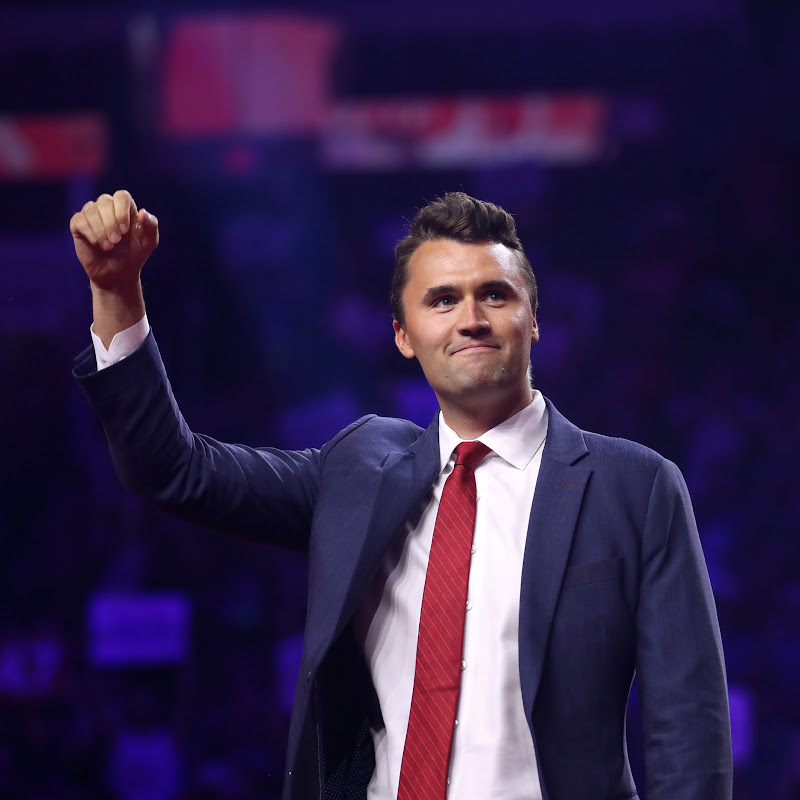
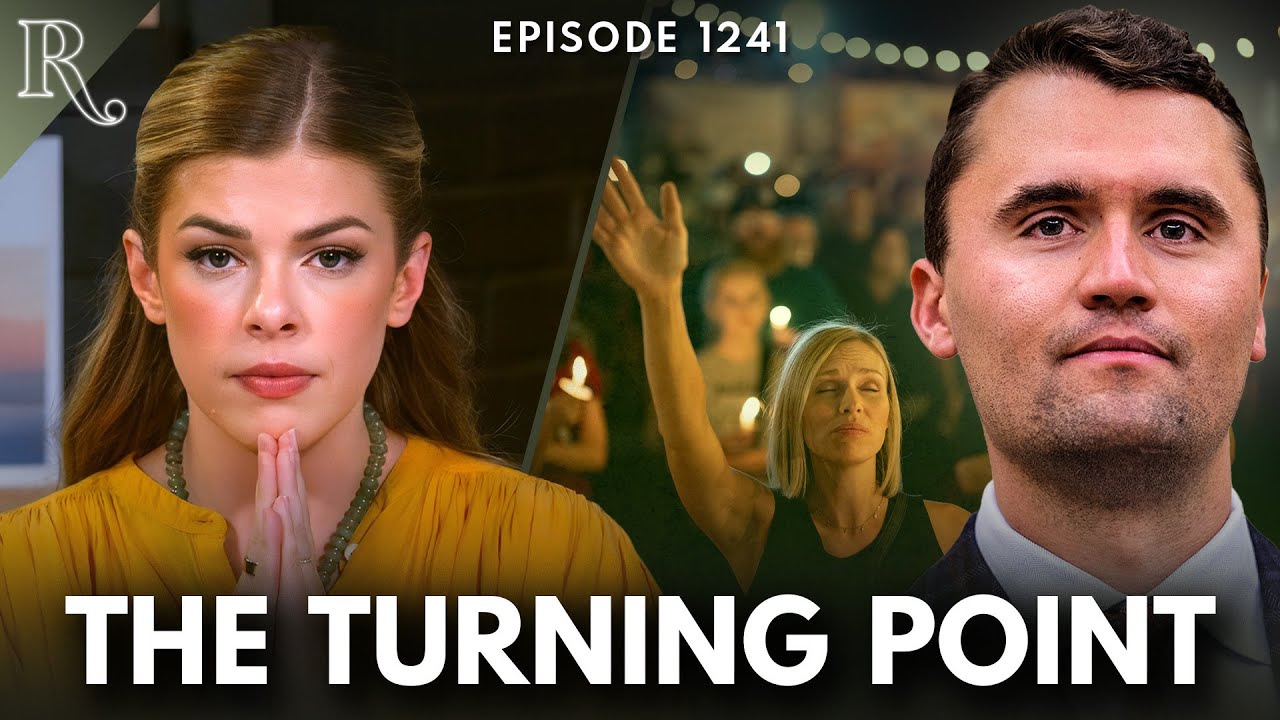
Charlie Kirk is the Founder and President of Turning Point USA, the largest and fastest growing conservative youth activist organization in the country with over 250,000 student members, over 150 full-time staff, and a presence on over 2,000 high school and college campuses nationwide. Charlie is also the Chairman of Students for Trump, which aims to activate one million new college voters on campuses in battleground states in the lead up to the 2020 presidential election. His social media reaches over 100 million people per month and according to Axios, he is one of the "top 10 most engaged" Twitter handles in the world. He is also the host of “The Charlie Kirk Show,” which regularly ranks among the top news shows on Apple podcast charts.
Debunking Viral Lies About Charlie Kirk and DEI: Setting the Record Straight on Misquoted Claims
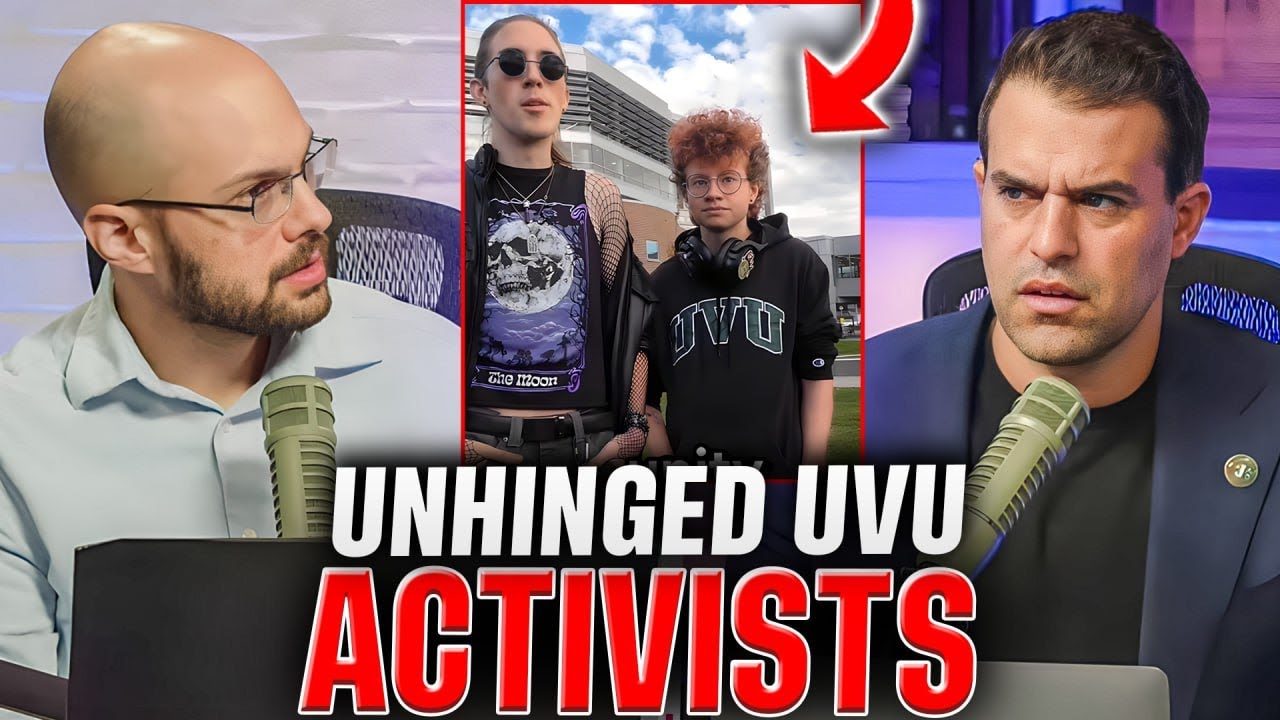
False accusations claiming Charlie Kirk made racist statements about brain processing power have gone viral across social media. The team addresses these deliberate misquotes head-on, playing the full context of Charlie's remarks about affirmative action and DEI policies. Rather than attacking individuals based on race, Charlie critiqued a system where people themselves acknowledged they were hired based on identity rather than merit alone. The discussion examines how DEI policies actually function, who benefits most from them, and why no institution has improved after embracing these practices.
The team opens by discussing their commitment to debunking viral lies spreading across social media about Charlie Kirk. They compare the effort to whack-a-mole, acknowledging that false narratives continue to spread even after being corrected. The most pervasive claim involves a deliberately edited clip suggesting Charlie said black women don't have enough brain processing power.
The Full Context of Charlie's DEI Comments
The hosts play the complete, unedited clip to reveal what Charlie actually said. In the original context, Charlie was responding to public figures like Joy Reid, Michelle Obama, Sheila Jackson Lee, and Ketanji Brown Jackson who themselves publicly acknowledged being affirmative action beneficiaries. Charlie's point was that these individuals were openly admitting they received positions based on demographic characteristics rather than merit alone.
The discussion references a specific example where a congresswoman stated she was admitted to higher education through affirmative action as both a woman and a woman of color, but emphasized she didn't graduate on affirmative action. Charlie's response highlighted the contradiction: if someone admits needing special consideration for admission, it undermines claims of equal qualification.
Michelle Obama's Own Admission
The hosts point to Michelle Obama's own memoir, where she wrote that her school guidance counselor said she didn't have the test scores and grades to get into Princeton, but that she got in based on the strength of her essay. They argue that an applicant with an Asian name and identical credentials would not have been admitted with below-standard grades and test scores, regardless of essay quality.
The Biden Administration's Approach
Brandon argues that President Biden created the credibility problem himself when he announced he would appoint a black woman to the Supreme Court before conducting any search. Rather than simply selecting the best candidate who happened to be a black woman, Biden led with demographic requirements, which Brandon argues "destroys the credibility of black people."
Charlie's Character and Track Record
Brandon delivers an impassioned defense of Charlie's character, stating that anyone who thinks Charlie is racist must be disingenuous or lacking critical thinking skills. He points to the breadth of Charlie's work, the diversity of people he surrounds himself with, and the partnerships he's built as evidence that Charlie doesn't have "a racist bone in his body." The host reflects on numerous instances of seeing Charlie embrace and laugh with people of all backgrounds who shared common values and often Christian faith.
The DEI Excellence Challenge
The team plays a clip of Charlie challenging a student who claimed DEI promotes excellence. Charlie asks the student to name one institution that got better after embracing DEI—one that became smarter, more competitive, leaner, more productive than it was a decade ago. He lists examples: airports, airlines, government, schools, universities, public health authorities. Charlie argues that no such example exists because DEI destroys institutions from within.
Who Actually Benefits from DEI
Brandon makes an important clarification that many people misunderstand: DEI programs statistically benefit white women more than any other demographic group. The LGBTQ community also receives significant benefits. Despite popular perception, these programs aren't primarily helping black people. Brandon emphasizes that ignorant people frame DEI as exclusively about black people when the data shows otherwise.
The Merit-Based Alternative
Brandon explains his own hiring philosophy: he doesn't care about race when reviewing resumes. He looks for mission alignment and qualifications—what candidates have done to prepare for the position. He argues that most rational, successful people operate their businesses this way. Black people don't need "a white savior" offering patronizing help, Brandon insists. Black Americans are smart enough to earn opportunities through the same educational pathways as everyone else.
The Problem with Artificial Elevation
The fundamental problem with DEI, according to Brandon, is that it artificially elevates people who aren't prepared, and when they fail, it makes entire demographic groups look bad. If society wants to help, he argues, the intervention should happen at the front end—in elementary schools and grade schools—preparing young people to be competitive in a fair system. Waiting until the end to thrust unprepared people into positions of power is counterproductive.
The London Stock Exchange Example
One host shares a striking example of DEI's economic impact. The London Stock Exchange, one of the oldest in the world, implemented rules requiring companies doing an IPO to have at least 40% women on their board, a woman in a top job, and an ethnic minority director. In 2005, the exchange had 339 IPOs raising 51 billion pounds. That number has crashed to just 250 million—a 99% decline—as companies choose to IPO in countries without extensive DEI requirements.
What Is a Woman?
The discussion turns to Ketanji Brown Jackson's infamous confirmation hearing moment when she refused to define the word "woman," claiming she's not a biologist. The hosts see this as proving Charlie's point about brain processing power. Brandon expresses frustration that a woman who has experienced "female things almost every month" and possibly has children cannot articulate what a woman is. He sees this as fundamentally dishonest and disingenuous.
Justice Ketanji Brown Jackson's Performance
The hosts note that even some liberal justices on the Supreme Court have become frustrated with Ketanji Brown Jackson's judicial skills. They argue this vindicates concerns about merit-based selection. Meanwhile, they point out the contrast with Justice Clarence Thomas, whose picture hangs in their studio, whom they describe as doing an incredible job but being hated by the left because his success doesn't fit their narrative.
The Clarence Thomas Double Standard
The discussion concludes with the observation that when Justice Antonin Scalia was alive, critics dismissed Thomas as merely Scalia's puppet. After Scalia died, it became clear that Thomas was actually the intellectual leader of the conservative wing of the Court. This racist dismissal of Thomas's capabilities, they argue, reveals the true prejudice in how the left treats successful black conservatives.
A Commitment to Truth
The team reaffirms their commitment to continue debunking false narratives about Charlie Kirk as they emerge. They see this work as part of stewarding Charlie's legacy, ensuring that lies don't define how he's remembered. They promise to call out haters and expose dishonest edits and misquotes as long as they continue to spread.