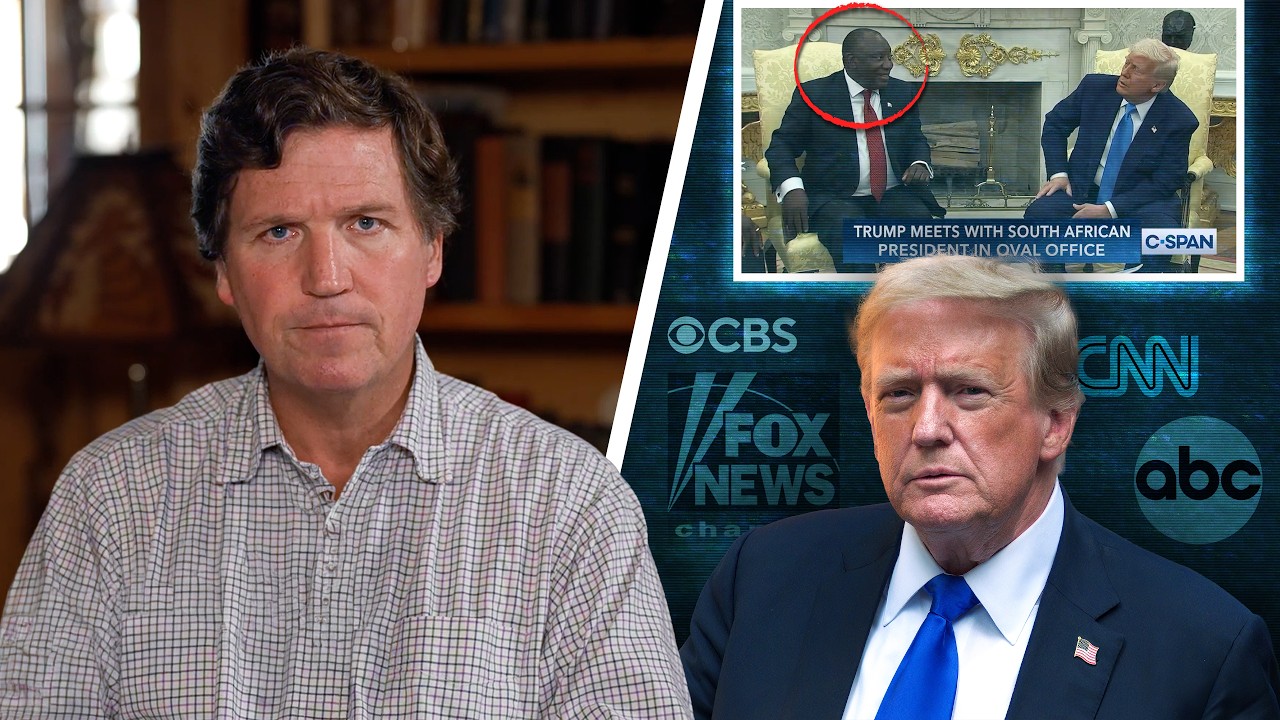
Elon Musk exposed South Africa's government attempt to bribe him into pretending a black person runs Starlink in order to operate there. Despite being born in South Africa, Musk cannot get a license due to 140 race-based laws that exclude non-black citizens. He calls for international sanctions against South African politicians pushing these policies, while new research shows 54% of South Africans believe these laws have gone too far. The commentary reveals how these laws, marketed as black empowerment, actually foster state dependency and primarily benefit around 100 politically connected families while unemployment continues to rise.
April 13, 2026
Elon Musk's Stand Against South African Racism
Elon Musk is vehemently opposed to racist laws in South Africa. The fundamental question that should be asked is: why are there racist laws in South Africa? That's the first problem. That's what should be attacked. It's improper for there to be racist laws in South Africa. All races should be treated equally and there should be no preference given to one or the other. Yet there are now 140 laws in South Africa that give strong preference to black South Africans and not otherwise. Musk finds himself in an absurd situation where he was born in South Africa but can't get a license to operate Starlink because he's not black.
The Bribery Attempt and Musk's Response
This weekend Elon Musk made it once again abundantly clear with a series of posts on X. He said South Africa won't allow Starlink to be licensed even though he was born there simply because he is not black. Musk revealed that he was offered many times the opportunity to bribe his way to a license by pretending that a black person runs Starlink South Africa, but he refused to do so on principle. Racism should not be rewarded no matter to which race it is applied.
Musk declared: Shame on the racist politicians in South Africa. They should be shown no respect whatsoever anywhere in the world and shunned for being unashamedly racist. He went on to say that all the politicians in South Africa who push their viciously racist laws should be sanctioned, barred from travel, declared criminals, and have their international assets seized. He then shared a post in which someone replied with the words Cyril Ramaphosa in response to a question about who is the weakest leader in the world today.
The Laughable State of South African Government
The fact that the South African government thought that they could bribe someone like Elon Musk by telling him that his company would be able to do business in South Africa if they were to pretend that the owner is a black person is laughable but also very telling about the strange state of affairs with the South African government.
The Pushback and Semantic Fraud
The pushback against these criticisms is significant. When you criticize these anti-white racist laws in South Africa, you get accused of being anti-black somehow because these laws are described as laws with the intention of empowering black people. If you're opposed to these laws, the accusation is that you are somehow opposed to black empowerment.
It's very important to understand that the term black empowerment in reference to these laws is a semantic fraud. In other words, it's simply not true that these laws empower black people. The term that is attached to these laws is a lie.
The Reality Behind the Laws
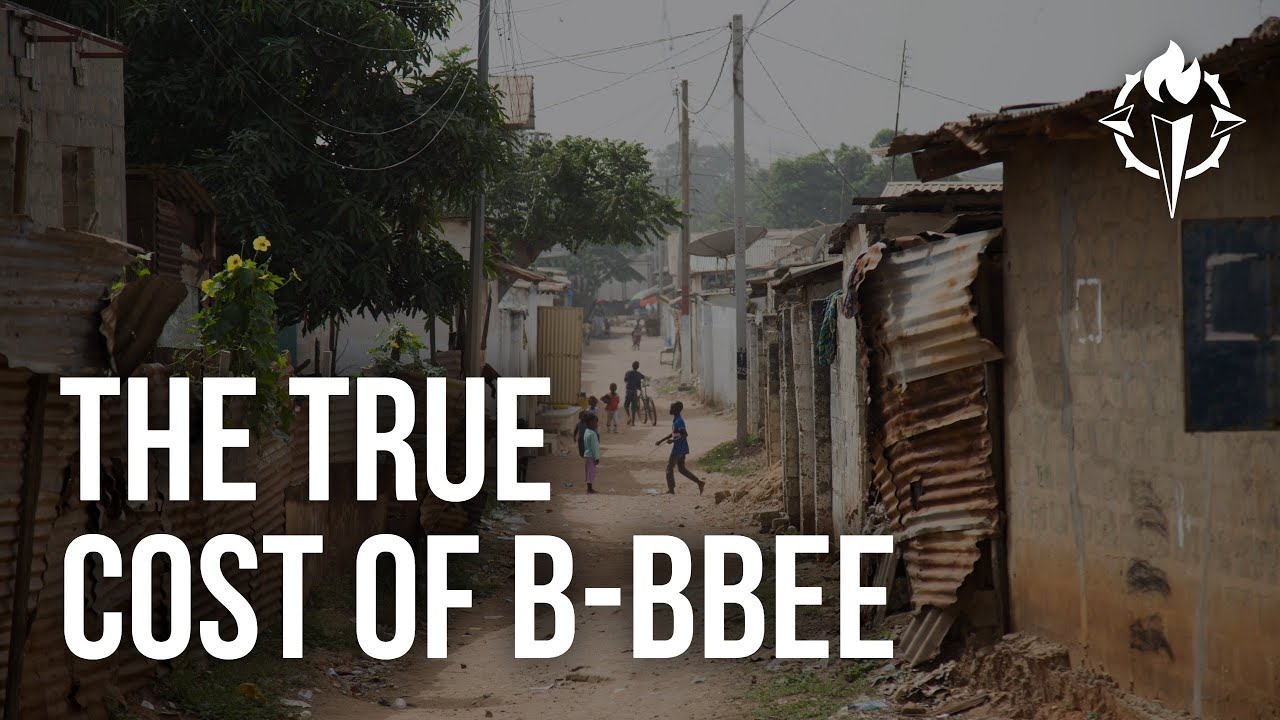
If you read the laws, it's very clear that they are aimed at encouraging and fostering state dependency. The South African government wants black people to be dependent on the state either through social grants or through preferential treatment or through connections with the political elite as a prerequisite to doing business in South Africa. They can trap people in a never-ending cycle where they have no other choice than to keep voting for the ANC if they don't want to lose the benefits they get from the South African government.
It's well known that these policies only benefit a few politically connected people in South Africa. It has been found by researchers that billions, if not trillions, of South African rands only moved around benefiting about 100 politically connected families. While these laws have been implemented in South Africa, unemployment, and particularly black unemployment, has increased. Inequality has increased as a result of these laws.
What South Africans Actually Think
There is significant pushback against these laws by the South African population as a whole. A recent study found that people who say that BBEE policies (broad-based black economic empowerment policies) have gone too far is 54%. Those who say that hiring or promotion should be merit-based is 76% and those who say that race categories do more harm than good is 67%. Two-thirds of people in South Africa.
These are remarkable numbers considering the propaganda in favor of these laws that is pushed by the South African government in a never-ending fashion. This is despite the fact that more than 50% of people in South Africa are already paid by the government if you combine those who receive social grants with those who work for the government in some way or another.
Who Really Enforces These Laws
It's important to state that these laws are not held intact by the South African government. The South African government does not have the capacity nor the competence to enforce these laws. These laws are held in place by the private sector. The private sector complying with these laws is the reason why they still exist.
The Path Forward: Starting a Domino Effect
We see an increasing amount of CEOs and business owners in South Africa who are starting to take a stand the same way Elon Musk is taking a stand. But we should understand that the way for these laws to fall, the way to promote freedom and free markets in South Africa is not simply or not just to demand it of the South African government, but for people to simply take action on it where they live and where they do business.
A very good way to start taking action would be to say that my business and I will not comply with these race laws. We will not enforce racist policies in the workplace and we will not do business with those who do so. Yes, of course it's difficult to do so currently because there are so many companies that try to comply with these laws, but we need to start a domino effect. The more people take a stance against these laws, the easier it will be for those who haven't done so to follow.