The Makers Versus Takers: Why Elon Musk Represents Innovation While Elizabeth Warren Embodies Government Overreach
Enjoying this? Share it with someone who needs to see it.
Up Next
Nick Shirley Confronts Protesters at New York City No Kings Rally Against Trump
1:06:50
Chris Pavlovski Reveals How Charlie Kirk Found Rumble's Headquarters and Became Its First Investor
12:12
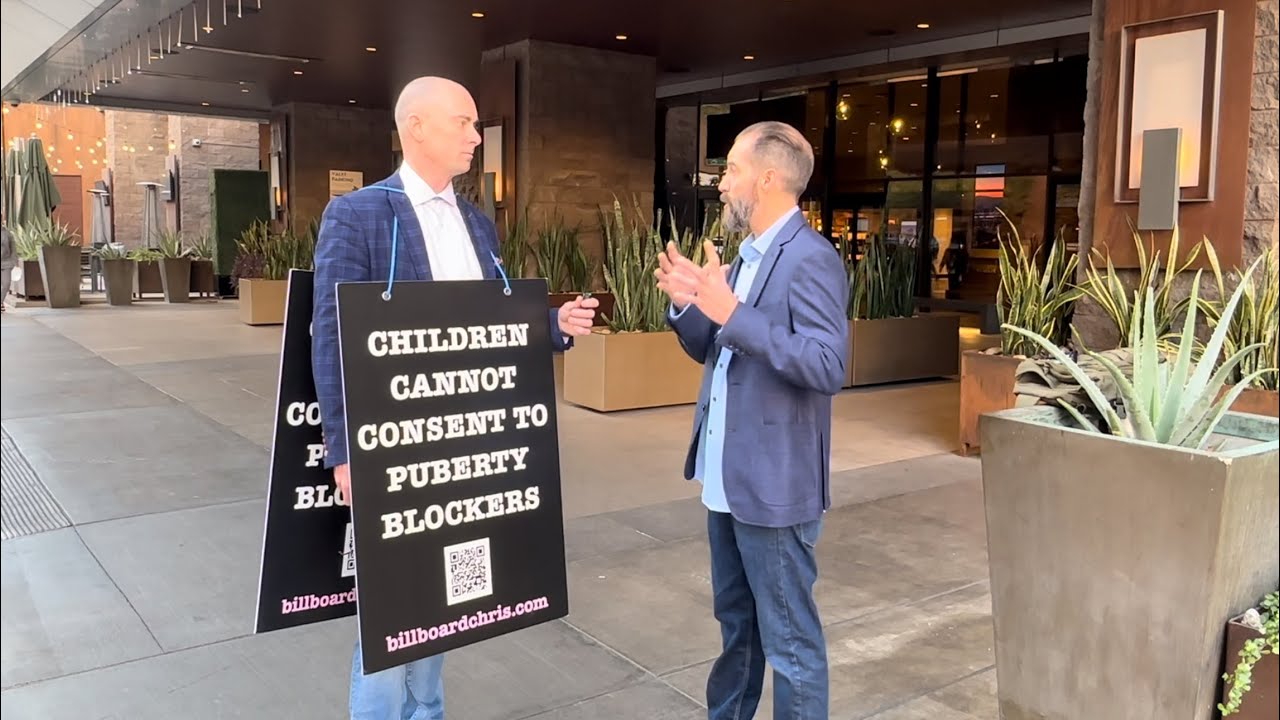
Billboard Chris Meets Adam Vena: California Father Loses Custody After Refusing to Affirm Son's Gender Transition at Age Two
8:18
The Makers Versus Takers: Why Elon Musk Represents Innovation While Elizabeth Warren Embodies Government Overreach
The divide between wealth creators and wealth redistributors defines modern America. Elon Musk has revolutionized space travel, created over 100,000 jobs, built reusable rockets, and launched Starlink satellites that provide internet access to millions. Meanwhile, Senator Elizabeth Warren demands higher taxes and more regulations on innovators. Musk paid $12 billion in taxes, more than anyone in history, yet Warren claims he paid zero. This exploration examines why free markets and entrepreneurial greed drive progress while government intervention stifles innovation.
The Fundamental Divide Between Creators and Redistributors
The world divides into two distinct groups: makers and takers. Makers create products that improve lives—like Tesla's Cybertruck and electric vehicles. Some makers accumulate significant wealth through their innovations. Elon Musk now holds the title of the richest person in the world. The takers, often politicians, take other people's money and spend it according to their own priorities.
Elizabeth Warren and Elon Musk represent the clearest examples of this taker-maker dynamic. Warren consistently advocates for wealth taxes and holding "big guys accountable," while Musk builds companies that employ over 100,000 people and push technological boundaries.
The Tax Debate: Distortion Versus Reality
Warren has repeatedly focused on Musk's tax contributions, claiming he paid zero in taxes one particular year. While that statement was technically true for one year when Musk didn't realize income, it ignores critical context. At the time Warren made that claim, Musk had just paid the government $12 billion—more tax than anyone has paid in history. Musk is set to pay the single largest tax bill ever recorded.
Despite this record-breaking tax payment, Warren demands even more from entrepreneurs like Musk, pushing for substantial increases in wealth taxation and corporate accountability measures.
Revolutionizing Space Travel Where Government Failed
Musk accomplishes what government agencies cannot. He invented the world's best rockets at a time when NASA had given up building spaceships itself. Even government bureaucrats understand that government workers cannot match private sector innovation, which is why NASA turned to the private sector for its space program needs.
Musk successfully sent astronauts into orbit—something NASA hadn't accomplished for nine years. This marked a new era of American space flight, continuing the dream for a new generation. Musk lowered the cost of nearly every component of space flight through innovative thinking. Door latches that NASA uses cost $1,500, but Musk's team modified a latch from bathroom stalls and built that same part for just $30.
Most significantly, Musk became the first to develop reusable rockets, slashing costs dramatically. By reusing a rocket potentially a thousand times, the capital cost per launch drops to only about $50,000. Government agencies never even attempted this innovation because in government, people do what they've always done. Lowering costs isn't a priority when spending other people's money. NASA continues to spend $840,000 annually on upkeep for a test stand that won't even be used.
Starlink: Democratizing Internet Access
Beyond rockets, Musk created Starlink—satellites that provide low-cost internet service to underserved populations. He launched so many satellites that after just four years, Starlink satellites account for the majority of all the world's active satellites. Musk's satellites have given more poor people access to the internet than any government program ever has.
The money enabling these ventures came primarily from creating cars that people love. Tesla first became America's bestselling electric car, then evolved into the bestselling luxury car overall. Through this process, Musk created cool new products and more than 100,000 jobs.
Political Attacks on Innovation
Despite these achievements, attention-seeking politicians demand government investigations into Musk for alleged wrongdoing. Senator Elizabeth Warren sent a letter to the SEC to investigate Tesla for supposedly not properly representing shareholders. This seems ridiculous given that Tesla became the most valuable auto company in the world under Musk's leadership.
Warren also complained when Musk became CEO of another company. After Twitter censored political views, Musk spent $44 billion to purchase the platform. That was an expensive acquisition, and so far Musk is losing money on Twitter. Yet the purchase was worth everything because he's protecting open debate and providing an immense service to humanity. Once Musk fired Twitter's censors, more ideas became expressed on the platform.
Medical Innovation and Human Enhancement
Musk continues investing his own money in revolutionary projects like helping paralyzed people use phones using only their thoughts. This is made possible by placing a small, cosmetically invisible implant in the part of the brain that plans movements. The technology Musk has created is genuinely amazing.
The Role of Greed in Progress
Those who oppose Musk position themselves as villains in the story of human progress. Senator Warren fills that role, constantly attacking people who create wealth with accusations about "greedy corporate landlords" and claims that "corporate greed is on a joy ride." Warren attacks people who create wealth, repeatedly targeting "greedy corporations."
But corporations are greedy—and greed works. Greed motivates people to try harder, to innovate, to solve problems. Under free markets, the greedy can only satisfy that greed by pleasing customers. They cannot force anyone to pay. Unlike politicians who can compel taxation, entrepreneurs must earn every dollar by providing value.
The Danger of Excessive Regulation
In addition to demanding more taxation of billionaires, Warren insists government should regulate countless aspects of business and innovation. This regulatory impulse threatens progress. It's fortunate the Wright brothers designed airplanes before politicians like Warren could regulate aviation into non-existence during its first flight on record.
The world needs fewer Elizabeth Warrens and more Elon Musks. Innovation requires freedom—freedom from excessive taxation, freedom from burdensome regulation, and freedom to take risks with capital. The choice between makers and takers will determine whether humanity continues advancing or stagnates under the weight of government control.











Comments
Be the first to comment on this video.