Former FBI Agent Analyzes Tyler Robinson Case and Charlie Kirk Security Failures
Enjoying this? Share it with someone who needs to see it.
Up Next
Dr. G Analyzes Tyler Robinson's Court Appearance After Charlie Kirk Assassination Accusation
15:54
Angenette Levy Investigates the Assassination of Charlie Kirk and Suspect Tyler Robinson's Radicalization
25:29
Inside the Charlie Kirk Investigation: Exclusive Interview with Lance Twiggs Family Member and New Details from Utah Valley University
30:43
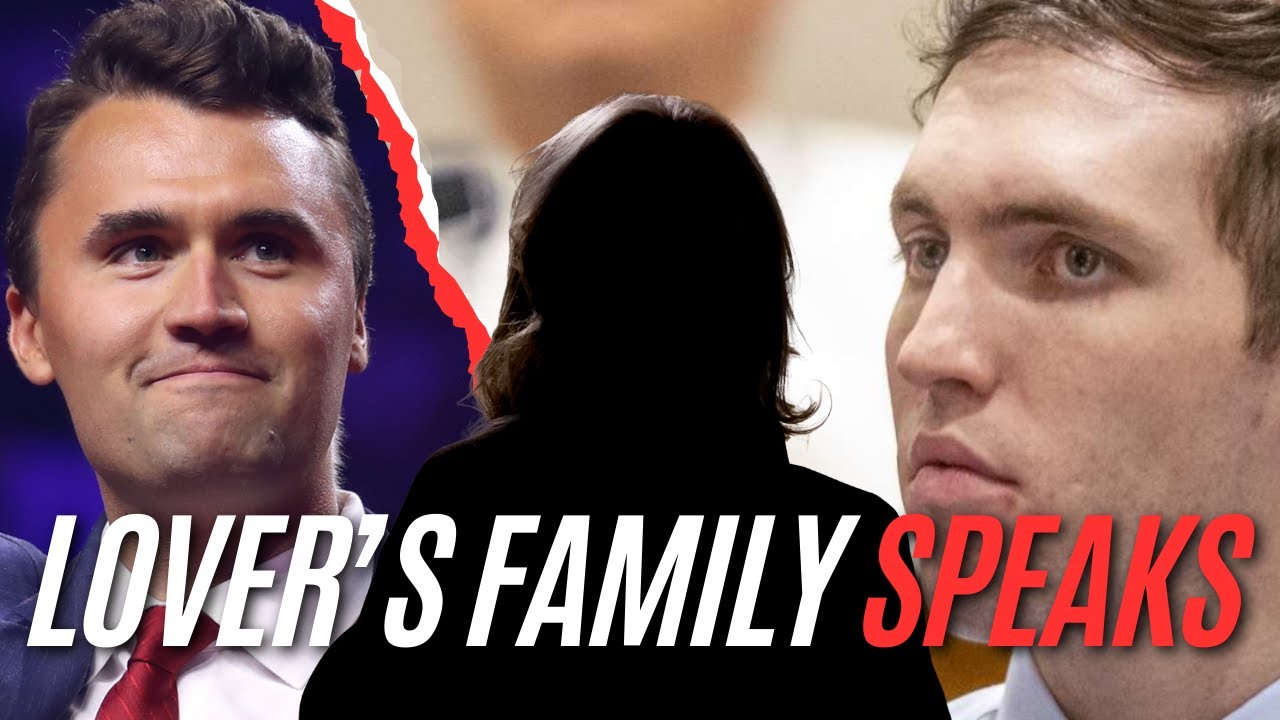
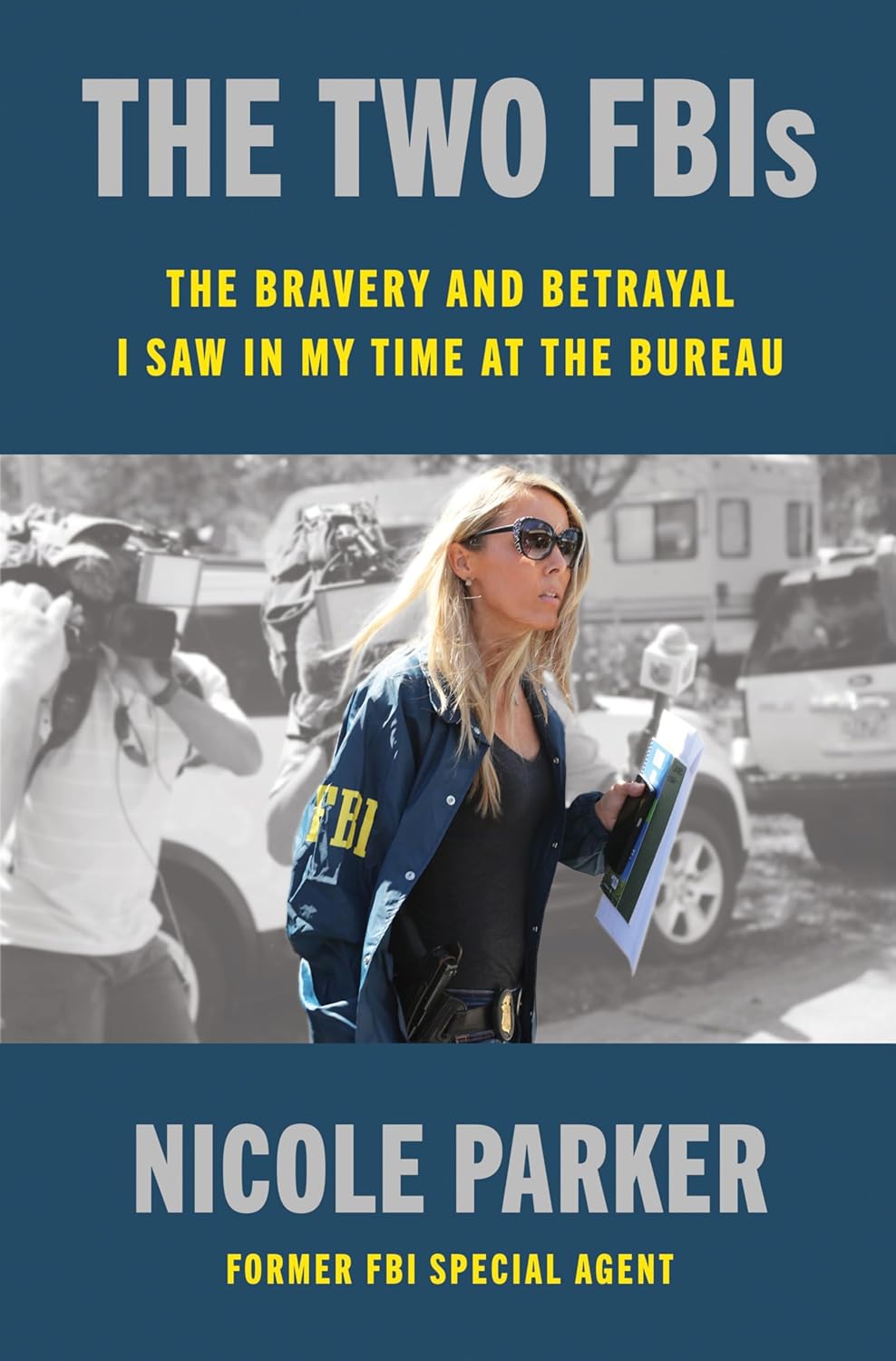
Former FBI Agent Analyzes Tyler Robinson Case and Charlie Kirk Security Failures
A former FBI agent breaks down the Tyler Robinson case, examining why the alleged shooter refuses to cooperate with authorities while his associates comply. The discussion reveals chilling details about premeditated planning, radicalization patterns, and the disturbing reality that even high-profile figures like Charlie Kirk lack adequate security protection. Drawing parallels to the Butler, Pennsylvania incident involving former President Trump, the agent explains why open-air events for controversial speakers may become a thing of the past.
According to reports, Tyler Robinson is not cooperating with authorities in the ongoing investigation. His roommate, partner, and others in his circle have chosen to cooperate, creating an isolated position for Robinson. The former FBI agent suggests that those cooperating likely fear becoming targets of law enforcement themselves.
With Utah prosecutors making clear their intention to seek the death penalty, Robinson's legal strategy becomes more complex. The agent explains that if he were advising Robinson, silence would be the recommendation. Typically, cooperation serves to secure a plea deal, but when the death penalty is on the table, the incentive to cooperate diminishes significantly. The only viable plea arrangement would likely involve a confession in exchange for life in prison instead of execution.
The Potential for a Plea Deal
The question arises whether cooperation or displays of remorse could influence a jury if the case goes to trial. The agent acknowledges this possibility, noting that in similar cases, defendants often confess to avoid trial complications in exchange for life imprisonment. He references the case of spy Robert Hansen, who faced the death penalty through multiple charges and ultimately made a plea deal for full cooperation in exchange for removing capital punishment from consideration.
Robinson's attorney, understood to be a public defender, may currently be working toward such an arrangement. However, the path forward remains uncertain given the severity of the charges and the prosecutor's stated intentions.
Evidence of Radicalization and Premeditation
Based on available evidence, including text exchanges and discussions, the alleged shooter appears to have been radicalized over time. The agent describes how Robinson apparently grew up in a somewhat conservative family before adopting a lifestyle where he identified Charlie Kirk as an enemy. In his own mind, Robinson positioned himself as a hero rather than a villain.
This represents a tragic pattern where evil convinces itself it is doing good. The evidence suggests this was not a spontaneous act but rather the result of careful planning that would have taken weeks to execute. The writings attributed to Robinson show someone particularly angry at Charlie Kirk, with meticulous planning evident in the execution.
Mental Fitness and Legal Strategy
While there has not yet been a significant effort to portray Robinson as mentally disturbed, the agent expects this strategy to emerge once the case reaches trial. Defense attorneys will likely file for psychological analysis and bring in experts who will argue Robinson is not fit to stand trial due to mental disorders.
However, the evidence of careful planning works against this defense. The writings show someone lucid, purposeful, and driven toward a single event. These are not the incoherent rantings of an unhinged individual but rather calculated statements from someone planning a specific action over an extended period.
The End of Open-Air Events for High-Profile Speakers
The discussion shifts to security implications for public figures like Charlie Kirk. The agent believes this incident may mark the end of open-air events for speakers at Kirk's level who face controversy and death threats. Future events will likely move indoors to auditoriums or coliseums where security can control access points and screen every attendee.
The location where Charlie Kirk was speaking presented impossible security challenges. Too many outbuildings existed in the area, and Kirk's security team lacked the resources to secure the perimeter adequately. Even with law enforcement presence, proper protection would have required something comparable to presidential Secret Service protection, including building sweeps and counter-sniper teams.
Lessons from Butler, Pennsylvania
The agent draws parallels to the assassination attempt on former President Trump in Butler, Pennsylvania. Despite having the highest level of professional security available, gaps in coverage and planning allowed a shooter to position himself on a rooftop where he should never have been able to access.
If presidential-level security proved inadequate in Butler, the challenges facing a civilian like Charlie Kirk become even more apparent. Kirk must rely on privately hired security supplemented by state-provided law enforcement, operating at a fraction of the resources available to protect a president. Under these circumstances, a determined shooter gaining rooftop access becomes all too easy.
The Reality of Modern Security Threats
The conversation underscores a sobering reality about security in contemporary America. High-profile individuals who express controversial opinions face genuine threats that cannot be adequately addressed in open environments. The combination of determined adversaries, accessible weapons, and complex physical spaces creates vulnerabilities that even substantial security measures struggle to address.
For speakers like Charlie Kirk, the choice becomes either accepting unacceptable levels of risk or fundamentally changing how and where they engage with audiences. The era of large outdoor rallies and open-air speaking events may be ending for anyone who has attracted the attention of those willing to plan violence over weeks or months.