Up Next

Megyn Kelly Analyzes Joe Kent's Claims About Charlie Kirk Murder Investigation and Israeli Connection Theories

Megyn Kelly Analyzes Joe Kent's Claims About Charlie Kirk Murder Investigation and Israeli Connection Theories

20:23

Trial Lawyer Explains Why Tyler Robinson Will Walk: The Prosecution's Case Falls Apart Under Scrutiny

Trial Lawyer Explains Why Tyler Robinson Will Walk: The Prosecution's Case Falls Apart Under Scrutiny

23:44

Dr. G Analyzes Tyler Robinson's Court Appearance After Charlie Kirk Assassination Accusation

Dr. G Analyzes Tyler Robinson's Court Appearance After Charlie Kirk Assassination Accusation

15:54

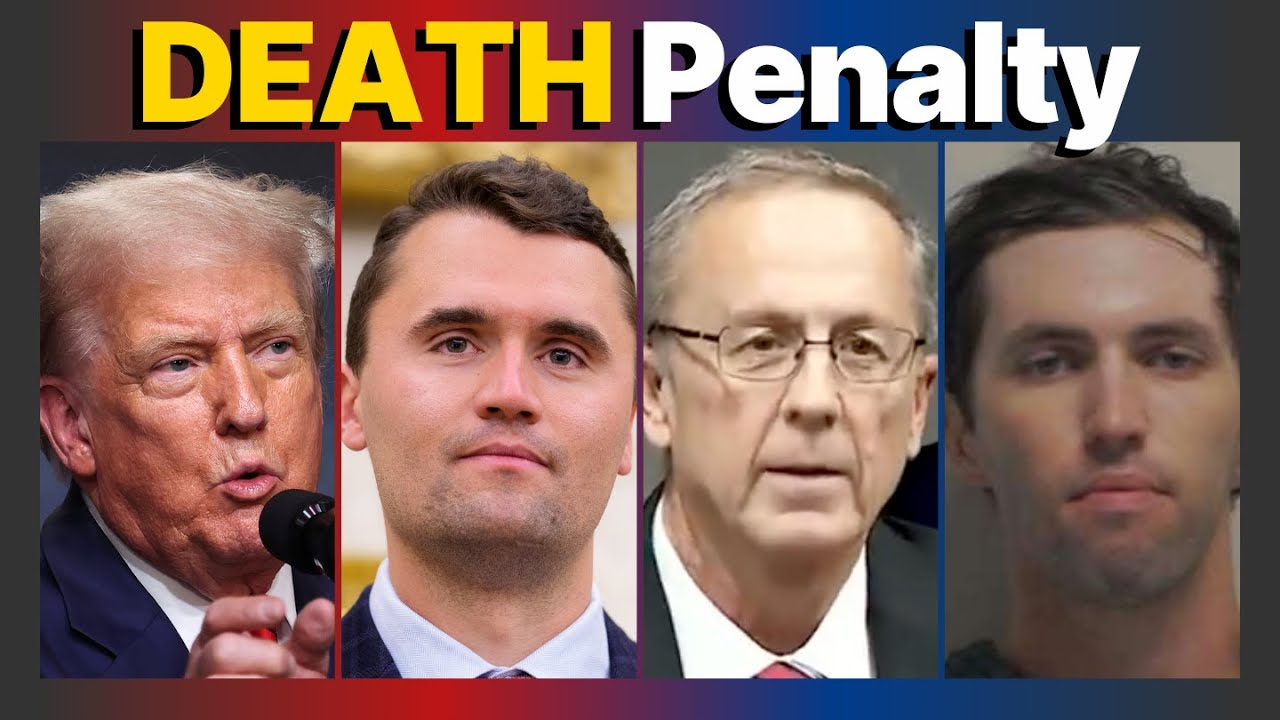
Former Federal Prosecutor Neama Rahmani Analyzes Tyler Robinson Death Penalty Case After Inconclusive Ballistics Report

Categories: Analysis
April 3, 2026

Former federal prosecutor Neama Rahmani breaks down the Tyler Robinson case following a significant development: the ATF's ballistics analysis came back inconclusive on the bullet that killed Charlie Kirk. Romani explains what this means for both prosecution and defense, why inconclusive results happen in forensic cases, and how the defense is likely to argue third-party culpability. With Utah being a death penalty state and a conservative jury pool, Romani discusses the unique challenges of this politically charged case and why keeping Robinson alive, rather than securing an acquittal, may be the defense's ultimate goal.

ATF Ballistics Report Comes Back Inconclusive

In a significant development in the Tyler Robinson case, the ATF has conducted an analysis of the bullet that killed Charlie Kirk, and the results came back as inconclusive. According to former federal prosecutor and president of West Coast Trial Lawyers Neama Rahmani, this is certainly helpful for the defense, though it doesn't necessarily clear Tyler Robinson.

"It's not uncommon for analysis like this to come back as inconclusive," Romani explained in an interview with TMZ's Jakson Buhaj. "It happens all the time with DNA, sometimes with fingerprints, and even in ballistics. If the specimen, which in this case is the bullet, is fragmented in such a way that it's just insufficient to come with a definitive conclusion, ATF does result in inconclusive findings sometimes."

Romani noted that the FBI will conduct their own analysis, but the inconclusive result is something the defense will undoubtedly use to their advantage. He expects this finding to feed into online conspiracy theories that it was someone else—possibly an agent of a foreign government—who killed Charlie Kirk.

Understanding Inconclusive Forensic Results

When asked how a ballistics result comes back inconclusive, Romani explained that whenever dealing with a scientific sample—whether DNA, fingerprints, or ballistics—if it's degraded in such a way that the analysis can't be done, it may result in an inconclusive test.

"In this particular case, whether it's the bullet, whether it's the firearm, the experts are unable to connect the two to a reasonable degree of scientific certainty. That is the standard that expert would have to testify to in court," Romani said. "Certainly not something that the state wants to happen, but it does happen in these types of cases on occasion."

Defense Strategy: Three Primary Approaches

Romani outlined the three primary ways to defend a murder case. First is arguing "it wasn't me"—a third-party culpability defense that he believes is the route Robinson's team will likely take. Second is claiming it was an accident, arguing lack of criminal intent or that it should be considered manslaughter. Third is self-defense.

"I think the challenge here is obviously there's video that appears to put Tyler Robinson at the scene. We've all seen that video. And there's some admissions that he made to his roommate, admissions on Discord that seem to show the motive in the case," Romani explained. "So I think those are the two really big legal obstacles the defense is going to have to try to overcome here."

Prosecution's Approach: Motive, Means, and Opportunity

From the prosecution's perspective, Romani said they will argue motive, means, and opportunity. "Here's someone who was politically motivated, disagreed with Charlie Kirk. He's at the scene. He had the means and the opportunity," Romani noted. "If you can connect the rifle to him, I don't necessarily think the bullet not matching to that degree of certainty that's required is going to make or break your case."

However, Romani emphasized that if he were the defense, the primary goal wouldn't necessarily be an acquittal—it would be keeping Tyler Robinson alive.

Death Penalty Considerations in Conservative Utah

Utah is a death penalty state with a largely conservative population, which could work in the prosecution's favor. However, Romani pointed out that the defense only needs one out of twelve jurors to prevent a death sentence.

"I always say 8% is that magic number," Romani explained. "Whether it's a conspiracy theory that someone believes in or you find someone who feels sympathy for Tyler Robinson—by all accounts, he did come from a good Mormon family. That certainly cuts in the defense's favor."

Romani cited the Parkland school shooter case as an example, where despite it being the worst school shooting in American history, two jurors were hesitant to return a death sentence for Nicholas Cruz. He also mentioned that in death penalty cases like Luigi Mangione or Bryan Kohberger, the defense will litigate for years, not months, to keep their client alive.

"I think if they can work out some sort of plea deal where it's a life sentence, I think that's going to be a win for the defense," Romani said.

The Most Politically Charged Case in American History

Romani described this as "certainly the most politically charged case, certainly in recent history, maybe in American history, aside from maybe the prosecutions of Donald Trump." Charlie Kirk was an outspoken political figure, and the murder appears to be politically motivated.

"Whenever you have the president of the United States and now the former attorney general of the United States and the director of the FBI all simultaneously posting, tweeting on Truth Social and X about a case, that makes the case very unique," Romani said. "Obviously, the president has asked for the death penalty to be imposed. The Utah County prosecution decided to seek it very quickly."

He noted that people would be naive to divorce the law from the politics in this case, adding that there are many people who believe that some of the people Charlie Kirk spoke against had a motivation to kill him, not necessarily Tyler Robinson.

Inconsistencies and Investigation Attacks

When asked about inconsistencies in the investigation—such as statements that Tyler Robinson disassembled the weapon on the roof, got down, and reassembled it again—Romani said these details will play a role in the defense's argument.

"If you're the defense in any case, it's defense lawyering 101. You want to attack the investigation. You want to say it was sloppy. It was a rush to judgment," Romani explained. "You had some inconsistent statements made related to the firearm, whether where it was, whether Tyler Robinson's prints were on them. Those are the types of things that you're going to argue that this was a rush to judgment, they got the wrong guy. And this is something that defense attorneys argue in every single case—the real killer is actually out there and law enforcement has failed the community by failing to find him or her."

Conspiracy Theories as Defense Strategy

Romani expects the defense to lean heavily into the theory that someone else—whether a foreign government or some powerful person within the United States—wanted Charlie Kirk dead and that Tyler Robinson is simply a fall guy.

"He's just a patsy and it wasn't really him," Romani said. "I'm not necessarily saying I believe that argument, but I think that's the defense's best argument. So expect them now, especially that this ballistics report came back inconclusive, to lean in and go all in into that argument."

Comments

Be the first to comment on this video.

Video Transcript

[00:00] I expect the defense to lean into the

[00:02] theory that someone else, whether it's a

[00:04] foreign government or some powerful

[00:07] person within the United States, wanted

[00:09] Charlie Kirk dead and that Tyler

[00:11] Robinson is the fall guy. He's just a

[00:13] psy and it wasn't really him.

[00:17] Hello everybody, this is Jackson Buh

[00:19] with TMZ. Today I am joined by former

[00:21] federal prosecutor and president of West

[00:24] Coast Trial Lawyers, Nemo Romani. Mr.

[00:27] Romani, thank you so much for joining me

[00:28] today.

[00:29] >> Of course. Thanks for having me.

[00:30] >> So, there has been a huge development uh

[00:32] in the case of Tyler Robinson, obviously

[00:35] the man uh who has been accused of

[00:37] allegedly assassinating Charlie Kirk.

[00:39] Now, the ATF has conducted an analysis

[00:42] of the bullet that hit Charlie Kirk, and

[00:44] the results came back as inconclusive.

[00:47] Now, this is a huge development, and I'm

[00:49] wondering what this truly means for the

[00:51] defense.

[00:51] >> Well, it's certainly helpful for the

[00:53] defense. It doesn't necessarily clear

[00:56] Tyler Robinson, although I'm sure it's

[00:58] going to feed into the conspiracy

[01:00] theories online that it was someone

[01:02] else, maybe an agent of a foreign

[01:03] government who killed Charlie Clerk.

[01:06] It's not uncommon for analysis like this

[01:10] to come back as inconclusive. It happens

[01:12] all the time with DNA, sometimes with

[01:14] fingerprints, and even in ballistics. If

[01:17] the specimen, which in this case is the

[01:19] bullet, is fragmented in such a way that

[01:22] it's just insufficient to come with a

[01:24] definitive conclusion, ATF does result

[01:29] in inconclusive findings sometimes. And

[01:32] I know the FBI is going to do their own

[01:33] analysis and we'll see what those agents

[01:36] have to say, but obviously it's

[01:38] something the defense is going to take

[01:39] and run with.

[01:40] >> How does a result come back

[01:42] inconclusive? Is the bullet just, you

[01:45] know, the remnants of the bullet, are

[01:47] they just refined to absolute grain? Is

[01:49] it dust? Like what what's going on with

[01:51] this bullet to where it could possibly

[01:53] be inconclusive?

[01:54] >> Whenever you're dealing with a

[01:55] scientific sample, and again, we use the

[01:57] DNA or fingerprint, but really it can be

[01:59] anything. If it's degraded in such a way

[02:02] that the analysis can't be done,

[02:06] it may result in an inconclusive test.

[02:09] In this particular case, whether it's

[02:12] the bullet, whether it's the firearm,

[02:16] the experts are unable to connect the

[02:19] two to a reasonable degree of scientific

[02:22] certainty. That is the standard that

[02:24] that expert would have to testify to in

[02:27] court. So, it happens.

[02:29] Certainly not something that the state

[02:31] wants to happen, but it does happen in

[02:34] these types of cases on occasion.

[02:35] >> Now, I want to put you in a

[02:36] hypothetical. If you were Tyler

[02:38] Robinson's defense attorney, how would

[02:40] you argue in his defense?

[02:42] >> So, there's a few ways to defend a

[02:43] murder case. Really, primarily three.

[02:46] The first is that it wasn't me. I think

[02:48] that's likely the way the defense is

[02:50] going to go in some third party

[02:52] culpability defense. The other is that

[02:54] it's an accident. Tough to argue in this

[02:56] type of case that they lack the criminal

[02:58] intent. Maybe it's a manslaughter case

[03:01] or self-defense. It's really primarily

[03:04] speaking those three types of defenses

[03:06] that you see in most murder cases. It

[03:08] wasn't me. I didn't mean to do it or I

[03:10] was acting in self-defense. And you're

[03:11] going to see the defense clearly go in

[03:13] the route that it was someone else. I

[03:16] think the challenge here is obviously

[03:18] there's video that appears to put Tyler

[03:20] Robinson at the scene. We've all seen

[03:22] that video. And there's some admissions

[03:24] that he made to his roommate. Um

[03:26] admissions on Discord that seem to show

[03:29] the motive in the case. So, I think

[03:31] those are the two really big legal

[03:33] obstacles the defense is going to have

[03:35] to try to overcome here.

[03:36] >> And if you were the prosecutor, how

[03:38] would you argue against Tyler Robinson

[03:40] in this case?

[03:41] >> Well, if you're the prosecution, right,

[03:42] you're going to argue motive means

[03:44] opportunity, right? Here's someone who

[03:45] was politically motivated, disagreed

[03:47] with Charlie Kirk. He's at the scene. He

[03:49] had the means and the opportunity. I

[03:51] mean, if you can connect the rifle to

[03:52] him, I don't necessarily think the

[03:55] bullet not matching to that degree of

[03:58] certainty that's required is going to

[04:00] make or break your case. But if you're

[04:02] the defense here, your only job really

[04:04] is to keep Tyler Robinson alive. I This

[04:07] is a very conservative jury pool in

[04:09] Utah. We know that uh it can be hard to

[04:14] not

[04:16] have a death penalty qualified jury

[04:18] return a death sentence. So what you see

[04:21] in these death penalty cases, and it

[04:23] doesn't matter if it's Luigi Manion, you

[04:26] saw the litigation, or even Brian

[04:28] Cobberger, the defense will litigate

[04:30] this case for years, not months, but

[04:32] years to try to keep Tyler Robinson

[04:34] alive. And I think if they can work out

[04:37] some sort of plea deal where it's a life

[04:39] sentence, I think that's going to be a

[04:40] win for the defense.

[04:41] >> Very interesting because Utah obviously

[04:44] is a death penalty state. The majority

[04:46] of Utah leans conservative. Do you think

[04:49] that the prosecution has that working

[04:51] against them in this case and how likely

[04:53] is it? I know obviously you don't know

[04:55] the jury members, but how likely is it

[04:57] that they will vote for the death

[04:59] penalty in this case?

[05:00] >> It is likely, but if you're the defense,

[05:02] you just need one out of 12. So, I

[05:05] always say 8% is that magic number. So,

[05:07] whether it's a conspiracy theory that

[05:09] someone believes in or you find someone

[05:13] who feels sympathy for Tyler Robinson,

[05:15] by all accounts, he did come from a good

[05:17] Mormon family. That's certainly that

[05:19] cuts in the defense's favor. You know,

[05:22] even some of the most horrific murders

[05:25] in American history, there have been

[05:27] some jurors that have been hesitant to

[05:30] return a death sentence. Probably

[05:32] another recent example is uh the

[05:35] Parkland school shooter, the worst

[05:37] school shooting in American history. You

[05:39] know, two of those jurors didn't find

[05:42] that uh Nicholas Cruz there should be

[05:46] sentenced to death. So, I think it's a

[05:49] different calculus when you're defending

[05:50] a death penalty case. I don't

[05:53] necessarily think that the defense here

[05:55] thinks they can get an outright acquitt,

[05:57] but again, even a life sentence would be

[05:59] a win. So, I think that's where you see

[06:02] the prosecution and the defense focusing

[06:04] their attention.

[06:05] >> Now, I know you mentioned conspiracy

[06:07] theories briefly just now. Um, and I'm

[06:09] wondering if there are any details of

[06:11] this case that stand out to you as maybe

[06:13] a little bit weird.

[06:14] >> Well, it's certainly the most

[06:16] politically charged case, certainly in

[06:20] recent history, maybe in American

[06:21] history, aside from maybe the

[06:23] prosecutions of Donald Trump. You know,

[06:26] you have Charlie Kirk who is certainly

[06:28] certainly an outspoken political figure.

[06:30] Um, this murder appears to be

[06:33] politically motivated. Whenever you have

[06:35] the president of the United States and

[06:37] now the former attorney general of the

[06:39] United States and the director of the

[06:41] FBI all simultaneously posting, tweeting

[06:44] on True Social Media X about a case that

[06:48] makes the case very unique. It's

[06:51] certainly something that doesn't happen.

[06:52] Obviously, the president has asked for

[06:55] uh the death penalty to be imposed. The

[06:58] Utah County prosecution, they decided to

[07:01] impose the death penalty or seek it very

[07:03] quickly. So, I think people would be

[07:06] naive if they're divorcing the law from

[07:09] the politics in this case because again,

[07:11] it's not something that you typically

[07:13] see. Now, with respect to Charlie Kirk

[07:15] and his political beliefs, obviously he

[07:17] was very outspoken. So there are people

[07:19] who believe that some of the people he

[07:22] was speaking against had a motivation to

[07:25] kill him and not necessarily Tyler

[07:28] Robinson. So there's a lot of rumors out

[07:31] there on social media. I'm not going to

[07:32] add fuel to the fire, but I would be

[07:34] again remiss if I didn't acknowledge

[07:36] that there are a lot of people who

[07:38] believe in these theories and if one or

[07:40] two of them ends up on that jury panel,

[07:42] it can make or break this case.

[07:44] Obviously, you know, there was a uh

[07:45] there was a statement that came out um

[07:47] from investigators right after the

[07:50] assassination took place to where when

[07:52] Tyler Robinson was up on the roof, you

[07:54] know, he disassembled the weapon, got

[07:57] down off the roof and reassembled it

[07:59] again. Um and are inconsistencies in

[08:02] this story such as that one going to,

[08:05] you know, play a role in the defense's

[08:08] argument in this case?

[08:09] >> I think so. If you're the defense in any

[08:11] case, it's defense lawyering 101. You

[08:13] want to attack the investigation. You

[08:14] want to say it was sloppy. It was a rush

[08:16] to judgment. Right? You had some

[08:17] inconsistent statements made related to

[08:19] the firearm, whether where it was,

[08:22] whether Tyler Robinson's prints were on

[08:24] them. So, those are the types of things

[08:26] that you're going to argue that this was

[08:28] a rush to judgment. Um, they got the

[08:30] wrong guy. And this is something that

[08:31] defense attorneys argue in every single

[08:33] case. The real killer is actually out

[08:36] there and that law enforcement has

[08:38] failed the community by failing to find

[08:40] him or her. And what is the likelihood

[08:42] that we're going to see the defense lean

[08:45] into some of these online conspiracy

[08:47] theories to further their argument?

[08:49] >> I expect the defense to lean into the

[08:51] theory that someone else, whether it's a

[08:54] foreign government or some powerful

[08:57] person within the United States wanted

[09:00] Charlie Kirk dead and that Tyler

[09:02] Robinson is the fall guy. He's just a

[09:04] psy and it wasn't really him. I'm not

[09:06] necessarily saying I believe that

[09:08] argument, but I think that's the

[09:09] defense's best argument. So, expect them

[09:12] now, especially that this ballistics

[09:14] report came back inconclusive, to lean

[09:16] in and go all in into that argument.

[09:18] >> Mr. Romani, you've been absolutely

[09:20] fantastic. Thanks so much for joining

[09:21] me.

[09:22] >> Of course. Thank you for having me.

[09:23] Appreciate Vinner.

Link copied to clipboard!