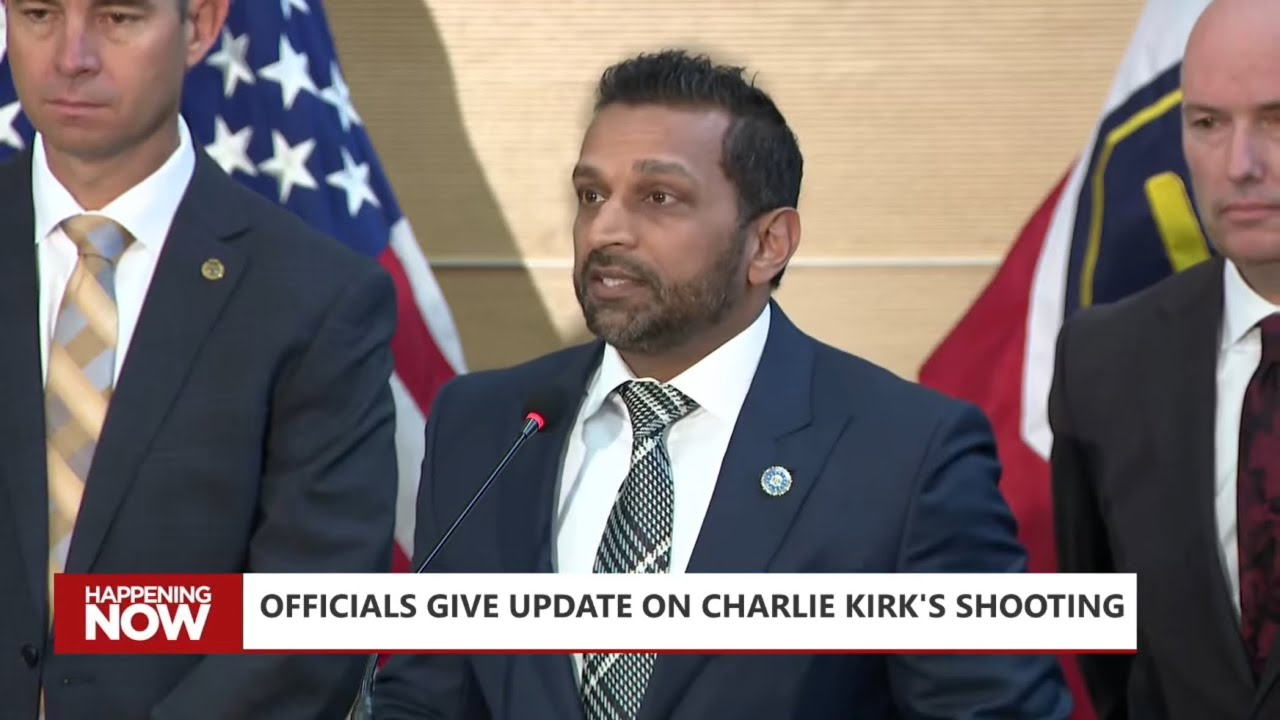
Former Police Chief Chris Burbank Explains How AI Fakes Disrupted the Charlie Kirk Investigation
Enjoying this? Share it with someone who needs to see it.
Up Next
Charlie Kirk Shot and Killed at Utah Valley University During American Comeback Tour Event
7:56
Utah County Attorney Jeff Gray Files Aggravated Murder and Death Penalty Charges in Charlie Kirk Shooting Case
45:59
Legal Expert Analyzes Special Treatment for High-Profile Inmates Following Tyler Robinson's Arrest for Charlie Kirk Murder
9:32
Former Police Chief Chris Burbank Explains How AI Fakes Disrupted the Charlie Kirk Investigation
Retired Salt Lake City Police Chief Chris Burbank breaks down how a flood of AI-generated images and videos complicated the manhunt for Charlie Kirk's killer, explaining that investigators had to sift through thousands of leads, including fabricated ones, without being able to dismiss any until proven irrelevant. He discusses why the inscriptions found on the recovered bullet casings matter to investigators, noting that piecing together their meaning will require months of work analyzing the suspect's social media activity, media consumption, and personal interactions. Burbank also offers a broader reflection on why he believes society is quick to search for an enemy defined by politics or identity rather than confronting the deeper reality of a person capable of dehumanizing another human being to the point of killing them. The conversation closes with a look at how major platforms, including TikTok, Roblox, and Meta, responded to the spread of shooting footage and related content online.
Chris Burbank explains that AI-generated images and videos are now a permanent part of major criminal investigations, noting that the technology will only become more convincing and harder to detect as it improves. He compares it to the internet broadly, acknowledging it provides valuable access to information while also carrying the risk of misleading investigators and the public.
Sorting Real Leads From Noise
Burbank describes the practical challenge investigators face on a major case like this one, where thousands of leads come in and each must be examined individually. He explains that a lead, including a false or AI-generated one, cannot simply be dismissed until it is proven irrelevant, meaning it remains part of the investigative process until ruled out.
The Significance of the Bullet Casing Inscriptions
Asked about the inscriptions found on the recovered bullet casings, Burbank says the fact that the individual involved thought it was important enough to write on the casings makes the messages relevant to investigators. He notes that fully understanding their meaning and intent will require months of additional investigation into the suspect's social media activity, media consumption, and personal interactions.
A Broader Reflection on Dehumanization
Burbank steps back to offer a wider observation, arguing that society's tendency to look for an enemy defined by politics or identity is part of what divides people. He says the deeper issue is that of a broken individual capable of dehumanizing other human beings to the point of being able to kill them, regardless of the specific political or personal details involved.
Platforms Respond to the Shooting's Spread Online
The killing of Charlie Kirk prompted editorial decisions across major platforms. TikTok announced it would remove close-up videos of the shooting along with suggested search terms like raw video footage and actual incident footage. Roblox said it would remove more than 100 user-generated games related to the shooting, while Meta began applying warning labels to related videos and restricting access for users under a certain age.