Up Next
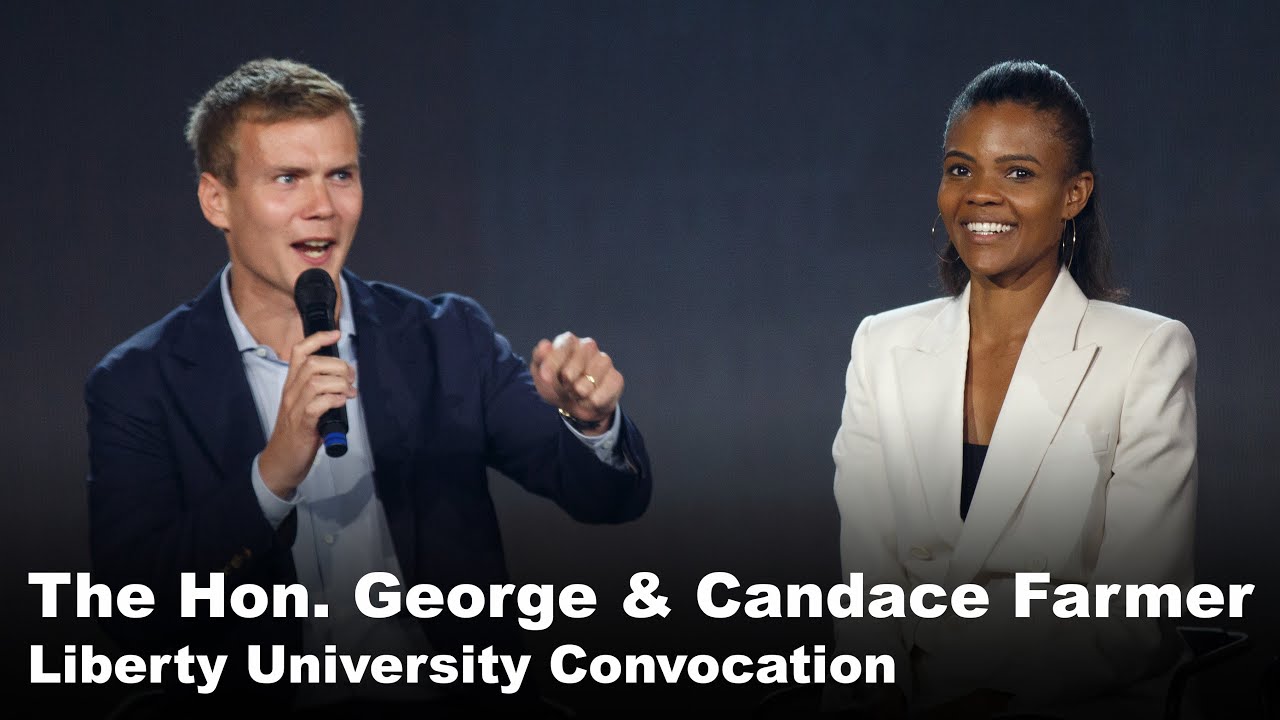
George Farmer and Candace Owens Share Marriage Story, Brexit Insights, and Faith at Liberty University Convocation
1:00:54

Candace Owens Responds to New York Times Hit Piece Calling Her Alt-Right Puppet and Dangerous
4:33

Megyn Kelly and Anna Kasparian Expose Pressure Campaign Against Charlie Kirk Before His Death
11:27
George Farmer Opens Up About Marrying Candace Owens After 18 Days, Converting to Catholicism, and Building a Life Under Fire
George Farmer, husband of Candace Owens, sits down for his first interview in six years to share the untold story of their whirlwind romance, his conversion from Evangelicalism to Catholicism at Oxford, and what it's really like behind the scenes of one of the most scrutinized marriages in conservative politics. From organizing a dinner that turned into an 18-day engagement to navigating lawsuits, business launches, and raising children while the world watches, George reveals how faith became the anchor through their most challenging year yet. This rare conversation explores the collision of British reserve and American boldness, the spiritual transformation that redefined his worldview, and why he believes the real battle isn't political at all.
The Story Behind the 18-Day Engagement
George Farmer finally breaks his six-year silence about how he met and married Candace Owens in what can only be described as a modern romcom. The story begins on a wintry night in London when Candace was filming a podcast with Russell Brand that ran three hours over schedule. Meanwhile, George had been tasked by their mutual friend Paul Joseph Watson to organize a dinner for Candace and Charlie Kirk—a dinner Candace knew nothing about until she arrived three hours late.
"I sat next to you and you basically said nothing to me," Candace recalls. George confirms: "I did what I've done for the past six years. I just said nothing and it worked." Eighteen days later, they were engaged.
The reaction from family and friends ranged from shock to skepticism. "Most of my friends thought that I was crazy and I'm still not sure they've recovered from that opinion," George admits. His best man Nick's initial reaction was simply: "You're crazy." But once people met Candace, the mood shifted to acceptance. George notes that his parents were receptive, though cautious, and after meeting Candace, everyone realized "this is actually real, this is happening."
On Candace's side, Charlie Kirk and some Turning Point USA donors expressed concern. One donor reportedly said it would be "very bad for her brand" not to marry someone else. But as Candace explains: "I do not typically consider who I'm going to marry as a brand decision."
The Challenge of Being Married to Candace Owens
When asked about the most difficult part of being married to Candace, George offers a diplomatic answer with a touch of humor: "There are many different women I'm married to because I'm never quite sure who I'm going to get in one day. Someday I'm going to get one personality and the next day it's this personality. You've got your investigative journalist hat on, your mother's hat on, your Catholic hat on."
But George acknowledges the real challenge: the collision of cultures. "You are an Englishman who likes to retreat, sort of read texts in a quiet place with a cigar. You don't like taking pictures, you don't like being seen or photographed, and then you marry this sort of loud American."
The meeting of British reserve and American boldness has been a constant adjustment. George describes England as "quite melancholic" and "nostalgic," while America embodies an entrepreneurial spirit and willingness to confront issues. "I love the American spirit and culture," he says. "It's much more exciting in so many ways than England. There are parts about England which really are just quite melancholic, and that is not who I am necessarily as a person. I was much more needing to reinvigorate my life."
The Culture Shock of Moving to America
George identifies several major culture shocks after moving from London to America. Beyond the superior bacon and burgers ("I think it's really important to be honest about your own country"), the biggest differences were philosophical and spiritual.
"There is definitely an aspect of willing to get up and change things and do things which is really powerful in America," George explains. He references reading about someone who moved from Germany where everyone in their family worked either for nonprofits or the government—no one had ever worked in a for-profit business. "When you move to America, there's people just doing things the whole time. It is a culture of activity and entrepreneurial spirit."
The other massive culture shock was faith. "In America, faith is a default. It's almost something which people open with in conversations, particularly in Tennessee. You will come across people the whole time saying what church do you go to. In Britain, I would argue it is one of the most advanced secular cultures in the world. You talk about faith in the public domain in Britain and people look at you as if you've got five heads."
George contrasts Britain's liberal Anglican Church with Continental Europe's more robust Catholicism, noting that "most of British society have no real faith life." In America, "people are so open not just to the idea of talking about faith but so open to learning about faith. Conversion experiences happen the whole time over here whereas they're kind of rare in the UK."
Growing Up Evangelical in Secular Britain
George's parents are both Evangelical Christians, and faith was central to their household. "My parents' house would be very built around the Bible, very built around daily prayer life, weekly church attendance, Bible studies—very regular, involved in the church. Faith was a huge part of our life growing up."
But this made him different at his London boys' school. "When you say that you go to church on Sunday in the UK, that is not normal. By the time you're cognizant of having that discussion with your peers at a very young age like seven, eight, nine, ten, you become very aware that faith is different."
This difference sparked curiosity. "I started to become more interested in why I was different, why my family had a faith life, had a religious life versus the rest of the secular schoolboys who didn't. That kind of started a long journey of becoming quite interested in theology and faith."
George's formative years coincided with the rise of radical Islam in post-Cold War Europe. "At the end of the Cold War, we had this great ten-year window where historians and philosophers, famously Francis Fukuyama, said this is the end of history—neoliberal capitalism has won. In the early 2000s that couldn't have been proved more wrong because this was where the rise of radical Islam happened, particularly in Europe."
Witnessing the London bombings during his teenage years while undergoing his own Christian faith formation made him realize: "Faith, religion, is just a huge part of people's life. It is almost the greatest force which drives the world. And I would also say the lack of faith as well, because they always replace it with a faith in something else."
The Journey from Evangelical to Catholic
By age 15, George had begun a conversion experience that would take five years to complete, culminating in his conversion to Catholicism while at Oxford, where he studied theology.
Growing up, his parents viewed the Catholic Church "with suspicion at best," though they acknowledged that personal relationship with Jesus mattered most. The Catholic Church was perceived as "nominal" and "filled with superstition"—summarized by the phrase "smells and bells."
But George couldn't accept the Protestant narrative. "I didn't really understand how we could be saying that before 1517 we just had this big black hole of Christianity from the time of the Apostles until Luther crops up. What's going on? There must be some living faith in this 1500-year window."
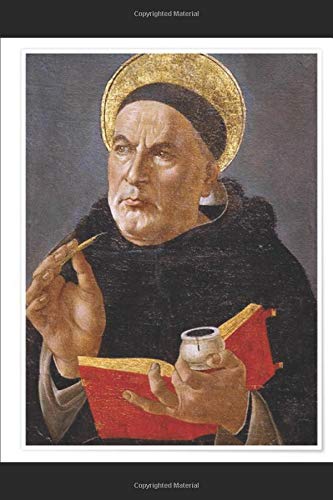
He questioned whether the Church Doctors like Thomas Aquinas and countless popes whose writings shaped Western civilization were Christians or not. "This doesn't make any sense. I just don't believe that there are no Christians here."
A priest at his school—an Anglican who later became Catholic—helped challenge his preconceived ideas about Catholicism. George recalls two pivotal moments: first, visiting a Dominican monastery in Croatia where "it was the silence of the place. I felt I'm drawn to silence. I like the silence, the reflection time, like the early Church Fathers, the desert fathers."
The second moment was at Westminster Cathedral in London: "I sat at the back and I prayed a rosary for the first time in my life. I didn't really know what I was doing but I just wanted to make that first step. When I prayed before the Blessed Sacrament, that was huge for me—this is Christ, this is not just bread, this is Christ."
Hiding the Rosary from His Parents
George didn't tell his parents about his conversion immediately. As Candace puts it: "Most kids are hiding drugs from their parents. You're hiding a rosary from your parents."
"I was very nervous about it," George admits. "I guess I was sort of afraid of one of those medieval reactions of being like 'get out of my house' and crying. I probably thought it was going to be something like that—quite dramatic, arguments and explosions."
His parents found out through someone else and confronted him. "I think they kind of knew it was coming because I kept talking about the Catholic Church more and more. They kind of figured something was going on. But when it actually happened, I didn't tell them and then they confronted me about it later on."
Differences Between American and British Faith and Politics
George observes that certain topics considered settled in the UK remain hotly debated in America. "Abortion is not really discussed in the UK. It's kind of a settled topic, whereas over here it is very much not."
He notes that Europeans often view America as "a bit crazy," looking down their noses at American culture. "But really what that actually is a reflection of is the freedom of the intellectual mind. The reason they say it's crazy is because Americans have this great inquisitive attitude to things. They don't accept standard norms. They are willing to challenge, and that confrontational attitude reflects itself in the way they debate topics."
George uses vaccines as an example. When they first married, Candace asked his opinion on vaccines and his response was: "It's the same as what I think about Tuesdays. It happens. Who cares?" In Britain, the vaccine schedule is "just accepted by everybody and nobody really talks about it."
But Candace's research changed his mind, and now he sees how "Americans fight for this particular topic. Something that starts as taboo becomes a mainstream discussion in America. That's just thanks to Americans being willing to confront it."
The contrast, he says, is that "Europe feels apathetic and lethargic and stagnant. You come over here and people are willing to fight, willing to stand up for what they believe in—whether it's the Second Amendment, rate of tax, Department of Government Efficiency, vaccines, immigration, whatever it might be. That is the greatest difference between Europe and the UK because in the UK there is this malaise, this unwillingness to better oneself or improve the world. That's a terrifying place because then you just become subject to all kinds of tyranny."
How They Navigate Disagreement
Despite public assumptions, George and Candace don't agree on everything. "Of course we don't," George says. "Do you agree with everything your wife says or everything your husband says? It would be weird if everyone thought with a hive mind."
What they do agree on is the process. "What we agree on is the process, and I think that's more important than most of the end results. The process that we have is one of a dialectic, one of discussion, a process where we challenge each other on what we perceive to be—well, there is truth. We know that Jesus Christ is the Son of God and that is truth. Beyond that truth, how does that truth reflect itself in the world we live in? That becomes the process through which we try and establish other truth. We don't always reach the same conclusions."
They obviously agree on major issues like abortion and the transgender agenda, "but there are other areas we don't and that's fine." George emphasizes: "It's a process where I've changed my opinions about lots of things over the past few years. I became a Catholic."
Candace adds that they're both "too interested" to be dismissive. "Society has grown so accustomed to being dismissive—this person's conservative therefore they're racist, this person doesn't want to vote for Kamala therefore they're sexist. I'm too curious. When I see people moving in a certain direction, I want to follow them even if I find out I don't agree. I want to see where they're going. That is what makes us such a unique partnership—we're genuinely curious."
The Spiritual Awakening After Marriage
George was Catholic when they married but "not an active Catholic." Now, as Candace describes it, he's "an overactive Catholic"—attending Mass multiple times a week, morning Mass, and confession every week.
What changed? George cites multiple factors. First, their meeting and marriage itself felt miraculous. "There were so many things which kind of pulled me in that direction. The whole process of how we met and got married was a miracle. There is too much providential alignment here for me to unpack. Even going back decades, I could suddenly see having met you that these had been the steps God had put me on to get to this place in my life. It was crazy at the time."
Second, he recognized that political debates require truth. "If you're a conservative or you call yourself a conservative, you have to say what are we seeking to conserve? What is fundamentally at the heart of everything we believe in? What is the truth we are aiming for?"
He realized that in debates about gender ideology and other issues, "truth itself is breaking down into nothing. It's being slowly chipped away until the kernel of truth is so small it's difficult for people to find. You have to start: what is the starting point? Where do we go back to? What is the very heartbeat of truth? The heartbeat of truth has to be absolute, an objective reality, and the objective reality for truth is Christ."
George concluded: "The more I talked about politics, the more I realized that truth was absent from those debates. I was like, I need to discover what truth is again. I need to reform a relationship with that 15-year-old boy inside of me who was really fascinated by theology. This is the big missing part of my life."
How Fatherhood Changed Everything
Becoming a father intensified George's spiritual journey. "You want the best for your children. Being a father motivates you to be the best dad you can be. It motivates you to stay alive, which is a funny thing to say."
He became acutely aware of his mortality. "I became very aware within months of our first child being born: I'm going to die. And in a non-morbid way, I think about death a lot. Our world has lost the perception of death. We do everything to try and avoid talking about death. Death is perceived as this great thing we mustn't talk about. Everything we do is in a constant culture of trying to extend life—plastic surgery trying to make yourself look beautiful because you're denying the aging process. Even now when we're inevitably going to die, we must be in control through euthanasia. The UK has just veered through this assisted dying bill which is a complete abomination."
Fatherhood clarified his priorities. "When I became a father I suddenly realized I'm going to die and that's just going to happen. I need to sort out my relationship with God. I need to be aligned with Him and not just aligned with Him but promote Christ in this world. I need to promote Christ to my children. I want them to be raised in the faith. I want them to have the best relationship with God because that's the ultimate gift I can give them—more so than money, more so than anything else."
Politics as Downstream from Faith
Both George and Candace have experienced a shift in how they view politics through the lens of faith. Candace reflects: "When you have an active spiritual life, I now observe my past political perspectives as quite adolescent. I look at me going around college campuses speaking about these issues having removed Christ from the conversation. I truly believed at that time I had landed on truth—the lowercase truth of 'the left hates family, the left hates social cohesion.' But when you really arrive at the full picture, you're going: this is not a war against Trump, not a war against conservatives. It's always been a war against Christ. Nothing has changed."
This understanding has been "refreshing and calming. I don't crave politics in the way I used to. For a lot of people, politics becomes a drug. They're addicted to the high life—being in the room, meeting people. Then you get into these rooms and people are drunks and addicts and sleeping with each other. That's such a letdown if you don't have a spiritual life and perspective that in the end Christ wins."
George builds on this: "Christ has won. He's already won. But the Bible is very clear—the devil is called the prince of this world. It's his domain. The armies of Christ are the aliens here. Christianity has always been religious on the outside. Christians live as outsiders in this world. Our home is not this world. Our home is the world to come."
He continues: "The devil is fighting with everything he has to destroy all good things in this world. He never takes a day off. You are always vulnerable. If I've learned one thing from being a Christian, it's that prayer is like oxygen. It's needed on a daily basis as much as oxygen or food. The devil doesn't care whether it's Tuesday and you're having the best day of your life or the day your father dies. It's the same battle."
George quotes Andrew Breitbart's famous line that "politics is downstream of culture," adding his own conclusion: "I would add that culture is downstream of faith. At the heart of whether it's conflict, global conflict, societal change, the rise and fall of ideologies—at the heart of everything is faith. It's very misunderstood because our entire economic system is built off rationality, off humans making rational choices. But humans make what would be perceived as irrational choices the whole time. Christianity teaches that you should give money away, turn outwards not just inwards. And actually when you start doing that, the rewards do flow because you become blessed beyond measure."
Recommended Reading and Daily Practice
When asked about his favorite books beyond the Bible, George mentions several. In his early twenties, Ayn Rand's Atlas Shrugged was transformative, though he's since distanced himself from her anti-faith stance. "From an economic perspective, Atlas Shrugged provides a very apt synopsis of much of what the Western world is going through. We are cannibalizing ourselves from the inside. Economically I agree with a lot of her analysis, but the sad part is she throws religion into the same diagnosis."
More recently, he recommends Carl Truman's The Rise and Triumph of the Modern Self: "A really fascinating analysis on how we ended up here—the politics of sexuality. To the untrained mind you get to 2024 and you're like what on earth went wrong? He weaves the thread of how we started talking about Romantic literature and poetry and ended up at transgender. He does a great job explaining how sexuality has become the new God."
He also mentions The Great American Gamble about America's nuclear policy, which changed how he thinks about geopolitics and defense, particularly the flawed policy of mutually assured destruction.
Every morning, George reads from three sources: the Bible, daily quotations from C.S. Lewis, and daily readings from Pope Benedict XVI. "They are treasures of wisdom," he says. He also recommends C.S. Lewis's Mere Christianity, which has undergone a popular resurgence, including a recent book club by Russell Brand.
Surviving Their Most Challenging Year
The past year has been tumultuous for the Farmer-Owens household, though George approaches it with characteristic understatement: "Nothing happened, no changes, everything's been copasetic, very nice."
In reality, they've navigated Candace being fired, launching an entirely new podcast business in six weeks, dealing with lawsuits, relocating, their son starting school, setting up a new studio, and raising children—all while under intense public scrutiny.
"It was the most challenging year we've ever had for sure," George admits. "There was a big component to just saying to the Lord: help. How do we do this? How do we do everything? It's been really tough, and I would say it's been good to do it because fire does strengthen. I think our marriage has definitely got stronger because of it."
He reflects on their unusual reality: "Your Tuesdays are not average Tuesdays. It's not like waffles or cereal. It's like 'what are they going to publish today, okay we better do something about this.' That also means we have this constant need to be brutally honest with each other, which I really enjoy."
Despite the chaos, George sees purpose in it. Candace has said publicly she's grateful for being fired, and George seems to share that perspective—that sometimes the hardest trials reveal the clearest path forward, especially when anchored by faith rather than politics or public opinion.
Video Transcript
all right guys it's only taken me six years to book this next guest very difficult person to book but I made it happen George farmer welcome to Candace hi honey come it's taken why do you never come on my show I try so hard to get you on the show and it's been six entire years since you've done that you know your your skills are in front of the camera mine are behind them yeah exactly I like to let you do your thing I do my thing we do our own things you know well I have a list of questions that the internet would like to ask don't worry it's not too bad I I will start obviously people love to hear the story about how we met because it was I wouldn't even say a bit like a romcom it actually was a romcom featuring Russell Brand who does a lot of romcoms he's actually known for a lot of romcoms and so uh for those of people that don't know the story uh it was a wintry night in London I was filming a podcast with a very communist Russell Brand by the way I would like to be very clear he was very far on left y and it was his Under the Skin podcast supposed to be for like an hour it ended up being 3 hours of filming and you had a friend Paul Joseph Watson who was a mutual friend but I had never met him and he and I were supposed to meet up to finally meet off of the internet just to say hi to each other and he never told me that he had actually organized an entire dinner for me and for Charlie Kirk with about 30 people so I had no idea that there was a dinner being thrown in my honor in which he kind of pwned off to you to organize a dinner mhm so I arrive 3 hours late my assistant informs me that there are a bunch of people waiting for me I get out of Russell br's house and I was very apologetic when I arrived 3 hours late cuz I like to be punctual and I sat next to you and you basically said nothing to me correct I did what I've done for the past six years I just said nothing and it worked and it worked yeah it absolutely and then you married me so I have no idea why yeah 18 days later that's right we get engaged and I think the first question that a lot of my audience members have is how did your family and friends react to that this American Girl Just breezes on in and then you're like hey I'm going to get married to this person that I barely know after 18 days well most of my friends thought that I was crazy and I'm still not sure they've recovered from that opinion um but the family took it pretty well I mean my parents were pretty they again were like a bit kind of like okay this is very crazy very odd but sort of we'll go along with it and see where this goes and then they met you I think that was a big game Cher for a lot of people because when they meet you they're always as in awe as I was when I first met you um but they they were very receptive and after a while I think everyone realized that it was real you know and that was the really big hurdle to get over was that everyone initially thought is this crazy is this just you know like a fire flung romance um and then it was like okay this is actually real this is happening they're going to get married and then they kind of moved the mood sort of moved to acceptance and people got on board and then they realized how great you were and then everyone was pretty happy about it did you have any friend who unbeknown to me was like listen mate as they say in the UK listen mate you are making the a really bad decision the worst decision possibly of your life no not really I mean is a credit to them or discredit to them yeah probably uh I think it's a credit to them yeah I mean I think our best my best man Nick who you obviously know very well um he his original reaction was you're crazy um and this is never going to happen that was really when I first met you like on the first the first night that we first met people were very when I went back from that night I was like okay you know there's this girl very interesting like this could go somewhere all that kind of stuff um and his initial reaction was you're completely insane um but then by you know come January come February come March of that of the next year which was 2019 when we got married it was like yeah this is happening and this is good this is good Everyone likes you I remember for me I didn't have anybody in my personal life that was saying don't do this but I definitely had people in my professional life who were saying I will never forget this we have to call him out right we do Charlie Charlie Kirk Charles Kirk if you are watching right now but um obviously he was very young and he he both of us were just so absorbed with politics and we were traveling together everywhere Charlie really was like a little brother to me and I remember he's just like you just cannot do this you don't know this person and then one of the donors to Turning Point USA was telling him it would be very bad for my brand and that really stuck with me that one of the donors said it would be very bad for your brand for you to like not marry a black guy from the projects or something like that that's right yeah and I was sort of rebutted do you think it's being bad FBR sort of that's the real question I think like is it bad F Brown now well I I do not typically consider who I'm going to marry as a brand decision which is what I explained maybe you should but uh yeah we we we got married and we proved the naysayers wrong and it been a a very a lot of learning experience and I think another question a lot of people have is what is the most difficult part about being married to Candace Owens how long have we got um well I like to joke with you and you know that I tell you this joke so really this is just for the audience but I like to joke that there are many different women I'm married to because I'm never quite sure who I'm going to get in one day so it's like someday I'm going to get one personality and the next day it's this personality and then you've got your investigative journalist hat on and then you've got your mother's hat on and then you've got your Catholic hat on so there's a few hats that you're wearing at any one point in time so it's always fun I wouldn't say that's difficult it's really just a joy of who you are as a person you're being kind it's also been a tremendous Challenge and I think think personally to you because you're so different from the environment that you're now stuck into which is to say yeah that's true you are an Englishman you like to retreat sort of read your texts a quiet place with a cigar mhm Yep this is all correct this is all very correct and then you marry this sort of loud American you don't like taking pictures you don't like being seen or photographed and then you marry this loud American and so you've really had to ad just I think would be the correct word yeah it is the meeting of the two cultures is perfected in our marriage I would say yeah the bombastic americanism versus the retired English Persona has definitely been like fine tuned but I think that like I mean I enjoy I love America I mean it it goes without saying but I love the American Spirit and culture and you obviously embody much of that it's it's much more exciting in so many ways than England and that's not to say that I don't love England because I do love England but there are Parts about England which really are just quite like melancholic I would say and quite nostalgic and that is not who I am necessarily as a person I sort of grown tired of that by the time that we had met I was much more like needing to reinvigorate my life and to like find the next big project to move on to and kind of not saying that America was a big project but it is definitely a different culture it's one which I really enjoy you know which is funny because that those are the sort of the elements that I really loved about England that I really fell in love with like sort of the you're always attracted to the opposite yeah the it's England particularly London is a bit of a Jane Austin novel and it's one of those at least for me one of the cities that actually like lives up to the hype and so I used to us I think it's like it's faded a bit now you know under sadik Khan who's a pretty terrible man but many people say that it's changed a lot it we've had a kind of peak age but like it is beautiful it's a great City it's a nice city but it's also it's changed a lot but England as a whole like is very beautiful country I mean it's filled with beautiful you know history tradition churches culture the universities the ancient universities like Oxbridge darham you know they're they're wonderful places to visit but it is in danger of kind of slipping into that like European psychosis of just becoming a beautiful Museum you know and there's no like there's nothing invigorating about it it needs to be revitalized like you need to have something which is growing and producing goods and making Society work you know and kind of it's slipping yeah I think you've definitely made made me appreciate a lot of those aspects of American culture because there is something about England that is quite parochial and it seems like it's never changing with which is beautiful in many ways but also sometimes not because you want things to change uh not necessarily to give up Traditions not necessarily to give up Beauty and architecture and taking your time to make things which I think America could learn from but definitely I think in terms of their willingness to confront certain issues I would probably say I find the English to be incredibly polite which I think can be very frustrating I I would imagine could be very frustrating people that live there so for you coming to America moving your entire life here after being a person that's born and raised in London and has lived in this sort of quiet sleepy melancholic culture what has been the biggest change or culture shock the bacon obviously the bacon which is infinitely Superior in America I would say that um I think it's really important to be honest about your own C country and culture American bacon is just much better than English and burgers yep the burgers too um driving on the right hand side of the road is the right side of the road to drive on um definitely having now driven a lot of miles on both sides of the road but there are other things like you know people dress better in England there's just no doubt about it they dress better um what would I say is the biggest culture shock in general though I would say that um there is definitely an aspect of what I just mentioned which is kind of that willing to get up and change things and do things which is really powerful in America like that is definitely the that is one of the biggest culture shocks like and there are other people who have said the same thing there is um you know I was reading something the other day where somebody who previously lived in Germany moved to America and they basically said before I moved to America my parent my father worked in a nonprofit and my mother worked for the federal government of Germany and so no one in my life and no one that I really knew in my life had ever worked in a for-profit business like everyone had either been subsidized by other people or subsidized by the state and so when you move to America like for me that was one of the hugest things like you you just kind of move over here there's people just doing things the whole time and it is a it is a culture of activity and entrepreneurial spirit and so that for me was a huge eye opener uh when I moved here I would also say that the other big thing which has kind of faded in my acknowledgement of how revolutionary it is in some ways is just because it's now I'm now part of that culture in America so I've become less receptive to how big it is but I remember how big it is when I go back to the UK is Faith because in America faith is a default it's almost it's it's almost something which people open with in conversations particularly obviously where we live in Tennessee you will come across people the whole time saying what church do you go to and I was listening to a faith-based podcast or I was reading the Bible or something like that and in Britain I would argue it is one of the most advanced secular cultures in the world and you talk about faith in the public domain in Britain and people look at you as if you've got five heads and it's really just very demoralizing it's quite um it's quite hostile really to organized faith and um there's a difference between Continental Europe and the UK Continental Europe has predominantly been Catholic and there's much more of a kind of Hardcore Catholicism in places like France and Spain obviously Italy is completely separate because that's where the home of the church is but you know you've got these countries in Europe where there's kind of a hardcore Catholic movement and so if you say like I go to mass every day or I I you know take my faith like Ser seriously and you say it to one of those people they would be very receptive to that and there's a whole branch of society which is kind of built around preserving the faith but in Britain the Anglican Church which is the state church is very is very liberal I mean it's incredibly Progressive and as a result most people have most of British Society have no real Faith Life and so faith in the public domain is just not something talked about and so over here you come over here it's it's amazingly refreshing to be in America where people are so open not just to the idea of talking about faith but so open to learning about faith so open to talk that conversion experiences happen the whole time over here whereas they're kind of rare in the UK um but yeah that's probably one of the biggest culture shocks I'd say yeah that's interesting because it's it's a it's a bit of a paradox when you consider the fact that if you could attribute the Beauty and the timelessness and the inspiration of Europe to anything it would be Christianity and so to hear so many people say that they've abandoned those roots it it's just it's interesting how they've landed upon that but that's a perfect segue because obviously one of the biggest questions that we get about you or the most frequent questions that we get about you is about your faith not exactly a usual scenario for someone to leave the Anglican church and become a Catholic uh least of all uh when they were actually raised with a strong faith so I guess can you just speak a little bit to your faith Journey speaking about your household how you were raised whether your parents had Faith have faith and um and then let's get into your decision to we say in America study theology you would say to read theology in the UK at Oxford yeah so I mean my parents are both Evangelical Christians um and as you know um my sister's are also like they have a mixed Faith Life one of them is very devout the other one is not um I was raised in a home which is still to this day like my parents house would be very built around the Bible would be bu very built around a daily prayer life um a weekly Church attendance like that would be something that is just Bible studies like very regular involved in the church Faith was a huge part of our life growing up you quickly became aware of that in England just going back to my previous answer about how secular it is because when you say that you go to church on Sunday in the UK that is not normal and so as a result by the time that you're cognizant of kind of having that discussion with your peers at a very young age like S 8 9 10 at a boy School in in London you become very aware that faith is different um that for me was probably the starting the starting block because then what happened was I started to become more interested in why I was different like I started to become more interested in why my family had a Faith Life had a religious life um versus the rest of the kind of secular school boys who didn't and so for me that kind of started a long journey of becoming quite interested in Theology and Faith um by the time that I was um 12 134 I was very aware that Faith was a huge part of how I saw the world um so it just it's different I mean if you are brought up in a faith-filled home you will realize that Faith religion has a huge impact on the way people are shaped and that was equally as being played out in the UK during my formative years by radical Islam as it was being played out by my own Faith formation in Christianity because at the end of the Cold War of course we had this great 10-year window where historians and philosophers famously Francis fuky said this is the end of History neoliberal capitalism has won we will never see the rise of another ideology again in the same way that communism and capitalism had to face off against each other and in the early 2000s that couldn't have been proved more wrong because this was where when the rise of radical Islam happened and particularly in Europe This is felt this was felt very strongly and so for me I was witnessing things like London bombings going on in my teenage years versus my own faith formation in Christianity and this made me realize by quite a young age that Faith religion is just a huge part of people's life you know it is a huge part it is almost the greatest Force which drives it is the greatest Force which drives the world and I would also say the lack of faith as well yeah yeah a faith in nothing yeah exactly because they always replace it with a faith in something else yeah which is kind of an interesting way of looking at it yeah yeah I mean in the UK and again this is this is because of the UK's Advanced secular culture in some ways you look at you look at radical Islam in in Europe well what's what's Islam reacting to like why are so many young men in Europe being drawn to Islam the reason being is because the void it's the void nature abhor a vacuum and so you you've had the churches in Europe whether it be the Catholic church or the Protestant churches they have stripped themselves of true Theology and Cath the the Catholic church in Europe is as guilty as this of anyone else you've had a you've had this Progressive weak wishy-washy liberal gospel being preached by you know every Pastor Under the Sun and then you've got this religion which crops up which shows affirmative action absolute strength you know these are the tenants which appeal to young men particularly in Europe um and of course in the Middle East but you know predominantly in Europe a lot of the radicalism within Europe is now homegrown it's not come it's not being imported it's being homegrown and so this is the key you know driving force is the fact that theology like Christianity in Europe has been stripped of its actual truth its Eternal truth and that's not to say that okay you know there would be no conversion to Islam if Christianity was standing on its own two feet but it's definitely the case that if you look at the UK for example you've got this Progressive weak Anglican Church which is basically saying that you know leftwing politics is good and you know the predominant role of the church is to care about the environment and you know all this kind of nonsense and actually of course people don't just they don't just want a social gospel they want Eternal truth and they want real Faith they want to be told this is how you should live your life right this is the real meaning of life it's not just about you know the environment and Net Zero and whatever else that we coming out with what you're talking about is really just the absence of authority and and structure and people actually crave that in the end it reminds me of when I hosted uh Andrew Tate I want to say it was a couple years ago maybe it was last year but he similarly said I I pressed him on why he left Christianity yeah and the answer he gave which was very interesting for me to consider was he basically said Christianity became weak and Christians don't defend themselves they allow people to disrespect Jesus Christ and how are people supposed to be drawn to something that has been weak and obviously startling upsetting to hear but he is echoing I think what you are what you are speaking to which is that there there does need to be a return to a a trer faith guys I wanted to throw it to one of our sponsors pre-born because we know that every baby's life is a precious gift full of potential and dreams waiting to unfold this is why pre-born the nation's largest pro-life organ ganization is on the front lines for atrisk babies and mothers that are facing unplanned pregnancies pre-born network of clinics are positioned in the highest abortion rate areas in the country they're equipping these clinics with the resources that they need to save these precious lives and provide compassionate support to mothers throughout the two years after birth all at no cost as abortion continues to rise pre-born is expanding their life affirming care to help more hurting women and save more babies if you have the means would you please consider giving a gift to save a baby in a very big way your tax deductible donation of 15,000 will place an ultrasound machine in a woman Center saving countless lives for years to come and now through um I don't know what we're supposed to put a month there your gift will be doubled now through March I think maybe your gift will be doubled donate dial pound 250 and say the keyword baby again that's pound 250 baby or you can donate securely at pre-born docomond that's pre-born docomond so you're rais in an Evangelical household you are introduced to Faith your entire life yeah you drawn to it at a I would say rather it's very young 13 years old but so that's how you are and uh when did you make the decision I'm actually going to study this at Oxford like I'm going to I actually want to continue this Pursuit with theology yeah um was it right away did you consider a second subject it was I sort of thought about history at one point um but it was quite clear to me I think that theology was the answer you I was very interested in it as I said I was just very very interested in it I by the time I was 15 I had begun the conversion experience that I then went through for the next 5 years to Catholicism which culminated in me converting when I was at Oxford uh let not let's slow this part down because this is the this is pretty big obviously especially as uh like I said someone raised Anglican so you're at Oxford you're studying theology what moved you as an Evangelical to the Catholic Fai Faith which I imagine you were raised with a different understanding a different perspective evangelicals do tend to hold a lot of I would say strong feelings against the Catholic faith both here and abroad the of Babylon no um that is some some evangelicals would say that but it yes of course I mean it was I was brought up in a home where I think it was viewed with suspicion at best um although you know to give my parents credit where it was due they had always basically said that it was the personal relationship with Jesus which mattered more than anything else um and so you know my dad has frequent examples of Catholics he had spoken to who he definitely knew had personal relationships with Jesus but generally speaking the Catholic church was perceived of as nominal like nominalism where people just went they didn't really understand where they went um and filled with Superstition was the two phrases that kind of stuck out Henry VII may have had something to do with that well for the the corruption of the Catholic church in England was started with him for sure um but it the persecution actually really I should say but basically you know smells and bells um was a phrase that frequently stuck around in my head from when I was growing up because that was how the Catholic church was perceived but for me in in part there was kind of a numbers component to it and this is just something which I think is how my brain works but I didn't really understand how we could be saying that before 1517 we just had this big kind of black hole of Christianity from the time of the Apostles until Luther prop crops up and so for me that was like okay well what's going on like there must be some living faith in this 1500 year window even if you want to call it like a 1200 year 1300 year window because for the first 200 years you had the kind of apostolic age so you know what's going on in that period and for me that was like a well we're not just going to write off this entire period of history and I'm also I do like to challenge ideas and Concepts and just figure out what's going on and for me I was like okay well you've got doctors of the church you've got some of the greatest Minds ever like Thomas aquinus ever in human history who occupy this period as well as countless popes who whose writings have been imbibed and kind of consumed by Western Civilization sins so what's happening with these guys like are they Christians are they not Christians and so that was really kind of where it began for me that was the early church the first 700 years was what I then went on to study but that was kind of really where I began my inquiry was like this doesn't make any sense I just don't believe that there are no Christians here um so let's figure out what's going on and so that was kind of where I started and I had this great uh priest at school who was actually an Anglican priest but he ended up becoming a Catholic as well but he was very good at rebutting many of the preconceived ideas that I had about Catholicism and so he started to really kind of challenge me on a lot of my positions um and that was kind of Where it All Began okay and was there a singular moment that you can recall in your mind when you went this is it I'm going to I'm actually going to convert to the Catholic faith H I wouldn't say not really no I mean there was a moment I remember the first time that I went into a Catholic church with the there were two I guess there were two moments probably there was once where I was in a um Dominican Monastery in Croatia where I very much felt that there was a calling you know it was in some ways it was I know this is a weird thing to say but it was kind of the Silence of the place you know I just felt I'm drawn to silence I think you know that um but I I I I like the silence I like the reflection time it's like the early church fathers who were the desert fathers have always had an appeal to me because they they wanted to lead this contemp of Life studying the Lord like in silence and so for me it was something about The Silence of this church which I just found very kind of inspiring overwhelming in some ways so that was one that was one moment I think I was about I must have been about 15 or 16 at that time and then there was another moment which was the first time that I went into a church and that was in London Westminster Cathedral and I sat at the back and I prayed a rosary for the first time in my life and I didn't really know what I was doing but I I I just wanted to make that first step and then when I did that I and I play pray before the Blessed Sacrament which was also a huge kind of for me that was something which I had really begun to appreciate like this is this this is Christ This is not just bread this is Christ and it was not an easy thing to tell your parents in fact you didn't I didn't that's right yeah most most kids are like hiding drugs from their parents you're hiding a rosary from your parents this was like I was yeah I was very nervous about about it um and I didn't really know I was confirmed and then I had and then I sort of carried on living and I it to me it was something that I didn't want them to kind of know about start off with and why because because my parents were big big time evangelicals really and but what did you think their reception would be to that that you were you kind of wanted to keep the piece so to speak yeah I did want to keep the pieace you I guess it was quite cly of me now if I think about it but it was I guess I was sort of afraid of one of those kind of medieval reactions of being like get out of my house and crying and you know I don't know I I I don't know to be honest what I thought the reaction would be at the time I probably I probably thought it was something going to be something like that kind of quite dramatic and and arguments and explosions and all that kind of stuff but um how did they find out or how did you tell them I actually don't know how they found out they they found out but they never but then they confronted me about it and we had a conversation but they already knew by that point so say clearly somebody else had told them we saw your we saw your son walking up the steps to mass yeah exactly so um I think they kind of knew that it was coming because I kept on talking about the Catholic church and I sort of started talking a lot about that and I was talking more and more and more about it and I think they kind of figured something was going on um but then when it actually happened I didn't tell them and then they confronted me about later on so now that you're in America and I think a lot of there's a lot of faith discussion happening now what would you say your perspective is because this is something that you and I discuss there there are these slight differences it's kind of difficult to speak to regarding the way that certain topics emerge in the UK and certain topics emerge in America like we are brother and sister but there are some differences you know what I mean and one of the things that I had kind of spoken to you about was even evangelicalism faith is so different like when I think of your parents who are evangelicals compared to evangelicals in America it just feels different you know it just feels very different so what would you say are some of the differences that you can speak to in I guess whether it's religion Faith or another topic um when it comes to politics across the pond as opposed to here on a variety of subjects abortion Faith yeah I mean Faith obviously is one that I've spoken about already I mean abortion is something which is an interesting one because again abortion is not really discussed in the UK it's kind of a settled topic um which over here it is very much not I mean the funny part is is that the perspective of many Brits to America and you know I'm sure there'll be people in the comments who will be like I'm British and I disagree with you on this but generally speaking the perspective of Britain is that America is kind of a bit crazy you know and and Europe as a whole Europeans tend to you know and I don't agree with this but this is often the way they tend to look down their noses quite a bit at American culture like um Europeans think of themselves as quite High futin you know and they're kind of like you know sort of Americans are crazy Americans um but of course really what that actually is a reflection of is the freedom of the intellectual mind right and actually the reason that they say it's crazy is because Americans have this great inquisitive attitude to things they don't accept standard Norms they are willing to challenge and that confrontational attitude then reflects itself in the way that they debate topics so abortion like take that as an example Americans are not willing to just those who are pro-life and even those who are pro-choice neither side are just willing to accept the standardized Norm they are they are prepared to fight for whatever they believe and that is the same on other topics such as vaccines for example which I know is something that you and I talked about when we first got married you know in Britain the vaccine schedule is just accepted by everybody and nobody really talks about it it's you know I think I I give the illustration that when we first got married you sort of asked what I thought about it and I my answer was kind of like well it's the same as sort of what I think about Tuesdays you know like it happens I mean who cares kind of thing um and over time you know obviously you and I have talked extensively about these and and that's changed my mind about a lot of things but also it's it's been very interesting to see how Americans fight for this particular topic um something that will be a tab start as a taboo will then become a mainstream discussion in America yeah and that's just thanks to Americans being willing to confront it and that is a great example because I mean I always knew I was not going to vaccinate my children I was always adverse to vaccines but um uh but you led me down the garden but I led you yes exactly I was like what do you think you were like oh yeah what do you think about this and then I was like I don't really care like what's the what's the big deal and then and I was like hey check this out hey check this out and then I think you were quite surprised by a lot of the research that I come upon but it's so interesting because that was what five six years ago and now we're looking at an America where make America healthy again is mainstreamed RFK Jr is speaking about vaccines he was really the only resource that I had when I kind of began my journey and I can host a a successful podcast talking about vaccines and so it is interesting because you are correct people do and sometimes rightfully stick down their noses to American culture CU there are some aspects that we contribute I mean we gave the world the Kardashians right we've got we've got to you know sort of there there's definitely a downside to American culture but you're correct in that the upside is that when we establish these Norms they're not necessarily established we will we're willing to then say wait a second what are we doing why are we doing this let's revisit this and we're willing to have the confrontation like in a way we're still the colonists yeah you're still willing to fight and be aggressive which is and and that's but you know the worst thing is apathy I mean that's kind of the whole point right it's like that's how Europe feels it feels apathetic and lethargic and stagnant and it's like you you come over here and people are willing to fight they're willing to stand up for what they believe in you know whether it's the second amendment through to the rate of tax through to the Department of government efficiency because they want to cut federal waste or vaccines or immigration or whatever it might be people are willing to just fight for what they believe in which is so refreshing and that is that is the greatest difference between Europe and between the UK because as I said in the UK there is this kind of it it's just a it's like a malaise it's a malaise of the mind you know it's a malaise where people go ah you know life is kind of okay and you know we're fine and we're just plotting along and all this kind of stuff and it's it's an unwillingness to better oneself or to improve the world in a better position and that's a terrifying place because then you just become subject to all kinds of tyranny yeah absolutely and I think it's probably quite challenging because I always think of the other side like I my brain sort of naturally goes okay if it's being presented to me as the mainstream acceptable position I want to see what the unacceptable position is and see where I land on various topics and unfortunately for you because I have this huge platform and I say what I think people assume that it must mean that that's exactly what you think but I'm kind of thinking out loud most of the time I'm going okay this is a new topic I'm not sure I think about it and that must have an impact on your life because people just assume that we agree on everything and we don't agree on everything we don't agree on everything so what are we yeah of course we don't of course we don't and I think that's something people are very interested in is how do we navigate that because I don't really think we think about how to navigate that but it is a big thing that my my positions kind of become the family position on things because people just assume that this must be what you think yeah I mean I think my answer to that when people have confronted me about this personally is always like well do you agree with everything your wife says or do you agree with everything your husband says I mean it would be weird if everyone thought with a hive mind because it would just become the def facto like that that's weird that that that implies that you share a an absolute belief in everything right which is very odd um and I've never met anyone who has had that so I think that what we agree on because the individual topics themselves are highly nuanced and quite difficult to always reach conclusions on but I think what we agree on is the process and I think that that actually is more important than most the end result because the process that we that you and I have is one of a dialectic and it's one of a discussion a process where we challenge each other on what we perceive to be well there is truth we know that there is truth we know that Jesus Christ is the Son of God and that is truth and he is a transcendental um truth is a transcendental but the point being is that beyond that truth how does that truth reflect itself in the world that we live in that then becomes the process the hermeneutic if you want to call it that through which we then try and establish other truth and we don't always reach the same conclusions now there are certain areas where like it would be very weird if we didn't like we both obviously agree that you know abortion is wrong and we both agree that the transgender Lobby is far too powerful and you know is is seeking malevolent aims and all these kind of things there are plenty of areas where we obviously do reach the same conclusion but there are other areas we don't and that's fine and and also it's a process which like I've changed my opinions about lots of things over the past few years I became a Catholic exactly yeah it is it is a willingness to migrate our positions and to realize that we were wrong I think that is unique but I I don't appreciate until people ask me about it how fortunate we are to be in a relationship where we don't argue about people just assume like oh my gosh you must be arguing all the time about all of these things and it's like no I think we're both too interested and in the same way that I definitively thought I had all of the traditional uh Mainline perspectives about the Catholic faith worship Mary blah blah blah but I was too interested to just shut that down when I saw the way that it was moving in your life because you became increasingly more Pious after we got married which is really interesting and we should we should speak about that a bit but you did I mean you were you are not you are not the same person that I married and I say that as a tremendous compliment even though I thought you were perfect the day that we got married I now look back and I'm like wow to see how much faith has moved you what I say to people I was so interested I'm too interested to just go okay well he's just dabbling in a heresy you know what I mean or you know he's just worshiping Mary and I think Society has grown so accustomed to being dismissive whether you want to say well this person are conservative therefore they're racist you know this person doesn't want to vote for commo therefore they're a sexist you know this person has this perspective therefore they anti-semitic whatever the name is of transphobe of the day I'm too curious I'm too curious when I see something people moving in a certain direction I want I want to follow them even if I find out that I don't agree I want to see where they're going and I think that is kind of what makes us such a unique partnership is that we're genuinely curious going back to that movement in your life so you were a Catholic when we got married you were not an active Catholic when we got married and now I would say you are an overactive Catholic you are about as Catholic as it comes uh you attend the mass I'm multiple times a week uh morning Mass you go to confession every week what was it in your life that pulled you in that direction cuz I don't even I still don't really comprehend it you had it was because you had to pray for me yeah I was just overwhelmed with the inbound traffic that we had I was just like Lord please help me deal with this crazy woman that I married to um no I'm joking of course it was look I I CS Lewis writes that how absurd it is to think that the lost sheep can find the shepherd you know and um the shepherd has to come and find the lost sheep that's not to say that I was fully lost I think I had probably emerged from my lost years I did have lost years in my 20s there was no doubt about it where I had no faith life so to speak I mean I maintained a a comatosed heartbeat relationship with with Christ um in as much as I infrequently attended church I prayed infrequently I talked about God I would have said that I was a Christian but I was like very weak in my faith um and you know really for me I think there were there was I mean there were so many things which kind of pulled me in that direction when we got married and I started I mean I think that the whole process of how we met and how we got married and all that kind of stuff was it was a miracle like I I I said that to you many times in those first six months I was like this is a miracle there is just a there is too much providential alignment here for me to unpack this all I was kind of overwhelmed with it at the time it was something which I just thought was beyond my comprehension like I I could there were so many things I mean even now when I think about it I mean now the kind of mystery has faded so the surprise is less than it was at the time but there were things like going back into decades ago where I could suddenly see having met you that this had been the steps that God had put me on to get to this place in my life you know even the fact that like you know I mean I had a US Visa and like all this kind I mean it was just it was it was crazy you know at the time like what what I unpacked in that in that uh in those six months and just sort of how I thought about the world after that um that was definitely something where I felt the presence of God um and then there was a recognition I guess that the political debates we were in I mean there were many things but the political debates we were in required truth you know and that is something where I still to this day I I think that if you're a conservative and or you call yourself a conservative and that's even that word is kind of just a bit meaningless in some ways but if you want to call yourself a conservative on the American right you have to say well what are we seeking to conserve and you have to say what is fundamentally at the heart of everything that we believe in America or even in the West in the world what is what is the truth that we are aiming for and particularly when you get to these kind of radical fringes of politics where you're talking about you know the ability of men and women to change their genders or even the LGBT Lobby or whatever it might be like whatever ever it is whatever these topics are you start to realize that truth itself is breaking down into like nothing it's just being destroyed truth is being slowly chipped away out until the kernel of Truth is so small that it's so difficult for people to find in those debates so you have to start okay well where's the starting point like what what do we go back to what is the very heartbeat of truth and the heartbeat of Truth has to be absolute it has to be an objective reality and the objective reality for truth is Christ and for me I started realizing that the more and more I more I talked about politics or the more we were involved in politics or the more I saw witnessed Politics the more I realized that truth was absence like truth was absent from those debates and so for me I was like okay well we I need to discover what truth is again and I need to reform a relation ship with that 15-year-old boy inside of me who was really fascinated by Theology and for me that was kind of I was like okay this is the big missing part of my life like this is where I I don't really have a relationship with God like I used to when I was a teenager and in my very early 20s so that was what drew me back I was like I need to discover what truth is again and then that was the kind of the first stepping stone and then it became very apparent to me that re-engagement with my faith was something which I needed to do in a very serious way I'm just going to uh kick it to one of our advertisers gold Co cuz we're we're all wondering what they have in store for president-elect Donald Trump are they going to crash the economy before he gets into office are they going to kick off World War II it certainly looks that way I don't know what they're up to but I'm also not waiting around to find out I don't think that you should either which is why you should go to cises gold.com to learn about my partners over at goldco they are the precious metals company that I trust they're top rated they have impeccable customer service and they have supported this show since the very beginning and for my listeners they're going to give you a free gold and silver kit this will uh teach you about how precious metals can protect your money and help you invest in the future you could also get a 10% instant match and bonus silver on qualified orders I don't want you to miss out on this and this is a great way to help support the show all you have to do is go to canis likes gold.com again that is Canis likes gold.com how has fatherhood played a role in that if fatherhood has played a role in that becoming a father is a very big sea change I think for all men is it I don't know maybe some men are like no actually no it is I mean yeah being a dad is is huge I mean you want your you want the best for your children you know and so I want you know I love my children I mean there there are so many ways that fatherhood changes you I mean being being a father both motivates you to be the best dad you can be it it wants you it motivates you to stay alive which is a funny thing to say you become very aware I became very aware within moments within months of our first child being born of my IM mortality I suddenly became very aware of like I'm going to die um and in a nonmorbid way I think about death a lot and that is because I think our world has lost the perception of death we do everything to try and avoid talking about death we we don't want to cover the topic and death is perceived of as this great like we mustn't talk about death like we must avoid death and even everything we do is kind of like in the constant culture of trying to extend life like plastic surgery it's trying to make yourself look beautiful because you are denying the aging process you know and even now when we want when we when we're trying to when we are inevitably going to die we must be in control of that process through euth an Asia like the UK has just vered through this assisted dying bill which is a complete Abomination um but this is how we are now perceiving death we like have to control this process and so natural death is spe is is totally pushed to one side but when I became a father I suddenly realized that I was like okay I'm going to die and that's just going to happen and I need to sort out my relationship with God and I need to be aligned with him and not just be aligned with him but I need to promote Christ in this world and I need to promote Christ to my children and I want them to be raised in the faith so I want them to have the best relationship with God because that's the Ultimate gift that I can give them more so than money more so than anything else like you know stability is good of course it should be sought but there are plenty of children who don't grow up in stable homes who I would still wish the same for them that they know the truth of Jesus Christ right I would think when you have an active at least it's been the case for me like when you have an active spiritual life I now kind of observe my past political perspectives as quite adolescent in a way yeah like I look at me going around college campuses and speaking about these issues having removed Christ from the conversation or if I'm you know saying Christ on stage it's not it's not with the not with the the fullness of truth I guess is the best way to say it it's more kind of like a political talking point and truly believing at that time that I had landed on truth and I'm like the lowercase truth of well the left the left left hates family you know oh the left hates um social cohesion oh the left loves you know racism because of this or that oh the left feminism this and then when you really arrive at the full picture you're going this is not a war against Trump this is not a war against conservatives it's always been a war against Christ nothing has changed and to come to that understanding it's been so refreshing and calming in a way where I don't crave politics I talk about this with you often I don't crave politics in the way that I used to Crave it and I think for a lot of people politics does become a drug they're addicted to the high life of politics like being in the room meeting people and then you get into these rooms and people are drunks and addicts and people are sleeping with each other and that's such a let down it's such a let down because you want to believe that you're really fighting for a sense of morality but it's only a let down I think if you don't have a spiritual life and you don't have perspective uh a clarifying perspective that you know in the end Christ wins I think that's that's really been something that has changed in me since you've sort of you know changed my world in terms of spiritualism I mean I think I mean I think I I would just to build on that Christ has won you know it's not that he wins in he's already won and and and what that means is is but the Bible is very clear about this and actually the church has taught the same thing for ages which is that this world the devil is called the prince of this world it's his domain right in many ways the world is his domain and so in many ways the armies of Christ are actually we are the aliens here and the Bible is kind of very clear about this we are the aliens in this world because we are the people who are living a totally different life to the majority of the world like Christianity has always been religious on the outside yes it became it had its great kind of medieval Heyday where it became the dominant uh you know temporal Force if you want to call it that but of course what happened during that time like the church was infected with secularism as well like you know there was much there was corruption in it and there was you know the seeking of power and you know there were many there were many problems with it but you know really Christians live as Outsiders in this world like our home is not this world our home is the world to come and so you know when you look at it from that perspective you just say okay well what's really going on like the devil is fighting with everything that he has to destroy all good things in this world that is what he is seeking to do at all times and he never takes a day off you know it's like you never get a day off you are always vulnerable you know there's always this constant awareness like if I've learned one thing of being a Christian it's that prayer Is Like Oxygen it is as needed on a daily basis as it is needed you know Like Oxygen or food you know you need it every day because the devil certainly doesn't care whether it's Tuesday and you're having the best day of your life or whether it's you know the day your father dies it doesn't make a difference it it's the same battle he will be there always seeking to destroy you and so that for me is just something where I'm like politics forget it I mean like politics is it is tertiary I mean Andrew Breitbart famously said that you know politics is Downstream of culture and I would add that culture is Downstream of Faith because at the heart of whether it's conflict global conflict societal change the rise and fall of ideologies and this Segways back into what we talked about at the beginning the the understanding of Faith the understanding of theology like why was I interested in this because at the heart of everything is Faith and it's something which is like very misunderstood because the whole of our the whole of our economic system is built off rationality it's built off humans making rational choices at all times right that's kind of our entire economic model is based off rational choices but humans make what would be perceived of in economic terms as irrational choices the whole time like it it's not good necessarily You could argue that it was but there's a there's a strong economic argument to say it's not good to give money away right why would you do that you've earned all this value you should acre it to yourself but Christianity teaches and proposes that you should do that right and actually that you should turn outwards and not just look inwards um and actually of course when you start doing that the rewards do flow because then you will become blessed beyond your beyond measure you know it's like the you give things away the Lord gives more to you second to the Bible what is your favorite book that's a hard one it is all right give me three blackout by Candace s that was the right answer my love we go well done you thank you I was being tested um you know that's I know one of them well I guess this if I was to say no one of them one that has had served the most impact in your life I would say will you always tell me I I hope okay I was going to say un R okay yeah so but it's funny because that book that book was very transformative in my early 20s um and when I was a young man it was huge to me you know when I read out I Shrugged I was I was so overwhelmed by the diagnosis that it provided on our society and but a ran and you know she is a very complicated character she's not somebody that now I would say I am like I'd want to be affiliated with because she's vehemently anti-faith she's vly anti- the church she perceives of the church as Superstition but are you able to separate the author from their work well the work itself is a very deep question by the way philosophically speaking people ask us about movies can you separate the artist from their work yeah the work itself there are there there are shadows within the work itself which I would still want to say are relevant like from an economic perspective I think that out the shrug provides a very apt synopsis of much of what the Western world is going through it is going through a period of like internal cannibalization right we are cannibalizing ourselves from the inside we don't we are not faced currently in America or the West okay you could say like we have you know proxy global conflicts going on but part those to one side we don't suffer currently a external threat militarily or ideologically which is going to crush us right um it's not like communism and of course what an ran was writing and I've read and I've read pretty much every book every an ran wrote but you know she she wrote extensively about communism and that was the threat at the time and so economically I agree with a lot of her analysis like she is right on the money econom i al there's no doubt about it but the sad part about what she does is that she also throws into the same diagnosis religion and so if you read out a Shrugged you will even though she doesn't and I'm sure there'll be someone who'll fact check me on this and say well on page 572 she does but you know she I don't recall within the book she doesn't actually name the church or name Religion sheain she calls it Superstition right because her princip her principal motivation is the eye right and that is she's talking about the ey and how I should come first she basically promotes the theory of selfish like selfish motivation and and and from an economic perspective the West has fallen so far from that where we're leeching from people we take from people who create things we destroy wealth we are intent on making misery right our governments are determined on taxing and suppressing the creation of wealth um and from that perspective I would agree with her but I would not say that like I would not align myself with I would definitely not at the age of 34 align myself now with where I believed that I was when I was like 22 right I read the book in three weeks it was so I stand corrected then what would you say now is your maybe not favorite book most transformative book if you were saying these are the books that you should definitely read put on your list our books are so different by the way it's so funny if we both Supply our list they'd be like what is going on in this household gosh that's a really good question [Music] um o I would probably have to think about that I mean well you do read I do in the morning you read three books and obviously this is again attributing to your spiritual life but obviously the Bible you read quotations from CS Lewis maybe there's a CS Lewis book in there that you might recommend just giving you ideas here and then you read which pope Pas no Pope Benedict the 16th Benedict the 16th I read a daily reader from those two yeah those two guys um those two guys the pub and C um I do read a daily reader from those from those two because they are Treasures of wisdom um now do they have a specific book like CS Lis M Christianity obviously which has seemed to undergo quite a popular resurgence um Russell Brand for example our cupid in our story um he he um he did a book club on it recently uh which I thought was you know very really love the idea of Russell Brand is Cupid um but then on top of that I would say like there are really interesting books that I've read in um the last few years which I I find to be very interesting on like totally different topics I mean I would say the rise and Triumph of the modern self which um was written by a professor called Carl Truman I think which I read last year was a really really interesting analysis on um how we have ended up it's basically this it's basically the politics of sexuality and it's re a fascinating book in it was a fascinating book just to because to the untrained mind you get here and you get to 2024 and you're like what on Earth went wrong like where did we go wrong what has happened like how have we ended up just talking about this and what he does a really amazing job of and it probably was the most it was just the most interesting book that I've read in the last five years probably but it was well maybe not the last five years but definitely last couple of years it's it's it it weaves the thread of how we started talking about you know the Romantic literature poet and how we ended up at transgender and it's basically saying that you know you have this kind of like fine thread which has been woven all the way through countless like generations and centuries where the politics of sexuality have become the all it is like now that is the biggest thing for people and for them sexuality is the number one it it it is the new God right and so how do we end up in this place he does a great he does a great job in explaining it I would also say things like other interest like another great book which I read in the last five years was the Great American gamble which is a weirdly kind of academic book about America's nuclear policy in the last 70 years and when I say nuclear I mean like nuclear weapons and it really demonstrated to me the and in some ways this goes back to saying the dangers of um like conformist thinking because really what it it shows you is that America put itself at a position of unbelievable weakness by doing what it did in the which was which was kind of saying we will have this great policy of mutually assured destruction and mutually assured destruction was a complete nonsense and actually that it just changed the way I thought about geopolitics it changed the way I thought about defense it changed the way I think about America's role in the world and so that was another fascinating book like you know there are so many I mean you know you can name so many thiddies is a great read too if you into ancient history I mean there are so many great books which I've read in the last few years which I would really recommend but those are just two which stand out yeah I would say International liberalism expansion that's been a bit of a mess geopolitically speaking I don't I don't understand why we we think it's our job to spread democracy and we're never actually spreading democracy I think when we say spread democracy it's like code word for dropping bombs but I won't get too political and ask you aggressive questions um go onit wa let me ask you what are the hot burning topics Putin or zinski all right you guys just going to very quickly throw it just once more to another one of our advertisers this time American financing I know that there are so many people out there that are feeling the stress um about giving your family memorable holiday you're not alone the prices remain higher than ever uh a lot of Americans maxing out their credit cards now is the perfect time to take control of your finances and pay off that debt if you're a homeowner American Finance can help you unlock the equity in your home and you can start saving their customers save $800 a month on average just imagine what that could mean for your family plus if you act now you can even delay two mortgage payments giving you the extra cash for the season it would be so nice to start off the year without that debt and those monthly minimum payments it costs nothing to find out how much you could be saving holidays are going to be here before you know it so call one of American financing salary based mortgage consultants today you can call 800 7951 1210 again that's 800 795121 or visit American financing.net ens again that's American financing.net ens um okay so another question obviously we're coming to the end of this year and it's been a year for the books for me and you I would say we have definitely uh had a peaceful quiet yeah nothing nothing happened no changes everything's been copasetic very nice yeah yeah but um I mean I guess people would just want to know what that was like what this year has been like as somebody who actually had a front row seat to everything I you know the public always thinks they have a front row seat to everything it's always either 10 times better or worse behind the scenes go with worse um and obviously it was a a tremendous shock our life shifted you were just the most brilliant person in the entire world having having to figure out an entire pod business in the span of what was it 6 weeks where we're back up and running and advertisement bus business I always say like I'm just the person who talks on the internet I it's like I talk to my friends on the phone and then you have to go figure out everything else and so just sitting from your seat throughout that entire process change whatever it is you want to call it uh what what did you think about it what was that like going through it well I correct you there you're the most amazing person no you you are we can do this we could do this I have I am stubborn yes I know you are um no but it's a team effort it's a team effort that's what that's what it always is it's always a team effort but but um yeah look it's been it was it was the most challenging year we've ever had for sure in so many ways and we both know that um I would say that there was a a big component to just saying to the Lord like like help you know help just kind of help how do we do this like how do we do everything you know whether it be from you know lawsuits to the new business to um you know raising children uh son starting school like you know setting up a studio I mean just everything that we've done this year and there's been a lot and I haven't even mentioned half the things in that you know little synopsis there but it's been really tough and I would say that it's been it's been good to do it because you know fire does strengthen like it does strengthen and I would think I think that our marriage has definitely got stronger because of it you know like I think I said this when we were at the Catholic identity conference but like you know your our Tuesdays are not kind of average Tuesdays like they're kind of you know it's not like waffles or cereal it's kind of like like what are they going to publish okay we better like do something about this you know it's like it's a it's just different and and that also means that we do just have this kind of constant need to be brutally honest with each other which I I really enjoy and I think that actually in some ways I know that you've said this like you will great grateful for being fired um you know you said in your Thanksgiving messa
Related Books
Browse Conservative Books