Joe Rogan and Andrew Schulz Discuss How Social Media Dehumanizes Public Figures Like Charlie Kirk
Enjoying this? Share it with someone who needs to see it.
Up Next
Joe Rogan and Charlie Sheen React to Shocking News About Charlie Kirk Being Shot
10:29
Joe Rogan and Andrew Schulz Discuss Charlie Kirk's Death and America's Fractured Reality
11:38
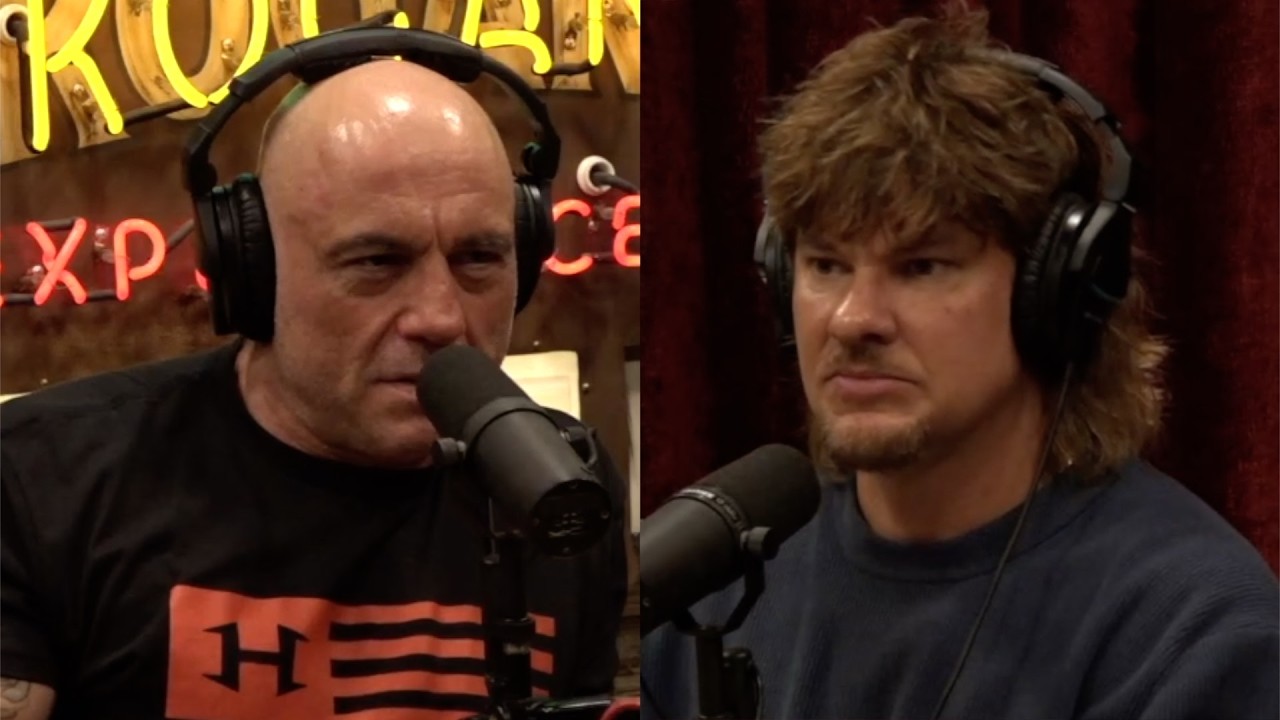
Joe Rogan and Theo Von Analyze Ballistic Questions Surrounding Shooting That Killed Charlie Kirk
13:29
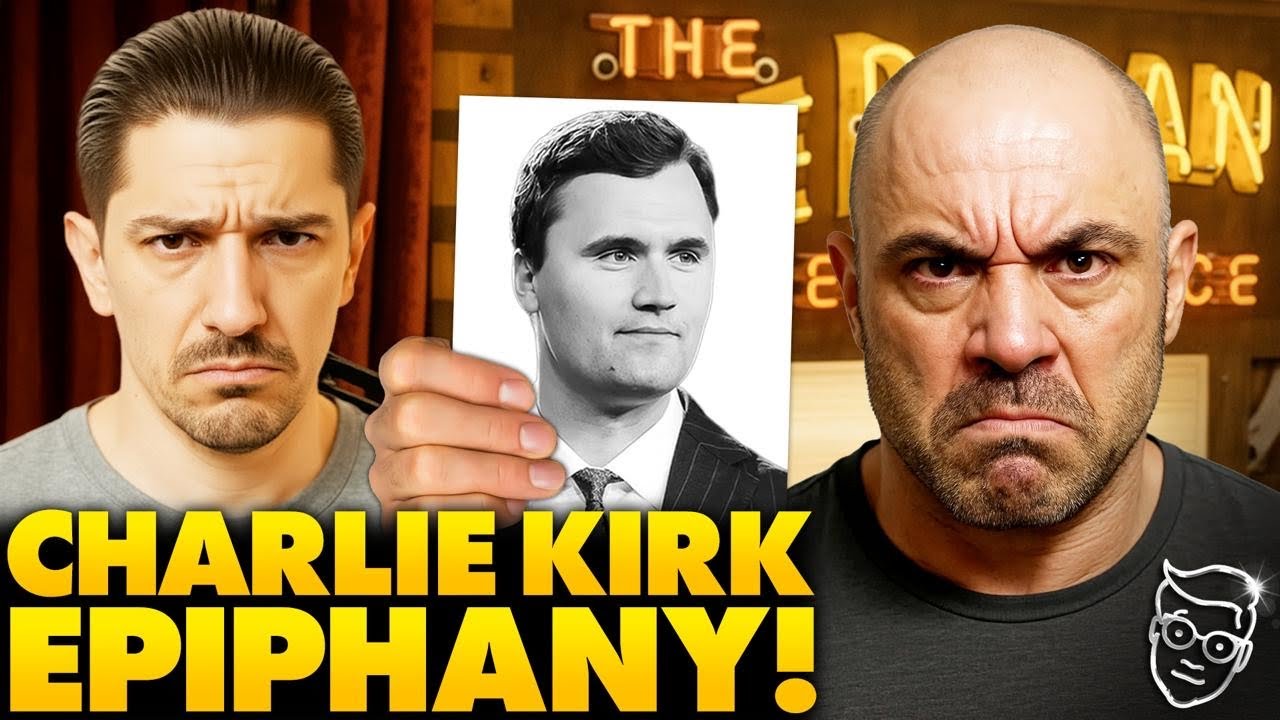
Joe Rogan and Andrew Schulz Discuss How Social Media Dehumanizes Public Figures Like Charlie Kirk
Joe Rogan and comedian Andrew Schulz examine how the internet creates flattened, two-dimensional versions of real people, using the public reaction to Charlie Kirk's death as a case study. Schulz shares a personal story about Kirk reaching out to verify a misleading headline, revealing a thoughtful side most people never saw. The conversation explores how algorithms amplify our fears and biases, creating completely different realities for people on opposite sides of the political spectrum. Rogan and Schulz reflect on the danger of judging people by their worst moments online, especially when context is stripped away. They discuss how this digital dehumanization leads to extreme reactions, with some celebrating deaths while others mourn, neither side understanding why the other feels the way they do.
Joe Rogan opens the conversation by noting the unprecedented nature of people publicly celebrating deaths. Andrew Schulz agrees, suggesting that we no longer exist in the same reality—not in some mystical sense, but in how we fundamentally perceive the world around us.
Schulz had time to think deeply about this issue while in Australia filming a movie when Charlie Kirk's death occurred. Without the usual demands of podcasts and stand-up shows, he found himself watching Kirk's content and reflecting on the nature of public perception.
A Personal Story About Charlie Kirk's Character
Schulz shares a revealing anecdote that shaped his view of Kirk. Despite barely knowing each other and only having exchanged a few direct messages, Kirk once reached out to Schulz after seeing a questionable headline about the comedian.
"This headline looks real little weird. Like I know we don't really know each other, but like is this what you meant?" Kirk asked, according to Schulz. This small gesture stood out because people Schulz considered actual colleagues hadn't extended the same courtesy—they simply ran with headlines to get clicks and views.
Rogan shares his own brief encounter with Kirk at Taran Tactical, a gun range where Keanu Reeves trained for John Wick with world champion shooter Taran Butler. Rogan found Kirk to be a nice guy, though he admits he didn't know much about Kirk's controversial views until after his death, when people started sending him content.
The Problem with Context and Youthful Mistakes
Both Rogan and Schulz acknowledge that Kirk said things that could have been expressed better. Rogan points out that Kirk was only 31 years old when he died, and expresses gratitude that Twitter didn't exist when he was that age—especially not at 21.
"Thank God there wasn't like Twitter or especially when I was 21. Oh my god," Rogan says, noting that he was "a complete idiot" at that age, as most people are, particularly when growing up around the wrong influences.
They discuss a specific controversial statement Kirk made about pilots, where he expressed hope that if a pilot is black, they're qualified. Rogan understands the underlying point about not hiring underqualified people for dangerous jobs but recognizes how poorly it was phrased.
"I know what you're trying to say. You shouldn't hire underqualified pilots," Rogan explains. "But saying it like that... you got to run it through the filter. Like, what am I trying to say?"
Rogan suggests Kirk probably wasn't spending time with black people who could tell him how offensive that phrasing would be, highlighting the importance of diverse perspectives in shaping communication.
How Algorithms Flatten Human Complexity
Schulz introduces a concept that he believes explains much of modern discourse: the algorithm flattens all of us into two-dimensional characters. Only the content that taps into our deepest insecurities, fears, or the terrible things we want confirmed gets amplified and spread.
He realized this phenomenon during the promo tour for his special "Life." Appearing on various podcasts, Schulz would sometimes realize 10 or 15 minutes into a conversation that the host had a completely different view of him than reality—a version cultivated by internet headlines rather than actual knowledge of who he is.
Even on Dax Shepard's podcast, where Dax knew him personally, Schulz could tell the co-host had an idea of him shaped entirely by decontextualized internet content. "It's just these are the things that people are saying that I'm saying with no context and then you just create an archetype," Schulz explains.
Two Different Charlie Kirks
This flattening effect reached its extreme with reactions to Kirk's death. If you're on the right, there's one version of Charlie—a good, god-fearing family man whose death is heartbreaking. If you're on the left, there's another version—a bigoted, hateful figure whose death some celebrated or even said he deserved.
"But they can only have that feeling if he's completely dehumanized the version of him that they see all the time," Schulz observes. This dehumanization happens to everyone who speaks publicly online for hours each week.
The Cycle of Mutual Incomprehension
The visceral reactions to Kirk's death, Schulz argues, demonstrate the insanity dividing the country. People on the left see the right mourning and think, "Why are you heartbroken over this guy who's a bigot?" People on the right see the left celebrating and think, "Why are you celebrating the death of this god-fearing family man?"
Both sides think the other is absolutely insane. The reality, Schulz concludes, is that Kirk was neither of those cartoons. He was a complex human being whose full humanity got lost in the algorithmic flattening of modern digital discourse.
The conversation serves as a sobering reminder of how technology and tribal politics combine to strip away nuance, context, and ultimately the recognition of shared humanity—leaving us living in fundamentally different realities based on the same events.