Joe Rogan and Charlie Sheen React to Shocking News About Charlie Kirk Being Shot
Enjoying this? Share it with someone who needs to see it.
Up Next
Why They Celebrated Charlie Kirk's Death: The Ideology They Couldn't Defeat in Debate
5:45
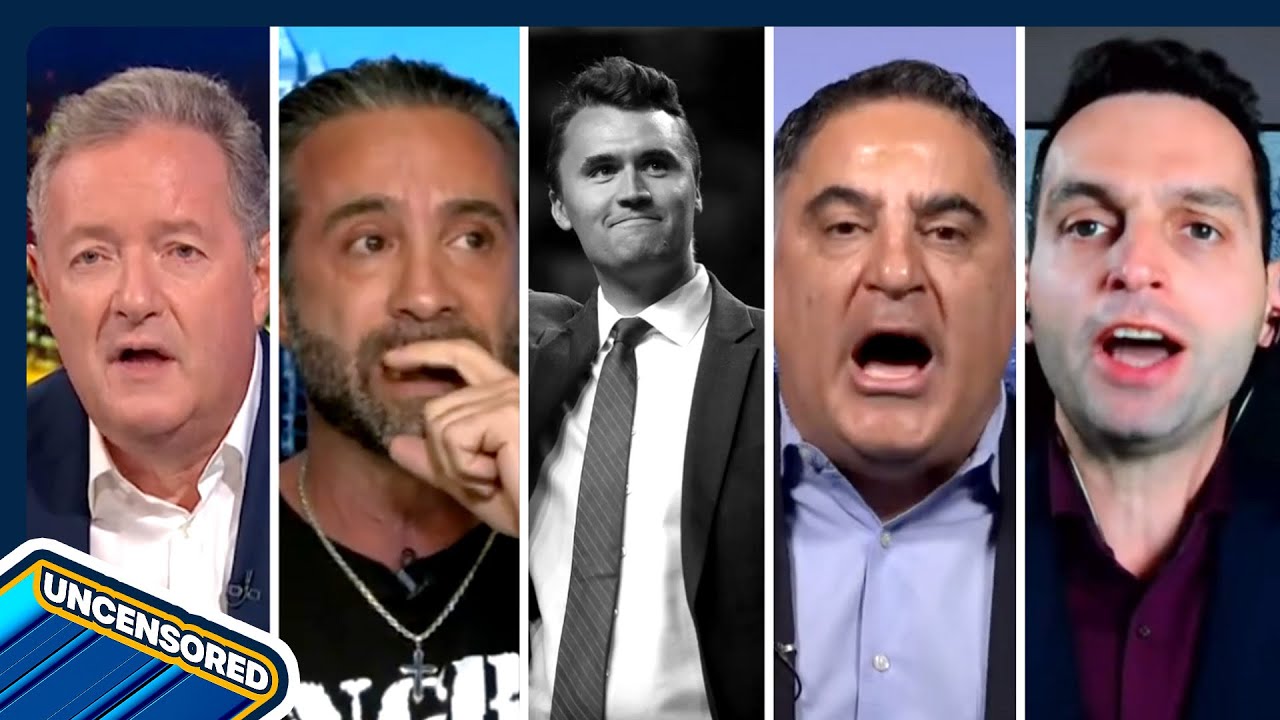
Piers Morgan Uncensored Panel Debates Political Violence After Charlie Kirk Assassination and America's Dangerous Turning Point
1:30:11
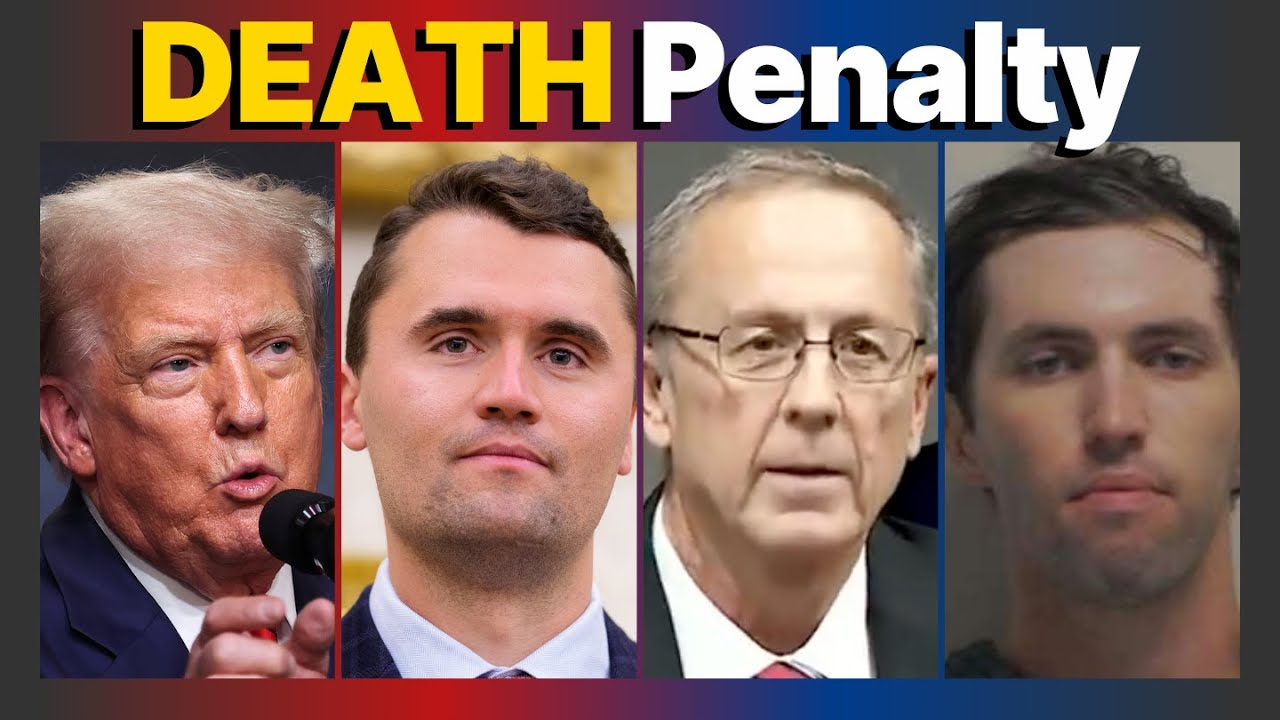
Tyler Robinson Faces Death Penalty for Charlie Kirk Assassination as Chilling Text Messages Reveal Political Motive
29:20
Joe Rogan and Charlie Sheen React to Shocking News About Charlie Kirk Being Shot
Joe Rogan and his guest Charlie Sheen process breaking news about Charlie Kirk being shot. The conversation explores the dangerous state of political division in America, the media's immediate spin on the incident, and concerns about violence silencing public discourse. They discuss how celebrating or encouraging violence against those with different political views represents one of the darkest aspects of modern American culture. The discussion touches on the precarious nature of public figures speaking their minds, the potential for this event to either wake people up or spark further conflict, and draws parallels to previous political violence including the attempt on Donald Trump's life.
The podcast takes an unexpected turn when news breaks that Charlie Kirk has been shot. Joe Rogan and his guest struggle to process the information in real-time, searching Twitter for details and trying to confirm what happened. The initial reports indicate Kirk was shot, though details remain unclear in the chaotic moments following the incident.
The gravity of the situation becomes immediately apparent as they discuss Kirk's age—only 27 or 30 years old—and the senseless nature of violence against someone for expressing political opinions. The conversation shifts from disbelief to genuine concern as they attempt to piece together what happened and whether there are any suspects.
MSNBC's Controversial Take
The discussion takes a disturbing turn when they discover MSNBC's response to the shooting. A clip circulates on Twitter showing a commentator suggesting an alternative narrative—that it might have been "a supporter shooting their gun off in celebration" rather than an assassination.
Rogan and his guest are stunned by this framing. The idea that someone would suggest Kirk was killed by celebratory gunfire from his own supporters strikes them as an absurd attempt to spin the tragedy. They view it as an immediate effort to avoid acknowledging political violence from the left and instead pin blame on Trump supporters as reckless gun owners.
The response highlights what they see as a fundamental problem with modern media—the instinct to immediately politicize and spin even the most tragic events rather than simply report facts and allow the gravity of the situation to speak for itself.
The Dangers of Political Division
Rogan reflects on Charlie Kirk as someone who engaged in political discourse on college campuses, debating ideas rather than promoting violence. He notes that everything he saw of Kirk seemed reasonable and that he wasn't particularly rude to those who disagreed with him. The proper response to someone like Kirk, Rogan argues, should be to debate him with better arguments, not to celebrate or encourage violence against him.
His guest emphasizes Kirk's intelligence and passion, noting that disagreement is not only acceptable but healthy in a functioning democracy. The tragedy lies in the fact that some have abandoned discourse in favor of violence. They express horror at the prospect of people celebrating Kirk's death, though both acknowledge that in the current climate, such celebrations are inevitable.
The Chilling Effect on Free Speech
The conversation turns to the broader implications of political violence. Rogan's guest worries that incidents like this will make people less willing to speak their minds, less courageous in expressing unpopular opinions. The fear of violence could create a chilling effect on free speech and public discourse.
The guest draws from personal experience, describing the vulnerability that comes with being a public figure. Even in moments surrounded by loving fans seeking autographs and photos, there's an awareness of exposure, of looking down, of potential danger. While he doesn't believe anyone wants to harm him personally, the possibility exists in the back of his mind—and events like Kirk's shooting confirm why such fears aren't entirely paranoid.
Profiting from Division
Rogan identifies a key problem in American culture: there are people and institutions that profit from division. These actors actively stoke the fires of conflict because it serves their interests—whether financial, political, or ideological. He describes this as "gross" and particularly condemns those who encourage violence after someone has been killed.
The failure to think about the victim's family represents a fundamental lack of humanity. Media figures who immediately spin tragedies are described as "paid propagandists masquerading as the news." Their default mode is gaslighting—finding ways to blame the other side for whatever appears in the news cycle, regardless of the facts.
A Flashpoint Moment
Both Rogan and his guest recognize that this incident represents a potential turning point. One of two things will happen: either people will recognize how insane the situation has become and commit to having real conversations again, or things will get significantly worse.
They acknowledge the real possibility of violent escalation. Charlie Kirk had many passionate supporters, and if they believe he was killed for his political views, it could push some over the edge. History shows that certain moments become flashpoints—like the Rodney King video—that trigger broader conflicts. The question is whether Kirk's death becomes such a moment.
Luck and Millimeters
The conversation draws a sobering parallel to the assassination attempt on Donald Trump. They reflect on how incredibly lucky Trump was—how a turn of his head at precisely the right moment meant the difference between a clipped ear and death on live television. Charlie Kirk, they note, didn't get the benefit of such fortune.
This randomness—the millimeters and microseconds that determine life and death—adds to the surreal quality of the moment. Kirk's death doesn't feel real yet. It exists in that strange space where current events haven't yet become history, where the mind struggles to process tragedy happening in real-time rather than reading about it in retrospect.
An Unforgivable Response
Throughout the conversation, Rogan and his guest return repeatedly to the media response as particularly unforgivable. The instinct to spin rather than report, to politicize rather than mourn, to deflect rather than acknowledge represents everything wrong with contemporary discourse.
They emphasize that regardless of political disagreements—and both note there were things they disagreed with Kirk about—no one deserves to be shot for their opinions. The proper response to ideas you oppose is better ideas, not violence. Celebrating or encouraging political violence marks a dark day for America and abandons the principles that allow democracy to function.