2,422 videos 1,389,747,653 views US Joined Aug 30, 2018
Charlie Kirk is the Founder and President of Turning Point USA, the largest and fastest growing conservative youth activist organization in the country with over 250,000 student members, over 150 full-time staff, and a presence on over 2,000 high school and college campuses nationwide. Charlie is also the Chairman of Students for Trump, which aims to activate one million new college voters on campuses in battleground states in the lead up to the 2020 presidential election. His social media reaches over 100 million people per month and according to Axios, he is one of the "top 10 most engaged" Twitter handles in the world. He is also the host of “The Charlie Kirk Show,” which regularly ranks among the top news shows on Apple podcast charts.
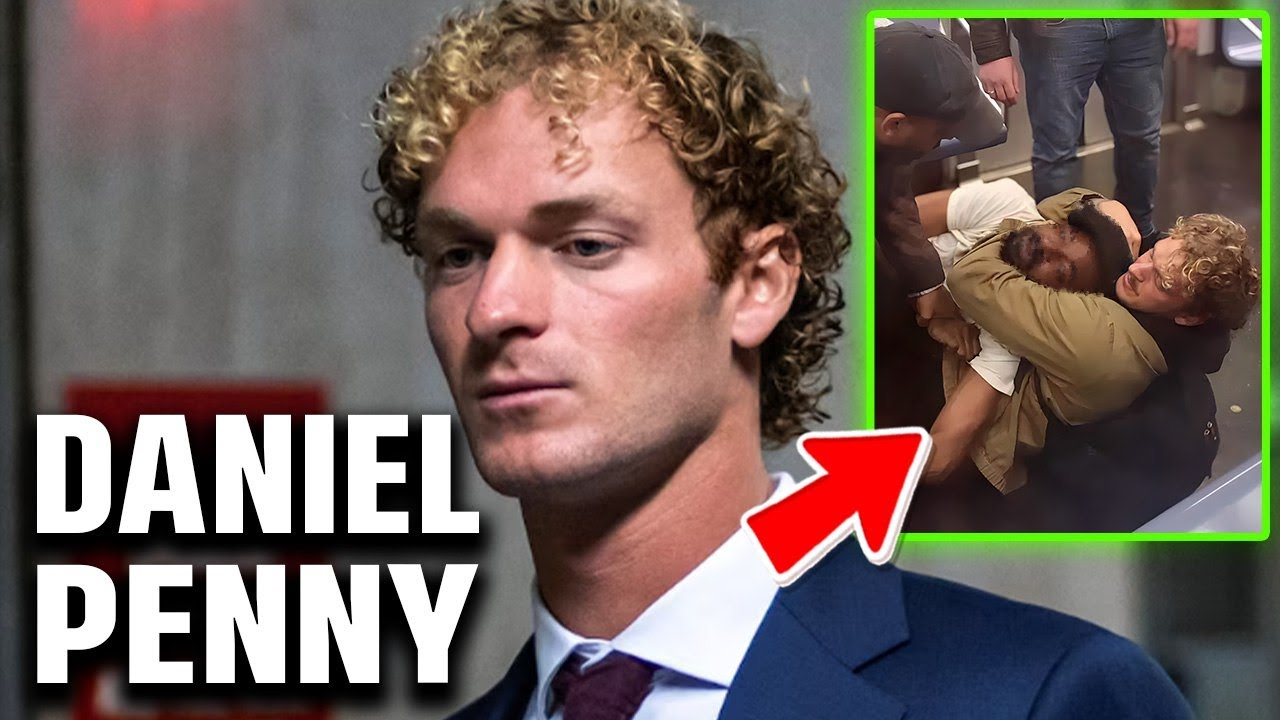
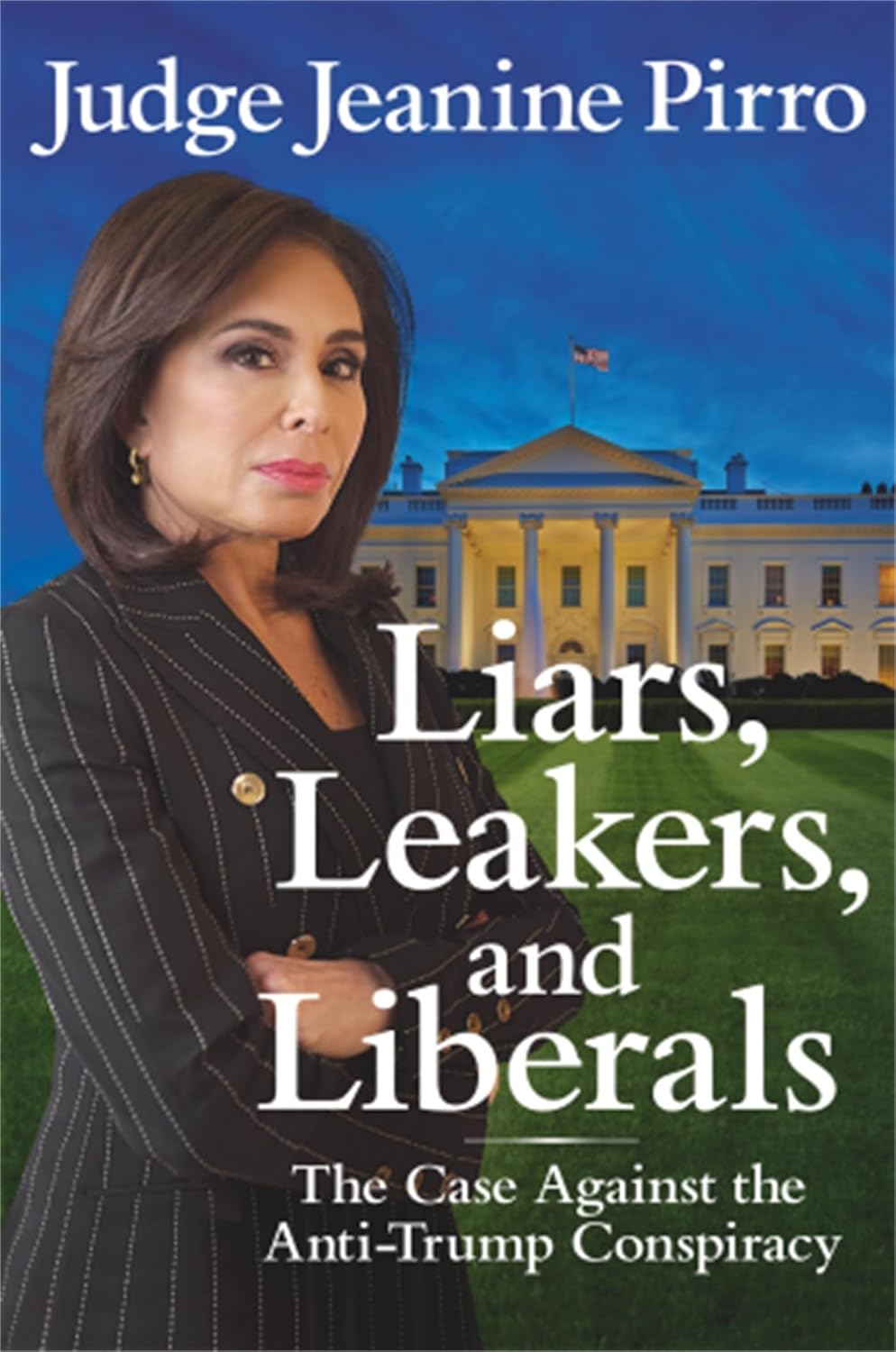
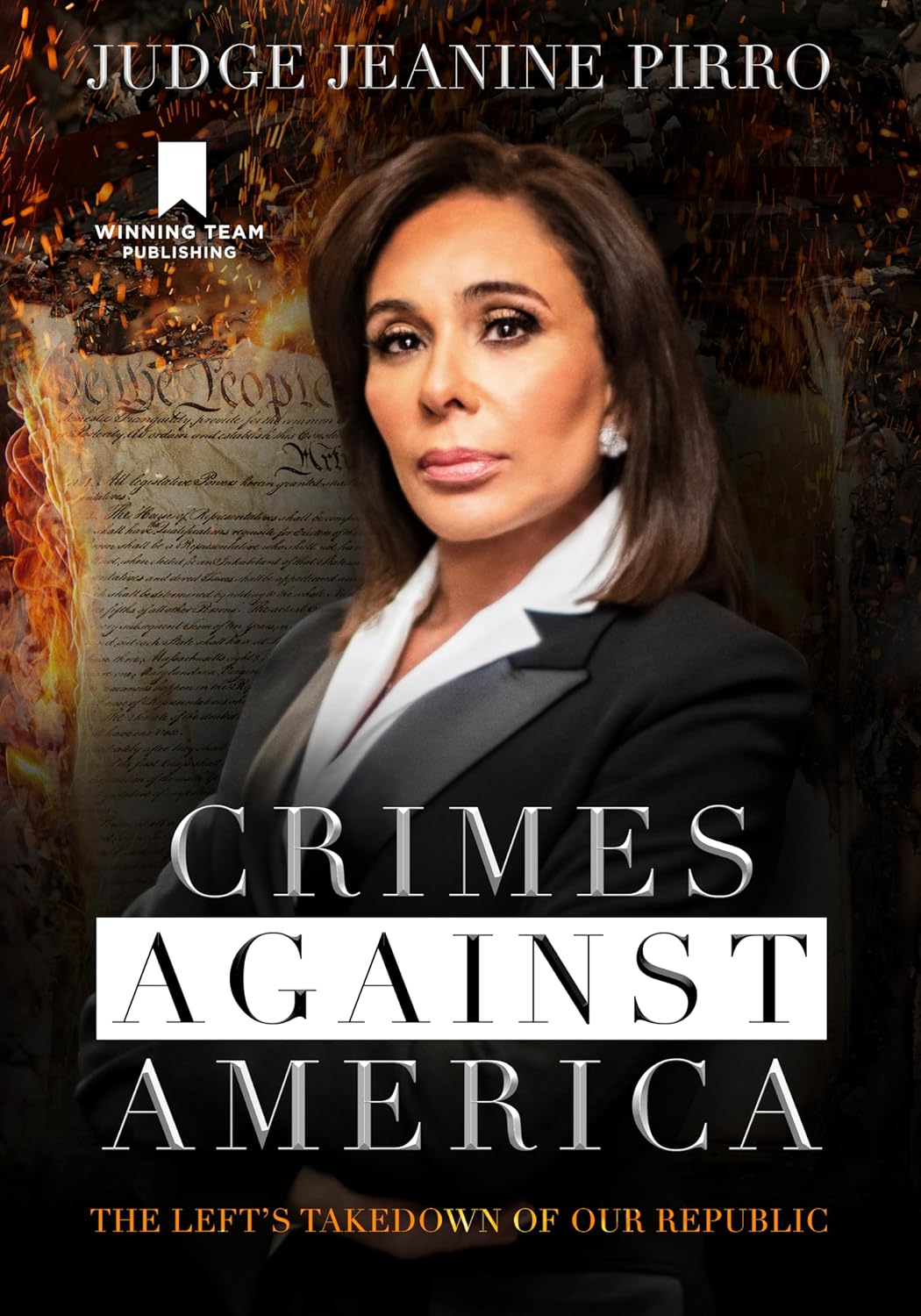
Judge Jeanine Pirro on Daniel Penny Case: Alvin Bragg's Prosecution Was a Shameful Injustice
Judge Jeanine Pirro shares her exclusive insights on the Daniel Penny case, revealing why she believes Manhattan DA Alvin Bragg's prosecution was a corrupt political move rather than justice. Having served as both a district attorney and judge, Pirro dissects the case that saw a Marine veteran face trial for protecting subway passengers from a threatening individual. She discusses her personal interview with Penny, the medical evidence that contradicted the prosecution's narrative, and why this case represents everything wrong with progressive prosecutors in major cities.
Judge Jeanine Pirro, drawing from her extensive experience as both a district attorney and judge, expressed her profound disappointment with the Daniel Penny prosecution. Having worn the same shoes as Manhattan DA Alvin Bragg, she was uniquely positioned to evaluate the case and found it deeply troubling from the start.
"What struck me about this case was the injustice of it," Judge Pirro explained. She noted that when police originally allowed Daniel Penny to leave, it was clear the situation was justified. However, once Alvin Bragg got involved, the criminal justice system was transformed into what she described as a racially focused prosecution driven by progressive politics rather than facts.
"You have a progressive leftist Soros-funded DA, well then all of a sudden the criminal justice system was going to spin on a racial focus," she said, characterizing the Manhattan DA's office as "shameful in the way they pursued this case."
Meeting the Man Behind the Headlines
Judge Pirro's exclusive interview with Daniel Penny revealed a side of the Marine veteran that starkly contrasted with media portrayals. She described him as "one of the most decent people I've ever met" and noted his remarkable composure throughout the ordeal.
"You saw this stoic guy for five weeks, not a muscle in his face moved," she observed. "Whatever the prosecutor threw at him, whatever the medical examiners said that was clearly a lie, clearly inconsistent with what they had said at the Grand Jury, he didn't flex a muscle."
Perhaps most surprising was Penny's background as a classically trained musician who played in a string symphony for several years before joining the Marines. "He's not a macho man, he's not a Jarhead," Judge Pirro emphasized. "He is someone who didn't want to get involved but said 'I could never forgive myself if I didn't get involved.'"
Why Daniel Penny Intervened
In Judge Pirro's interview, Penny revealed the internal struggle that led to his intervention on that subway car. "I'm not a confrontational person. I don't really extend myself and this type of thing is very uncomfortable. All this attention and limelight is very uncomfortable and I would prefer without it," Penny explained.
What drove him to act was something far more powerful than any desire for recognition: the guilt he would have felt if someone had been hurt. "If he did do what he was threatening to do, I would never be able to live with myself," Penny said. "I'll take a million court appearances and people calling me names and people hating me just to keep one of those people from getting hurt or killed."
Penny specifically mentioned seeing school kids and a woman with a child on the subway, and admitted that even he was afraid in that moment.
The Medical Evidence That Contradicted the Prosecution
Judge Pirro revealed critical medical evidence that undermined the prosecution's entire case. Jordan Neely's death was not caused by a chokehold, as the prosecution claimed, but by a combination of factors.
"Jordan Neely had a combination of a psychotic break. He was a schizophrenic, he was on K2, he was overdosing on the K2, he had sickle cell disease. In addition to that, the stress of the whole event caused his heart to stop," Judge Pirro explained.
She was particularly critical of the chief medical examiner who, at the autopsy, declared: "I don't care. I'm not waiting for the toxicology, the histology, the anthropology. As far as I'm concerned, the truth is that this is a guy who choked Jordan Neely." The medical examiner ruled the cause of death a homicide without waiting for crucial test results.
"If they waited for the toxicology, they would have seen the K2, and if they waited for that, they would also have seen the fact that he was someone who was sickling the whole time," Judge Pirro noted.
Daniel Penny had recognized Neely was on K2 immediately and told police within minutes of the incident. When Judge Pirro asked how he knew, Penny responded: "I've seen a lot of it and it makes you more aggressive, which explains why Jordan Neely was so incredibly strong at the time and why Jordan Neely was able to keep fighting for so many minutes."
The Racial Narrative Falls Apart
Judge Pirro dismantled the prosecution's attempt to frame the case as racially motivated. "They were wrestling on the ground and they needed another person, two people to hold them down. A black person and a Hispanic person came in to try to hold Jordan Neely down as Danny Penny held them," she explained.
"This whole idea of a race case is BS," she stated bluntly. "The jury had blacks, Hispanics, and Asians. On that subway car were blacks, Hispanics, and white people that they were trying to protect. The people who helped them hold down Jordan Neely were black and Hispanic. So this was anything but a race case."
Despite these facts, Judge Pirro noted that the prosecutor's office kept referring to Daniel Penny as "the white guy," which she called "shameful."
Prosecutorial Misconduct in the Courtroom
Judge Pirro was particularly critical of the prosecution's tactics during the trial. She described their witnesses as "shameful" and condemned their "wheeling and dealing."
Most egregious, in her view, was the decision to dismiss the second-degree manslaughter charge after the jury was hung, "in the hopes of getting them to compromise on criminally negligent homicide. That was pretty awful," she said.
The Chilling Effect on Good Samaritans
Despite Penny's acquittal, concerns remain about whether other citizens will step up in similar situations. "Will other men stand up? Will other women stand up? I really can't say," Judge Pirro admitted.
She described the case as "a double-edged sword. On the one hand, if you're inclined not to, you say I'm not going to get indicted. And if you're inclined to do it, you say look, he ultimately was acquitted of all of it."
However, she emphasized that the ordeal isn't over for Daniel Penny. "Danny is facing a civil lawsuit by Jordan Neely's father for wrongful death, where the preponderance of the evidence is the burden of proof, which is far lower than beyond a reasonable doubt."
What made Penny act, Judge Pirro suggested, was something exceptional in his character. "There was something about Danny Penny that was so unusual that he just said he couldn't have lived with himself if he didn't do something. He said a million court appearances and all the name calling and everything else, he would in his mind go back to the people on the train, many of whom stayed after the doors were opened to say 'thank you so much, thank you for saving my life.'"
The Jury's Courage
Judge Pirro highlighted Daniel Penny's gratitude toward the jury that acquitted him. "Danny Penny said it took courage for this jury to acquit me," she recalled. "I said, 'What would you say to them?' He said, 'I would hug them. I would hug them.' And there wasn't a dry eye as I was taping this."
A Broader Indictment of Progressive Prosecution
Judge Pirro didn't mince words about what the Daniel Penny case reveals about the state of criminal justice in New York. "What this says is that Alvin Bragg is a corrupt leftwing Soros-funded prosecutor who could care less about real victims and cares about political prosecutions. He's got to go."
She noted that if a federal takeover doesn't happen, "the people cannot vote for this man."
"Real victims are out there. They're not having arrests made in their cases, and real criminals are being released over and over again because the Democrats think, 'Oh, you know what, it's not fair to keep them in jail.' Hogwash. It's not fair to put people in morgues or put people in hospitals or cause them to be so scared they never come out of their house."
Daniel Penny as a Symbol of True Heroism
Judge Pirro concluded her discussion by elevating Daniel Penny as an example of genuine masculinity and heroism. "God bless Danny Penny. In the end, he is my hero. We've been talking about what masculinity is—it's Danny Penny. He's a hero. He is a guy who has Marine training but he has the courage of a lion as well."
She characterized him as "a gentleman, a man who doesn't want the limelight, he's not comfortable even talking about this," and described him as "salt of the earth."
"Danny Penny is a hero. He's more than that," she concluded, her voice reflecting both admiration and concern for a man who did the right thing and paid a steep price for it.