Kim Iversen Analyzes Leaked Dispatch Audio Questioning Whether Charlie Kirk Received an Autopsy After Fatal Shooting
Enjoying this? Share it with someone who needs to see it.
Up Next
Brian Harpole Breaks Silence on Charlie Kirk Assassination: Security Chief Reveals What Really Happened That Day
2:48:14
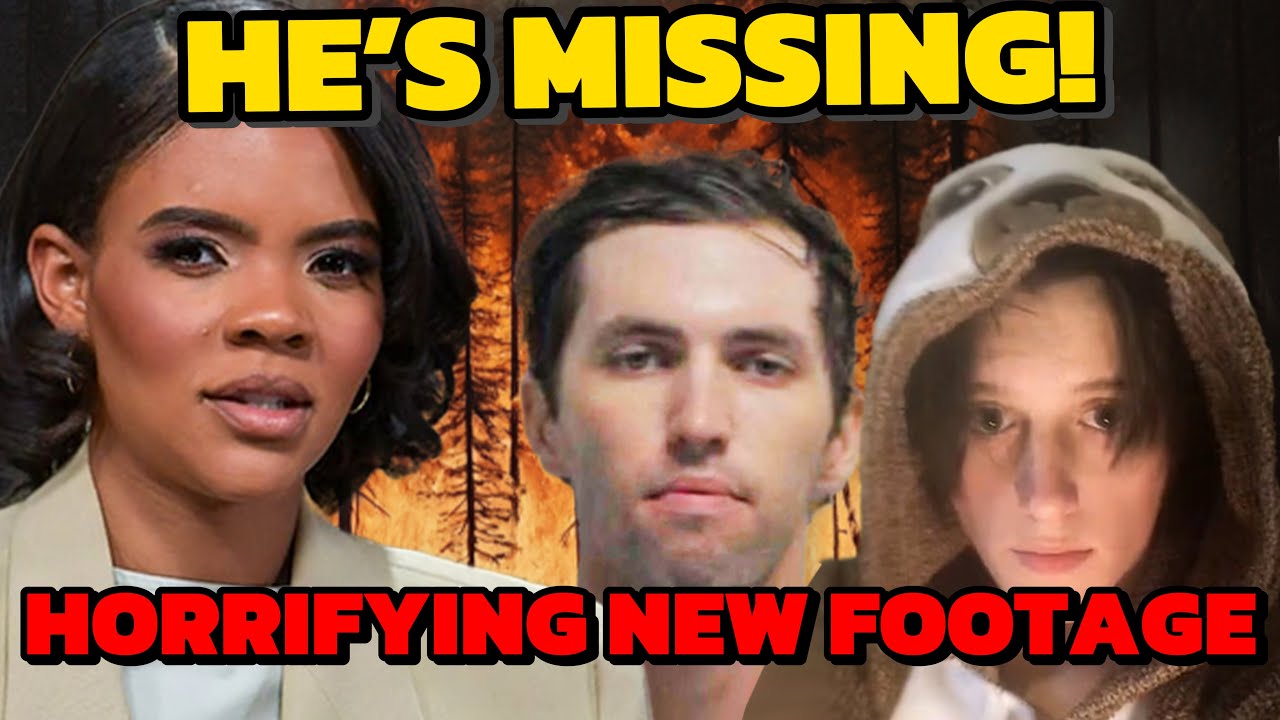
Lance Twiggs Vanishes as New Theories Emerge in Charlie Kirk Shooting Investigation
24:19
Inside the Investigation with Brian Harpole: Unanswered Questions About the Shooter, the Crime Scene, and the Victim's Wife
11:26
Kim Iversen Analyzes Leaked Dispatch Audio Questioning Whether Charlie Kirk Received an Autopsy After Fatal Shooting
Kim Iversen examines newly surfaced dispatch audio that allegedly reveals Charlie Kirk did not receive an autopsy following his fatal shooting. She questions the authenticity and timing of the recording, which discusses the absence of an autopsy before Kirk's wife even landed in Utah. Iversen explores why this would be highly unusual given Utah law requirements, active investigations, and standard procedures in murder cases. She also considers alternative explanations, including religious reasons based on Kirk's adoption of certain Jewish practices like observing the Sabbath, while acknowledging the situation raises significant questions about the handling of this high-profile case.
Alleged Dispatch Audio Surfaces Regarding Charlie Kirk Autopsy
New audio circulating on social media allegedly contains dispatch recordings claiming that Charlie Kirk did not receive an autopsy following his fatal shooting. Kim Iversen cautions that there is currently no way to verify the authenticity of this audio. She notes several elements that make the recording seem unusual for standard dispatch communications.
The audio appears to have been recorded after Kirk had already been declared dead and while his wife was en route to Utah via aircraft. Iversen questions why dispatch would be discussing autopsy procedures at this particular moment, noting that the conversation seems to occur well after the emergency situation had concluded.
Correcting the Record on Kirk's Death
Iversen clarifies several facts about the circumstances of Kirk's death that have been misreported. Contrary to a New York Times story from the previous week, Charlie Kirk was not shot in front of his wife and children. His wife was actually still in Arizona at the time of the shooting, having stayed behind because her mother needed medical treatment.
After receiving the call about the shooting, a jet picked up Kirk's wife and flew her to Utah. She learned that he had been declared dead while she was mid-flight, which Iversen describes as an incredibly sad and terrible way to receive such news.
Analysis of the Dispatch Recording
The alleged dispatch audio contains the following exchange:
"So, I did do the request. They emailed me back. Um, they did he did not go in for an autopsy. The death certificate was signed by the doctor at the hospital."
"Okay. Can you just do a field documenting that?"
"Can you just add a step to the case documenting that there was no autopsy?"
The recording then transitions to discussions about Kirk's wife landing at either Signature Aviation or Duncan Aviation, both of which are fixed base operators at Provo Airport in Utah. There appears to be some confusion in the recording about which facility she would be arriving at, with dispatch personnel trying to coordinate a car for her arrival.
Why the Timing Seems Suspicious
Iversen expresses skepticism about the recording's authenticity based on the timing of the autopsy discussion. She points out that in typical cases, medical facilities do not immediately move bodies to the morgue or coroner's office before family members have had the opportunity to say goodbye. This is considered an important part of the grieving process.
Based on her own experiences with deaths of loved ones, Iversen explains that hospitals usually wait to ensure family members have the opportunity to see the body. In some cases, they may even keep a person on life support to some degree so family members can say their farewells. At minimum, they would not wheel a body down to begin an autopsy before a spouse could arrive to see their deceased partner.
The fact that this audio discusses the autopsy question before Kirk's wife had even landed in Utah strikes Iversen as highly unusual and contributes to her doubts about the recording's authenticity.
Why an Autopsy Would Normally Be Required
Iversen outlines several reasons why it would be highly suspect if Charlie Kirk did not receive an autopsy. First, Utah law requires an autopsy in cases like this. However, she acknowledges there is a possibility that a coroner could determine an autopsy is unnecessary if the cause of death is obvious—in this case, death by gunshot.
However, when there is an active investigation and uncertainty about where the gunshot came from specifically, she argues that an autopsy would be essential. Investigators would need to retrieve the bullet, examine the trajectory, and document all findings. This information would be critical for court proceedings.
From a defense perspective, Iversen notes that if she were the defense attorney for Tyler Robinson (the accused shooter), she would be demanding an autopsy. The defense would want to know the exact trajectory of the bullet, what type of bullet was used, the force of impact, and various other details to determine whether their client actually took the shot that killed Kirk.
Confusion About Coroner vs. Surgeon Statements
Adding to the confusion, a Turning Point USA spokesperson mentioned something about a coroner or surgeon discussing how Kirk was "a man of steel" and how the bullet stopped at his bones in an unprecedented way. Iversen points out it remains unclear whether this statement came from a coroner (which would indicate some level of autopsy was performed) or from the surgeon who treated Kirk and attempted to save his life.
If these observations came from a coroner, it would suggest some examination was conducted. But questions remain about the extent of that examination: Did they recover the bullet? Did they document the trajectory? Is this information going to be used in court proceedings?
Religious Considerations
Iversen raises an alternative explanation for why there might not have been an autopsy, though she presents this as speculative. She notes that Charlie Kirk had adopted some unusual religious practices that went beyond typical Christian observance.
Specifically, Kirk observed the Jewish Sabbath, turning off his phone on Friday nights and turning it back on Saturday nights. In various interviews, he discussed adopting what might be considered Judeo-Christian practices—specifically some of the "Judeo" elements. Iversen admits she's not entirely sure why he did this, but he spoke about it publicly and it was a known aspect of his lifestyle.
Both Judaism and Islam, as Abrahamic religions like Christianity, generally do not permit autopsies, while Christianity typically does. Iversen speculates that if Kirk was adopting certain Jewish religious practices, it's theoretically possible he also believed autopsies should not be performed on his body for religious reasons.
She emphasizes this is just a possibility she's raising, acknowledging it would be unusual. However, she notes that Kirk's body did seem to be released relatively quickly, especially for this type of case.
Standard Autopsy Procedures in Murder Cases
Even when the cause of death appears obvious—a gunshot wound—Iversen explains that investigators would still need to verify that the victim wasn't poisoned or killed by other means in addition to being shot. This is standard procedure in murder investigations.
Furthermore, a full investigation into the bullet itself, its trajectory, entry point, path through the body, and related forensic details would be essential for any murder case. This makes the absence of an autopsy, if true, extremely unusual and potentially problematic for the investigation and any subsequent legal proceedings.
Final Assessment and Call for Information
Iversen concludes by reiterating her uncertainty about whether the leaked audio is authentic. She finds several elements suspicious, particularly the timing of the autopsy discussion before family members had arrived and said goodbye to Kirk.
However, she emphasizes that if the audio is real and if it is true that Charlie Kirk did not receive an autopsy, this would be extremely suspicious and worthy of significant scrutiny. Such a situation would raise serious questions about the handling of this high-profile case, given Utah's legal requirements, the active investigation by authorities, and standard procedures in murder cases.
According to Kash Patel, there is still an active investigation into Kirk's death, and someone has been accused of killing him. Under these circumstances, the absence of a proper autopsy would be highly irregular.
Iversen presents this information to her audience for consideration and discussion, acknowledging the speculative nature of analyzing unverified audio while also highlighting the legitimate questions it raises about the investigation into Charlie Kirk's death.