Laura Ingraham on Why Reagan's Happy Warrior Spirit and Freedom Tethered to Virtue Matter Today
Enjoying this? Share it with someone who needs to see it.
Up Next
Dennis Prager Explains Why Judging America's Founders by Modern Standards Reveals Left's Moral Arrogance
3:01
Charlie Kirk Confronts UT Austin Students on America's Greatness, Lockdowns, and Abortion Rights in Live Debate
1:37:59
Michael Knowles Honors Charlie Kirk's Peacemaking Legacy and Calls for Conservative Unity at AmericaFest
20:47
Laura Ingraham on Why Reagan's Happy Warrior Spirit and Freedom Tethered to Virtue Matter Today
Laura Ingraham reflects on President Ronald Reagan's optimism and what made him a true happy warrior in the political arena. Reagan understood that America's greatness stems not just from her people, but from Liberty as the bedrock principle that allows citizens to prosper, innovate, and practice faith without government intrusion. Kirk explores how Reagan grasped the essential connection between freedom and virtue, rooted in the Judeo-Christian tradition that has kept American culture cohesive. Drawing a distinction between populist and libertarian conservatism, Kirk argues that freedom without moral underpinning becomes mere anarchy, a perspective the Founders themselves understood when they tethered liberty to virtue and a recognition of the Almighty.
When discussing the need to relish the fight in today's political landscape, Laura Ingraham points to President Ronald Reagan as the quintessential example of what it means to be a happy warrior. Reagan had a remarkable ability to walk into any room—whether a small conference room or the Oval Office—with an infectious optimism about America's future. Except during moments of genuine national tragedy like the Space Shuttle disaster or the Marine Barracks bombing in Lebanon, Reagan maintained an incredibly positive demeanor that inspired those around him.
Liberty as America's Preeminent Quality
Reagan knew that America was great because of her people, but he understood that Liberty stood preeminent among all American values. Without Liberty, Kirk explains, America would be just another country. But with Liberty, the nation allows its people to prosper, to grow, to innovate, to practice their faith without government intrusion, and to live by their conscience without government interference. This understanding formed the core of Reagan's political philosophy and his approach to governance.
The Judeo-Christian Foundation
Kirk emphasizes that Reagan recognized this Liberty was rooted in America's Judeo-Christian tradition. This foundation is what kept the nation tight, cohesive, and culturally strong. The culture mattered to Reagan, and he understood that it couldn't be separated from the principles that made America exceptional.
Populist Conservative vs. Libertarian Conservative
Kirk identifies himself as a populist conservative rather than a libertarian conservative, acknowledging the libertarians in his audience with affection while drawing a clear distinction. He humorously notes that someone advised him not to criticize libertarianism on stage, which of course made him want to address it even more. But the distinction matters for understanding Reagan's philosophy and Kirk's own perspective on conservatism.
Freedom Without Virtue is Anarchy
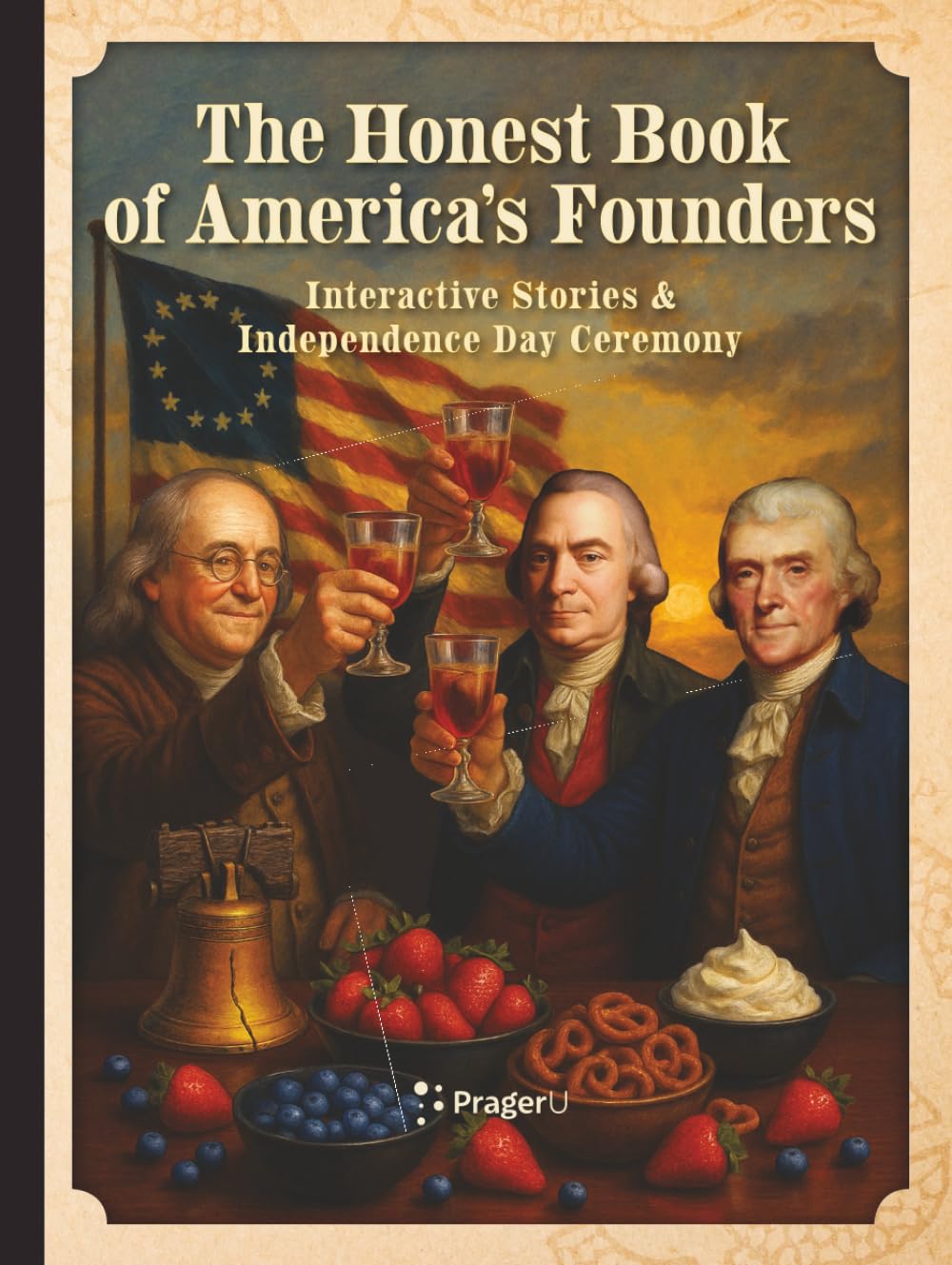
The critical insight Kirk draws from Reagan is that freedom without virtue becomes mere anarchy. Freedom that isn't tethered to a moral underpinning results in emptiness. This raises the fundamental question: freedom to do what? As Thomas Jefferson understood, freedom exists to propel future generations into closer connection—ultimately, as the Founders believed, with the Almighty. The Founders weren't promoting any particular religious sect, but they understood that freedom tethered to virtue mattered then and continues to matter today.
Why This Matters Now
Kirk concludes by stressing the contemporary relevance of these principles. The connection between liberty and virtue isn't just a historical curiosity or a quaint notion from America's founding era. It remains essential for understanding what makes America exceptional and for charting the path forward. Reagan's happy warrior spirit combined with his deep understanding of freedom's moral foundation provides a model for how to engage in today's political battles with both conviction and optimism.