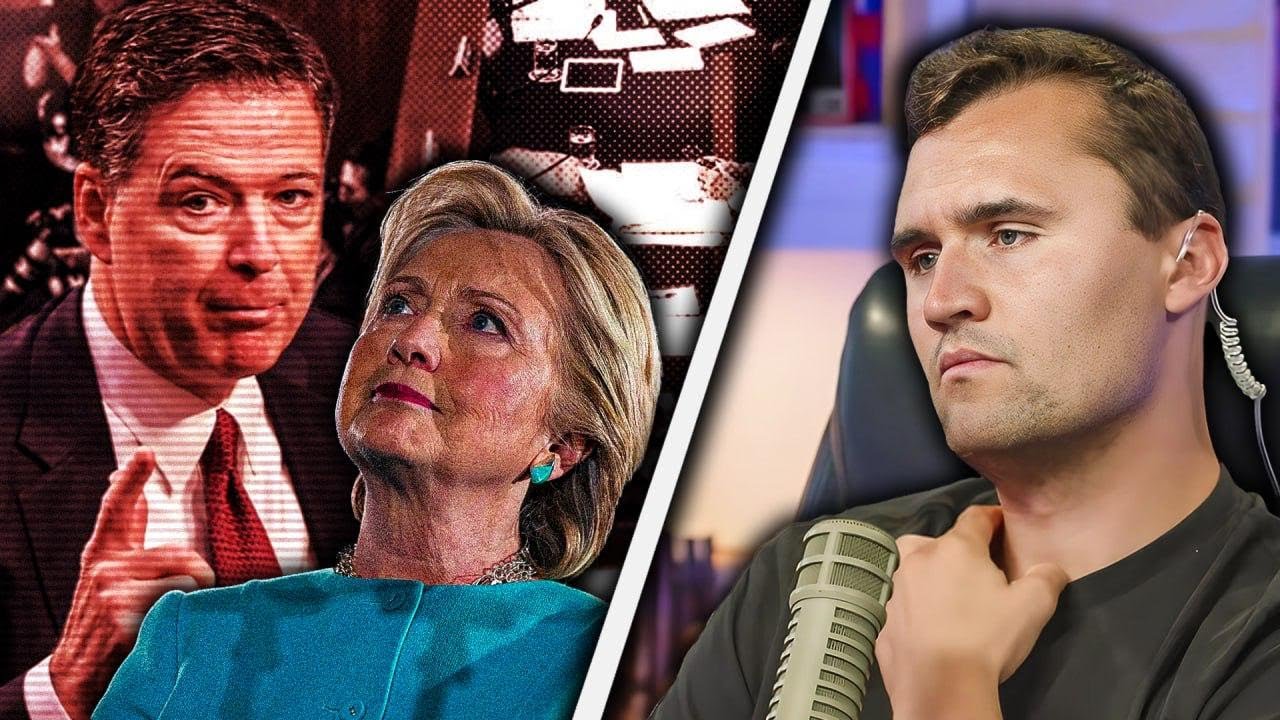
Lee Smith Exposes The Trump Russia Collusion Hoax As The Biggest Political Scandal In US History
Enjoying this? Share it with someone who needs to see it.
Up Next
Andrew Kolvet and Blake Neff Debate Tulsi Gabbard's Bombshell DNI Declassification on Obama Era Russia Claims
22:18
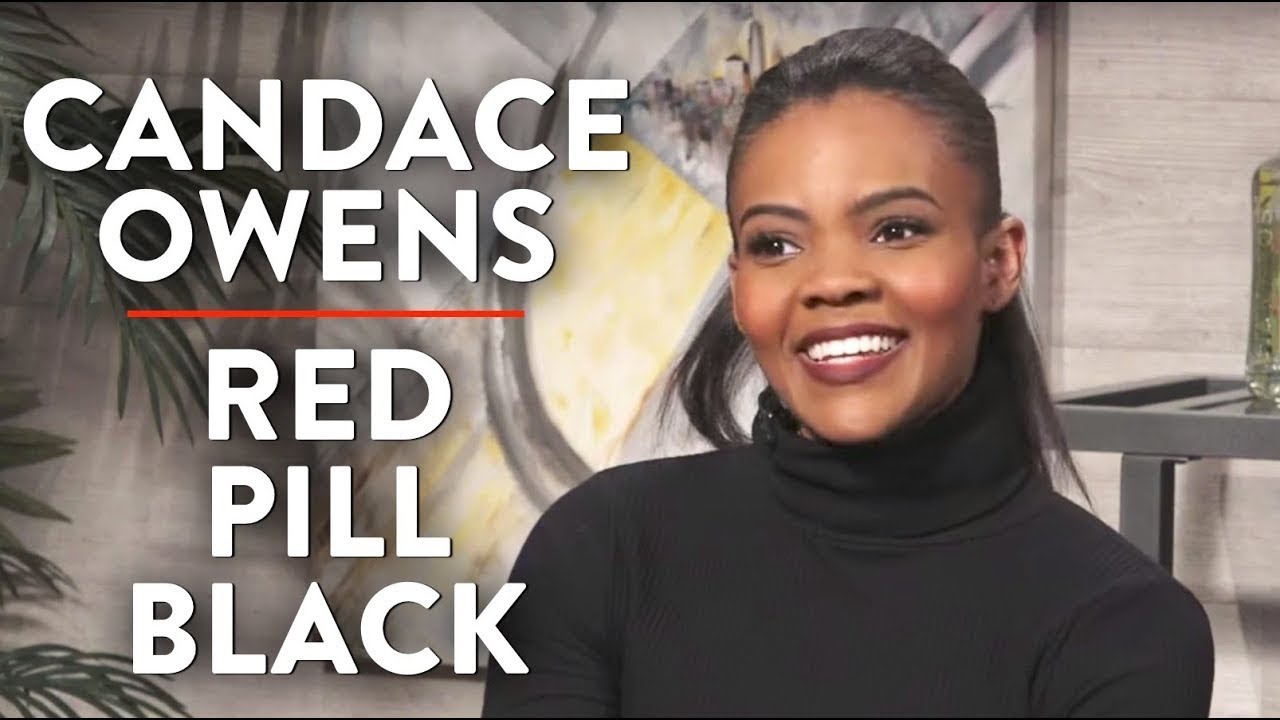
Candace Owens on Victimhood Culture, Big Tech Power, and the Future of Black America
39:44
Candace Owens Reveals How She Became Conservative Overnight After Media Hit Job
1:25:13
Lee Smith Exposes The Trump Russia Collusion Hoax As The Biggest Political Scandal In US History
Lee Smith, author of The Plot Against the President, examines the origins and evolution of the Trump-Russia collusion narrative. From Hillary Clinton's email server investigation to the Steele dossier, Smith traces how a defensive political strategy became a full-scale intelligence operation. He reveals the involvement of senior Obama administration officials, including CIA Director John Brennan, and argues that what started as opposition research transformed into government surveillance of a presidential campaign. Smith presents this not merely as a campaign tactic gone awry, but as an unprecedented case of domestic political espionage involving the highest levels of American intelligence and law enforcement.
The Trump-Russia collusion narrative stands as the biggest political scandal in US history, according to Lee Smith, author of The Plot Against the President. Looking back, the entire episode seems almost unbelievable and absurd. Yet at the time, millions of Americans were convinced that the 2016 Republican presidential candidate, Donald Trump, was secretly working for Russia. This was the Trump-Russia collusion hoax, or Russiagate—a label borrowed from the 1970s Watergate scandal.
The instigators of this deception were not foreign adversaries. They were domestic actors: a presidential campaign, senior intelligence officials, and perhaps most importantly, powerful media outlets. They all shared the same goal—defeat Donald Trump and elect Hillary Clinton, the Democratic Party candidate.
The Clinton Plan: An Insurance Policy Against Scandal
Ironically, what became Russiagate began as an insurance policy to protect Clinton. While serving as Secretary of State, Clinton used a private unsecured email server for official business—a clear violation of federal recordkeeping rules and a serious national security risk. In 2015, the FBI opened an investigation into this matter.
Clinton's advisers knew this could become an election-threatening scandal. If it blew up, she needed a way to redirect attention away from her own misconduct and toward her opponent. Among those who helped develop this strategy were senior members of President Barack Obama's national security circle, including CIA Director John Brennan. The strategy came to be known as the Clinton Plan.
The idea was straightforward. If Clinton's emails became a liability, media attention would be redirected to the supposed culprit who stole and leaked the emails—Russia. And why would Russia steal them and make them public? To help Donald Trump win. Because, the story went, they supposedly had compromising material with which to blackmail him.
The Steele Dossier: Dubious Origins, Explosive Claims
To construct this narrative, the Clinton team hired a former British intelligence officer named Christopher Steele. Even a cursory glimpse into Steele's past would have revealed that he was not to be trusted. He was a spy for hire of dubious credibility. He had worked both for the FBI and London-based Russian oligarchs, and he made no secret of his hatred for Donald Trump.
Steele produced a collection of sensational memos—the now infamous Steele dossier. It contained lurid and unverified claims. Still, the idea that one of the world's most famous businessmen, now the Republican nominee for president, was secretly a Russian intelligence asset, was irresistible to Trump's political opponents. That sadly included most of the media.
Never mind that Trump's celebrity-studded career in television, real estate, and casinos meant that he was under constant scrutiny. Steele's material gave Clinton's team exactly what they wanted: a salacious narrative that could dominate the headlines.
The FBI Press Conference and Media Pivot
In early July 2016, Clinton's worst fears materialized. At a highly publicized press conference, FBI Director James Comey announced the findings of the FBI's investigation. Emails containing classified information were found on her unsecured server—a national security violation. Comey declined to recommend prosecution, but described Clinton's conduct as extremely careless. It was a public relations disaster.
But the Clinton team was ready. Articles based on Steele's dossier began to seep into media outlets like The Atlantic, The New Yorker, and Slate, alleging Trump had secret ties to Russia.
WikiLeaks and the DNC Email Leak
Then, shortly before the Democratic Party convention, a second PR disaster rocked the Clinton campaign. WikiLeaks, an internet site popular with hackers, published embarrassing internal emails from the Democratic National Committee. The messages revealed favoritism toward Clinton over her Democratic rival, Vermont Senator Bernie Sanders. Embarrassing to say the least.
Clinton's team, backed by a sympathetic press, claimed that Russia was behind the hack to help Trump. WikiLeaks founder Julian Assange adamantly denied this. Nobody cared. The story was too hot. All anyone could talk about was Trump and Russia.
Government Surveillance of a Presidential Campaign
Apart from the media madness, something else was happening. The FBI was using the bogus Steele dossier and news reports based on it to justify surveillance of Trump's campaign. Just weeks before the November 2016 election, FBI Director James Comey obtained a warrant to monitor the phone calls, emails, and text messages of the Republican candidate and his advisers.
It was in effect a digital break-in—an updated version of Watergate. But this time, the perpetrators were not rogue operatives. They were senior officials within US intelligence and law enforcement, using taxpayer resources to spy on a presidential campaign. And high-level figures in the Obama administration knew all about it. Brennan's own handwritten notes confirm that he briefed the president on the Clinton plan.
And that perhaps is the real scandal of Russiagate—a sitting president authorizing or at least permitting an espionage operation against the opposition party's candidate.
The Scandal Continues Beyond Election Day
Of course, no one would have known anything about this had Clinton won as almost everyone expected. But she didn't. And so Russiagate didn't end with the election. It was just getting started.