Mark Geragos and Dr. Drew Pinsky Break Down Tyler Robinson Assassination Case and Legal Defense Strategy
Enjoying this? Share it with someone who needs to see it.
Up Next
Josh Ritter Analyzes Tyler Robinson Case Defense Motions for Sanctions and Closed Hearings
4:58
Judge Tony Graf Rules to Release Sealed Transcript in Charlie Kirk Murder Case Signals Greater Transparency Ahead
5:46
Judge Tony Graf Orders Limited Redactions in High-Profile Tyler James Robinson Case Balancing Public Access and Constitutional Rights
20:18
Mark Geragos and Dr. Drew Pinsky Break Down Tyler Robinson Assassination Case and Legal Defense Strategy
Mark Geragos and Dr. Drew Pinsky analyze the legal complexities surrounding Tyler Robinson, the 22-year-old facing the death penalty in Utah for the alleged assassination attempt on Charlie Kirk. The discussion explores Utah's restrictive insanity defense laws, the implications of allowing cameras in the courtroom, and whether Robinson's defense team can successfully argue mental illness. The conversation also touches on the Nick Reiner case in California, comparing how different state laws handle insanity defenses and the challenges of distinguishing between drug-induced psychosis and genuine mental health conditions like schizophrenia.
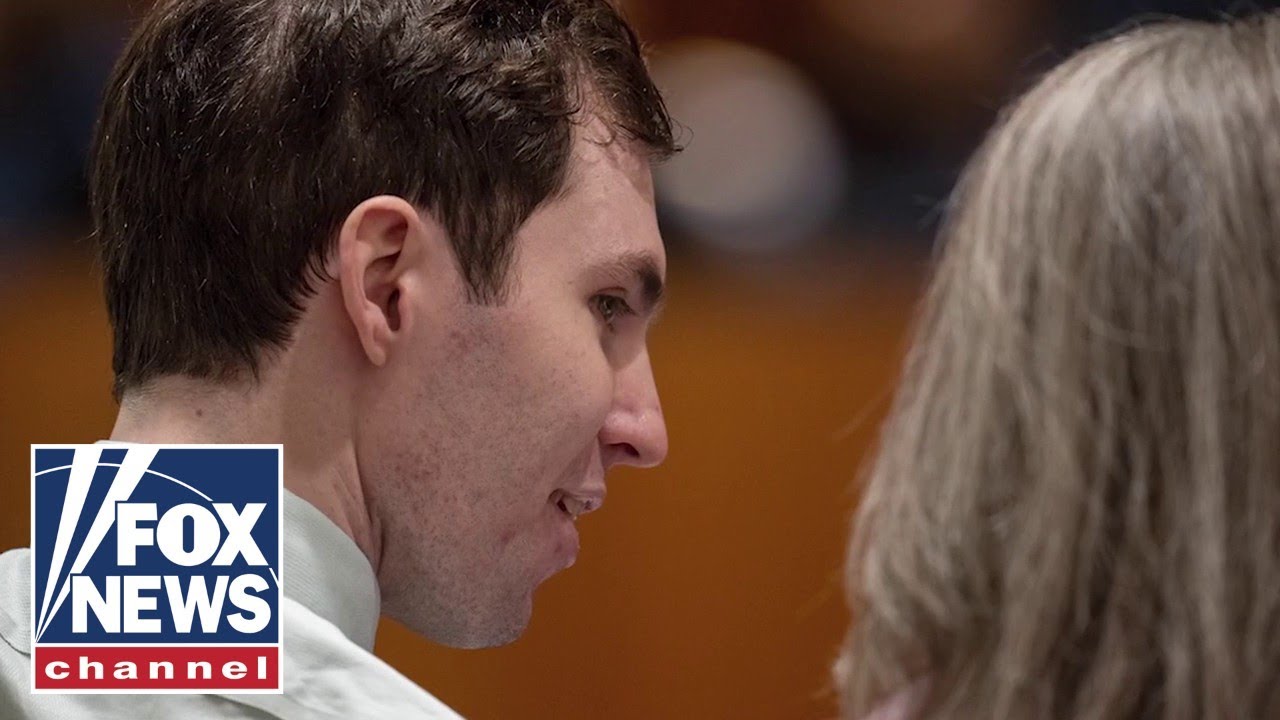
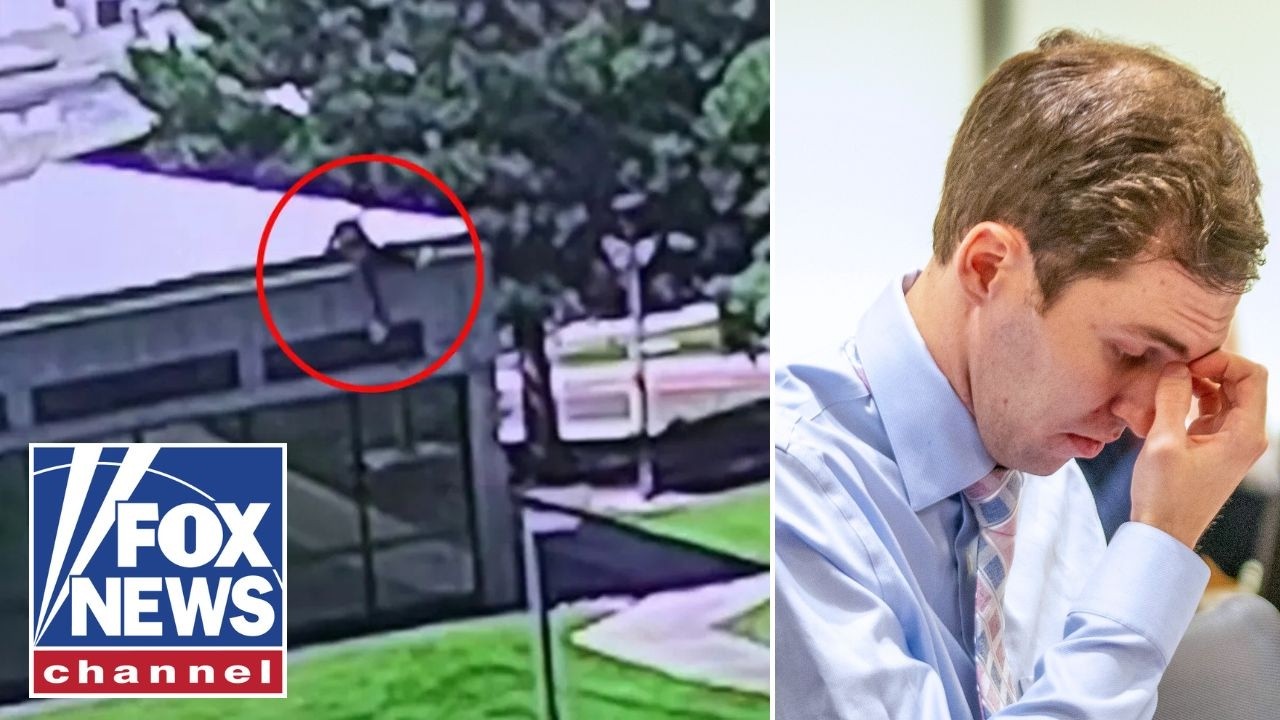
Tyler Robinson, the 22-year-old accused of attempting to assassinate Charlie Kirk, made a virtual court appearance where significant decisions were made regarding the transparency of his case. The judge ruled that transcripts and audio recordings from a closed-door hearing held in October will be released to the public with limited redactions, citing the public's right to access. Robinson will be allowed to wear regular clothes instead of prison garb during trial proceedings, a decision that could significantly impact jury perception.
The court is still deliberating on whether to allow cameras in the courtroom, a decision that raises important questions about transparency and its potential impact on both the prosecution and defense strategies. Robinson's defense team has not yet entered a plea, leaving open the possibility of various defense strategies, including a potential insanity defense.
Utah's Restrictive Insanity Defense Laws
Utah presents unique challenges for Robinson's defense team because it does not allow a traditional insanity defense. According to renowned trial lawyer Mark Geragos, the state's approach is much more restrictive than what most people typically think of when considering insanity defenses. "You have a kind of what I like to call a very small pathway to navigate if you're the defense," Geragos explained.
Despite these restrictions, Geragos suggested this may be one of the few cases in Utah where such a defense might work based on what has been reported publicly. However, he cautioned that outside observers don't know what professionals have analyzed regarding Robinson's mental health history and condition.
Clinical Perspective on Mental State
Dr. Drew Pinsky, Chief Patient Officer for the Wellness Center, provided insight into the clinical aspects of the case. Examining the Discord messages attributed to Robinson, Dr. Drew noted evidence of grandiosity and what appears to be a psychotic process. However, he emphasized an important distinction: "Just being what I would call insane as a clinician or what an average person in terms of talking to them would recognize that someone is not in reality, doesn't necessarily rise to the level of legal insanity."
Dr. Drew pointed to several factors that complicate an insanity defense, including evidence that Robinson demonstrated consciousness of wrongdoing. He was allegedly hiding the weapon, taking a position where nobody could see him, and hiding out for a while afterwards. These actions suggest an awareness that his conduct was wrong, which is a critical factor in determining legal insanity.
Defense Strategy and Negotiations
Dr. Drew raised the question of whether the defense team might be pursuing this approach as a negotiation tactic rather than as their primary strategy. "I don't see how it rises to the level of insanity legal insanity defense," he stated.
Geragos drew parallels to historical cases, noting that the situation reminds him of the struggle faced by those defending the Unabomber. In that case, there was a constant struggle because the defense lawyers wanted to push for a mental health defense, but the defendant did not want such a defense. "I think this thing is eerily reminiscent to that kind of a struggle that you will have as a defense lawyer," Geragos observed.
The Challenge of Lack of Insight
A critical issue in cases involving mental illness is what Dr. Drew described as a feature often missing from public discourse: lack of insight. "Lack of insight is a feature of these brain diseases, whether it's mental illness or addiction," he explained. "It actually has a name, it's called anosognosia. It's a biological block, so people cannot see what is happening to them as a result of the brain condition."
This creates an enormous challenge for defense attorneys trying to communicate with clients who may not understand or accept that they have a mental disease or defect. As Geragos noted, it's an "enormous lift" to try to make someone realize that something is missing when they're mired in a psychological condition.
Cameras in the Courtroom Debate
The question of whether to allow cameras in the courtroom carries significant implications for both sides. Geragos admitted that his position on this issue has evolved over 25 years of practice. "I was adamantly against cameras in the courtroom" early in his career, he said, but has since learned that cameras can actually benefit both acquitted and convicted clients in high-profile cases.
Without cameras, Geragos explained, people who are acquitted may be perceived as having "got off" rather than understanding that the prosecution's case imploded. Similarly, in conviction cases, people assume the worst because they're getting information filtered through someone who might not even be in the courtroom. "I think there ought to be cameras in the courtroom," Geragos concluded, especially when there's significant public interest and curiosity in a case.
The decision to allow Robinson to wear civilian clothes instead of prison garb will also impact jury perception, potentially making him appear less threatening and more relatable to jurors.
Comparison to the Nick Reiner Case
The discussion also touched on the Nick Reiner case in California, which presents different legal considerations because California does have a traditional insanity defense. In California, someone can be found not guilty by reason of insanity if they had a mental disease or defect that prevented them from appreciating the wrongfulness of their conduct or understanding what they were doing.
Reiner has been documented as having schizophrenia, and there are questions about his medication. However, evidence that he allegedly obtained a hotel room, got into a fight the night before the incident, and appeared calm on surveillance footage raises questions about whether this truly qualifies as an insanity case.
Dr. Drew explained that people with schizophrenia can indeed be "really bizarre in terms of how they behave and very grandiose at the same time." However, the critical question remains whether the person knew they were doing something wrong. Dr. Drew also expressed suspicion that drug use might have been involved, noting that when people get violent, "it's often methamphetamine and they often don't even remember what happened."
Drug Use and Legal Defenses
Both experts acknowledged that voluntary drug ingestion typically defeats an insanity defense. However, in the Reiner case, Geragos suggested that one reason for delaying the proceedings for almost three weeks was "to fade away from the drug use." Until sufficient time passes and the person is clearly separated from drug use, it's impossible to determine whether you're dealing with drug-induced psychosis or an underlying mental health condition.
Reiner is being held in the Twin Towers mental health unit, indicated by the blue bedspread he was wearing in court appearances. Geragos explained that until there's distance from drug use, "you can't tell whether it's the chicken or the egg."
Competency to Stand Trial
Beyond the question of insanity as a defense, there's the separate issue of competency to stand trial. Geragos noted that California has a "totally unique" situation regarding competency: "Is Nick Reiner competent to stand trial at this point? Does he have any recognition of what he did, where he is, or why he's there?"
Dr. Drew mentioned what he called a "sweet spot window of 18 to 29" when schizophrenia typically first appears. Both experts emphasized the difficulty that loved ones face when dealing with someone who is grandiose. "The impossibility of dealing with somebody when they're grandiose, it's unbelievable how difficult it is for a loved one to deal with," Geragos stated.



Comments
Be the first to comment on this video.