Utah Court Grants Tyler James Robinson Right to Civilian Clothing in Pretrial Hearings Despite Prosecution Opposition
Enjoying this? Share it with someone who needs to see it.
Up Next
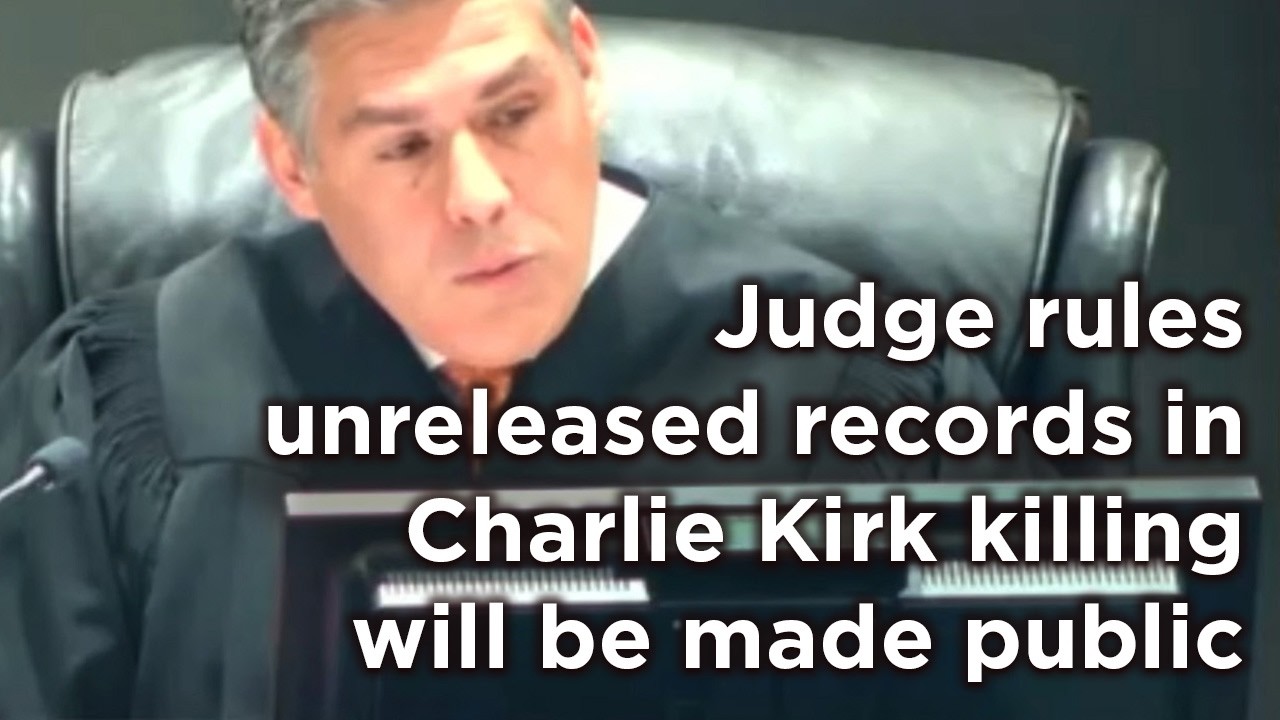
Utah Judge Tony Graf Rules on Public Access to Sealed Hearing in State vs Tyler James Robinson Case
20:38
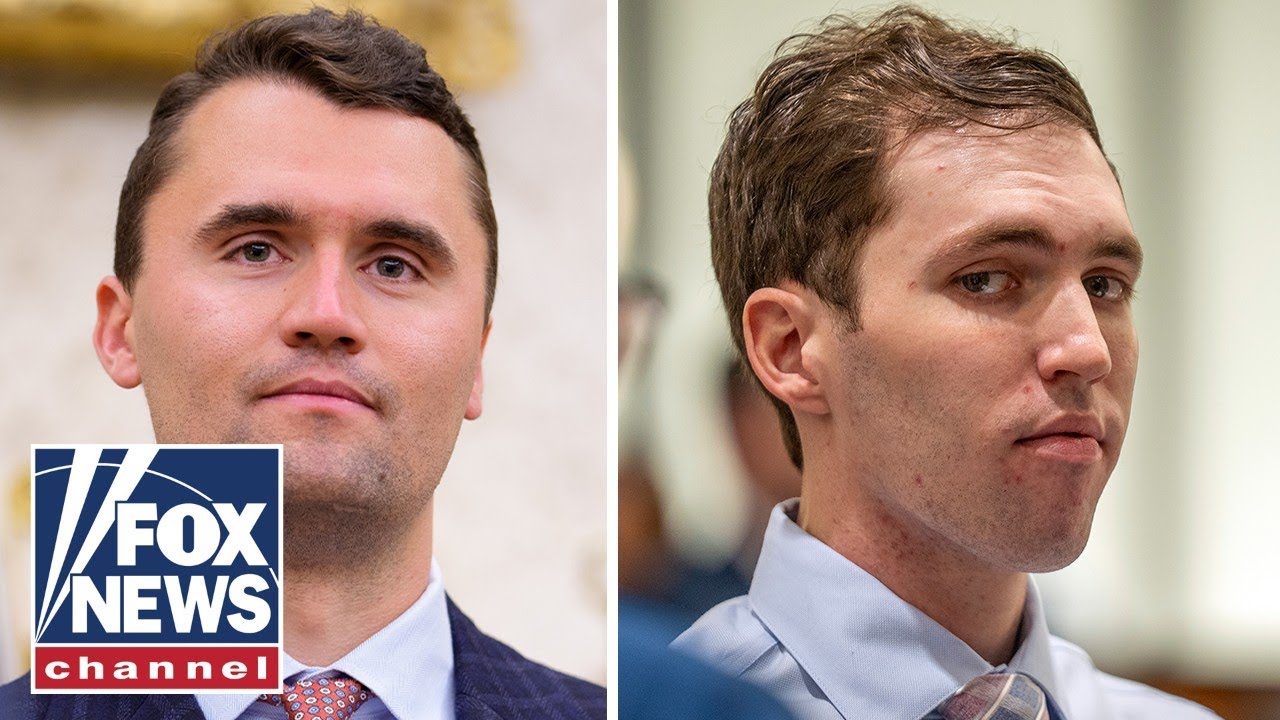
Trey Gowdy Analyzes Tyler Robinson Courtroom Smirk as Erika Kirk Faces Ongoing Threats After Charlie Kirk's Murder
6:14
Jonathan Turley Breaks Down Court Rulings on Media Access and Public Transparency in High-Profile Criminal Cases
4:24
Utah Court Grants Tyler James Robinson Right to Civilian Clothing in Pretrial Hearings Despite Prosecution Opposition
A Utah judge granted Tyler James Robinson the right to appear in civilian clothing during all pretrial hearings in a high-profile criminal case, citing the extraordinary media attention and the need to protect his presumption of innocence. The court balanced security concerns against the risk that widespread images of Robinson in jail attire could prejudice potential jurors. While allowing civilian clothing, the judge denied Robinson's request to appear without physical restraints, emphasizing public safety given the serious charges he faces, which carry potential penalties of life imprisonment or death. The court also amended its decorum order to prohibit media from photographing or recording Robinson's restraints or filming him while entering or exiting the courtroom, attempting to balance transparency with fair trial rights.
In a significant pretrial ruling, a Utah court addressed multiple motions in the criminal case against Tyler James Robinson. The hearing, which took place following a closed session on October 24th, 2025, resolved several contentious issues regarding Robinson's appearance during pretrial proceedings. The judge granted Robinson's motion to appear in civilian clothing while denying his request to appear without physical restraints.
The court heard arguments from both the prosecution and defense, with Robinson himself appearing via Webex. The proceedings addressed four main matters: Robinson's motion to strike the sheriff's response, his motion to appear in civilian clothing and without physical restraints, requests to limit visual recording and photography in the courtroom, and the state's request to hold nonevidentiary hearings remotely.
Presumption of Innocence Prevails on Clothing Issue
The judge ruled that Robinson has the right to appear in civilian clothing at all pretrial hearings, citing the extraordinary public and media attention the case has attracted. The court found that images of Robinson in jail clothing are likely to circulate widely and could influence prospective jurors, creating a significant risk of prejudice.
In delivering the ruling, the judge emphasized a fundamental principle: "Mr. Robinson sits before this court presumed innocent and that presumption remains until each element of every offense is proved beyond a reasonable doubt. To date, this has not occurred and the presumption of innocence remains."
The court determined that Robinson's right to the presumption of innocence outweighs the minimal inconvenience of providing civilian attire. Defense counsel was directed to coordinate with the jail to ensure the order is implemented, with clothing to be provided 72 hours prior to any hearing.
Safety Concerns Require Physical Restraints
While granting the civilian clothing request, the court denied Robinson's motion to appear without physical restraints during pretrial proceedings. The judge acknowledged that Robinson has no criminal history but noted that the charges he faces are serious, carrying potential penalties of life imprisonment or death.
The court cited safety as its highest priority, stating that it must protect Robinson himself, the attorneys, court staff, and the public. The judge also noted that the emotional nature of these proceedings raises the risk of disruption. Under Rule 3-414, all in-custody defendants must be restrained unless otherwise ordered by the court.
However, the court directed that an individual assessment be conducted to use the least restrictive restraints necessary to maintain safety. If those restraints impede Robinson's ability to communicate with counsel or take notes, his attorneys may renew the motion.
Media Coverage Restrictions Imposed
To mitigate potential prejudice while maintaining transparency, the court amended its decorum order regarding media coverage. The new order prohibits media from photographing or visually recording Robinson's restraints and from photographing or recording him while entering, exiting, or standing in the courtroom.
The judge stated that this restriction strikes the proper balance between Robinson's right to a fair proceeding and the public's right to access and transparency. The court considered the factors outlined in Rule 4-401.01, acknowledging this is a high-profile case with strong public interest.
Procedural Rulings on Sheriff's Response
The court also addressed Robinson's motion to strike the sheriff's response to his appearance motion. The prosecution and sheriff's department had filed a joint opposition to Robinson's requests, but Robinson argued this was procedurally improper because the sheriff is not a party to the case.
All parties agreed that the sheriff's department is not a party in the case. The court found that the sheriff's joint filing with the prosecution was procedurally improper and granted Robinson's motion to strike. However, the judge noted that under Rule 3-414 of the Utah Rules of Judicial Administration, the court is required to coordinate courtroom security with the sheriff's department.
With Robinson's agreement, the court considered the substance of the state's opposition and the memorandum prepared by the court security director. The judge ruled that going forward, if either party has a security concern specific to the case, they may present evidence by affidavit, declaration, exhibit, or testimony.
Future Proceedings and Additional Briefing
The parties stipulated that two additional issues require further briefing: the state's request to hold nonevidentiary hearings virtually and the parties' joint request to limit electronic media coverage. The October 30th hearing was vacated to allow additional time for discovery completion and motion filing.
The court directed that if the state wishes to have all nonevidentiary hearings conducted via Webex, they must file a separate motion with standard timelines for response and reply. Similarly, if any party seeks to limit or restrict electronic media coverage, they may file a joint motion addressing the factors set forth in Rule 4 of the Utah Rules of Judicial Administration.
The matter is scheduled to return before the court on January 16th, 2026, at 1:00 p.m., and again on January 30th, 2026, at 1:00 p.m. Both hearings will be held in person with Robinson present to address these pending issues.