Trey Gowdy Analyzes Tyler Robinson Courtroom Smirk as Erika Kirk Faces Ongoing Threats After Charlie Kirk's Murder
Enjoying this? Share it with someone who needs to see it.
Up Next
Legal Experts Analyze Tyler Robinson's Defense Strategy as Preliminary Hearing Decision Looms in Charlie Kirk Attack Case
3:55
Legal Expert Nathan Evershed Breaks Down How Prosecutors Build Death Penalty Case Against Tyler Robinson
16:11
Charlie Kirk's Widow Erika and Family Face Alleged Assassin Tyler Robinson in Utah Courtroom Hearing
5:52
Trey Gowdy Analyzes Tyler Robinson Courtroom Smirk as Erika Kirk Faces Ongoing Threats After Charlie Kirk's Murder
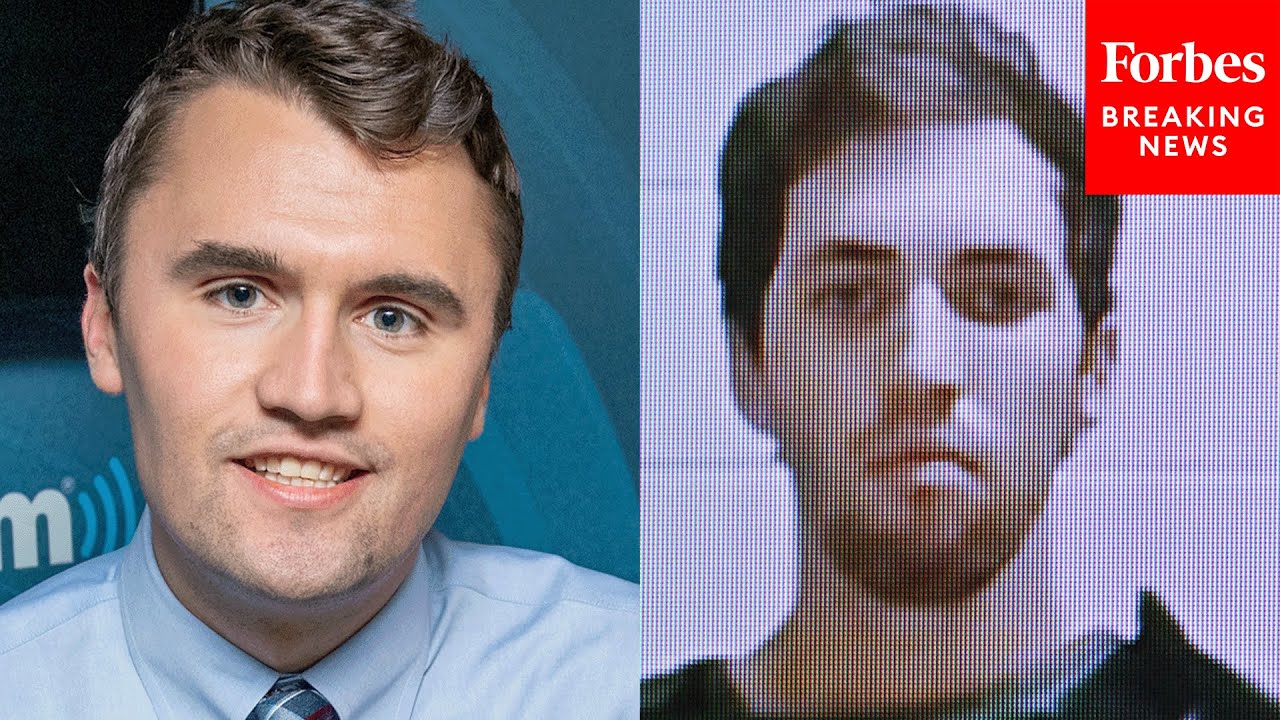
Former federal prosecutor Trey Gowdy breaks down the first courtroom appearance of Tyler Robinson, the man accused of murdering Charlie Kirk. Gowdy explains why cameras aren't allowed in federal court, how the judge is protecting jury anonymity, and why Robinson's visible smirk could become devastating evidence during the death penalty sentencing phase. Meanwhile, Erika Kirk reveals she's keeping Charlie's gravesite private due to threats from those she calls "secular revolutionaries," as the Turning Point USA family continues to face harassment and death threats. Gowdy condemns those monetizing the tragedy through fear and conspiracy theories, offering to help demystify the legal process for the grieving widow.
Legal analyst Trey Gowdy provided insight into the October 24th courtroom proceedings involving Tyler Robinson, accused of murdering Charlie Kirk. Addressing questions about camera access, Gowdy clarified an important distinction: "Cameras aren't allowed at all in federal court. For the most part we have a lot of confidence in the outcome. So I would not conflate public with the presence of cameras. This trial is going to be public. Anyone who wants to go watch it can. That's a separate issue from whether or not to allow cameras."
Gowdy explained that the judge's primary concern isn't about the American people or even the defendant—it's about protecting the jury. "He wants to protect the anonymity of the jury. Can you trust the television camera operators to protect those 12 people and anonymity?" This focus on jury safety becomes especially important given the heightened tensions and threats surrounding this case.
The Courtroom Smirk and What It Means for Sentencing
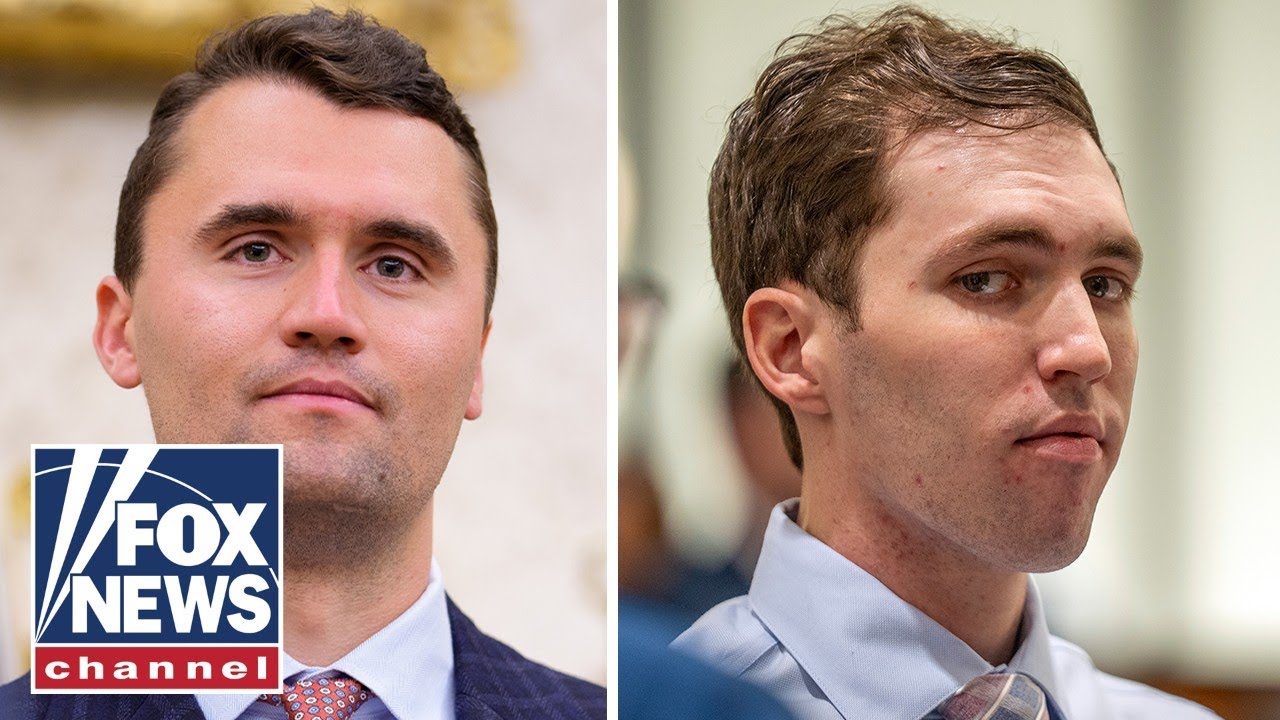
One of the most disturbing moments came when Robinson displayed what observers described as a smirk during the proceedings. Gowdy, drawing on his experience as a prosecutor, addressed this directly: "Stop trying to figure out the mind of Tyler Robinson and what he did. You will never be able to understand the mind of someone capable of scalding their children to death, of drowning their children, of bludgeoning an elderly couple to death, all of what I saw in my career."
However, Gowdy pointed out that this display of callousness could have serious legal consequences. "Be mindful of this, though. That little smirk you see on Tyler Robinson's face, you may see it again in the penalty phase of a death penalty trial, where the absence of remorse is relevant. It's not relevant in the guilt phase. But in the sentencing phase you can show that smirk to the jury, and I guarantee you the jury reaction will be the same as yours and won't be good for Tyler Robinson."
Gowdy emphasized the clarity of the case: "That's the exact same guy you're seeing right now. Put him in whatever shirt, suit, you want to put him in, put the leg irons on or take them off, but that's the one that shot [Charlie Kirk] from a couple hundred yards because he happened to disagree with his political beliefs. That's the same guy sitting in between his defense attorneys right now. That's what the prosecutor has to convince a jury of. I think they'll have an easy job."
Security Concerns and Courtroom Transparency
The judge was simultaneously weighing what portions of courtroom security discussions could be made public. Gowdy supported the judge's cautious approach: "If you have a security plan for the courtroom, why would you make it public? I mean, honestly, isn't that counterintuitive to have a security plan and then publicize it? I want the trial to be public, because that's what Erika Kirk wants, and I defer to the victim and their family, but the security plan itself, it should not be public."
Erika Kirk's Ongoing Battle with Threats and Harassment
The discussion highlighted the extraordinary security concerns facing Erika Kirk and the entire Turning Point USA organization. The widow of Charlie Kirk has been forced to keep the location of her husband's gravesite completely private due to credible threats.
In an emotional statement, Erika Kirk explained her reasoning: "We will be building the most beautiful memorial for my husband at Turning Point USA, for the world to see, but can I have one thing? Can my babies have one thing? Where we hold it sacred, where my husband is laid to rest, where I don't have to be worried about a secular revolutionary destroying my husband's grave while my daughter is sitting there praying. One thing."
The unprecedented level of harassment led the host to observe: "I don't know any other court case that I can think of where you see the level of rhetoric and the threats of violence going on as this one has brought forth."
The Forgotten Victims in the Courtroom
Gowdy made a powerful point about how the criminal justice system often loses sight of victims and their families. "My heart continues to go out for the victims of crime. They're the ones who are lost in this. And Charlie Kirk, you don't see his image in the courtroom. You actually don't see his family and his friends in the courtroom. It's all about the defendant."
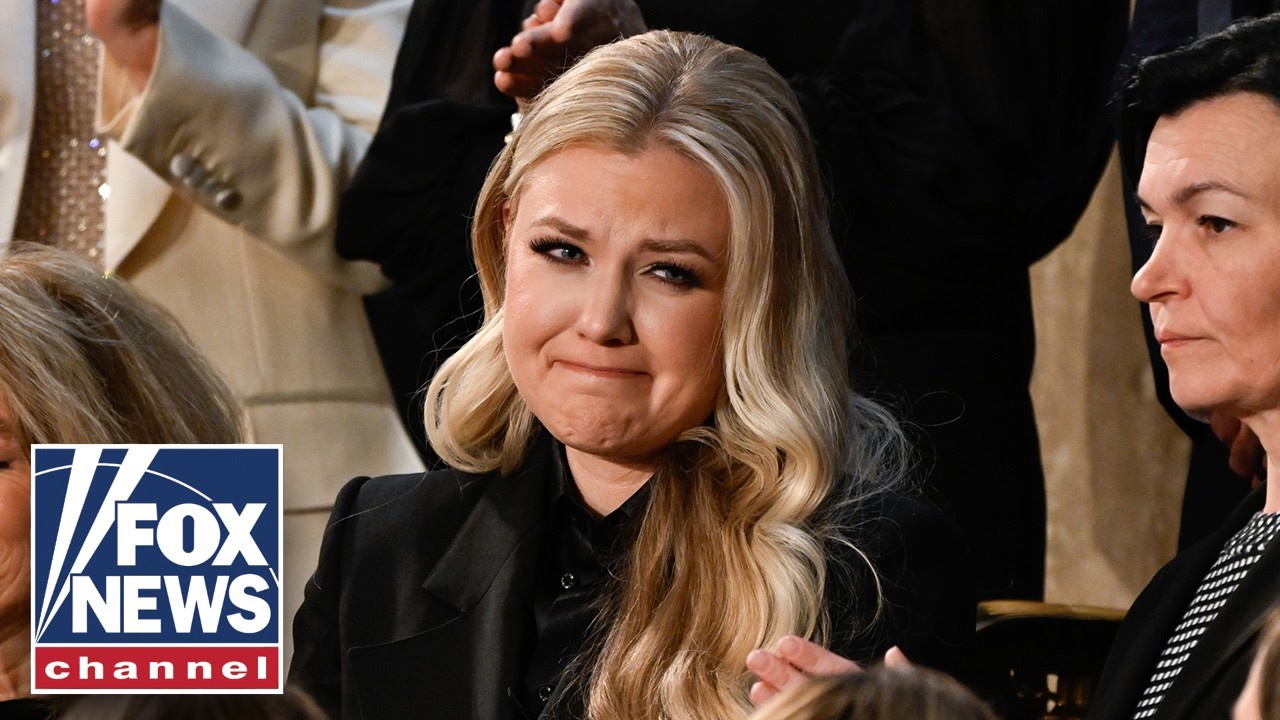
He noted that earlier in the broadcast, Erika Kirk had been shown "almost crying out for someone to explain to her what is going to happen." This moved Gowdy to make a personal commitment: "I made a note to myself, as soon as I get off this show, I'm going to go through mutual friends, and say you can call anytime you want. Call Turley, McCarthy, call anyone, and we will demystify the system."
Condemnation of Those Monetizing Tragedy
Gowdy concluded with a scathing rebuke of those exploiting the Kirk family's tragedy for profit. "What has me bothered is what has bothered [you], John. People have figured out to monetize fear and anger, and now monetized insanity. Some of the things she has to put up with by people making money off a podcast, spewing insanity, you're revictimizing someone that's lost her husband and her children's father. I hope you're proud of that. Congratulations. You figured out how to get really rich, causing additional grief and harm to people."
As the legal proceedings continue, the focus remains on seeking justice for Charlie Kirk while his family navigates an unprecedented landscape of threats, harassment, and a criminal justice system that can seem overwhelming to those thrust into it by tragedy.