Andrew Kolvet and Riley Gaines Reflect on Charlie Kirk's Assassination and the Power of Forgiveness
Enjoying this? Share it with someone who needs to see it.
Up Next
Erika Kirk Reveals How The Charlie Kirk Show Will Continue Charlie's Legacy and Mission
17:33
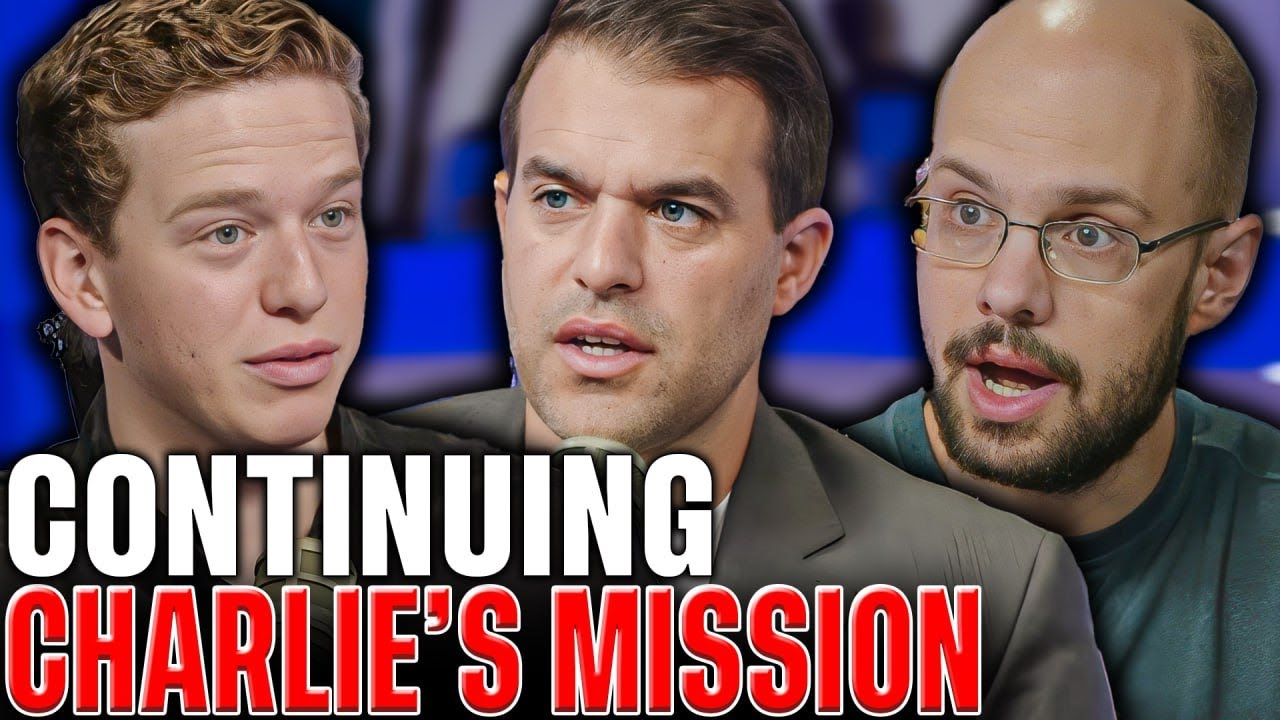
Andrew Kolvet and Mikey McCoy Share Charlie Kirk's Final Asia Trip and Turning Point's Future Vision
1:58:02
Andrew Kolvet and Chris Cuomo Discuss Charlie Kirk's Legacy and Rising Political Violence in America
19:01
Andrew Kolvet and Riley Gaines Reflect on Charlie Kirk's Assassination and the Power of Forgiveness
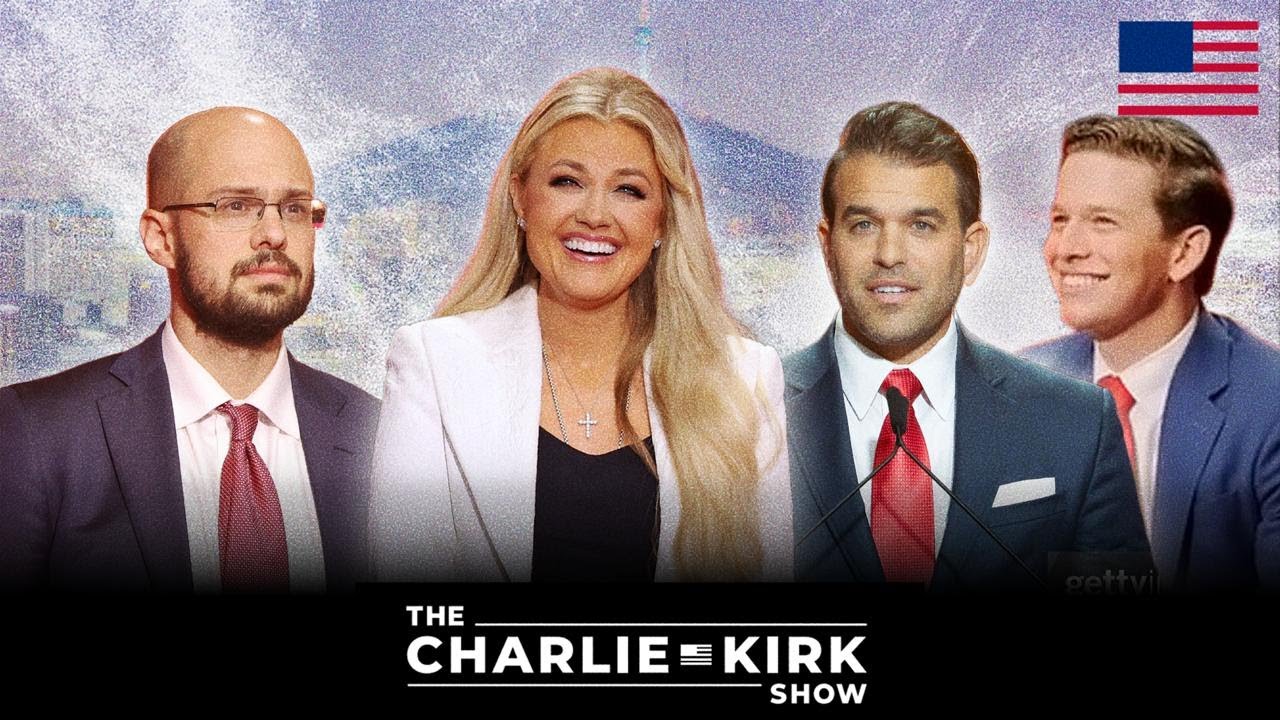
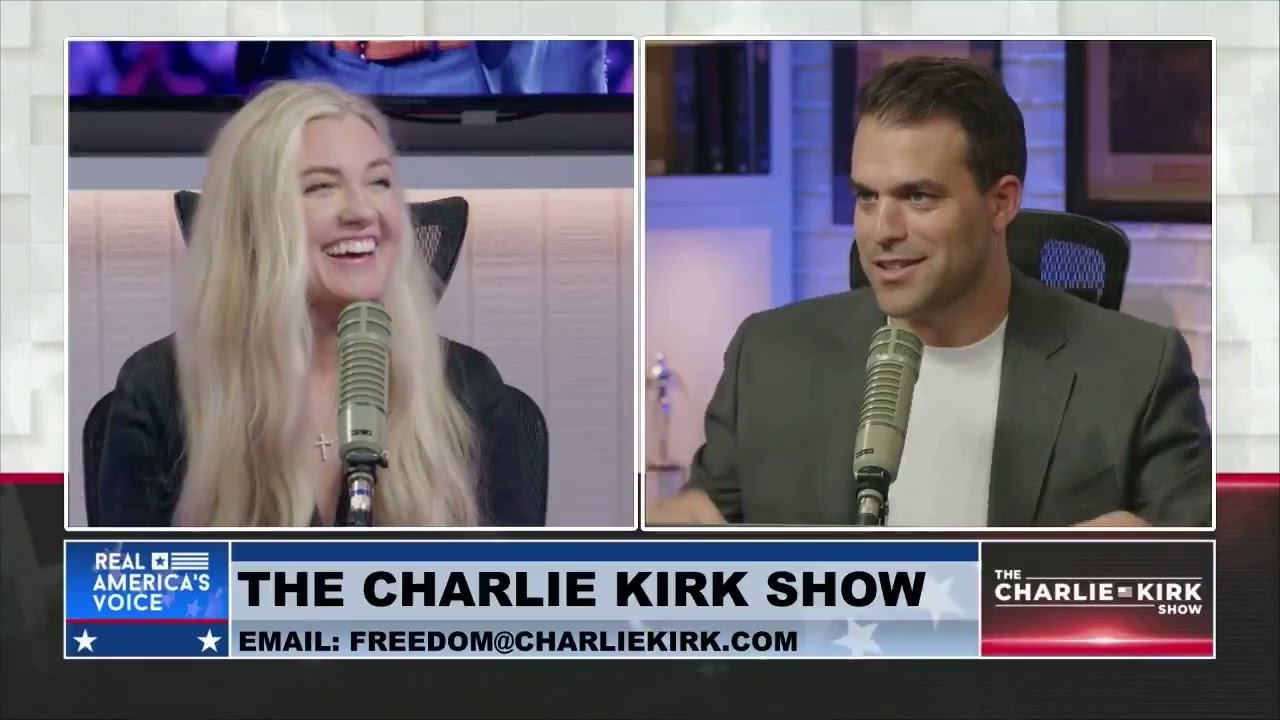
Andrew Kolvet sits down with Riley Gaines to discuss the profound impact of Charlie Kirk's assassination on those closest to him and the movement he built. Riley shares her raw, emotional journey from the moment she learned of the tragedy while standing in a Chick-fil-A line at 38 weeks pregnant, through the stages of shock, grief, and anger, to witnessing Erika Kirk's extraordinary act of forgiveness at the memorial service. The conversation explores how Charlie's message about marriage, family, and living boldly continues to inspire a new generation, as Riley herself embodies those principles by having her first child at 25 and advocating for young people to embrace family life without fear or hesitation.
Riley Gaines was standing in line at Chick-fil-A, 38 weeks pregnant, when her phone started ringing insistently. Her boss at Fox was calling back-to-back, which was unusual enough to send a chill down her spine even before she knew why. When she finally answered, the words hit her like a physical blow: "Charlie's been shot and it doesn't look good."
In a conversation with Andrew Kolvet, Riley recounted those first devastating moments with the kind of detail that only comes from trauma etched into memory. She opened X (formerly Twitter) immediately, desperately hoping for clarity, only to be confronted with video footage she initially convinced herself must be AI-generated. It couldn't be real. But within hours, the confirmation came that Charlie Kirk's life had been ended by a coward's bullet.
The Immediate Aftermath and Media Bunker
Andrew Kolvet, who was extraordinarily close to Charlie, described his own experience in those first days as being "huddled in a bunker," barely able to look at his phone, which had stopped working from the sheer volume of calls and texts. He focused on simply getting through every 15 minutes at a time. Meanwhile, people around the country and the movement were processing their own grief and shock.
For Riley, being only 25 years old, this represented one of the few "never forget where you were" moments in her life—the first being when President Trump was shot. The initial reaction was total shock and disbelief. Disbelief that something like this could happen. Disbelief that Charlie was really gone. And perhaps most disturbing, disbelief at the people online who were openly celebrating his death.
From Shock to Grief to Anger
Riley described the emotional progression with striking honesty. That first night, sleep was impossible. Her mind raced with questions and prayers—thinking of Erika and the children, wondering about the future of Turning Point USA, contemplating what this loss meant for the nation. Charlie had been, in her words, "the most effective voice for our time," and now he was gone.
The next few days brought waves of grief and tears. But then something else emerged: anger and rage. Seeing peers—people she knew personally—celebrating Charlie's assassination online made her wonder what they would say if she were assassinated. These weren't anonymous trolls; these were healthcare workers, government employees, and school teachers. People trusted to educate children and save lives were celebrating death.
The anger was particularly acute when she saw what certain individuals were saying online—people who knew Charlie, who had interacted with him, who were now revealing their true thoughts about his assassination. It was a jarring revelation about the people in her own circles.
A Memorial Service at 40 Weeks Pregnant
Riley was determined to attend Charlie's memorial service, despite the fact that it fell on her due date. When she told her OB/GYN that she needed to fly to Arizona at 40 weeks pregnant, he completely understood the significance. "Look, Riley, this is our nation's loss," he told her, printing out her medical paperwork and instructing her on what to do if she went into labor on the plane or needed to find a hospital in Arizona.
Walking into that memorial service, Riley still carried anger. But what happened there transformed her emotional state entirely. She witnessed publicly elected officials proclaiming the name of the Lord in front of tens of thousands present and millions watching online. But the most powerful moment came from Erika Kirk herself.
The Power of Forgiveness
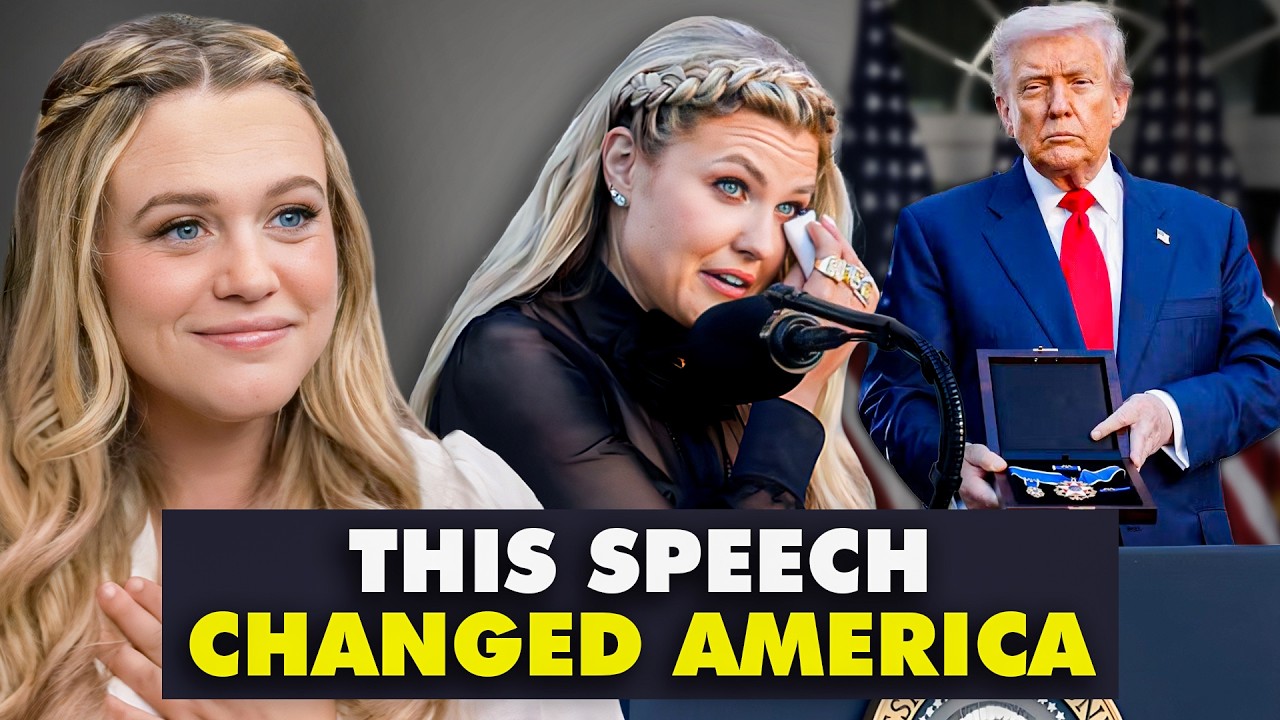
Just 11 days after her husband was murdered, Erika Kirk publicly forgave his assassin. Riley described this as "a beautiful display of forgiveness, of strength, of compassion that I think only God can provide a grieving widow so soon after her husband had been killed." This moment became pivotal for Riley and countless others watching.
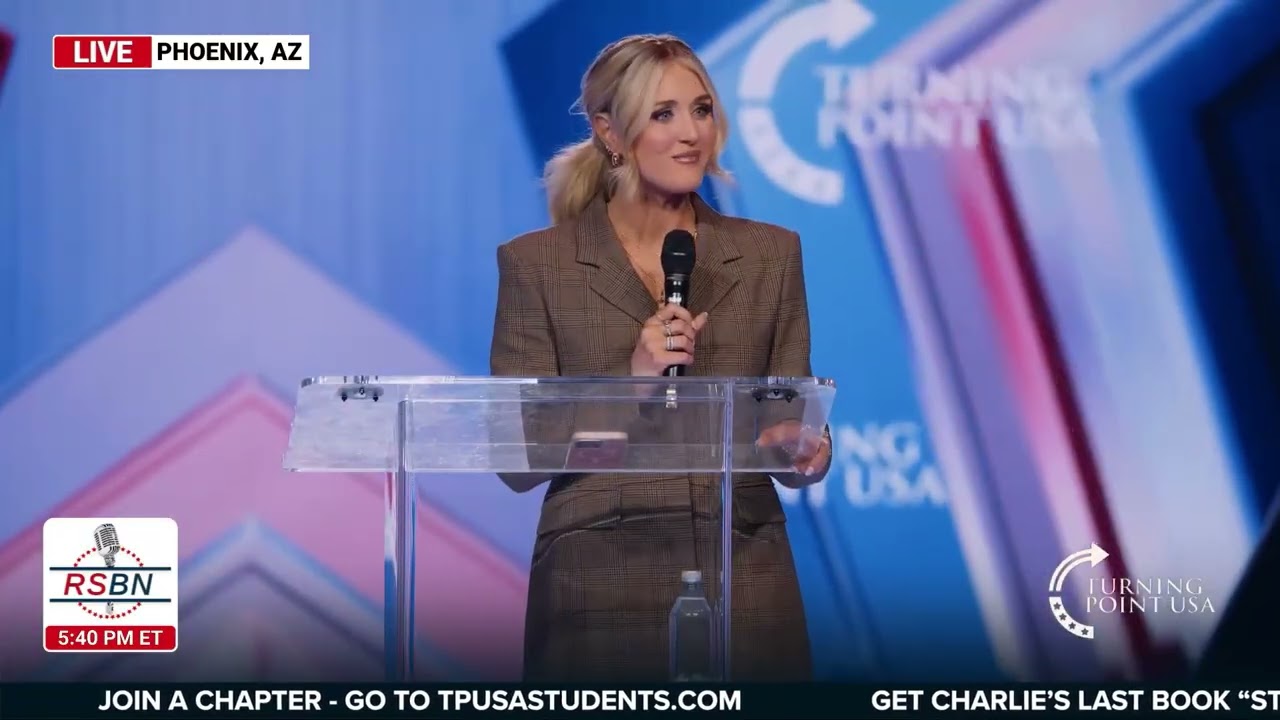
The anger began to transform into hope, optimism, and inspiration for the future. At AmericaFest, where this conversation took place, Riley saw the fruits of that transformation—thousands of young people smiling ear to ear, 2,000 students lining up just to say hello at a student meet and greet. The movement Charlie built was not just surviving; it was thriving.
Living Charlie's Message: Marriage and Family
Riley Gaines has become a living embodiment of one of Charlie Kirk's core messages: get married young, have kids as young as you possibly can in your married life, and have as many as you can. She and her husband got engaged and married at 21 years old—something almost unheard of in contemporary culture, even among many conservatives.
Riley was candid about her fears before getting pregnant. Like many women, she had heard countless horror stories about pregnancy complications, difficult deliveries, and endless sleep deprivation. The cultural narrative around pregnancy and motherhood is overwhelmingly negative, filled with warnings and worst-case scenarios.
But her experience was radically different. She had what she describes as "the best pregnancy ever"—no morning sickness, no fatigue, no aversions, nothing. She lived her life exactly as she had before conception. The labor and delivery were, in her words, "a breeze," with her daughter arriving in about 10 minutes. And contrary to every warning about sleepless nights, her baby has slept through the night since day one.
The Importance of Positive Stories
Riley emphasized how important it is for women to hear positive pregnancy and motherhood stories, not to discount the real difficulties some women face, but to counterbalance the overwhelmingly negative cultural narrative. "I think it's important for women to hear that there are good stories, too," she said, acknowledging that her experience might frustrate mothers who had harder journeys but insisting it needs to be shared nonetheless.
Andrew Kolvet agreed, drawing a parallel to how society treats marriage itself. He noted how culturally we've built constant degradation of marriage into our vernacular—jokes, warnings, mockery that subtly (and not so subtly) downplay and mock the institution. While some humor is fine, the overall effect is to discourage people from pursuing what should be recognized as one of life's greatest goods.
Why Would We Downplay What's Wonderful?
Andrew shared his own experience after Charlie's assassination. He didn't see his family for weeks as he traveled and dealt with security concerns. When he finally reunited with his three young children, they tackled him, crying because they had missed him so much. That moment crystallized for him why the cultural messaging around family is so backwards.
"Why would you downplay how wonderful that is? Why would you try and warn people against that experience?" he asked. The interview between Tucker Carlson and Charlie Kirk that went viral multiple times captures this perfectly—Charlie's advice to take a job you're not qualified for, have more kids than you can afford, live boldly, and don't waste time.
Riley confirmed that she heard plenty of discouragement, even from conservative friends who would say they needed to "find the right time" to have kids. Her response is blunt: "There is no right time to have kids. You'll never reach that point." Andrew added the corrective: "There isn't a right time. There is a limited time."
The Reality of Cultural Pressure
Riley acknowledged that people, including some who would classify themselves as conservative, told her she should wait to have kids because it would interfere with her incipient media career. She received this advice from friends she loves dearly. But she and her husband, who married in 2022, waited just a few years before starting their family.
In a moment of humor, Riley shared that while still in the stirrups immediately after delivery, she told her doctor she was ready for another baby. The doctor responded that he'd never heard someone in that state say such a thing. At her follow-up appointment, when the doctor said she should wait until April to try for another child, Riley's response was characteristic: "We'll see about that. I've never been very great at following directions."
A New Generation Inspired
The conversation at AmericaFest underscored that Charlie Kirk's message hasn't died with him—it's being carried forward by people like Riley Gaines who are living it out. The thousands of young people attending the conference, the 2,000 students wanting to meet Riley, represent a generation that's hungry for a different message than what mainstream culture offers.
Riley joked about her fame: "I've literally only said there are two sexes. I don't know. I'm really not that cool." But her willingness to state obvious truths in a culture that denies them, combined with her example of young marriage and motherhood, makes her exactly the kind of voice this generation needs.
Andrew quipped about career day in kindergarten: "Did you do that when you were in third grade? They're like what do you want to be when you grow up? I want to be famous for saying there are boys and girls." Riley's response: "I did that in kindergarten. Third grade was way too late."
Moving Forward with Hope
The conversation revealed how those closest to Charlie Kirk have processed unimaginable tragedy and found a way forward. For Andrew Kolvet, who saw Riley step up immediately after the assassination—becoming more vocal, defending Charlie, advocating for the organization and the country—her response was inspiring during the darkest moment.
For Riley, the journey from that Chick-fil-A line through shock, grief, anger, and finally to hope represents a broader trajectory for the movement. Erika Kirk's forgiveness at the memorial service became a turning point, demonstrating that even in the face of evil, grace and strength can prevail.
The work continues. The message lives on. And a new generation, inspired by Charlie's bold vision for life, is stepping forward to carry it into the future.



















Comments
Be the first to comment on this video.