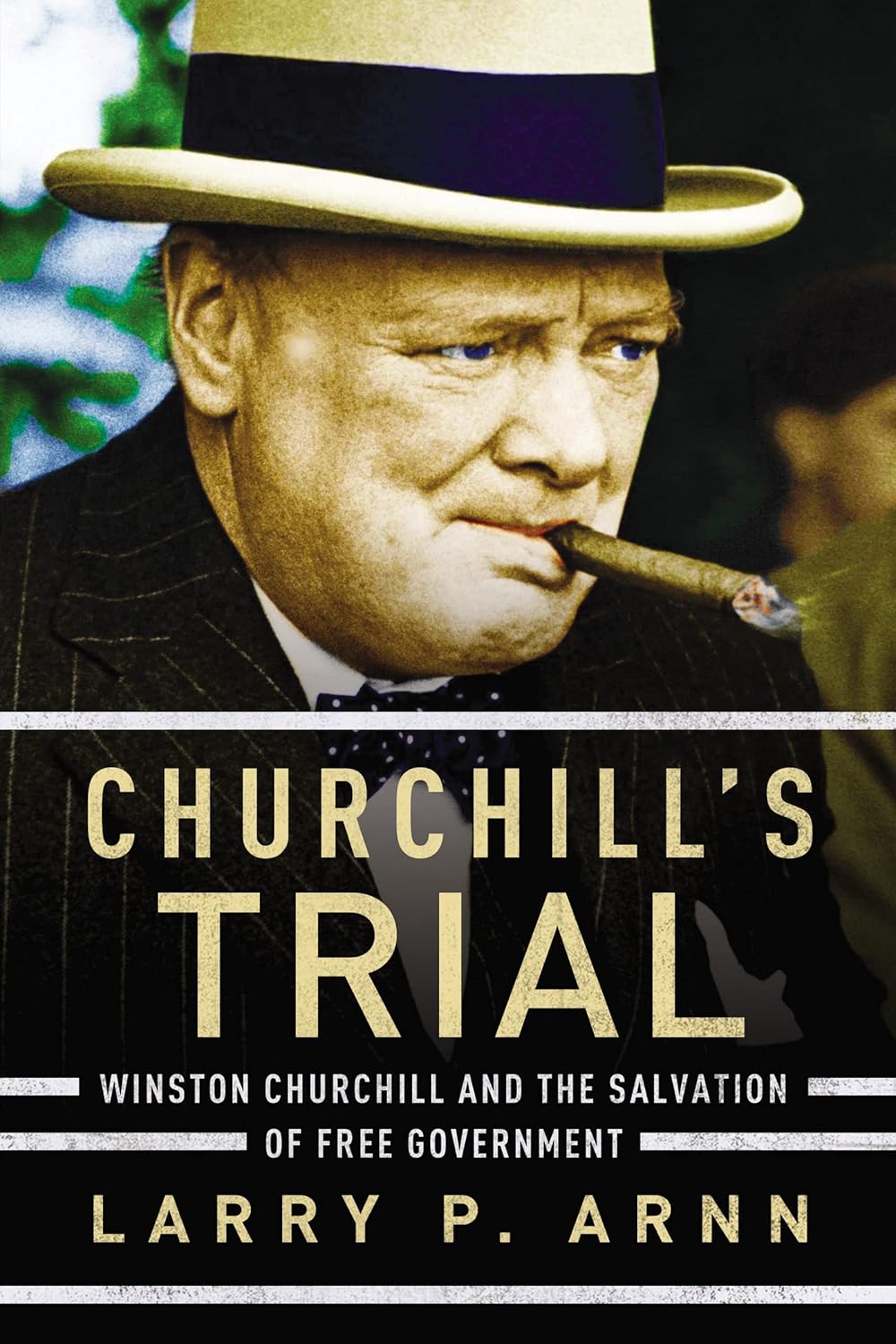
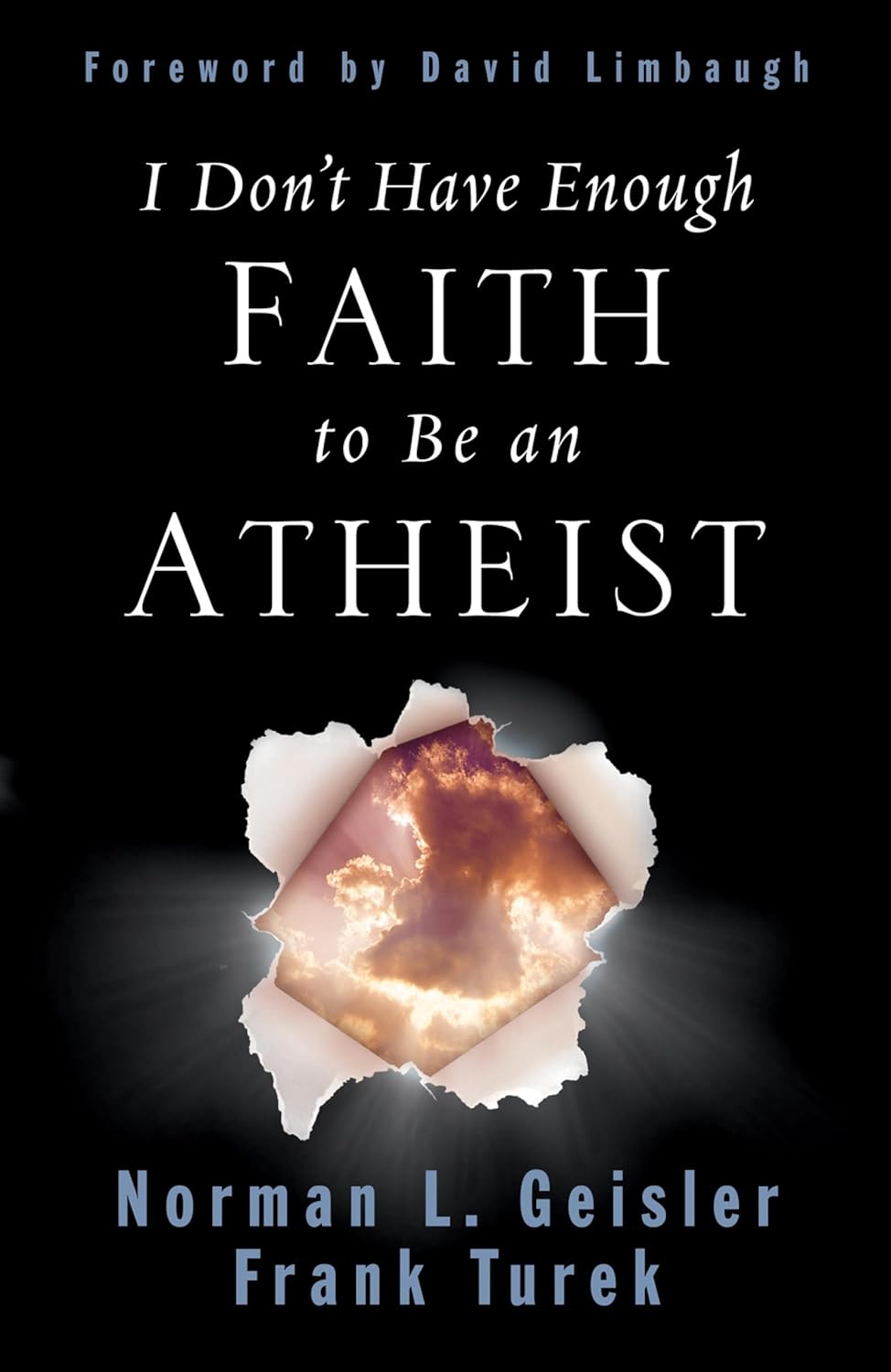
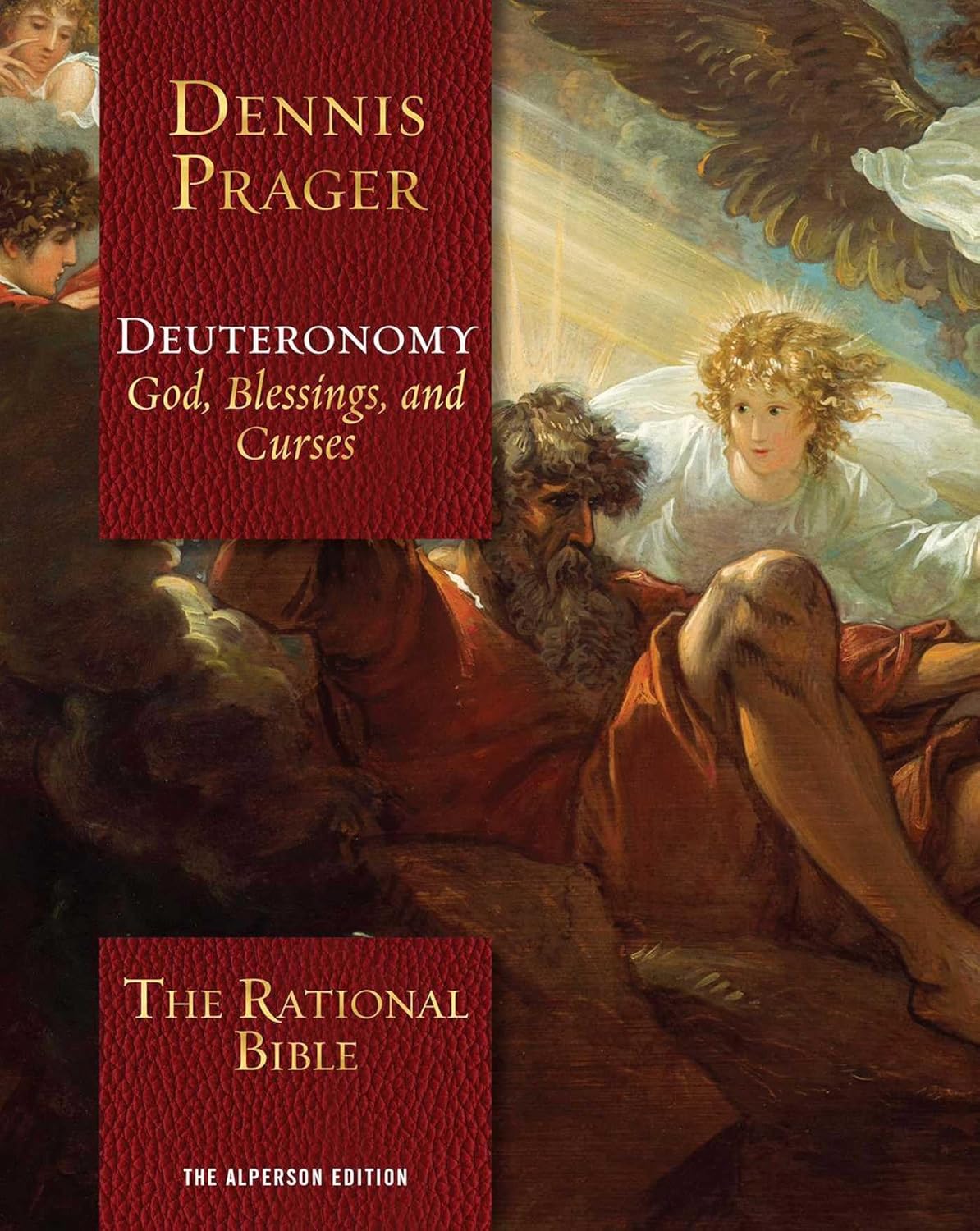
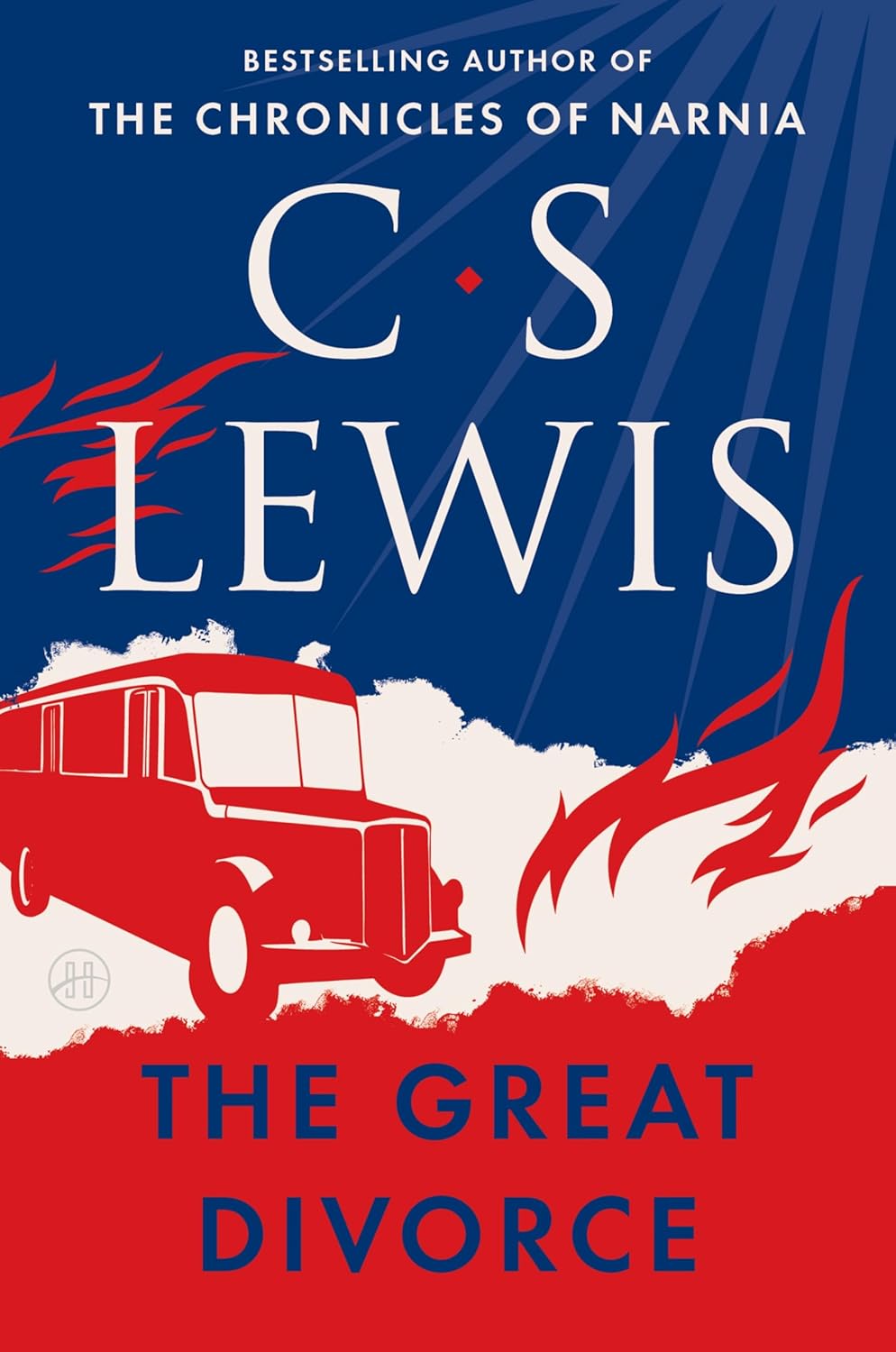
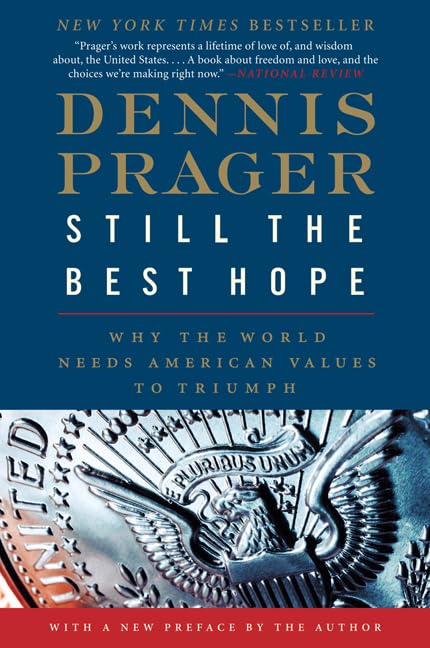
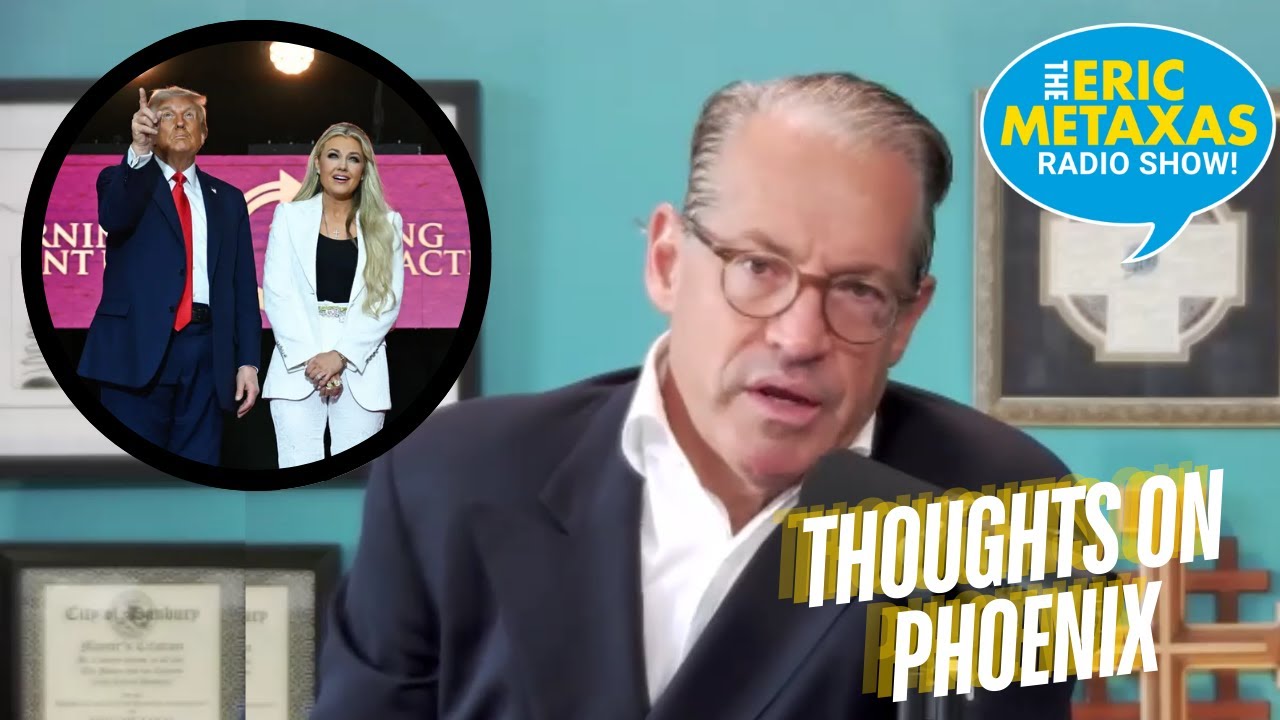
I'm Andrew Kulvet, executive producer of the Charlie Kirk Show, and I'm joined today by Charlie's chief of staff, Mikey McCoy, the great Mikey McCoy, and of course, Blake Nef, uh, one of the producers here. >> Wait, we have a great Mikey McCoy, too. >> We have a great great the great the solidly, >> the solidly acceptable Mikey the Greater Micro. We um we are going to be having we listen the show goes on but so do ask me anything Fridays and also we're going to do that in hour one today for anybody that's a part of uh the members community members.charlkirk.com you can call in ask questions live on air and we're going to answer them to the best of our ability and it's we'll see what happens. It's always one of those days when that happens. Even when Charlie was here, we never quite knew what we were going to to to expect and what we were going to get. So, let's get let's get going. Uh, we have members calls. That's members.charlkirk.com. And I believe the first up is Caleb. Caleb, do we have you? Are you there? >> Yes, I'm right here. Hi. How's it going? >> Hey, Caleb. I just wanted to ask what the plan is for future elections and the general election with Turning Point Action and I want to know how I can best get involved. >> I live in Washington State so that's kind of a >> well okay so Washington state is not a state that we're going to be focusing on. However, >> right, >> we when it gets closer to the election, what we do is we do these big volunteer drives where we'll book full hotels and room blocks and we will give you an app and a list and you can use the app to go knock on doors, make texts and phone calls and try and chase ballots. So, that's all through Turning Point Action. We're going to be probably focusing on what we call building a new red wall because of the way the census is working. more people are moving from blue northern states like New York or West Coast states like California and they're moving to the red states, the sunb belt. So that would be Arizona, that would be Florida, Texas. And because of that, there is an opportunity if we properly counted the census, right, Blake? Maybe maybe you can touch on that. That uh we're going to have a lot more of an ability to get rid of what they used to call the blue wall, right? So you heard about the blue wall is was Michigan, um Wisconsin and Pennsylvania. That's the that's the blue wall and Trump, you know, demolished the blue wall, but it's still one of those tossup areas of the country, right? We don't know what's going to happen in 2028, they could be back in play. I think if JD ends up running that he's going to play very well in those states. But the the point is we can now form a new blue wall and that would be holding Arizona. all the gains that Charlie spearheaded here in the state of Arizona. This was the best performing swing state uh by far. We won it by almost six points and about 200,000 votes. A little less, but almost 200,000. And we have a we have a vision at Turning Point Action to completely floritify the floritification of Arizona. That's the vision. So, you add Nevada, that will be another state that we really want to make solidly red. We think that we like the the underlying momentum that we have in that state. And then uh maybe a state like New Hampshire. If you if you put those where New Hampshire has more registered Republicans than Democrats, if you put those three states together, uh and if we get Nebraska to be a winner take all, which is still something that we're working on, you're going to you're going to create a map that's very very very very hard for Democrats to win in the future. Now, you still got to hold Georgia. We got great partners in Georgia that are that are activating already. And I mean, listen, the midterms, it's anybody's game, right? Historically, in the midterms, 2026, you you the the the incumbent party typically does not fare as well in the midterms from a congressional standpoint, but I think everything's out the window this time. I just think there is no historical parallel both with Charlie's death, both with what's happened with immigration. People still remember that both, you know, the economy, if the economy is doing strong. So, how you can best get involved is just go to tpaction.com, get your name in, make sure you volunteer, join coalitions, you can spearhead your own sort of grassroots level G County GOP level work. What part of Washington are you in Caleb? >> I live in the fourth district. >> Uh which part of the state? >> Uh I live in Tri Cities, Washington. So Benton County. >> Yeah, that's more conservative. Tri Cities is more conservative, right? >> So yeah. I mean, listen, you're >> Yeah. And I'm going to be running with uh well, I'm going to be helping Jared Cesler run for state. >> Fantastic. Fantastic. So, what you should do is you should get your local GOP to to get behind the Turning Point Action app. That will absolutely supercharge what you guys can do. And we have training sessions that we we can do with the local GOPs if you guys want to want to get the app and use it and and chase ballots because that's ultimately >> what what needs to be done. the Republican party is now the low propensity party. Meaning, you know, it used to be that we would poll behind, you know, uh, in the in the sort of generic ballots, you know, they poll which party do you prefer, but then we would make up the ground and then some on election day because our people would predictably come out. Everything's changed in the era of Donald Trump. Now we poll ahead, but then we don't show up. And so our job as a grassroots is to make sure people show up. And that's what the Turning Point Action app does. identifies low propensity voters, helps you focus your efforts on on those people and get them out to the polls. >> So, thanks so much. Yeah, thanks so much, Caleb. Thank you for wanting to get involved and uh you honor Charlie when you get involved in the movement. You make it stronger, as Erica says. >> Yeah. I just turned 18 and I have never wanted to get more involved since the >> 10th. Feel free to start a Turning Point chapter too at your Oh, perfect. Perfect. Awesome. Yeah, I've started one and I've helped get four more started recently. So, >> God bless you, man. That's great. That's fantastic. Okay. Well, maybe we'll see you at Amfest then. >> All right. Yeah. See you. >> Thank you. Sean, you are up next. Sean, what's your question? >> Hey guys, thanks for having me on. >> Absolutely. >> Charlie was uh really wellversed on a lot of topics. I mean, I don't know if I know a person that was more wellversed across all the different subjects. Do you see a more segmented approach in the future for TPUSA? And if so, what role do you think Christian apologetics could play moving forward? >> Well, go ahead, Blake. >> Yeah. So, >> Blake, you're you're first on a lot of topics. >> No, it's it's definitely Charlie definitely was among other things, he was oper he had a huge very broad knowledge base. He loved to pick up tons of knowledge in different areas. He had a ton of knowledge in different areas. We would talk about, we've talked about how impressive he was in terms of being an organizer, in terms of being a political activist, in terms of being involved inside the White House and still really caring to pick up that broad base of historical knowledge, philosophical knowledge, Christian knowledge. Um, none of us can match that to be frank. Uh, he was always very proud, and Mikey can attest to this, that he would love to like have Mikey quiz us on Bible topics because that was something where he could he could beat me on a lot of those topics. uh and he would ask me about history stuff. So in in general going forward all of us are going to be trying hard to step into his shoes. But I do think you'll see a segmentation where maybe I'll answer really detailed political questions. Charlie's breath of what he was involved in is it was really what made him so exceptional. How many different things he had knowledge of from his own practical experience. He could talk, you know, this is how this election is probably going to go cuz I've worked directly in a bunch of elections. this is what's probably going inside on inside the Trump admin. I've seen the inside. I can't speak to everything that's going on there uh publicly, but you know, trust me, I've talked to people there. He could do that with so much credibility and like, okay, I've never actually been inside the Oval Office. I've never been inside the West Wing. >> Uh whereas like a lot of no one else is like really interested in all the weird historical arcana that I'm into. Um not all of us have the same base of biblical knowledge. So, we are going to see some segmentation on that front. I think the faith one is going to be a really important one for us to cultivate. I know Erica's very great on that. We obviously have a lot of pastor friends. You're pretty good on that too yourself, Mikey. >> Yeah. Yeah. The other thing some I have some pastor friends. Uh the other thing Charlie was really good at is it's it was the Charlie effect. And Dr. Larry Arn talked about this how he met this young kid who told him he was really passionate about politics and wanted to enter into that world. Dr. drawn didn't take him seriously. And then a week later, he gets a text message from Charlie. He doesn't know how he got his phone number, but it's a certificate of a completed Hillsdale online course. And then Charlie went on to do all 31 courses. And so when Charlie would do something, he'd commit himself 100% to doing it. And so when I first started with him, he said, "Your first task is to watch every single Dennis Prager fireside chat." And so that's what he do. Once he was interested in the topic, he would just commit himself entirely to it. Um, and what Blake said too, in his free time, he was wanting to be quizzed on Bible stuff. That was the foundation of everything in his life. He loved God, so he wanted to understand God. And that mean that meant every single free moment he had, he was looking at quizzes, reading his scriptures, everything. Yeah. Yeah. I think we talked about this and I don't p privately I don't think it ever made its way onto the show yet but one of the things that was most remarkable about Charlie and I you know having helped start this program with Charlie remember it in this context but it was he did it in every thing he touched in life he had this great followthrough >> you kind of touched on it a little bit but >> you know if he was going to start a podcast it wasn't you know he wasn't going to be deterred you know in the early days if we fell behind in the ranking or something like that. He would push push push push push and he would he was so dogged in his pursuit. >> And I don't think I was wired that way originally, but it was so long ago that I don't even remember me being that way. like Charlie fully transformed the people around him >> to be more like him to to uh he forced them to accept his his strengths because you there was a temptation I think to resist and you know and then eventually like okay he was right and if we just pushed through that wall we were going to get to the other side and we were going to accomplish the goal like he just wouldn't stop I think a lot of entrepreneurs or what would be entrepreneurs they have a great idea and then they can't follow through on it Charlie had incredible followthrough which is why all of this exists And I I I only say that because I think one of the most important things for all of us around this table, anybody that you know is is associated with Turning Point, anybody that's going to go out to campuses, our contributors, our students, is that we have to commit ourselves to following through and learning and growing and and being the best versions of ourselves that we can be so that we can answer the tough questions just like he did. Obviously, nobody's going to answer them the way and as good as he did, >> but we have to be better and that's, you know, that's incumbent on all of us. And we all have our own little areas of specialization and and curiosity. So hopefully, you know, and branching out from there, people that go on campuses or speak at our events. We're going to bring in people that have specializations as well, but it's, you know, it's going to be a group effort. There's just no way around it. >> Yeah. >> Maybe we'll need like twoman Charlie squads, like two people who can like somewhat cover. We're going to need like three people for one debate. You know what I mean? So, >> prove us wrong. >> Yeah, exactly. Prove we we wrong. >> our our grammar. All right. Uh, next up, I think we got somebody. Daisy, do we have somebody? Uh, Stacy. Let's go, Stacy. >> So, my question is, during this tragedy, what has been one surprising thing that God has done for the team, giving peace and comfort during this time since Charlie's passing? And what is one fear right now you may have so that we the audience can pray for God to meet that need for the team? >> Thank you so much. That's such a sweet question. And um I know Mikey had mentioned to me in the chat that you >> Yeah. >> So the floor is yours. >> Yeah. Um in terms of what God's done, which is just looking back and and being in awe of it, the actual day that it happened and Blake can attest to this too since he was there being in Utah. Um I I have no idea how I got through that day. Um and the everything at the hospital from the decisions that had to be made to the peace that was given to me by the Lord. I mean I it was evident that God was there. Uh I I don't know how I was able to operate. I kind I felt looking back I felt like my mind had just shut off and my body was just moving and doing everything that it had to do. And then the days following that as well. um coming back to Arizona, Air Force 2, you know, all those details. Looking back on that, it it was evident that the Lord's hand was involved entirely. I don't know if you feel the same, Blake, but >> I I definitely saw it with you. I can say that. I remember >> um I remember when your parents arrived and I that was like the first time I told them. I was like, "Mikey's been incredible today." And I've only seen that in the days and weeks since. Um it it was remarkable to behold. What I've taken what I've taken personal comfort from was and we'll get into this when we talk about you know the trip to Asia was I was only really just appreciating how big Charlie had become how much he meant to so many people around the world and then >> seeing that the universal reaction around the world of the scale of the reaction around the world how many people he touched how many people he's touching because of this um I've been saying I've been telling people I want to get multiple of those freedom shirts because it's great to wear them around and the people who react to it, who have been telling me, "I never watched Charlie before, but now I I can't get enough of him." It's like it's incredible the life he lived. He's inspiring me so much. I saw a post on X the other day where uh someone I think they like he was also wearing one of those shirts or something. And the guy just, >> you know, was like, "Oh, did you know him?" He's like, "Yeah, I met him." And the guys just start sobbing. He's like, "I started going to church again now because of this." And millions of people are having interactions like this all around. I'm getting messages where people say, "My church, which never talks about public figures. You know, the sermon was about Charlie and in his martyrdom." And I've drawn a lot of meaning from that. You know, what we've all said that Charlie always wanted to have a revival and we're seeing those signs of that across America and around the world. >> Yeah. And we've gotten messages from people saying their marriage is better. At the memorial, I had somebody grab me. This is a pretty high-profile person. And they shook me and they said, "I am a changed person after last week. I need you to understand that I'm a better father. I'm a better husband. I'm a better Christian. >> I I'm a changed man." >> And it wasn't just him. I've heard that message hundreds of times. People sending me stuff. >> Yeah. I had a very high-profile Fox host tell me the same like, "I will never be the same." Yeah. >> I am changed. M and I I think so the prayer is, you know, if we is that is that the harvest would be so unmistakable and unbelievable that that there we really would see revival and that we would be faithful stewards of what Charlie put, you know, implanted in all of our hearts. And there's >> I just want to read this because we got a minute. Um, Daisy just sent us an image that was a message uh that she was sent and no names are in it, so I think we're okay. We have two couple friends that have been impacted by this. One couple was on the brink of divorce. The husband apologized to his wife and said he needed to start treating her better and leading his family better. This is the first time in their 15 years together they started praying in the morning and the night together as a couple. Another couple we went to church with stopped attending a year ago. We have repeatedly invited them back. This weekend they were back. >> Wow. >> Wow. And you see Tim Allen too. He just forgave his father shooter for the first time. >> That was incredible. >> And he said that it was Erica's >> courage on stage. Yeah. You can see the tweet right there. It was Erica's courage on stage to forgive that led him to forgive the man that murdered his father. Wow. >> 60 years ago. >> I think we label these forgiveness Fridays. >> Forgiveness Fridays. Yeah. Who do we forgive? It's kind of like festivist for the rest of us. Charlie love that. So Stacy, I think just to round out the, you know, I would have I would say pray for our safety. Pray for our families. A lot of us, everybody around this table is sort of been thrust into a much more public position than we had ever wanted or anticipated. And we are doing it out of duty and honor and and a and a desire to and love. Yeah. To to We love Turning Point. We love Charlie. We love Erica. We love the mission. And you know, you know, we are what would Charlie do? I think I asked myself that a lot. And >> I asked myself that probably a dozen times a day, various decisions or things that come up. And so pray pray for us that we would stay humble and stay low and stay close to Jesus. And I would say, you know, I've said this before, but there was so many instances where Charlie would have this amazing success, like this amazing thing would happen >> and and he would quickly type back it to me personally. He'd go, "Just stay humble. Stay close to Jesus." >> And I'll I'll always remember that because um because that is the mantra. That's the drum beat. And you know, just pray that that we at Turning Point that we would be faithful stewards of all of this explosive growth, of this chapter growth, of this these opportunities to continue the mission of Charlie. And we have every intention to to do it. So when we get high, we need to be humbled. When we get low, need to stay positive, stay humble. That's Charlie. >> That's Charlie. >> That's a literally uh Daisy just sent me >> his message. >> His message is that we have she just forwarded it to me. >> Wow. And I think back to election night when he sat right here. First thing he did is he just gave all glory to God. >> There's actually a psalm that talks about that >> where you'll be known by the way you celebrate essentially. I'll have to find this verse. But it was the first thing he did. >> All glory to God. >> I'm just humbled by God's grace. >> Yeah, that's right. >> There it is. That was such a beautiful moment. And all of us were here for that. And yeah, I just I I watched that clip back in the days after the election so many times and it would make me cry every time. I don't want to I don't want to be known as like the sobbing guy, but like that was it was literally two instances. What what just happened and this I mean I think hopefully you guys will forgive me for that. But yeah, it would it would make me misty seeing him get misty, you know, cuz I know I know how much he he left on the field. He, as you said, in the moment, you know, if anybody deserves to get a little emotional, it's Charlie because of how hard he worked for for that moment. But >> I just always think how I'm forever just going to be the guy boringly droning in that clip. >> No, that was Jack. That was Jack. >> No. All right. Uh, next question. Uh, I believe we have Gentry. >> Hey guys, thanks for doing this show. Um, we've been we've been praying for all you guys. My question is um >> wanted to ask who Charlie's mentors were and his favorite books, obviously the Bible. Um I know a lot of people have been buying Bibles and reading that, but I was also curious what his other favorite books were and and his mentors. >> We um I I would say there's a lot of answers to that. Yeah, >> I would. So, you know, Bill Montgomery was the one that sort of saw Charlie speaking at a Tea Party rally when he was 18 and the way that it was told to me by Bill was everybody was like sleeping and Charlie gets to the stage and everybody kind of their ears perked up and they they were like, "Wow, who is this kid?" >> So, Bill was the first one to sort of take and Bill was a a really sweet guy. He took an interest in Charlie. Knew that he could sort of was the f He gets the great credit credit of being one of the first to see the the potential in Charlie. Yeah. And uh God rest his soul, he he died in 2020. But you know, Charlie had a lot of mentors, including Dennis Prager and uh >> Frank Turk, >> Frank Turk on when especially when it came to apologetics. Frank Turk was his go-to resource and he would he would hit him up on a lot of this stuff. And then I would say um you know the Horowits uh David Horowitz was one of his early mentors especially when it came to just networking and fundraising. But he studied people that are living and people that are dead. So there's there's no end of mentors. Mikey, I don't know if you want to add to this, but >> it was he kind of had mentors for different things. Yeah. >> And he would do these things. Blake, you know about this, where he would fly somebody out and they would be there for like four to five days on end and they would just kind of loiter around the office. But then what really happened where a lot of people at the office didn't see this is afterwards they would go to Charlie's house and we would do these whiteboard sessions epic whiteboard sessions >> spinal tap suck all the essence off them >> and Charlie would just sit there with his notebook he always had these spiralbound notebooks and he would just write and write and write and write and he if he had an answer that he was struggling with this is something I get on campus this is what I need help with and so that any that was anybody from you Frank Turk to Dr. James Orur to >> Well, I was going to say I I was just about to say James Dr. Orur who was on this week was another one of Charlie's mentors and he was a newer person that came into his life, but he was so excited to absorb everything he could on the classics from Dr. James or Charlie had been asked, we had been asked to put together a a definitive Charlie book list and we just need to do it. We need to put our heads down because he was asked so many times. Now it's annoying cuz we'll have to go back and listen to all the stuff he said. The one I always remember from Man's Search for Meaning was one he would cite repeatedly. >> Mhm. >> Um, >> Darkness at Noon. He greatly like I I'm trying to make sure that >> he would always say that in those hills, but I believe he also was a he was a big fan of that book and would cite it >> 1984. >> 1984. >> Um, in general, he would like like very impactful books. Yeah. >> That were not too long because he was a very he was a very busy guy. Um, Age of Entitlement was a really important book for him >> politically. Yeah. Political philosophy. >> Um, >> Victor Frankle's Man's Search for Man. He would recommend that to everybody. Did you say Darkness at Noon? >> Yes. Yeah. >> He loved that one. >> He was really into I'm trying to think all the books, man. We just need to we just need to like sit down and and put it all >> now cuz I know he got asked that in prior AMAs and I think he even did like best I always remember man's church for meaning because that was his favorite book of 23 and he did kind of all of his reading in 2023 and he talked about >> he started he started reading way way way way more during co >> so co was a time where he took you know the shutdown and just started voraciously absorbing content and I I actually he used to kind of hate this question by the way >> before we forget CS Lewis He loved all the CS Luc Christianity Screw Tape Letters, >> but it was it was some of the more obscure ones, too, like um >> The Great Divorce. >> The Great Divorce. Yeah. Anyways, so the point is Charlie I I remember he would get kind of annoyed at this, not because it's not a good question. It's a really good question. It's just when you're on the spot being asked which books, you're like, and his favorite right at the end were two and it was uh Not Enough Faith to be an atheist uh with Frank Turk. Then he had just finished it and I just ordered my coffee and he was so he was loving the book so much but it was Doctrine by Mark Driscoll >> and he loved that book. >> Yeah. Um we're actually going to be talking about Revival with him next week so stay tuned for that. Uh and Josh McFersonson we're going to have them both on. Yeah. And I think um so he had a lot of favorite books and he borrowed from a lot of people but like let's commit to that as a team. Let's go back through the archives, get all of his best answers, and we will we will commit to you, the audience, to put together a comprehensive >> answer, and we'll put it on the charliekirk.com. >> Charlie Kirk Book Club, like 12 of them. >> Yeah, absolutely. We should >> one book at a time. >> Yeah. No, we should. So, so it's a great it's a great prompt and a great question. It is hard to answer though on the on the spot because like why didn't I remember all of these things? And I was just thinking, well, I could ask him whenever. >> There's this book when we were in Maine that he he recommended. He said it's called overcoming unwanted and intrusive thoughts. And then he goes, "But then I read it and it gave me all these unwanted and intrusive thoughts that I didn't know I needed and wanted." >> He Charlie was always very great about like uh this is something he shared with Trump sort of that power not he wasn't a full believer like power of positive thinking but he was a very big believer. He's just like, Blake, I think like your level of happiness is basically decided by yourself. And I I remember once he was just like, you know, I I could be sad about this, but I choose not to be. >> Yes. >> Exactly. >> So So Daisy's mentioning in in the chat that Ask Charlie Anything 183, The Road to 270, what books to read is it's in the title. So it was April 8th, 2024. That's probably still on Rumble, so you can go back and listen to >> uh Rumble. April 8th, 2024. The road to 270. Ask Charlie Anything183. So you can look up that title. Uh Ask Charlie Anything 183. >> That'll be on Rumble. That'll be on podcast apps. >> Yeah. So So yeah, if you go to like the Omni app, I think you can get all of Charlie's podcast. So Omni is like a it's a publisher a syndicator of the RSS feed. So if you go to Apple, some of the old ones are off. They're not available there. But if you go to Omni, you can search the Charlie Kirk show and all of them are there. Uh, so yeah, we we actually we should, you know, just type in that title, Google a bunch of ways to listen to it. It'll show up. Okay, so type in ask Charlie anything 183, the road to 270, what books to read, and it'll it'll come up. Okay, and one last thing just on the mentor issue. I think I just want to emphasize that kind of shows he was a very talented man, but one of his like very strong core traits even as Charlie was becoming a bigger person, a more prominent person, he had that humility. He had no he had no >> embarrassment, no shame about seeking a ton of mentors. Like >> think about how, >> let's just say it, how famous he was. And he's still like, I want to take a weekend to learn from this person who is a lot less famous than I am, who is a lot less like noteworthy than I am, but I think I have a ton to learn from them. I want a whole weekend to do it. >> And he always was so loyal. Charlie was the most loyal person to his friends. So after that season of learning from you, he would never forget it. and he would invite you to everything and stay in touch with you. And one that comes to mind is you just briefly mentioned it, Andrew, but Dennis Prager was a huge mentor for Charlie. And obviously the accident happened with Dennis. Charlie made multiple trips to go visit Dennis on the east. >> In the hospital. >> Well, he went out to LA first and then he went to Georgia. >> Georgia. And and Charlie made multiple trips to both. And he even just dedicated his new book, Stop in the Name of God, to Dennis Prager. >> I think the title is from Dennis, too, isn't it? >> The title is from Dennis, too. And so, >> um, by by the way, he was also he would hit up Tony Robbins to talk to him and he loved his book Big Influence, Napoleon Hill, Think and Grow Rich. Um, so that's from a Chicago friend that's uh reminding me of those of those books. So, all right. Uh, next question. Uh, who do we have? Elizabeth, Elizabeth, you are on with the Charlie Kirk show. What's your question? >> Um, so I'm just curious with all with the enormity of inquiries you guys have had, which praise God for that. Um, with a child in high school and one in college, I cannot be happier to hear about all of that. But I'm just wondering what the vetting process is, how long you anticipate it will take >> to ensure that we're getting good leadership on these campuses. People with good, noble, pure intentions that are going to carry Charlie's Kirk, Charlie's torch onto this onto the campuses with all these inquiries. I imagine it's going to take a little bit of time to vet everybody and yeah, get everybody equipped. >> Yeah. Yeah, I mean just to put it in perspective, we were getting somewhere around, let's say, 30 to 50 inquiries a week before this. So to get, you know, over 120,000 is a herculean task for the team. I will tell you that we're exploring different ways to >> sort of do them in batches and groups, right? >> And we have field team all around the country that usually will take an inquiry. It will come in. the field team will then go meet with that person and help them and give them all the tools they need to start that chapter. So, there will have to be some sort of hands-on piece of that and there there we're probably going to have to staff up and we have a lot of uh people that we can we can sort of bring into that team, train them up so they can reach more people. It will take time. It will take time because the way that a chapter is formed, you have to then get a sponsor at the school. So, you have to get a teacher or an administrator to say, "Hey, I'll I'll put my name on this chapter." Thankfully, in the aftermath, finding sponsors is a lot easier. Uh, CAP chapters need an adult to help them. And so, now that's going to be easier. I will say that, you know, you work you you mentioned how do we know they're going to be doing this in good faith? Well, one of the great things about having so many inquiries is a lot of those are duplicates from the same school. I mean, we have way more inquiries than we than there are schools in the United States. The way the college works is that once you hit about a thousand, you're you're kind of maxing out the possibility there. So, a lot of those inquiries on the college level, we're going to be able to plug them in to these these chapters that are already functioning and in existence, and they they're probably going to be the next group that leads those chapters into the future. And on the high school level, you know, there's about 23 24,000 high schools in the country. And we have every faith that one of Charlie's last, you know, desires, wishes, visions that he cast was that we're going to have a Club America chapter, which is our Turning uh Turning Point High School brand. We're going to have those in every single high school in America. So, even there, we've got duplicates, right? We might have some home schools. We we have a way to support homechools or or uh pod schools where different families get together and and kind of share the share the load. So, we have ways to do all of those things. and you're going to have duplicates. So if say example, you know, A is that we have two or three applicants that want to start a turning point chapter at a certain high school. Well, applicant A and applicant B might tell us applicant C is not in good faith or not the right person to do this and vice versa. So we're going to have the ability to cross check even at the local school level. >> And the only other thing I would add is that we the leaders of the chapter, so you elect the president of the chapter, the vice president chapter, etc., uh are are selected by appropriately. And we also host an event every single year called our chapter leadership summit. It's called CLS. And this was always Charlie's favorite because he loved the energy of these leaders, these student leaders. But that's where our team see them in person and if they're a bad cookie, they're removed from the bunch. So we have a good vetting process. And uh I just actually sent your question Elizabeth to uh our field team and the answer we got back is that contacted within a within a month. That's the promise. So if you in if you send an inquiry in, you'll be contacted within in a month. But the rest of the semester to be fully equipped with activism, kits, training, school approval, etc. So, you know, we're we're the way this typically works is about 30% of the leads convert. So hopefully it's higher now, but that's that's kind of the math that we but even at 30% we're we're in a position where >> Charlie's vision is is really >> it's gonna happen. >> It's we're at the cusp of that. So we're going to be we're going to be continuing this for all all semester, but they will be contacted within a month by one of our our staff at Turning Point. >> That's awesome. >> Yeah. >> For you guys. And um I'm in Arizona, so I mean I'll lick envelopes for you guys if that's what you need as far as >> help. Um I I just >> I I really I actually applied for a job about a year ago to Turning Point. Um but I live clear across the valley, so coming into the office every day was kind of not an option for me. I think we determined that in my interview. But I will I will drive out there once a week. I will lick envelopes. Like I said, I will do whatever you guys need. So, >> um if there's a way for me to sign up to serve, I um my family and I were we're in it. So, >> I love that. And that that those kind of messages keep me like keep my spirits really high because I know that we have so many people behind us and um that that they're doing it for Charlie and they're doing it for the mission. And >> I believe that this is part of the harvest that we're going to experience in the aftermath here. And I believe God has a plan and God has his hand on us. So >> yeah. >> Yeah. Thank you so much. >> And by the way, one of you talk about getting involved. I mean, please at the Arizona level, Charlie so badly wanted to make Andy Biggs the next governor of this state. And we're going to keep pushing that that uh forward. We're not giving up on that mission. I think it's critically important. We love Andy Biggs. He's a good man. He's a he's a strong conservative. Charlie and him were very close. So, please consider getting involved at TurningPoint Action to become a ballot chaser. Volunteer, get download the app and get involved here in the state of Arizona. We need your help. >> All right, sounds good. Thank you. >> Thank you. Uh, I just got a note from one of our affiliates in North Dakota. I think it's great. He said, "In my last interview with Charlie, I promised North Dakota would have the highest percentage of high school and college participants per capita in the nation." Let's go. There's a challenge for you. Texas, Arizona, Wisconsin, California, etc. I agree. Uh I would love to see Let's Let's see which state can be the best turning point state. >> Yeah, >> I don't know which one it would be. If I had to I wonder where we're strongest. >> Well, we have to make it Arizona. >> We have to make it Arizona. That's probably true. But I will tell you there's like huge chapters at Clemson and UG and Georgia and uh I mean people always complain about there being two Dakotas. So maybe one could rename itself to Dakota and the other could name itself Turning Point State. >> Oh, >> that would be North Dakota. Wait, which one are you from? >> I'm from South Dakota. So I was born in North Dakota but raised in South Dakota. So I use that to confuse people. >> That's that is confusing. Um I think that's great. Thank you, Scott, for for sending that. Uh what's our next question? Oh, wait. Caleb and Michelle want to know how Daisy's doing. Uh how's the baby? We've prayed for you. Daisy is doing great. She you can just barely start to see you could just >> I don't know. I don't even think you can see it. >> No, it depends what she's wearing. You can't see it like today she's wearing I don't know if she I barely saw her but I you wouldn't notice it but like there was one time I was like hey you got a little baby bump finally like you know it's her first baby so the you know I've had three I know this how this goes. The first one it you don't show as much and so she's kind of at that stage but it's like she's she's getting close but baby's good. She'll be 39 weeks at Amfest. Uh uh she had a Wait, wait, tell everyone I was asked multiple times if I had a stomach ache on stage because I had my hand on my bump. Did you have a stomach ache on stage? >> Very big one. A very big one. >> Did you eat a She goes, "No, I'm pregnant." >> Yeah, cuz she doesn't look that pregnant. So she's six months pregnant and she looks like the same. It's very, you know, anyways, first baby thing. Uh so hopefully that answers it. But she's doing great and she's been an absolute rock star in this time. She's helped keep the team together and handle all the coordination with the teams of people that have come, whether that was Tucker or Megan or Glenn. She was helping coordinate all of that. She's keeping the trains running on time. So, she's been amazing. Amazing. And she's laughing at me. Um, okay. Zack. Next. Next question. Zack. >> Hey. How are you all doing? >> Hey, Zach. We're doing well. What can I what what's your question? >> Yeah. So, the biggest thing for me uh that I've been wondering especially in in light, you know, ever really since uh Trump was first elected, how do we go about having decent conversations with one another as human beings? You know, there's a lot of I feel tension. Um, and I love talking about politics with my friends. A lot of them are polyai or economics, whatever it may be. And we get on those topics, but it always seems like we start building the tension. And I'm not really sure how we bring that down when we're in those conversations. How we get back to a human level and really focus on what matters most and that's we do love each other at the end of the day. We're brothers. We've been friends for a long time. But how do we navigate those situations? >> Does anybody want to take this one or? >> Yeah. I Charlie's Charlie would always ask questions and he said it was his secret weapon to kind of if someone was coming in hot, calm them down a little bit. So his his first is he would say,"Well, what evidence do you have for that claim?" And that was his first question that he would like to ask to somebody. Um, so asking questions, but then the hardest part is staying true to yourself because the other side doesn't necessarily come with good intentions in debate and so they're they're ready to yell at you or worse. And so doing the the Charlie effect is keeping calm, being kind, asking questions, and being the bigger person even when they're not is really kind of the that you grew up in there. What do you think, Blake? >> Yeah, and I think it's always good. You can ultimately you can only control yourself. Uh the rule I always like to remember for debates is remember you're especially if you're it's in public, you're not just debating the person you're directly opposite. you're sort of debating every single person who is watching. >> Yeah. >> Every person who's a witness to it. And as a result, we should always be careful like not to disgrace ourselves, not to behave in ways that we'll regret later because >> you know, we are a representative of everyone who shares our views. We're representative of our cause. Always remember that. And I think that will always encourage better behavior. >> Yeah. And we got to wrap this hour up here. Um, but I would say that Charlie was really good at not dehumanizing the other side. He always treated them as a human being. >> And even when they don't treat you like a human being, that you could you could still sort of acknowledge, hey, you're you're not treating me with respect, but fine. I'm going to still answer your question. >> And Charlie was really good at sussing out good faith, bad faith arguments >> and have confidence. Your representation of the truth. The truth is on your side. Be confident about it. We have a question from Chris. Chris, are you there? Guess we're looking for Chris. >> We lost Chris. >> This No, it's it's our fault. They I threw a a curveball at the studio and so now they have to go find Chris. So close to like a miracle. Every single question. There was no We got her. Yay. Oh my gosh, I'm so excited. Thank you for taking my call, guys. >> Thank you for being here and and being a member. We appreciate it. >> Wow. Um, I'm just going to read to you what I wrote so that I don't mess it up. Um, I just wanted to thank y'all for working so hard to preserve Charlie's legacy. Um, I understand how important Charlie's relationship is within or was within the Trump administration. And do we foresee continuing those relationships to further advance the ma ma maha agenda? >> Yeah, I would say and Mikey, you you'd be good to chime in here as well. So I would say what one of the fascinating things in the immediate aftermath was just how many people that Charlie was communicating with reached out to our team, to me personally, you know, just to say, "Hey, I'm here. This is my number. like I I you know we knew each other but it was Charlie was maintaining all these relationship and it was like we're not going anywhere please let let us know what we can do and those relationships have been blossoming and growing and and uh so so they the those friends of Charlie's in the admin want to maintain their friendships and maintain their connection to the organization to Erica I know Erica has had a ton of people that uh are you know very very important people to this country reach out directly and and and just say how they could help and and I know that she's ongoing having those conversations. >> Yeah, without dulging too much, Erica is daily in contact with um many many many people inside of the admin. And so she had relationships with a lot of these people uh with Charlie um and then also on her own. But there's a podcast that Charlie and Erica didn't hear where one of you guys asked a question who's more conservative. Charlie said Erica's way more based than I am. So in regards to furthering the Naga Maha agenda, I'd have no worry about Erica Kirk continuing that. >> So hold on. The actual quote was Erica laughed. She goes she goes uh Andrew always jokes that you became way more based once you married me. And he's like, "Oh yeah, totally." And that that was actually a joke that we had cuz I remember Charlie evolved on a lot of a lot of topics. One of the things that we're trying to figure out, we're going to do this kind of like we're going to try and catalog all of Charlie's clips and debates and all this these things >> and we are, you know, one of the things I told Eric, I was like, he evolved on so many issues over time that that if we're doing a large language model, you need to sort of weight the later opinions more because, >> you know, he just he evolved on all of this stuff and he got ultra based. Yeah. Thanks to Erica and I think some of us around this table. No, he was he he we're we have those relationships. And by the way, Maha, we uh we love Maha. RFK has been so kind and not just uh RFK, but Junior, but you know, uh Bacharia and some of the other ones that are connected to that and we we we want to keep that going. Alex Clark is obviously a huge proponent of that too with >> and I think we have that clip of Erica and Charlie 305. >> 305. Let's play it. My wife joins us. Erica Kirk, the beautiful, legendary Erica. >> I love you so much. >> I love you. >> You're my best friend. >> Welcome to the Charlie Kirk show. We have asked the audience for questions. You pick one. >> Who is more conservative and why? >> Erica. >> Yes. >> By far. Not even close. I am a moderate compared to Erica. >> Andrew always jokes that once you got married to me, you got more base. >> That's true. That is true. No, Erica is very conservative. Do do you think having kids made you more conservative? >> 100%. Which I didn't think was possible. >> But 100%. Absolutely. >> And do you >> And a better wife. >> Mhm. >> Oh, love that. >> I've seen all these uh edits on social media of that clip with this hype music and all these graphics flying on the screen. So like I am I'm more conservative. It's like boom boom boom boom boom. >> Yeah. So she'll continue. seen it like mixed over with the like you have no idea what you've unleashed. >> Oh, you have Erica now. Great. >> And by the way, just to reiterate, Erica Kirk will be joining us uh I believe at 1:30 Eastern. I think that's about when she's coming on. So, uh but again, it's whatever Erica wants to say or do. We have zero agenda other than she told me she wants to tell the audience how much you meant to Charlie and speak directly to people who loved him most. And that was the people that are part of the Charlie Kirk show family uh all out all across the country and world. You know, I know there's people that I've been getting notes from overseas that are watching our our streams and so that's awesome, too. So, anyways, Erica's coming and I don't know if we have any more questions because I'm throwing curveballs at the team, but we have four minutes till the next hour if you want to give it a shot. Um, hold on. These are the notes I'm getting. Do you want to say anything else about Erica? because you know Erica really really well cuz you traveled with Charlie and Erica so >> yeah she's also very strategic and takes Charlie is very fast-paced and he would travel all the time she's more scheduled and measured so she's Charlie always had the vision in the long game and she has that too but she's like it's fun seeing her kind of piece it all together >> very clear thinking you know she's she's got like a very organized brain >> uh so we have some that are written Hi, I have two questions for the show today and have put them below. Thank you. What do you think Charlie would want young Christians to remember most about living in their faith? And what was one of the most powerful moments you witnessed of Charlie living out his faith behind the scenes? I I would like to take the the second one first. This was a little moment that uh does not paint me in a great light, but it paints Charlie in a great light. So, I will gladly share it. It was about a week before he died and there was a something that was going on. It was just a little annoyance. I can't even remember what it was. I should probably actually go back in the text and figure out what it was cuz I um cuz I probably have it. But, you know, I just said, "Why don't we just tell him XYZ?" And essentially, I was was saying, "Tell a little white lie. It'll make the problem go away. It's no big deal." It wasn't even a important thing. And Charlie wrote back instantly, "We don't lie." And it was a really powerful moment for me because it was completely in private. It was completely in secret. Nobody would, you know, nobody would ever see what he said. And he just said, "We don't lie." And the message was implicit. And we means me. It means Mikey. It means Blake. Like, we don't lie at Turning Point. >> Yep. >> And And I said this earlier, if we're going to have the truth on our side and we're going to be representatives of the truth, then we're not going to lie. Because if we're going out in public and giving people the truth, and oftent times that's the gospel, why would the people receiving that message want to receive it from us if in the background we're lying all the time? We have we have no right to do so. >> Yeah. I I mean, if you guys want to take a stab at the first question, I my my point, what would you what do you think Charlie would want young Christians to remember most about living in their faith is that to have courage. Courage is the is the least common of the virtues. It's the rarest of the virtues. And so to have courage in your faith means that you can be used by God. And what does courage require? I think it requires repentance. And it requires honesty. And to be used by God means you have to have faith, right? So you got to have that. You got to know that God's going to meet you in that moment. And he's going to give you the words. He's going to give you the strength. He's going to give you the ability to do what God asks you to do. So have courage. Courage. Courage. Courage. Courage, courage. Speak truth into the darkness. Speak truth into the culture. And don't be afraid. Don't cower. Don't don't parse your words. Don't give an inch. Uh that's and that will make you a man. That will put spine down your back and in your you're stealing your spine. And it will it will make you immovable. And when you're immovable, that that was what Charlie was. He you could not move him off that mark. >> Yeah. >> The cornerstone Yeah. of everything.