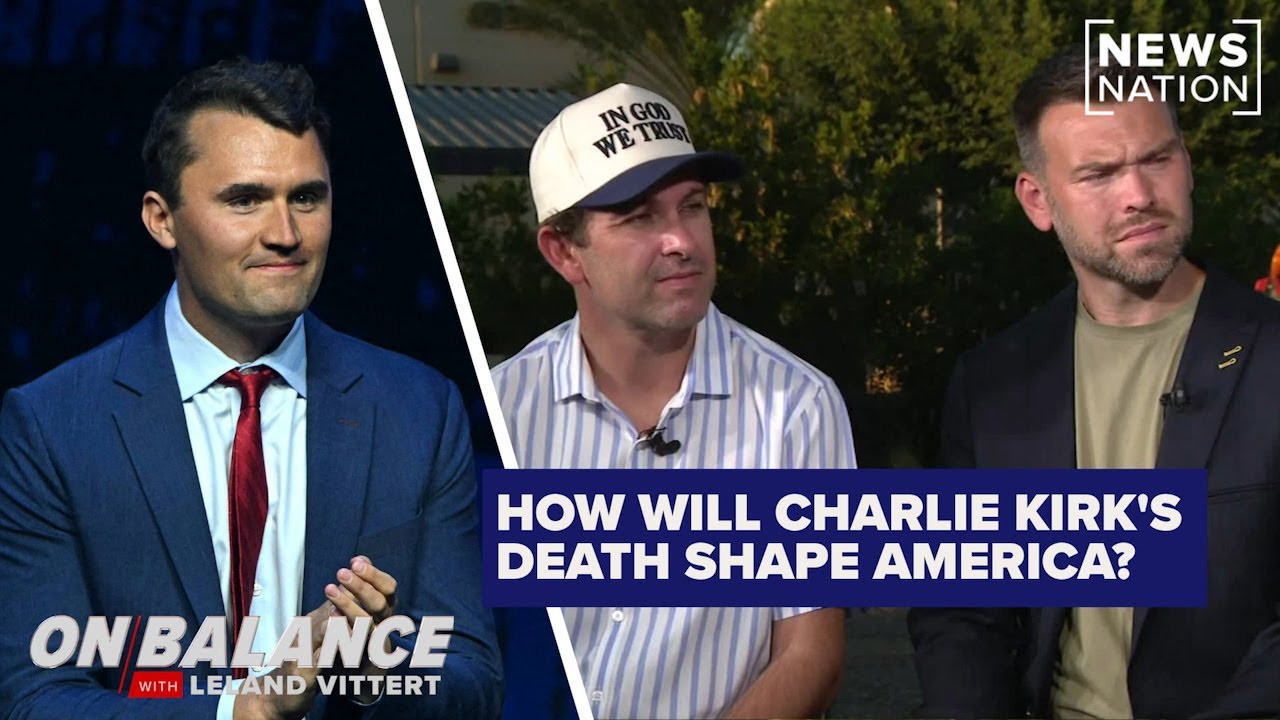
Tucker Carlson and Jack Posobiec on the Assassination of Charlie Kirk and the Spiritual War
Enjoying this? Share it with someone who needs to see it.
Up Next
Benny Johnson, Brick Suit, and Cliff Maloney Honor Charlie Kirk's Legacy After Historic Memorial Service
50:15
Isabel Brown Reflects on the Devastating Loss of Her Mentor Charlie Kirk After Campus Tragedy
26:50
Thousands Gather to Honor Charlie Kirk: A Memorial of Faith, Courage, and the Gospel
1:33:31
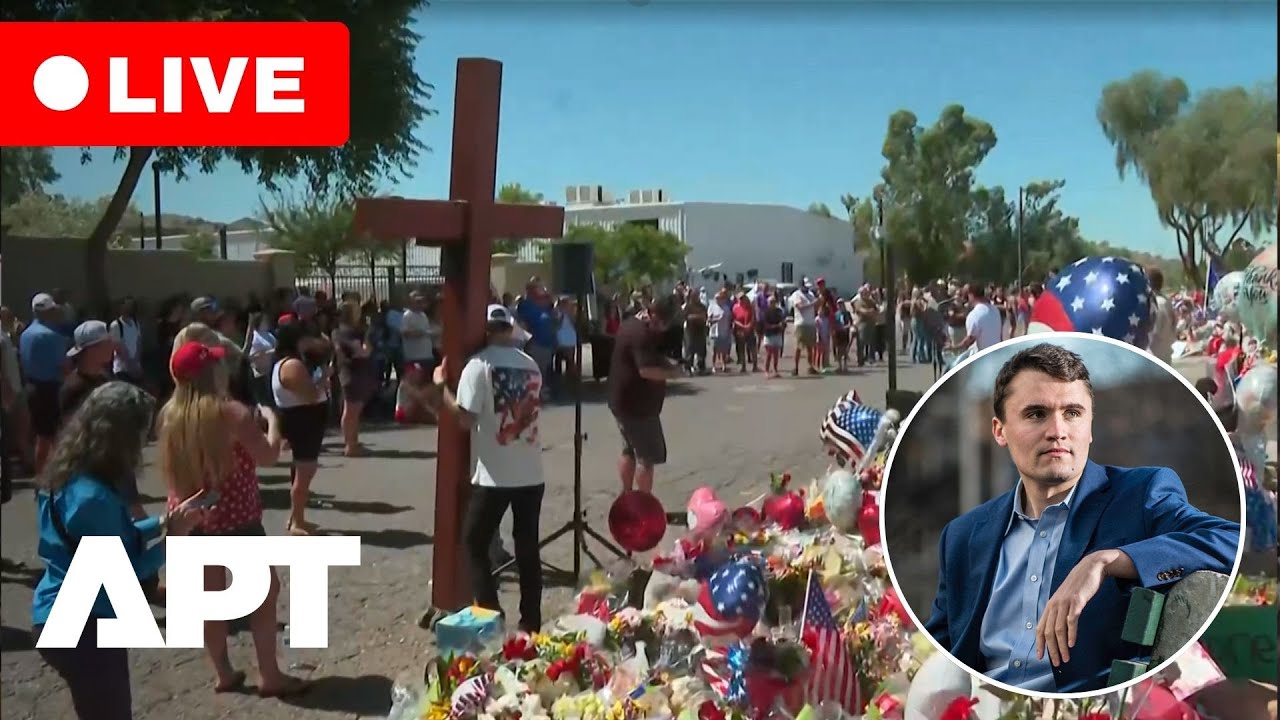
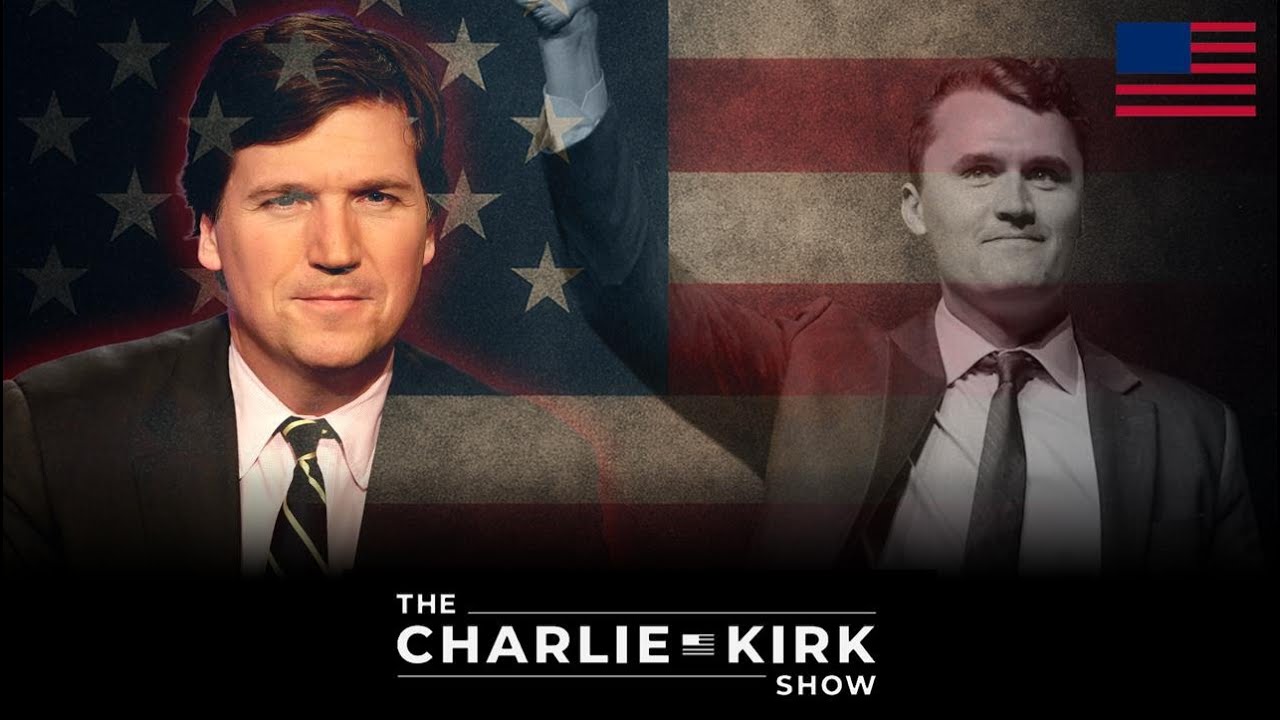
Tucker Carlson and Jack Posobiec on the Assassination of Charlie Kirk and the Spiritual War
In the aftermath of Charlie Kirk's assassination, Tucker Carlson joins Jack Posobiec in the Charlie Kirk studio in Phoenix to reflect on what this tragedy means for the conservative movement. Carlson shares his raw thoughts after days of processing the loss, arriving at a profound conclusion: Charlie was killed because he proclaimed Jesus, not because he posed any physical threat. The conversation explores how spontaneous prayer gatherings erupted across the nation in response to Charlie's death, revealing the spiritual nature of the battle being waged. Eric Trump also joins to discuss his book "Under Siege" and vows to continue the movement Charlie built. Carlson reflects on the nature of evil, the power of truth, and why honesty makes us spiritually powerful in the face of darkness.
Jack Posobiec opens the show from the Charlie Kirk studio in Phoenix, Arizona, joined by Eric Trump who is discussing his book "Under Siege." The timing of the conversation is chilling, coming just after Charlie Kirk's assassination. Eric Trump makes a powerful commitment: "We never stop the fight. We do it in honor of Charlie."
Trump reflects on the press conference held by Erika Kirk shortly after the assassination, describing it as the epitome of strength. He expresses joy that she was unanimously voted in to continue running Turning Point, calling it a bright spot in an otherwise devastating week for those who loved Charlie and the movement he created.
"They want us off that stage," Trump declares. "They don't want me on that stage. They don't want me to do the thousands of rallies that I did. They don't want Charlie. They didn't want Charlie to do the rallies that he did. They don't want my father on that stage, which is why they took the shot at him." He continues listing the targets: Don, Benny Johnson, and countless other warriors in the movement.
Trump characterizes the conservative movement as the "Outcast crew" who didn't have CNN, ABC, or CBS, yet became the loudest voice. "They wanted to stop this movement and we will never ever allow them to stop us," he states. "We'll get on that stage and we'll do so bravely. We all know it's dangerous. And we'll honor Charlie and we'll continue his legacy, but we'll continue the greatest political movement that fights for God and country and constitution and everything that's great about red, white, and blue."
Tucker Carlson Returns to the Studio
After Eric Trump's segment, Tucker Carlson unexpectedly returns to the studio, having left his glasses on set. What follows is one of the most profound conversations about the spiritual nature of Charlie Kirk's assassination and the battle facing the conservative movement.
Carlson opens by describing his emotional state over the past week: "I've spent like three or four days feeling rage and confusion, suspicion, anger at people I know. There's basically division." But after flying across the country and having time to think, he arrived at a clarity that cuts through all the noise.
The Face of Evil
"Whatever this is, is the face of evil, and that's kind of enough for me," Carlson states. While he acknowledges that the government needs to get to the bottom of what happened, he focuses on the deeper spiritual truth: "What matters is that I know that Charlie was murdered because he was proclaiming Jesus."
Carlson emphasizes that Charlie was not a physical threat to anyone. "He was a completely non-violent person and a truly decent person," he says. "He was killed because of his message. And I think we should all just internalize that." The answer, Carlson argues, is to proclaim the message louder and to live it by loving other people.
Posobiec reflects on the disconnect between how the media portrayed Charlie and who he actually was. "They tried to paint Charlie as this hate monger Nazi misogynist and all the rest. And then you see him on campus and you see him with his family and it's like this is the nicest guy. He's the purest guy. And I feel like in a way that's why he's the one they targeted."
Slander as the Nature of Evil
"The nature of evil is slander," Carlson responds. "It's deception. It's lying about other people to harm them. And physical violence is the natural outgrowth of that." He connects this to biblical truth: "Lucifer is the father of lies. That's just true. And so, I'm not saying that everyone who's slandering somebody is Satan, but they are tools of evil, for sure, as we all are from time to time."
Carlson admits he's been shocked by slander throughout his career, even though he shouldn't be. "Every single time I'm like I can't believe they're saying that about somebody. I'm so shocked and angry. It's like why am I shocked? That's the nature of it." He argues that our job is not to marinate in evil or stare at it, but to fight it with truth and love—not abstract love, but actual love that helps and elevates other people.
Prayer Causes Pain to Demons
The conversation shifts to the spiritual response to recent tragedies, including the Minneapolis massacre. Posobiec recounts how prominent figures, including the governor of California, told people not to pray. "I don't usually go to this place publicly, but I just said, 'Prayer causes pain to demons.' When people gather and when people hold church services, when they conduct gatherings of prayer, this causes immense pain to evil. So who would want you to stop praying?"
After Charlie's assassination, a spontaneous spiritual call to action emerged. "What did people do? They gathered and prayed completely spontaneously, completely independently, which Charlie would have been thrilled about," Posobiec observes. "Everyone knew on some deep inherent level, we need to get together and pray right now. Physically get together."
Posobiec connects this response to the reality of spiritual warfare: "I don't know how you can separate that from these ideas that we are in a literal spiritual war. And this is playing out. It's spilling over into reality now. And it's just so obvious to me. I don't know how you can deny it."
The Eternal Battle We Haven't Acknowledged
Carlson agrees, comparing our blindness to spiritual warfare to a friend who couldn't see his spouse's alcoholism because he was too close to it. "That is a feature of human nature that we don't see the biggest things that are the closest to us. And I think the nature of the eternal battle between good and evil is one of those things."
"It's always been this way from the beginning of time, and we just haven't acknowledged it since 1945 because we imagined we were gods because we had atomic weapons," Carlson explains. "But it doesn't make it any less real. And so, you sort of retroactively go through your life and you're like, 'Oh, that's what that was. I didn't even know it at the time. That was the serpent 100%."
Forgiveness and Honesty as Weapons
Carlson emphasizes a crucial Christian principle from the Lord's Prayer: "Forgive us our sins as we forgive those who sin against us. Why is it in that order? Because in order to forgive, it's very helpful to be mindful of our own shortcomings, our own sins." He notes that Christians are commanded to forgive as a condition of their own forgiveness.
"This has always been the actual battle," Carlson concludes. "All the nonsense that we are mad about is just a manifestation of that. And we should see it in those terms because we should always be honest. Always be honest. And the more honest you are, the more courageous you become. You are filled with holy power when you are honest. Period."
"The truth does set you free," he continues. "When you determine when you make the decision internally, I'm not going to lie anymore, you become so much more powerful. You can feel it because it's God's power. And one of the things we should be honest about always is ourselves. And honesty is always a choice."