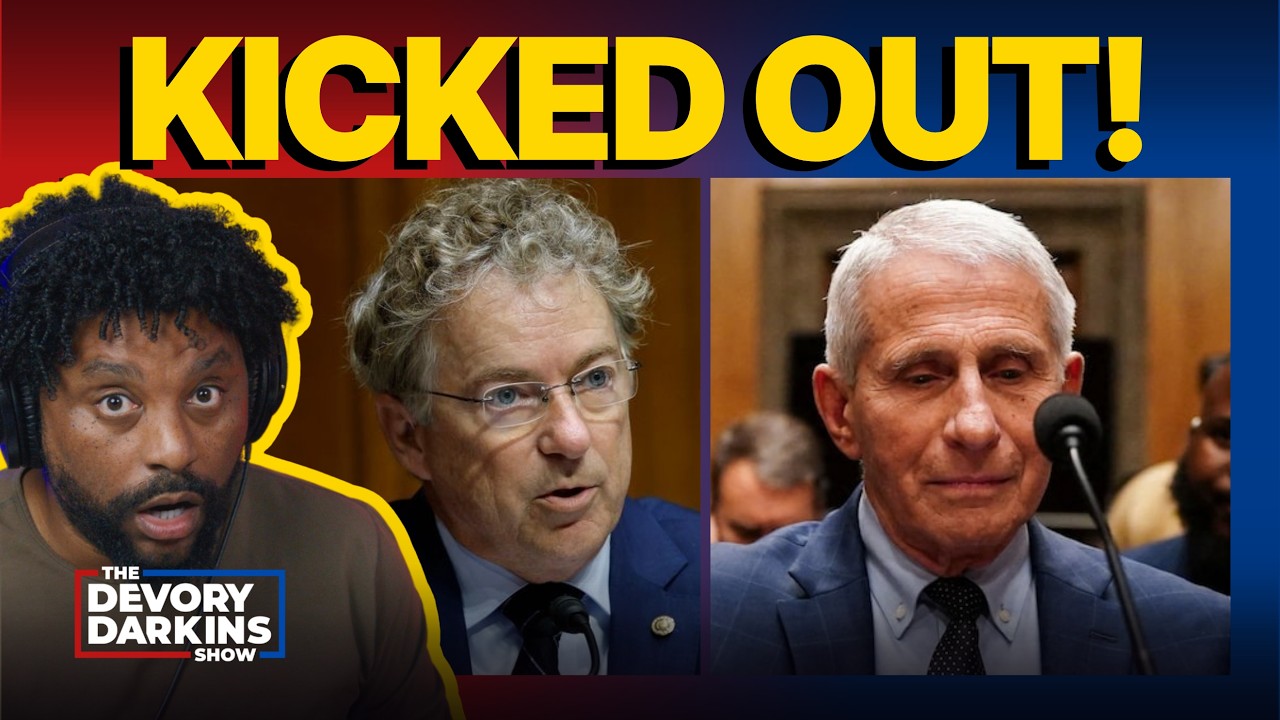
Anthony Fauci Pleads the Fifth 90 Times Before Congress in Stunning Hearing
Enjoying this? Share it with someone who needs to see it.
Up Next
Anthony Fauci Pleads the Fifth on Capitol Hill Despite Presidential Pardon
11:51
Jim Jordan Exposes Fauci's Evasive Testimony on BLM Protests During COVID Lockdowns
12:49
Candace Owens on White Guilt, Black Victimhood Culture, and Why Trans Activism Hijacked the Gay Rights Movement
1:41:49
Anthony Fauci Pleads the Fifth 90 Times Before Congress in Stunning Hearing
Anthony Fauci invoked his Fifth Amendment rights approximately 90 times during a congressional hearing, refusing to answer questions about his COVID-19 policies and contradictory statements found in his 1,100-page personal diary. The 85-year-old former NIAID director delivered an opening statement criticizing Senator Rand Paul before declining to respond to any cross-examination. This dramatic appearance marked a sharp contrast to officials like Steve Bannon and Peter Navarro, who faced jail time for refusing congressional subpoenas. The hearing exposed contradictions between Fauci's diary entries and his public positions on masks, lockdowns, vaccines, and the origins of COVID-19. With a net worth exceeding $12 million and having received over a million dollars in awards during the pandemic, Fauci's career ends in controversy rather than the celebrity status he had enjoyed.
Anthony Fauci appeared before Congress and employed an unusual legal strategy that left lawmakers unable to question him about his COVID-19 policies. After delivering an opening statement attacking his critics, particularly Senator Rand Paul, Fauci invoked his Fifth Amendment right against self-incrimination approximately 90 times, refusing to answer any questions from the committee.
In his statement, Fauci claimed: "Given Senator Paul's obvious obsession with calling for my prosecution, his repeated slanderous comments about me, and recently his publicly releasing my unredacted personal diary aimed at embarrassing and intimidating me, the only conclusion I can reach is that the sole reason he is calling me before this committee is to get me to say something, anything that could vindicate his repeated public pledges that I end up in his words, quote, behind bars, unquote."
Each time he was questioned, Fauci responded with the same legal formula: "On the advice of council, I respectfully declined to answer based upon my rights under the fifth amendment to the Constitution."
Double Standards in Congressional Enforcement
The hearing highlighted what critics described as a two-tiered system of justice regarding congressional subpoenas. While officials like Steve Bannon and Peter Navarro faced jail time for refusing to comply with congressional subpoenas, Fauci was able to appear, deliver a prepared statement attacking the committee, and then refuse to answer any questions while invoking constitutional protections.
Democratic senators reportedly walked out during the hearing in what was characterized as an attempt to undermine the entire inquiry. This behavior echoed the case of Lois Lerner, another government official who used the Fifth Amendment to avoid answering congressional questions about her actions.
The 1,100-Page Diary Revelations
The congressional investigation centered on Fauci's 1,100-page personal diary, which reportedly contained admissions and statements that contradicted his public positions on numerous COVID-19 policies. The diary entries allegedly revealed different views from what Fauci publicly stated regarding:
Mask mandates and effectiveness
Business and school shutdowns
Quarantine policies
Vaccination efficacy and safety
The role of Dr. Scott Atlas in the White House
His relationship with President Donald Trump
The origins of the Wuhan virus
The existence of these contradictory statements raised fundamental questions about which version of Fauci's views represented the truth—his private diary entries or his public pronouncements that shaped national policy affecting millions of Americans.
Financial Enrichment During the Pandemic
During the hearing, lawmakers highlighted Fauci's significant financial gains during the pandemic period. While serving as director of the National Institute of Allergies and Infectious Diseases, Fauci's financial situation improved dramatically:
Current net worth exceeding $12 million
Over $1 million in cash awards received during a 24-month period during COVID
A pension paying over $400,000 annually in its first year
Additional income from speaking engagements and public appearances
Congressional testimony emphasized that these awards were "using federal resources" while Fauci was supposed to be focused on managing the nation's pandemic response.
Celebrity Status and Hubris
Approximately 10-20% of Fauci's diary entries reportedly focused on his celebrity status, the attention he received from Hollywood figures, and opportunities for financial enrichment through his newfound fame. This focus on personal aggrandizement stood in stark contrast to the millions of Americans struggling with the consequences of the policies he championed.
The commentary drew on classical Greek concepts of hubris and nemesis—the idea that overwhelming arrogance leads to reckless behavior, which ultimately brings about divine retribution and downfall. At 85 years old, after decades in government service, Fauci's career ended not in celebration but in controversy.
The Human Cost of Fauci's Policies
Beyond the legal and political drama, the hearing served as a reminder of the real-world consequences of the policies Fauci advocated:
Businesses destroyed by lockdown mandates
Missed cancer screenings and delayed surgical procedures
Economic devastation affecting families and communities
Psychological damage from prolonged isolation and restrictions
Loss of educational opportunities for children
People who trusted Fauci's assurances that experimental vaccinations were both safe and would prevent infection and transmission later discovered these claims were not entirely accurate, eroding public trust in health institutions.
A Career's Ignominious End
Rather than answering questions about his decision-making during the pandemic, Fauci maintained that he had "nothing to apologize" for and resented the hearing as unfair. By refusing to allow any cross-examination of his statements, diary entries, or policy positions, he effectively ended his public career in silence rather than accountability.
The hearing represented what observers called "the complete career and personal destruction of Anthony Fauci"—a man who had served in government for decades but whose legacy became defined by the controversies of his final years in public service.