How Politicians Turned 15 Days to Slow the Spread Into Years of Lost Freedom and Economic Devastation
Enjoying this? Share it with someone who needs to see it.
Up Next
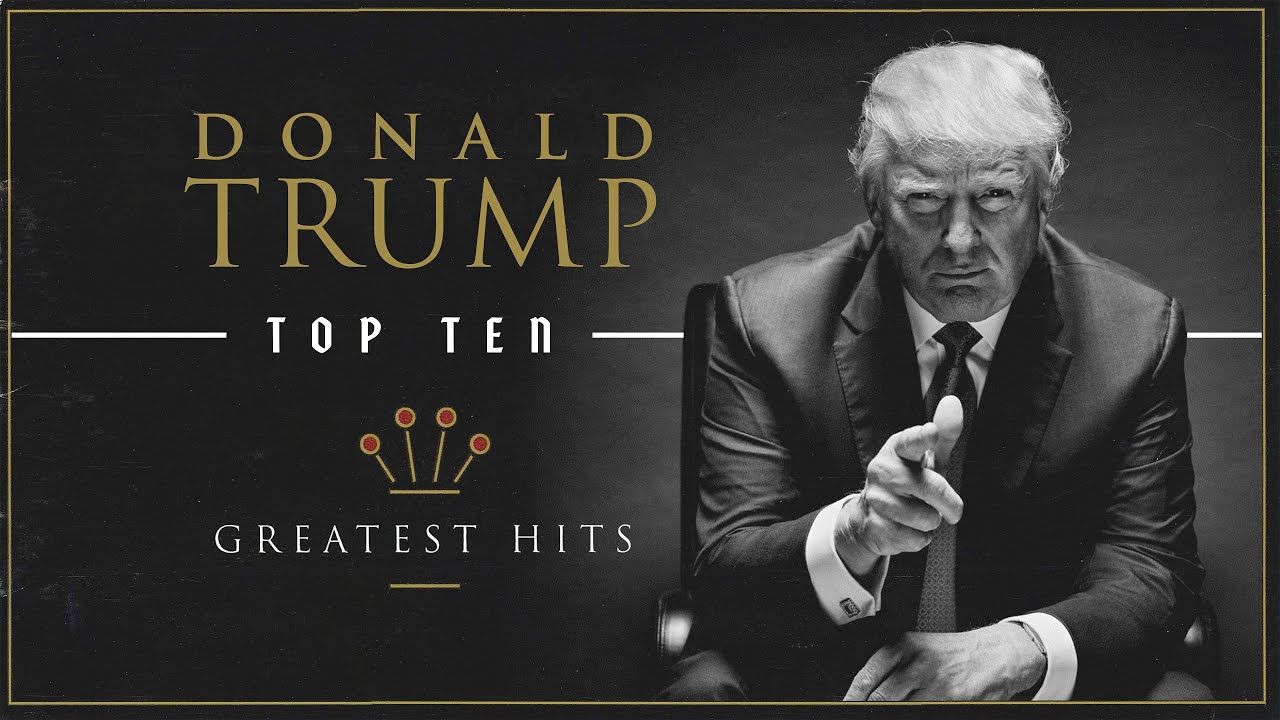
Mr. Reagan Counts Down Donald Trump's Top 16 Greatest Hits and Funniest Presidential Moments in American History
14:29
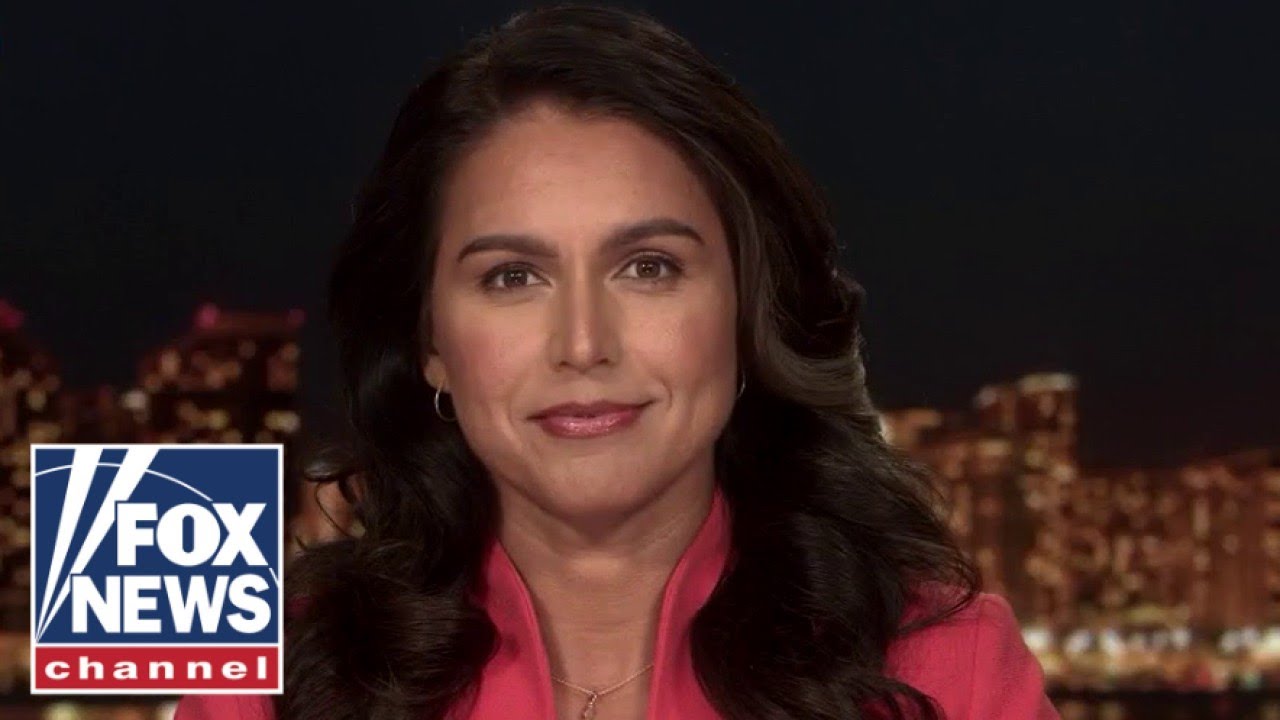
Tulsi Gabbard Warns America About Federal Law Enforcement Weaponization Against American Parents
4:18
When Comedians Destroy Hecklers: Rob Schneider, Leonarda Jonie and Troy Bond's Most Savage Confrontations
12:22
How Politicians Turned 15 Days to Slow the Spread Into Years of Lost Freedom and Economic Devastation
When government officials announced 15 days to slow the spread, few Americans imagined those two weeks would stretch into years of lockdowns, school closures, and unprecedented government overreach. From paddleboarders arrested alone on the ocean to families banned from their own second homes, the response revealed how eagerly many politicians seized authoritarian power. Meanwhile, Sweden took a different path, allowing life to continue with minimal restrictions. Four years later, the evidence shows Sweden saw the lowest excess death rate in Europe, while American students suffered historic learning losses and the economy careened toward bankruptcy with a two trillion dollar stimulus. This is a reminder of what happens when fear replaces freedom and politicians prioritize control over constitutional rights.
"Stay at home, that is the order tonight," Americans were told as the pandemic began. Government officials promised a simple solution: 15 days to slow the spread, flatten the curve, and protect the healthcare system. The entire workforce was ordered to stay home. What followed was not two weeks of temporary measures, but years of expanding government control and disappearing freedoms.
For those already skeptical of government command and control, the speed at which many politicians embraced authoritarian measures was still surprising. The temporary 15 days transformed into months and years, with politicians across the country competing to see who could impose the strictest rules on their citizens.
The Devastating Costs of Lockdown Policies
The economic and social damage from these policies was staggering. Politicians shut down businesses and killed jobs across every sector. They passed the largest stimulus bill in U.S. history at two trillion dollars, accelerating America's path toward bankruptcy. Costs went up everywhere, from the grocery store to the gas station, as the economic consequences rippled through society.
Perhaps most damaging were the effects on children. Politicians and unions closed schools, causing what experts called a "historic setback" for young people. Test scores decreased by the largest amount ever recorded. An entire generation of students lost critical years of education and social development.
Meanwhile, the deep state's bureaucratic rules may have actually cost lives. COVID tests were available for use, with hundreds of machines already in the United States. But they weren't allowed to test for the coronavirus because they lacked FDA approval. Red tape prevented potentially life-saving technology from being deployed when it was needed most.
Media Hysteria and the Push for More Control
The media proved just as eager as politicians to spread fear and demand more government control. "There is a very good chance there's no room for you in the hospital right now, if you need to go. And the worst is yet to come," news anchors warned. They constantly pushed for stricter measures and criticized any governor who didn't impose total lockdowns.
Media commentators insisted that government must set stricter rules everywhere. "It is necessary to shut things down. Everywhere. And that includes Utah, Wyoming," one commentator declared. The absurdity of applying the same rules to wide-open Wyoming as to dense New York City seemed lost on those demanding universal compliance.
It was creepy how eager some people were to have authorities boss everyone around. Police departments began monitoring people with drones. "This is the Volusia sheriff's office. Please adhere to social distancing guidelines," a drone announced from above. The surveillance state expanded rapidly under the guise of public health.
Arbitrary Rules and Arrested Americans
The rules imposed by various governors often seemed arbitrary and disconnected from actual public health concerns. Michigan's governor probably imposed the harshest rules. Residents could no longer visit friends or relatives. Those who had more than one home were banned from traveling between them. No wonder people staged protests against her rules, saying they went too far and took away their rights.
Big stores were allowed to stay open, but they couldn't sell certain things. "Big box stores will also have to close areas off the store that are dedicated to things like carpet, or flooring, furniture, garden centers, plant nurseries, or paint," Michigan's order stated. Yet gardening and painting are activities that can be done far from other people, making the prohibition seem nonsensical.
California became notorious for its enforcement excesses. A paddleboarder in Malibu was chased down by law enforcement for being out on the water. This man was more than 6 feet from anyone, completely alone on the ocean, but police chased him down, cut him off, and arrested him. In Encinitas, California, police gave thousand dollar tickets to people watching the sunset from inside their cars, not endangering anyone.
When people tried to exercise their constitutional rights to protest these measures, they faced arrest. In North Carolina, protesters spoke out against the stay-at-home order. "I feel that my rights have been completely removed," one protester said. On Twitter, the police declared that "protesting is a non-essential activity" and arrested a woman. This despite the Bill of Rights clearly stating that American people have a right to "peaceably assemble" and "petition the government."
Sweden's Different Approach
While American governors competed to impose the harshest restrictions, Sweden took a nearly opposite approach. In the Swedish city of Malmo and in Stockholm, life appeared to be carrying on almost as normal. Yes, they encouraged older people to stay inside and told sick people to stay home. They didn't want hospitals overwhelmed. But otherwise, they let life happen.
Sweden's leaders explained their reasoning: "Closing schools, more stringent measures like that, closing borders, you cannot do that for months or years ahead. What we are doing in Sweden we can continue doing for a long time and I think that's going to prove to be very, very important in the long run."
Their strategy relied on what epidemiologists call herd immunity - a critical mass of people who get the disease and then are resistant to it. "Herd immunity is the one thing that will eventually slow down the spread of this virus. Nothing else will slow it down in the long term," experts explained. The idea was that once enough people had gotten coronavirus, there would be enough immunity to prevent future mass outbreaks and to protect the most vulnerable people.
The Media's Attack on Sweden and the Final Verdict
That approach was widely mocked by the media and experts from around the world. "Sweden's failed experiment," headlines declared. "How their dangerous COVID gamble went wrong," news shows announced. "Officials made the decision not to lock down hoping it would lead to widespread immunity, but cases are surging," MSNBC reported.
But the final verdict told a different story. Sweden saw the lowest excess death rate in Europe. The country that refused to lock down, that allowed schools to remain open, that trusted its citizens to make their own decisions, actually had better outcomes than the countries that imposed strict authoritarian measures.
Lessons We Cannot Forget
Four years later, it's essential to remember politicians' incompetence and their insatiable wish to gain power over citizens. The lesson is clear: don't give them power like that again. Nor should Americans trust the hysterical media, always eager to make life scarier than it is.
From threats to shut off water and power for non-compliance to arrests for exercising constitutional rights, the pandemic response revealed how quickly supposed public servants will attempt to become absolute rulers when given the opportunity. Politicians are supposed to serve the people, not boss them around.
The constitutional rights to assemble, to travel, to work, and to make decisions about one's own health and safety were trampled in the name of emergency measures that were supposed to last 15 days. Those who pushed back were vindicated by history, even as they were vilified in the moment. The question now is whether Americans will remember these lessons the next time politicians and media figures demand we surrender our freedoms for our own good.











Comments
Be the first to comment on this video.