Up Next

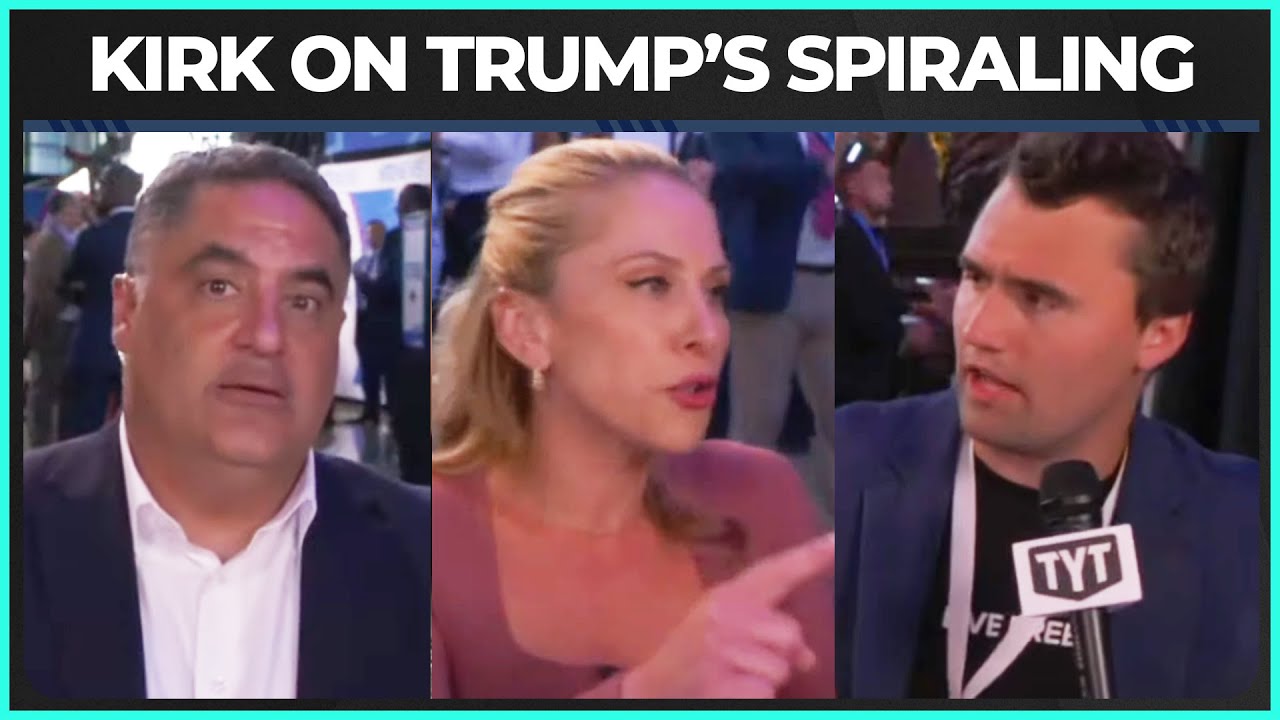
Charlie Kirk Exposes Pod Save America Hosts Lamenting They Couldn't Do What Elon Musk Is Doing
4:43

Charlie Kirk Warns Christians Against Kamala Harris in Powerful Albuquerque Church Discussion on Faith and Politics
1:22:09

Dean Withers Debates 20 Trump Supporters on Racism Character and Whether Kamala Harris Would Be Better President
1:42:42
Barack and Michelle Obama Rally Democrats at DNC Night Two with Julia Louis-Dreyfus and Senator Laphonza Butler
The second night of the Democratic National Convention delivers powerful speeches from Doug Emhoff, Michelle Obama, and Barack Obama as they make the case for Kamala Harris. Pod Save America hosts Jon Favreau, Jon Lovett, Dan Pfeiffer, and Tommy Vietor break down the convention's most memorable moments, including a creative state-by-state roll call featuring Lil Jon. Julia Louis-Dreyfus joins to discuss her political involvement and comparisons between her character Selina Meyer and real-life politicians, while California Senator Laphonza Butler offers intimate insights into Vice President Harris and explains her own decision to serve just one term.
Night Two of the DNC Exceeds Expectations
The Pod Save America team reconvenes at 11 p.m. on the second night of the Democratic National Convention in Chicago, half an hour earlier than the previous night's recording. The convention featured a creative twist on tradition when organizers decided to conduct a ceremonial roll call despite having already completed the official virtual roll call to meet state ballot deadlines. Each state delegation cast their votes accompanied by state-specific songs, with a surprise in-person appearance from Lil Jon representing Georgia. The California delegation went last, putting Kamala Harris over the top, followed by a live cut to Harris and Tim Walz at a packed Fiserv Forum in Milwaukee, the same venue that hosted the Republican National Convention just weeks earlier.
Doug Emhoff Delivers Charming Personal Testimony
Second Gentleman Doug Emhoff opened the evening's prime-time speeches with a warm, personal account of his relationship with Kamala Harris, including the story of his rambling first voicemail to her that she saves and makes him listen to every anniversary. Emhoff's speech stood out for its authentic portrayal of their blended family, with Emhoff's children calling Harris "Mamala." He spoke candidly about his divorce and how Harris became an incredible stepmother, presenting a vision of modern American families without apology or self-consciousness.
The speech resonated as a powerful counter-narrative to Republican attempts to define what constitutes a "real" American family. Emhoff's comfort discussing his blended, mixed-race family represented the kind of authentic representation that connects with voters who see their own lives reflected in these stories. The Pod Save America hosts noted that between Tim Walz and Doug Emhoff, the Democratic ticket is showcasing models of masculinity that aren't threatened by successful women, a stark contrast to the hypermasculine posturing often associated with Republican politics.
Michelle Obama Delivers One of the Best Convention Speeches Ever
Michelle Obama took the stage to extraordinarily high expectations and exceeded them. She wove together the stories of Kamala Harris's mother and her own mother to illustrate shared values and the American experience. Her most powerful moments came when she directly addressed Donald Trump's attacks on her and Barack Obama, saying his "limited narrow view of the world made him feel threatened by the existence of two hardworking and highly educated successful people who happen to be black."
The former First Lady expertly balanced speaking to casual political observers and deeply engaged partisans simultaneously. She mocked Trump's constant complaining while acknowledging he remains dangerous, telling the audience, "We do not need four more years of bluster and bumbling and chaos." She also issued a rallying cry for Democrats to stop obsessing over polls and get to work, previewing the difficulties ahead while maintaining the current momentum.
What made Michelle Obama's speech particularly effective was her ability to make a devastating case against Trump without resorting to harsh political rhetoric. She told a story about what Trump represents versus what Americans actually value, making her indictment bigger and more powerful than typical political attacks. The speech demonstrated her unique ability to communicate like a regular person having a conversation rather than a politician delivering talking points.
Barack Obama Closes the Night as Only He Can
Barack Obama delivered the closing speech of the evening, his fifth Democratic National Convention address. He opened with his signature humor, mocking Trump's "weird obsession with crowd sizes" in a moment that drew thunderous applause and became one of the night's most viral moments. But the speech went far beyond viral moments, presenting a comprehensive argument for why Americans should reject Trump and embrace Kamala Harris.
Obama's speech reflected his organizing background, emphasizing the importance of persuasion over condemnation. He operated from the assumption that people who disagree with Democrats do so based on their life experiences, not ignorance or stupidity. This approach invited people into the Democratic coalition rather than scolding them for not already being there. He reminded activists that winning isn't about "out-yelling the other side or scolding people," but about genuinely listening, talking, and persuading.
The speech drew deliberate parallels to his breakthrough 2004 convention address, returning to themes of shared American values, patriotism, and bringing people together. Obama positioned Kamala Harris as representing an opportunity to finally turn the page on the Trump era and move the Democratic Party forward into a post-Obama generation of leadership. He emphasized that Harris won't "just cater to her own supporters and punish those who refuse to kiss the ring or bend the knee" but will "work on behalf of every American."
The Speeches as Models of Political Effectiveness
The Pod Save America hosts emphasized that all three prime-time speakers understood their assignment perfectly. Doug Emhoff, Michelle Obama, and Barack Obama each asked themselves what unique speech only they could give, what would be most persuasive based on who they are and their relationship to Kamala Harris. None of them tried to go viral or play to the online political audience. Instead, they crafted arguments accessible to people who barely follow politics while still engaging political junkies.
This approach contrasted sharply with some speakers from the previous night who made overly online references and inside-baseball political jokes. The most effective convention speeches tell stories about values and character, using personal relationships to illustrate larger political points. They avoid consultant-speak about "optimism" and "middle-class values" in favor of discussing real values, the way people actually live their lives and relate to loved ones.
The night demonstrated the Harris campaign's strategy of running as an underdog building a movement about people, not the candidate herself. The willingness to take risks, like going live to Milwaukee during the roll call, showed confidence and competence. The entire evening radiated a sense that everyone involved genuinely cares about winning and understands what's at stake, channeling their energy into the most effective possible advocacy for Kamala Harris.
Julia Louis-Dreyfus on Politics, Celebrity, and Staying Authentic
Emmy-winning actress Julia Louis-Dreyfus joined Pod Save America to discuss her involvement in the convention, where she was hosting a panel with all eight Democratic female governors. She explained her decision to become politically active stemmed from a feeling of responsibility, saying if she didn't get involved, she would feel guilty. Rather than claiming expertise on policy issues, she focuses on shining spotlights on people and causes that deserve attention, particularly down-ballot state legislative races where a few hundred dollars can make a significant difference.
Louis-Dreyfus quoted Norman Lear's wisdom that "celebrity is something you can spend," though she acknowledged you can spend too much of it. She's chosen to spend her celebrity capital on political involvement without regret, though she expressed frustration with famous people who don't use their platforms for good. When asked about the switch from a Biden convention to a Harris convention, she said it "absolutely cements Biden's legacy as a hero" and expressed genuine excitement about the current political moment.
On the subject of her iconic character Selina Meyer from "Veep" and comparisons to real politicians, Louis-Dreyfus noted that Kamala Harris has "found her voice and her authentic voice" in a way that's evident to everyone watching. She observed that Harris takes Trump very seriously while taking his behavior not seriously, an important balance. Louis-Dreyfus identified authenticity as the key quality that makes some politicians charismatic and others off-putting, noting that people can "smell a fake" like JD Vance or Ted Cruz, while Tim Walz and Kamala Harris come across as genuinely themselves.
Senator Laphonza Butler on Kamala Harris and Choosing Not to Run
California Senator Laphonza Butler, a longtime close friend and former senior adviser to Kamala Harris, joined the show to share insights about the vice president that most people don't know. She described Harris as "one of the funniest, fun people" she's ever been around, warm in ways people couldn't imagine. Butler shared touching stories of Harris with her daughter, from pool parties at the vice president's residence to grabbing strangers' kids' faces to tell them how important they are and how much the country is counting on their leadership.
Reflecting on the 2020 campaign where she served as a senior adviser, Butler said the critical lesson Harris learned was how to introduce herself to the country quickly, effectively, and completely. Her time as vice president traveling the country and world sharpened these skills. Butler believes the key lesson from 2020 was to "forget about all of that" political positioning and lane-finding, and instead "be who you are, show up as authentically as possible" with clear passion and vision, letting the chips fall where they may.
Butler made news by explaining her decision not to seek election to the Senate seat she was appointed to after Senator Dianne Feinstein's death. She became a U.S. Senator in just 48 hours, learning about the appointment the same way everyone else did while flying back from Colorado with her family. After doing the work to assess whether she could raise money, get endorsements, and change the playing field (concluding she could), the question became whether she wanted to spend her life doing this. With a 9-year-old daughter, Butler had already committed to being the best mom possible and decided not to run, despite having told Governor Gavin Newsom she wouldn't accept the appointment if there was an expectation she wouldn't compete for the seat.
Lessons from Inside the Senate
Butler shared insights from her time in elected office that differ from her long career as an activist and organizer adjacent to politics. Being the person who gets persuaded rather than doing the persuading gave her new appreciation for the necessary partnership between the advocacy community and committed elected leaders. She pointed to historical photos of Martin Luther King Jr. meeting with presidents, noting those relationships produced the Civil Rights Act, Voting Rights Act, and Fair Housing Act.
Her advice to advocates: spend less time talking to elected officials already on your side and more time building power with those who need to be persuaded. This might mean changing who goes to meetings, adjusting messaging, and thinking differently about coalition formation. The fundamental question is always about power - do we have enough collectively to achieve our goals? Butler emphasized this doesn't mean people aren't wrong or don't hold abhorrent views, but asks what is most effective and practical for bringing people in and actually winning.
The Party of Fun and Effectiveness
Throughout the evening, a consistent theme emerged: Democrats have become the party of fun while maintaining serious purpose. The creative roll call with state-specific songs and Lil Jon's appearance, the risk of going live to Milwaukee, the genuine joy and laughter in Doug Emhoff's speech, and the confidence radiating from the Obamas all projected a party comfortable in its own skin and excited about its candidate.
This comfort contrasts sharply with the Republican convention's darker, more fearful tone. Democrats are showcasing what America actually looks like in 2024 - blended families, mixed-race couples, different models of masculinity, successful women in leadership - and presenting it as normal rather than threatening or weird. This representation resonates because it reflects voters' actual lived experiences rather than an idealized 1950s television version of American life.
The Obama speeches in particular reminded Democrats that for nearly a decade, every political moment has been about Donald Trump. Kamala Harris represents the first real opportunity to turn the page, to move beyond both the Trump era and the post-Obama holding pattern the party has been in. Her campaign isn't about Trump; it's about her vision for the country and a future focused on people rather than one man's grievances. This forward-looking optimism, grounded in authentic representation of modern America, is proving to be a powerful combination that has Democrats genuinely excited in a way they haven't been since 2008.
Video Transcript
[Music] welcome to pod Safe America I'm John fabra I'm John love it I'm Dan feifer Tommy VOR on tonight's show Barack and Michelle Obama rally the troops at the DNC the one and only Julia Lou dfus stops by to talk about why she's involved in the convention and all those vep comparisons with kamla Harris and our own Senator lansa Butler a close friend of comma talks to love it and me about what the VP is really like and why she decided like Joe Biden to serve just one term she also called me pretty weird but I really like her yeah In fairness it's because you called yourself weird first but anyway so a good conversation he's our J Vance tune in hey that sucks what you do in that chair buddy look you started the interview as JD Vance you ended as Tim Walls nice okay how's that okay all right so we're recording this at 11:00 p.m. on Tuesday night better than last night lovely we're doing better oh half an hour better every night half an hour better every night who knows what happens by Thursday night uh it's just after night to the convention um so tonight is traditionally the night when the the big festive roll call happens to officially nominate the presidential and vice presidential candidates uh this year of course the official roll call happened virtually to make sure we didn't run a foul of the the state ballot deadlines uh but you know what we're the party of fun now so uh Democrats decided to do the ceremonial roll call anyway and it was actually really cool it was a really cool part of the night as usual the delegates cast their vote state by state but this time they played a state specific song with at least one surprise in-person appearance from obviously Lil John who's from Georgia by tradition uh the nominees home state delegation California went last to put her over the top uh and then there was an expected move here's a super cut of how it all went we are here tonight to officially nominate K Harris for president as Nevada's first black woman chair I proudly deliver the silver State's 48 votes for their next president Texas cast three votes pres and 263 vote for Freedom California we proudly cast our 400 and 82 votes for the next president Pablo Harris but now a special surprise live from my home state of Wisconsin vice president kamla Harris the delegates at the Democratic National Convention well they just completed their roll call and they have nominated coach walls and me to be the next vice president and president of the United States of America uh what did you guys think of that Milwaukee move there not just was in Milwaukee they filled the fer Forum which is where the Republican convention was last month yep and it was a rockus crowd and a perfect set and they did it live which is a risky maneuver two full stadiums well especially for for all the issues last night with going over the fact that they orchestrated the whole thing tonight so that literally like the roll call ends and Nome puts her over the top in California and then it just cuts to her walking out on stage with a huge crowd it was amazing it was so good the stage craft like a lot of people had a hand in that that probably don't get a lot of credit that's amazing it was just so people like we were all watching it and we were just such Earnest we were just so earnestly like excited and like just sort of that's so cool don't look at me and Dan you know we weren't here we were up in a sweet I was sitting right here I was you were talking with your daughter yeah oh that's what happened oh I was doing Itsy Bitsy Spider lizy I thought we were in the which is fair which is totally fair excuse uh what you guys think of The Vibes in general uh before we get to the big speakers Vibes Are Good Vibes are good right Vibes are good vies are good day we're drinking now we're having a good time Vibes are good on day two all right let's get to the speeches uh Headliners tonight we're second gentleman Doug mhof and Barack and Michelle Obama uh we're just going to take them in order uh let's listen to Doug I got koo's voicemail and I just started rambling hey it's Doug I'm on my way to an early meeting again it's Doug I remember I was trying to grab the words out of the air and just put them back in my mouth and for what seemed like far too many minutes I hung up by the way kamla saved that voicemail and she makes me listen to it on every anniversary but that's when she called me back back and we talked for an hour and we laughed well you know that laugh I love that laugh so should we should we talk about why we missed Doug speech the laugh part yeah so we were about to watch Doug and then our friend Ben Krauss who's in the speech writing room he said he was going to bring us down uh to the convention floor to the podium area to the podium area where you literally I've never been down to the podium area you're literally standing on the podium but behind the stage that you see it's very cool yeah like we watched dog come off and greet his staff and everyone was elated the best word and then we walked down and we were going to uh go out to to watch this we were going to watch the speech and then um and then we uh we were walking down the hall and we saw Barack Obama's uh assistant Amos and he just pulled us in we got to say hi to we got to say hi to Obama how are you pretty NE give him a little uh good luck he needed that he needed the good luck from us yeah he like he like all right get out out here it's so annoying cuz he did not even seem a little bit nervous not a hair it's his like his superow fifth convention yeah yeah yeah yeah so he was fine he was fine uh Doug speech was fantastic now we watch when we came back we have seen speech he's so Charming yeah he's a Charming guy I love how much they like it's so authentic how much they love each other I from you know when they were at uh the uh State of the Union and they found each other yeah and you saw K looking up that Doug up there i' I like I've always loved it I I just I do I genuinely they they just love each other there is something so relatable and I know this from experience as someone who knows they punched above their weight in getting married like Doug knows he got lucky and that K's amazing and like he probably wakes every day he's like I can't believe KLA Harris married me even if sheas the theme of the speech yeah and it is it's so relatable to people in the same way that Tim Walls is this archetype that's relatable to people Doug mhof is exactly like that everyone knows Doug mhof right they understand that relationship they understand who he is and this was one of the most effective C convention speeches I've seen in a very long time and to get like all political strategic about it like we've talked a lot here about this like debate over masculinity and like young men and men sort of like leaving the Democratic party and I do think like between Tim Walls and Doug mhof like you are seeing in this campaign like models of men who are just like good guys and like good models AR threatened by their by by the success of women aren't all bothered by that's what's been beautiful about Doug from the beginning that you can just see that he he loves being the plus one he loves it he loves being he's on a plus one World Tour I used to be on a plus one World Tour and you know what I liked it too I love Doug I've always loved Doug I was on the Doug trading for any of you I like calling him Doug I also like calling walls coach Al oh just again a little behind the curtain look here we were sitting around we were all talking about how you know like we all had a sense of what Obama was going to say you could sort of had a sense of what Michelle Obama might say we're all like we don't really know what Doug's going to talk about and the only preview was a message about the need to combat anti-Semitism around the world which is a very important message but a very different tone than what we so glad that what we saw was a speech about Doug explaining why he loves K oh one another thing that Doug did that was so beautiful really reminded me so Bill Clinton 1992 he said this was when they were making fun of like Murphy Brown and single mothers and he said if you don't feel welcome in the Republican Party come come be part of our family it was a beautiful moment B standing for lots of people whose families didn't look like the platonic ideal of 1950s television it was a big deal that Bill Clinton did that and said like there's a lot of people that live like that and like have deserve to feel loved and I there was something so beautiful about Doug just unapologetically unabashedly saying we're a blended family they call her mamala she's an incredible stepmother we've it was complicated I got he said I got divorced and and we fig and and and I figured out and KLA took I thought she'd be good for our family and she was and that that sort of like direct honesty without feeling in all self-conscious like you have to pretend to be some other version just to to it it was a recognition by the way of like it's respect for people it's respect for the viewer for voters that I really really liked it's just like being in touch with real life not the refracted view of politics that we have where it's like you have to have this perfect marriage and your life has to go a certain way and it's just comfort in your own skin it's understanding like this is what everyone knows right they know Blended families they know mixed race couples they know step kids and stepmoms and it's like that's just like normal stuff just presented to people and it's not welcome or discussed about in the Republican Party in the same way well because the the primary strategy of the Republican Party particularly under Trump has been to authoriz their opponents Democrats right they are weird they are different Barack Obama wasn't born here we do the weird thing Tom Harris is you know the biracial thing is she is she Indian is she know is she Indian is she is she black right and I think a theme of tonight we're going to talk about the Obamas as well but from all three prime time speakers Doug Michelle Obama and Barack Obama was like Hey we're pretty normal Americans in the year 2024 this is what the country looks like this is what we sound like love our families love our country like it's a really powerful message and and it's why it's the way people vote they don't Google your list of policies and compare them and bust out the Abacus and like total up what it means for them they're like I like this person they seem like me they will fight for me which Barack Obama directly says in his speech Michelle Obama got at that too it's all about values and who you are and your character and how that informs your leadership that's what people are looking for the speakers tonight understood the assignment yes they knew what they were supposed to do all of their speeches were not about themselves even Doug mhof speech was not about former lady they got it and they executed on it in a very effective way and it's always good to see a uh you know a strict scrutiny guest make it big right no a guest and a a guest of a guest that's right yeah Harris went to the strict scrutiny show which is like also one of the most Charming things yeah yeah cuz no one knew we did like she just she just showed up at the strict scrutiny show the live show in DC sat in the front row to cheer on Doug second guest of SC we're now three circles removed from the com Harris interview we seek yeah we're going to we have had it before she'll be back I I ran into her on an airplane once and she came up and gave me a hug and shook like she couldn't have been nice she's like a normal person she's friendly she's nice that's who she is extremely normal um all right so after Doug Michelle Obama took the stage high expectations for Michelle Obama right because she always gives the most incredible speeches she always knocks it out of the park and man she met them tonight if not exceeded them uh let's listen to Michelle she understands that most of us will never be afforded the grace of failing forward we will never benefit from the affirmative action of generational wealth if we bankrupt a business if we bankrupt a business or choke in a crisis we don't get a second third or fourth chance if things don't go our way we don't have the luxury of whining or cheating others to get further ahead no we don't get to change the rules so we always win if we see a mountain in front of us we don't expect there to be an escalator waiting to take us to the top no we put put our heads down we get to work in America we do something unfortunately we know what comes next we know folks are going to do everything they can to distort her truth my husband and I sadly know a little something about this for years Donald Trump did everything in his power to try to make people fear us see his his limited narrow view of the world made him feel threatened by the existence of two hardwork and highly educated successful people who happen to be black so wow that was I mean that was one of the best convention speeches I've ever seen I mean I think the way she tied uh KLA Harris's mother and her own mother and wo their story together to talk about her values was incredible the way she sliced Donald Trump in half and made him so small and and went harder at him than almost any other speaker but did it in language that was just less harsh and and nasty it was unbelievable um there was also a whole section where she where there's some very real shade thrown at uh annoying politicians who demand to be stroked and loved and donors who need to be that was very funny and you could felt deeply felt really really interesting that's what I was actually thinking we went out we watched him from the floor which was awesome and what I what I was thinking about when I was watching the speech is she doesn't like an amazing and very difficult job of speaking both to people that barely pay attention to politics and the hyper engaged partisans and and pundits and politicians and activists with a message that kind of works for both was just really an incredible like stop checking 538 and do something yeah which I will not do but I will do something but I will also check 53 you can do both go to vsav am.com doing ay to get something 75,000 volunteers to show up we got 40,000 now we need 35,000 more in the next 25 days Vota america.com 2024 wow pretty good pretty good I'm saying I want 75,000 on top of the 40,000 I'm not it's not inclusive for me Dan what you think I would when they go low love it goes higher Barack Obama is the best speaker in the Democratic party but the second best speaker in his family yeah I mean it which he said in his speech as well yeah it is just the way like every person who is in politics should watch all of Michelle Obama's convention speeches starting in '08 and every single one and I watched the 2021 which is one of the starkest warnings about Donald Trump because you remember they were just videos they were like they were just two camera remarks and she talks like a normal person to normal people there is no speechifying there is no like lofty rhetoric about the founders or you're not like cosplaying the kennedies in your head when you do it it's just like it's it always sounds like if you've ever had a conversation with Michelle Obama yeah it sounds like this right when she's telling you to do something she's asking you to do something she's explaining something to you it sounds like this and it is just so effective and in her 2020 speech she said you all know I hate politics right it's so me doing this tells you how serious I'm paraphrasing the situation is and that's the vibe right she's not political and there was a genuine love and affection for KLA Harris that was so powerful in there yes like that she understood her life she understood her experience a kindred and they have become friends they're close friends they both live in DC they hang out they it's just it's very uh I thought it was just very very meaningful the way it was done I think that I've been thinking about the the reason that the way she went after Donald Trump was so effective like why that was and I think it's like we've heard so many lines from politicians politicians we love over the last however many years now about Donald Trump and some of them are like really harsh and really slam him and I think that like her indictment of him was like the most devastating even though it wasn't as sharp because like she told a story about him and about like what he represents versus what like Americans actually value in life and she did it with like a certain subtlety there it wasn't very subtle to everyone understood that it was like a full frontal attack but it's always bothered I have this thing where everyone who criticizes now like when they go low we go high I think it's a misunderstanding of what that meant right I've always thought it was a misunderstanding she was not saying with when they go low we go high like they get down and dirty and attack we turn the other cheek and do that she she she did it she kind of corrected it tonight she was like it's they're really small and we have to go really big and that's what she did in her indictment of Donald Trump it was much bigger than like cheap Applause line attacks it was like he does not stand for what we value As Americans and I thought it was like so much more powerful there's something I I look Doug speech into Michelle speech into Barack Obama speech were I think pound-for-pound the three best speeches in a prime time that I've ever seen and I think it's because each of them started from a place of why am I here and what is the single most effective thing I can do what is the speech only I could give that's the most persuasive speech I can personally give for Comm Harris what are the strengths bring all here which is electing every person on that stage tonight cares and understands how important it is to win and what they were focused on is trying to figure out the best and most Exquisite case that they can make based on who they are their values their experiences their their kind of place in you know whatever American politics uh to make that argument and they each did that and it was incredibly effective and and one thing I think like well it's a feeling I feel when I watch them now post presidency and I wonder if you guys feel this way which is that they I work for Obama from 2004 to 2013 they endured so much racism and and just like vicious attacks especially Michelle yeah and they had to in some sense turn the other cheek on those attacks or at least not directly call them out as racist when they were for example the birther stuff we never said hey that's racist Donald Trump stop doing that because we knew Barack Obama would be called an angry black man he'd be accused to play the race card right it would be the OJ Tri over again right he high road but now he's like don't have to do that and she doesn't either and they can just be brutally honest and respond to him in the way he deserves Donald Trump that is but even now they also knew that like it's not like they just had to turn the other cheat because they would be accused of playing the race card they knew that like again to love its Point politically the best thing to do to actually like win the election and Advance the cause is to not get yourself baited into what the Republicans want which is like an argument and debate over identity and over race and even the way she did it tonight when she said like and he is he wants to make people afraid of just two of us of two people who just happen to like work hard and become successful and rise to a highest station in life who happened to be black right who happened to be black and like just the way that was just like a perfect way it's elegant it's an elegant phrasing but she's directly calling out the racism in the attack of course but not but in a much more elegant way than I think most Democrats do yeah there is just something about the way a lot of the Democrats last night went after Trump that was very overly online it's like referencing something that went viral that Trump did or some controversy only known to the the political junkies it's very like MSNBC video was good you know didn't work or postive American referential right and the way the Obamas did it was they talk to people who about Donald Trump where you would understand the critique if you don't follow politics because is our audience right that is the only audience that matters it is not to like send a thrill up the leg of uh Democrats who are going to vote no matter what and work hard no matter what those Democrats were thrilled in there let me tell you and she again the reason she's so good is that she like the the the audience in the room was like just it was crazy it was electric and no one rode the Applause better than her she fought she shut down so many silly chants and things going on she's like kept going yeah all right last but not least uh noted Chicago native Barack Obama closed out the night uh with a speech to the delegates let's listen here's a 78-year-old billionaire who has not stopped whining about his problems since he wrode down his golden escalator 9 years ago it has been a constant stream of of gripes and grievances that that's actually been getting worse now that he's afraid of losing to K there's the childish nicknames the crazy conspiracy theories this weird obsession with crowd sizes it it is one of the oldest tricks in politics from a guy whose act has let's face it gotten pretty stale we do not need four more years of Bluster and bumbling and chaos we have seen that movie before and we all know that the sequel is usually worse America's ready for a new chapter America's ready for a better story we are ready for a president KLA Harris kamla Harris won't be focused on her problems she'll be focused on yours as president she won't just cater to her own supporters and punish those who refuse to kiss the ring or bend the knee she'll work on behalf of every American um all right so I should just close I you know once a staffer always a staffer I I volunteered to uh help a little look at the speech a couple times I mean don't knock the three changes I made in the speech there was there's one very important change we like we don't let's not let people behind we don't they had one very important change that I just yeah Dan Dan included the dick joke oh the dick joke W that makes sense just so you all know he just he just that was just in the moment that was just in the moment he just put his hands on the podium I don't know maybe it wasn't or maybe maybe maybe he knew all along that that was a dick joke and nobody else did but him I will not comment or what do you guys think of Obama speech what what is this journalistic ethics you've adopted for one second not journalistic ethic it's just weird to be like oh well I was like talking about the spee his b his badge says repor all of a sudden has gone to his work for this guy for a long time of him I think your conflicts are well here's my here's what I was feeling when I was watching first of all it was very moving especially there's a he he talked about uh uh Michelle's mother and how much it reminded him of his grandmother it was very emotional what I was thinking when I was watching the speech is we've I think one of the most frustrating and dispiriting parts of the last decade has been for a lot of people voting against Trump stopping Trump at all cost it's obvious of course we must stop this man of course this person shouldn't be in power and for a lot of people it isn't obvious like it feels like it shouldn't be 50/50 and yet it is what I really appreciated about this speech is instead of ringing our hands and being like endlessly s like why is Trump here why is Trump here this was a speech about why it was obvious why it should be obvious right what are the values that he doesn't uphold that if you think about it if you're reminded of what you care about it will become obvious this was a speech about making it obvious to people for whom it is not why obviously somebody like Trump shouldn't be in power and it was an incredibly effective argument for that reason I agree with that that's great uh the I think one thing I just is being in the room because I don't think it came through on TV is that there was obviously like uous applause at times but people especially when he was like talking about the country and polarization and the kind of country we can be and should be like the audience was wrapped like they could not take their eyes off it was like a very very powerful place to be for that conversation it was like he had the audience in his hand just the thing I would say about this speech is and this has been true of every Obama speech dating back to 2004 is that most politicians and particularly Democrats particularly in the Trump era operate from the assumption that the only things that keep the only that keeps people from voting for us is ignorance and Obama has always understood that people who may not agree with us come at that from a place of experience and knowledge and it is their our job to persuade them it's not just that we yell our message in their face loud enough they'll get there is that they have a set experiences in their lives that may make them feel not immediately welcome in our party and is our job to welcome them in and this was true of the first of Michelle Obama speech true you're starting with of persuasion right everyone is someone we have to persuade and they and if they don't agree with us they don't agree with us on everything but the reason they don't agree with is not because they're wrong or they're stupid or they don't follow the news or they're ignorant or they've been hoodwinked or whatever else it's that something in their lives has not worked out the way they wanted or they don't full or they just in their life experience don't agree with on some and we have to go get them and bring them in and that is just such a powerful force and it's just so different than I think what we hear a lot in this era from politicians yeah I mean honestly it it brought me back to 2004 and being on the floor of the DNC in Boston and and some of that was like very purposeful and deliberate there were Illusions to those lines like conventions have always been good to you know a skinny guy with a funny name was the line in 2004 but it was also a patriotic story uh about Freedom about being an American about things we have in common uh shared hopes shared dreams it was just like a it's a beautiful vision of America and of course like 2004 you got your policy section for kamla and you got your tough hit on Trump like there was a tough hit on Bush back then but ultimately like it was a speech for everyone about bringing people together it was patriotic um and it was a you know just like a guy who loves the country and wants you to too and wants it to be a little bit better uh and thinks we can make it better if we try to come together again and get past the last 8 to 10 years basically he approaches these speeches like an organizer because he was an organizer and to to Dan's point when we talked about the speech he um he was say one of the first things he thought about was towards the end when he said like sometimes we think that winning is all about like out yelling the other side or scolding people or I mean this is what your point right and what we really have to do is actually like go out and listen to people and talk to people and persuade people and like give people the grace that we would give our loved ones if we don't agree with our loved ones I in in similar to Michelle right you make political points by talking about relationships and the way that we are with people that we love and it's about values but not in the like consultant value talk like talk more about the middle class and optimism just shout just name your values as right yeah but like real actual values like the way you go through life and the other other thing he he really wanted to do when he did in the Trump section was and this has actually been a theme of a lot of the the speakers which is you know Trump has been seen and talked about as a threat to democracy we talked about this last night an existential thre of democracy which we all believe he is but you know N9 years into this Trump era he's also like a clown fool and attacking him that way and and Julie L draus talked about this with us uh during our interview that you're going to hear it's like the way to like go after the supposed strength of a of an autocrat or a strong man is to just make them seem foolish because they hate getting made fun of and he sort of mocked Trump and Michelle mocked Trump and like the I think mocking Trump while still acknowledging and Obama acknowledg in the speech too that he can be dangerous like clowns clowns with a lot of power can still be dangerous we've all seen it exactly we all get it right but um important point but you gotta but like and just like and just like name like the exhaustion the exhaustion of having a person who is wants to be a leader who is in our lives all the time who only cares about himself is only complaining about himself whining all the time and contrasting that with kamla Harris who cares about people who is like Wes up thinking about people like that is a powerful contrast and it was it was Biden's contrast as well right it's like a through line from the whole campaign yeah it's there's something about what what Obama is doing up there which is he is he's not saying you're not wrong to be pissed or that there aren't people that you want to scold that are frustrating you he's saying it's not the most effective thing and being effective is all that matters this was a night about being effective that would the speeches themselves were models of what it means to be effective and what he is saying in the speech is this is how you is Donald Trump a threat to to us absolutely what's the most the most effective case you can make and one of the ways what do you do what do you do if you're talking to someone who doesn't think Donald Trump's a threat but you still need to get their vote and part of what he's saying is hey we want to be a party people want to join right we want to be a place that that everybody feels welcome does that mean that people aren't wrong and hold views that we find abhorent of course it does what is effective what is practical what brings people in and that like that was just so refreshing this was a night about winning there has been so much talk over the last month about how the parallels between K haris 24 and Barack Obama 08 right just the the pack crowds the energy but I think like just we've known them for a long time they see those parallels too not in just not in the superficial crowd and way but just in the kind of campaign she's running and the kind of politician she is right she is running a Fearless campaign where she know she's the underdog right like do we it seems like a small thing for most people out in the world but pulling off going live and your convention is a situation where one person tripping over a wire could embarrass the out of you on National Television in front of 30 million people whoever we're watching tonight but they did it anyway because they you know Barack Obama always says if your name is Barack Hussein Obama doesn't matter what the poll say you're an underdog and if your name is KLA Harris same thing you're an underdog and she's running like an underdog and she's also trying to build a movement that's about people not her right it's like kamla Harris for the PE KLA for the people is what or a future for the people and just there and you just I just really felt their passion for her and what she stands for and the kind of President she would be in those remarks they were putting it on the line Michelle Obama did not have to speak of this convention yeah she wanted to yeah wait like in that people are genuinely excited about her and people are getting involved and reading about politics who normally don't pay a lot of attention I think we're all probably hearing that in our lives what's different than 08 is look I I didn't agree with John McCain on a lot of issues but if he had been president I was like well he's a good man you know he's got Accord decency to him he'll do some things that I think are abhorent but I don't think that he's going to damage the country Donald Trump is an existential threat to the nation to democracy and also people are excited about KL Harris that's a pretty potent combination and the other thing that's similar is that Obama was about turning the page on an ER that had been going on for an overly long time that was basically like bushes running against democrats for a long time and this is K Harris represents an end to this nine years of Donald Trump yeah right and the Democratic party has not gone forward since Obama you know to his great credit we went backwards right Hillary Clinton ran right and then Biden stepped up and ran and we have not we've never hit the Post Obama era we've never turned the page unless we've had almost a decade where every single moment was about Donald Trump and KLA Harrison I think the reason people are so excited is there is a promise of something different right and that is what her campaign is not about Trump it's about her and I think that is very compelling and that's sort of what you heard in in some of Obama's remarks tonight I also think AOC last night Doug mhof Barack Obama Michelle Obama all very different people some in politics some not some different ideological Persuasions just just shout out Doug you're in that sentence man great job in an entertainment lawyer married that would be an amazing dinner party you would not think there's like a Common Thread that like binds all those people together but they all did something similar with their speeches which is like invite people in to this movement to this party who may not pay close attention to politics may not necessarily be with us and all of them were trying to grab people who just may not necessarily be with us to bring them in there's moment where Doug that I really like where he said K Harris is a joyful Warrior but but just because you're joyful doesn't mean you're a warrior she's a warrior and there's something about that that like the thing Trump does is throws people off their game and they're just not being thrown off by Trump she's not running away from being joyful they're celebrating the laugh they're like they it's really is a campaign that also just reflects the lessons of the last nine years it's figuring out it's like it's this the Democratic party has adapted to Trump and in comma for the first time you really see a campaign that's built around uh his moves that that kind of sees ahead of his moves well and Michelle did a good job foreshadowing to at one point she was like and things are gonna get tough and people are going to get nervous you're going to see the polls and you're it's going to happen like everything's feeling great right now but times are going to get tough and when they do keep this feeling keep this work going she she goes so big but then she also goes real small and it's like you are going to get to work you're going to make that call you're going to give money you're not going to whine about God getting touched by the political director I love it she's so actionable with her like the last thing I would just say is if you are a democratic politician you're a speech writer you're a Wann toe communications director the speeches you just laid out AOC Doug Barack Obama Michelle Obama watch those speeches and don't emulate the Cadence yeah right it's not it's not about copying them especially since they're all so different it is just look at how they gave those speech look how the speech has worn about themselves look at how they told a story it's just look at how they were not trying to go vir none of them were trying to go viral right no it just a lot of Barack Obama stuff like in the room like you said it wasn't like thunderous Applause because he was like thinking about the audience it's hard to pick out a moment too because it really is like an argument made over the course of a speech there a lot of amens yeah mind us you guys hear the guy last night when Biden was speaking kept being like Joe in his bag I love that guy so good enough enough of that later in the show you're going to hear our interview with Julia Lou dfus but when we come back a really fun uh conversation with K Harris's good friend and our senator from California lonso Butler and we came away we're huge fans huge fans huge fans joining us tonight fresh offer convention speech here in Chicago is California's Junior Senator our Senator and a longtime close Ally of kamla Harris lanso Butler welcome to the Pod Senator thank you for having me uh so youve known KL Harris for 15 years uh a lot of the country is just getting to know her even though they know that she's vice president can you tell us something about k Harris that not a lot of people know but should know I think everybody knows everything so I'm just going to tell you everything I know about her how's that so look I think she is one of the funniest fun uh people that I have ever been around yeah um she is warm in ways that you just couldn't um really imagine um she's had to be you know in an executive in office uh over and over again and just to see her with my daughter um and to see her like you know hang out and you know invite my daughter over to a pool party at the vp's residence right and uh show her a good time but also to see her grab the face of a strangers kid and tell them how important they are and tell them how much the country is counting on their leadership and you know to me that's the the best picture of KLA Harris that I can give to the American people it's a person who's fun and funloving but makes uh not afraid to make hard choices while having a good time that's great you were aside um a lot of the 2020 campaign uh as a senior adviser what was it like being an adviser to her during that period and and what lessons do you think she learned from that campaign look I think that she um is has learned very much how to go about introducing herself to the country uh I think that was a critical um objective of her 2020 campaign um I think she did a good job in places where able where she was able to sort of dig in and and spend some time um and I think this the way that she's been in partnership with President Biden um giving her the opportunity not just travel the country but travel the world and really understand how um to communicate quickly effectively um and but yet completely um about particular issues about herself uh and I think that's an incredible skill she has sharpened and I think we're all witnessing the the execution of this campaign her ability to do that in a in a stronger way yeah that's been I think I think so refreshing and exciting for people even people people who were excited about vice president Harris if Bo Biden stepped aside being the candidate or even even people that love her are blown away by how she is just taken on this mantle this incredible amount of pressure and performed so well in such an authentic way and it reminded me I you know we interviewed uh we uh KLA Harris uh back in was 2017 2018 and an incredible like person on stage was there some recognition that I think during that 2020 campaign whether it was not talking about being a prosecutor or or all this sort of politics around lanes and and all the rest like is there a lesson there about what not to do about about how to disregard criticism or what do you think look I think there's you know in a crowded primary fields um I think that experience was probably one that you know maybe will be unique for that period of time um and we had you know such qu qualified extraordinary candidates uh in that primary Elizabeth Warren Amy cloar Corey Booker it was really the best of the best uh of the of the bench of of the democratic party um and I think all of them were trying to figure out you know how how best do I make the strongest impression uh possible and I think truly the lesson for um so many of us that were on that campaign is just forget about all of that uh it is just um be who you are show up uh as authentically as possible but and with clear passion uh about what it is that you care about and a vision to communicate to the American people and let the chips fall where they may and so I think what we see in this um in execution of this campaign but but frankly I think throughout the vice president's uh pres vice presidency and service with with President Biden like since dobs and that Do's decision she has just decided that there's so much at stake um that she's not going to get it perfectly every time but she's going to get it right every time because she's going to show up and be who she is and talk directly to the American people and that's the to me the exciting part about where we are Joe Biden did something uh pretty rare in politics he chose to voluntarily give up the chance to stay in power you did the same thing um when you chose not to seek reelection how did you come to that decision you know it's interesting I um I became a United States senator in 48 hours um Senator Feinstein passed away uh late Thursday early Friday morning uh the governor governor Gavin Newsome really had to figure out what his options were and I think he spent a lot of time doing that on Friday I got into conversation with him late Saturday um I was my family and I were on a trip in Colorado uh and were flying back uh on Sunday when the news broke and my mom found out the same way that everybody else did that I was going to be a United States Senator um and I literally was sworn in on Tuesday Morning um October 3rd and so for um me to be able to have the time to think about how do I serve my country and my state in this um unprecedented and unpredicted uh moment um is different from do I want to spend my life doing this um and in order to really I think show up uh as the kind of Senator that Californians deserve um it's got to be somebody who knows that this is what they want to spend their life uh doing yeah and you know for me it was I have a a 9-year-old daughter she's going to be 10 in in in two weeks um the commitment that I had already made was that I was going to be the best mom for her um and you know I had already made a commitment and what I after going across California and really assessing could I raise the money could I get the endorsements could I change the plan field by taking endorsements away from folks who are already in the race um the answer to that was yes and I knew that to be true and so the question had to just become is it something that I wanted to do and I didn't yeah and so I didn't that's interesting you really thought about it you got into it oh no I did the work I got into it I could tell you where the money was going to come from I could tell you what endorsements I was going to take yeah I did the work I considered it um I was clear with Governor Nome I would not accept the appointment if I couldn't if it was his ation that I wouldn't um cuz people thought that right they thought there was some sort of a deal I I understand that but that that's cuz they hadn't met me yet yeah um it's not the kind of game I play it's not how I roll if I'm going to do something I'm going to do it my way and I think the governor appreciated that you you've been in politics for a long time activist organizer adviser having been in the Senate and been in an in elected capacity what did you learn about politics being in Washington that you didn't already know from your long career in politics you know it's a great question I and I spent a lot of time in my career adjacent to politics I I'd always sort of sort of you know figured that I was just a step or two removed from those um in the seat having to make the decision but having the influence um to be able to persuade engage communicate effectively with those who are making the decision and so now being the person that gets persuaded and engaged and communicated too effectively uh it definitely changes uh changes the dynamic but it but it has helped me to appreciate um what I think is a fundamental element that we need to develop um our muscle in and that is the partnership between the advocacy Community um and committed um elected leaders we see those old um photos of Martin Lu Reverend Martin Luther King Jr sitting in um the president's office um and in negotiation and conversation with folks around uh the March on Washington those conversations those photos captured um the kinds of relationships necessary to produce the Civil Rights Act and the Voting Rights Act and the housing Rights Act uh and so I think that we've got to figure out how we bring more um strategic collaboration um between the advocacy Community as well as as the um elected officials and that's the thing that actually made it made it has become more more real for me being in the seat does that mean you came to understand that you realized oh this is something Advocates are getting wrong or something you wish they understand now that you've been in this seat I think at the end of the day it's about power right like you getting to the outcomes that we want to achieve is about assessing do I have enough power do we collectively have enough power to get there um and and what I would love for our Advocates community and and being a a part of it I you know put this on myself as well is that we spend a lot of time talking to the elected officials who we know are on our side um and we don't spend enough time building our power with the folks who need to be persuaded so does that make us think about our Coalition formation differently um in order to actually move the needle and get the next three votes that we um that we need to do we change who goes to the meeting do we you know adjust our messaging um a bit and so not just spending so much time with the folks who are with us yeah um but actually doing the hard work to figure out how we find common ground with those who might not naturally be with us that's a it's a great lesson to learn I think for for all of us um Senator lonso Butler thank you so much for uh coming on pod Safe America and uh and thanks for being our Senator thank you for having you going run for something else I am not that's a shame it is are you sure it I'm I am not running for anything else right now oh I like that right now she going to go be a mom for a while I am great thank you all so much thanks Senator okay we're about to go to break and when we come back you're going to hear our conversation with Julie Lou dfus but before we do that want to call your attention to a moment from kamla Harris's event in Milwaukee tonight no no we haven't already won 77 days of work to do my friends someone in the Grand City you've are like it's a participation was it was it Michael J fox from the future I hope so anyone anyway uh to her Point uh we haven't already won that's our job we got to do the work that's why we're very excited to announce that vot save America has set a big goal uh as we mentioned 75,000 volunteer signups for their 2024 organizer else program by September 17th National voter registration day vot save America is the absolute best at providing the highest impact ways you can take action right now to support down ballot races in mwin districts and build momentum for the Harris walls tickets we and build momentum for the Harris walls ticket so we got currently 40,000 Volunteers in the program uh which means ambitious goal very necessary but only achievable with you so uh go to votesaveamerica.com 2024 to sign up uh this message has been paid for by vot save America you can learn more at votesaveamerica.com and this ad has not been authorized by any candidate or candidates committee when we come back Julia Lou dfus welcome back to pod Safe America Julia Lou dfus yes thank you for welcoming me back it's good to have you back uh what are you doing here in Chicago at the convention I just happened to be here and I thought I'd pop in it's a great town I actually went to college here you did yes where'd you go to school Northwestern oh nice yes um I'm here because I am a tried andrue Democrat number one and uh I came specifically for a few events including uh I am hosting a panel of all the eight Democratic female Governors uh I'm doing that um I guess today this afternoon is how it's this should I should say it and um uh the link is in my bio you guys are going to put the link because you can live stream it and it should be U hopefully I mean you know to be honest with you I I hope it goes well but it's eight people what are you guys going to be talking about I don't know you tell are you asking them questions uh yeah okay and so I've got a list of things you know by the way they have this complete you may know this already but you know they have this camaraderie they've got a text chain going they're all it's a real that sounds like a fun text chain it actually does right and um and so they're a very close group and so I think it's going to be interesting to hear what uh leadership is like from their point of view that's great yeah I think maybe you you start out by really insulting Kathy hok so that the rest know to be afraid of you or come to her defense and then we see the sort of the connection of the group and or divide them whichever or divide yeah well that'll be easy because it's women it's easy to ruffle up women this is uh this is not your first Fray into politics uh you've been really involved in the last several years in the Trump era um how did you pre-trump too by pre Trump too yeah how did you make the decision to like be active in politics which is sometimes tricky for a celebrity of your status you know what uh I had this feeling that if I didn't I would feel guilty so I had I had I had a feeling of responsibility and I never ever ever ever purport to be an expert on the issues because I ain't but what I do try to do is shine the spotlight on people that I think should have a spotlight on them um and uh and I'm very focused this election too on um multiple down ballot races oh so um I'm doing a lot of work to raise awareness of various State Legislature races and so on in various States um because you know sometimes raising funds or awareness for those ra smaller as it were campaigns not so small anymore in the sense that state legislators have so much uh power and authority and um a few hundred dollars can go a very long way in races like that do you ever find because there are there are plenty of people that aren't willing to do that they're just like I stay out of politics think politics I to involved I understand that do you like do you ever talk to people who feel that way and try to persuade them that they actually should that it's worth it do you have any regrets about doing it talking to people about that or just like do you ever are there any downsides have you felt downsides to becoming active in politics because there are plenty of famous people who could be shining a light on issues who decide not to oh gosh that's a good question no I don't think speaking for myself there hasn't been a downside for me I just I I do feel frustrated sometimes certain people that I know who don't sort of um I don't know use their celebrity for good you know I I I've said this before but I'm quoting Norman Lear he used to say celebrity is something you can spend and uh you know you can spend too much of it you can in fact and so one has to be careful and thoughtful about where you choose to spend it and I I choose to spend it in this way yeah yeah um so what do you think of the switch the big switch is going to be a Biden convention now it's a Harris convention well I have to say in first of all it was absolutely the right thing to do I'm delighted that it happened it really in my view absolutely cements Biden's Legacy as a hero um and in American history this is just an extraordinary moment in uh politics I just cannot get over what's happened such a short period of time I am so excited I really am legitim it's a strange feeling yeah and isn't it fascinating how they have just tripled down on Joy and light um it is and please Tim Walls Tim Walls oh and the fact that he has taken he's he's how can we say this he has burst the bully bubble by not empowering him even though should Trump be reelected PP please may it not happen um that would be a terrible thing but he is letting others know that we mustn't be afraid we must approach this with um uh strength and humor we should laugh at this guy and it really bothers him when we do and it kind of takes his power away from him it's like it's just good oldfashioned handling a bully tactics I was gonna ask you about that because so your character on vep S Meer bully found herself in an almost identical situation to kamla Harris but she has the personality of trump or more like Trump at least so like do you have much more like Trump do you have advice for KLA Harris on how to approach Trump and you think that the mockery is and humor is a good way to good way to approach it well I mean she's obviously found her voice and her authentic voice I mean that that is in evidence I think I don't know if you guys agree with that but I mean it is completely I I feel like she's found herself in in front of our eyes and um as far as presenting herself and uh very really and honestly we can tell this is who she is when she speaks and um she takes him very seriously but she also takes his behavior not seriously and I think that's important she does both at the same time so I want to ask you about your career just a little bit okay that's okay yeah sure it's not that interesting though by the way we well anyway I was going to talk about our plane ride oh yes we were we were on the same flight coming here I heard I just got Tony Goldwin he got you he got me and we were almost diverted to mil Milwaukee because of Air Force One landing yeah and Joe Biden my God almost Trump by if we I was very jealous when I heard this I know I thought we were going to be renting a car and driving from Milwaukee to Chicago together dream come true it would have been really good uh so you've LED multiple hit shows uh not a lot of people can say that okay okay keep going okay so there's a lot of people that they're incredibly funny in one time in place yeah they don't really evolve they get kind of stuck how have you thought about staying curious about evolving as a performer even in different times just you know Seinfeld and beep as big as it can get completely different styles completely different tuns yeah um well at the risk I'm sounding like an um can you swear on this show yeah like a artist type um I um have never approached my career by thinking of it like that I approach it by um I mean I really like to work and I get very excited by material that um provokes me and um in a good way and um so that's been the driver and then I've just lucked out but I mean that has been the driver um I there there certain uh pitfalls to show business that I think I haven't Fallen prey to like what uh celebrity stuff uh there's a kind of success you can't really focus on because it'll it'll it'll you up you know it really will I think it's really about material at the end of the day and and by the way some things haven't worked out but I don't have regrets about any of that and by the way when I say haven't worked out I mean haven't been huge hits but that's okay because I have had a um really um I've had a really good time playing all sorts of different things well like the reason I was thinking about it is because like so JD van says I love Diet Mountain Dew and I think that's disgusting you're gross yeah then Tim wall says I love Diet Mountain Dew and I think I should try Diet Mountain Dew okay that's fascinating well it's because he has like Charisma of course there's a policy difference but like Tim Waltz is charming he has it he's dis charmingly Charming yes and I think a lot of times we try to make politics objective but sometimes some people have it and some people don't have it correct you have it you do but like you're I'm not Renning for office I'm not R for office you played you've played some of the biggest jerks you've played beloved characters but but the same thing that carries them together is you have this charm this Charisma what is it what is it no I want to know what is it Tim Walls has it you have it KLA has it some people don't Ted Cruz doesn't have it what the is it I I can't I can't I I I think maybe um they are sort of to what I said earlier I think there's an authenticity in place I think you're aware of the fact that JD Vance is not telling the truth about himself and that you're picking up on that same is true of Cruz same is true of Kevin McCarthy all of these guys there is uh and by the way we can differ on uh policy there are are there are Republicans that are affable and um Charming they are there are and uh but there is a people can smell a fake yeah I think vep is one of the greatest shows ever one of the greatest characters ever like I we are watching it again my wife and I like for the fifth time it's like up 350% now the number of people who are like watching it now because of the situation we're all in it it really is timeless like a lot of political shows tend to sort of they age differently and I'm just wondering like what did vep because I also think that it's like the most accurate portrayal of the White House and politics of any political show yeah what did it teach you about politics well you came and spoke to our I our writers because we had a lot of people come in who were in the weeds as it were and talk to us about that experience um you know it was just a reminder which is both good and bad that these are really honestly just people like you and I are sitting here just people who uh you know wake up have their coffee go to the bathroom you know do everyday normal people things and they just happen to be in positions of government and it's really that simple and it and sometimes it you up and sometimes it you up sometimes it brings out the worst in you and sometimes it brings out the best in you so doesn't it it it certainly um it one thing that was great about doing the show is that it gave us access to sort of inside politics in a way that was super interesting and I I'm I'm a kind of a nerd for that I love it um but you did get to meet people who were very um well-intentioned and well-meaning both sides of the aisle I really mean that and so um yeah was it was a it was an extraordinary opportunity to meet people really trying to make the world a better place like really trying to make do to do the right thing and um that's um that can be very inspiring yeah Julie Lee drus thank you as always for coming on Save America hey it's my pleasure so good to see you it's so good to see you too good luck with all the governors tomorrow oh God what should I ask them for reals oh that's a good question yeah come on guys just give me a little something um ask them uh give ask them to all give it give them have them give little advice to kamla because they're all going to be very messy right every Governor they're going to they're going to get their talking points out which is great that's their job yeah but they're not all yes but they're not running I don't think anybody's on the ballot and so I I'm hopeful that maybe we can avoid some of that but I don't know we'll see some of them some of these Governors are from states where they've been able to protect abortion access and some of them are from Governors from states where they haven't been able to and in the states where we there are states we need to win where like say Gretch Whitmer has done an incredible job of making sure that abortion Act is protected but we need abortion to be Salient for those voters right and we found that like in states where like California or New York people didn't feel like it was as much of a threat how do they think about making sure people understand the threat Trump poses on abortion when they're working so hard to protect abortion access for their people right or they have a red red legislature and they're dealing with yes exactly oh I going too what the there has become there's a huge gender gap opening up in this election there's a gender gap opening up even larger in gen Z so these younger voters like there's young men are becoming like more Republican but people like Gretchen Whitmer people like Mor hey they're like governors in states where they have won like there hasn't been as big of a gender gap and they've been like really appealing to like both men and women and I think like talking about sort of the gender split there is kind of interesting to see how they deal with it because Gretchen Whitmer is like beloved in Michigan like wins by overwhelming margins yeah rural areas cities everywhere so it's kind of interesting to know what her secret is well I think to what we were discussing earlier I think they really pick up on her authenticity yeah I just read I just read her book when we were on our plane by the way and um it's um actually a really interesting read and it's and it's very um uh digestible yeah can I tell you something that I was embarrassed of on our plane ride you were watching The Real Housewives no I was watching I looked over and you were reading a physical book a physical book and I was like I have to take out my iPad and watch House of the dragon and I like was like trying to hide my screen and then finally your husband took out an iPad and I was like oh thank God please don't read a book please don't read a book and he didn't he watched something and I was like it we can watch TV I don't have to feel embarrassed about watching this bad reboot I can be myself have a cocktail all right yeah that's right all right awesome thank you for coming on thank you Luce to see you guys that's our show for tonight but we've got more from the DNC for our friends of the Pod subscribers love it and I answered some of your questions did some behind the scenes and played take appreciators if you're a subscriber these segments should be showing up as a separate episode in your podsafe America Feed if you aren't a subscriber head to crooked.com or sign up through the Apple podcast app see you all tomorrow e
Related Books
Browse Conservative Books