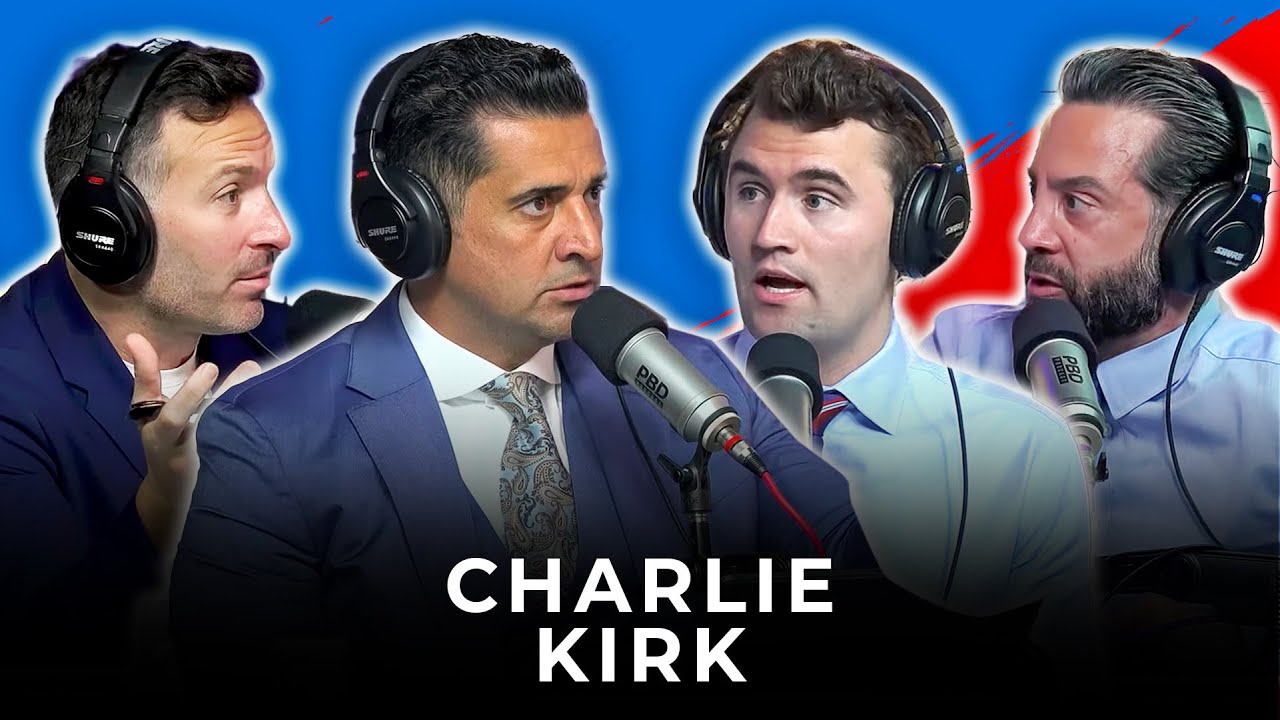
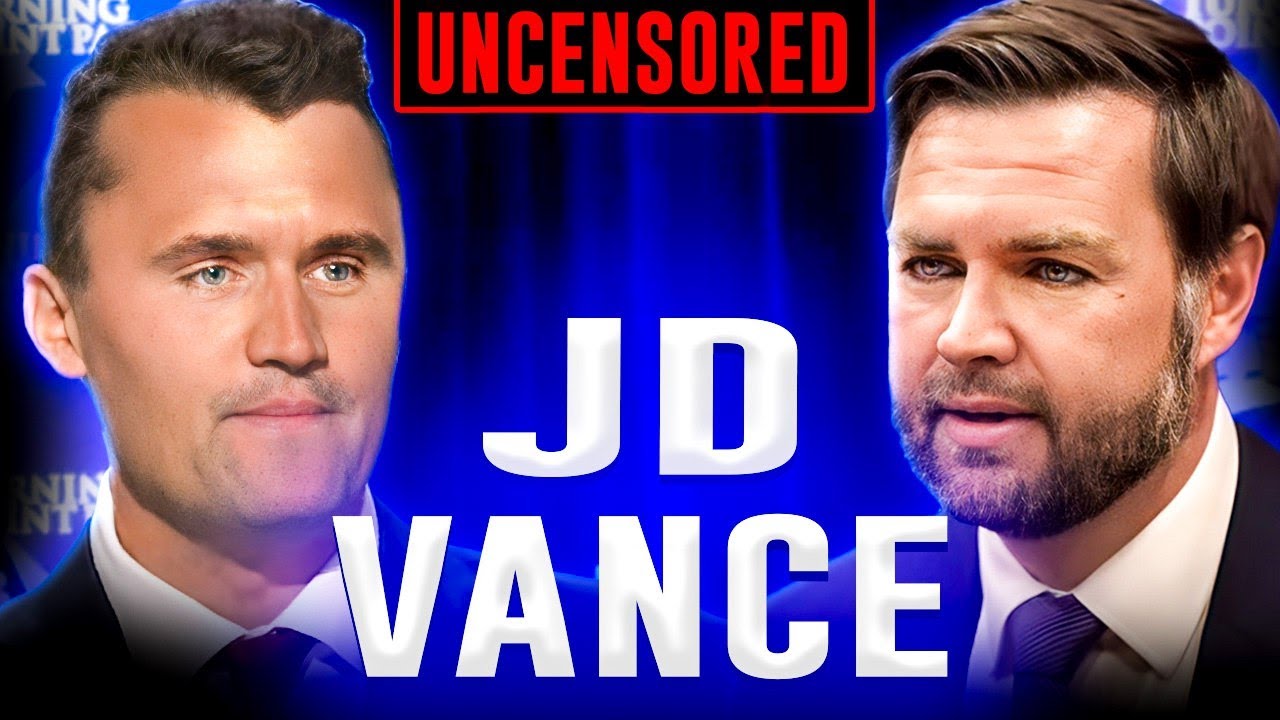
Charlie Kirk Built a Conservative Empire Running Turning Point USA and Broadcasting Two Hours Daily
Enjoying this? Share it with someone who needs to see it.
Up Next
Charlie Kirk Reveals Why Ron DeSantis Is Failing Trump in the 2024 GOP Primary Race
2:06:40
Charlie Kirk Challenges the Church to Save America Before the 2024 Election
1:09:17
Donald Trump Jr. on the Most Amazing Political Comeback in American History and Why Exile Made Them Stronger
22:56
Charlie Kirk Built a Conservative Empire Running Turning Point USA and Broadcasting Two Hours Daily
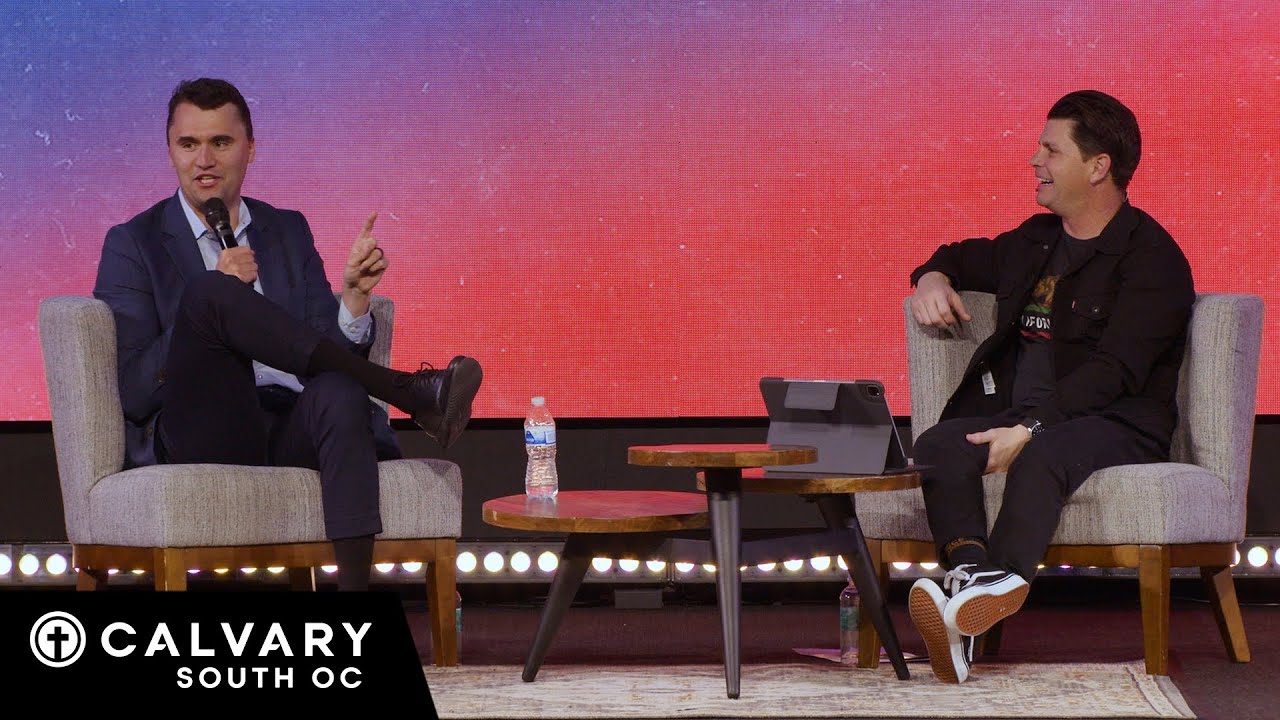
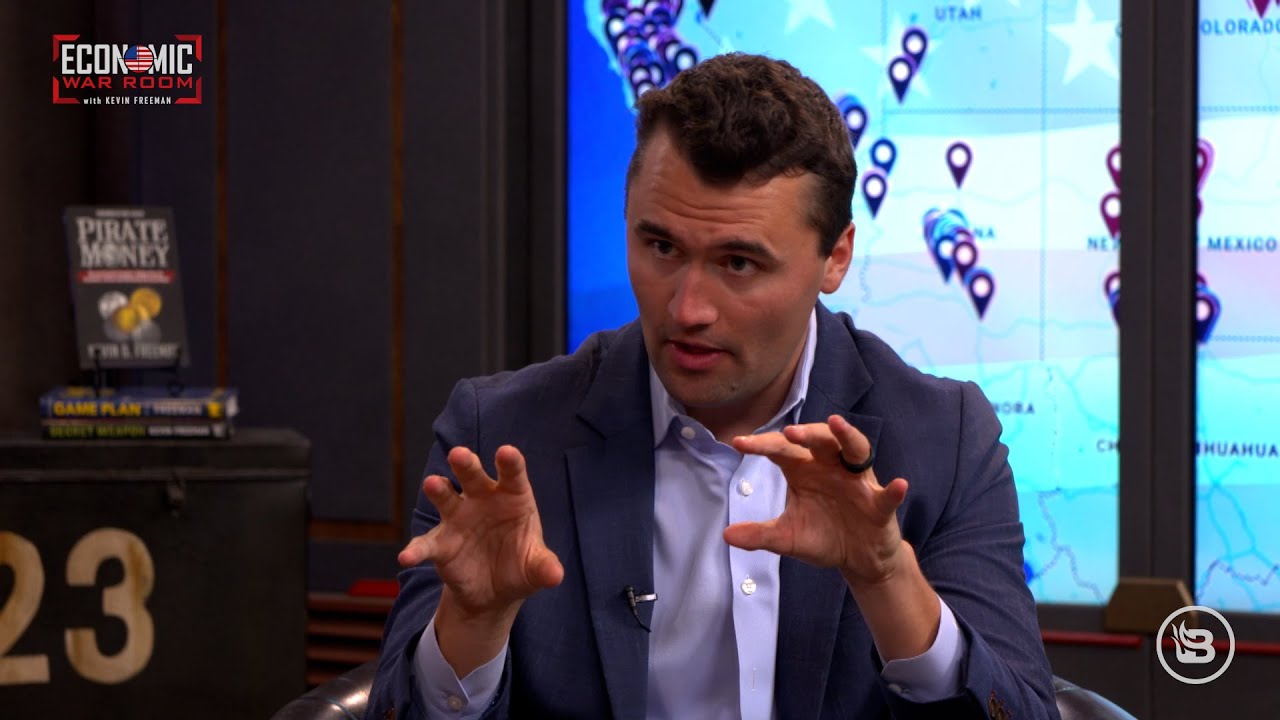
Charlie Kirk describes himself as an entrepreneur, but that barely captures the scope of what he's built. Between hosting a two-hour daily show broadcast on hundreds of radio stations, running Turning Point USA with over 1,000 staff members and a $100-120 million annual budget, and organizing young voters who helped shape recent elections, Kirk has created something unprecedented in conservative politics. In this wide-ranging conversation, Kirk discusses his relationship with the Trump administration, rapid-fire reactions to political figures, his admiration for Rush Limbaugh's broadcasting style, and why he thought his South Park parody was hilarious.
When asked about his occupation, Charlie Kirk describes himself as an entrepreneur. It's a modest answer for someone juggling what most would consider multiple full-time careers. Kirk hosts a two-hour program every single day that gets turned into a podcast, airs on hundreds of radio stations across the country, and simulcasts on multiple television networks. For most people, that alone would constitute a complete career.
But broadcasting is just one dimension of Kirk's work. His primary role is CEO of Turning Point USA, Turning Point Action, and Turning Point PAC—organizations he founded nearly 13 years ago that now employ well over a thousand full-time staff members across the country. These organizations operate multiple departments including high school outreach, college programs, faith initiatives, Blexit, Turning Point Academy, grassroots teams, ballot chasing operations, student government projects, and sophisticated digital operations. The combined budget for these entities runs between $100-120 million annually, supported by over 400,000 donors.
On top of his broadcasting and organizational leadership, Kirk creates substantial content and maintains an aggressive speaking schedule. In a single day, he delivered five and a half hours of speaking on campus at Texas A&M University while also hosting his show and raising money. The videos from these campus appearances have gone viral in recent years, making a significant impact with young audiences.
Lessons From Rush Limbaugh's Broadcasting Genius
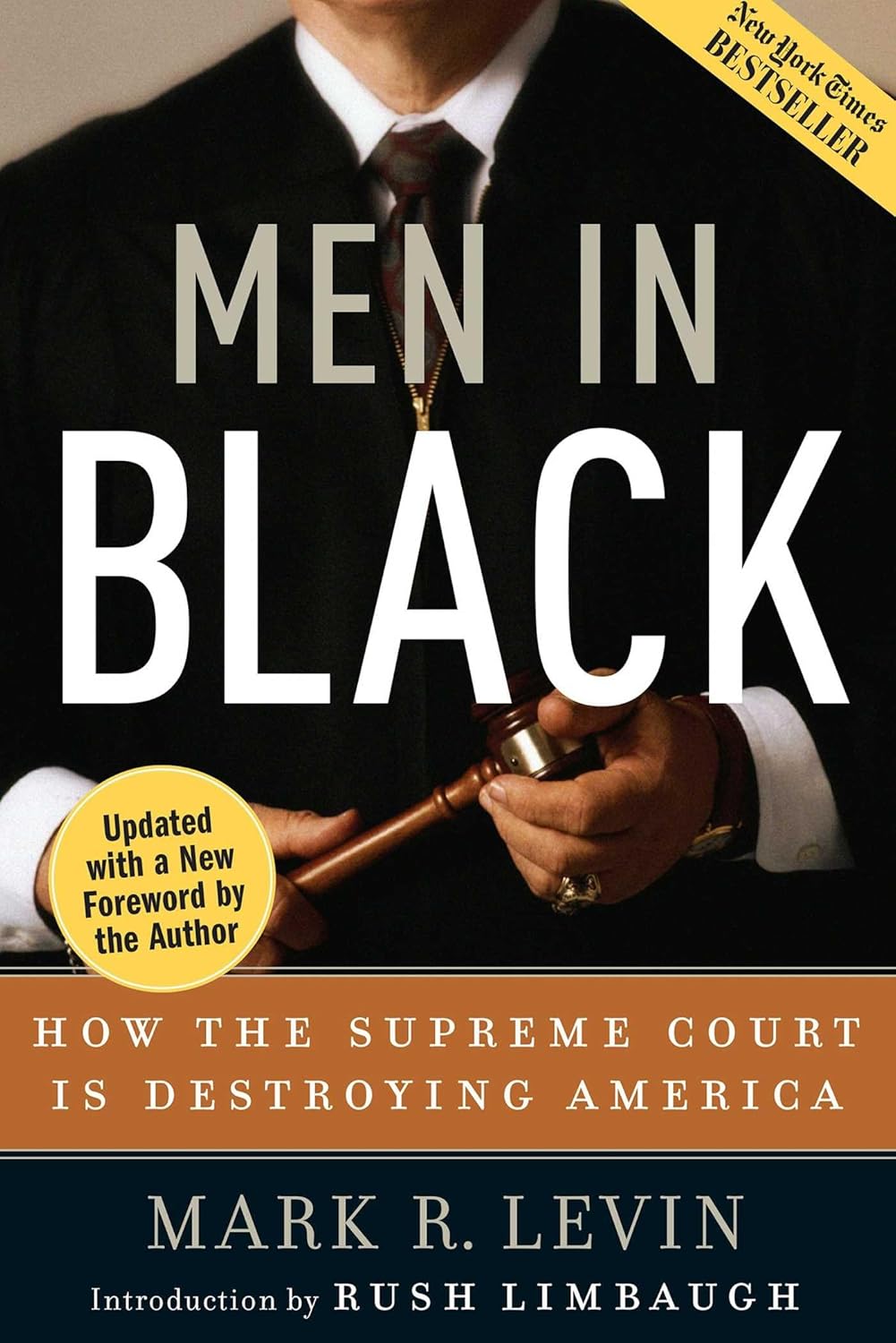
Kirk reflects on the influence of Rush Limbaugh on his approach to broadcasting. He recalls the uniquely American experience of driving through the Western United States while listening to Rush—finding the signal during a drive from Denver to Steamboat and being captivated by Rush discussing his new iPhone for 30 minutes straight. Rush made even mundane topics fascinating, and he once gave Kirk an iPhone as a gift.
Growing up, Kirk was told that Rush was too much of an extremist—not by his parents, but by the general vibe around him. Despite this, Kirk now advises anyone interested in broadcasting, regardless of political affiliation, to study hours and hours of Rush's work. There's simply so much to learn from his approach. Rush only talked about things he was interested in, and the audience could always tell. That authenticity is something Kirk has clearly absorbed into his own style.
Historic Achievement in Youth Mobilization
Kirk's work organizing and energizing young people on behalf of the conservative movement and President Trump represents one of his most historic achievements. There was considerable skepticism, even from friends and allies, who said Turning Point wouldn't turn any young people out, that they didn't know what they were doing, and that get-out-the-vote operations aren't for amateurs.
Kirk proved the skeptics wrong. His approach to youth mobilization has been so effective that he suggests Democrats should study what he's doing, just as aspiring broadcasters should study Rush. If someone on the left were doing comparable work organizing young people for a Democratic president, they'd likely be Time Person of the Year and celebrated as a hero by the media. But because Kirk does this work for Republicans, it's treated with suspicion and hostility.
Relationship With the Trump Administration
Kirk maintains regular contact with folks in the Trump administration and believes they're doing a much better job than media coverage suggests. They're dealing with a massive amount of incoming issues and have picked the biggest fights because voters voted for those fights specifically.
Kirk sees his role as a friend of the president, acknowledging the "right place, right time" nature of his position. He believes the best way he helps the administration isn't by being in the White House or the Eisenhower Executive Office Building—though walking those halls is an incredible honor—but rather by being in the grassroots and serving as an explainer of what the administration is doing or trying to do for people who don't have time to consume six hours of information and get into the weeds.
When invited to spend weekends at Mar-a-Lago, which has happened before, Kirk's first thought is to check for family conflicts, but he'll do his best to attend. The president, he notes, is the best to be around—a force of nature with what seems like supernatural energy at times. If Kirk can be helpful to the president or his team, he will always try to be.
Rapid-Fire Reactions to Political Figures
Kirk offers candid, concise reactions to various political scenarios and figures:
On Marco Rubio's presidential ambitions: Kirk prefers JD Vance but acknowledges Marco is great.
On Jeanine Pirro as US Attorney: She's a phenomenal friend and far more qualified than the media realizes or covers.
On Roger Stone calling: Kirk would greet him warmly and ask how he can help. He likes Roger, advocated for his pardon, and finds him to be a uniquely American political figure. There aren't Roger Stones in the Netherlands—there's something dramatic, fun, and unpredictable about him that Kirk appreciates.
On Pete Hegseth texting about wanting to quit: Kirk would tell him they worked too hard, he's too good of a man, and he should grin and bear it. His advice would be to turn off the phone for a day and keep going.
On an invitation from JD Vance to attend the Pope's first mass: Kirk would thank him for the invite but suggest inviting someone who would value it more. While he would value it tremendously, he's not Catholic, and believes a cradle Catholic would have much more reverence for the experience. He'd feel like he was stealing a seat from someone for whom it would be the coolest thing in their life.
Surprising Openness to Dialogue Across the Aisle
Kirk demonstrates remarkable openness to engaging with political opponents, provided certain conditions are met. If Kamala Harris texted wanting to meet in Phoenix, he would first verify it was actually her number, then insist it only happen on camera. If she wanted a private dinner to compare notes after mutual friends vouched for the sincerity, he would consider it and likely look forward to it. Kirk learned from Tucker Carlson to sit down with people even when you disagree, ask great questions, and be curious.
If Barack Obama called asking him to speak to young student leaders in Chicago, Kirk would say yes absolutely. He's never met Obama—he only saw him in person for the first time at the inauguration. Kirk would love to meet him, not as a fan, but because he has a theory that Obama isn't actually as radical as the current left wing of his party. He wants to confirm that theory and figure out what drives Obama. Kirk is willing to speak to any students, anywhere. They could maybe even speak at the Obama Library if it ever gets finished, he jokes.
Supreme Court Strategy and Restraint
When it comes to Supreme Court cases, Kirk has his eye on the question of impoundment—the most important existential spending question currently before the court. The issue is whether the executive branch has to spend all the money that Congress appropriates.
Kirk doesn't worry about Amy Coney Barrett, Brett Kavanaugh, or Chief Justice Roberts in the sense that he doesn't think it's appropriate for him or his organization to put pressure on them in advance of rulings. He believes such efforts could actually be self-defeating. These are human beings appointed for life—there's nothing you can do to pressure them in a traditional sense.
Would he mobilize against them if they ruled adversely to the president's agenda? No. Would he criticize them at a rally? He would criticize, yes, but the way to win the Supreme Court, he believes, is to remember the old adage that they read newspapers too, and listen to podcasts too. Instead of screaming at a rally like Chuck Schumer's "you're going to feel the whirlwind" approach, Kirk believes in persuading them. They're people of high scholarly intent and very sophisticated. In those instances, create an argument as to why you think their decision was right or wrong, or why you hope they'll rule a certain way.
Private Sector Potential and Future Interests
When asked if he'd be good at being a CEO of a private sector company, Kirk points out that his show, which is private, is profitable. If given $100 million to start a manufacturing business in the United States, Kirk says he's fascinated by drones and believes they represent the future. He thinks that whoever is able to control and produce their own drones will be able to determine and chart their own destiny.
California's Republican Future
Kirk believes California can elect a Republican governor within the next 10 years, and he knows some people might laugh at that prediction. That's why he endorsed Steve Hilton. While the chance of Hilton winning in the current cycle might not have the best odds, getting closer and closer to victory is incredibly important.
If Hispanics, especially Hispanic men, keep moving in the direction they've been moving nationally, California can be in play. Over a long period of time, this requires voter registration and an end to demoralization among Republicans. If young people continue to move in the broad direction seen nationally, and California even minorly follows that trend, the state could see a more competitive political landscape.
Admiration for Obama's Governance
Growing up in Chicago during the Obama craze of 2008-2009, Kirk understood the celebrity and aura surrounding Obama. People had big hopes for a de-emphasis of racial politics, not an emphasis of them. Kirk considers it one of Obama's great failings that Americans were talking more about race at the end of his presidency than at the beginning.
What Kirk actually thinks Obama did well was showing restraint in his last four years. He could have been way more radical but took it easy. He did not issue flurries of radical executive orders. He was, in some ways, careful not to come across as overly revolutionary as president. Historians have written that Obama knew he was the first Black president and took that responsibility with a lot of weight. He didn't want to be overly radical or dismissive of White House customs, and Kirk admires that restraint.
The other thing Kirk admires is that Obama went big. He won a mandate and went very big that first year—going for healthcare and stimulus. It cost him politically, but he went really big, and Kirk respects that boldness.
The South Park Moment
Kirk wasn't a huge South Park fan growing up—it was a big deal when he was in 8th and 9th grade, so he watched a couple of episodes. The show was beyond anything he could have imagined even back then. When South Park included him in a recent episode this past summer, Kirk thought it was hilarious and awesome.
Many people on the left were apparently mad that Kirk wasn't mad about his portrayal. Turning Point even created a "master debater" shirt in response. Kirk believes you have to be able to laugh at yourself and not take yourself so seriously. South Park captured the essence of what Turning Point does in a very South Parkian way, and that's a symbol of success. The right needs to be able to laugh at themselves better, Kirk argues.
For all of Kirk's accomplishments—building a massive conservative organization, hosting a nationally syndicated show, helping mobilize young voters—being parodied on South Park and responding with humor might be one of his most revealing moments. It shows a self-awareness and cultural fluency that helps explain why he's been so effective at reaching audiences others have struggled to connect with.