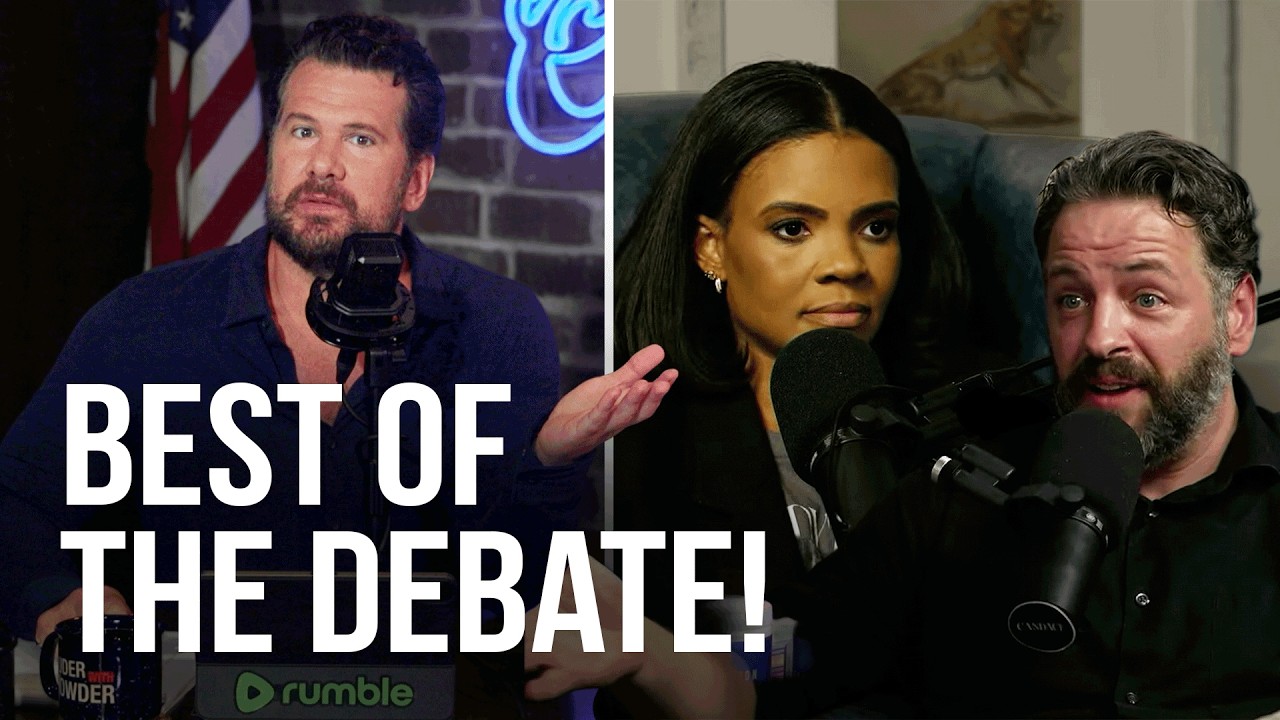
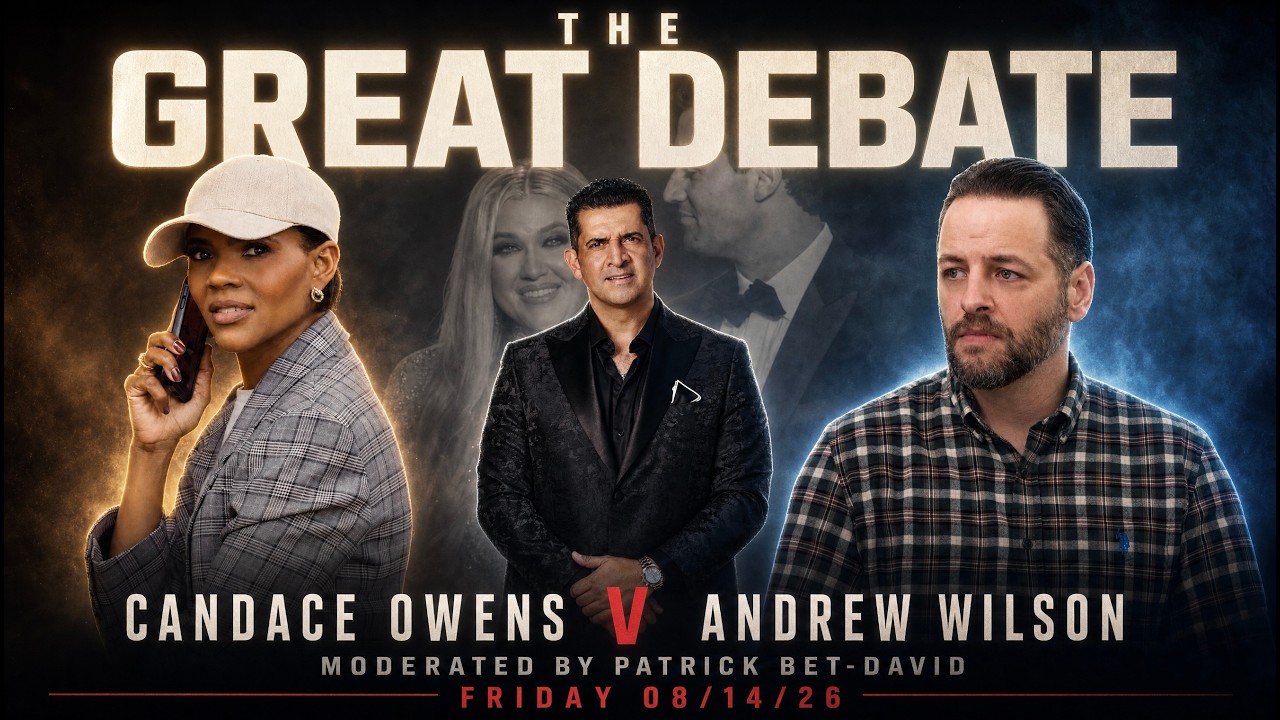
Candace Owens Challenges Andrew Wilson on Tyler Robinson Evidence: 0% Shooter Conviction
Enjoying this? Share it with someone who needs to see it.
Up Next
Myron Gaines Analyzing Ian Carroll's Investigation Into Charlie Kirk Assassination Google Search Data From Israel
1:22:28
Candace Owens Uncovers Medical Examiner's Wife is Furry Gaming Expert in Charlie Kirk Case
53:49
James Li Breaks Down the Candace Owens vs Andrew Wilson Debate on Charlie Kirk's Assassination
18:48
Candace Owens Challenges Andrew Wilson on Tyler Robinson Evidence: 0% Shooter Conviction
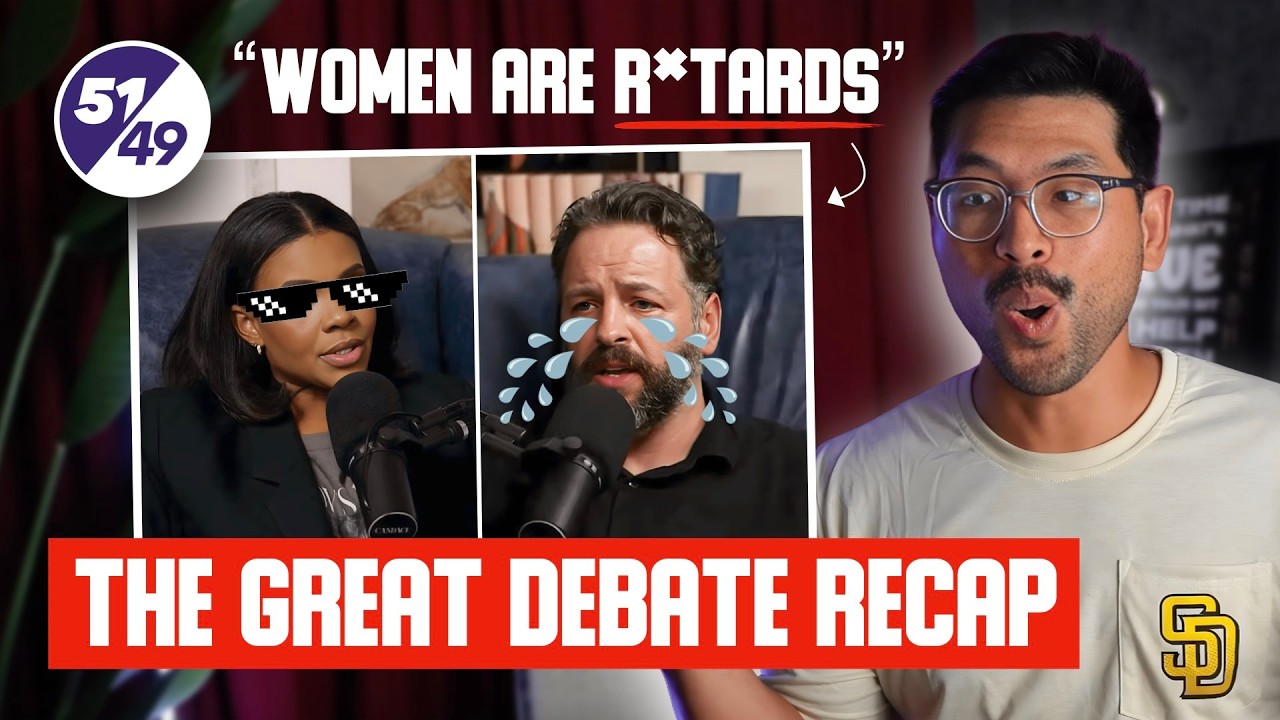
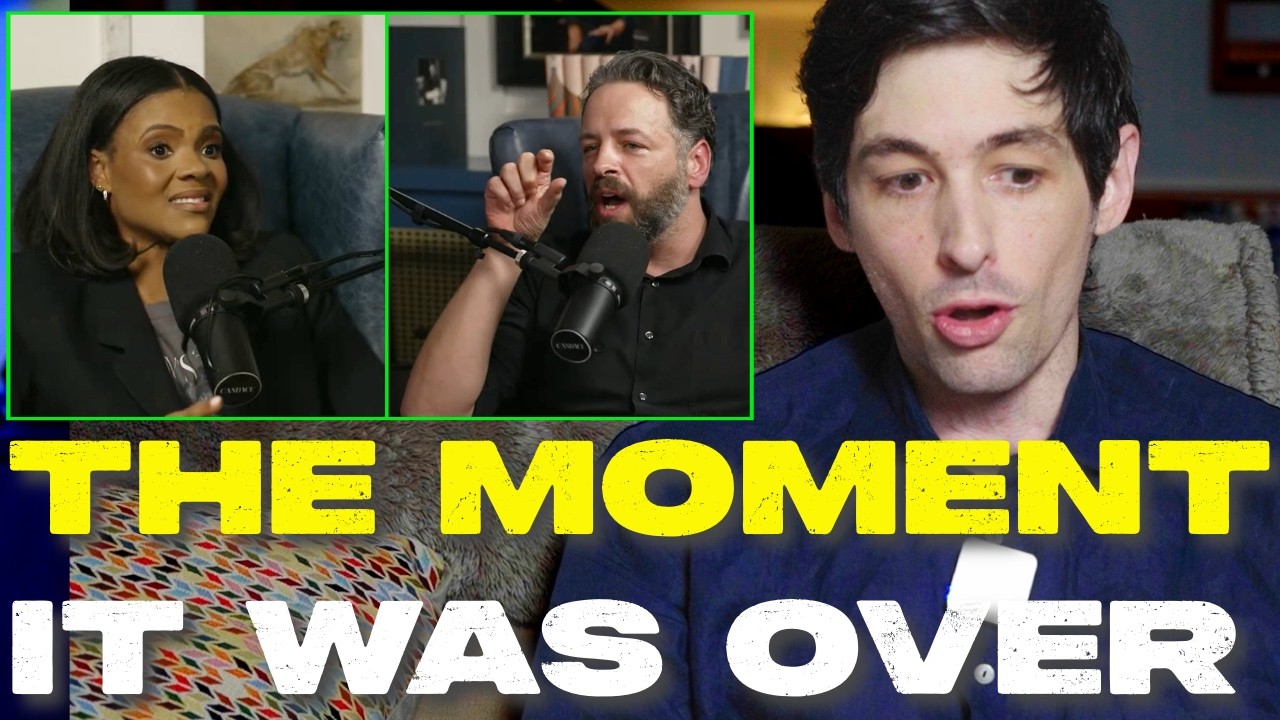
Candace Owens sits down with Andrew Wilson to debate the Charlie Kirk case, revealing she places a 0% likelihood that Tyler Robinson was the shooter despite surveillance footage and text message evidence. The heated discussion exposes deep divisions over what constitutes compelling evidence, with Candace questioning everything from blurry staircase images to boyfriend testimony while Andrew defends his 75-85% conviction based on confessions and physical evidence.
The conversation opens with a stark revelation of how differently two analysts view the same evidence. When asked about the likelihood Tyler Robinson shot Charlie Kirk, Andrew Wilson places it at 75-85% while Candace Owens declares 0%. This isn't a minor disagreement—Candace clarifies she's not even convinced Charlie was shot from the rooftop at Losee that day, though she believes "a projectile hit Charlie."
Andrew presents medical examiner documentation detailing how the bullet perforated the interior left neck, strap muscles, left common carotid, internal and external jugular veins, obliterated the C27 vertebrae, and transected the cervical spinal cord. Yet Candace remains unmoved, stating she hasn't seen compelling evidence Charlie was shot by a 30-six rifle specifically.
Surveillance Footage and Boyfriend Testimony Under Fire
The debate intensifies when examining what Andrew considers overwhelming evidence. He points to surveillance footage showing someone he identifies as Tyler Robinson, combined with text messages where Tyler allegedly wrote "It was me. Look at the pictures from the surveillance footage. It was me." He also references Tyler's boyfriend Lance's testimony, though Lance admitted he wasn't 100% certain about the identification.
Candace systematically dismantles each point. She questions why Andrew is so certain the blurry staircase images show Tyler Robinson, noting that even Lance, who knows Tyler intimately, expressed doubt. She emphasizes that Lance received use immunity for his testimony and that his statements were given under leading questions that wouldn't be permitted at trial. The fact that Lance was interviewed on September 11th and then brought back just before the preliminary hearing in May strikes Candace as suspicious.
The Text Message Problem
Perhaps the most contentious issue involves the text messages allegedly sent by Tyler Robinson. Candace finds them suspiciously articulate for a gamer who supposedly carved "catch fascist" expressions with a Dremel tool. She notes the messages read like they were "written by Jane Austen rather than like a kid who games."
More importantly, Candace reveals a crucial discovery issue: the defense requested full discovery on the text messages but was denied access. Attorney Kathy Nester stated during the hearing that she hadn't been given access to her client's phone. Candace argues this is critical because someone logged into Tyler's Discord or Apple ID could have sent those messages—she uses her own marriage as an example, noting her husband has access to all her devices and could send messages from her phone.
When facing a potential death sentence, Candace argues, the defense needs to verify whether messages were actually generated from Tyler's iPhone at the location claimed, or whether they could have been sent by someone else with access to his accounts.
The Hearsay Preliminary Hearing
Candace repeatedly emphasizes that the preliminary hearing operated under Utah Rule 1102, which permits hearsay evidence. She explains that while this is legal at the preliminary stage, most of what was presented wouldn't be admissible at trial. The prosecution kept invoking Utah 1102 throughout the hearing precisely because they were relying on hearsay—statements from others rather than direct evidence.
Andrew counters by citing Rule 801, arguing that Tyler's messages meeting certain conditions wouldn't be considered hearsay. However, Candace points out that the opposing party's issue wasn't just about hearsay rules but about how questions were asked with leading language and the defense's inability to cross-examine Lance's video testimony.
Intuition Versus Evidence Standards
A philosophical clash emerges about the role of intuition in evaluating evidence. Candace argues people should trust their intuition when something feels off—like when a student with above a 4.0 GPA supposedly texts a full confession while simultaneously leaving a note saying "burn this." Andrew pushes back, insisting intuition must be tempered with logic, reason, and evidence.
Candace draws a parallel to COVID vaccine skepticism, noting that intuition was the first step that led people to question the official narrative. Andrew distinguishes this by saying vaccine skepticism was based on competing science, not just intuition. The exchange reveals fundamentally different approaches to evaluating claims and evidence.
The Overwhelming Evidence Claim
Andrew identifies three pillars supporting his conviction: testimony with text messages and confessions, physical evidence, and the totality of the case summary. He finds the confessions and text messages most convincing, seeing no reason they should be questioned since even the defense hasn't formally challenged their authenticity.
Candace counters that the defense's role at a probative hearing isn't to argue their case but to address what the state presents. She notes they did request extensions specifically to get discovery on text messages, which wasn't provided before the preliminary hearing. This lack of discovery, combined with the suspicious nature of the messages themselves, leaves her unconvinced.
The Influencer Campaign Problem
Candace raises concerns about what she perceives as a coordinated campaign among influencers using identical language. She questions why so many people declared themselves "overwhelmed" by the evidence on the same day, using the same adjectives. She suggests a more measured response—like "I found some parts compelling"—would have been more credible than the unanimous declaration that the case was definitively proven.
Andrew dismisses this as similar to how people use "fed slop" as a buzzword, suggesting both sides engage in coordinated messaging. Candace disagrees, arguing there's a difference between organic skepticism and what appears to be synchronized promotion of a specific narrative.
Beyond Reasonable Doubt
A crucial distinction emerges when Candace asks whether Andrew believes the evidence proves guilt beyond a reasonable doubt. Andrew clarifies he never claimed that standard was met—he only said the evidence convinces and overwhelms him personally. This admission highlights the gap between what convinces someone individually versus what should convince a jury to convict.
Candace argues this is precisely her point: if the evidence doesn't meet the beyond-reasonable-doubt standard, then people raising questions aren't engaging in conspiracy theories—they're thinking critically about significant evidentiary gaps. Andrew counters that his issue isn't with people asking questions but with claims that go beyond questioning into making definitive alternative assertions without supporting evidence.
The Discovery Request That Wasn't Met
One of Candace's strongest arguments centers on the defense's unfulfilled discovery requests. She details how they asked for an extension to the preliminary hearing, originally scheduled for May, because they hadn't received crucial discovery on text messages. The FBI combined with prosecution wouldn't allow the discovery request that would show where messages were generated from—information that could establish whether Tyler was actually holding his phone when messages were sent or whether someone else accessed his accounts.
This technical point matters enormously in a potential death penalty case. Without verification of message origin, the defense can't rule out the possibility that Lance or someone else with access to Tyler's devices sent incriminating messages while Tyler was elsewhere. Candace views this as fundamental reasonable doubt, while Andrew sees the messages themselves as convincing regardless.
What Constitutes Conspiracy Theory
The conversation concludes with both participants clarifying their actual positions. Andrew insists he has no problem with people remaining unconvinced by preliminary hearing evidence or asking questions about gaps in the case. His issue, he says, is with claims that go beyond questioning—assertions of alternative scenarios presented as fact without supporting evidence.
Candace responds that she's doing exactly what the state does: looking at evidence and making inferences. When people examine gun evidence and draw different conclusions, they're engaging in the same analytical process. Andrew's insistence that he can make inferences for the state but others can't make counter-inferences strikes her as inconsistent.
The fundamental disagreement remains: Andrew sees sufficient evidence to be personally convinced while acknowledging it may not meet trial standards. Candace sees significant evidentiary gaps, unfulfilled discovery requests, and suspicious circumstances that leave her at 0% conviction that Tyler Robinson was the shooter.