Up Next

Candace Owens Reveals Never-Before-Seen Footage of Terryl Farnsworth After Charlie Kirk Incident
54:51

Candace Owens Uncovers New Evidence in Charlie Kirk Investigation: Mystery Man at UVU Campus Day Before Shooting
54:28
Candace Owens Exposes Victor Marx's Suspicious Timeline and Erika Kirk's Will Update Appointment Days Before Assassination
57:26
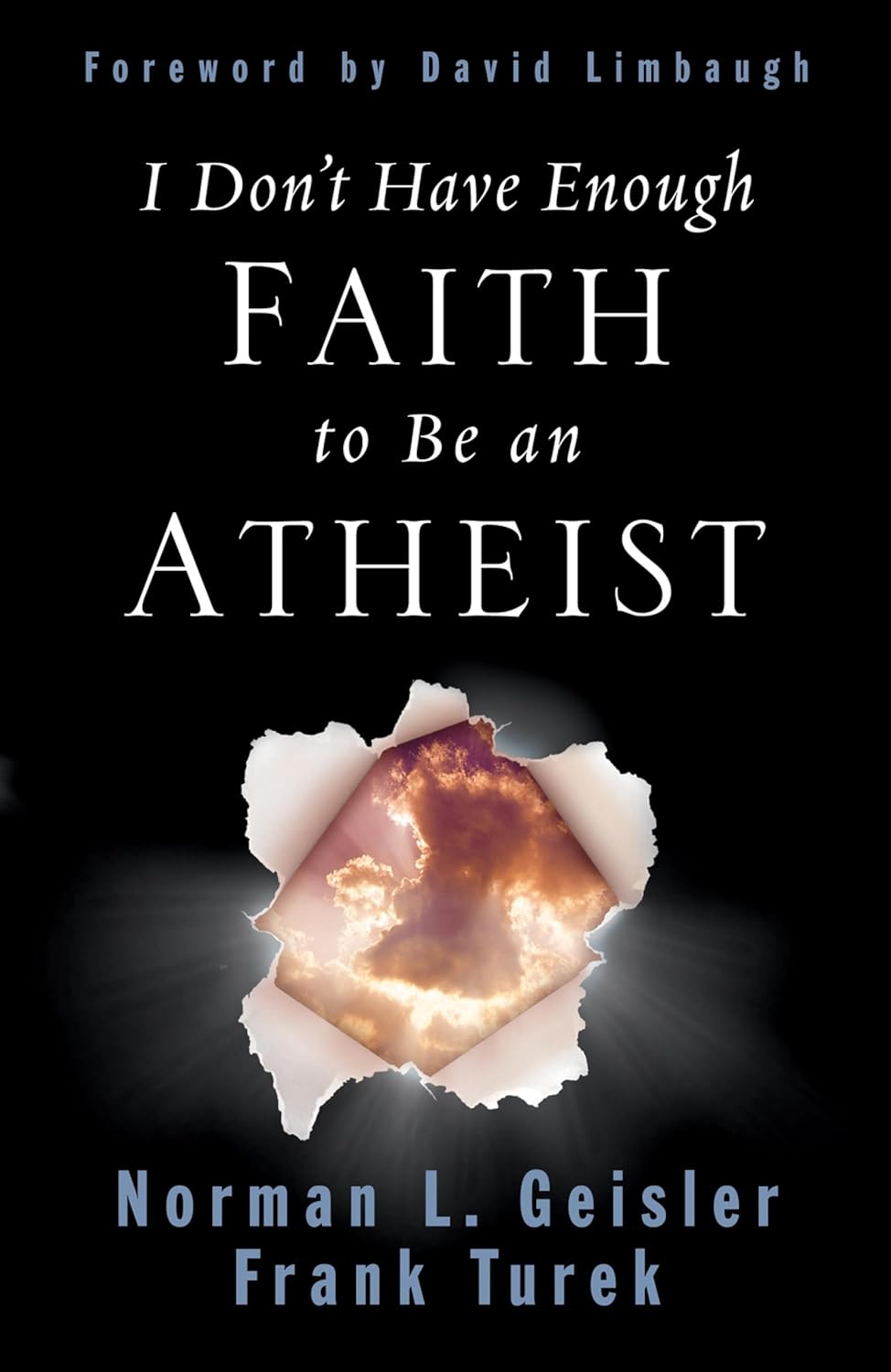
Candace Owens Exposes Frank Turek's Military Connections and the Missing Evidence in Charlie Kirk Case
Candace Owens examines disturbing inconsistencies in the Charlie Kirk assassination investigation, including abandoned evidence that was never tested, Officer Bagley's suspicious body camera failure, and the mysterious military connections of Frank Turek's family. She reveals how the FBI decided not to test a backpack, jacket, and gloves found along the shooter's route after being told they belonged to someone on Charlie's security detail, a claim that raises more questions than answers. With new testimony from the preliminary hearing and questions about who was really on that rooftop, Candace continues her investigation into what she believes was a coordinated operation disguised as a lone wolf attack.
The Mysterious Abandoned Evidence
New testimony from the preliminary hearing has revealed a troubling detail that was initially overlooked: a backpack, jacket, and gloves were discovered at a bus stop near the library along the same route the alleged Losee Center shooter traveled. Despite being found in a suspicious location and initially flagged for DNA testing, the FBI decided not to test these items. The reason given was that they supposedly belonged to someone on Charlie Kirk's security detail.
Sergeant Jennifer Faumuina from the Utah Bureau of Investigations testified about finding these unattended items at the bus stop. Officers deemed them suspicious because they were away from the courtyard area and appeared to be along the shooter's escape route. The items were sent to the FBI lab for processing, with requests for DNA and other analysis. However, at some point, a decision was made to halt all testing.
During testimony, Faumuina stated she didn't remember communicating to the lab that these items were no longer probative to the case, though she acknowledged that would be fair to say. The confusion deepened when FBI agent Amanda Baker testified about receiving the backpack and its contents. She explained that initially they had no information about the items and began processing them for DNA. Later, as the investigation continued, they were told the backpack "was potentially left behind by a bystander."
The Security Detail Explanation That Doesn't Add Up
The most disturbing revelation came when Amanda Baker's notes indicated that someone at the FBI lab had added information stating the backpack belonged to someone on Charlie Kirk's security detail. Baker herself didn't recall this being her communication and noted it was someone else within the laboratory who had added these notes. This raises critical questions: Who was this person on Charlie's detail? Why were they at a library bus stop that's nowhere near the Losee Center or the amphitheater where Charlie was speaking? Why would they bring gloves on a hot day? And most importantly, why would the FBI accept "they knew the victim" as sufficient reason to stop all testing?
Historically, 70 to 80 percent of homicide victims are killed by people they know. When money and politics are involved, that percentage likely increases even more. The notion that knowing Charlie Kirk should exclude someone from investigation is fundamentally flawed. Standard procedure would be to continue testing to confirm whose DNA is present, to check for gun residue, and to establish a clear chain of custody and explanation for why these items were abandoned along the shooter's escape route.
Officer Bagley's Convenient Amnesia and Dead Body Camera
Officer Bagley's testimony continues to raise red flags. He arrived on the Losee Center rooftop at 12:44 PM, just 21 minutes after Charlie was shot at 12:23 PM. He claims to have found a screwdriver on that rooftop, which was later said to have Tyler Robinson's DNA on it. However, his body camera mysteriously died while he was still on the roof, before he even put up crime scene tape.
Police officers from across the country have written in to express their skepticism about this claim. The Axon Body 4 camera that UVU Police use has a battery life of approximately 14 hours. Officers must dock their cameras at the end of every shift to upload data and recharge. The camera provides warnings when battery life is low—a high-pitched tone and four vibrations at 10 percent battery remaining, and again at 5 percent. There's no way Officer Bagley wouldn't have known his battery was dying if that were truly the case.
Additionally, the Axon system logs and records the specific reason a video stops or a device turns off. This information can be reviewed on the Axon website that police departments have access to. Officer Bagley's 27-minute body camera footage ended at a critically important moment, and his explanation that the battery simply died strains credulity given the technology's specifications.
The Mystery Person on the Rooftop
Perhaps even more concerning is Officer Bagley's testimony about who accompanied him onto the Losee Center rooftop. When asked about an individual in civilian clothing with a gun who was visible on his body camera, Bagley stated he didn't know who the person was. He couldn't identify what agency they were from or even confirm they were actually law enforcement. He simply saw what appeared to be a badge and accepted this person's presence on what he believed was an active crime scene where a shooter had just been.
Ten months after the assassination, Officer Bagley has apparently never attempted to identify this individual or review footage to see who else accessed that rooftop. When asked if he had checked to see whether anyone had been on the roof between the time the person in the prone position jumped off and when he arrived, Bagley said he didn't notice anybody—but admitted he hadn't actually reviewed the video footage to verify this. This represents a stunning failure of basic investigative protocol for a crime scene in a shooting that left Charlie Kirk dead.
The Screwdriver That Makes No Sense
The screwdriver found on the rooftop has never made logical sense within the official narrative. When and why would Tyler Robinson have taken it out? The eyewitness who filmed the person on the rooftop and observed military-style movements has maintained he never saw a towel or a screwdriver. Multiple viewers who claim to have military training have confirmed that the movements captured on video indicate formal tactical training.
None of the influencers who claim to have seen "4K HD overwhelming" footage from the preliminary hearing mentioned seeing the screwdriver being taken out or used. When did this happen? For what purpose? The influencers who insist they can identify Tyler Robinson with absolute certainty from enhanced footage have been conspicuously silent about this detail. If they can enhance footage to see a person's face clearly enough to make a positive identification, they should be able to show the moment the screwdriver was removed and explain its purpose.
Frank Turek's Pentagon Connection
Frank Turek's story about being on FaceTime with his son and daughter-in-law during the shooting has always seemed suspicious, but new information makes it even more so. Turek claims he was FaceTiming with his 35-year-old son Spencer during the event, put the phone in his back pocket when the shot rang out, and the phone remained there until he reached the hospital—meaning his son and daughter-in-law heard the entire emergency response.
What hasn't been widely discussed is that Frank Turek has two sons who both served as captains in the Air Force. His son Zach, who goes by his middle name, was working at the Pentagon at the time of the shooting, serving as deputy division chief of the Joint Staff. His other son Spencer worked as a branch chief pilot for the Air Force. Why would Spencer be available on a Wednesday afternoon at 2:23 PM Eastern Time to FaceTime and watch Charlie Kirk take questions on an obscure college campus in Utah? More importantly, why didn't anyone think to contact Zach at the Pentagon when a potential assassination had just occurred?
Frank Turek maintains that he simply sat in the back seat praying while his adult son listened via FaceTime. He didn't call 911—nobody has claimed responsibility for making that call. He didn't contact his son at the Pentagon. He didn't try to alert any of his extensive military and government connections. He just prayed. This story becomes harder to believe with each retelling, especially given Frank's family background of military intelligence operations.
The Hollywood Heroes Book and Superhero Narratives
Interestingly, Frank Turek and his son Zach co-authored a book titled "Hollywood Heroes: How Your Favorite Superhero Movies Reveal God." The book makes the argument that Christians are particularly drawn to cinematic themes of sacrifice, especially when a superhero sacrifices their life for others—a parallel to Christ's sacrifice. This becomes relevant when examining the initial narrative pushed about Charlie Kirk's death: the "man of steel" imagery, the "30 odd 6" Superman reference, the "modern-day miracle" language, and the emphasis on Charlie supposedly saving lives even in death.
The initial tweet from Andrew Kolvet read exactly like a superhero script designed to appeal to Christian sensibilities. The entire framing was calculated to make questioning the official narrative seem like an attack on something sacred. The psychological operation appears to have been designed specifically to manipulate Christian audiences into accepting the government narrative without critical examination.
The Influencer 4K Contradiction
One of the most telling aspects of this case is the contradiction around video evidence. Five days after the assassination, Dan Bongino appeared on Megyn Kelly's show and repeatedly stated that the footage was "too grainy" for the FBI to make clear determinations about certain details, including the screwdriver. He emphasized that while the FBI has tools to enhance footage, the grainy quality was limiting their analysis.
Fast forward to the preliminary hearing, and suddenly influencers are claiming they saw "crystal clear" "4K HD" "overwhelming" evidence that definitively identifies Tyler Robinson. How did footage that was too grainy for the FBI assistant director to work with five days after the event suddenly become crystal clear months later? The logical answer is that it didn't—or that it was manipulated. If the footage was enhanced to the degree these influencers claim, that would be worth investigating as potential evidence tampering.
The Pattern of Amnesia and Tech Failures
A consistent pattern has emerged in this investigation: whenever critical evidence should exist, there's either amnesia, technical failure, or convenient destruction. Officer Bagley's body camera died at a crucial moment. Sergeant Faumuina doesn't remember communicating that evidence should not be tested. FBI agent Amanda Baker found notes in her file that she didn't write and doesn't remember receiving. The phone call to 911 that Brian Harpole claims was made cannot be found in public records, and nobody will say who actually made the call.
These are classic signs of government involvement in covering up evidence. As one viewer commented: "There are always strong signals when the United States government has a hand at play: unexplainable tech failures, seizure of cameras, authorities finding overwhelming evidence, and security measures magically failing in the exact way to make the event possible."
Why The Investigation Continues
Despite intense pressure, character attacks, and attempts to paint questions as "demonic" or "conspiracy theories," this investigation continues because the official narrative doesn't hold up under scrutiny. The initial story relied on Christians accepting it on faith—being told that questioning a widow or asking about evidence was somehow un-Christian. But Christianity doesn't demand blind acceptance of government narratives, especially when those narratives are filled with contradictions and missing evidence.
The full trial is scheduled to proceed in September, assuming the judge doesn't dismiss the case. When that happens, more evidence will have to be presented publicly. The influencers who claim to have seen definitive proof won't be the only ones with access. Testimony will be cross-examined more thoroughly. The mysterious person on the rooftop with Officer Bagley might finally be identified. The abandoned backpack and its contents might actually be tested. And perhaps the surveillance footage from the bus stop where the evidence was found will finally be reviewed.
Until then, the questions remain: Who was on Charlie Kirk's security detail and why were they at that bus stop? Who added the notes to Amanda Baker's file? Who was with Officer Bagley on the rooftop? Why did his body camera fail? When was the screwdriver planted and by whom? And most importantly—who actually killed Charlie Kirk, and why?
Video Transcript
All right, you guys. Happy Thursday.
Look alive. Look more alive than I
currently feel today. I'm actually
exhausted because the kids are still a
bit jetlagged. And my daughter Louise
woke us up at 4:00 a.m. this morning
because she does this thing. It's like a
a repeat pattern, I'd probably say three
times a week where she sort of creates a
crisis and gathers a search party that
consists of just my husband, her father,
and she loses cuz she says that she
loses her Squishallow. Okay, so in case
you guys don't know what a squishallow
is, here it is. Let me show you a squish
strawberry squishallow.
Believe it or not, this little ball of
squish has called caused more drama in
my household in the farmer household
than probably anything else because she
loses it at obscure times and then she
gets really upset and she bursts into
her room and she says, "Daddy, daddy, I
can't find my squishallow." And every
single time he gets up and he finds the
squishallow, which is always
conveniently just like right next to her
bed, fell right next to her bed. And so
last night she did one of these things
at 4:00 a.m. in the morning. She did the
little little hand. It's always this. We
know she's really serious and upset. And
daddy, I can't find my squish. Last
night it was her bracelet. And at 4:00
a.m. he just gets up and he goes and he
deals with it. So anyways, that's what's
going on in my household. So, I'm a
little tired today, but what do I have
for you? Well, back into our story.
Everybody's blacking out. Everybody has
amnesia about September 10th. We got
Blakey Nef, who by the way wants us to
believe that he never ever watches this
show. But mysteriously, he always has a
clip handy and circulating on his X feed
approximately 5 minutes after we get off
air, and he's like, "Oh, somebody sent
this to me."
We all know that Blake Nef is a closeted
Standis. He's working at Turning Point.
That's got to be a tough gig, my
friends. That's like when Tim Dylan
says, "Friend of the show." Blake Nef is
definitely a friend of the show. But
he's not the only person that is
suffering from a little amnesia
regarding September 10th. Today, we
return to the courtroom because I missed
something in the preliminary hearing
that Baron Coleman flagged to me over
the weekend because we were sharing
notes. And it is a potential answer for
what happened to that mysterious
backpack and gloves and a jacket which
were found at the bus stop near the
library on the same route that the
alleged Losi center shooter traveled and
yet the FBI moved not to test those
abandoned items. What happened? Because
if you think about it logically, what
information could they have possibly
been presented with that would have
caused the feds to be like, "Oh, no,
never mind. That's not important. Don't
test it."
The answer may surprise you. Actually,
probably not because it's the feds and
slop is their entire brand. So, welcome
back to Candace
[music]
All right. So, what do we know? We know
that they found Tyler Robinson in just
33 hours. Valhalla, my friends, who
could forget the moment they announced
that. Uh, by that time, of course, they
had also announced that they found the
gun and a screwdriver which had his DNA
DNA on it. that was announced by Cash
Patel a couple of days later, but they
had kind of already leaked that they
were looking they had discovered this uh
screwdriver. I I think it was actually
the next day on September 11th um was
the first time we heard about this. Now,
I just want to say we should just
consider the screwdriver full stop
because I have so many questions about
it.
When exactly and why exactly did he take
it out at all? Think about that. They
rushed so much to say his DNA was on
there, but now it makes no sense at all
that he had a screwdriver in his hand on
the rooftop. Can anybody make logical
sense of that? And why is it that the
person who filmed and observed him on
that roof on Loi Center making military
movements, we got a lot of emails from
you guys about what that is and how you
would have to have military training to
know how to do that movement. Why is it
that he has maintained his story and has
absolutely no recollection of having
seen a towel or a screwdriver? Actually,
when did when did that happen? Right
throughout my conversations with him, he
didn't see either. When did the person
on the rooftop take out a towel and take
out a screwdriver? Why would he take out
the towel or the screwdriver on the
rooftop? None of the influencers, by the
way, I might mention and add here, none
of them mentioned and and shared that
moment in their 4K HD overwhelming recap
that they saw the screwdriver in 4K.
When did it happen? Can they do that?
You guys, you saw it. They only showed
it to you guys. Could you tell us could
you further illustrate Benny Johnson the
moment he took out that screwdriver and
why why he did that?
And of course, when officer Baggley, the
officer who raced over to Veloi Center
rooftop at 12:44 p.m., Charlie gets shot
at 12:23. He's up there at 12:44 p.m.
and he finds that screwdriver,
but you know, mysteriously, we had
another blackout, another amnesia spell,
this time from a piece of tech. The body
cam just died. It was just like Blake
Nef. It was like, I don't know what I'm
I don't remember anything. I'm just a
body cam. Remember this moment?
>> All right. Your body cam footage that I
reviewed appears to end while you're
still on the roof. Do you know why that
is?
>> I think the battery went dead. It was
just right at that moment.
>> Okay. And do you know did you ever turn
it back on that day or go get it re I
don't know. What do you have to do?
Charge it or stick a new battery in it?
I don't even know. usually dock it, but
no, I didn't go back. I was too It was
too chaotic running around.
>> So, that 27 minute and 35 second body
cam that starts when you're at the Hall
of Flags and ends while you're still on
the roof, but haven't put the crime tape
up yet. That's the only body cam you
have that day.
>> Yes.
>> Right.
That's sad. You know, we received a
score of emails from police officers all
over the country and the world telling
us that that account registers to them
as absolute BS. That testimony, in fact,
one person informed us, and I'm going to
show you this email, um, and obviously
protecting his identity. He wrote, "We
use the same body camera that the Utah
City Police use, the Axon Body Cam 4
model. I would be happy to look into any
questions you might have about it. It
bothered me that the officer claimed his
bo his his camera died when he was on
the rooftop. The camera battery lasts
approximately 14 hours. At the end of
every shift, we have to dock our cameras
all on a detachment shared dock. Doc is
also what uploads all of that data and
the videos from the shift onto the
server. We can then review the videos on
the Axon website. This website is the
same across North America. The camera
video also captures a GPS route of
exactly everywhere the officer walked.
To turn on the recording, we press the
middle button twice. It automatically
saves the 30 seconds before that. To
turn the video off, you have to hold the
button down for a few seconds. At the
end of the video, you can usually see
the officer's hand moving toward the
button and even blocking the lens a bit
with their hand. I'll also mention you
get a reminder when the battery is going
to die. It does a highpitched tone and
vibrates four times at 10% left and
again at 5%. So there's no way he didn't
know his battery was going to die. The
Axon Body 4 system also logs and records
the specific reason a video stops or a
device turns off. All of this
information can be seen on the Axon site
that the police have access to and can
review. Oh, I Well, that's good to know.
Did he hear the beep?
27 minutes. Yours just went off after
being docked, but um it's supposed to
last 14 hours. Did you hear the beep
warning? Beep. I'm about to die like I'm
I'm blacking out.
People also as he as you just saw said
that it stores that data and so we will
be able to find out eventually um how
that battery died so quickly or if it
was manually turned off. I personally am
looking forward to that full trial when
the narrative of how the body cam
crashed out comes to light. And that's
not it. Remember, he also
officer Bagley can't remember who he was
on the rooftop with.
Quite shocking what he says happened. Uh
it could be relevant. Maybe that person
planted the screwdriver. Who he was on
the rooftop with is super relevant. Uh
this is what this is what he said during
his testimony about that moment.
>> It appears to me from reviewing your
body camera that there was another
individual who was with you that went to
the Losi building who was in civilian
clothing but appeared to have a gun. Who
was that?
>> I I don't know who he was exactly. He he
had a badge on and I had somebody with
me to back me up as I ran up the stairs
to make sure I had somebody with me.
>> So you don't know what agency he's from
or where he's from?
>> No. And he it looked like he had a
pistol. Yes.
>> Is that right?
>> A handgun. Yes.
>> A handgun.
>> Yeah.
>> Um and so the two of you go to the Losi
building. [laughter]
>> Yes.
>> Just incredible.
>> Did when you reviewed the videotape at
the police department later, did you
check to see if anyone had been on the
Losi building after the shooting after
this individual had jumped off that
you've already talked about? Was there
anybody else on the roof? Did you check
and see in that gap of time?
>> In that gap of time, no. So once I put
up the barrier, I only walked walked up
to about that point. Then I went down
and reviewed the video from that moment
on.
>> So were you able to see? Are you able to
say for one way or the other if anyone
else had been on that roof in between
when the person jumped off the building
and when you came on the roof? Are you
able to say one way or the other? Uh
there was people up there looking for an
individual that ran that way because
when I first got told the individual ran
heading north that we didn't know where
the shooter was. So we started climbing
up and looking clearing the building.
And it wasn't until I went to the PD and
actually saw him jump off of the
building that I knew he was off the
building.
>> Let me rephrase that because I think I'm
I either asked it badly or you
misunderstood me. So let me let me go
back again. So, from the time that the
individual that you spotted on the video
jumped off the roof, right, the
individual that you thought was in the
prone position. Okay.
>> Between that and when you got on the
roof, did you ever check to see if
anybody else had been on the roof in
that period of time?
>> Yeah. And I didn't see anybody.
>> So, you I didn't notice anybody.
>> Yeah.
>> You didn't Did you look on the video to
see that entire Okay, that's what I'm
asking. So, you did not review the video
to see if there was someone between you,
that individual jumping off, and you
coming on, if anybody had been on or
disturbed that scene in any way. Okay.
>> I'd like to remind you that this is now
10 months later. And officer Bagley
wants you to believe that a shooting
took place. He sprinted into action. He
went up on the Loy rooftop where he
believes that a murderer just ran off of
and he he sees a guy in plain clothes
holding a gun and he's like, "Hey, I
don't even need to know your name. I
just trust you. I feel like this is the
brotherhood. I saw a badge. Did you
check the badge? Was it a real badge?
Was the person pretending to be an
officer?" No, it didn't matter. He had a
badge. This is giving the Brian Harple.
I saw the tattoo. But he at least Brian
Harpel saw a tattoo. This guy thinks he
saw a badge, doesn't know where it's
from. And they just trust this guy to
come up on the rooftop with him. And at
no point in the 10 months following the
Charlie Kirk assassination did officer
Bagley go, "Well, you know what? I'm an
officer here at UVU, so I'm going to
just like check that footage and see who
the heck was on the rooftop with me."
Because that'd be good to know. Was that
even an officer that was up there? No.
In fact, he was so disinterested in what
transpired on the rooftop, he didn't
even review the 20 minutes before he got
up there. Right? That's what she's
asking. Uh, did you go back and see if
from 12:23, which is what you should
have said, when Charlie got shot in
12:44 when you arrived in that rooftop,
if anybody else was on the rooftop
maybe, I don't know, dropping a
screwdriver. He says, "No,
no. I I I just I don't know. I just felt
good with this guy who I have no idea
who he is. And since then, we never
looked back on the footage. Hey, but you
know what's really good? A ton of
influencers just confirmed
that that very rooftop that you were on,
they are now able to get 4K
HD
footage. They're just able to enhance it
so that it it looks like the movie 300.
It's amazing. Yeah, that's what they're
able to do now. Now, they typically only
show this to the influencers. You might
have to go to them, but I bet they're
going to be able to tell you exactly,
since they saw Tyler Robinson, exactly
who was on that rooftop with you with
the badge. Isn't that great? They can
use that same HD 4K setup in that exact
spot to help Officer Bagley fill in his
spots of amnesia. I love that. That's
great. You know, that's always the
problem with big lies, you guys. That's
why you shouldn't tell lies because you
don't get to pick and choose when they
serve you. So, if it's 4K HD and you're
sure it's Tyler Robinson, it better be
4K HD when we figure out who went on
that rooftop with Officer Bagley, if it
ever jogs his interest. You know what I
think? I don't think there ever was a
screwdriver up there. I think that that
screwdriver was planted there at a
different time. I don't believe that the
person who sprinted took out a
screwdriver for no reason. They can't
even fit it into the N. They don't know
why he took out the screwdriver for
funsies. I also don't think based on the
eyewitness account from the person who
recorded him on the rooftop that he had
a towel. I think it was just a bag. A
bag that we are seeing him swing and
they are telling us it was his towel.
Um, now I want you to also take a listen
again. We played this for you yesterday
to Sergeant Jennifer Filomina. Okay,
that was the woman from the Utah Bureau
of Investigations. And I think I said
she was UVU Sergeant. I meant to say
she's from the Utah Bureau of
Investigations, the state um, Bureau of
Investigations. And she tells us about
finding that abandoned backpack, the
jacket, and the gloves at the bus stop
along the very route that the shooter
ran. Right. Take a listen to what she
says again because it's going to be
relevant.
>> Now, if my count is correct, nine of
those reports in that larger body of
reports was written by you. Correct?
>> Yes.
>> Did I miss any?
>> Uh there.
>> Does that sound about right?
>> Yeah.
>> Okay. Um I want to ask you about a
couple of those reports. The first
report
was a report that you uh wrote on
September 22nd that documented the
overview of the crime scenes. Correct.
>> Yes.
>> And there were various crime scenes that
you've described on direct examination.
Correct.
>> Yes.
>> One of them was the uh Fulton Library.
>> Yes.
>> Tell us why that was a potential crime
scene.
>> Yeah, of course. Um when officers were
canvasing the scene, um they were also
trying to see right uh the route of the
shooter as well as just trying to find
the shooter. And they deem or they
determined that the Fulton Library stood
out because there were um unattended
items there at the bus stops that were
away from the courtyard area and so to
them they thought it was suspicious.
>> And were certain items seized from and
what were they? Yes, you had a backpack,
um, a jacket, as well as some gloves,
and there may have been some other
things. I just don't recall them right
now.
>> And do you recall what the item numbers
were of those seizures? Was it nine?
Does that ring a bell?
>> I don't remember.
>> Uh, those whatever was seized was sent
to the FBI lab for processing.
>> Yes.
>> Um, and along with some information that
the suspect may have uh shed some of
this these items as he fled. Correct.
>> Yes. Was a decision at some time made
and and you were requesting that both
DNA and other type of analysis get done?
>> Yes.
>> At some point did you decide to pull a
plug on that?
>> Um at the time when it was already sent,
we didn't have more information as far
as whether or not whe whether or not the
evidence that were collected there were
probative.
But eventually you communicated to the
lab that those items were not in fact
connected with a case and there was no
need to do further testing.
>> I don't remember communicating that.
>> Okay. If that's in the notes of the FBI
or the ATF, would that be inconsistent
with what you know?
>> Uh no.
>> Okay. I'm mentioning because some of the
reports, the lab reports have those
items listed.
>> Okay. I just want to be clear that those
items eventually you determined were not
related to this case. Would that be
fair?
>> Yeah, that would be fair.
>> Okay. So, the relevant thing is she
doesn't remember communicating that, but
she's saying yes, determination was that
it was not relevant to this case. So,
she is state Bureau of Investigations.
She then finds these items.
They send it over to the FBI for
processing. And then in the FBI's report
and or the ATF's report, they say, "We
didn't test this because it was
communicated by her that
it was no longer probitative." Okay.
And apparently the FBI listened to her,
but she doesn't remember that. Now, it
is likely that we're going to now hear
from a different testimony from an FBI
agent, Amanda Baker, on day two that
they're referring to the exact same
items. You are going to hear Amanda
Baker describe to you why or I guess
what happened next once they got these
items and the reason that they
determined that these items which sound
like they could match the description of
the person who I spoke to who recorded
the video and said yeah he was an all
black everything was covered. Not sure
if he you know had his hands out but
everything was all black. He could have
been a very black person or he had on
some black gloves. That's what it sounds
like to me. Um, these could be those
items on the route of the shooter. Here
is the reason that the FBI decided um
that it was no longer proative. Take a
listen to Amanda Baker.
>> When you received this
the evidence, you got more than seven
and eight. Correct. You got a number of
other samples.
>> Correct. updated.
>> Got a backpack
which you labeled as exhibit 9
and a bunch of items from that backpack.
>> Correct.
>> Correct. Yes.
>> You were event you were initially told
that those items related to things that
may have been discarded by the suspect.
>> Uh so initially we didn't have any
information. Um so we processed that.
Those are items that are good for DNA.
not having any information from the
investigators, we process them for DNA.
As the investigation continues, it was
determined that that backpack um was
potentially left behind by a by a
bystander and there was no comparisons
needed at that time.
Well, left behind by a bystander or
according to your notes at page 20, the
backpack belongs to Kirk's detaile
>> or amnesia. Uh yes, based on individual
that uh that was not my communication
log. That was someone else within the
laboratory. That was the information
that they received.
Somebody just added some notes in her
notes. Oh. Um, she's like, "Uh, I was
just told not to process it." And then
she's like, "I the information they
received
why they did no longer had to test it
was because it belonged to someone in
Charlie's detail."
Well, that's incredible.
if this is indeed the abandoned
backpack, the same one found at the bus
stop. And it sounds like it could be
since she asserts similarly that they
initially thought that it was abandoned
by the rooftop shooter, which means that
they found this along the route that the
alleged rooftop shooter took, right?
Then the reason they moved not to test
it is incredible. It belonged to someone
on Charlie's detail. Who first and
foremost? That's a really important
question because we have the people
intimately involved in the situation who
are suddenly developing amnesia who
communicated this. Who's adding notes?
Like who's like ghostwriting in these
people's notes? Like Amanda doesn't
remember these notes. Somebody in the
lab added this randomly.
Filamina, Sergeant Filamina doesn't
remember these ever communicating this.
Who is the hand that is moving this? And
more crucially, who was the person on
Charlie's detail that they determined
this backpack belonged to?
Why on earth was this individual up at a
library bus stop that's nowhere near um
Loy Center, nowhere near the
amphitheater? Why would they be up there
at all dropping off a backpack, gloves,
a jacket? Why did they bring gloves at
all? That's a good question. It's pretty
hot day. We're not in the winter.
And why on earth would the FBI and the
SBI accept that well the person was on
Charlie's team as a good enough reason
to stop testing?
Why wouldn't you continue testing for
DNA confirming it's somebody on
Charlie's team confirming uh I don't
know that it doesn't have any gun
residue on it? I'm sorry. Has nobody
ever been found guilty of killing
someone they know? Oh, is that a new
theme for the FBI? Isn't this like
always what happens? Out of envy, out of
greed, out of anger, out of lust. Is
this a new concept to the police? Since
when is I know the victim accepted as an
alibi? Oh yeah. Uh, someone just killed
their lover. Police come, they grab the
knife. Oh, that's my knife. But I know I
know that person. Oh, okay. Well, I
guess it can't be you. You know the
person. We won't test it then. Here you
go. Take this back. Just a little
refresher here. 70 to 80% of homicide
victims are killed by people that they
know. And when money is involved, that
percentage increases dramatically. And
do you know what? Charlie had access to
a lot of money. And I imagine when you
throw politics in the mix, that probably
increases even more dramatically.
The idea that you would accept I know
Charlie as an excuse to give back
abandoned items that shouldn't be where
they are because Charlie's details
should not be up by the library for any
reason dropping off backpacks.
The reason given is unacceptable. And
the confusion
of both of these women as they
testified, genuine confusion there with
Amanda Baker. She was just like, I don't
know what you're talking about. I was I
wasn't told it was somebody on Charlie's
team. And then she says, oh, somebody at
the lab just added that
same exact confusion that we just saw
expressed by Filamina. These are your
notes? Yes. Yes. Oh, um, yeah, I I I
don't recall me having communicated
that. So, what I'm getting is that
somebody at the FBI lab authored that.
We should know who that person is cuz
that just stinks to high heaven. You
would test it. You would test it.
And hopefully as this trial moves
forward,
we're going to be in some luck because
we've just learned from a bandit of
influencers
that we can get 4K HD undeniable
mountain of evidence, overwhelming
footage.
Surely, surely there was a surveillance
camera that was uh trained on the bus
stop. That just makes sense. It's a bus
stop, right? There's got to be
surveillance camera right there. Again,
I am personally looking forward to this
trial because this entire thing is a
house of cards, okay? And a lot of
people deserve to have their careers
ended for perpetuating this level of
fraud upon the American people. It's
it's absurd. It's just the story is just
going to grow more absurd and they're
just they're just going to be chasing
their tails. Separately, I want to tell
you guys that we received a tip from a
verified source at Tempenogus Hops
Hospital. It's been very difficult to
find sources at Timanagas Hospital. I've
been telling you that and this one is
completely solid. I've confirmed that
the person works there and they have
told me that they have confirmed beyond
a shadow of a doubt that the hospital
was not informed ahead of time that
Charlie was in route. Okay, remember
that was their official story that uh
you know they called 911 and they
explained to me that procedurally what
happens when you do that when you make
that call is that there is a place in
the hospital that then receives and
preps and is expecting you to arrive. Um
and we have yet to hear from any of
these people who loved telling the story
over and over again of what they were
doing and what was happening whether it
was Brian Harp or Frank Ch. Nobody wants
to take credit
for calling 911.
Is that strange? That's a pretty heroic,
necessary thing to do. Brian Harpold
told us what everybody was doing in that
car, but he just says like, "We called
911." Who's we? Not you, sir. You were
busy with 9,000 ft of gauze. Your
brother with the tattoo was holding you.
Somebody was on the phone with Ben
Shapiro's security.
Who called 911 in this seven minute
short journey? I'll remind you of what
Brian Harpull said about that phone
call. says it.
>> Well, I feel bad for the U hospital
staff cuz we showed up looking like that
and and they didn't know we were coming.
Uh even though we we had called 911,
but I don't know what happened that
>> there is no team in calling 911 who
physically dialed 911 and why can't we
find that call? That's public
information. The calls have been
released. People have gone through them.
Who was the individual that called 911?
I just I'd like to know that maybe Frank
Turk can give us an answer. That
actually brings us back to Frank Turk in
general and uh this mysterious car ride,
which is making less and less sense as
time goes by. We're going to discuss
that when we get back from a brief
break. All right, you guys. A lot of
people feel like they are working harder
than ever, but still falling behind
every single month. Between grocery
prices, bills, and credit card debt
growing, it can feel impossible to get
ahead. Minimum payments are not designed
to get you out of debt. They're designed
to keep you stuck. But PDS debt can
help. They can reduce up to half of what
you owe on credit cards, personal loans,
and medical bills. And it starts with a
free 30 secondond assessment at pds
debt.com/candis.
So stop juggling multiple payments and
get just one lower monthly payment. The
savings start the day that you complete
the 30 secondond assessment. If you're
carrying any balance in your credit
cards, it's costing you money every
single day. There is no minimum credit
score that's required. PDS debt is the
top rated company in the industry with
thousands of five-star reviews and an A+
rating on the BBB. So get your free 30
secondond personalized assessment today
by visiting pdsdebt.com/candis.
Again that's pdset.com/candis.
Also have to tell you guys about Nim
skincare. You know I love them. They
make the best tallow skincare products
that I've ever used. Their tallow comes
from grass-fed grass-finished cattle
raised on a Montana farm. In a world
where so many companies hide where their
ingredients are sourced from that
actually really matters. Everyone seems
to be talking about tallow these days,
but not all tallow is created equally.
Nimi has focused on sourcing exceptional
ingredients and creating products that
people genuinely love to use. That's why
I've been using Nimi's Sunshine Tallow
Cream and their buzzing tallow balm. The
Sunshine Tallow Cream has become one of
Nimi's most popular products because
it's rich, nourishing, and it's made
with tallow, aloe vera, avocado oil, and
shea butter to deeply moisturize the
skin while still feeling lightweight and
comfortable. It leaves your skin looking
soft, hydrated, and healthy without that
greasy feeling. When my skin needs a
little extra support, I reach for their
buzzing tallow balm. It's a richer
formula that helps lock in moisture and
leaves skin feeling deeply nourished and
cared for. What I appreciate most is
that these products are rooted in
simplicity, highquality ingredients,
American sourcing, American
manufacturing, and skincare that simply
works. So, if you've been curious about
Tallos Skincare, now is a perfect time
to try it. Visit neimieskincare.com to
save an additional 10% off your order
with promo code candace 1010 at
checkout. Again, that's neimiskare.com.
Promo code candace 10 at checkout. I
also want to remind you guys about the
wellness company because Americans love
sushi right now. I mean, really, over
the last two decades, raw fish
consumption has exploded. Sushi bars are
everywhere. Grocery stores and gas
stations sell it. And millions of people
now eat raw fish weekly. But there is a
hidden risk that most people don't think
about, which is parasites. Salmon is one
of the most popular fish worldwide, but
it naturally contains more than 70
parasites. Most are tiny and impossible
to see, but they are making their way
into the human body, and once inside,
parasites can hide for years while
frequently laying eggs before any
symptoms appear. This is why many
physicians are raising awareness about
parasite exposure. Dr. Peter McCulla
recommends doing a parasite cleanse at
least once a year as preventative
measure. The wellness company offers a
hard to access RX parasite cleanse, USA
compounded ivormectin, and meendazol.
You can now get a more budget friendly
45 capsule option that costs $250 less,
giving you two 21-day parasite cleanse
cycles. Same formula as the original,
just a smaller quantity. So head to
twwc.health/candace
and use code candace at checkout and
you'll save $52. Plus, you'll get free
shipping. That's twwc.althcandis.
And a reminder, it's for USA residents
only.
All right. Um, so Dr. Frank Turk really
really hates me. I got to tell you guys,
I just don't get the feeling this guy
likes me. I don't think he's a friend of
the show. He's been crashing out tons of
clips we haven't shown you of him going
around. He's kind of in the leader of
the Christian grift. It's kind of his
entire brand and um really kind of the
legacy, I would say, of his family's
involvement in the military. I mean, it
is just so obvious to me that all of
these pastors were a part of the broader
psychological operation against
Christians um to tie us to Israel. I
mean, there's so much I could say, but
I'll save it for the book club. But him
in particular, we got to get deeper into
the Frank Turk story and where his
family comes from and what they're
involved in. But I do want to just give
him a round of applause for unlocking
another level of propaganda. I
personally am proud of us. I'm proud of
me. These levels of propaganda are
becoming aspirational. The speed at
which they move through various themes
and can't keep track of the thing they
said yesterday. Candace is demonic.
Candace is a digital assassin. and
Candace is stupid. No, she's really
smart, evil genius.
It's difficult to keep up with, right?
But when one of the propaganda campaigns
fails, they always launch another one.
And today,
Pastor Dr. Frank Churick wants you to
know that watching my show could lead to
marriage strain and divorce. Heavy.
Apparently, someone's husband wrote into
his show. Now, I just want to say off
the bat, there's been no evidence that
the writer of this script is not
actually Blake Nef.
And even if it were Blake Nef, he
probably wouldn't remember. Anyway, here
is what this anonymous husband had to
say to Dr. Frank Turk.
I'm writing because I'm at a point of
desperation, and I'm hoping you might
offer some biblical wisdom or practical
advice. My wife and I are both
Christians, but over the past several
months, she has become deeply influenced
by Candace Owens's recent content
regarding you, Israel, and a number of
broader conspiracy related topics. She
has come to believe that you are
dishonest and you are a false teacher,
and even that you are involved in
criminal wrongdoing. She also believes
that there are vast hidden forces
controlling world events, governments,
media, and churches. From [snorts]
everything I've studied over the years,
I've reached a very different
conclusion. I continue to believe you
are sincerely serving Christ through
apologetics. Well, I don't think any
human being is beyond criticism. I know
I'm certainly not. I have not seen
credible evidence to support the
accusations that are being made against
you. What concerns me most isn't simply
that we disagree. It's that these
beliefs have become central to our
conversations and are creating an ever
widening divide in our marriage. Almost
every discussion eventually eventually
returns to these subjects and it has
become increasingly difficult to have
peaceful conversations. Let me pause
right here. This reminds me of uh the
proverb that talks about one of the
things God hates and that's someone who
causes dissension among the brothers.
>> All right, let me continue.
>> No, we can we can pause there.
>> Listen carefully. I've tried asking
questions instead of arguing.
That's That's good. I like this level.
You know, I actually I wasn't going to
do it, but I I I too had a letter
written into the show that I'd like to
read. It says, "Dear Candace, you are
very beautiful and wonderful and perfect
and profound. And me and my husband are
have come together closer since watching
your show. We are closer than we've ever
we were on the brink of divorce and then
we started watching your podcast and
because we watched your podcast, we know
that we will be together forever and
ever and ever. And let me just stop
right there. It reminds me of when you
know God said, "Let there be light." And
like obviously he's must be referring to
like just light in a marriage if you
watch the podcast or something.
What are we doing? Like you, this is the
SCOP just has to end. It has to end. It
has failed. And I have to be honest with
you, Frank. You just come across as a
fraud. All right? Just a Christian fraud
selling Christianity, but actually
trying to socially engineer people. And
you're a part of, like I said, that
movement of Christian pastors who hail
hail from literal military operations
designed to target Christians. Um,
because that was and is still a thing.
And your job is to persuade gullible
evangelicals that it is their biblical
duty to follow their governments into
the pits of hell. It is about control.
And you say, "I'm a doctor and I do
Christian apologetics."
And the Charlie Kirk
story has exposed you all.
Do you guys think, by the way, we're
ever going to get an answer um as to why
Frank's grown adult male children, two
of whom I should mention, served as
captains in the Air Force, one of whom,
I don't know if you know this, um served
particularly in intelligence.
Why would any of his children at the
ages that they are be facetiming their
dad in the middle of the day? Okay,
let's actually recap his story before I
tell you who his kids are.
Some people are saying, "You said you
were on FaceTime for nine hour." I never
said I was on FaceTime for nine hours. I
was FaceTiming my son and
daughter-in-law when the shot rang out.
I put the phone in my pocket, not even
remembering they were there cuz as soon
as Charlie shot, I'm heading toward him
and then running with him. I just put it
in my back pocket. They heard the entire
thing until we got to the hospital. When
I pulled it out of my pocket, they were
still there. I, you know, talked to
them, said goodbye. That's that's when I
I called Jack Hibbs to pray and I I Seth
Dylan called me because he had heard
what had happened. So I'm talking to him
on the phone. I wasn't talking for nine.
Somebody somebody online said I I said I
was on FaceTime for 9 hours till we got
to the hotel. No, to the hospital. It
was in my back pocket. It's amazing how
misinformation just goes everywhere.
Frank, I think the person who said that
they were that you were on the phone on
FaceTime until you got to the hotel. We
we actually hunted down that person and
we we want to expose them because I
don't like when misinformation spreads.
Here he is.
>> I know you had your phone on and your
son was hearing all of this, too. So, I
mean, he must he must have been
traumatized
>> just listening to it all.
>> Yeah, he it was my son and
daughter-in-law. I mean, he's 35 years
old. And I was just I was facetiming
them because they love Charlie. And I I
was just at first I I was facetiming my
wife and then I said, "Let me call
Spencer." And so I started FaceTiming
him
>> during the event.
>> During the event? Yeah. Both during the
event. And uh and then when the shot
rang out, I just, as I say, started
heading toward the car and I just put
the phone in my back pocket. I didn't
even I didn't turn it off. I just, you
know, instinctively.
And uh by the time I got to the hotel, I
pulled it out. There was still there.
>> So they heard the whole thing.
>> Yeah, I think it I think it was you who
said hotel.
Anyway, um glad we could help you get to
the source of that. You just seemed
really fired up. You go at Frank Turk. I
hate when Frank Turk says things that
Frank Turk didn't mean.
Frank has two high ranking sons in the
military. The first um first person has
the same name as him. He goes, he's
Frank Turk. I think he's number four,
actually. Uh, but he goes by his middle
name, Zach. Frank Zack Turk. Zachary
Turk. And do you know where Zach was
employed and working when his father
just so happened to jump on a FaceTime
with his brother and by pure coincidence
watch Charlie Kirk get hit and die? Zach
was working at the Pentagon. He is today
employed in Washington DC at the
Pentagon serving as the deputy division
chief of the Joint Staff. Now, I think
Zach would have been a pretty good
person to alert or to have been in touch
with on September 10th, but I guess he
decided to just keep praying in the back
seat. And his military son, uh, Spencer,
didn't jump into action to maybe call
his brother. I don't know. And instead,
Frank decided to sit in the back seat,
pray, and listen to Ben Shapiro security
team receive updates.
Like I said, why didn't Spencer Air
Force hang up? Call his brother call
someone at the Pentagon? You guys are
connected to top brass.
Frank didn't call 911, nor did he think
to phone his son, who works for the most
powerful, most funded, and most corrupt
division of our government, the
Department of Defense.
No, he didn't. Instead, what are we
supposed to believe happened? uh we're
we're just supposed to believe like I
said that he was just praying he was
just praying in the back seat and all of
these things just I don't know
transpired
um while his son uh and I hate I hate to
nit nitpick but what was your son and
daughter-in-law doing because your son
happens to be funded by my taxpaying
dollars so I feel like I have the right
to ask he's also in the military right
he works as a branch chief pilot for the
Air Force. Did he have this particular
Wednesday off are we doing government
off Wednesdays? Because he's on the East
Coast, right? I checked. He looks like
he's on the East Coast. So why at 2:23
p.m. in the afternoon is he with his
wife
clearing out his military schedule to
make availability to watch Charlie Kirk
answer questions on an obscure college
campus in Utah like it's a World Cup
event.
It's not It's not registering for me.
By the way, little fun fact. Frank and
his son Zach, Pentagon Zach, actually
wrote a book together entitled Hollywood
Heroes: How Your Favorite Superhero
Movies Reveal God, right? The book makes
the argument that Christians love a
cinematic theme, a cinematic masterpiece
which draws on the biblical theme of
sacrifice or in they are presented with
a a superhero who like Jesus sacrifices
his or her life for them because
Christians we just eat that stuff up.
And you know what that made me think of?
It made me think of the Charlie Superman
neck narrative. man of steel, the
primary and the largest heaping of
Christian slop ever attempted to be
served upon the population. Right? 30
odd six doesn't make sense. Feed them
slop. Everything in that initial tweet
that went out by Andrew Kovette. It was
a modern-day miracle. Even in death,
Charlie saved lives. Yeah, it read
exactly like a bad superhero script. And
I guess Christians were supposed to just
be drawn to it and go, "This is amazing.
That's been their number one line of
psychological attack since Charlie's
assassination. An attempt to make asking
questions a sign of demonic possession
because trust the government. Trust the
feds. That's the Christian thing to do.
And yet ask them. I still do. I'm still
asking questions. I find Frank Turk's
entire narrative to be something worth
proddding where I the lead investigation
on this assassination. Right. If I was
the uh the lead investigator,
I would be interested in all of these
call logs because a 35year-old man at
2:23 p.m. with ties to the Pentagon and
the Air Force live streaming.
It doesn't doesn't register to me
likely. I just brought it. Maybe it's
true. Maybe that's it. Maybe everything
he said is true. But I'd like to I'd
like to find out.
Anyway, we'll be right back after a
break. All right, you guys. A little
while ago, I shared my exciting news
that our family is growing. We are
expecting another baby. As exciting as
this season is, it's also a reminder
that every new chapter brings new
responsibilities. The more people that
depend on you, the more important it
becomes to plan for their future. That's
one of the reasons life insurance has
been a priority for me. It's a simple
but meaningful way to help protect the
people that you love and provide
financial security if the unexpected
ever happens. Of course, no one likes to
think about whatifs, but having a plan
in place can bring peace of mind,
knowing that your family will be taken
care of no matter what. Life insurance
is one of those things that's easy to
put off, but having the right coverage
can help provide financial protection
and peace of mind for the people that
you love the most. Getting covered today
is simpler, faster, and more affordable
than many people actually realize.
That's why I love Ethos, because with
Ethos, you can apply online in just
minutes. No medical exams, no waiting
rooms. Just answer a few health
questions and you could be covered the
very same day. And what really stands
out to me is that Ethos helps match you
with coverage that actually fits your
life, your goals, and your budget. With
up to $3 million in coverage and plan
starting around $30 a month, settling
your family can feel a whole lot more
doable. Peace of mind should not be
complicated. So take 10 minutes to get
covered today with life insurance
through Ethos. Get your free quote at
ethos.com/candis.
Again, that's ethos.com/candis.
Application times may vary and rates may
vary as well. And as usual, I am
reminding you guys about American
financing because it is no secret that
everything is starting to feel a lot
more expensive these days. If those
daily essentials are ending up on a
credit card, those double-digit interest
rates are quietly draining your bank
account. And if that debt is starting to
feel heavy, then you should know that
you're not alone. If you're a homeowner,
you maybe looked at your mortgage rate
and thought, "I can't touch that." But
American Financing offers a smart equity
loan so that you don't actually have to.
It allows you to wipe out high interest
debt and lower your monthly overhead
while keeping your primary mortgage
intact. It's a surgical strike against
debt. Unlike a fluctuating heliloc, the
smart equity loan is a fixed rate loan,
giving you a predictable monthly
payment. At American Financing, there
are never any upfront fees to find out
what you qualify for. Talk to a salary
based consultant today. These are
experts who are paid to help you save,
not sell you more than you need. There
are no upfront fees to find out if you
qualify. So, call 8007951210.
Again, that's 8007951210
or visit americanfinancing.net.
Again, that's americanfing.net.
Okay. Top comment from yesterday's
episode. Centi Dur writes, "Nothing says
I'm being paid better than calling that
grainy video crystal clear." Yeah, we
are at the final instruction phase where
they tell you not to believe your own
eyes. They just tell you what you're
seeing and it's literally not what
you're seeing. They just show a video of
the back of Tyler Robinson in the room.
They're like, "Look, it's Tyler Robinson
turning himself in." And no, that's
actually not Tyler Robinson turning
himself. That's Tyler Robinson in an
interrogation room. We have no idea how
he got into this interrogation room.
That's We'd like to see footage of him
turning himself in. We'd like to see
footage of him confessing to the crime,
which many influencers stated before we
got here. That's just a video of
somebody in an interrogation room. So,
don't stop telling us not to believe our
own eyes. Just be honest. And calling it
crystal clear. By the way, I should
mention this. Like we are starting to go
back and look at all of those early
interviews. Do you know that 5 days on I
wish I had pulled a clip and we just saw
it before we went live. We were watching
Dan Bonino on Megan Kelly actually and 5
days after the assassination he gets up
there and he keeps saying the footage is
too grainy. He's like the FBI has tools
but the footage is grainy and yada yada
yada. Basically saying because she's
asking him what's up with the
screwdriver. That's how we landed upon
it because we were like literally how
what how did we come across this
screwdriver? the screwdriver. It just
doesn't make any logical sense. And so
we were trying to figure out when the
FBI uh came out with this narrative and
what they were initially saying. And
Megan is asking him, "Hey, we're all a
little bit confused about this
screwdriver." And she asks this on
September 15th. And he says, "Yeah, you
know, we were kind of trying to figure
out what was going on with the
screwdriver, but we can't really see it
cuz it's very grainy. The footage is
very grainy." So 5 days after the
assassination, with all of the tools
available to the FBI, they said that the
footage was grainy. How exactly was it
suddenly enhanced?
When was it suddenly enhanced and became
[snorts] crystal clear? That sounds to
me like it was tampered with. Because if
Dan Bonino, who is the assistant
director of the FBI, is saying that they
can't they can't it's too grainy, five
days after, how does it how does it
suddenly become crystal clear? Maybe
there's an answer, but it sounds to me
um a little suspect. Just a little
suspect. Um second comment, a bit
comment from yesterday's episode is from
Selena. She writes, "Having you as a
close friend was one of the best
decisions Charlie could have made. You
know, we had such a great time together
and I'm I'm glad that I'm able to like
laugh at it and remember it. And there
are little things even when people
attack me sometimes it brings back a
funny memory. I when I was in Spain um I
saw this like you know one of these
desperate Jeremy Boring things where
he's like hosting anybody who will say
something about me and he was he's
particularly hosted this guy Mark
Meckler and I had such a giggle about
Mark Meckler like telling this obscure
story u that I was like mean to him.
Charlie and me literally all of our
messages which I still have of course
were just just referred to him as the
snakeler instead of Meckler the snakeler
and we would just have this running joke
because we he was so lazy and basically
was trying to get Charlie to do his work
um and telling donors to like force
Charlie to uh just attach Convention of
the States to Turning Point USA. That
was what he was working on. But he
didn't want to do any work. He just
wanted to whine and dine donors. And so
we would just back and forth just make
jokes about the snakeler and we would
ask each other to to do absurd tasks
like, "Hey, could you pull together a
budget for me? Gonna need that by
Monday." Um, and that just made me
laugh. So even the people who are
attacking me sometimes make me laugh
because they're just going out of the
woodwork to the just trying to find
anyone. But I'm I'm just glad that I can
remember these things and remember these
moments. I'm so grateful that I never
delete anything on my phone, which
drives my husband crazy. He's always
about you have to have a clean digital
life. And when he when we first got
married, he was like, "What do you mean
you still have your email from third
grade?" And I was like, "No, I just like
to keep everything. I just don't really
like to delete my digital life." And
he's like meticulous with his digital
life and deletes everything. So, um I'm
it's one of the things I'm grateful for
is that I didn't delete anything and I
can just remember it all. And by the
way, Tyler Boyer even that the chats
because we would also chat about Mark
Meckler and it's you just wonder when it
when things became so fictitious in his
life, you know. Anyway, um we have some
more comments from today's episode. Oh,
first I wanted to show you uh the
vulnerable project is coming out with a
new documentary and as we are discussing
Israel's intrusion literal attempt to
run psychological operations on our our
mind which if you have not yet read that
time.com piece about how much they are
spending on these bots and influencers
and you should like I said take time to
read through the faradox of faith by
works understand they are targeting not
just MAGA influencers they are
particularly targeting Christians And
this is the exact strand of Christianity
that these people like Frank Churik and
Ali Beth Stucky come from. Um, and I
think it is especially horrific when you
utilize people's faith to lie to them.
Uh, to try to make them believe in the
makebelieve like total make believe of
well, you know, God says you shouldn't
question a widow and or 30 odd sick
Superman neck and it's a miracle like
Christ. It is it is a level of evil uh
that there will be consequences for. I
really do believe that. you know, you
you hopefully will repent, apologize,
and correct course, but you should not
manipulate people using a Bible. Um, and
only because you want them to support
Israel. Anyway, The Vulnerable Project,
Vulnerable People's Project is coming
out with a new documentary about what's
going on um in I think I hope I'm saying
it right. Tay, Tbeay, Tybee, pardon me,
in Israel. You may have seen that
village like oldest Christian village
just being burned and they're sending
into settlers. I truly believe this is
going to be the fate of America if we
don't pay attention as our government is
attempting to merge with Israel. What
they are doing in their own uh what they
are doing to the Palestinians will be
done here. It's not a joke. You don't
side with evil and think that that
chicken um is not going to come home to
roost. Of course it will. And these
settlers are nasty. Anyway, I want to
show you this quick uh trailer about the
occupation that's happening there in
Taipei.
>> Wait, a settler tried to choke you and
your mother. You called the police and
the police arrested you and your mother.
>> Yes.
>> And you This is so evil. It's hard to
It's hard to digest it.
>> Harassment. Harassment after harassment
after harassment. Going to work, you get
harassed. Going to school, you get
harassed. staying in your own home, you
get harassed. One one of them told me
that in Arabic, I can come back anytime,
anywhere, and do whatever I want.
>> In Taipei, the West Bank's last fully
Christian towns.
>> This is the village of Taibbe. It's one
important Christian village on the
occupied Westbang.
They started like two families, three
families and then a small fence around
these containers. This settlement will
cause us to leave.
>> There is a lot of people also thinking
to leave because there is no work, no
safety, no security and we have daily
fear.
I ask myself if Jesus comes now, what he
will think, what he will say.
>> You think I'm not afraid? Do you think
I'm not afraid? I'm afraid from them.
>> Anyway, we will be uploading new
episodes each month. each month, but we
feature those unheard stories from
around the world onto our website,
candaceans.com. Very important for you
guys to understand what is actually
happening in Israel because like I said,
it is going to be our future. Okay,
jumping into some more comments from
today. Uh, Jenna writes, "Please shout
out shout out my 83-year-old father who
just finished the Shawn Ryan interview
you gave. His mind is blown. All that he
thought was true is now in question. I
am almost done reading Make Him a
Sandwich. I'm excited for the book club
tomorrow. Our Lady of Mark Carmel, pray
for Candace. Um, you didn't tell me your
dad's name, so I can't shout out, but
hello dad who watched the Shawn Ryan
interview. I haven't even been able to
say to you guys. The comment section on
the Shawn Ryan interview, we obviously
did. We went five hours and uh, it's the
most iconic comment section plausibly
ever on YouTube. I think it could have
been the impetus behind the Turning
Point USA crash. I do believe it's also
the most successful Shawn Ryan episode
ever in terms of just raw numbers,
climbing to like six million views in
what, a week already. And the comment
section really tells you how people feel
about the Charlie Kirk assassination. We
didn't just of course discuss Kirk
assassination. We discussed my
background and people got to hear more
about that which they don't often get to
hear because there's so many lies being
written about me, written about me
non-stop. And I just think people I I
mean I was I was surprised by the
reaction to it. It was really
tremendous. We had people reaching out
from everywhere and I didn't expect it
um to make that much of a splash. But
I'm so grateful that you guys got to
hear more about my story. It's been a
long time since someone has given me a
sincere interview. Every time I go to do
any interviews, I'm in a war zone and
I'm fighting, you know, constantly all
the time with people because I just
don't want to sell my soul. And we got
to talk about the occults. We got to
talk about Freemasons. My belief that um
Charlie was murdered and it was a
Freemasonic ritual, a cult ritual. And I
that's my opinion and I'm sticking to it
until proven otherwise, which we
certainly haven't been yet. Actually, I
can show you some of these comments. I'm
now in my comment section going on to
Sean Ryan's comment section, but these
are just some of them. I pulled a 30 six
out of my skinny jeans to watch this. I
stopped my Zoom call laughing Zoom call
laughing at emojis to watch this. I took
a break for my MK Ultra Lab research
experiment to come watch this. I paused,
removing 10 inches of soil from my yard
to watch this. I put on my tight leather
pants and Janet Jackson hat to watch
this. I forgot my screwdriver on the
roof rushing to watch this. I just took
all of the SD cards out of my cameras to
watch this. I stopped cleaning up a
crime scene to watch it. I mean, it goes
You can't There's no bottom to this. It
is so funny. We were actually
screenshotting. Somebody said the
comment section deserves its own Netflix
se session. Um I literally was
screenshotting these and sending it
around to the team going this is the
most I've never seen it go on and on and
on like this. I stopped at a Dairy Queen
to watch this. Uh yeah, it does deserve
its own Netflix special. So wanted you
guys to know you really made me laugh
when I was going through that comment
section. And yeah, I think it might be
the reason that Turning Point USA was so
angry at me and went really full boore
um while I was away. And we'll see. We
will see uh what they have uh what
they're going to do. I just don't know
what direction that company is going to
go in. Couple more comments from today's
episode. This is written by Hamu, I
think. Hope I'm saying that right. Since
we've paused the exploited culture wars
used to pit Americans versus Americans,
I also think it's high time we
acknowledge why and how they've
attempted to use Candace's identity to
try to make her look crazy. This is not
the first time in history this has
happened. No, it's it's a long story of
when people begin telling the truth
about what's happening, they are
instantly called crazy. And sometimes
they are made crazy by if you go into
what Kanye was telling you, forcing um
psychological cocktails on them, they
put them on a 5150 hold. gets into what
Harvey
um blanking on his last name uh did to
Kanye, right? He put him on a 5150 hold.
I can't believe Kanye's wife at the time
allowed that to happen. His trainer to
call an ambulance and say, "You need you
need sleep because Harley Pastnic, your
gym trainer, says so." And they do a
cocktail that can cause you to then have
mental issues for life. This is
obviously what was also done to Britney
Spears. You can only imagine what she
lived through as a young woman in the
industry. Um, meant to just sell sex at
all times because I was younger than
Britney Spears. I did not fully
appreciate when I go back and I listen
now to that music that I thought was so
cool. I'm looking going, "This is a
14-year-old little girl and you're
sexualizing her."
I look back at Christine Aguilera's
music. This these they're 14 years old
and you're asking them to sing about
sex.
What industry is this? So it it's
interesting that we are starting to have
those sorts of understandings. Of course
they did to Michael Jackson. What did he
say? Jew me screw me in his songs. He
specifically laid out the Jews in
Hollywood that were toying with his life
similar to what Kanye said when he
tweeted that that there were specific
Jews in his life that were doing things
to him. One of the reasons I was fired
from Daily Wire was for suggesting that
Michael Jackson could have been telling
the truth and that maybe it's time to
listen to whether or not there is a
Jewish gang operating in Hollywood. When
you get fired for saying there might be
a Jewish gang, it kind of reinforces the
idea that there is one. [laughter]
Because if I said, "Oh, there might be
an an Asian gang operating in Chicago."
Everyone would be like, "You're not
allowed to say that. Oh, there might be
like a white gang somewhere, an Irish
gang. No one cares. you you say there's
a Jewish gang in Hollywood and they're
like, "This is on your list of reasons
you're fired. You're not even allowed to
speculate that Michael Jackson may have
been telling the truth." Makes me think
he definitely was. And then, of course,
I've since learned all about how
Hollywood was literally established by
Jewish gangs. So, that's not a I was
fired for telling the truth or thinking
about the truth, I guess. So, you know,
it's always a um
it's always an invitation to level up
when people are trying to convince you
that you're crazy. There were so many
clues in that firing that made me I'm so
grateful that how it went down. Even
Andrew Claven's Crisis King video
because one of the more obscure points
was he was upset that I mentioned Sigman
Freud and me going down the Sigman Freud
rabbit hole just revealed everything to
me like you know the dark psych
psychiatry, the occult psychiatry. It it
brought me to understanding about
propaganda PR these families that have
been around forever uh and how they
operate. And if I did not learn about
Sigman Freud and how he basically just
mainstreamed gaslighting people, I don't
know that I would have survived the what
were psychiatric attacks. That's what
they were trying. They were trying to
break me and they still try to break me.
Especially after Charlie's death, they
really came in. But now that I know that
that is their tool, that is their
instrument. We will break you
psychologically. Being aware of it makes
you stronger because you see it, you
recognize it, you go, "Ah, I know what
you're That's a Sigman Freud for
technique. You're telling me I said
something wrong. When I said genocide is
always wrong. Nope, I did not. You doing
the genocide is what's wrong. Anyway,
I'm kind of uh going over time here, but
uh FS Claire writes, "There are always
strong signals. There is a United States
government hand at play. Number one,
unexplainable tech failures. Two, a
seizure of cameras. Three, authorities
finding overwhelming evidence. Four,
security measures magically failing in
the exact way to make the event
possible." Notice the pattern. Yeah. I
mean, the absurdity of Yeah, that
totally was there, but unfortunately, my
body cam has amnesia.
Okay. Les Mo Richie writes, "Do you
think Megan Kelly will course correct
and call out the paid influencers, Jack
and Benny, for blatantly lying about
what they saw in court last Friday? It
is shocking that she's buying the fed
slop given that she's an attorney by
trade and typically more discerning."
Uh, okay. I would I I haven't watched
cuz I was obviously on vacation and then
I had to play catchup and was trying to
watch on vacation the trial, but I did
see people pinging me about Megan Kelly
and saying she's hosting these people.
Okay. I I think she has a lot of
background with these people. So, I
think she's naturally more trusting and
is obviously thinking I'm just trying to
see her perspective. Maybe I'm getting a
scoop to this because these people are
actually on the ground and why would
these people be exaggerative? I didn't
see it. They're saying this is what they
saw. Why would I discount what they're
saying? I don't know that she caught the
what then was leaked afterward about the
it actually just being a zoomed-in
version of 12.4
that they saw. I don't know what what
what her mindset is, but what I think we
can assume and also it is good to
remember that Megan Kelly stood up to
all of these people and told the truth
about what Charlie was fearing in the
last days. That was not an easy thing to
do. They came after her hard. They
continue to come after her hard every
day demanding that she's deplatformed
for telling the most important truth.
So, what I can say is that I do believe
that when this trial goes through, when
they make the decision in September that
this is going to go through and more
evidence is presented, I think she will
follow that because they can't hide
behind, oh, it's just going to be
influencers that see it. I I think that
I think she'll change her mind. I do. I
think that she will change her mind when
presented with more evidence. She may
not be the first, but I don't think
she's going to be trusting influencers
to inform her opinion when when the
trial goes through and is approved. So,
I'm going to grant her that courtesy
because I I still think what she did was
a tremendous act of bravery following
the Charlie assassination when I was
swimming in people calling me a liar
about the Israel thing. I feel like her
and Tucker Carlson were the only two
people that had the courage to tell the
truth about what Charlie was going
through. So, let's give her some time.
Alaska uh dog lady writes, "In our
house, we all say, "My husband can say
no to everyone but our daughter. They
know it, too. Go, George. Way to be a
solid girl, Dad. Christ is king." It's
true. It's there's it is such a
beautiful part of life, dads and their
daughters. And I remember being pregnant
and telling him, "You are not going to
be able to tell her no. I just know it."
You know, always going to be the little
hand goes up and suddenly we're on a
he's on a hunt. I don't do it when when
he's traveling. And she tried that one
time with me. She's like, "I lost my I
literally just scooped her and put her
in my bed." And I was like, "Go to
sleep. Go to sleep. We're going to sleep
right now. [laughter]
Dad's not here. No one is hunting for
the squishallow." Okay, this the
squishallow, the strawberry squish will
be found at a different time. But it is
it is really sweet and he just adores
her and that's how it should be. I
always say that. I'm like I know that
how much it meant that my grandfather
just positively spoiled and adored me.
Uh, and I still it it just impresses you
for life and it sets your standards as
well for what you will accept what how
when you see a man leading in a certain
way and it's important it's important to
have that Alaska dog. Oh, I just read
that. This is a different Amber writes.
Candace, I love and respect your
investigation, but I don't understand
how you can acknowledge Israel being
problematic but still be a Christian. I
love Jesus, but I am deconstructed. The
Old Testament is full of genocide. Um,
how do you reconcile that? this that is
a much deeper and broader discussion
that we should have about theology and
there will be a time for it actually
quite soon because I am in the process
of getting a priest uh who was known to
come on the show and I want to dive into
these topics. I always have the
perspective that it's not my place and
you you see that I I have the opposite
perspective as a lot of these Christian
influencers that I have always been
really authentic in my journey and open
about what brought me to my faith and my
perspectives. But I always think that
when you have questions, I I do believe
in the authority of the church. I don't
believe in influencers. I don't believe
in podcasters. I believe in the
authority of the church where you should
you should relay those questions and you
should ask them. I asked every single
one of them and I'm content with the
answers that I got and and so I'd love
to open this discussion more, but on the
topic of theology and on the topic of
faith, I always just like to be in the
presence of someone who knows more than
I do. I am a layman of the church and I
am still learning. I make so many
mistakes. I that's why I am blessed with
the sacrament of confession which I
should probably use more often. But um
yeah, more to come on that as I know a
lot of people always want to speak to me
about faith and there's a time and a
place for that I think and an authority
that should be present.
This Ray Pen writes, "Love and support
from Manila. Wow, the Philippines."
Candace, thank you for what you do. Go
Max Crisis King Squishallows. [laughter]
Don't get one, guys. Don't get one. Um,
this person writes, "First movie pushed
by influencible was Sound of Freedom.
The same messaging as Frank's book,
Christians love a cinematic movie on
their themes and Parcow pushed it."
Yeah, I have a lot to think now about
Tim Ballard, how I met all of these
people sort of through Prageru and I
reconsider that. I reexamine that time.
A lot of these pastors are introduced by
Prageru and they've never lied about who
they are and their connection obviously
to the MSAD. So it it is in my view a a
full psychological operation. This
person writes, "Girl, many of us have
the courage to speak up because of your
example." I hope so. I really hope so.
And um I thank you guys so much for
supporting us. Also want to remind you
that if you'd like to continue to
support us, you can head to
candacewowens.com. You can join the book
club. You can buy a stand cup. You can
buy a daddy's home Shabbat shalom
sweatshirt.
This looks great, right? It looks good.
Daddy's home Shabbat shalom. Mommy's
home Shabbat shalom. Um, and joining the
book club. We are meeting tomorrow,
which would be an extended book club
because I owe you guys one. And I'm
excited about diving into this chapter
of the book. It actually is perfect
timing as we're talking about Frank
Churik to revisit that region of the
world where his family came from. Yeah,
you know, I already know everybody's
great granddaddies. I have to know. I
need to know what everybody's
great-granddaddies did, where they came
from, and then it suddenly starts to
click and it makes sense. And that
entire family is just royalty, military
royalty. Um, and that's not a good
thing. If I'm saying your military
royalty, it's not a good thing. I mean,
his wife's side as well. I mean, high up
military people, Rathon Air, Arizona.
It's just it's a lot. It's a lot to take
in. And I maintain my position that the
Charlie Kirk assassination until I'm
presented with true evidence to the
contrary and not influencers looks to me
like it was a military operation.
We'll see. We'll see as the trial goes
through. Um other than that, we will see
you guys on Monday.
[music]
Related Books
Browse Conservative Books