Up Next

Megyn Kelly Honors Charlie Kirk Through His Most Powerful Moments on Her Show
59:39
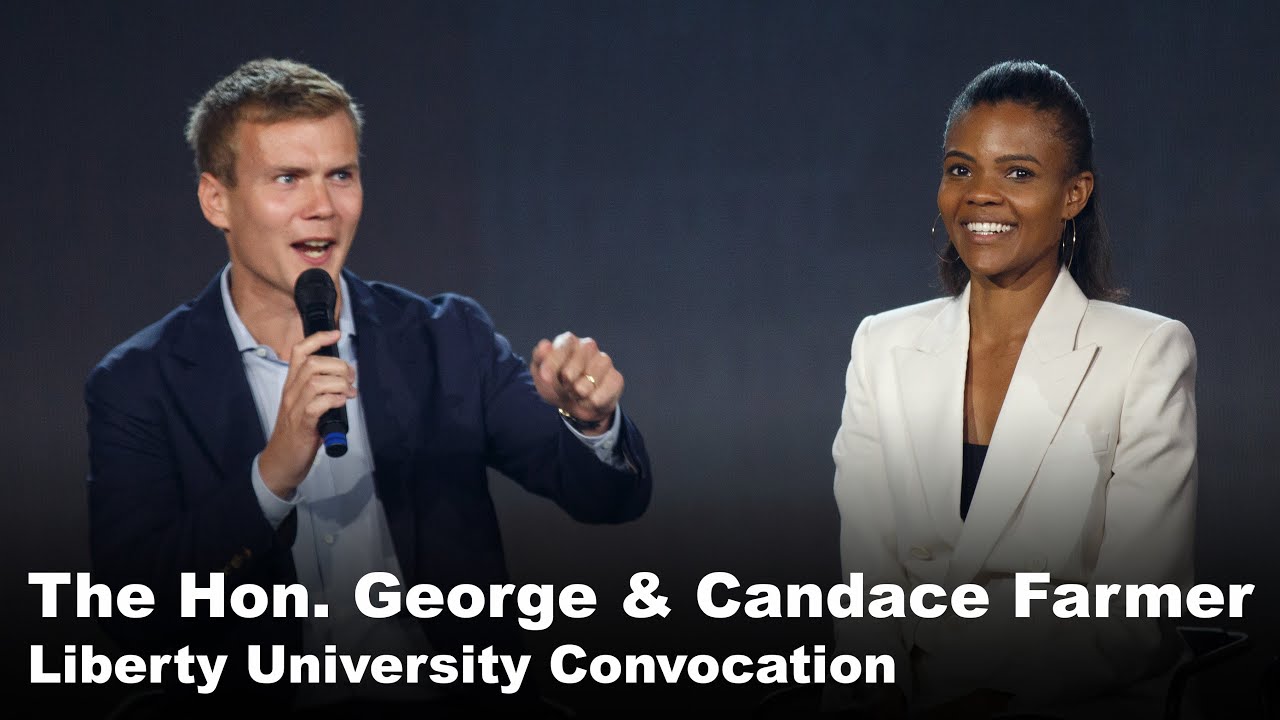
George Farmer and Candace Owens Share Marriage Story, Brexit Insights, and Faith at Liberty University Convocation
1:00:54

Candace Owens and Ana Kasparian Unite Against Elite Control, War Propaganda, and Zionist Intimidation Tactics
1:25:29
Candace Owens Discusses Outrage Culture, Trump, Black America, and Her Political Awakening on Joe Rogan
Candace Owens sits down with Joe Rogan for an unfiltered conversation about outrage culture, her transformation from liberal to conservative, and why she believes authenticity matters more than political correctness. From discussing her high school hate crime experience that shaped her worldview, to explaining why she stopped drinking and became hyperaware of social media's bizarre nature, Owens doesn't hold back. She criticizes celebrities like Chelsea Handler and Kathy Griffin, defends Kim Kardashian's prison reform work against Ben Shapiro's critique, and explains why she thinks Jay-Z and Beyonce betrayed Black America. Owens also opens up about meeting President Trump, why she finds him genuinely likable despite controversial tweets, and how culture, not politics, holds the key to waking up Black communities from what she calls decades of leftist brainwashing.
The Strangeness of Social Media and Sobriety
Candace Owens opened her conversation with Joe Rogan by acknowledging the constant controversy that seems to follow her everywhere. At just 29 years old, she's become one of the most polarizing voices in conservative media, yet she remains acutely aware of how strange her digital life has become. Unlike influencers who find Instagram stories completely natural, Owens admits she's painfully conscious of talking into her phone, which she believes actually makes her more grounded in an increasingly fake world.
The conversation turned to sobriety when Owens revealed she doesn't drink alcohol or take any pills. After living 26 years with what she describes as a mind that wasn't her own—believing liberal ideology was the only acceptable worldview—she became hypervigilant about what influences her thinking. She calculated that between starting drinking at 14 and continuing through college, she'd essentially been intoxicated for three cumulative years of her life. That realization prompted her to stop entirely.
Owens explained that once she started questioning the political narratives she'd accepted her whole life, she began questioning everything else, including society's relationship with alcohol. She finds it suspicious that drinking is presented as the solution to every emotion—celebration, sadness, embarrassment, or boredom. Reading an article suggesting that alcohol allows evil spirits to enter the body was enough to seal her decision, though she laughed at how extreme that sounds.
The High School Incident That Shaped Her Worldview
One of the most formative experiences in Owens's life occurred during high school in Stamford, Connecticut. She received voicemails from four male voices threatening to tar and feather her family, put a bullet in the back of her head like they did to Martin Luther King, and using racial slurs repeatedly. These weren't strangers—one was actually a friend she'd been arguing with because he felt jealous of the time she spent with her boyfriend.
What started as a drunken prank call escalated into a media firestorm when her teacher insisted she report it to the principal, who then involved law enforcement. The situation became exponentially more complicated when it was revealed that one of the boys in the car was the son of Connecticut's sitting governor. Rather than immediately taking responsibility, the investigation dragged on for six weeks while the FBI determined whether Owens had somehow fabricated the calls.
The experience taught Owens about outrage culture long before that term became commonplace. The entire state of Connecticut became consumed with the story. Letters to the editor accused her of lying and seeking attention. The NAACP protested outside her school. Meanwhile, Owens never wanted any of it—the situation had been taken completely out of her hands by adults who failed to simply let kids be kids who made a terrible mistake.
She developed anorexia in the aftermath, struggling for five years with an eating disorder rooted in her need to control something in a life that had spiraled beyond her control. The boys involved were publicly labeled racists, and their lives were derailed by arrests, DUIs, and drug problems. Owens believes all of this could have been avoided with a simple apology, and she refuses to label 14-year-olds as racists for saying racist things while drunk. This experience instilled in her a deep skepticism of victim culture and the rush to label people rather than understand them.
On Trump, Authenticity, and Why Obama Felt Fake
Owens didn't hold back in expressing why she finds President Trump genuinely likable despite his controversial tweets and public persona. She's met him multiple times and describes him as remarkably self-aware, comfortable making jokes about himself, and possessing a natural charisma that's hard to resist in person. She argues that media outlets deliberately misrepresent his words, taking clips out of context to make him appear worse than he is.
When Rogan brought up Trump's Memorial Day tweet that seemed to suggest dead soldiers would be happy about low black unemployment, Owens laughed, acknowledging Trump's tweets are often ridiculous but maintaining that his authentic, unfiltered communication style is precisely why people connect with him. She believes Trump represents an ideological revolution—a cultural war where authenticity is defeating the carefully managed fakeness that characterized previous administrations.
In contrast, Owens found Barack Obama's perfection deeply inauthentic. She recounted having dinner with Cubans who told her Obama's speaking style reminded them of Fidel Castro—the perfect tone, perfect hand gestures, perfect inflection, all saying exactly what people wanted to hear. While Owens cried when Obama won in 2008, celebrating a black president, she grew increasingly disillusioned as she watched what she now views as performative leadership that accomplished little for Black America.
She referenced a theory that revolutions occur when the gap between someone's public and private persona grows too wide. American society had become so fake—so consumed with political correctness and manufactured outrage—that Trump's raw, unpolished authenticity triggered a natural correction. Whether people love or hate him, they can't deny he's genuinely himself.
Kim Kardashian, Ben Shapiro, and Prison Reform
One recent point of contention between Owens and Ben Shapiro involved Kim Kardashian's visit to the White House to advocate for Alice Marie Johnson's clemency. Shapiro tweeted that society shouldn't worship celebrities or allow them to shape policy. Owens pushed back, arguing that Kardashian wasn't shaping policy—she was working on a specific case she'd been passionate about for years, funding legal teams and genuinely committed to prison reform.
Owens, who is deeply passionate about prison reform due to seeing her uncles incarcerated, found Shapiro's critique unnecessarily dismissive. She pointed out that every person who meets the president gets a photograph—there's a full-time White House photographer, and it's standard protocol. The meeting didn't constitute worship; it was Kardashian using her platform and resources to help someone who deserved a second chance.
While Owens generally likes and respects Shapiro, she finds him to be a "hall monitor" type—someone who can't help himself from making snarky, unnecessary comments about things that don't align perfectly with his worldview. She values being open to learning, having conversations where she might be wrong, and recognizing that different cultures and communities approach politics differently than by-the-book conservative orthodoxy might prescribe.
Kanye West and Why Culture Matters More Than Politics
Owens was frustrated when Shapiro quickly dismissed Kanye West's public support of Trump, writing him off as crazy. She wrote Shapiro an email explaining that while Kanye's approach might not make sense to someone who's always been conservative and politically engaged, it was monumentally important for Black America to see someone like Kanye break from leftist orthodoxy.
She explained that for people raised in the projects without fathers—communities devastated by the welfare system where single motherhood jumped from 25 percent in 1965 to 74 percent today—culture serves as a surrogate parent. Kids in these communities turn to Jay-Z, Beyoncé, Kanye, and hip-hop to tell them what's right and wrong. The left has maintained a stranglehold on Black America precisely because they control culture.
Kanye's simple tweet expressing love for Trump and his MAGA hat opened up dialogue in ways traditional conservative messaging never could. When Owens first met Charlie Kirk, founder of Turning Point USA when he was just 18, she outlined three verticals that keep Black America trapped in Democratic dependency: the breakdown of the family, the control of culture, and the indoctrination of education.
Owens grew up idolizing Jay-Z, treating his albums like going to church. His words meant everything to her during difficult times in her youth. That's why she now considers him a traitor. Jay-Z built his career on the backs of Black America, presenting himself as someone who came from the streets of Queens, dealt drugs, and made it out. Then he stood on stage and endorsed Hillary Clinton—the wife of the president who locked up more black men than any in American history through the 1994 crime bill.
Jay-Z, Beyoncé, and the Globalist Elite
Owens doesn't believe Jay-Z supported Hillary Clinton because he genuinely thought Trump was racist. She's convinced Jay-Z is far too intelligent for that. Instead, she argues he wanted a piece of the globalist pie, to remain in the elite clique that had access to the Obama White House, wore the right ties, and took the right photo ops. He and Beyoncé were interested in controlling the world, not helping Black communities.
When Rogan suggested maybe Jay-Z thought Trump represented racist white people, Owens immediately shut that down. She believes Jay-Z, Beyoncé, and the Obama administration worked behind closed doors to ensure Hillary Clinton would be the next president. Hillary was selected, not elected—first by the DNC, then through coordination with Obama's team. Celebrities who wanted to remain in that powerful circle had to fall in line.
Owens contrasts this with what Kim Kardashian is doing. Kardashian doesn't even agree with Trump on many issues and has criticized him publicly, but she's genuinely committed to prison reform. She was working on the Alice Marie Johnson case before Trump took office and continues working on multiple cases. That, to Owens, is how celebrities should engage—focusing on specific issues they care about rather than grandstanding at award shows or delivering sanctimonious speeches about how wrong everyone else's opinions are.
Award Shows, Marlon Brando, and Virtue Signaling
The conversation shifted to celebrity culture and award shows, which both Owens and Rogan find unbearable. Owens traced the origin of political speeches at award shows back to Marlon Brando, who sent a Native American woman named Sacheen Littlefeather to accept his Academy Award for The Godfather and speak about the treatment of Native Americans and the situation at Wounded Knee.
Since then, award shows have become competitions for who can deliver the most dramatic political statement. Owens finds the virtue signaling insufferable—celebrities getting on stage to lecture Americans about morality and politics rather than simply thanking people and moving on. She differentiates between celebrities who actually do good work, like Ashton Kutcher fighting sex trafficking or Kim Kardashian working on prison reform, versus those who just want to grandstand about how enlightened they are.
The Hypocrisy of Outrage Culture
Throughout the conversation, Owens repeatedly returned to the theme of selective outrage. She pointed out that Samantha Bee called Ivanka Trump the c-word and faced minimal consequences, while Roseanne Barr's career was destroyed for a racist tweet about Valerie Jarrett—even though Barr claims she didn't know Jarrett was black and was on Ambien at the time.
Owens shared that her mother once took Ambien and woke up to discover she'd gotten up in the night and painted the white bathroom carpet with red lipstick and nail polish like a toddler, with zero memory of doing it. Ambien creates a sleepwalking state where people cook full meals, have conversations, and do bizarre things with complete amnesia afterward. Yet no one wanted to give Roseanne any benefit of the doubt.
Meanwhile, the actress from Smallville admitted that branding sex slaves was her idea—literally burning logos into human beings—and that show remained on the air while Roseanne was pulled from Hulu. Ben Carson, a brilliant neurosurgeon, was called a "porch monkey" by someone with a significant platform, and there was barely any backlash. The rules, Owens argues, only apply if you have any association with conservative thought.
Jake Tapper, Chelsea Handler, and the Question No One Wanted to Ask
Owens recounted tweeting a question while at lunch with a friend: do you think there's a connection between women who don't have children and their increasingly erratic behavior? She was observing a pattern with Chelsea Handler, Kathy Griffin, and to a lesser extent Sarah Silverman—women who seemed to have "gone bonkers" and were trying to mother and parent all of society instead.
Her friend made a joke that "if you don't use your eggs, they scramble." Owens found it hilarious and tweeted the question—not even the joke itself. The reaction was explosive. Ellen DeGeneres's show producers went after her. Jake Tapper jumped in, somehow connecting her question to Trump and Turning Point USA, making a bizarre logical leap that had nothing to do with the original tweet.
Everyone demanded she delete the tweet. Chelsea Handler, Kathy Griffin, and others lost their minds. Owens's response was that the intensity of their outrage proved she'd hit a nerve. If there was nothing to the question, they would have laughed it off. Instead, their reaction suggested maybe there was something worth examining about women without children seeking purpose through hyperactivist politics and constant rage against Trump and his supporters.
The Revolution Will Not Be Televised—It'll Be Tweeted
Owens believes America is experiencing a genuine revolution, just not the kind with guns and street battles. It's an ideological and cultural revolution, and while it seems sudden to many people—going from Obama to Trump felt like whiplash—the conditions were building for years. Society had become so fake, so constrained by political correctness, so focused on being offended by everything from hairstyles to hoop earrings, that an authentic disruption was inevitable.
She laughs at the absurdity of outrage over cultural appropriation—people researching the origins of Bantu knots and cornrows to determine who's allowed to wear certain hairstyles. She's never once in her life looked at someone's hair and felt emotionally upset, yet there are people who claim braids on a white woman constitute theft requiring tribute to Africa or Jamaica. To Owens, this represents the peak of fakeness, where private feelings don't match public outrage, and people are performatively upset because they've been told they should be.
Trump's election, Kanye's red pill moment, and the growing number of people rejecting leftist orthodoxy all represent natural corrections to an unsustainable cultural moment. The revolution is happening in real time, and Owens is committed to being part of waking up Black America to the reality that the Democratic Party has not served their interests, that culture has been weaponized to control their votes, and that authenticity and independent thought are more valuable than tribal political loyalty.
Video Transcript
four three two one boom and we're live Candice Owens how you doing I'm good how are you I'm very good thank you thank you for asking a lot of controversy these days Candice I guess but in the Twitterverse in the world just everybody's excited about being outraged yeah exactly that's exactly right there's controversy every five seconds you know I had a guy on before the guy that you just met dr. Robert Schoch he's a geologist from Boston University and he is a part of this backdating of the ancient history of Egypt and they're talking about you know all these different structures there might be thousands and thousands of years older than people think they are and one of the things that he's working on is that there was coronal mass ejections from the Sun somewhere around 10,000 years ago that basically killed off a giant percentage of the population on the planet lightning storms millions of times greater than anything we've ever experienced before that literally which like lightning coming down like rain barbecuing the ground killing people people forced in decay civilization resets it's almost like we need something like that don't really be upset about now instead of being upset about Roseanne or Samantha bee or Samantha bee use the c-word today that naughty guys it's just outraged culture yeah I say everyone should just wait like 48 hours if everybody hates you and then they'll be on to the next person that they have to eat yeah well that's one of the cool things about the Internet is the cycle boy it hits you hard but then it goes back pretty quick really fast yeah it's never that serious it's not like the old days when someone got in trouble with something boy that trouble stuck I don't know that time I'd I genuinely don't know that time how old you 29 it just turned 29 yeah so you're very very young in the shit-stirring culture yeah yeah this is all new stuff to you it's new yeah and I think the thing that sucks for me is that I'm really conscious of it like I wish I thought all of this was normal it would be easier but like even when I do things like just before this I was like oh let me do an Instagram story that I'm about to go on Joe Rogan I'm like hey guys like we own Joe Rogan and I'm like how weird I'm like holding my phone in the middle yeah talking to this device we sure we're of it that kind of sucks that I'm aware of it like it would be so much more natural if I wasn't aware of it you know girls that just hey guys and they all day and it feels normal so being conscious of it is kind of not that fun that's probably the best way to approach it does it be conscious of how goofy it is because if you're just swept away in the zeitgeist I don't know I think it's ignorance is really bliss you think yeah I think there are people that think it's the most normal thing in the world to just put your entire life on social media and I actually don't think it's the most normal thing in the world but my entire life is on social media well I've just met you but you seem like a very bright woman and that's probably part of the problem is you're not stupid if you're stupid you'd be like putting everything on Instagram and you'd be do you do the selfie face this is my favorite this thing I do I'm really bad at selfies my cousin always has to take them if we're in the same picture but I'm getting good at my like Instagram angle and like the things that I say like I'll do you guys like this I shadow like it's like it's it's that ridiculous my friend Cameron Haynes loves you he saw you on Fox News he's like who's this girl she's making so much sense he's like super hardcore conservative yeah so he likes when anyone is like young and conservative he like loves ben shapiro he loves all that [ __ ] yes got excited about you yeah people have been really excited I think it's just because I I'm I'm really unapologetically myself and today that's like it's like seeing an alien well it's hard to pull off right because people get mad at you people trying to that's this one thing that is absolutely happening whether people like it or not or believe it or not is that people are trying to silence other people's opinions if you say something that doesn't jive with them instead of saying wow this lady's kind of out there are she saying some [ __ ] that I'm not sure I agree with instead of that like fire you know what boycott boycott insane the outrage culture is insane it's like she really wants someone to lose their job she didn't like a tweet like how how weird are some of these situations I'm like you really this person not to be able to feed their family because you don't like a tweet people are crazy yes they find targets want to go after him there was a bunch of people that were writing boycott Joe Rogan because I was talking about having roseanne barr on the show tomorrow it's insane I know it's it's it's like she doesn't have a right to speak she can't even talk she can't even talk even though I'm sure you don't agree I don't agree with what she said right but the idea that she can't like have a conversation after that to me is like the most bizarre thing in the entire world but that is what outrage culture is yeah it's like they need you off the island he doesn't even agree with what she said right I know she apologizes nobody cares she's she's taken all kinds of antidepressants she's drinking she's [ __ ] out of her head like my mom took ambien she just told me about this today I forgot I forgot about the story because I was telling her the story about another friend of mine on the podcast yesterday I talked about how a friend of mine got on ambien made a full meal cooked it ate it went to sleep got up in the morning and had zero recollection I was in total denial of it happens that's what my mom told me that she went to bed got up in the morning and she had gone up and put red lipstick and and a nail polish all over the white bathroom carpet she's painted on it like a child no ambi had zero recollection of it she's like this is scary shitless painted like a little kid would like a two-year-old would get ahold of your lipstick and start drawing on the wall she did that on the shag carpet ambien is just like sleepwalk like it instantly brings you into sleepwalk and you can do anything when you're on ambien I had a bunch of college friends used to do ambien and like bizarre stories would just come out I'm like very anti pill they don't take anything nothing nothing at all drink I don't drink I mean I wasn't always I just I kind of got I guess you could say it's like a little bit of paranoia but once I started down this like journey of realizing that like hold oh my god I lived for 26 years in my mind wasn't my own like I thought like being a liberal was okay and like everything that was said on TV it was okay then it's like very easy to sort of get a little paranoid and go okay well what else did I do I accept normally that is actually retrospective like a little weird and I started thinking about drinking and I'm like how can drink possibly be the cure to everything like it's like you're getting married drink happy you're sad drink right want to embarrass have some you know drink North might've shell drink like no matter what emotion you have there's like a liquor designed for it so I was like this is a little shady like I don't know I just feel like and I did like a little bit of math and I calculated that since I had charged drinking when I was like 14 years old and I would I would say like fair like I drink every weekend probably more in college maybe five days a week in college right then I was like wow I've technically drank for like three years of my life and that feels weird so I'm just not gonna drink any so you put in your time yeah take a little break yeah take a little break a little break yeah and which is weird because now I go places and oh my god I don't drink and everyone gets really uncomfortable and they're like oh okay I'll have a glass of water I'm like I'm an alcoholic you can have a beer and no but that's a weird way right like if other people are drinking you don't like yeah yeah they don't they don't trust you it's like it's like I just think I can't trust this yeah I'm like waters go whoever did weird [ __ ] it's like it's okay we're all hammered right but if one person so you don't memorize it right and [ __ ] down yeah and I'm at the age where all my friends are getting married and like the first thing they say when I say I don't drink it's like you're not gonna drink it my wedding I'm like whoa yeah is that okay like can I still come and like if they feel like you're ruining their wedding right because you're not gonna drink it's like a very strange thing the culture of drinking as a non drinker you really realize how bizarre it is socially I stopped drinking last November so it hasn't been like super long but long enough for people to really have some weird feelings about it and just some I'm just sober man I don't know it's not a bad thing yeah I took a month off I took a we did sober October no hot no booze and then we had to do 15 yeah 15 hot yoga classes 90-minute hot yoga classes in a month was this a bet between me and my four friends was it was a stupid bet cuz it wasn't even any stakes right like if one of us didn't do it we had to throw a party but we all did it so it was like pointless but we learned a lot learn a lot about just you learn a lot about that even if you don't think you use alcohol or pot as an escape you do you lean on it a little bit yeah and I always talk about like people are like what are the differences you've noticed and there have been so many differences but I think like the number one thing is just like the amount of confidence that I have like I have this theory now of that alcohol like gives you anxiety like I used to be stressed out like I realize that I was self diagnosing myself like I'm on a morning person I was probably just like perpetually hungover and never like now I have so much energy so I'm like wow I wonder how many things I've been like sighs like self-diagnosed thing I'm like oh yeah my skin just got bad once I turned 26 like skin immediately clears up so I'm like wow maybe I I just had like so much alcohol in my system that I like developed random things like it just got really wrong she says I mean it's definitely not good for it's certainly not good for you five six nights a week no and the best way to like stop drinking is to like read an article that freaks you out about like what drinking does like this is what I do is it's like how I train myself to do things I look read some really extreme thing on the internet and then be like okay no like like this guy had this theory that like alcohol and people call alcoholic spirits or whatever that like when you drink like it allows like evil spirits to come into your body like it's like I think the most bizarre thing and I was just like yeah I can't drink anymore gotta keep real spirits and that's what you used yeah yeah just like read weird articles and then I'm like am I gonna drink anymore I'm done I'm over it and then I realized like who else doesn't drink like the most like successful like Donald Trump has never drink alcohol which is just fascinating cuz I'm like I don't use a drink he's got so much energy right like he's just like going at it and I'm like maybe that's that's the secret charlie Kirk doesn't drink he's like 24 years old and taking over the world so I don't know I'm who else Don Trump jr. doesn't drink doesn't doesn't I mean he did like I used to drink I don't mean to but he doesn't drink yeah I don't know so I guess the people that I'm around now don't drink so it makes it easier but they're just like highly productive individuals and I'm now like highly productive Kim Kardashian doesn't drink and whether you like drink too good to be highly productive but it's also good to have fun and I don't think there's anything wrong with a little no I think there's nothing wrong with it people can drink around me all the time I don't care Oh actually I will say like when people get like completely sloshed it's a weird thing to observe when you're sober it's very it's it's a strange place it's like being on another planet we're like everyone's acting like a toddler it's like watching a preschool class yeah like I'm going to bathroom like you know I'm like why are you screaming close to my face they want to talk to you explain and they want to get really close like drinking makes you a really close talker there's something where you need to feel like the heat emanating off of someone's daughter's that space yeah just like you know people grab people and do weird [ __ ] to me it's a weird thing to watch sober there's a certain number of drinks where it's fun and then there's certain number of drinks who are like wow human beings are weird you know I think you're gonna go back I mean look I'm sure I'm not gonna like never drink again but like I'm not even I don't even think about it like it's just like this is the new Candice I'm sure like when I get married right like I'm not gonna not have like a glass of champagne but like right now like especially with like the stuff that I'm doing I'm like I just don't have the energy to be like tired right which is kind of a weird so how did you become this you're a very popular what I would call conservative thinker but you're very young like how did this all happen how did you become this Fox News personality conservative thinker yeah I mean I just like launched a YouTube channel and yeah YouTube where where magic happens a strange places it's the strangest strange place yeah it's the internet stream things happen on the internet but yeah I just kind of I was really passionate I understood I had studied for like it sounds strange but like I spent a year underground like studying politics once I had my red pill moment if that's what you want to explain that because you used to be a liberal right and then you became a conservative that's correct so what was it so the story like really starts with like high school I guess like they're you know how things can happen you in life they don't make sense when they happen you know like why god me and then let you get a little older and you're like this makes perfect sense right so I was the quote victim of a hate crime when I was in high school when you said quote unquote victim you know I hate the word victim and it's I'm like and again early I can see why early on I've sort of developed this mentality that like being a there's no value in being a victim and people rush to call people a victim they rush to call somebody to aggressor so how do you describe it that you experienced it experienced something that was labeled a hate crime I wouldn't even call it hate crime I think we live in a label obsessed culture and before we seek to understand what happened we seek to like put in a box yeah like someone has to be a demon someone has to be anymore so what happened was I received some voicemail messages from about four kids and that like you know the language was it was pretty strong it was like we're in a tar and feather your family we're gonna put a bolo the back your head we did to Martin Luther King like you know n-word n-word n-word and you received these on your phone my cell phone yeah how'd they get your phone number exact ranked phone call so I didn't know I was like four male voices and I was like in high school at the time and I was like okay I cannot think of for a human being is that want me dead that would say they've grown up put a bullet in the back of your head like we did to Martin Luther King and Rosa Parks like me come on school where we would part of the country Stanford High School in Connecticut okay that's a [ __ ] yeah no I think it's on a [ __ ] it's a running joke I'm sorry my buddy Tommy jr. he lives in Connecticut and I'm always telling dude you gotta move out of Connecticut and it became this terrible running joke where I talk about the Connecticut's the worst have you actually been has to work there all the time where what's it well I used to work in all over Connecticut when I was doing stand-up I would drive from Boston into Connecticut I did like a lot of gigs in Hartford I did Hartford is a [ __ ] it's a [ __ ] Bridgeport is a [ __ ] shout out tomorrow and Starling jr. though yeah he was a boxer that came out of Hartford yeah a big time boxer Marlon Marlon Starling but when you were in high school right somebody started doing this prank call and [ __ ] on you and was this it was all in one night it was all money I was like four voice just tied to like a boyfriend it's always just a boyfriend's house when I got the calls and I just like put to silence it was like block number so I was like I didn't think anything of it and I'm like when I listen to it like it was like some pretty horrific stuff like I definitely cried you know I was 17 years old and then the next day at school I took this like philosophy class and like I don't know what the topic was I don't know what prompted me to raise my hand and like introduce what happened last night as like you know a segue maybe I just need to get off my chest but like the teacher like spazzed out and was like get up we're going to the principal's office like you know you have to report this he brings me into the office the principal like freaked out like she just like the language was like you know if it was shocking you know and then she called like the resource officer and then like the next period my life was like a blackout because it turned out that three of the kids I had never even met like they this was like maybe some kids that had their first beer one of the kids I was like friends with but we were arguing because he was upset that I was like spending so much time with my boyfriend but he's gay like he what it wasn't like he just was like jealous like you know like just like are you saying out from everyday so I hang out my boyfriend is a stupid thing ya know I he's a 100 percent okay from what I'm told but yeah so I just got petty yeah jealous and then was like yo right three friends and they were all gonna get drunk and call these call this black girl and you know it's easy to say awful things into like this life you don't have to look at a human being like it's easy to say awful things but unfortunately for me one of the people in the car happened to be the current governor of Connecticut son oh so this turned from like some kids prank called to like said some awful things to like front page of the newspaper throughout the entire state of Connecticut a little bit in New York and double-a-c-p outside of my school I have to it was like this situation that was talking about outrage culture my first like introduction to outrage culture and the things that sort of formed my thoughts like this was a very formative experience in my life which to me was it was nominal but it was like my life wasn't mine like I went from like sitting down watching I was watching Talladega Nights with my boyfriend to being the most discussed person in the state of Connecticut and what was interesting about it was just that because it was the governor of Connecticut son that was in this car they had to get the FBI involved to determine the authenticity of the look like maybe she called herself alright they he instead of just saying like yes it was my son he actually left the FBI investigate for six weeks and waited for her son to get arrested six weeks let you know what I mean like did his son deny it yeah I just want to see if I could get away with it if this is politics you know what I mean like can we get away with it is it possible for us to get away with it you know so six weeks of the entire state I didn't like left school people were like fighting on my behalf fighting left school yeah yeah it was it was just like yeah yeah this was just like it was like a Montross a-- t of a situation and it was one of those things where like literally like letters to the editor it'd be like moms like talk about you know outraged culture right like I don't believe Candice this happened this girl I believe she called herself like II like I'm just looking for attention one night and I just decided to say I was gonna hang my family from a tree isn't it funny that someone would even have an opinion on that it's it's bizarre I do not believe writes letters to the editor like the whole thing is weird retrospectively right like I don't believe her but that is what like life is about right exactly so it was the situation that like was just completely out of my control and then as quick as it happens got arrested and then as quickly that happened it was over for like everyone but not for me or these kids right like so I never one of these kids to get arrested like if no one like it this whole situation was taken out of my hands people thought I didn't go to the police like my teacher went to the police it turned into the zoo these kids were labeled publicly racists right the youngest kid in the car was 14 I'm not coming with ever labeling a 14 year old racist right or any of these kids racist these are kids and in my opinion adults that fail to act like adults and adults that fail to take a step back and say okay why would what would prompt these kids do this why is it so easy to be mean right why is it so easy nowadays for children to be mean and no one to me like when I really thought about that I went through like five years of like anorexia because of the situation because of that one yeah those yeah and yeah you went through anorexia yeah which is so weird now because like people that know me now look there's no way you never didn't eat but I did I did like did not eat for like five years I had issues with anorexia because I mean I don't see has a disease that genuinely is about control it's about a certain control of your life and I felt that I had my like my life was fine and then like people took the narrative I could decide what the term or the narrative was you're an you're your victim or maybe you're a liar you know you're these kids are racist these kids are this and just nobody really thought that like you actually ruined all of our lives right like for a little bit like these kids went on to have like duis and get arrested and got into drugs and it was because it was now pressure of everything that happened and I was like would have been totally cool with an apology like like sorry well good for you for looking at it that way and that's hard to do because everybody loves when they are allowed to get outraged everybody loves get outraged obviously what they did to you was horrible but I think a lot of kids especially if they're drinking they don't even understand how stupid and gross it is what they're doing they just know they can do it and they get a thrill out of it and then there's that mob mentality when there's like a bunch of people together doing the same thing exactly but up it starts saying crazy [ __ ] really understandable when you just like think about it as a human being and not as somebody who has to have opinion like you're like hey we're gonna call this black girl right you've got a bunch of kids we're gonna just say mean things to her on the phone and you don't have to look her in the face right it's like if I hold up this pen and I'm like just say mean stuff like someone's gonna get you could say anything to this pen so it's it's sort of it was a formative experience that in retrospect I understand has so much to do with why I am Who I am because I I hated that like that label obsessed culture and the outrage machine and then like okay we're done but like you know forget the people that whose lives we just like now do you know those people anymore I don't I know like the siblings of them because I was friends like that's a thing like one of the people that was involved I was very good friends with his brother and it's like you're just gonna tell me this kids like a racist like I actually knew the kid's mother you know like nobody cared it was the story weren't necessarily racist but they were just stupid and you mean shitty kids and they do that that was a way that they could scare you right you know like drunk maybe it was their first beer right but people could you hey well the youngest was 14 the youngest and this person was labeled a racist like that's to me is like that's harsh people say Oh forgive me I do not label them a racist because what they said was most certainly racist yes the words are racist right can somebody I guess the question is can somebody say something say a word that is racist and not be a racist human being yes I think no I'm gonna tell you why yes okay okay if somebody stand up I was watching I actually don't remember who it was like maybe it was louis c.k I don't know but he was saying how he like instantly turns into a racist like if somebody cuts him off and it's a good Chinese person like he's like instantly the first thing he says like something to do with him being Chinese right and there's a little bit of that in all of us like I was walking through New York City the other day and like a huge bus like just happened to like stop in front of me and like literally 45 Asians got off and suddenly I was just like I couldn't like walking around like oh I was like why do we Asians always travel in packs right like the most bizarre thing like I don't have an issue with them taking a bus and traveling and then afterwards I giggled I was like what's stupid being a stupid thoughts even had to have because I'm frustrated in a moment that I can't like get my bearings in New York City so yes I think that people in a moment of a frustration of anger if you add alcohol if you add ambien right and are coming from a place of upset they can just do something that's stupid without holding this like whole word for the rest of their what you're 14 your racism forever you're a race that's like yeah well especially today today nobody wants anybody to recover from anything that's right they want to know that you're you're dead yeah it's over your career is done your life is over the wrong thing I mean obviously there's some reasons for some people to be PI like Harvey Weinstein's perfect example that guy should be in jail of course for sure this is rapists yeah this is rape at least alleged rapists for sure he's done a lot of horrible correct but then there's people that like like what did Samantha bee say today oh yeah yeah exactly yeah what happens there thinks she gets in trouble I bet she doesn't she's not gonna get I bet she doesn't kiss is left-wing space to say sorry I'm mostly should the job at ESPN if they don't care there are [ __ ] so many tweets that he put out that are crazy called Trump a Nazi and [ __ ] you and think about like what people say about like ben Carson and black conservatives we ben Carson was literally called a porch monkey mm-hmm you know and that's totally fine he's black it doesn't matter they've like created no it was a famous person absolutely cause monkey person famous black person that's just that's like if I call guy Guinea yeah but it's but it's it's monkey is like a notic I don't care who it's coming from right like yeah but black people are allowed to say okay it's not okay none of it's okay the Uncle Tom's the we don't we stuff that we have laws or rules yeah culturally and I don't like those laws and rules here you yeah I agree it's definitely hypocritical like someone was saying that there's a tweet that i retweeted today that smallville girl that smallville show is still on the air and that girl is apparently she's admitted to sex trafficking in that some of it was her idea Smallville still on the air and they're pulling Roseanne from Hulu right Roseanne swear she did not know that lady was black right she swears she I mean she doesn't doesn't look very good if you don't aliceandmac says branding the sex slaves was her idea branding them that means like burning a logo into their bodies all right what is wrong with that I don't know enough about that story right but that [ __ ] must be off the chart she's crazy yeah but it's it's only accepted like if you have any ties whatsoever to conservative thought if you have even like liked a tweet that [ __ ] out about it forget about it well I'm not even conservative but I have conservative people [ __ ] and people call me all right and all this crazy [ __ ] they're just looking to silence and label right they're obsessed with me and I hate that the idea that you can't say something like they were literally I mean everyone piled in every celebrity on the Sun piled in and when I tweeted a couple of weeks ago and I was having a conversation I don't know if you saw this I was like I was having a conversation at lunch I just been observing Chelsea Handler I just think she's a weird person like I don't know what happened because I used to really like her like you know ten years ago that's when you were liberal yeah language well when she was I had her show like she was not politically correct I mean I don't know if anybody remembers the show Chelsea Lately yeah but she was making fun of everybody and now with the era of Trump she's like something's weird well she's getting older and I think she wants to be an activist now and I think she's looking for more meaning and importance because she doesn't have a family or children and I see that like I'm talking to like a friend at lunch I was and we were talking about like why some of these like older woman I have just gone bonkers and you know my friend made a comment she's like if you don't like use your eggs they scramble like just saying like these people that my friend said but I didn't even tweet that I didn't tweet that your friend should put that [ __ ] on t-shirt it's really funny if you don't use your eggs they scramble so I was like cracking up I know it's a but there's something there right it's it's there's something there it's not politically correct but I observe the pattern of Kathy Griffin I observe the pattern of Chelsea Handler and Sarah Silverman on the fence on his bad but in that neighborhood so I tweet out do you think there's something associated like between like woman who don't have children and they need something to nurture in foster and try to raise and in this sense it's society like they are just trying to parent the hell out of society and do you think sarah does Sarah goes back and forth she's she's more Norfolk she's like she's a kind person but there's something like once in a while sure I'm just like what like I did actually go back when I said you know what Sarah I shouldn't put you in the same category as Kathy and Chelsea but it's like this they're like obsessed with like everything trend they're completely wrong and educated about everything and yet they they think they can say whatever they want so I tweet this and I mean everyone was like you do like to believe that you like L like Ellen the Ellen show's producers like I'm Jake Tapper like delete the tweet I was like I'm not Jake Jake Tapper Toledo he said he said like this is literally so I tweet this has nothing to do with Trump anybody he's like this is the girl who like supports Trump and works for Turning Point USA which loves Trump I'm like what weirdest like logical jump to ever yeah and I just like I'm like Jake Jake stop yourself like come on so in the everyone was like to leave the two and I was just like how about what was the actual wording of the tweet I think my exact words were at lunch with a friend talking about like how bizarre Chelsea Handler Kathy Griffin and Sarah silver and so if Sarah Simon I just tweeted something like pro-ams 13 it was like the whole is really it was bizarre you know and how crazy they've gotten and then I I just said like do you think that something really happens women if they don't have you know children and that was just a question that's such a hot spot so you're going after a soft spot on don't say anything about like Sarah Huckabee Sander job should you can say anything to be Bunco you can say anything that's interesting there's anything to anybody to me right anyone that supports Trump it doesn't matter but then like these woman who literally go after these people like the amount of vitriol that Chelsea Handler has thrown to Ivanka you know to every single woman in the world Chrissy Teigen it's also like a not like she's just like angry like you know it's just like hate hate hate and then like you say one thing about them and like they like how could you even question how could you even ask the question if it's because they don't have kids and I'm like the fact that you guys so outraged makes me sort of think that you know point there yeah if you didn't have any point at all it wouldn't work that way this person she doesn't know what the [ __ ] she's talking and I tweeted that I was like there's got to be something here you guys are all losing your minds you know okay so Sarah Silverman responded Kathy Griffin was like they went nuts this was like a full-on like Kathy Griffin is so happy someone's talking about her I know yeah but she's bizarre and they've gotten bizarre and at one point these people to me were funny and something sort of just happened and like Trump is the the means they whatever they're going through in life the outlet is Trump and anybody that likes Trump mmm well people think there's a cultural war going on there most certainly is it's official but you know so they feel like they're on a side and they have to you know they're gonna lob grenades right there in the war yeah and it gives people it also gives people a sense of purpose like that engaging in these twitter fights somehow or another is like reinforcing a good behavior and shutting down the bad behavior and I don't necessarily that I even if I don't agree with someone online I very rarely tweet about them I'm not I just I feel like I try at this stage of my life to avoid conflict as much as possible unless it comes to writing jokes sometimes some people gotta get they gotta take the hit I know usually when I go after someone like I'm at a phase in my life where it's all peace like I'm definitely a person that'll just say something but usually it's just in like that's what I thought I got you know it's thoughtful like and people were like back down or you can't like you know like yeah this morning or yesterday like Ben Shapiro and I got it's like a little spat and we actually like each other but like I was getting spat about I just I'm genuinely annoyed by his behavior online like I genuinely yeah I just find him to be like like and finally I like him like that's a thing as a bizarre is like I think people think there's much more like hate between us and there is it's like not it's just like genuinely like I really sweet something like dude shut up little like petty things that he throws that trumps sometime that are so unnecessary it's like like Kim Kardashian goes to you know get Alice Marie Johnson like she's been fighting for this for years she put all of her money into a legal team to do this like and that's not the only case she's been working on like actually trying to help these people get clemency and she takes a picture and he's like he says something just very Ben Shapiro he was like we should not be worshipping [ __ ] but I don't think he's worshipping us we're taking a meeting with congratu not worshiping a celebrity that's a little extreme of an analysis for a meeting and the picture is taken like me and I visited the president there's a full-time photographer and every person that meets the president you got a picture and though in the Oval Office it's like a part of the system and yeah so I was just like dude shut up like you know like I didn't say shut up I said like well he's got a good point in a way we really shouldn't be worshipping so for the sake of celebrity and especially reality show Celebrity I mean it doesn't mean that she couldn't have a very valid point about she wasn't like he I think he said something like we shouldn't allow celebrities to shape policy yet she wouldn't go there shape policy she literally had a case that she's been trying to get pardoned the only person that can do that happens to be President Donald Trump it's actually you know what she's trying to do is actually very honorable that's what I said and I said listen like she and she's been working on it for you she's actually into this now like she's into this like prison reform and I'm passionate about it like I grew up seeing my uncle's in prison so like for me the only time that I like snapback anyone is if it's something that I care about and obviously like I really am passionate about black America I'm really passionate about the changes that could happen for black America and prison reform or something I'm really passionate about so I've been observing like how hard your krishna's been working on this how hard Ivanka hasn't working on this and have really understood what they're trying to do like you know I went to the the prison reform summit a cup-like you know a month ago and and Kim in this she doesn't even like agree with Trump on a lot of stuff she's thrown you know some sheet at him but this is something this Alice Marie Johnson case she was doing before Trump got into office know what I love about the picture her in him what she's like way the [ __ ] over here but she she cares about just the case but look how far away she is from him I will say it is awkward though cuz his desk is a lot lower than you then you realize that's actually a little closer than I like stands up straight like she's standing or like Bend like I bent when I was in there which is also kind of weird too so it's like you see people who either like this or they're like this and there's no one between we could do like 1950s movie star picture like this yeah exactly I should that's what I should have done yeah she's closer than I thought she was I felt like maybe I put it in my own head Jax was pretty goddamn good right there she's gorgeous but she doesn't look anything like she used to look but yeah whoever did that nobody does nowadays mister surgeon you did some fun she's plump yeah good looks good yeah but I guess the question is the kind of celebrity do a good act you know and sure yeah of course the answer is yes well I mean that's that's what Chelsea Handler's to do I mean that's like she's donating but she really is she donated a million dollars to Puerto Rico which is good yeah that's good that should be celebrated that's what she's trying to do with all of her money now she doesn't even give a [ __ ] about like which is your agency which is good all of that stuff like when they do stuff like that it's great and it's honorable but like the stuff that I hate that celebrities do and what I which I differentiate from and I guess this confuses people is when they just give their opinion like we you know at like at the Emmys and they're on stage just like teaching all of us about how wrong you know our opinions are it's like I don't need to celebrity grandstanding like you know you know if there's an issue you care about other than the fact that people disagree with you then sure do that if you care about like Ashton Kutcher going after sex trafficking celebrate that that's cool like Kim Kardashian going over after crime jesters perform celebrate that that's cool but when you get these celebrities that just get up there and try to deliver a tear it's like shut up literally nobody cares what you think like this well they care enough that that person's got that platform and they feel like this is their opportunity to say something significant and also like they're for sure 100% virtue signaling yeah 100% letting everybody know how moral and ethical they are even if they are I mean this is just those [ __ ] award shows are weird to share weird it's weird you should go up there and you should say thank you thanks a lot guys thank you thank you to the man upstairs Thank You Odin Thor used to do that yeah they used to say couple of names of producers come up with little piece of paper and then they should always thank the man upstairs and they used to go down now they have like like the face and the emotion you know Marlon [ __ ] Brando really yeah in between having sex with everyone Marlon Brando apparently [ __ ] Richard Pryor he who knows he [ __ ] he's [ __ ] a bunch of different people I brought you guys a must-do yeah was one Marvin am I making that up it was said it was Marvin Gaye but it's been oh it's definitely there Pryor's wife admitted it which is to me is a huge prior fans that was a spike through the heart [ __ ] anything in quotes yeah I bet he would if you [ __ ] Richard Pryor I mean what the hell yeah he's he started this so he started this because when he won the Academy Award for I want to say was Apocalypse Now he had a Native American guy go onstage and take it in this place to highlight the plight of Native Americans maybe was a different movie but it was it became his big political speech Marlon Brando was crazy yeah The Godfather thank you so he had this guy go up and and and accept the award in his place and give some speech his woman okay this event just became like a culture of like trying to one-up each other that what's going on really was him it's unbearable you know it's just like a log yeah I can't stand it it drives me insane that's a huge difference that doesn't mean that I think that celebrities can't do good in the world it's just that like that this celebrity grandstanding give me some volume on those tiny bearable you get Roger Moore looking all good I also this woman hold on go back to modern Brando The Godfather and so now this little feather my name's a little feather holy [ __ ] look at look at them they're like we can't say [ __ ] even back then nobody knew what to do like she's hot as far she's really pretty and he has asked me to tell you in a very long speech which I cannot share with you presently because of time but I will be glad to share with the press afterwards I'm like really really grateful I cannot accept this very generous award and the reasons for this being are the treatment of American Indians today by the film industry excuse me [Music] these are booing some are clapping and on television in movie reruns and also with recent happenings at Wounded Knee I beg at this time that I have not intruded upon this evening and that we will in the future our hearts and our understandings meet was wounded me pause for a second isn't that what was going on just a this isn't at the same place where a couple years ago well no that wasn't Wounded Knee what was that Standing Rock yeah yeah standing wow I did not know that like this is have you had Wow this is where it all began house have been people have just been trying to one-up each other maybe one like she like one yeah yeah she she came in around the perfect time she's like yes NBC wrote this is our president right I was like what it tweeted it it's insane it's like they're not even pretending which I appreciate now they're not pretending to be the news anymore like you know they're just like we hate Trump and we are the propaganda machine that will tell you you know it wasn't beasts like Twitter it was just the NBC Twitter it said something like it was amazing I was just like wow yeah wow and then everyone was like out it was like the opposite of outrage culture which I don't even know what it is Brian run run you have to run because like gave a speech the woman we won't use the secret and dr. oz it's just like I can't take anything seriously anymore so well there's things to be taken seriously but celebrities probably are on that list yeah spiros right yeah no well he's right about this you know but he was like trying to correlate like what Kim did like with Alice Marie Johnson looked like that and I'm like come on man that's like totally different and just in general like sometimes she just gets a little like hall monitor for me like you know like it's just like you know he can't help himself I know he's a funny guy yeah it's very snarky like him along I like him too that's the thing it's like people we actually really get along but like the hall monitor I know these types in school I was in their classes you know like they're just like you're like late to school like the last person you want to see it like the hall monitor like you know like really the idea that she would be late right yeah like bench just give me the pink slip dude scares me been alright like right like you know this is a gateway to Saturday school like it's just like it's a good impression of him saying sometimes yeah I can't do that how do you do that how do you do that I can't do that and he's doing it sober he's not like some dudes who do that they're all adderall DUP you know he's on the natch yeah I like I liked these kids in school I just be like you know I was just the kid that was just like kind of like more chill and I don't need to like and sometimes and he just goes over stupid stuff it's like but I do wonder like if he's learning anymore that's the one thing like like yeah cuz I he doesn't like to have like it's like once he has an opinion like I like to be like to have conversations and I like to be wrong about the conversation because I don't know everything I think that's kind of like why people love this podcast so much because you're open to learning anything like it'll have people on this podcast you're like what is he having you know because there's something there's always something that you can learn there's always something that you don't understand that you don't know if you have an open mind if you have an open mind right and I think that in in many ways and that like sometimes he's just not open to learning about certain things and then somebody might know something about a culture beyond what he knows and it's just like nope that like the idea like it's just Ben is really [ __ ] smart and that's the problem what's the problem exactly you know I hate it like I got so annoyed with like the the Kanye West like four seconds to the greatest article saying Kanye West is just crazy and I'm like who did this baby yeah and I wrote him an email I was just like dude like I understand that to you and the way that you've done your life this doesn't make sense right but this is actually really important for black people to see the continent it was the most important which thing was it him like you know him tweeting out I love waking some things but beyond that saying that he openly supported the president so I can see why been shot something like that down initially because to him like culture is not the way you talk about politics right like because he's by the book but he has to understand that by the book is not the way people in the hood are being raised by the book is not the way people in the projects are being raised people have had their families destroyed and decimated by the welfare system right the fathers aren't even at the homes you know the single motherhood rate jumped from 25% nineteen sixty-five to seventy four percent today and so these kids turn to culture to father them they turn to jay-z and Beyonce and hip-hop and Kanye and to tell them what's right and what's wrong so for so long because the left has had a stranglehold on culture they've had a stranglehold on black America so the most significant thing that opened up this dialogue beyond the work that I was doing was this like simple tweet and this simple show of support from Kanye West and I was so frustrated that he had to he had to like in that moment just write like dismiss him as crazy it's just like dude like just be willing to learn like you know just people willing to say like I don't understand why the hell this is the way that this is people willing to talk about politics right but maybe there's something here and I always understood that culture was the most important vertical when Charlie and I first met and we sat down I defined three voted on Charlie Charlie met him a couple times Charlie Carroll truck okay so Charlie Kirk is like this 18 year old like we started turning point USA who I work for when he was 18 and he is like a savant they call him like Trump's Boy Wonder like he's a brilliant if you mean you want to talk about like smart beyond I get the smartest person I know is Charlie cracker hands down and he's only 24 he didn't he didn't go to college just like I don't know just like he was reading weird stuff when he was seven you know I don't know I just like things that everyone's like oh yeah I just read that Tom is so he's like yes I read it when I was six you know why could you not say that could you be cool but so when Charlie and I met and I like I told him like my plan to sort of help black America and to wake them up because I understood how we had fallen victims of his brainwash it was what brainwash is that the leftist Dogma there's this idea that because we're black we have to vote Democrat anyway that is not a Democrat resis tanned against helping us that is like what so many black Americans believe I believed it I believed it you know what I mean so and I'm a pretty smart girl you know I've always been a very smart girl though I've always been you know I've excelled in academics right so how did I fall victim to it the exact same system right these three verticals the first being the family the breakdown of the family the second one being culture which then to me like growing up it was like jay-z like jay-z was God to me like I like would throw on like I was you know I went through a lot of stuff when I was a kid I didn't have a great family you know but I would throw on a jay-z album and like whatever he said was like it was like going to church you know and then and I can't seen him now but the third one oh no because he he knows exactly what he's doing and he's a traitor but the third vertical being education which was what casual aside he's a traitor yeah it's like like Beyonce because he knows what's happening to black America and he's somebody that built his entire career off the backs of black America you know of being the guy who started in the hooding in you know Queens and worked at you know was a drug-dealing worked his way up and it became the idol for some people in black America and then he stands on stage and endorses Hillary Clinton he stands on stage and tells black American to put the same people in in the White House that locked up more black men than any present history of United States Bill Clinton right the person that stands on the crime bill of 94 is Bill Clinton but because jay-z is now focused on getting a piece of the pie the globalist piece of the pie he doesn't care about black America that's that's my opinion so why I think that's what it was or do you think that maybe he thought that Donald Trump represented a lot of races why people know he doesn't want that oh not even kind of not for a single second because jay-z's very smart did you speak to him no I didn't speak to him I just I know like it's there's a certain thing where like I just I know that jay-z Beyonce betrayed the black community like that they also you think they did it purposely for financial gain yeah I think yeah I think that they they were interested in having they want to be the people that control the world and they felt that Hillary Clinton like you know they were working with Obama very closely and very clearly now we know that the Obama administration worked very hard to get Hillary Clinton to office and they wanted to stay in that group and so they supported Hillary Clinton who was selected behind closed doors forget the American people the next president United States yeah so it's elected certainly by the DNC yeah 100 percent beyond that it was in bed with Obama you know she was our Secretary of State and she she was doing deals behind closed doors and jay-z and Beyonce were part of that clique right no they were a part of the celebrated celebrities that were allowed to go to the White House and they'd wear the ties and everybody would be taking photo op but it was a cool thing to be friends with Obama right like nobody wants to go to the White House and and like celebrities it's hard to get celebrities to go with Trump there's so much controversy attached to it I think your career look a brochure display part of left and right part of what's happening with roseanne is not just that she made a racist tweet no she didn't know was really supports Trump and and she her character supports trafficked and people were looking for something to hate her over and she handed it to them you know well it's just you you know you stick your neck out in that way and you're just people on the left for sure look at anyone who's a trump supporter is an open target even if they're a reasonable person even if they're a person who's kind and and measured and and and very I've been nicest person I think I've ever met is about the Trump you know and she's like never responds never punches back and and look what they treat her well that's how Samantha bee did it but yeah other people have gone after to all the time ago after Ivanka and like she's like such a kind person but it's just because like her father is Donald Trump so it's open season and it's it's that's what that's why Jake Tapper jumps into a tweet about Chelsea Handler and tries to correlate Trump it's like they're obsessed with people that like Trump I like Trump I don't know what to say I like the guy I think Jake Tapper on the news the day of the election we did a comedy we did a podcast from The Comedy Store we call it the end of the world podcast but a bunch of people because well whoever the [ __ ] wins the end of the world we have this live podcast and I went into the the greenroom afterwards to the comedian's bar and Jake Tapper was on TV and he was so bummed out and I took a photo of him like him on the screen you just like yeah like the sadness I remember his face he was he was really sad he was sad you see you find it it's oh my god it's really so I think my sister never said the best like like he spliced together like all the clips of just like he was exceptional the news anchors and the emotion that was coming out of them he did some like crazy thing is all of them that said he'll never win I know never where and now we have that never yeah you know it's forever they laughed they laughed ever there's a moment where like Ann Coulter they said so who do you have winning and she says Donald Trump and they broke into laughter like the cool kids yeah it's the cool kids at the at the lunch table and that's really how they've been acting like they're not interested they think that they're cool kids at the lunch table and they get to define what's cool and there they're just having a rude awakening right now and it's beautiful to watch I love it everybody loves an upset too yeah people love and upset and then they also once their team gets in then they want to support their team so they [ __ ] up by making it tribal it really did because you know tribal right versus left people go we'll [ __ ] these guys [ __ ] Jake or I'm going on this side that's my team now generally it's like it's like team sports fanatics right now it doesn't even matter like there's a little sense anymore it's just like this is the team that I've pledged my life to a part about his ego like you just spent how many months calling everybody racist sexist deplorable are you really gonna go yeah you know what I was wrong they have to hold on to something right and I see that because like you know when I went to this prison reform summit Van Jones was there and and Donald Trump is speaking in it it was like love between them it was love but really this is the guy that said white lash you know right after the election and he you know but how can he go back from that it's very hard to you know pedal backward from that so half of them are fake in my opinion I find them to be fake because I've seen them behind closed door they don't feel that animosity for the president cuz it's hard to he's really likable I mean like his presence when you meet him he's very aware of himself he's aware of the jokes that are being made about him he'll make the jokes about himself yeah he's he's likable he's got these just has something about him what about like when he makes a tweet a Memorial Day saying that the dead soldiers would be really happy to know how the economy is doing and how you know black unemployment sits low as it's ever been like that [ __ ] was ridiculous I actually missed that sweetie I'm just laughing is I every time someone says it Trump's me I just like I laughs I just think it's funny well I wrote that he put the me in Memorial we're going a different direction like I predicted 2020 like he's not gonna go on seed and he's gonna like be here like it's like he just wants to talk him and its really hard it's really hard for these people to speak because what happens is they go on to a stage and the room they love him like right everyone loves him because he's really likable you can't be in a room with Trump and not laugh and like him but makes Cooper's wearing out his fingers right now I know I know but then they take away the clips and then they spice it up and they make it like he said something bad but what they're doing is it's it's a terrible game to play because you're not just lying on Trump you're lying on 50,000 people you know the thousands of people that are there hear him speak right like so they're playing a game where then those people get pissed off with me you think they're playing a game where they're they're misinterpreting the things that he said he said plenty of [ __ ] like for example when that like that that moment when he says oh if this was the old days we'd take you we take you out to the back like you know do you remember that moment when he said while he was running and somebody was you know causing a circus in the crowd and like oh he's like get him out of here and then the way they ran it right like oh like when in the old days when they used to like you know hang black people from trees look at what what I think he literally meant that you used to be able to get your yeah that's how they spin it and that is same thing like when he said to Bucky well what do you have to lose prior to that he had listed every stat where quite low do you got any but you lose here you know but then they get that clip they're like Oh Trump is insulting black America he's saying that they all live in know he's saying no statistically speaking if you look at the people that live in the projects that are in poverty it is black America so he's asking the the current that the past administrations have not been serving you what do you had to lose so it frustrates me because it's like you see that that they mix it up and they try to divide the country but at the end of the day unfortunately for them he's actually really likeable and same for Don Trump jr. like I mean they're they're really funny they're really likeable and they're aware of themselves like they're in on the joke guys like well Jamie was telling me the other day that they made some video what was the video that they made see if we can find that video was really funny where they're all mocking themselves about that what was it about Laurel and yeah yeah yeah two words I actually haven't even heard the word that everyone was I haven't either I might [ __ ] you I'm not paying attention stupid [ __ ] I will not listen to her just would literally don't but yeah they made fun of themselves yeah let's see it we'll play it Kelly and Conway was the best give it to us from the beginning young Jamie that's a different one the news put it up so I get the real one they put okay okay thanks it's it's hilarious that they have I mean this is this is actually a very clever thing to do because they but they're all like that like Ivanka like they're all aware of the joke you got ad blocker on clever bastard it's Laurel but I could deflect and divert to you Annie if you need me to do that probably chill winner reported that you here well how do you respond clearly you're getting your information from CNN because that's fake news all I hear is yawning oh man that's Laurel oh stop this what is well here's something going on today the things messing up what is messing up the this TriCaster yeah we got to do that thing we were talking about and fix that anyway it's just the idea is that these people had the sense of humor and then with the Trump at the end he's doing what is he saying yeah that's the thing is they're like like they under in on the joke and I think that people don't realize like how in on the joke they are like they're like he's aware that you say all this off about the fact that he tweets out and says all of this stuff right like like Don Trump jr. is aware like that he's a billionaire son and that's what people say oh you're a billionaire son like they're so funny and that it's sad that people don't get to see that side so I actually do hope that they all come on this show because it's people should actually see how hilarious they are and how aware of themselves they're like the most to me in my opinion the most likable relatable first family of my lifetime like you know I can't speak to anyone there so you didn't think that Obama and Michelle were likable or relatable not know oh my god you don't think he's likable guy just you know what's funny I was at a dinner last night with people that came over from Cuba and this woman said that when she first heard Obama speak and she was she was you know way older she broke down crying because it reminded her the first time she read Fidel Castro which is a bizarre thing to say right guy was just like what I don't know anything I've never been to Cuba and they got scared that America was going to turn into a communist country it was with a bunch of Cubans yeah crazy right like they literally came out of their mouths but my PTSD but what they know but what they say could be it could be but what they were saying was like the veneer of it all like like you know that it was like exactly what you wanted to hear Obama said and the perfect and the perfect tone with the perfect hand mannerism with you know what the I don't know the perfect inflection in his voice and there's something about that to me like especially the person that I am that just was super inauthentic and I'm not saying by the way Obama won in 2008 I cried like the let's let's let's let me not be fake here like I was like like he's black I'm black everything's gonna be great you know but you know as things went on and I was watching him it just everything seems so fake and he wasn't really doing anything so I just don't respond to that sort of a personality I like that authentic and I think that's why Trump coming in behind him was so relatable as a president like there's this theory and it's a good one by tamerica Ron that why do you like revolution to take place unexpectedly you could argue that right now America is having a revolution it's we're not out there shooting each other but there's an ideological revolution a cultural war if you want to call it that's taking place and too many people this seems unexpected right we Abama was in office and then like whoa what Donald Trump you know and the theory is that when you're when the public and the private of an individual our personas get too far apart a natural revolution takes place and society really has just been so fake I mean like everything offends you everywhere you go people get offended up people's hair like literally Kardashian's will put their hair in braids and the whole internet will explode saying that they need to pay tribute to Africa like it's a crazy I'm like I have never in my life looked at someone's hair and felt emotionally I'm just like whatever you're doing your hair is fine with me like if you took the time to do it it's fine with me but the idea is that as a culture we've become so fake I think that's fake I think this is people just looking and getting angry at things I think it's particularly the braids thing it's fake its fake it's 100 there's no person that can tell me that like the first time they saw a braid on someone's hair it upset but then somebody told me that they should be upset but like privately when they're at home you think they get upset when they're watching TV yes I think they do I think there's some people that get upset at a lot of stupid [ __ ] I just don't think I don't think they're inauthentic with their their being upset I just think their focus and their anger is just misguided and and dumb yeah maybe maybe it's the dumb part maybe it's just when it gets dumb dumb with hoop earrings it's like crazy like bantu braids you need to pay tribute to the island of Jamaica I'm like first off like you've got to be a really inspired person to even look up why you're offended like that takes a lot of research like I was researching like who started the bantu knots like who's who started the corn
Related Books
Browse Conservative Books