Up Next

Charlie Kirk Explains Why Young Voters Are Abandoning Democrats and Embracing President Trump's Vision

Charlie Kirk Explains Why Young Voters Are Abandoning Democrats and Embracing President Trump's Vision

5:47

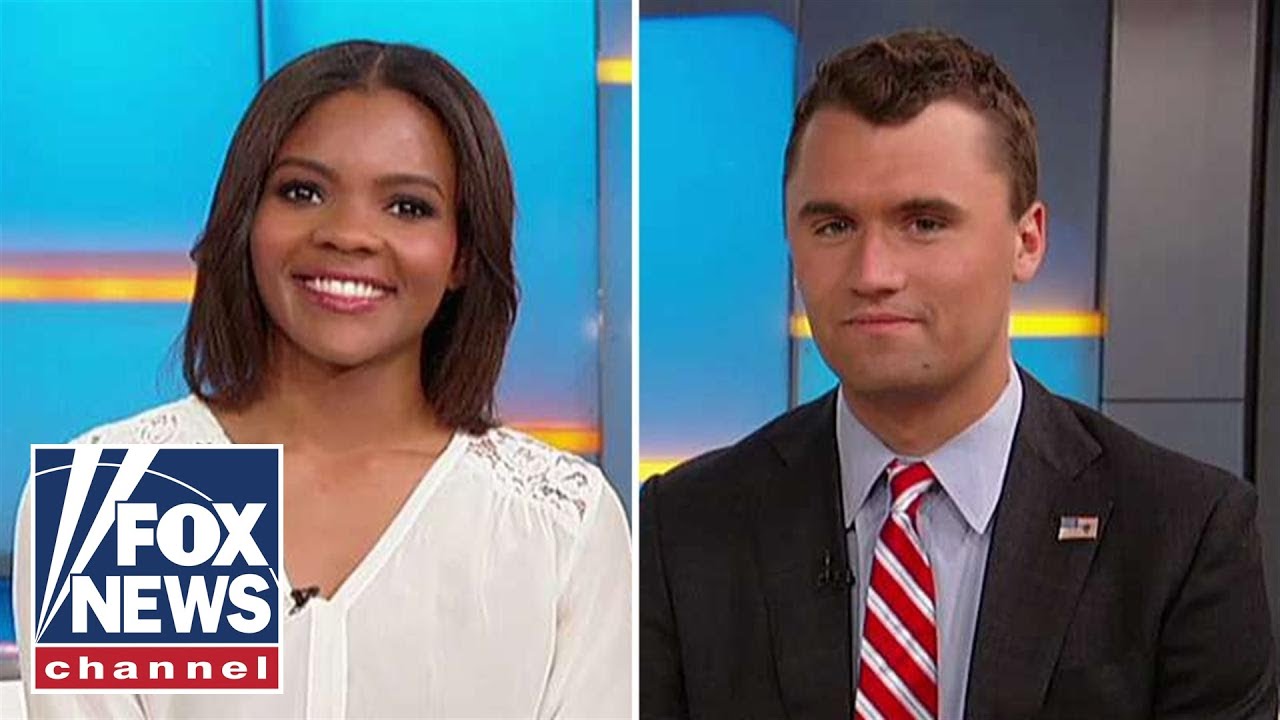
Charlie Kirk and Candace Owens Discuss Breaking Group Identities and Awakening Black Conservatives

Charlie Kirk and Candace Owens Discuss Breaking Group Identities and Awakening Black Conservatives

7:29

Dennis Prager and Charlie Kirk Discuss Why Conservative Students Radiate Happiness and What It Means for America

Dennis Prager and Charlie Kirk Discuss Why Conservative Students Radiate Happiness and What It Means for America

38:55

Related Books

View All

Charlie Kirk and Candace Owens Discuss Why Conservative Ideas Struggle to Reach Young People on College Campuses

Categories: News Appearances
December 30, 2018

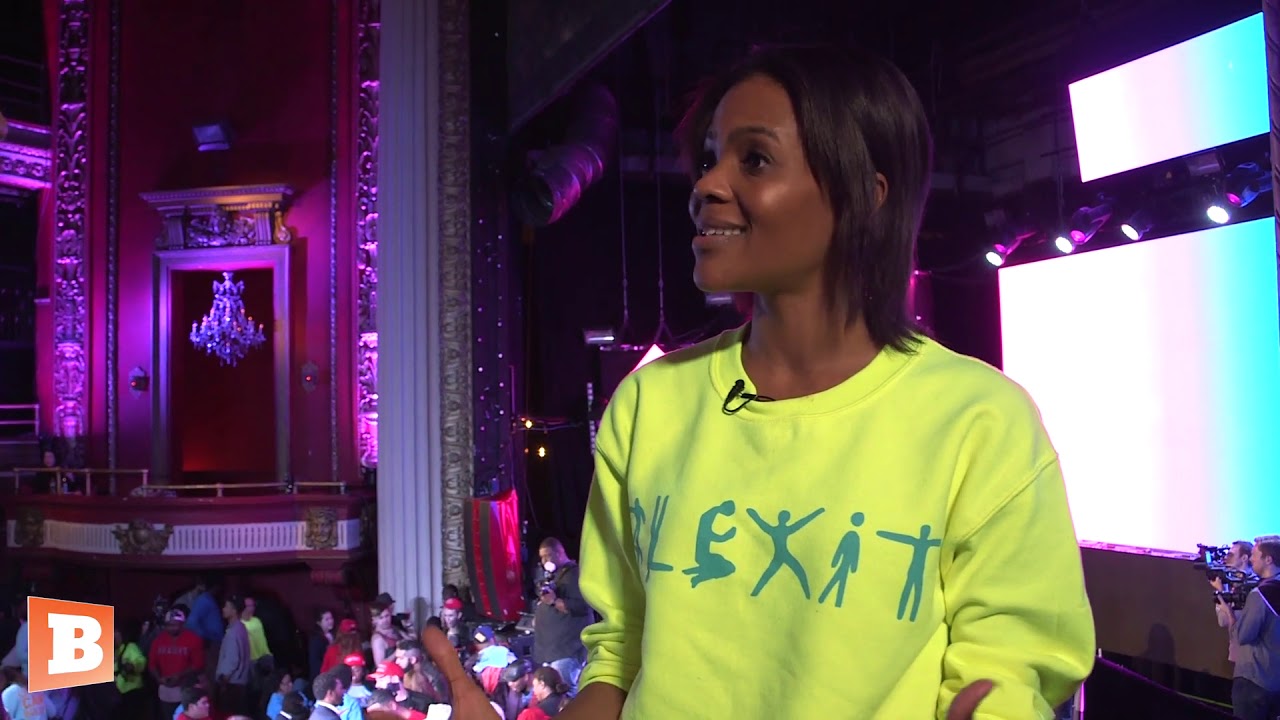
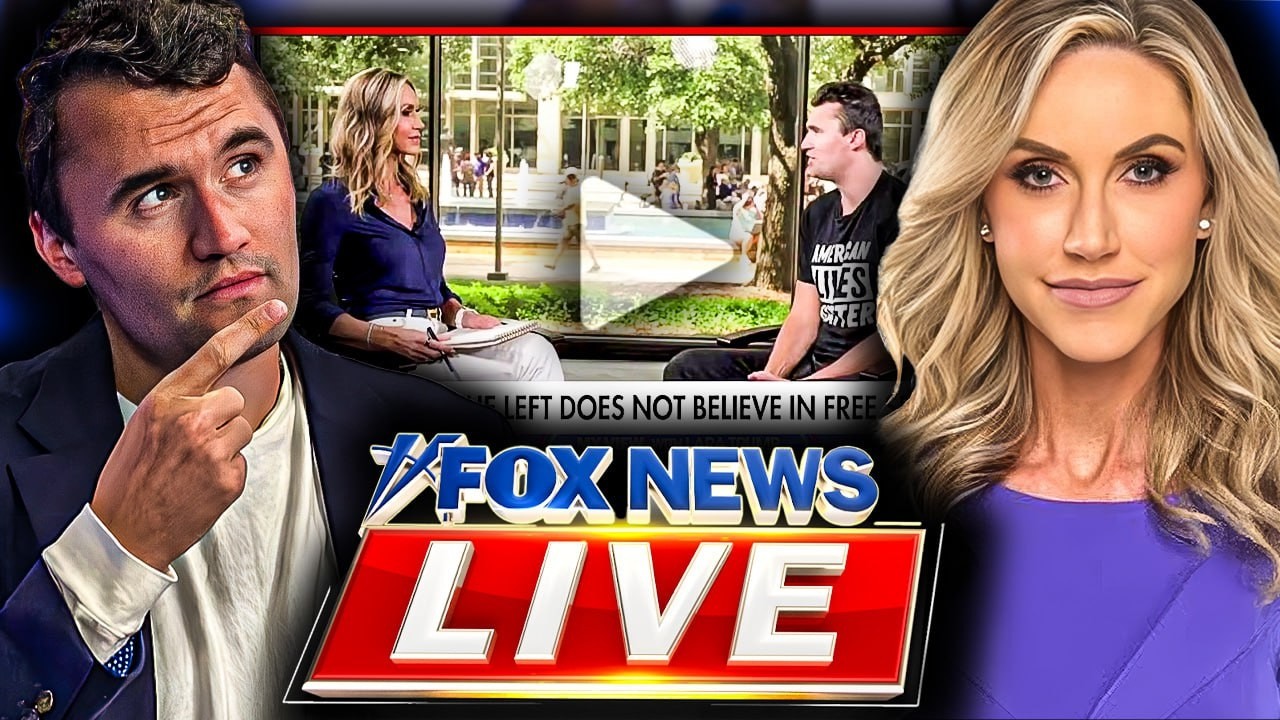
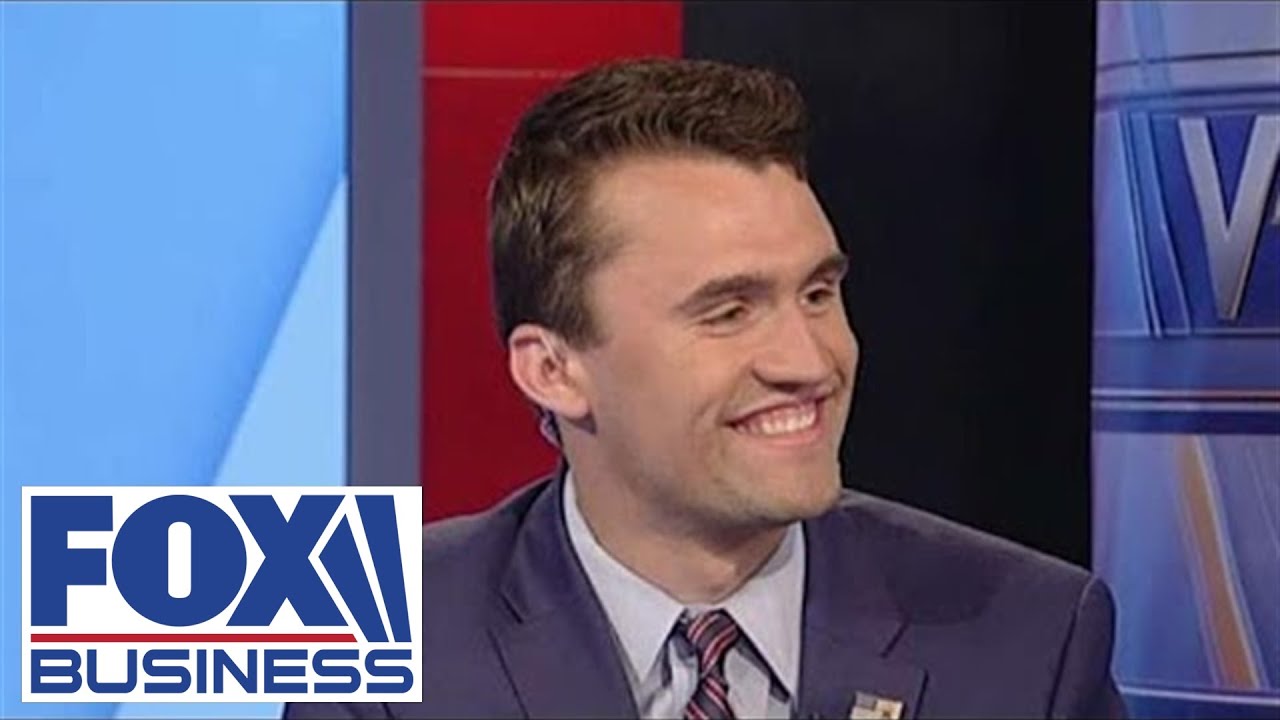
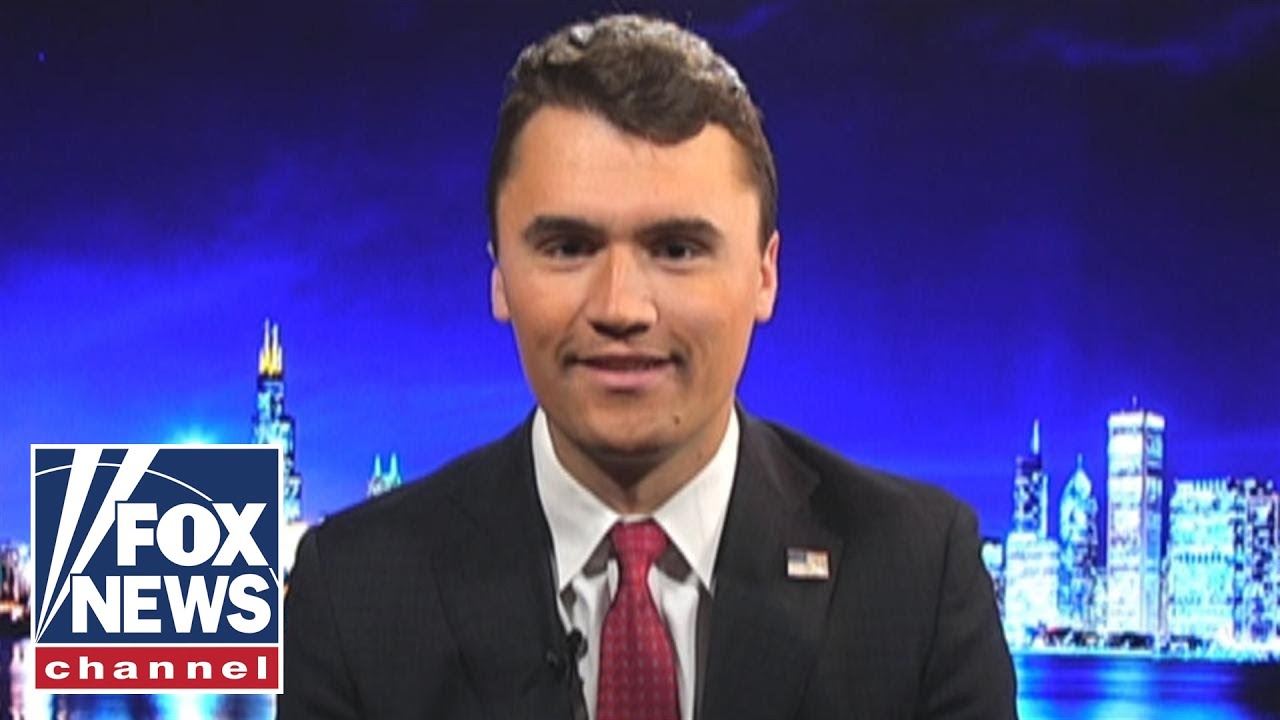
Charlie Kirk, founder of Turning Point USA, joins Candace Owens and Katrina Pierson for a candid discussion about the cultural war on college campuses and why young people aren't exposed to conservative ideas. Kirk and Owens recount their historic campus tour to Stanford, UC Berkeley, and UCLA, where they faced protests and attempts to silence their voices. The panel explores why 69% of young people disapprove of President Trump despite a strong economy, the disconnect between conservative values and youth messaging, and strategies for engaging younger voters in 2020.

The Exposure Problem: Why Young People Don't Hear Conservative Ideas

When asked whether most young people identify more with liberals than conservatives, the audience response was telling—about 70 percent agreed, with almost no hands raised for conservatives. But according to Charlie Kirk, founder of Turning Point USA, the issue isn't that young people oppose conservative ideas. The problem is they're never exposed to them in the first place.

Kirk appeared alongside Turning Point USA communications director Candace Owens and 2020 Trump campaign adviser Katrina Pierson to discuss the uphill battle conservatives face on college campuses and with younger voters. Owens acknowledged the current reality but noted that the paradigm is shifting, thanks in part to efforts led by Turning Point USA and a president who appeals to the younger generation in unexpected ways.

Surviving the Campus Tour: Stanford, UC Berkeley, and UCLA

Kirk and Owens made history as possibly the only conservative duo to visit Stanford, UC Berkeley, and UCLA within a month and survive to tell the tale. At UCLA, protesters tried to drown out their voices by blaring Beyonce music. Kirk described the experience as part of a larger cultural war, where conservative voices face active suppression on campuses across the country.

The hostile reception wasn't surprising given the political climate on university campuses. Katrina Pierson pointed out that most professors in universities are very liberal, creating an environment where conservative principles and values are rarely taught or discussed. Those who are exposed to conservative ideas often experience them as preaching rather than genuine conversation, creating a disconnect with young people.

The Poll Numbers and the Perception Problem

Current polling shows that 69% of people aged 15 to 26 disapprove of President Trump's performance. Additionally, 60% of Millennials believe Trump is a racist—a statistic that Pierson, a black woman chosen to represent Trump's 2016 presidential campaign, called ridiculous.

But Owens cautioned against putting too much stock in polls, reminding everyone that polls predicted an 80% chance of Hillary Clinton winning in 2016, and she's not sitting in the Oval Office. The panelists agreed that the perception problem stems largely from mainstream media coverage and the lack of direct engagement with young voters on their own terms.

Trump's Punk Rock Appeal: Rebellion Against the Establishment

Owens offered an unconventional take on Trump's potential appeal to young people. She argued that something about the president feels very punk rock and rebellious—he's rebelling against the establishment and the mainstream media. This rebellious quality, she suggested, could actually resonate with younger voters who are naturally in a more rebellious phase of life.

The country needs to rebel against the socialist principles being taught on the left, Owens argued. Trump's anti-establishment posture positions him as an outsider challenging the status quo, which could be a powerful message for young people if delivered effectively.

Looking Ahead to 2020: Strategy and Opportunity

When asked about trends among college students heading into the 2020 election, Kirk noted that Democrats did somewhat better with younger voters in the 2018 midterms, but not as well as they expected. They didn't do well enough to win key states like Ohio and Florida.

Kirk pointed out that in states like New York and California, younger voters are becoming more radical, to the point where they consider Nancy Pelosi a moderate—a horrifying thought, he suggested. These states are likely to produce more candidates like Alexandria Ocasio-Cortez. However, Florida Governor Ron DeSantis demonstrated that it's possible to energize younger voters and even African American female voters in ways that defy conventional expectations.

The Case for Campus Visits and Direct Engagement

Should President Trump visit college campuses in 2019? All three panelists answered with an emphatic yes. Pierson emphasized that Trump excels at speaking directly to the American public, which is why rallies are so important. Going to college campuses would provide an amazing opportunity to talk directly to young people.

What sets Trump apart from most Republican politicians, according to Pierson, is that he doesn't talk about philosophy or complicated multi-point plans. He speaks directly about issues in simple terms: "I'm gonna bring you jobs. I'm gonna do X, Y, and Z to do it." That's what young people want—they want to know that when they get out of college, they're going to have a job and their future is bright.

Winning Back the Suburbs and Reaching Black America

When an audience member asked about lost ground in the suburbs during the 2018 midterms and how to make up for it with 92% of media opposition, Pierson acknowledged some losses but noted that in some areas Republicans didn't lose ground. She reiterated that Trump's ability to speak directly to people through rallies and direct engagement is the key to overcoming media bias.

Owens concluded with a strategic observation: whatever ground was lost in the suburbs can be made up for in the projects. Black America is paying attention right now, she argued, and Trump should go there and speak to them directly. As the left increasingly appeals to illegal aliens, one group of individuals is being forgotten—black Americans. This represents an opportunity for Trump and conservatives to engage with a community that has traditionally voted Democratic but may be open to a different message.

Comments

Be the first to comment on this video.

Video Transcript

[00:00] I'm gonna ask you all by a show of hands

[00:02] how many of you believe that most young

[00:05] people identify more with liberals and

[00:08] conservatives what do you think 70

[00:12] percent I got a few yeah how many of you

[00:15] think they identify more with

[00:16] conservatives now wait a minute this

[00:20] ain't making sense nobody raised their

[00:22] hand for conservatives that only about

[00:24] 70 percent for liberals but anyway let's

[00:27] bring out a few people are changing the

[00:29] way we think young people look at

[00:31] conservativism a big welcome to

[00:33] turning-point USA powder

[00:35] Charlie Kirk Turning Point

[00:36] communications director Candice Owings

[00:39] an adviser to the 2020 Trump campaign

[00:42] Katrina Pierson hi everybody welcome

[00:45] great to have you all here all right so

[00:48] I believe that most young people are

[00:51] more young people identify with liberals

[00:54] then conservatives and Candace Owens

[00:56] I'll start with you is that do you think

[00:58] that's right or am I totally off-base I

[01:00] think it is right but it's changing

[01:02] we're seeing sort of a shifting paradigm

[01:04] thanks to a lot of the efforts led by

[01:06] Turning Point USA and also the president

[01:09] we have a president that actually

[01:10] appeals to the youth generation or and

[01:13] Charlie it's not that young people are

[01:15] opposed to conservative ideas it's just

[01:17] that exposed to them at all in the first

[01:19] place and you know Candace and I we did

[01:21] a historic campus tour this last year I

[01:24] think we're the only conservative duo to

[01:26] go to Stanford UC Berkeley and UCLA in a

[01:29] span of a month and lived to tell about

[01:30] it

[01:34] was there any arson was there a

[01:36] twelve-hour riot UCLA we had a little

[01:39] fun a little bit of fun they were

[01:40] definitely blaring Beyonce music trying

[01:42] to drown out our voices but I mean it's

[01:44] a fight it's a cultural war we're in

[01:46] where do you think it started you know

[01:47] Katrina you were in the 20 in the 2016

[01:50] race um you were spokesman you all

[01:51] recognize Katrina she was a spokesman

[01:53] for the president why why the dissidents

[01:58] why is there such an inability to get

[02:01] young people to come out and why are

[02:02] campuses the feeding ground for hate for

[02:06] people on the right well I think

[02:07] Charlie's right a lot of it is exposure

[02:09] a lot of people say well Donald Trump

[02:10] has a millennial problem and I say no

[02:13] that

[02:13] P has a millennial problem and it is

[02:16] because so many people have not been

[02:18] exposed to conservative principles or

[02:20] conservative values and those who are

[02:23] exposed to them they're being preached

[02:25] to and not spoken to and I think that

[02:27] has caused a huge disconnect with a

[02:29] large number of young people on top of

[02:31] that you have most of the professors in

[02:33] the Universities are very liberal and

[02:36] you top that off with the fake news

[02:38] media 60% of Millennials think Donald

[02:40] Trump is a racist I'm a black woman and

[02:42] he chose me to represent his 2016

[02:44] presidential campaign Oh ridiculous it

[02:46] is and you know we can pull up a poll

[02:49] here Trump's popularity among young

[02:52] people 69% of people aged 15 to 26

[02:57] disapprove of presidents trumped

[03:00] performance as a president can decide go

[03:02] back to you wait a minute isn't the

[03:04] economy doing great now or well first

[03:08] and foremost we don't pay attention too

[03:10] much to the polls I mean they told us

[03:11] that Hillary was gonna win and they were

[03:12] 80% sure and she's not sitting in the

[03:14] Oval Office last I checked but look I

[03:17] think that this president particular is

[03:19] going to appeal a lot more to the youth

[03:21] generation because something about him

[03:23] feels very punk-rock and rebellious he's

[03:25] a rebellious president he's rebelling

[03:26] against the establishment he's rebelling

[03:28] against the mainstream media and it's

[03:31] something that we identify with when

[03:32] you're younger you're sort of in a more

[03:34] rebellious phase and it's something that

[03:35] this country needs to rebell against

[03:37] these socialist principles that are

[03:38] being taught on the Left thank you we

[03:44] have a question from the audience so

[03:46] looking back at the election

[03:48] this past November and the 2016

[03:50] presidential election are you seeing

[03:52] trends among college students going

[03:53] forward with voting on if they're gonna

[03:55] vote conservative and this 2020

[03:57] lectionary gonna see a liberal turnout

[03:59] for them charlie so the Democrats did a

[04:02] little bit better with younger voters in

[04:04] the 2018 midterm so they did not do as

[04:06] well as they thought they would do and

[04:08] they did not do well enough to win

[04:10] states like Ohio and Florida you see

[04:12] states like New York and California

[04:13] where younger voters are becoming more

[04:15] and more radical where they consider

[04:17] Nancy Pelosi to be a moderate which is

[04:19] kind of horrifying to think about you're

[04:21] gonna see more of those Acacio cortes

[04:23] type candidates but you look at Florida

[04:24] you look at now governor

[04:26] electron DeSantis what he was able to do

[04:28] there it's absolutely amazing to

[04:29] energize younger voters and even

[04:31] african-american female voters in a way

[04:33] that really defied conventional norms

[04:35] should the president visit colleges in

[04:38] 2019 absolutely question colleges

[04:42] without question it really matters he's

[04:45] got to engage the youth more and I think

[04:47] that the future of this country depends

[04:49] on it

[04:50] all right I think we have another

[04:51] question here yes my question had to do

[04:55] with 2020 in the election coming up it's

[04:57] not too early to plan for it and there

[04:58] some that are saying that in the suburbs

[05:00] we lost ground I'm wondering how we can

[05:04] make up for when we have 92 percent of

[05:06] the media going against us go ahead

[05:08] Katrina well we lost a little bit of

[05:11] ground in the suburbs but in some areas

[05:12] we didn't I don't know if those numbers

[05:14] have come out yet but I'll also say you

[05:17] know one of the things that the

[05:19] president is very good at is you know

[05:20] speaking directly to the American public

[05:23] which is why the rallies are so

[05:25] important and why going to college

[05:27] campuses would be an amazing opportunity

[05:29] to talk directly to young people because

[05:32] what President Trump does what most

[05:34] politicians at least on the Republican

[05:36] side doesn't do is speak directly about

[05:39] the issues for so long you've had GOP

[05:42] candidates who want to talk about

[05:43] philosophy and they want to talk about

[05:45] their three hundred and forty-one point

[05:47] plan to fix the economy what Donald

[05:49] Trump just says I'm gonna bring you jobs

[05:51] I'm gonna do X Y & Z to do it and that's

[05:53] what young people want they want to know

[05:55] that when they get out of college

[05:56] they're gonna have a job they want to

[05:58] know that their future is bright okay

[06:00] last word I just want to add what we

[06:02] lost in the suburbs we can certainly

[06:03] make up for in the projects I think that

[06:05] black America is paying attention right

[06:07] now and that he should go there you

[06:08] should speak to them because as the left

[06:10] appeals more and more to illegal aliens

[06:12] there's one group of individuals that

[06:14] are being forgotten about and that's

[06:15] black America

Link copied to clipboard!