2,422 videos 1,389,747,653 views US Joined Aug 30, 2018
Charlie Kirk is the Founder and President of Turning Point USA, the largest and fastest growing conservative youth activist organization in the country with over 250,000 student members, over 150 full-time staff, and a presence on over 2,000 high school and college campuses nationwide. Charlie is also the Chairman of Students for Trump, which aims to activate one million new college voters on campuses in battleground states in the lead up to the 2020 presidential election. His social media reaches over 100 million people per month and according to Axios, he is one of the "top 10 most engaged" Twitter handles in the world. He is also the host of “The Charlie Kirk Show,” which regularly ranks among the top news shows on Apple podcast charts.
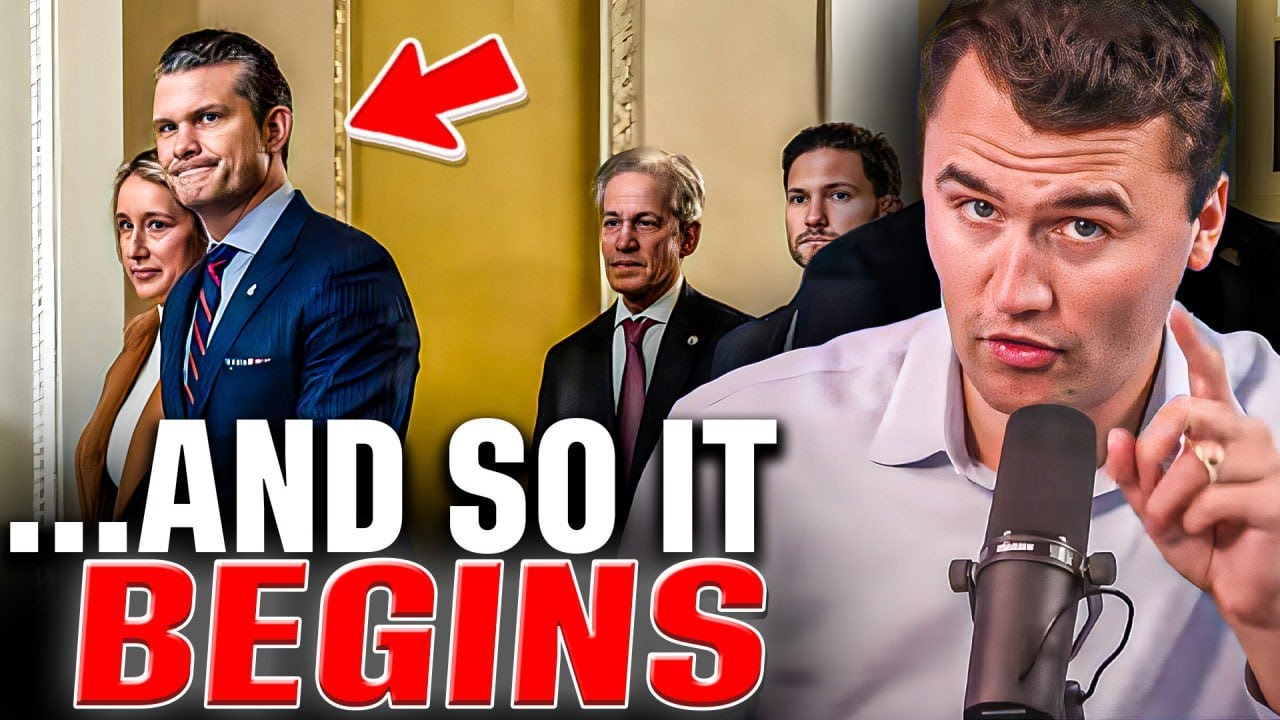
Charlie Kirk and Senator Markwayne Mullin Break Down Trump's Decision to End Senate Negotiation Standoff
Senator Markwayne Mullin joins Charlie Kirk to explain the abrupt end to Senate confirmation negotiations after President Trump told Chuck Schumer to "pound sand." With 160 nominees still waiting and only 136 confirmed compared to 55 at this point in Trump's first term, the Senator reveals why Trump walked away from the deal and what rule changes are coming in September. Mullin breaks down the complicated recess appointment process, explains how the Senate can shift from needing four votes per nominee to just two, and why even Mitch McConnell is leading the charge for wholesale Senate reform. The discussion reveals a president deeply engaged in every negotiation and a Senate majority finally ready to overhaul archaic confirmation rules.
Senator Markwayne Mullin from Oklahoma provides an inside look at the dramatic end to Senate confirmation negotiations. After days of intense discussions, President Trump made the decision to stop negotiating with Senate Minority Leader Chuck Schumer over nominee confirmations, effectively telling him to "pound sand" after what the Senator describes as bad faith negotiations.
The situation had reached a critical point with three possible options on the table: strike a deal, continue negotiations, or change the Senate rules. According to Mullin, President Trump was extremely engaged for three days, negotiating alongside JD Vance with multiple phone calls to senators working on the issue. The group included Senator Thune, Lindsey Graham, Katie Britt, Eric Schmitt, and Jim Risch, all in constant communication with the president.
The Failed Negotiation Process
The negotiations centered on 61 nominees that had already been reported out of committee with bipartisan support from both Democrats and Republicans. President Trump wanted to clear the deck on these confirmations and work on a package that would reduce the total number of confirmations needed from 1,200 people down to 300 to 400 individuals who truly required Senate votes.
Initially, Senator Angus King indicated Democrats would accept the deal. However, their price tag included $800 million in funding that was being held up by FY25 appropriations, part of the rescission packages. The negotiation involved letting that money go through in exchange for moving forward on confirmations. President Trump tentatively agreed to try working something out.
But Democrats came back with another offer that Trump didn't like. Even as he was boarding a plane, the president called Mullin and said to get the deal done, explaining that he had nominees waiting who needed to get paid. However, when negotiations resumed, Democrats came back three times, each time dropping the number of confirmations they would approve while raising the price. That's when President Trump ended negotiations and told senators to go home and work on changing the rules instead.
The Current State of Confirmations
Charlie Kirk expressed frustration with the situation, noting that 160 nominees are still waiting with huge chunks of the government unstaffed seven months into Trump's term. A presidential term only lasts four years, and waiting another 30 days until September for rule changes means important positions and ambassadorships remain unfilled.
Senator Mullin explained that the president can currently put people in positions as special envoys, allowing them to do the job without holding the official title. The catch is they're essentially working without pay. Even under recess appointments, these nominees would still work without pay, making the recess appointment process more complicated than beneficial.
However, Mullin provided context that contradicts the narrative of complete dysfunction. At this same point in 2017 during Trump's first term, only 55 nominations had been confirmed. Currently, 136 nominations have already been confirmed, more than double the first term's pace. President Trump is reportedly happy with where things stand.
Why Trump Walking Away Is Actually Strategic
Senator Mullin made a compelling case for why Trump's decision to end negotiations was the best possible outcome. By telling Chuck Schumer to "pound sand," Trump demonstrated he wasn't so desperate for appointments that he would accept a bad deal. This breaks from normal political protocol where endless negotiation leads to 50/50 compromises.
Trump's clear stopping point and willingness to walk away means he can appoint people as special envoys without giving Democrats a single penny. More importantly, it forces the Senate to change the rules, and Trump can pin the blame entirely on Schumer. The president now has all of August to make the case to the American people that Chuck Schumer forced this action by taking the nuclear option and filibustering every single Trump nominee—something that has never happened in the history of the United States.
This approach allows Republicans to argue they're making the Senate work more efficiently for the long term, not just for this administration. It's a strategic play that shifts the political narrative entirely.
The Coming Rule Changes in September
When senators return in September, they plan to propose rule changes directly to the conference and move straight to votes. The good news for Republicans is that these changes only require 51 votes, not the 67 that used to be required. Chuck Schumer himself changed this when he was in office. Mitch McConnell even made a speech in 2017 warning Schumer that his actions would forever change the norms of the Senate.
The rule changes will require overruling the parliamentarian with a simple 51-vote majority, which Schumer did before 2017. Republicans will have the votes to do this. The proposed changes focus on different tiers of nominees. The president's cabinet, second-tier individuals, and judges would still be subject to 30-hour debates. Everyone below that level would face dramatically reduced debate time.
The easiest option being considered would reduce debate time from 2 hours down to 15 minutes and allow the Senate to stay in executive session all day. Currently, after every vote, the Senate automatically returns to legislative session and must vote to go back into executive session, requiring two extra votes. Every nominee currently takes four votes, with each vote taking about 35 minutes plus a 2-hour debate—more than four hours total per person. The proposed change would drop this from four votes to two votes per nominee.
Another option under consideration would make nominees who come out of committee non-debatable and move them straight to the floor for a vote. This is tougher because it requires rule changes in the committees as well, and committee chairmen tend to be territorial about their authority. The most likely scenario is a rule allowing anyone who comes out of committee with a bipartisan vote to go straight to the floor for a vote.
Bipartisan Support for Senate Reform
Interestingly, many Democrats also want these changes because they're tired of the current dysfunction. They understand that Republicans won't always control the presidency, and these same obstructionist tactics could be used against them in the future. Currently, 80% of Senate time is consumed by executive calendar issues trying to get nominations across the finish line, and this affects both parties.
Senator Mullin noted that even those who didn't support Biden understood that any president needs their people in place for government to operate. The difference now is that Republicans have the majority and won elections specifically to implement their agenda. Dave McCormick is a U.S. Senator because Republicans won, and they should be able to exercise that mandate.
The Degradation of Senate Norms
Charlie Kirk made a pointed observation about why these archaic rules no longer work. The Senate was designed as a club built on honor and mutual respect when senators actually wanted what was best for the country. Those days are gone, and the rules need to reflect the new character—or lack thereof—of the modern Senate.
Senator Mullin completely agreed, explaining that the Senate was elected to six-year terms specifically so senators wouldn't have to constantly play politics back home. The institution was supposed to be somewhat above day-to-day political considerations. However, Chuck Schumer is literally afraid of his own shadow right now. He can't work with Republicans because he's up for reelection and fears AOC will run against him and win, which Mullin says is absolutely accurate.
Additionally, Cory Booker is clearly running for president in 2028, as is Chris Murphy. Neither is willing to negotiate because of their presidential ambitions. Since most Senate business requires unanimous consent to move forward, the only option is to make systemic rule changes.
Presidential Engagement in the Process
Senator Mullin repeatedly emphasized just how involved President Trump has been in this entire process. The president was talking to senators almost every other hour, making multiple phone calls per day to the working group. This level of presidential engagement in Senate procedure is remarkable and demonstrates how seriously Trump takes staffing his administration.
Trump didn't make the decision to end negotiations lightly or impulsively. He was willing to compromise and strike a deal because he understood how complicated recess appointments would be. But when Democrats kept changing the terms, dropping the number of confirmations while raising their demands, Trump recognized bad faith negotiation and had the strength to walk away.
The Road Ahead
When the Senate returns on September 2nd, Republicans will immediately proceed with the rules package they're spending all of August preparing. The goal is to catch up on the backlog of nominations, though as Senator Mullin noted, the number won't reach zero because the White House is constantly sending more nominees. Currently, 150 nominations are waiting on paperwork to be sent from the White House, plus the 160 already in the Senate pipeline.
Charlie Kirk pushed back on this, insisting that anyone who had their nomination form signed by the president on January 26th should be confirmed within the next 30 to 60 days. He warned that if the 160 number isn't dramatically reduced by the one-year anniversary of Trump's election victory, it will amount to a stolen presidency via personnel—winning the election but being prevented from governing by obstruction.
Senator Mullin assured that wholesale systemic changes are coming. Significantly, Mitch McConnell is leading the charge for these reforms. In conference, McConnell stood up and made the argument for why these changes must happen. Given that some senators still listen to McConnell heavily, his leadership on this issue is crucial for getting reluctant establishment Republicans on board.
The Senate confirmation crisis has reached a turning point. What looked like dysfunction and surrender may actually be a strategic repositioning that forces long-overdue reforms to an antiquated system. President Trump's willingness to walk away from a bad deal, combined with Republican unity on rule changes and bipartisan frustration with the current process, creates the conditions for meaningful change. The question now is whether the Senate will actually follow through when they return in September, or whether the institutional inertia that has plagued the chamber for decades will once again prevail.